Gardening can be a rewarding experience, but it can also come with its fair share of challenges. Every gardener makes mistakes along the way, and sometimes, the best way to improve your plants is to change your habits. By stopping certain practices that aren’t beneficial, you can create a healthier environment for your plants to flourish.
In this article, you’ll learn about the things that can hold back your garden’s potential. Many of these habits might seem harmless, but recognizing them is the first step towards transforming your gardening game. With a few adjustments, you’ll notice a positive shift in how your plants grow and thrive.
Advertisement
1. Stopped overwatering; plants don’t need as much as I thought.

You might be surprised to learn that most plants don’t need constant watering. In fact, overwatering can harm them more than help. It can lead to root rot and other issues.
Instead of watering on a schedule, check the soil. If the top two inches feel dry, it’s time to water. For cacti and succulents, wait until the soil is completely dry before giving them water.
This simple adjustment not only keeps your plants healthier but also saves you time. Plus, it helps you avoid that sinking feeling of losing a plant to overwatering.
2. No more using chemical fertilizers; switched to organic compost.

Switching from chemical fertilizers to organic compost can be a game changer for your garden. Organic compost nourishes the soil by adding essential nutrients and improving soil structure.
You’ll notice better moisture retention and healthier plant roots. Plus, compost encourages beneficial microorganisms that keep your garden thriving.
Instead of relying on quick fixes, you’re building a sustainable ecosystem. This approach leads to healthier plants that grow stronger over time. Your garden will thank you for making this switch.
3. Stopped ignoring sunlight needs; placed plants where they get optimal sun.
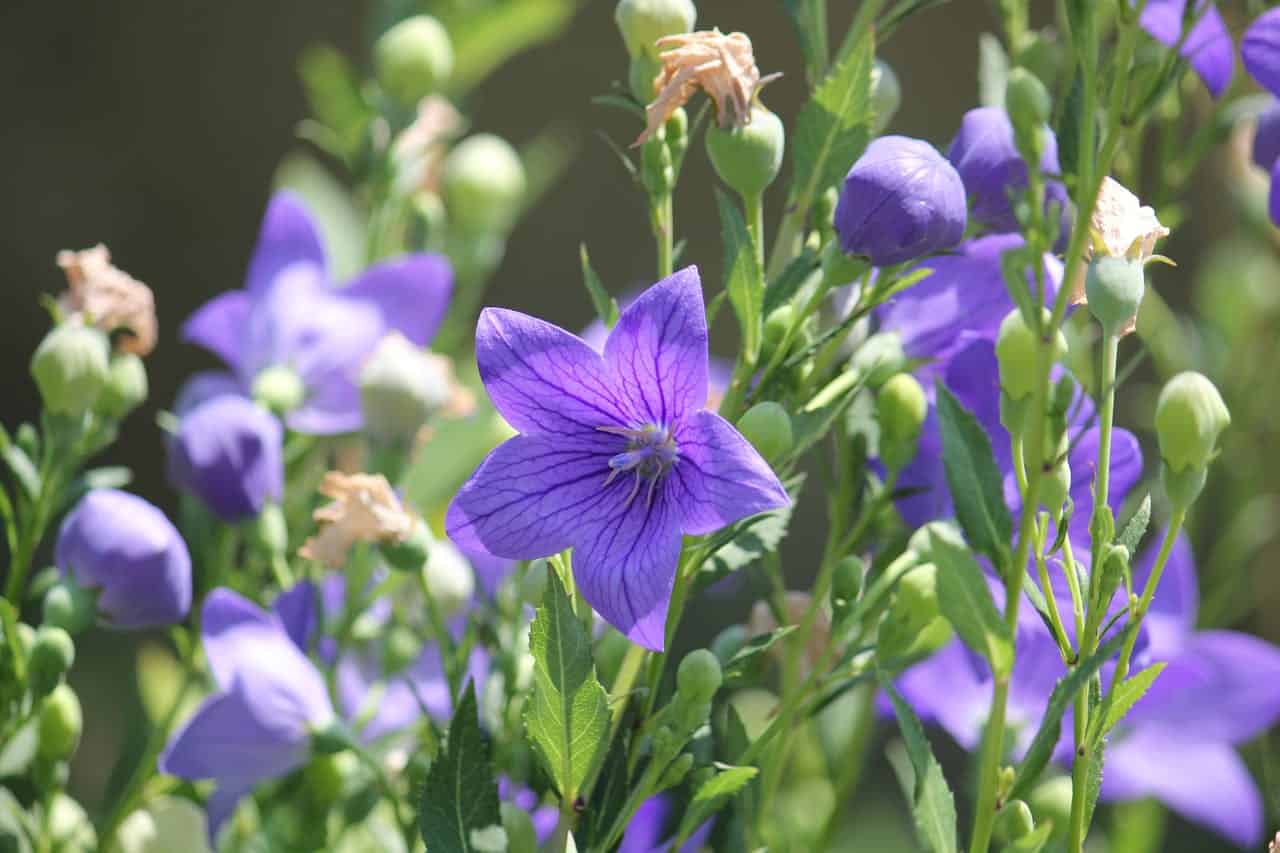
You might not realize how vital sunlight is for your plants’ health. Different plants have varying light requirements, and neglecting this can lead to poor growth.
I started researching the specific sunlight needs of each plant. Some thrive in direct sunlight, while others prefer partial shade.
By relocating my plants to areas where they receive the right amount of light, I noticed a significant improvement. Plants like snake plants and ZZ plants can handle low light, while others need more exposure.
Now, my garden flourishes, and I enjoy healthier, happier plants. Investing time in understanding your plants’ sunlight needs pays off!
4. Quit planting too close; gave each plant enough space to flourish.

One common mistake is planting too close together. When you cram plants, they compete for sunlight, water, and nutrients. This can stunt their growth and make them more susceptible to diseases.
By giving each plant enough space, you create an environment where they can thrive. Proper spacing allows air to circulate, reducing the risk of mold and other issues.
Follow the recommended planting distances for each type of plant. This simple step can make a significant difference in the health and productivity of your garden. Just remember, your plants need their space to grow!
5. Stopped leaving soil bare; always cover with mulch.
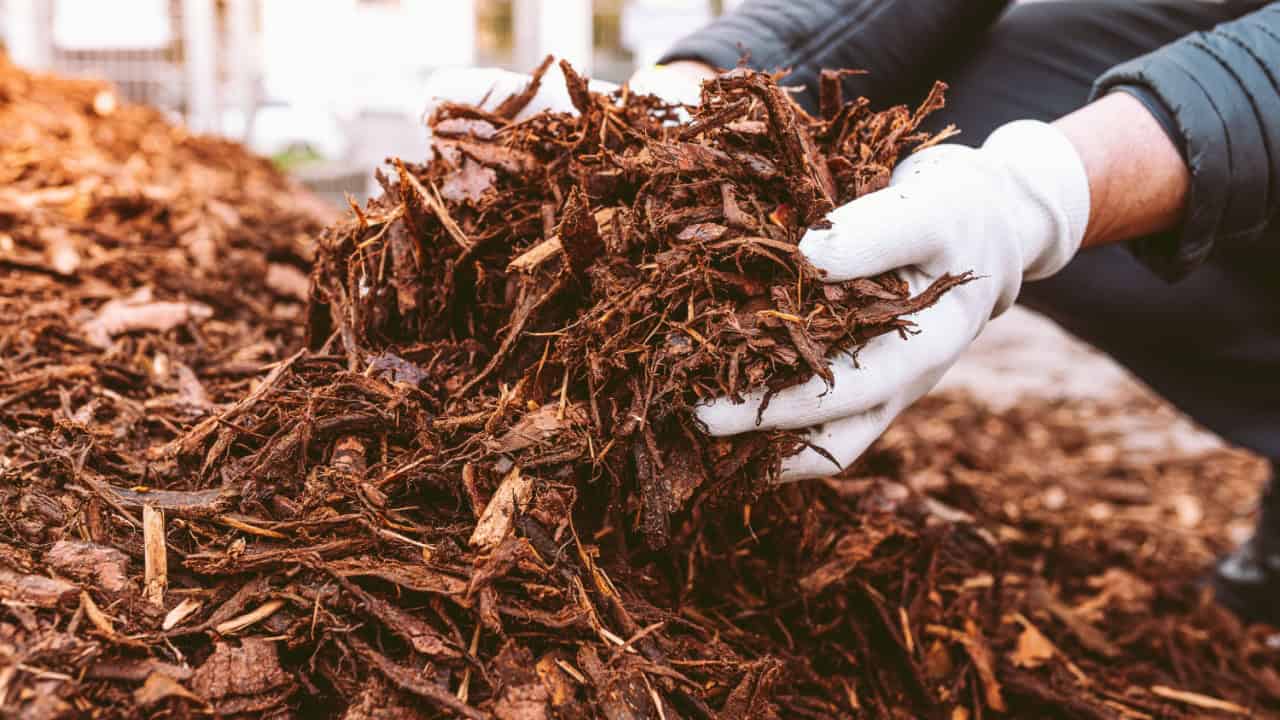
Leaving soil exposed can lead to various issues in your garden. It allows weeds to thrive and can cause moisture loss, making it tougher for your plants.
Covering the soil with mulch protects it from erosion and helps regulate temperature. Organic options like wood chips or straw breakdown over time, enriching the soil.
Using mulch also suppresses weed growth, minimizing the need for constant weeding. It’s an easy step that makes a big difference in plant health and productivity.
6. No more procrastinating on weeding; regular weeding keeps them healthy.

Weeding might feel like a chore, but it’s essential for your garden’s health. When weeds take over, they compete with your plants for nutrients and water.
Make a habit of regular weeding sessions. Even a few minutes each week can make a big difference. You’ll notice how much better your plants thrive when they aren’t fighting for resources.
Try to stay on top of it. Ignoring weeds only leads to more work later on. Keep your garden healthy and happy with consistent weeding!
7. Avoided planting out of season; learned to respect planting zones.
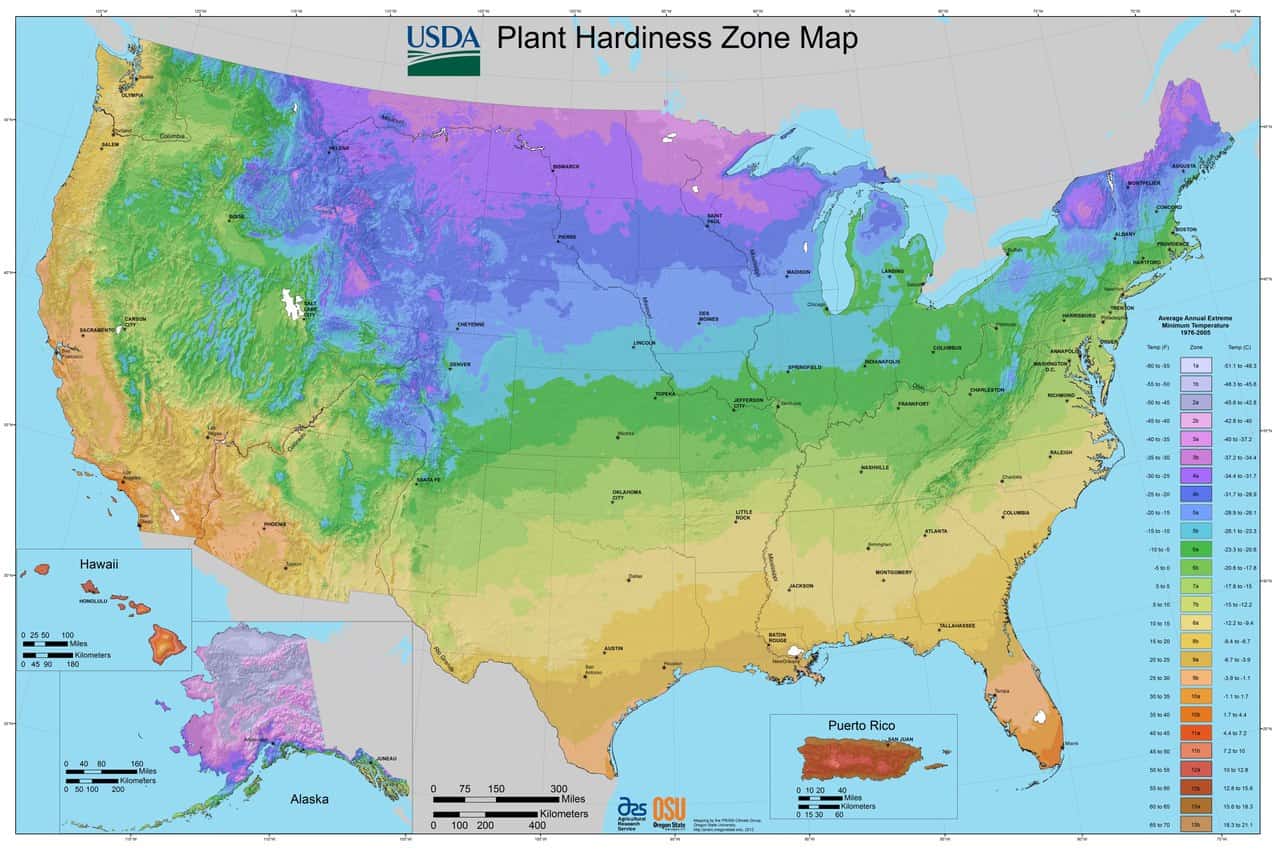
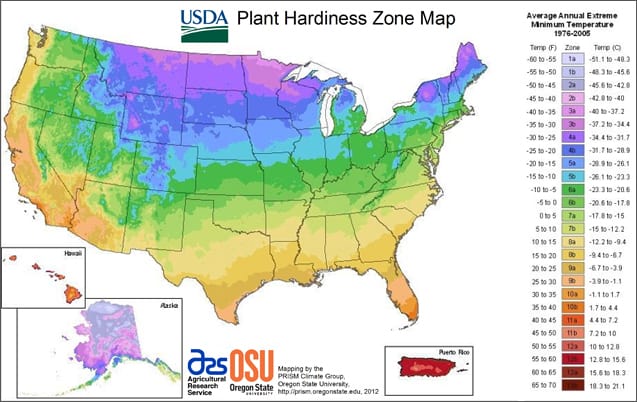
Planting out of season can lead to disappointing results. When you respect your planting zone, you increase the chances of success.
Understanding your specific zone helps you choose the right crops for your climate. You can avoid wasted effort and resources that come with planting too early or too late.
Using tools like the USDA Plant Hardiness Map allows you to identify your zone and select plants that thrive there. This knowledge helps you plan your garden more effectively.
Stick to the recommended planting times for your area, and you’ll see healthier plants. Gardening becomes much more enjoyable when you work in harmony with nature’s schedule.
8. Stopped neglecting soil health; test and amend soil regularly.

Taking care of your soil can transform your garden. Regular soil testing lets you know what’s missing and what needs adjusting. This is key for healthy plants. When you understand your soil’s nutrient levels, you can add the right organic fertilizers. Using amendments like compost improves soil structure and fertility.
Don’t forget to incorporate organic matter throughout the year. Adding it in the fall prepares your soil for the growing season ahead. With proper attention to your soil, your plants will thank you with better growth and yields.
9. Gave up planting without planning; created a layout before planting.

You might have jumped into planting without a solid plan, thinking it would all work out. However, creating a layout can change that game completely.
By sketching out your garden on graph paper, you can visualize where each plant will go. This helps avoid overcrowding and ensures that sun and water reach every plant effectively.
Planning also helps you consider plant companions. Some plants thrive next to others, while some don’t. By mapping it out, you set your garden up for success from the start.
10. Quit underestimating the power of companion planting.

Companion planting is a game changer for your garden. When you pair certain plants together, they can boost each other’s growth and even deter pests.
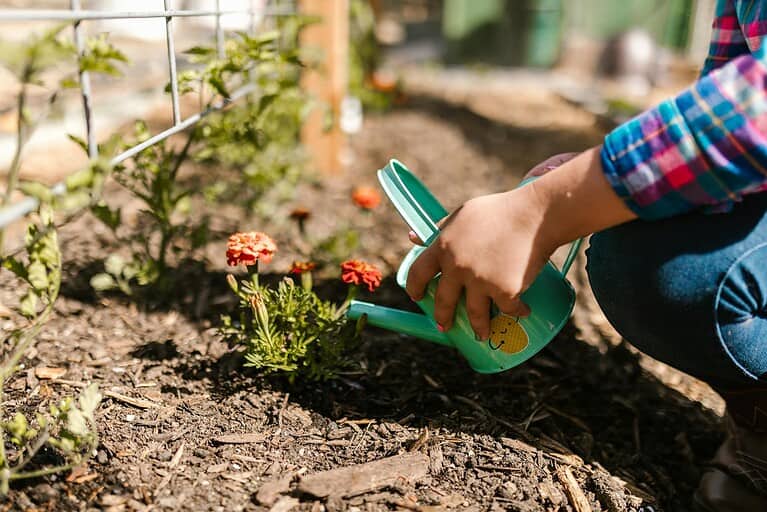
For example, planting marigolds alongside vegetables can help repel harmful insects. Certain herbs can enhance the flavor and health of neighboring plants too.
Don’t overlook the benefits of these natural partnerships. Your plants will thrive with less effort, plus it’s a great way to maximize your garden space. Try mixing different plants and observe the positive changes.
11. Stopped forgetting to deadhead flowers; it encourages more blooms.

Deadheading flowers can significantly benefit your garden. By removing spent blooms, you prompt your plants to focus their energy on producing new flowers rather than seed development. This simple act keeps your plants looking fresh and vibrant.
Make it a routine to check your flowers regularly. With just a pair of pruning snips, you can quickly tidy up your plants as you walk through the garden.
Not only does deadheading promote more blooms, but it also improves the overall health of your plants. You’ll notice a more colorful and lively garden if you make this small effort a habit.
12. No more random pruning; learned timing and technique matters.
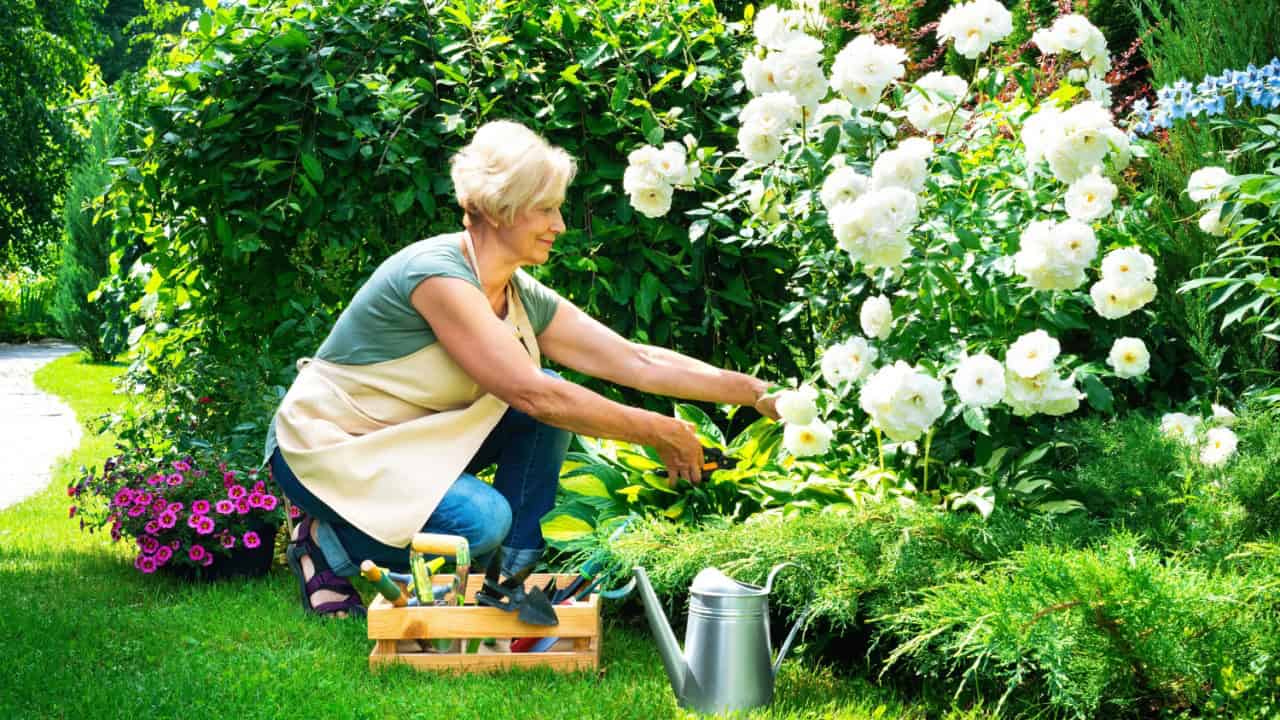
Random pruning can harm your plants more than help them. Instead of cutting whenever you feel like it, focus on the right timing. Research what specific plants need for pruning. Some thrive after flowering, while others benefit from cuts in early spring.
Technique also matters. Always use clean, sharp tools and prune at a 45-degree angle just above a leaf node. This encourages healthy regrowth and prevents damage. By adjusting your approach to pruning, you’ll give your plants the best chance to thrive without unnecessary stress.
13. Resist bringing in sick plants from nurseries; inspect before buying.
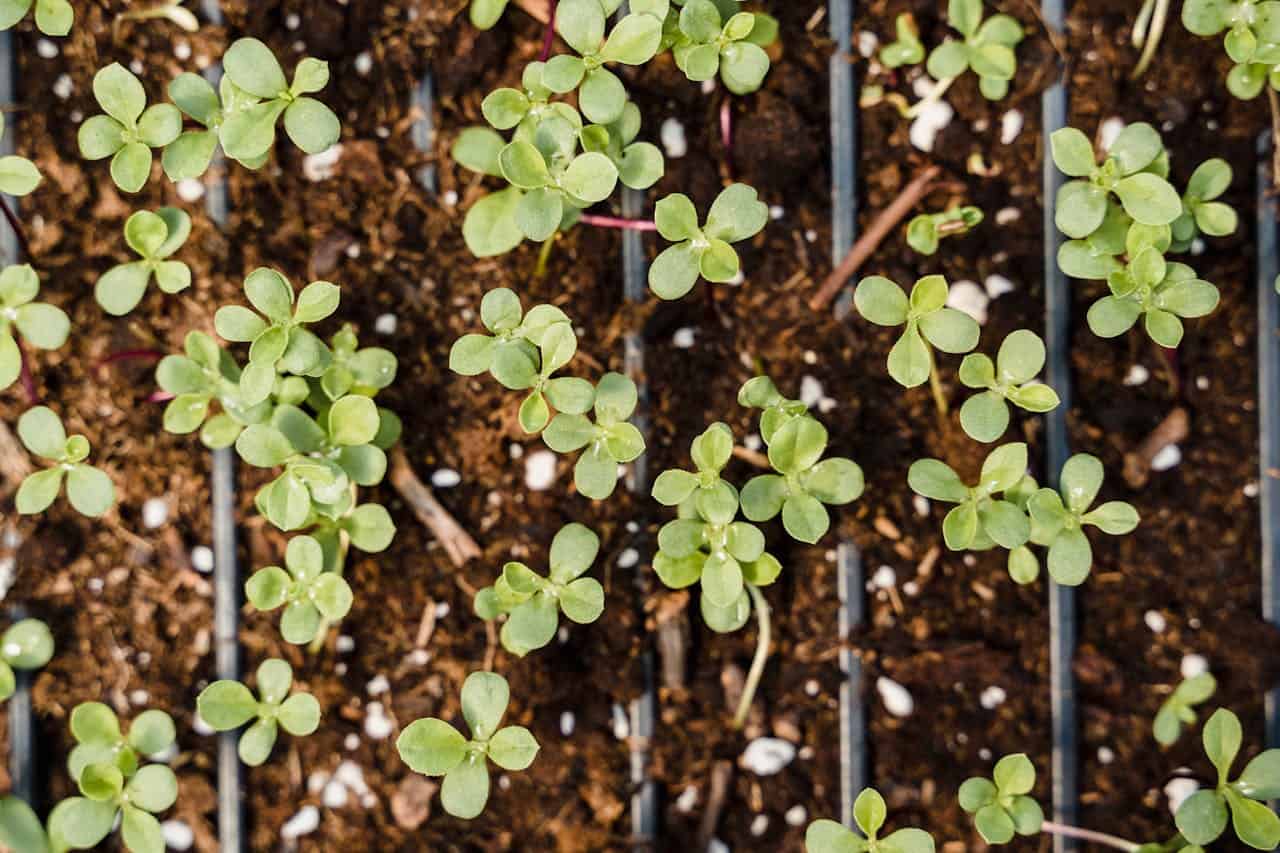
When you’re at a nursery, it’s easy to get excited and grab a plant that catches your eye. But remember, not all plants are healthy. Before buying, take a moment to inspect each one closely. Look for any signs of disease, such as yellowing leaves or spots. Healthy foliage should be green, thick, and perky.
Pay attention to the soil too. If it feels overly wet or has a bad smell, that might be a red flag. Choosing healthy plants from the start can save you time and stress later on. Your garden will benefit from this extra caution.
14. Stopped using harsh pesticides; opted for natural pest solutions.

Switching from harsh pesticides to natural solutions can make a big difference in your garden. You’ll find that plants thrive better without the toxic chemicals. Using natural remedies, like garlic oil spray, repels pests safely. You just mix minced garlic with mineral oil for an effective repellent.
Another option is spraying aspirin dissolved in water, which can boost your plants’ defense mechanisms. By avoiding chemicals, you create a healthier environment for beneficial insects and pollinators. Your garden will not only look better but also become a more sustainable space.
15. Avoided planting invasive species; chose native plants instead.

Choosing native plants over invasive species is a game-changer for your garden. Invasive species can take over, outcompeting the plants you actually want to thrive.
Native plants, on the other hand, are adapted to your local environment. They support local wildlife, including pollinators, and often require less maintenance.
By avoiding invasive species, you’re creating a healthier ecosystem in your garden. Plus, native plants add beauty and diversity, making your outdoor space a more enjoyable place to relax and connect with nature.
*This article was written with the help of AI.