Gardening is a wonderful and rewarding hobby that many people enjoy. However, it can also be a costly endeavor, especially if you’re not careful about what you spend your money on. You might find yourself spending a fortune on all sorts of gardening products, many of which you don’t actually need. Over time, I’ve learned that there are quite a few things that I can do without in my garden, and by not buying these items, I’ve managed to save quite a bit of money. Here is my list of 15 things I stopped buying for my garden that saved me money.
1. Expensive Plant Containers
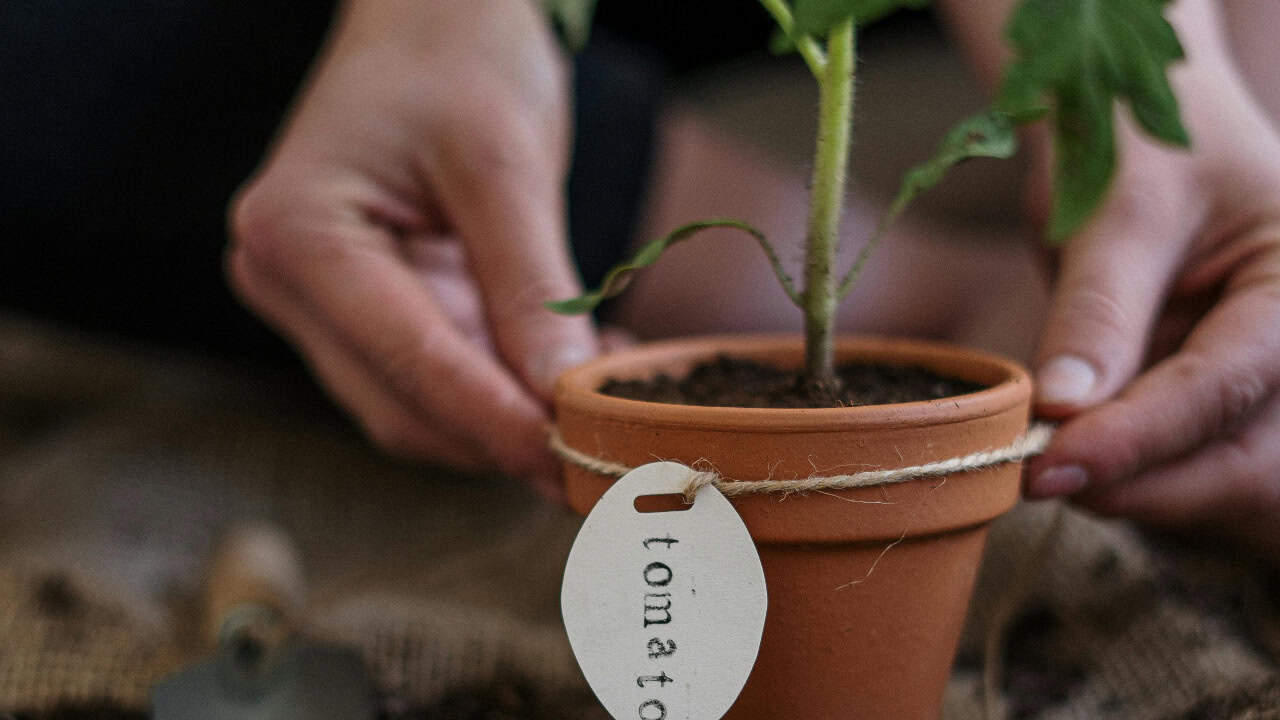
You might be tempted to splurge on fancy planters or pots, but the truth is, plants don’t care what they’re grown in. What matters most is the quality of the soil and the care you provide.
Advertisement
Instead of spending money on expensive plant containers, consider repurposing items you already have at home. Old buckets, baskets, or even shoes can make unique and interesting planters. You can also save money by buying plain pots and decorating them yourself with paint or other embellishments.
2. Garden Decorations

Garden decorations can add a touch of personality and charm to your outdoor space. However, they can also be quite expensive. Instead of buying garden decorations, why not make your own?
There are plenty of DIY garden decoration ideas available online, from homemade stepping stones to painted rocks and birdhouses. Not only will you save money, but you’ll also have the satisfaction of creating something beautiful with your own two hands.
3. Weed Killers
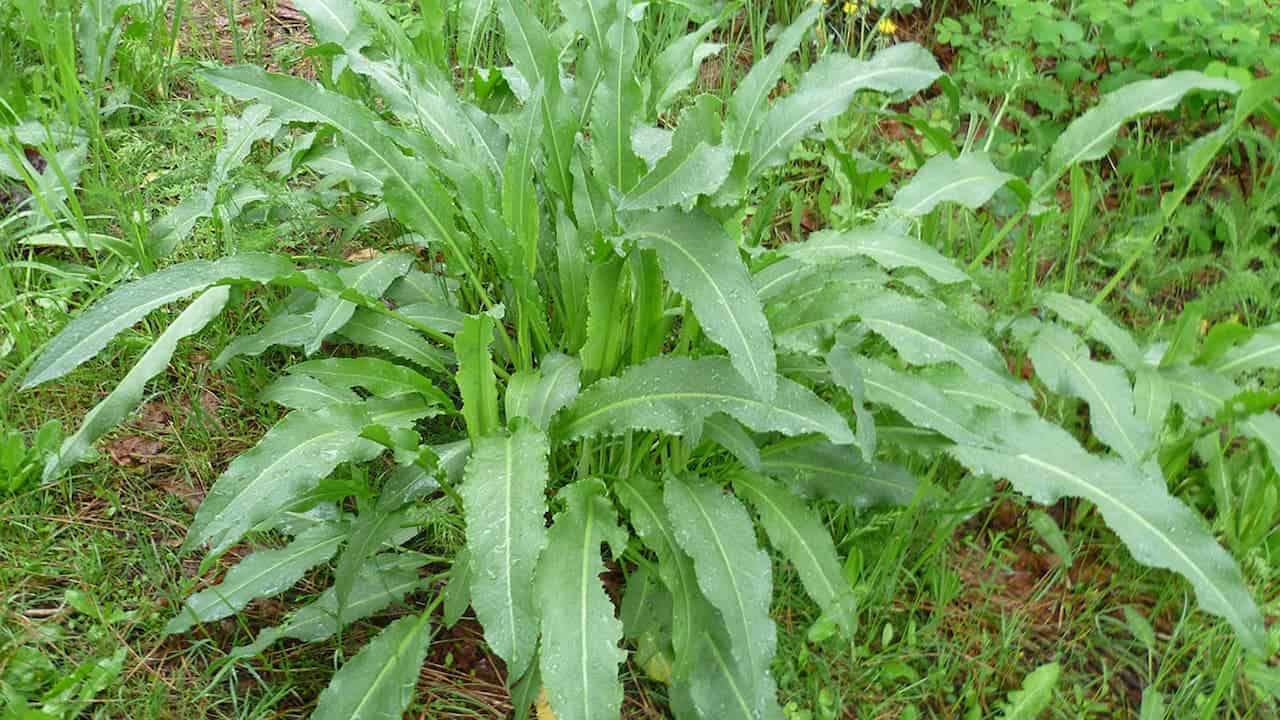
Weed killers can be expensive, and they often contain harmful chemicals that can damage the soil and harm beneficial insects. Rather than buying weed killers, consider using natural methods to control weeds in your garden.
One effective method is to use mulch, which not only suppresses weeds but also adds nutrients to the soil as it decomposes. You can also manually remove weeds or use a homemade weed killer made from vinegar and dish soap.
4. Fertilizers
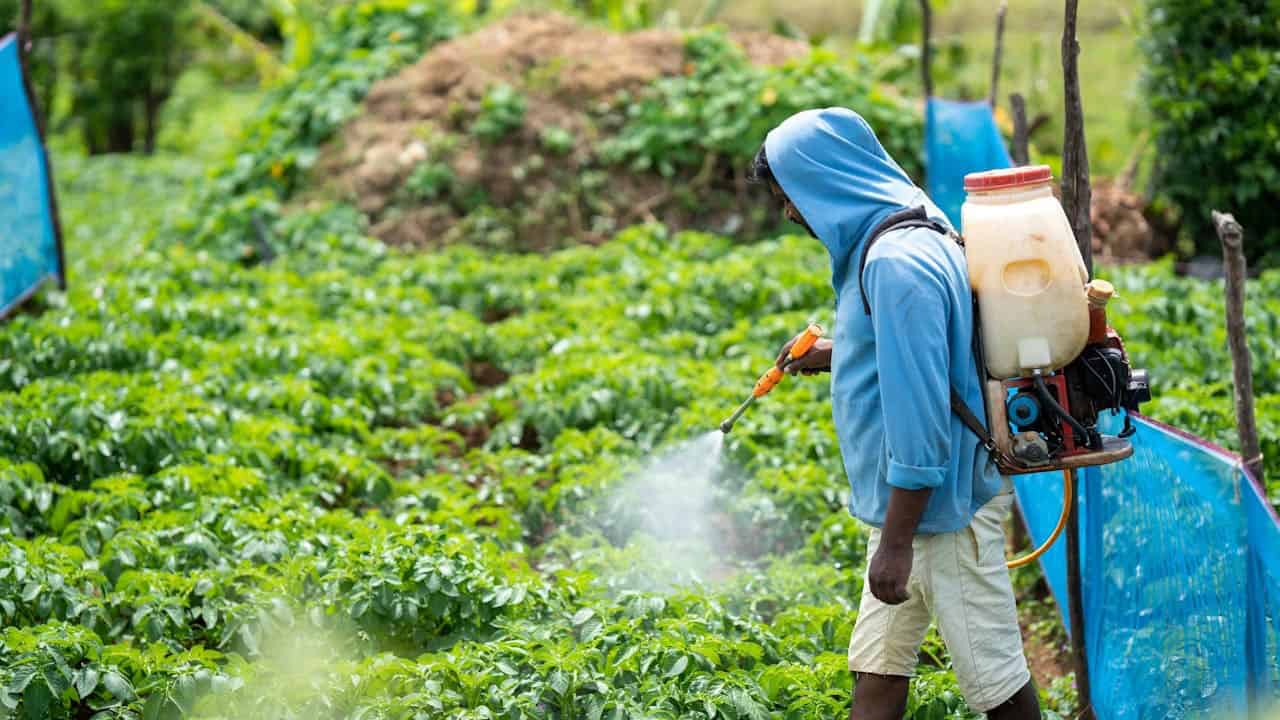
Commercial fertilizers can be costly, and like weed killers, they often contain chemicals that can harm the environment. Instead of buying fertilizers, why not make your own compost?
Composting is a great way to recycle kitchen scraps and yard waste, and it results in rich, nutrient-dense soil that your plants will love. Plus, it’s free!
5. Pest Control Products
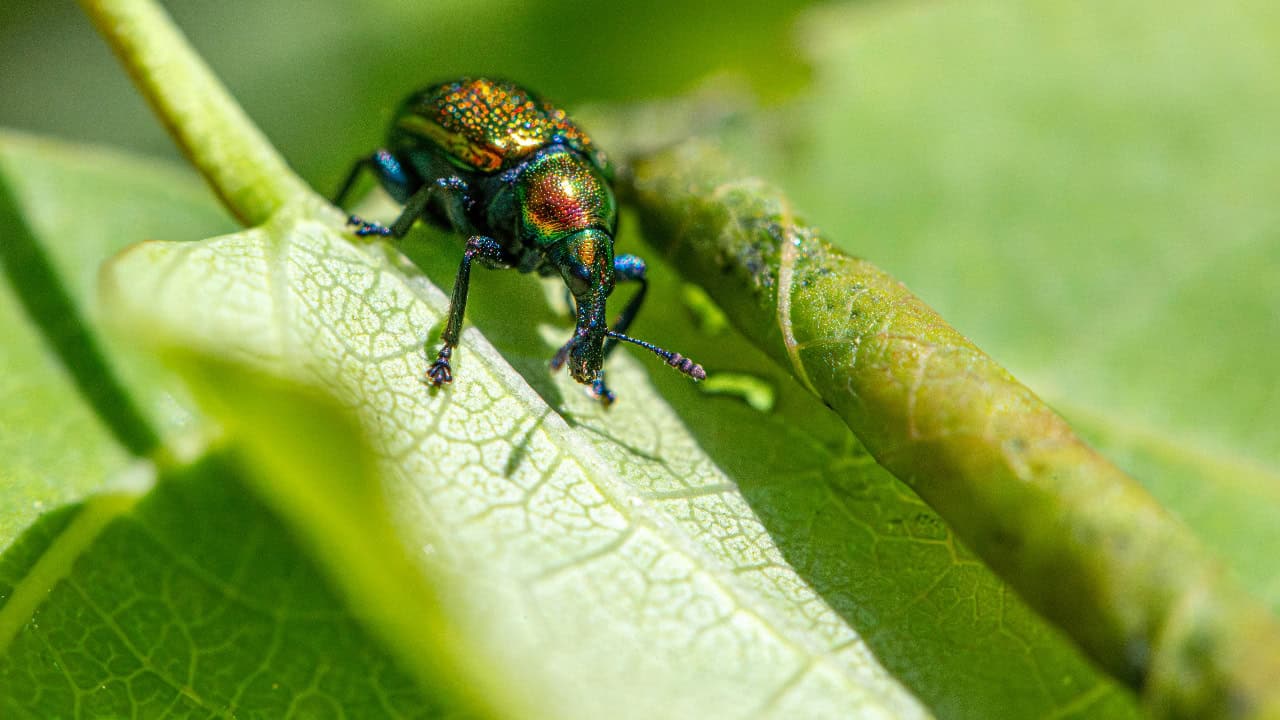
Like weed killers and fertilizers, pest control products can be expensive and harmful to the environment. Instead of using these products, consider using natural methods to control pests in your garden.
For example, you can attract beneficial insects (like ladybugs and lacewings) that prey on harmful pests. You can also use homemade pest control solutions made from natural ingredients like garlic and hot peppers.
6. Watering Cans
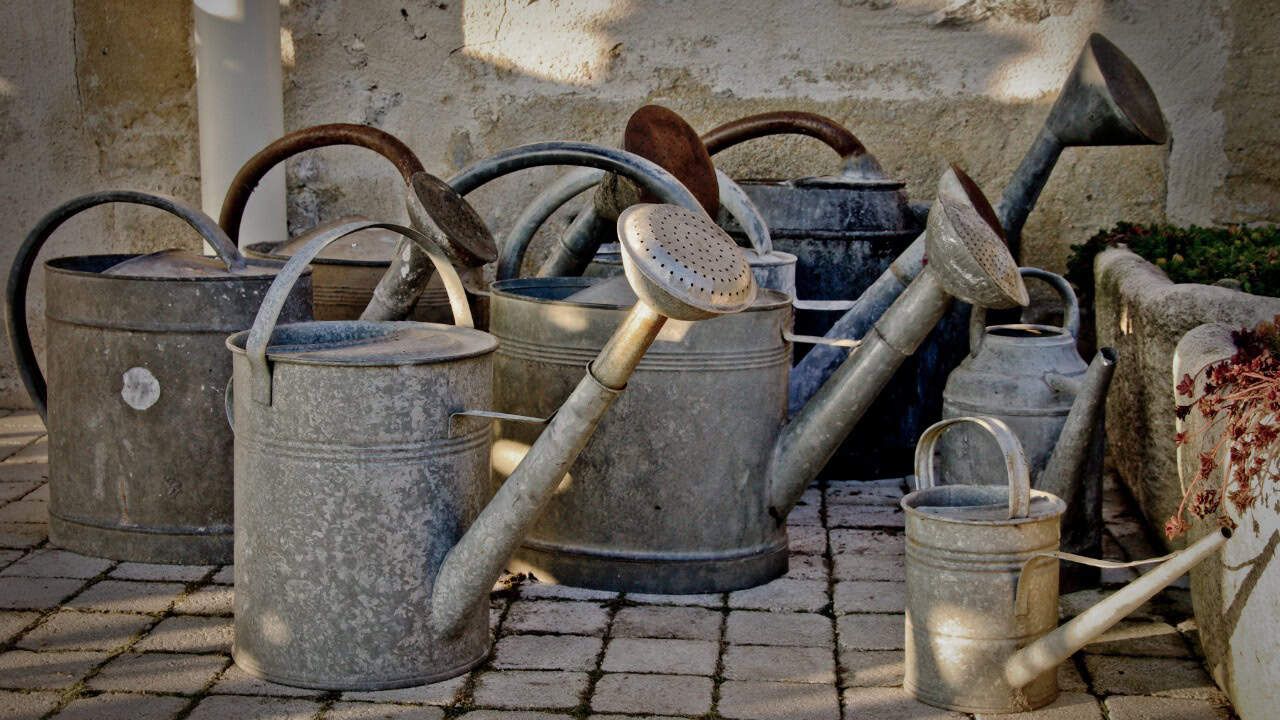
Watering cans can be handy, but they’re not essential. If you’re looking to save money, you can easily do without them.
You can water your plants with a hose, or even repurpose old milk jugs or soda bottles as watering cans. Just poke some holes in the cap, fill the container with water, and you’re good to go!
7. Store-Bought Seeds
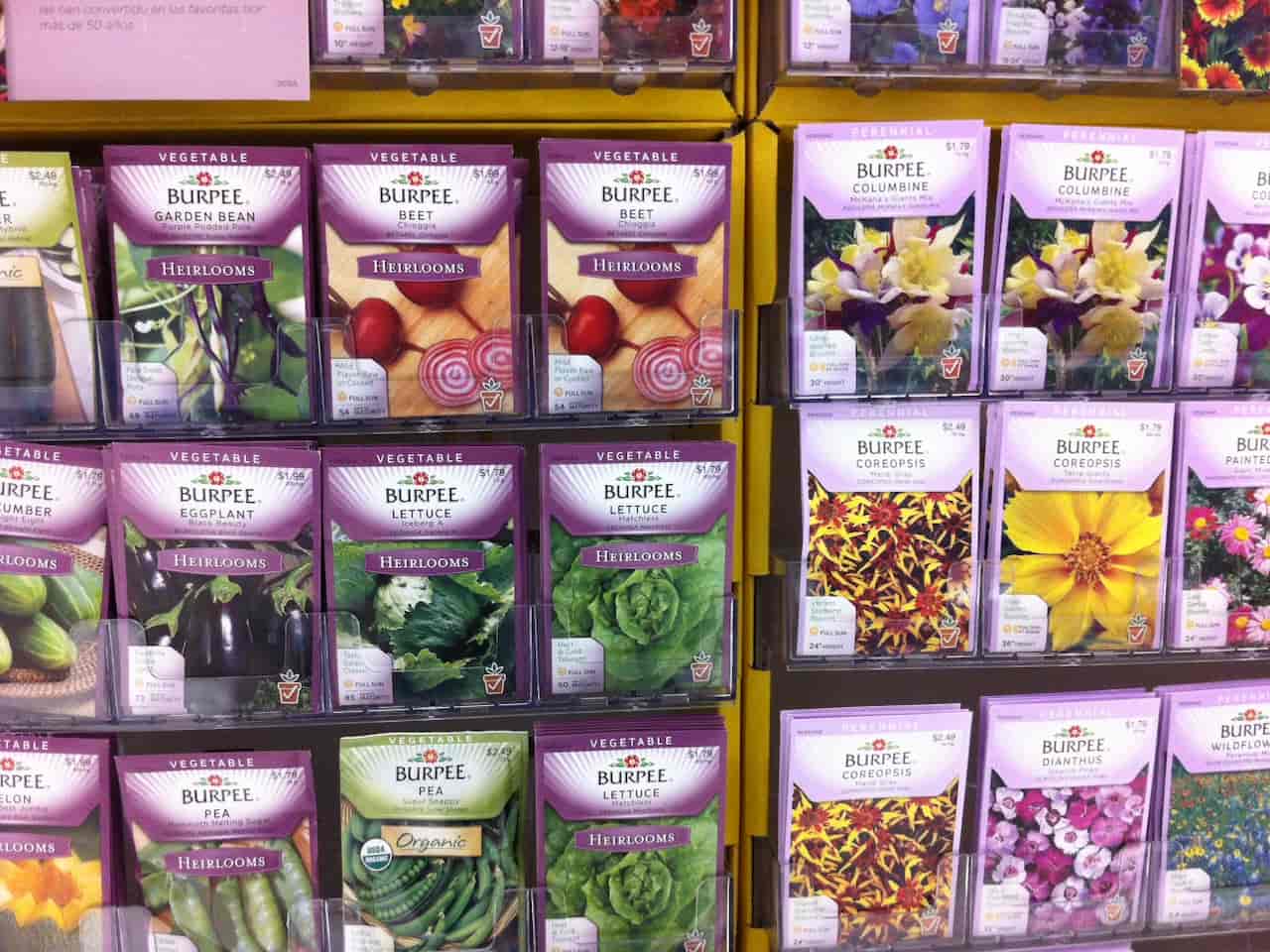
Buying seeds from a store can quickly add up, especially if you’re growing a large variety of plants. Instead, consider saving seeds from plants you already have.
Saving seeds not only saves money, but it also allows you to grow plants that are perfectly adapted to your local conditions. Plus, it’s a fun and rewarding process!
8. Expensive Soil
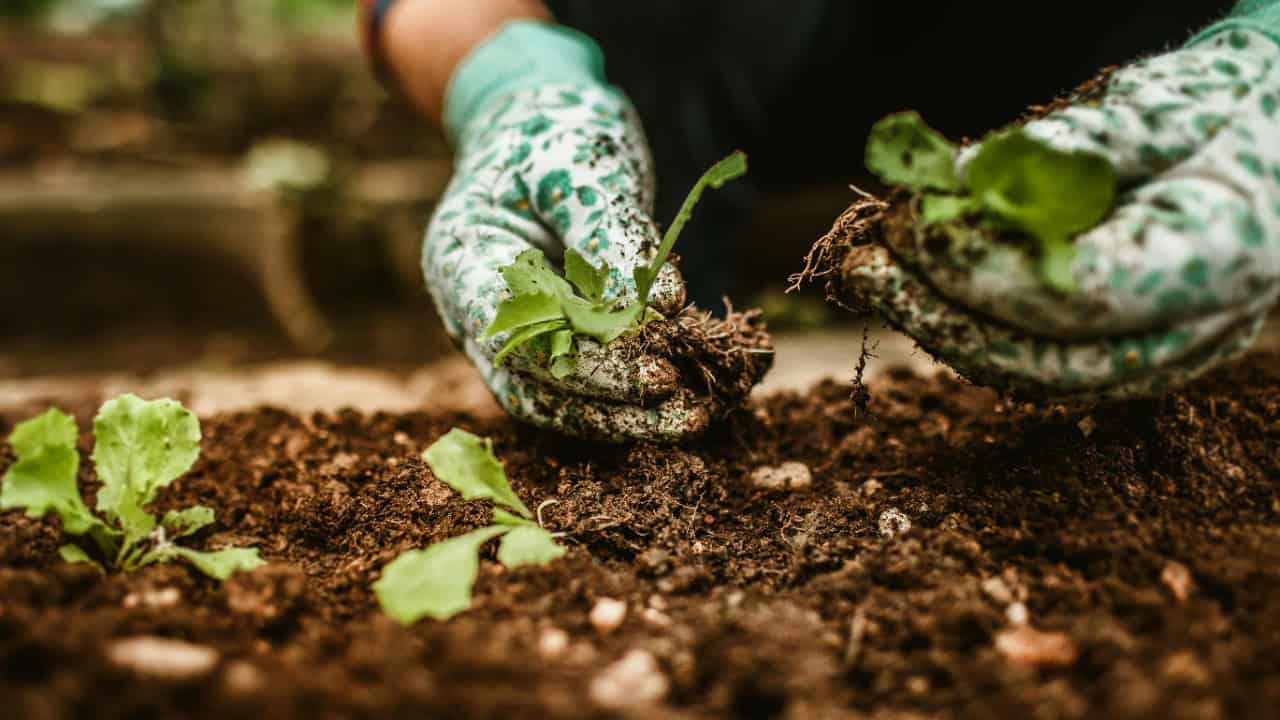
Good soil is essential for a healthy garden, but that doesn’t mean you have to buy the most expensive brand. Often, cheaper alternatives work just as well.
Consider making your own soil mix by combining compost, peat moss, and perlite. This will give you a nutrient-rich soil that’s perfect for growing a wide variety of plants.
9. Garden Tools
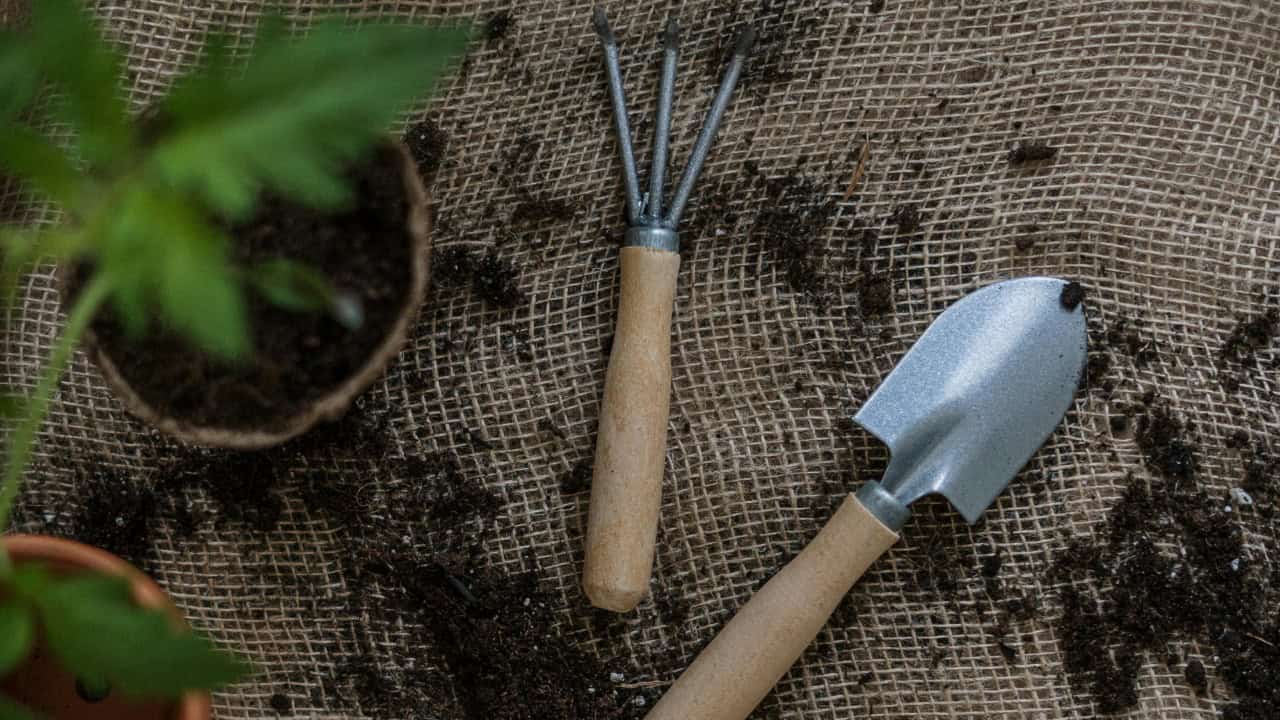
It’s easy to go overboard when buying garden tools. However, the truth is, you don’t need a tool for every possible task.
Instead of buying a tool every time you encounter a new gardening challenge, consider if there’s a way to accomplish the task with the tools you already have. Not only will this save you money, but it will also save you space in your garden shed.
10. Garden Furniture

Garden furniture can be costly, but there are plenty of cheaper alternatives. For example, you can repurpose old furniture or build your own from reclaimed wood.
Not only will this save you money, but it will also give your garden a unique and personal touch. Plus, it’s a great way to recycle and reduce waste.
11. Specialty Pruning Shears

While pruning shears can be handy for certain tasks, they’re not essential for every garden. In fact, a good pair of kitchen scissors can often do the job just as well.
By skipping the specialty pruning shears and using what you already have, you can save a decent chunk of change. Plus, you’ll have one less tool to store and maintain.
12. Landscape Fabric
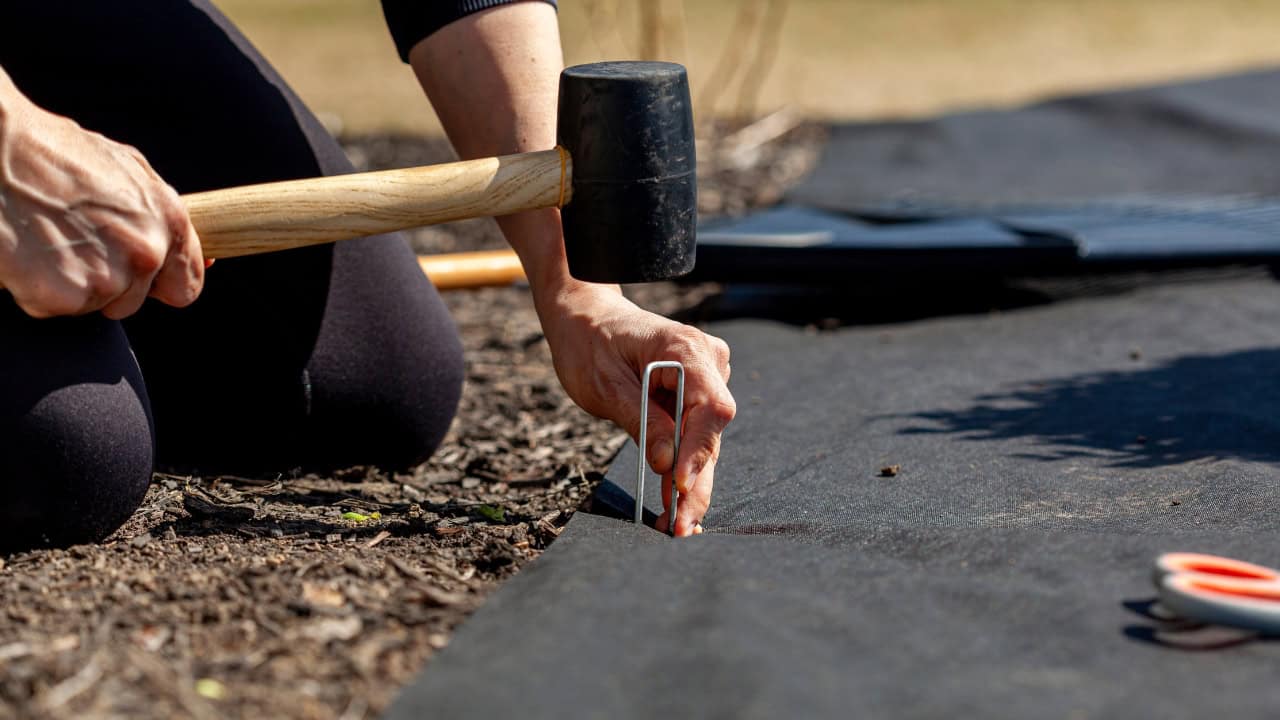
Landscape fabric is often touted as a weed barrier, but it can be pricey and it’s not always effective. Plus, it can prevent water and nutrients from reaching your plant’s roots.
Instead, consider using a layer of cardboard or newspaper under your mulch. It’s just as effective at suppressing weeds, and it will eventually decompose and add nutrients to your soil.
13. Plant Labels

Plant labels can be helpful, but they’re not necessary. Instead of buying them, consider making your own.
You can write the name of the plant on a rock with a permanent marker, or create a label from a popsicle stick or a piece of scrap wood. It’s a fun DIY project, and it’s free!
14. Plastic Mulch
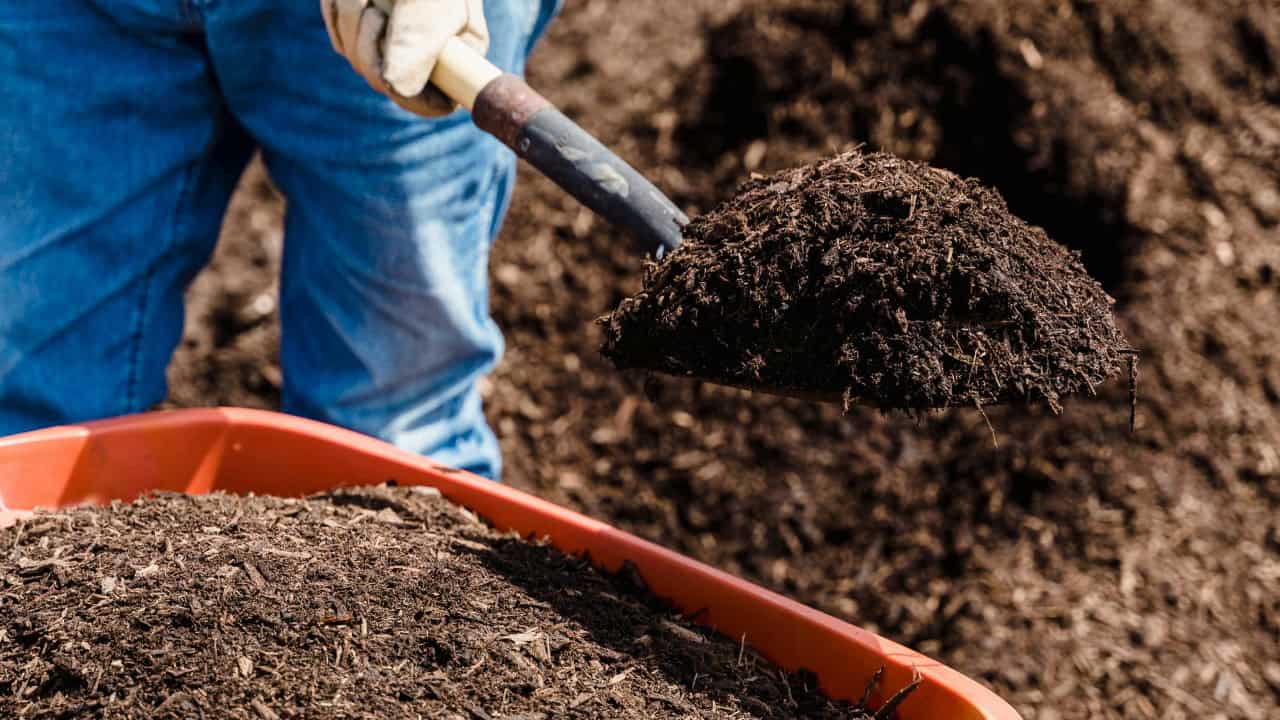
Plastic mulch can be useful for warming the soil and preventing weed growth, but it’s not environmentally friendly and it can be expensive. Instead, consider using organic mulch.
Organic mulch, such as straw, leaves, or grass clippings, is cheaper (or even free), and it will improve your soil as it decomposes. Plus, it’s much better for the environment.
15. Garden Gloves
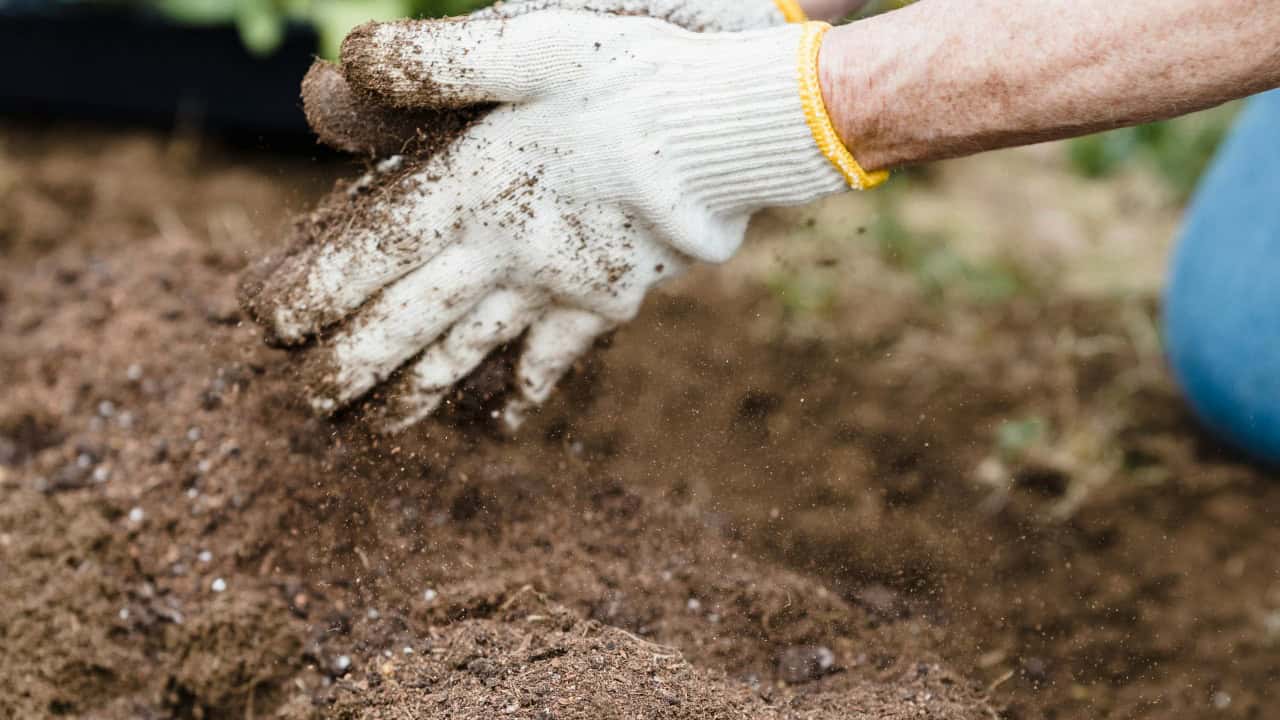
While garden gloves can protect your hands, they’re not always necessary. In fact, many gardeners prefer the feel of soil on their hands.
If you do need gloves for certain tasks, consider using an old pair of kitchen gloves or other types of work gloves you already have at home. This will save you money and reduce waste.
By cutting back on these 15 items, I’ve managed to save a significant amount of money in my garden. Plus, I’ve reduced waste and created a healthier, more sustainable garden. I hope these tips help you save money in your garden too!