Living a cleaner, healthier, and more sustainable life starts at home. But how often do we take the time to assess what we bring into our homes? Certain items we purchase routinely can contribute to clutter, waste, and even the deterioration of our health. But don’t worry! In this post, I am going to share 15 things I no longer buy to ensure a cleaner and healthier home.
1. Plastic Water Bottles

In a bid to reduce plastic waste and cut down costs, I stopped buying plastic water bottles. Not only do they clutter up the home, but they also contribute significantly to environmental pollution. Instead, I’ve invested in a good quality stainless steel water bottle.
Advertisement
These bottles are not only durable but also keep water colder for a longer period. I also bought a water filter for purifying tap water, which has saved me a considerable amount of money in the long run. Besides, this switch has eliminated the need to recycle plastic bottles, and my home is much cleaner and clutter-free.
2. Disposable Cleaning Wipes
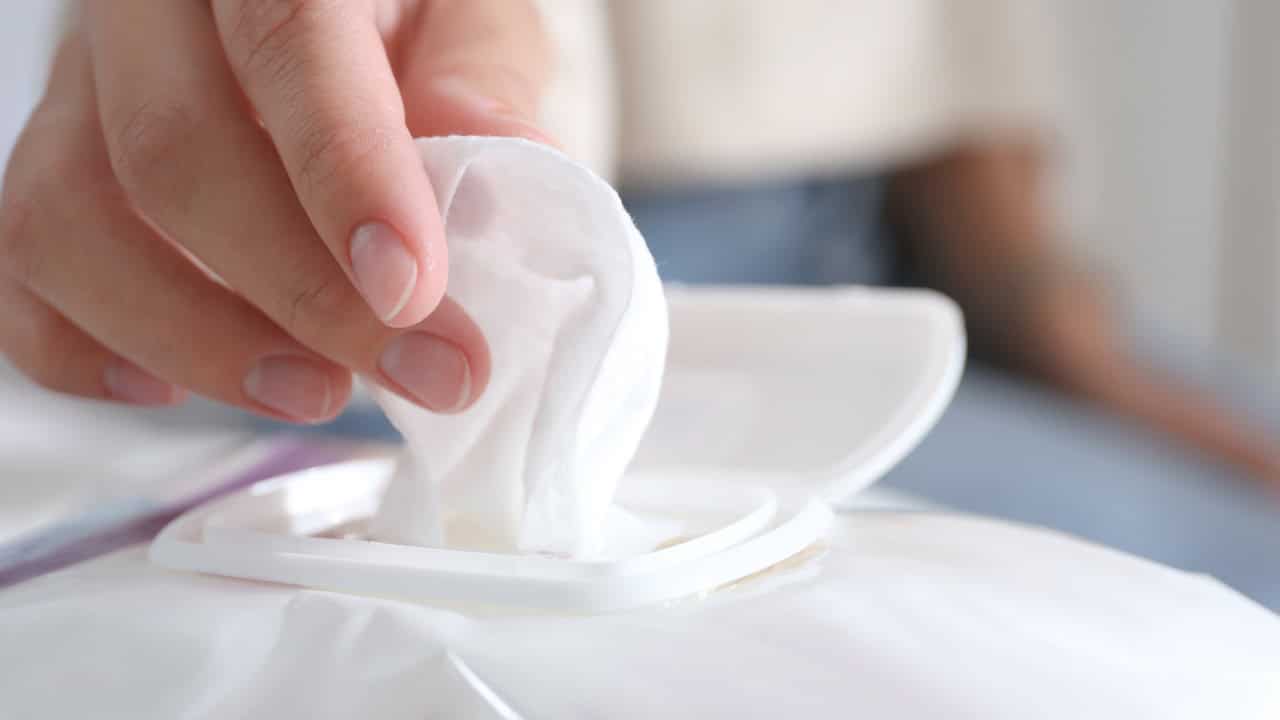
While disposable cleaning wipes might seem convenient, they generate a substantial amount of waste. Not to mention, they’re packed with chemicals that aren’t great for our health or the environment. Instead, I’ve started using reusable cleaning cloths and natural cleaning solutions.
For example, a mix of vinegar, water, and a few drops of essential oil makes an excellent natural cleaning solution. And for the cleaning cloth, an old t-shirt cut into squares does the job perfectly. Not only is this approach more sustainable, but it also helps keep my home free from the harsh chemicals found in many conventional cleaning products.
3. Air Fresheners
It’s lovely to walk into a home that smells fresh and clean. But did you know that many air fresheners release volatile organic compounds (VOCs) into your home? These VOCs can cause health problems like headaches and respiratory issues.
Instead of using store-bought air fresheners, I now use natural alternatives like essential oils and soy-based candles. These options not only smell fantastic but also don’t release any harmful chemicals. Plus, they’re a much more cost-effective solution in the long run.
4. Paper Towels

Paper towels are another item that creates a lot of unnecessary waste in the home. They’re also quite expensive over time. Instead, I now use reusable cloth towels.
These cloth towels can be washed and reused over and over again, significantly reducing waste. Plus, they’re much more absorbent than paper towels, making them more efficient for cleaning up spills. This switch has helped reduce clutter in my kitchen and has also saved me money.
5. Plastic Bags
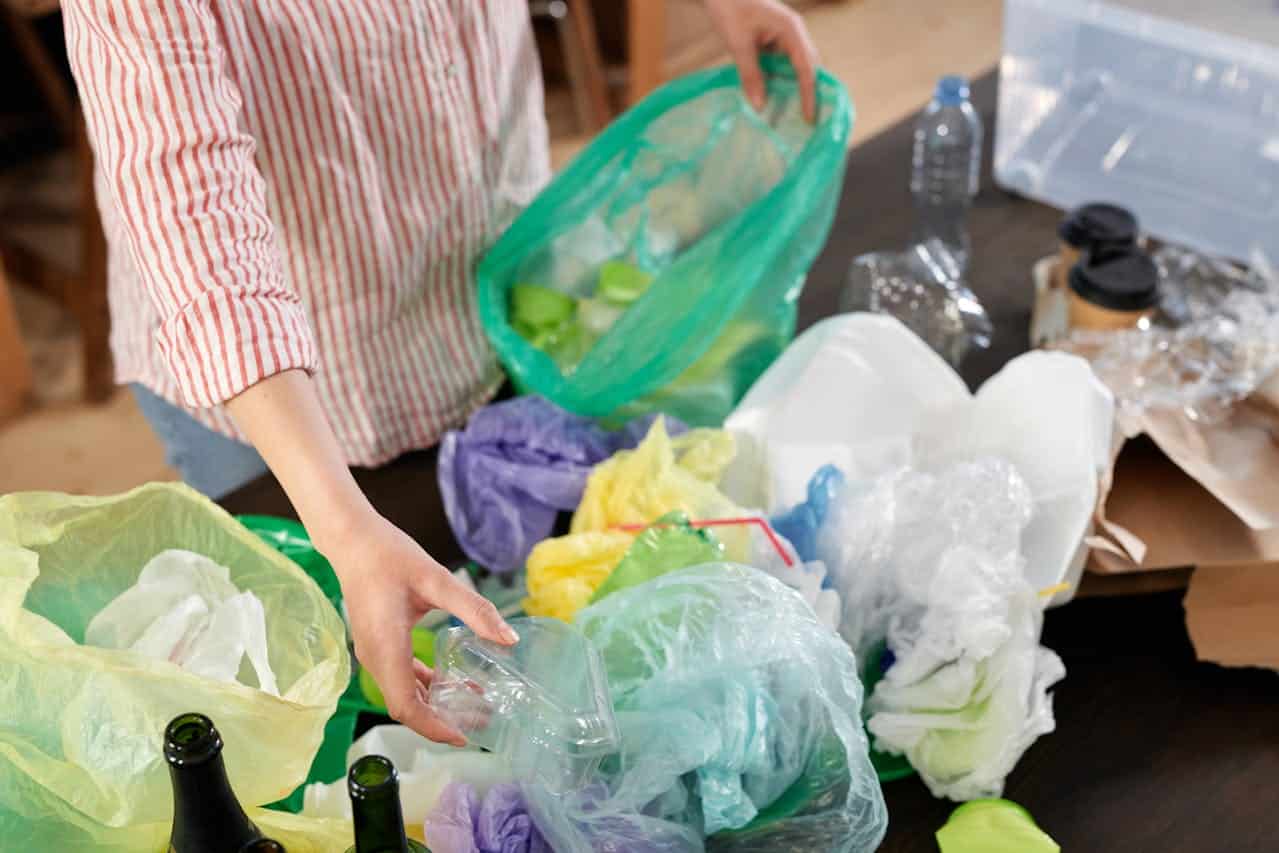
We all know that plastic bags are bad for the environment, but they’re also a major source of clutter in many homes. To combat this, I’ve stopped accepting plastic bags at stores and instead bring my reusable bags.
These bags are not only better for the environment but also much more durable and robust than plastic bags. I’ve even invested in some cute designs that I love showing off when I’m out shopping. This simple change has made a noticeable difference in reducing clutter in my home.
6. Disposable Razors
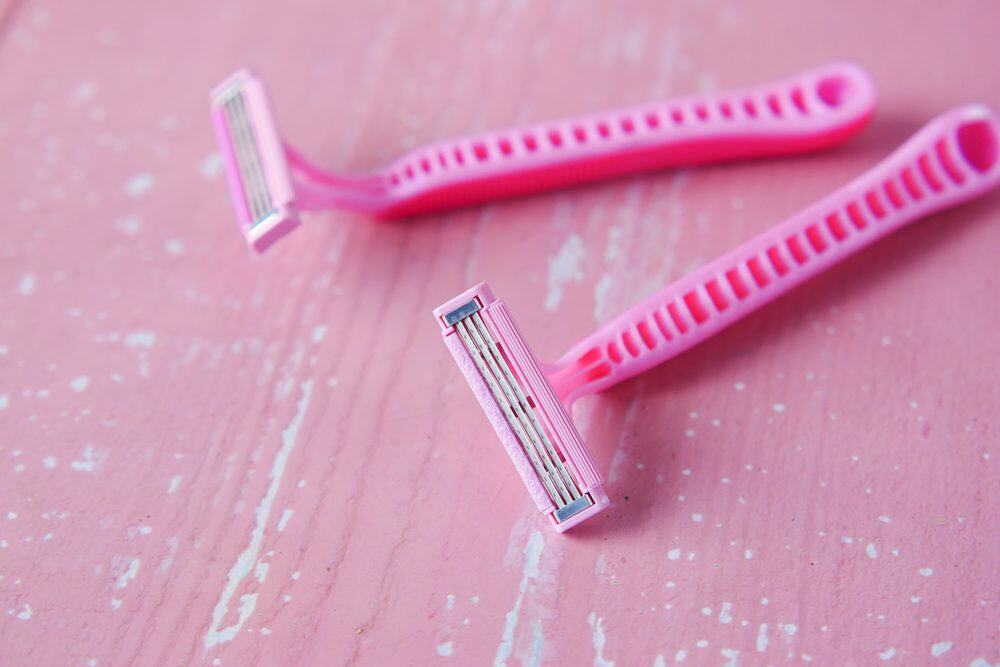
Disposable razors might seem like a convenient option, but they’re not the best choice for the environment or your wallet. Instead, I’ve switched to using a safety razor.
Safety razors may be more expensive upfront, but they last for years and only require you to replace the blade, making them a more economical and eco-friendly choice in the long run. Plus, they give a closer shave and reduce the chances of getting razor burn or ingrown hairs.
7. Plastic Toothbrushes
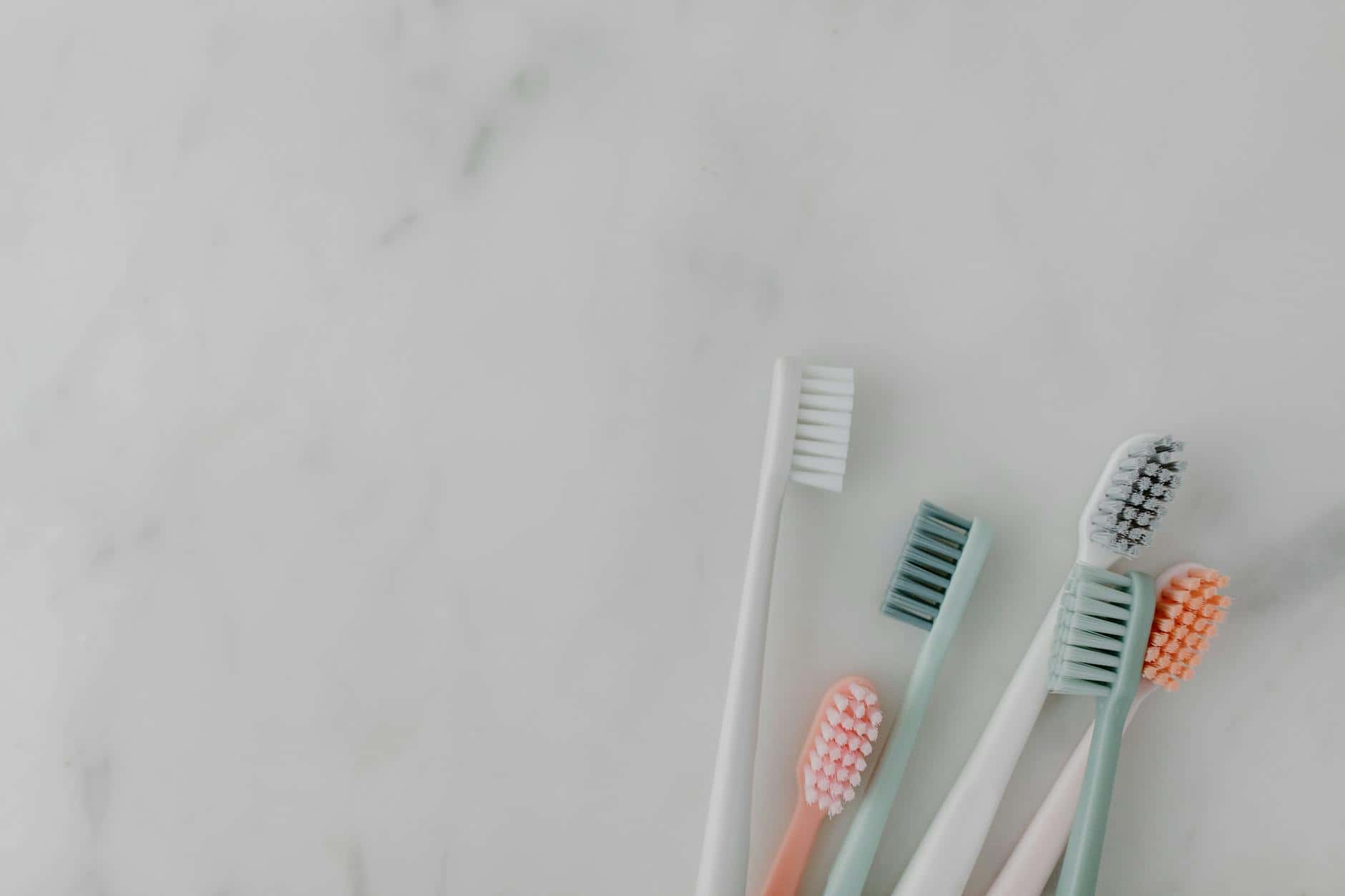
Every plastic toothbrush ever made still exists today. That’s a staggering amount of non-biodegradable waste, most of which ends up in our oceans. I’ve made the switch to a bamboo toothbrush, which is just as effective and compostable.
The bamboo toothbrush has a lower impact on the environment and is a simple way to reduce the amount of plastic waste in your home. Plus, they are often made with charcoal-infused bristles, which have natural antibacterial, antifungal, and antiviral properties.
8. Canned Foods
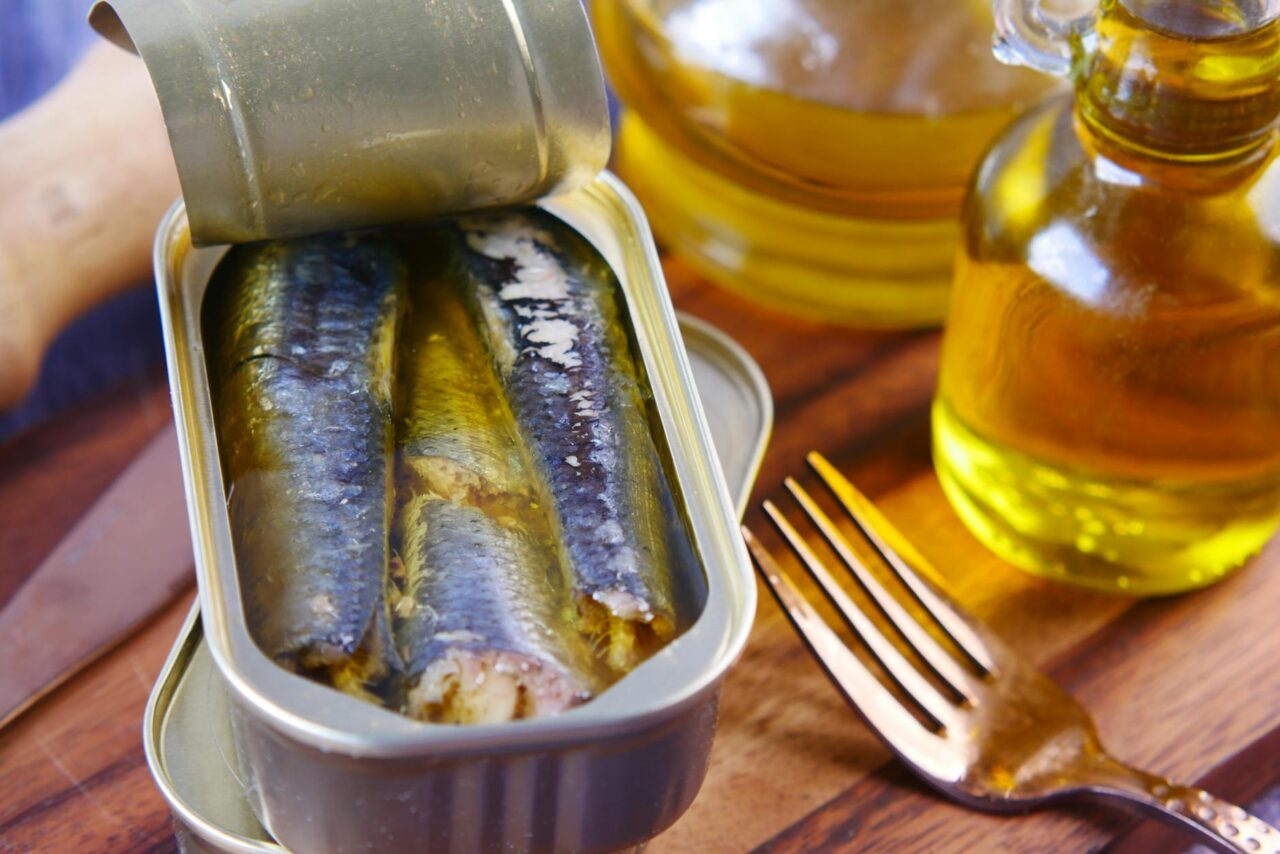
Canned foods are convenient, but almost every food can you open leaches harmful BPA into your food. BPA is linked to numerous health problems including heart disease, obesity, and reproductive disorders.
I prefer to buy fresh or frozen produce, or foods packaged in glass. Not only are these options healthier, but they also tend to taste better.
9. Non-Stick Cookware
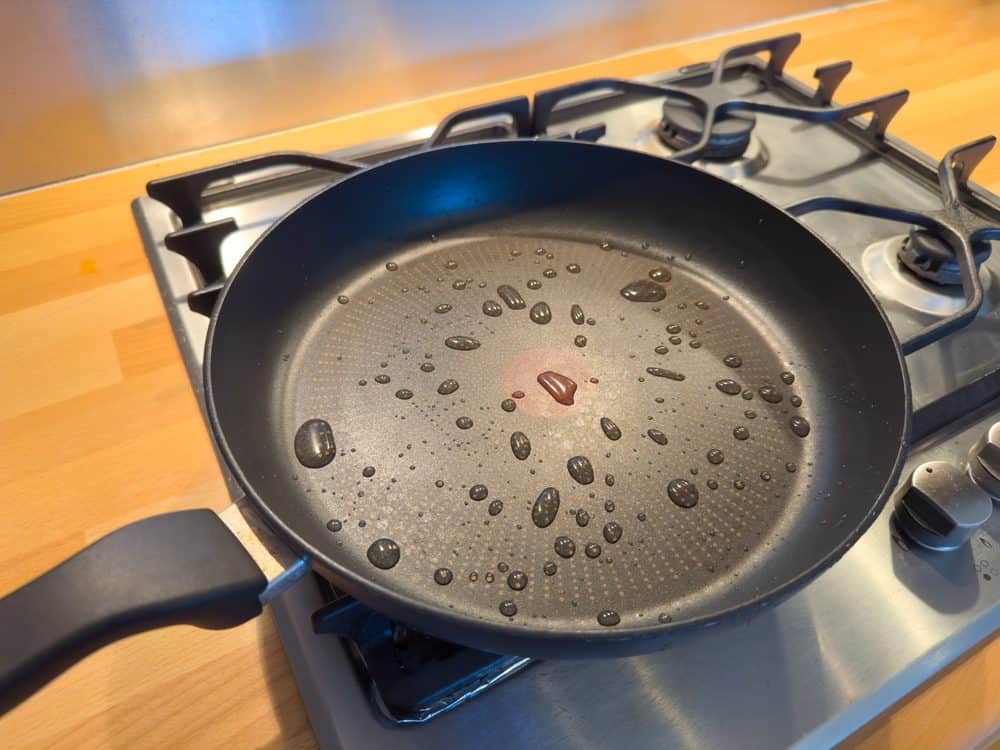
Non-stick cookware is convenient, but it also releases toxic fumes when overheated. These fumes can cause flu-like symptoms in humans and can be lethal to pet birds.
Instead, I’ve switched to stainless steel and cast iron pans. Yes, they require a bit more care, but they last a lifetime if treated well. Plus, food cooked in cast iron even has the added benefit of increasing your iron intake.
10. Synthetic Sponges
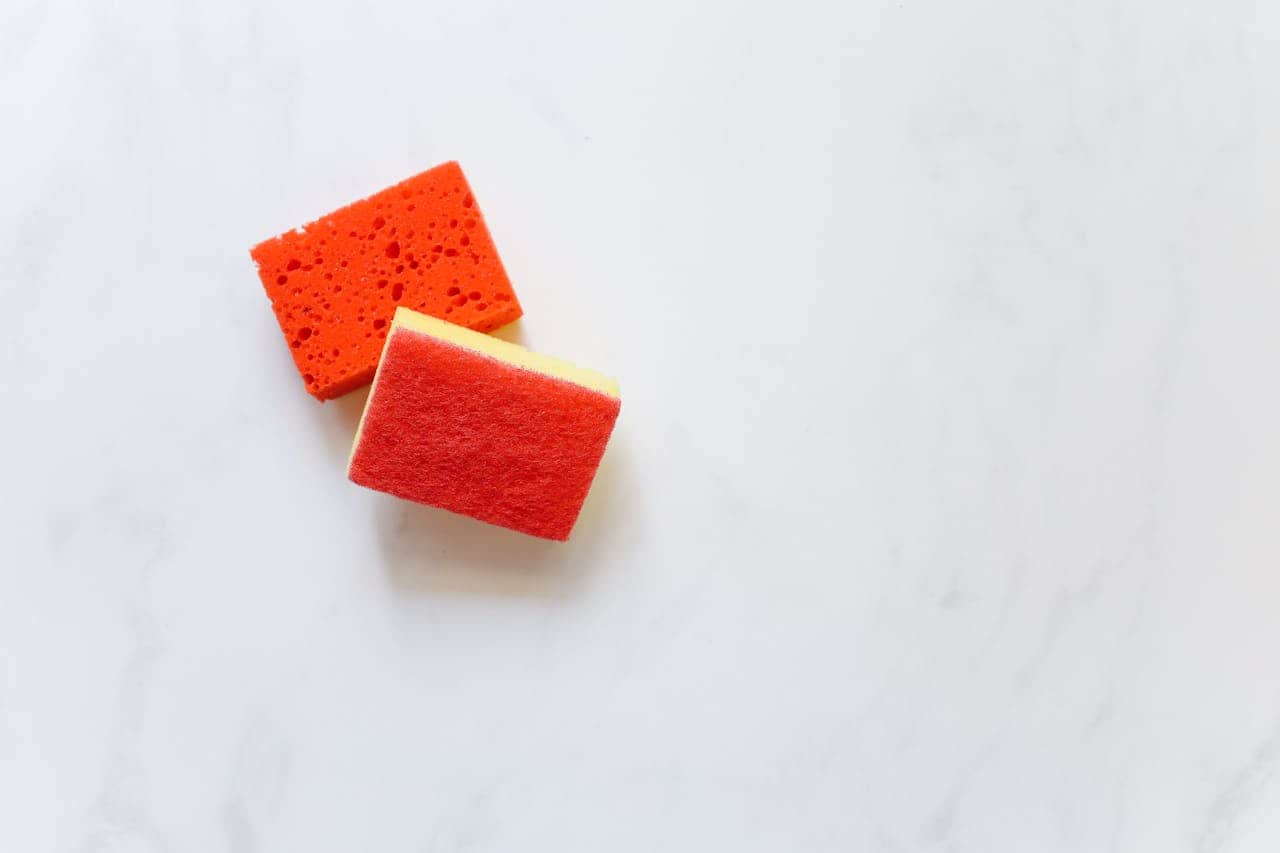
Most sponges are made from plastic and can release microplastics into the water when they break down. These microplastics can harm marine life and eventually make their way back to us via the food chain.
I’ve switched to using natural sponges, or I knit my own from leftover yarn. Not only are they more eco-friendly, but they also last longer and can be composted when they’re worn out.
11. Dryer Sheets
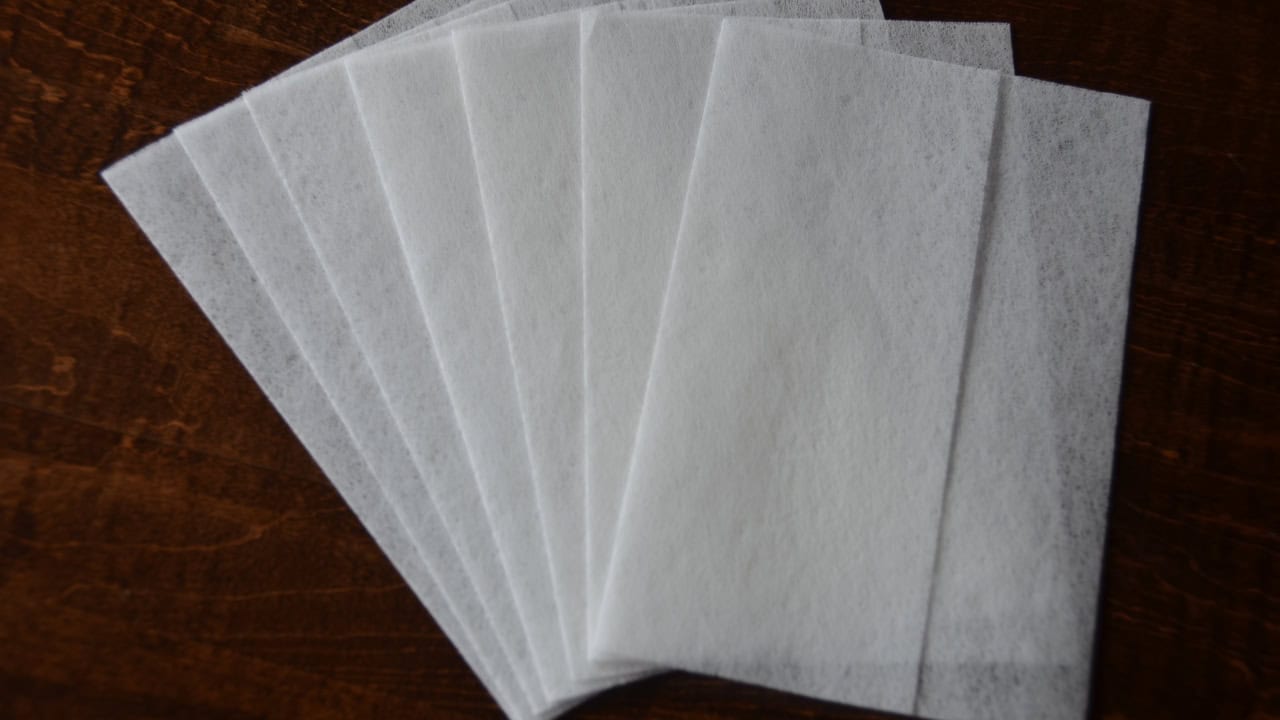
Dryer sheets often contain harmful chemicals which can affect indoor air quality and irritate the skin. Instead, I use wool dryer balls.
Wool dryer balls are a natural alternative that can be used hundreds of times before they need replacing. They can also be scented with a few drops of your favourite essential oil for a fresh, natural fragrance.
12. Single-Use Coffee Pods
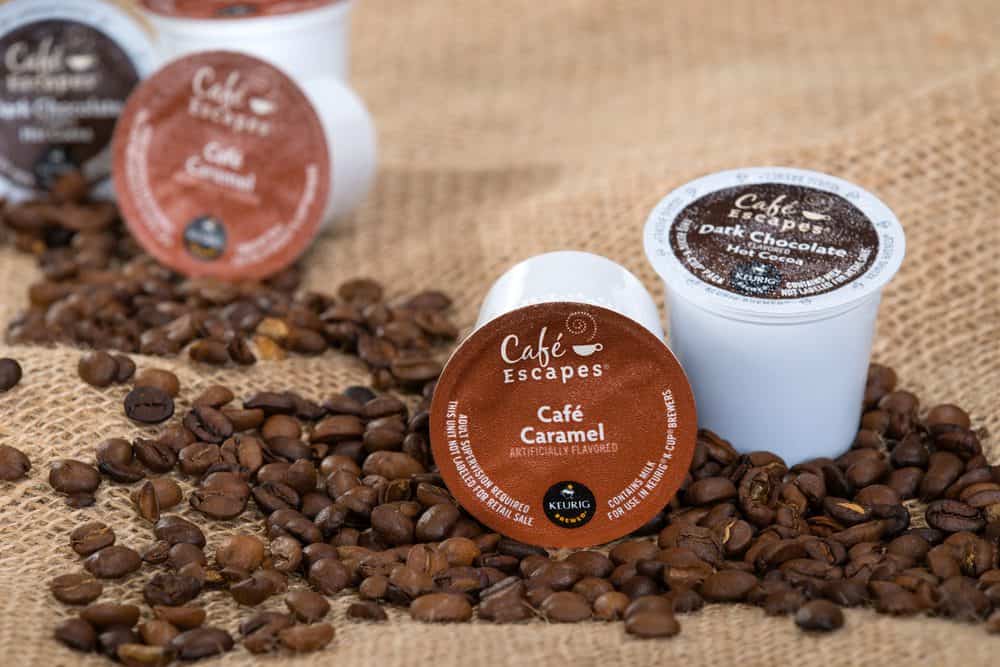
Single-use coffee pods are incredibly wasteful and often end up in landfills where they can take hundreds of years to decompose. Instead, I’ve switched back to using a traditional coffee maker.
Not only does this reduce waste, but I’ve found that my coffee tastes better too. Plus, I can choose from a wider variety of coffee brands and blends.
13. Disposable Plates and Cutlery
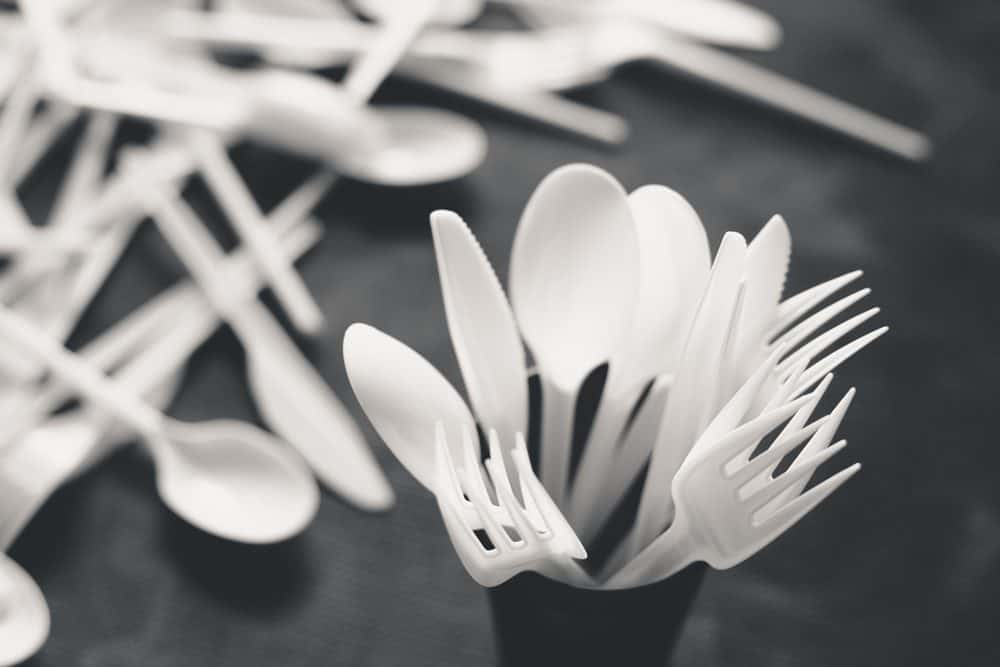
Disposable plates and cutlery may be convenient, but they’re also incredibly wasteful. Instead, I use regular dishes and cutlery.
For occasions when I do need disposable options, I choose compostable products made from bamboo or palm leaves. These are just as convenient but are much better for the environment.
14. Plastic Wrap
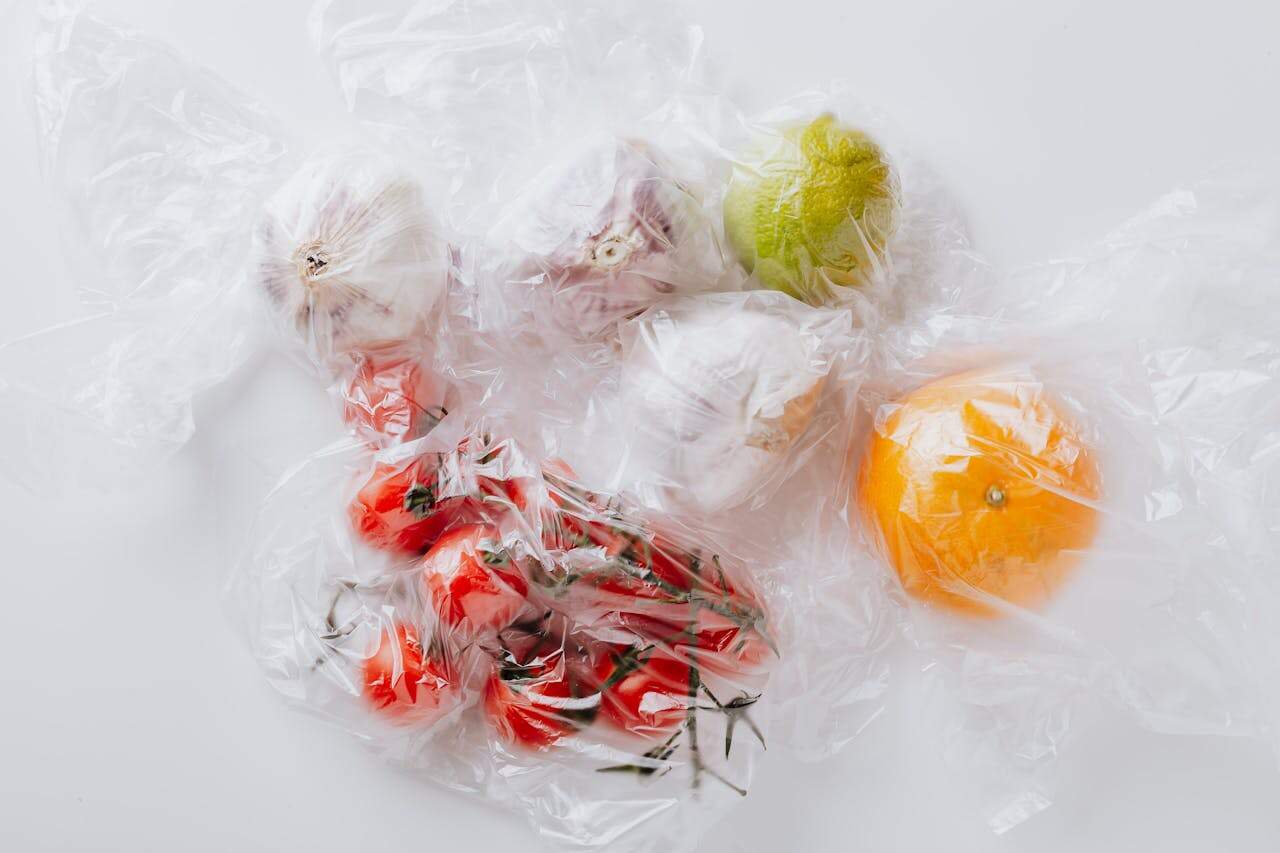
Plastic wrap is another item that’s incredibly harmful to the environment and can also leach harmful chemicals into your food. Instead, I use reusable beeswax wraps.
Beeswax wraps can be used just like plastic wrap but can be washed and reused many times. They’re also compostable at the end of their life, making them a zero-waste option.
15. Pre-Packaged Meals
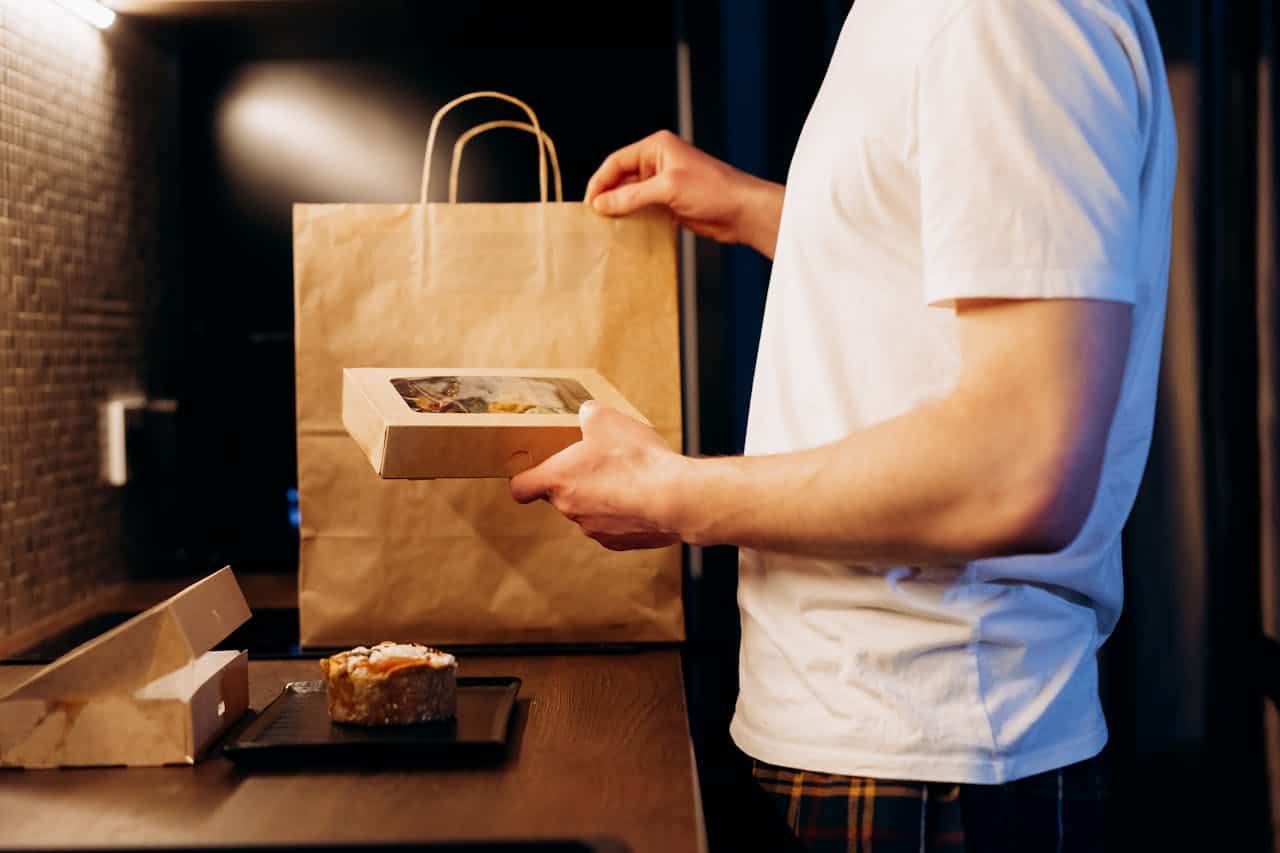
Pre-packaged meals are often full of unhealthy ingredients and generate a lot of packaging waste. Instead, I cook from scratch as much as possible.
Not only is this healthier, but I’ve also found that it’s more satisfying to eat something I’ve made myself. Plus, cooking from scratch allows me to control the ingredients and avoid unnecessary packaging.
Making these changes hasn’t always been easy, but it’s been worth it. I’ve found that my home is cleaner and less cluttered, and I feel better knowing that I’m making choices that are better for my health and the environment. I hope these tips inspire you to make some changes too!