Creating a vibrant garden that attracts birds and bees can transform your outdoor space into a lively haven. Many gardeners seek ways to enhance their landscapes, making them more welcoming for wildlife. Here you’ll discover 15 simple changes you can make to enrich your garden, bringing more birds and bees right to your doorstep.
Birds and bees play essential roles in our ecosystem, from pollinating plants to bringing natural beauty to our environments. By making thoughtful adjustments to your garden, you can encourage these creatures to visit more frequently, benefiting both their habitat and your enjoyment of nature.
Advertisement
1. Added a bird bath

Installing a bird bath was one of the best changes to my garden. It provides a reliable water source for birds and bees alike.
Choose a sturdy model that holds enough water and sits at a comfortable height for the birds. A deep bowl is great since it can accommodate more water, keeping it fresher for longer. To attract more visitors, place the bird bath at least ten feet away from dense foliage. This way, the birds feel safer while drinking or bathing.
Cleaning the bath regularly helps keep it inviting. Scrubbing it out with vinegar removes grime, making it more appealing.
Adding stones or pebbles inside gives bees a safe place to land, ensuring they can drink without drowning. This small addition can make a big difference in attracting those buzzing friends.
2. Planted native flowers
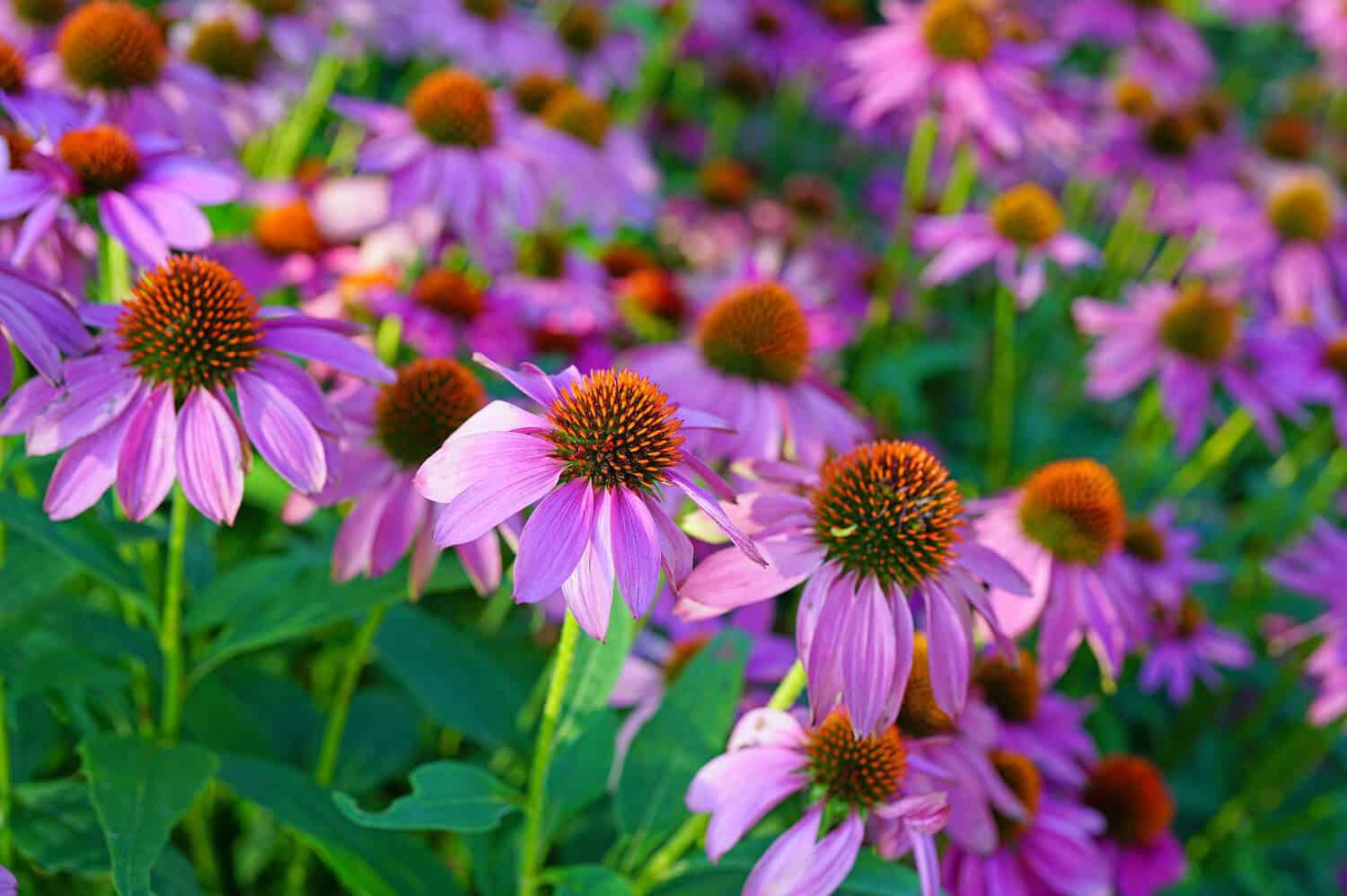
Adding native flowers to your garden can significantly boost its attractiveness to birds and bees. These plants are well-suited to your local environment and often thrive with minimal care.
Native flowers provide essential nectar and pollen, which are vital for pollinators. By planting species like coneflowers or milkweed, you create a welcoming habitat for bees and butterflies.
You’ll also notice that clusters of the same species work best. This way, pollinators can easily find food sources and navigate your garden with ease. Native flowers not only support wildlife but also enhance the beauty of your outdoor space.
3. Set up a hummingbird feeder
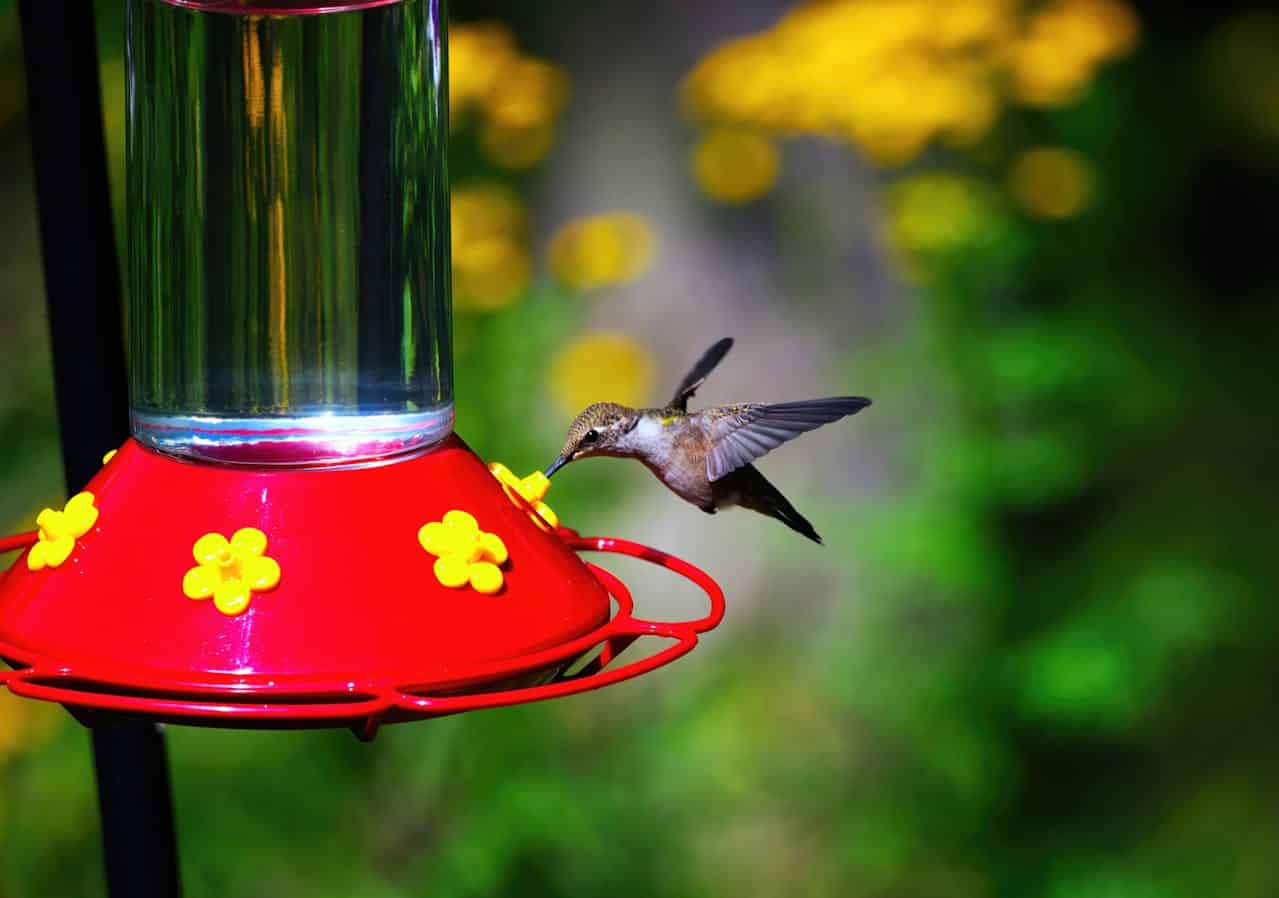
Setting up a hummingbird feeder is a great way to attract these beautiful birds. Choose a feeder with bright colors, especially red, as hummingbirds are drawn to them.
Fill your feeder with a simple nectar recipe—just mix one part sugar with four parts water. Boil the mixture to help it dissolve, then let it cool before filling the feeder.
Make sure to clean the feeder regularly to keep the nectar fresh and mold-free. Change the nectar every few days, especially in warmer weather.
Position your feeder near flowering plants to create a inviting space for hummingbirds. The more feeders you have, the more birds you can attract. Enjoy watching them visit your yard!
4. Started a compost area
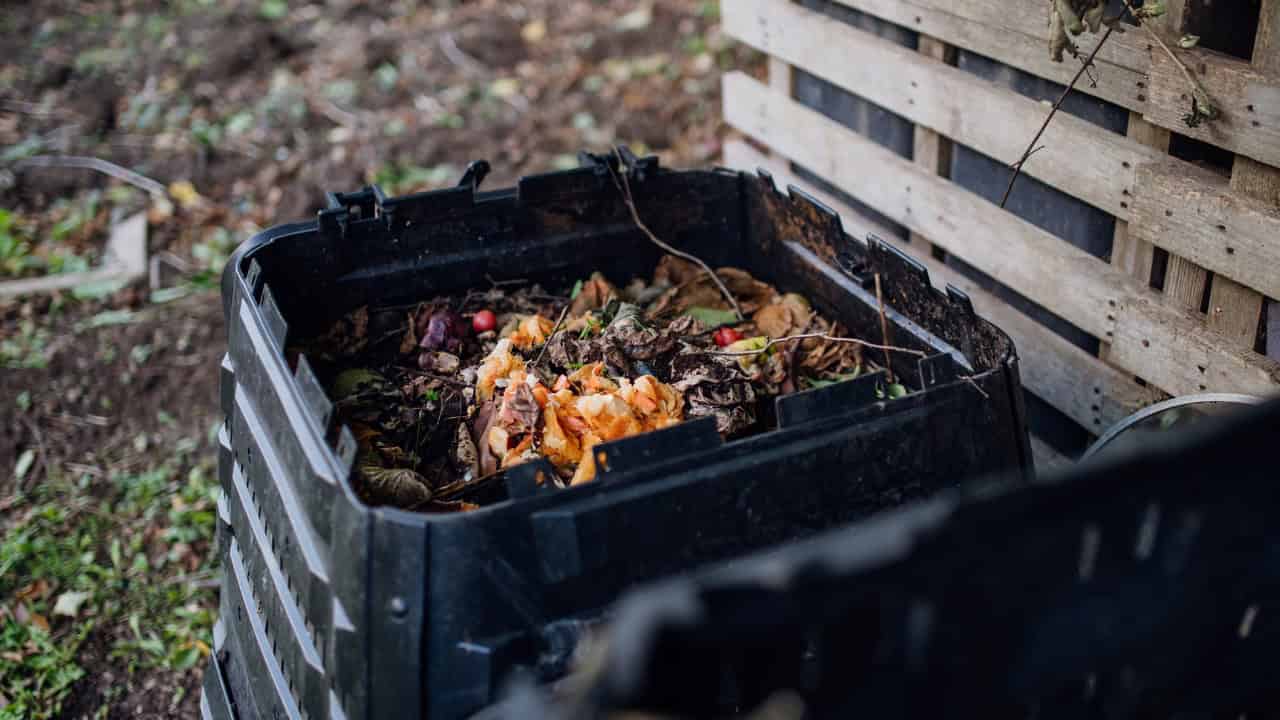
Creating a compost area transformed your garden into a vibrant ecosystem. It attracts not only beneficial insects but also birds seeking out insects for food.
When you compost, you create a rich habitat that supports diverse wildlife. Leave organic matter in the pile, and you may notice small mammals and even amphibians taking up residence.
Plus, as the compost breaks down, it enriches your soil. Healthy soil leads to better plants, which in turn offer food and shelter for more birds and bees. It’s a win-win for your garden and all its visitors!
5. Switched to organic gardening practices
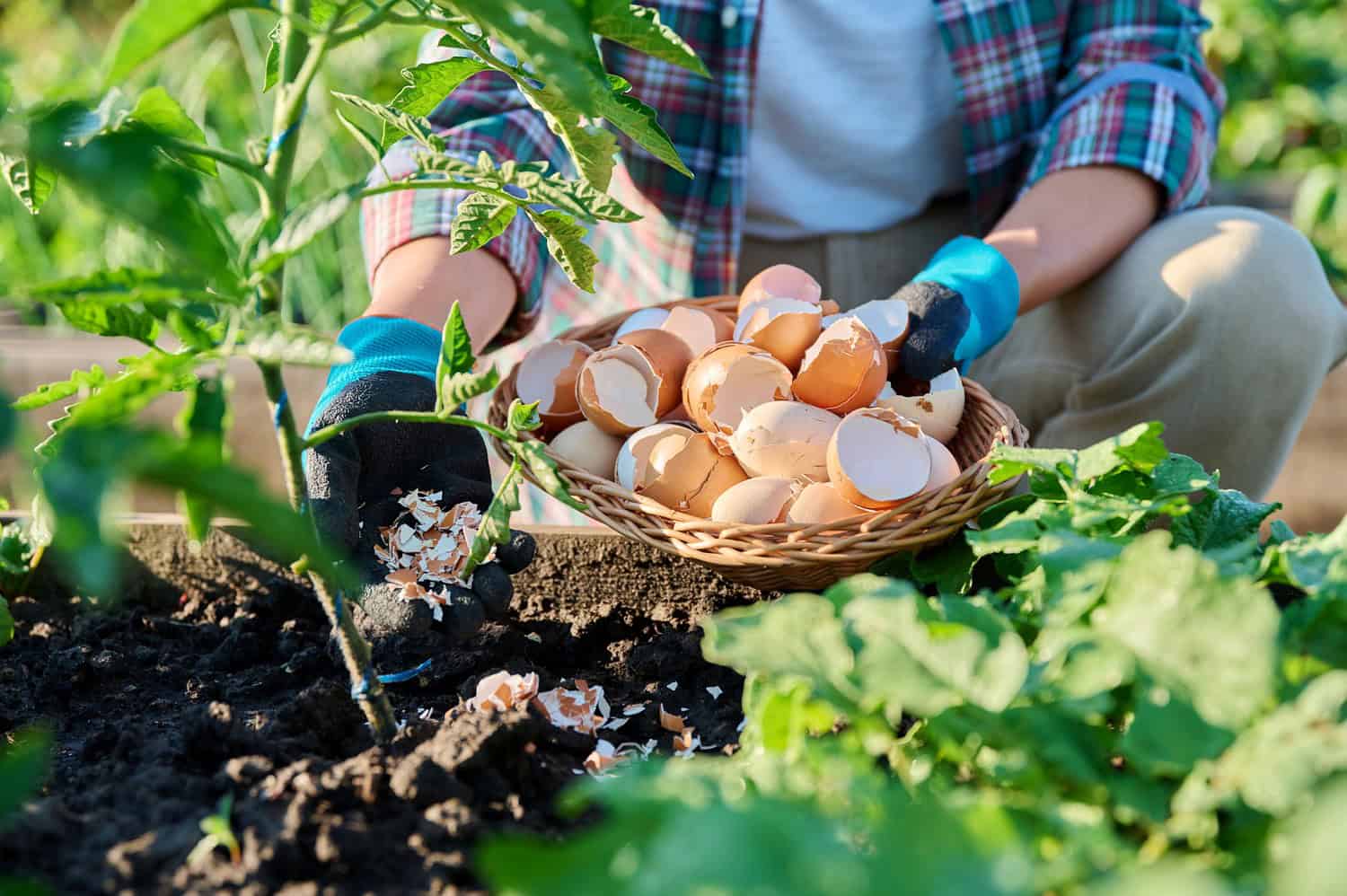
Switching to organic gardening practices made a big difference in attracting wildlife. You’ll find that avoiding chemical pesticides creates a safer environment for both birds and bees. By using natural methods like compost and beneficial insects, your garden becomes a healthier ecosystem.
The absence of harsh chemicals helps pollinators thrive, encouraging them to visit your plants more often. Plus, organic gardening promotes biodiversity, making your space a welcoming haven for various species. As you embrace organic techniques, you may notice an increase in birds and bees enjoying your garden!
6. Planted milkweed for monarchs
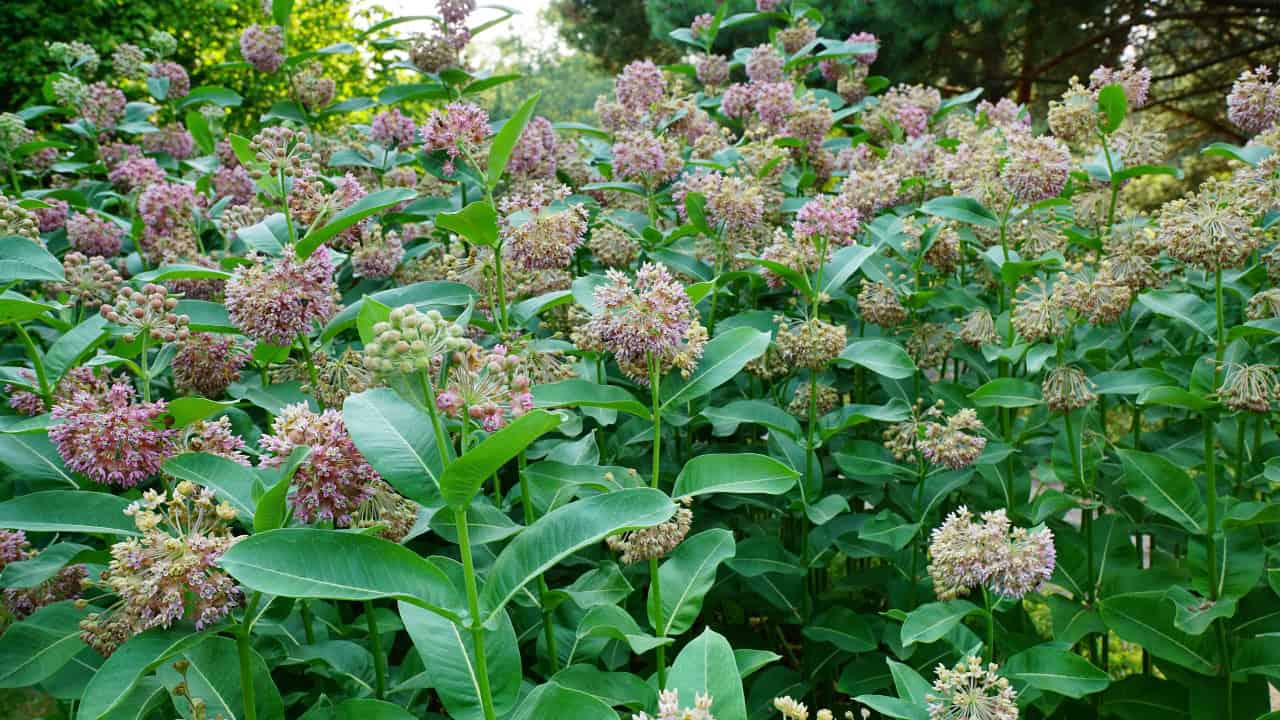
If you want to attract monarch butterflies to your garden, planting milkweed is a must. Monarchs rely on milkweed as the sole host plant for their larvae. Choose species like swamp milkweed or common milkweed, as they tend to attract more eggs. Even a few plants can make a big difference in your yard.
By adding milkweed, you’re not only supporting monarchs but also benefiting other pollinators. It’s a win-win for your garden’s ecosystem.
7. Created a small pond

Adding a small pond can truly transform your garden. It becomes a gathering spot for both birds and bees. Water is essential for wildlife, and a pond offers a safe drinking source.
You can encourage various species to visit by incorporating plants around the pond. Native flowers attract pollinators while providing shelter.
Keep the pond clean and consider adding some rocks or logs for birds to perch on. You might be surprised at the different creatures that come to enjoy your new water feature!
8. Left brush piles for wildlife
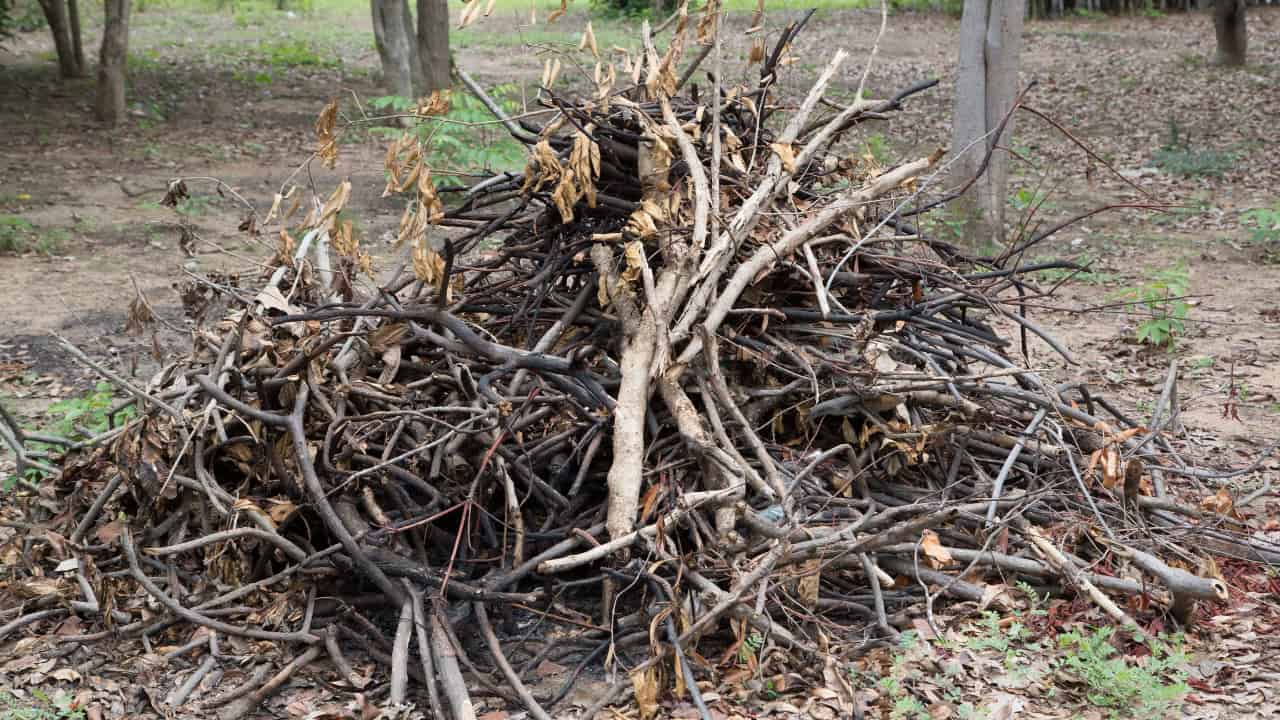
Leaving brush piles in your garden is a simple yet effective way to attract wildlife. These piles provide shelter and nesting spots for birds, small mammals, and beneficial insects.
You can use leaves, branches, and twigs to build these piles. They not only create hiding places but also help with insect populations.
As the brush decomposes, it enriches the soil, promoting plant health. You’ll notice more activity in your garden, from chirping birds to buzzing bees.
9. Added a bee hotel
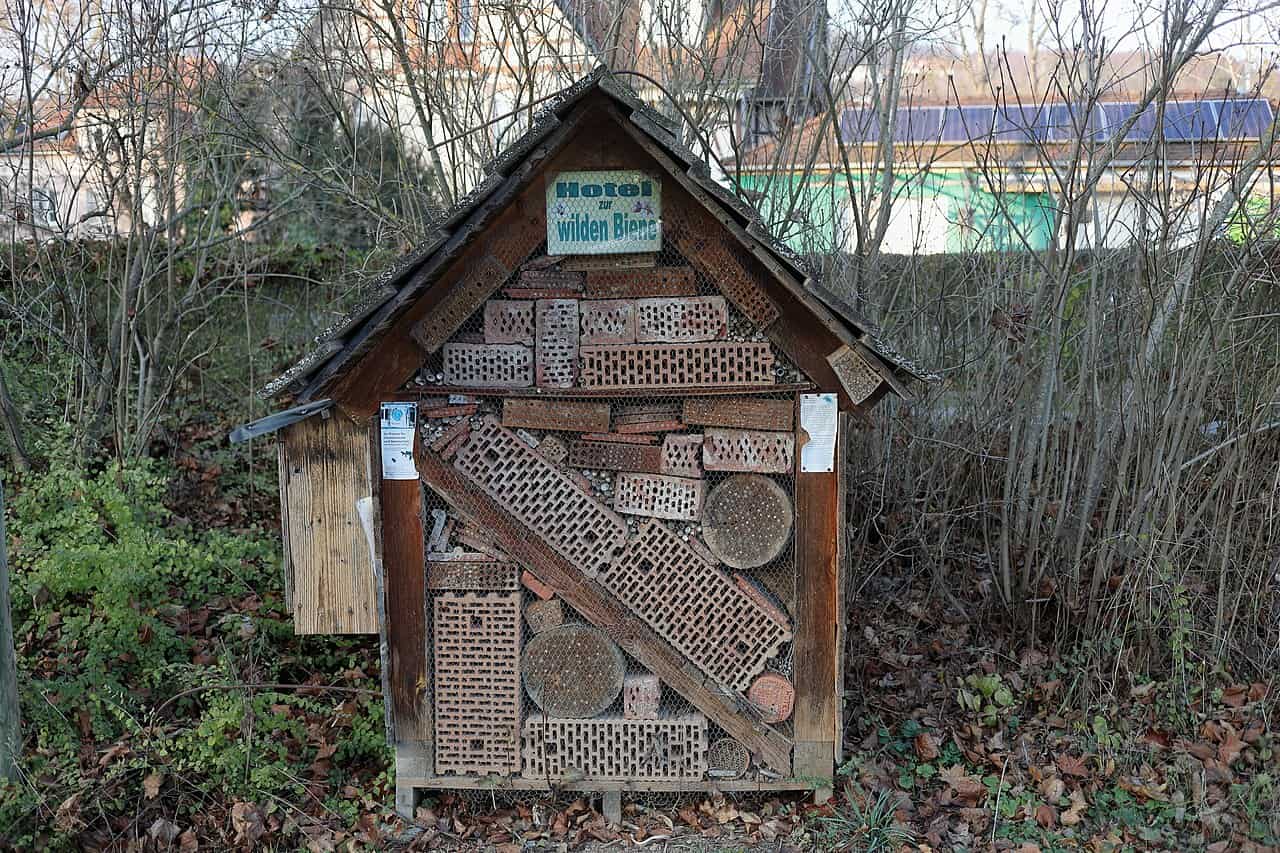
Installing a bee hotel in your garden can be a game changer. These structures provide shelter for solitary bees, which are essential pollinators. You can buy one or easily make your own using wooden blocks with holes or empty corks. Place it in a sunny spot, and make sure it’s sheltered from harsh weather.
You might also want to keep some inverted mud pots nearby. This gives bees a place to nest and raises the chances of attracting more of them. Over time, you’ll likely notice an increase in bee activity, benefiting both your garden and local pollinator populations.
10. Used mulch paths
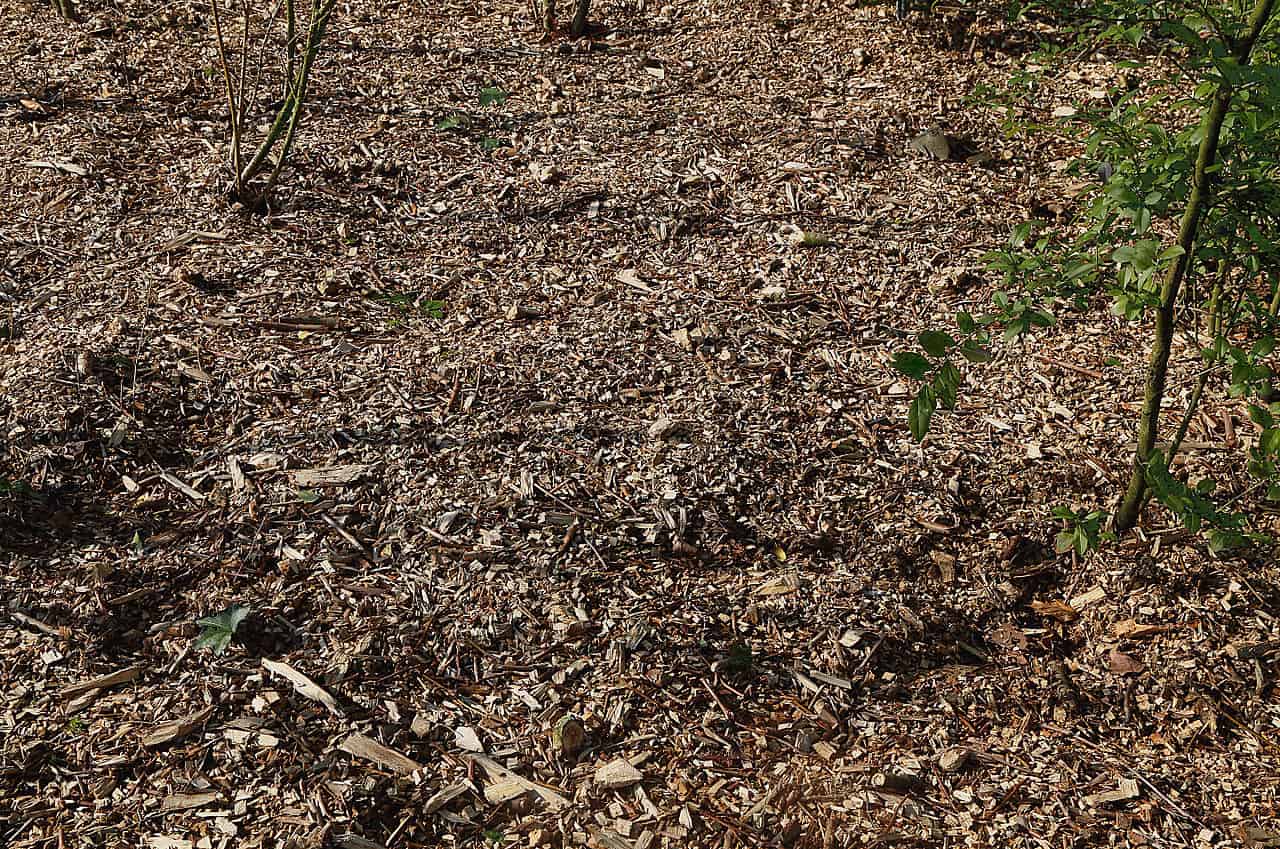
Creating mulch paths in your garden is a simple yet effective change. Mulch can help retain soil moisture while providing a clean walking space.
As an added bonus, these paths can attract beneficial insects and even birds. They thrive in the environment mulch creates, offering rich nutrients and shelter.
Using organic mulch also encourages decomposition, enriching the soil over time. This can lead to a healthier garden ecosystem, inviting both bees and birds.
Consider using wood chips or shredded leaves for your paths. They break down slowly, giving you lasting benefits while enhancing the aesthetic of your garden.
11. Installed a drip irrigation system

Switching to a drip irrigation system made a huge difference in my garden. This method delivers water directly to the roots, ensuring your plants get what they need without waste.
You’ll find it’s also great for attracting birds and bees. The moisture keeps the soil healthy and encourages pollinators to visit more often.
Plus, it’s low maintenance. Just set it up and let it do the work, keeping your plants thriving while conserving water. You’ll enjoy a vibrant garden buzzing with life!
12. Planted sunflowers
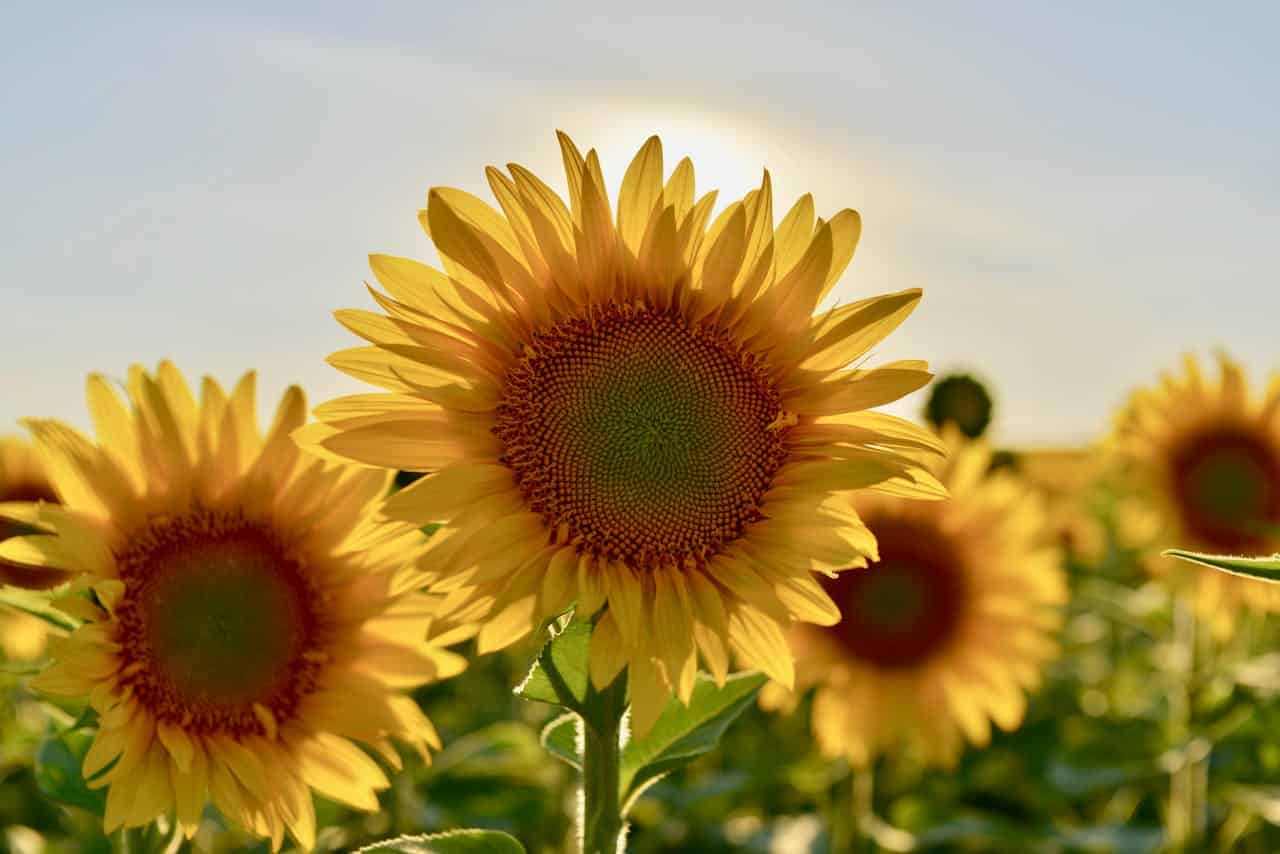
Adding sunflowers to your garden is a game changer. These bright beauties not only lift your spirits but also attract birds and bees.
Birds love the seeds, making your garden a popular spot for them. You’ll notice more feathered friends visiting when the sunflowers bloom.
Bees are drawn to the vibrant flowers too. Sunflowers are a great source of pollen, helping to support local bee populations.
Planting sunflowers is easy. They thrive in full sun and can grow in various soil types. You’ll enjoy watching them grow while knowing you’re helping wildlife.
13. Put up nest boxes
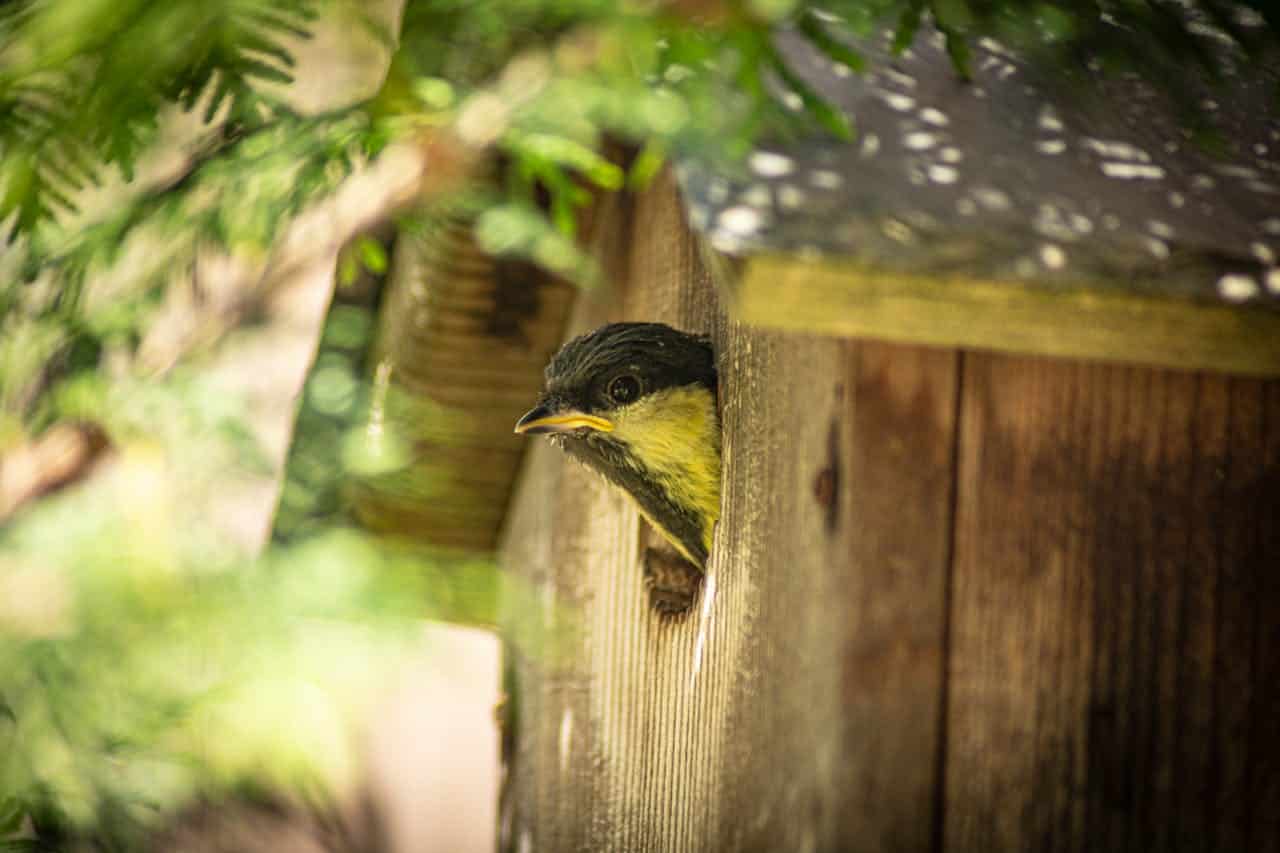
Adding nest boxes to your garden can really encourage birds to stick around. Make sure to choose the right type for the species you want to attract. Robins, bluebirds, and wrens all have different needs.
Place the boxes in quiet, sheltered spots away from heavy foot traffic. Ensure they’re at least five to ten feet off the ground for safety.
It’s also important to clean out the boxes each year. This keeps them welcoming and prevents pests from taking up residence. Sites like YouTube provide helpful tips on installation.
With just a bit of effort, you can create cozy homes for your feathered friends. They’ll love having a safe place to raise their young!
14. Added lavender and sage
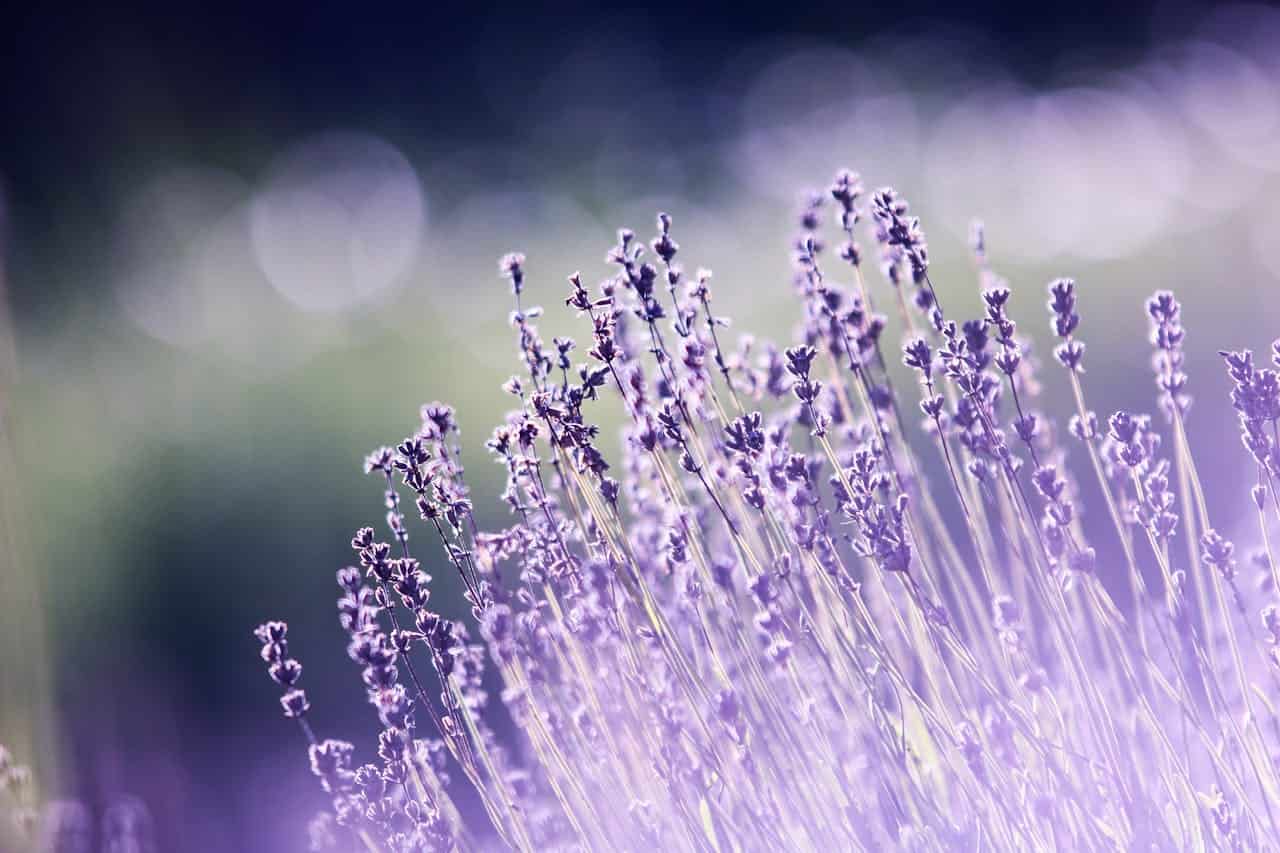
Adding lavender and sage to your garden is a game changer. These herbs are not only useful in the kitchen but also fantastic for attracting pollinators.
Lavender’s vibrant purple flowers and sweet scent draw in bees and butterflies. You’ll notice more activity around these blooms, which is great for pollination.
Sage, with its aromatic leaves and beautiful flowers, also helps entice hummingbirds. Planting both together creates a visually appealing and buzzing spot in your garden.
15. Used companion planting

Companion planting is a simple way to boost your garden’s appeal to birds and bees. By pairing certain plants together, you can create a more diverse and inviting habitat. For example, planting flowers like calendula alongside your vegetables can attract pollinators. They love those bright blooms!
Also, consider using native plants that naturally attract bees. Sunflowers and lavender are excellent choices. These plants not only look great but also create a lively environment, encouraging birds and beneficial insects to visit.
*This article was created with the help of AI.