Living in a consumer-driven society, we often find ourselves accumulating more things than we need. While it’s good to declutter and live more minimally, it’s also important to consider the environmental impact of our waste. Instead of tossing out items that no longer serve us, why not consider donating them instead? Not only are you helping reduce waste, but you’re also passing on something that can be of use to someone else. Here’s a list of 15 things I always donate instead of tossing.
1. Clothing
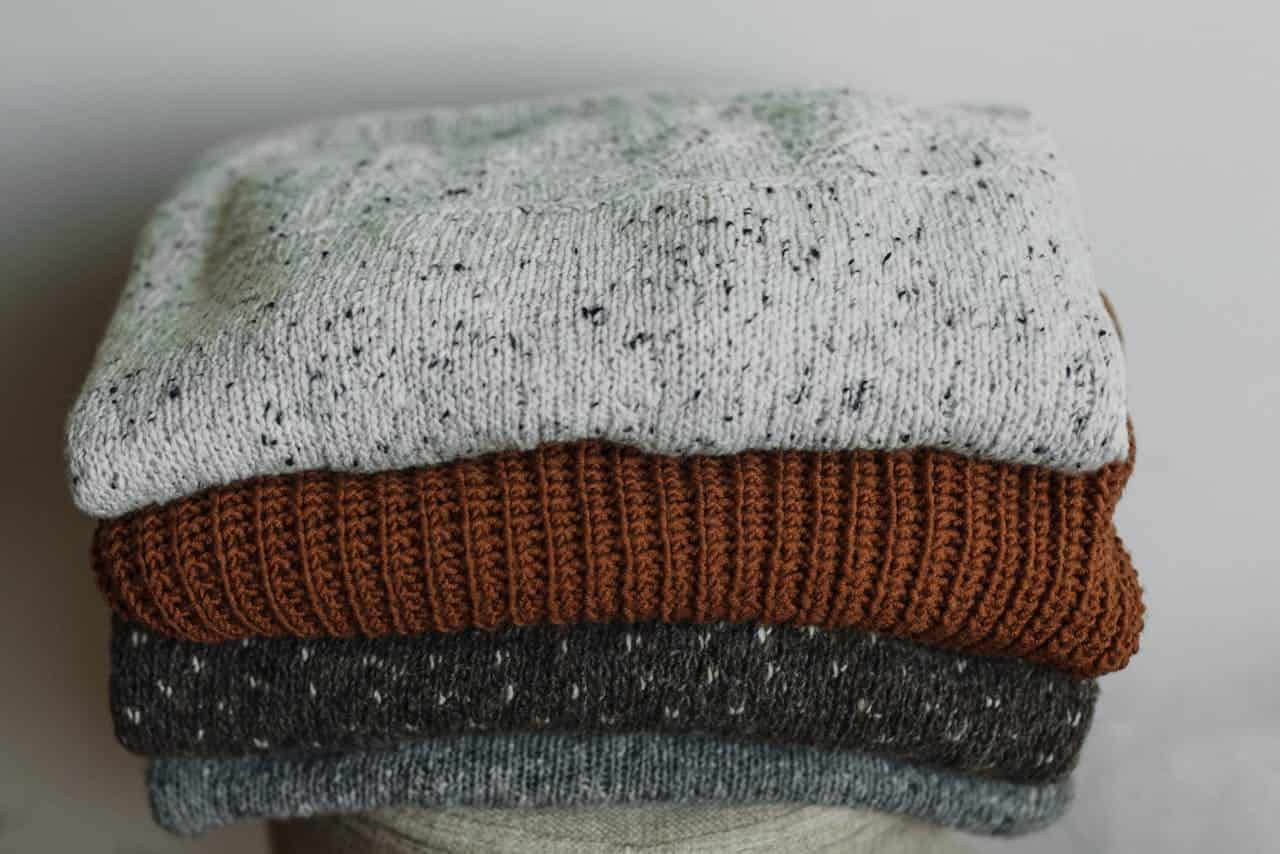
Clothing is one of the most commonly donated items, and for good reason. Many of us have closets filled with clothes that we no longer wear, whether they’re outgrown, out of style, or simply no longer liked. Instead of tossing these items, consider donating them to a local charity shop, homeless shelter, or organization that provides clothing to those in need.
Advertisement
Before donating, make sure your clothes are clean and in good condition. If there are minor repairs needed, like a missing button or a small tear, mend them if you can. Remember, the goal is to provide something of use to someone else, not to offload your trash. Some places also accept shoes and accessories, so don’t forget to declutter those areas as well.
2. Books

Books are another item that many people accumulate over the years. If you have books that you’ve read and no longer want, consider donating them instead of throwing them away. Libraries, schools, and charitable organizations often accept book donations, and there are also specialized programs like Books for Africa that distribute books to those who need them.
When donating books, it’s important to make sure they’re in good condition. Most places won’t accept books that are torn, heavily marked, or otherwise damaged. It’s also a good idea to check with the organization beforehand to see if they have any specific needs or restrictions. For example, some places may not accept textbooks or magazines.
3. Kitchenware
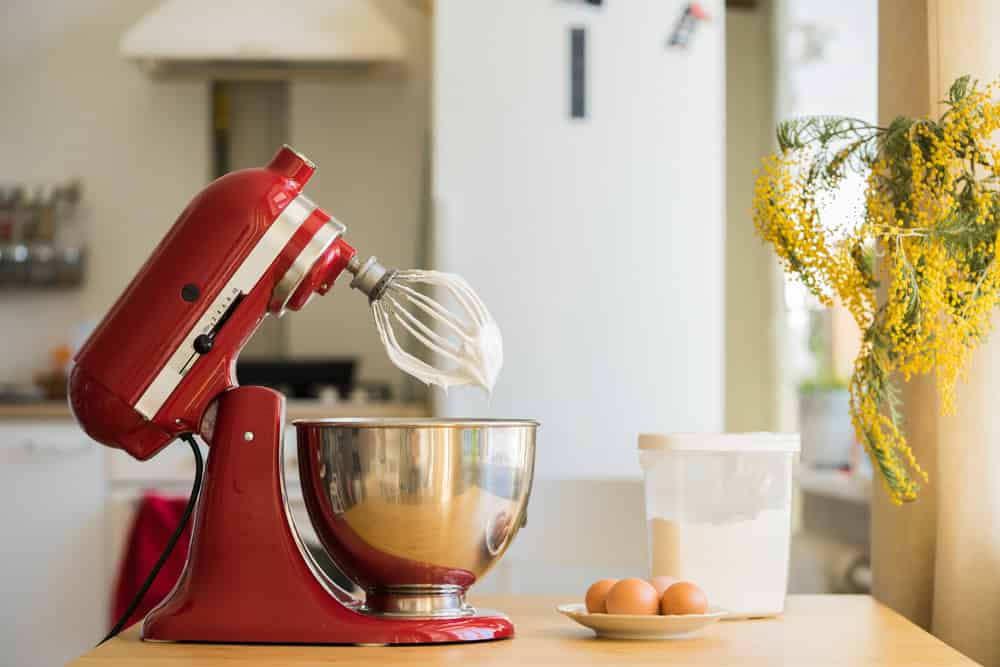
If you’re upgrading your kitchen or just have too many kitchen gadgets, consider donating them instead of tossing them. Many thrift stores and charity shops accept kitchenware donations, and there are also organizations like the Salvation Army and Goodwill that will put your donated items to good use.
Before donating kitchenware, make sure it’s clean and in good working condition. No one wants to receive a grimy pot or a broken toaster. Also, keep in mind that not all places accept all types of kitchenware. For example, some places may not accept electrical appliances, so it’s always a good idea to check beforehand.
4. Furniture

Outgrown your old couch or upgrading your dining table? Don’t just toss them away. Many organizations will happily accept furniture donations. Some even offer pick-up services for larger items, making it easier for you to donate.
Before donating furniture, make sure it’s in good condition. Items with significant damage, stains, or odors are typically not accepted. Also remember to check with the organization to see if they have any specific needs or restrictions. For example, due to bed bug concerns, some places may not accept mattress donations.
5. Electronics
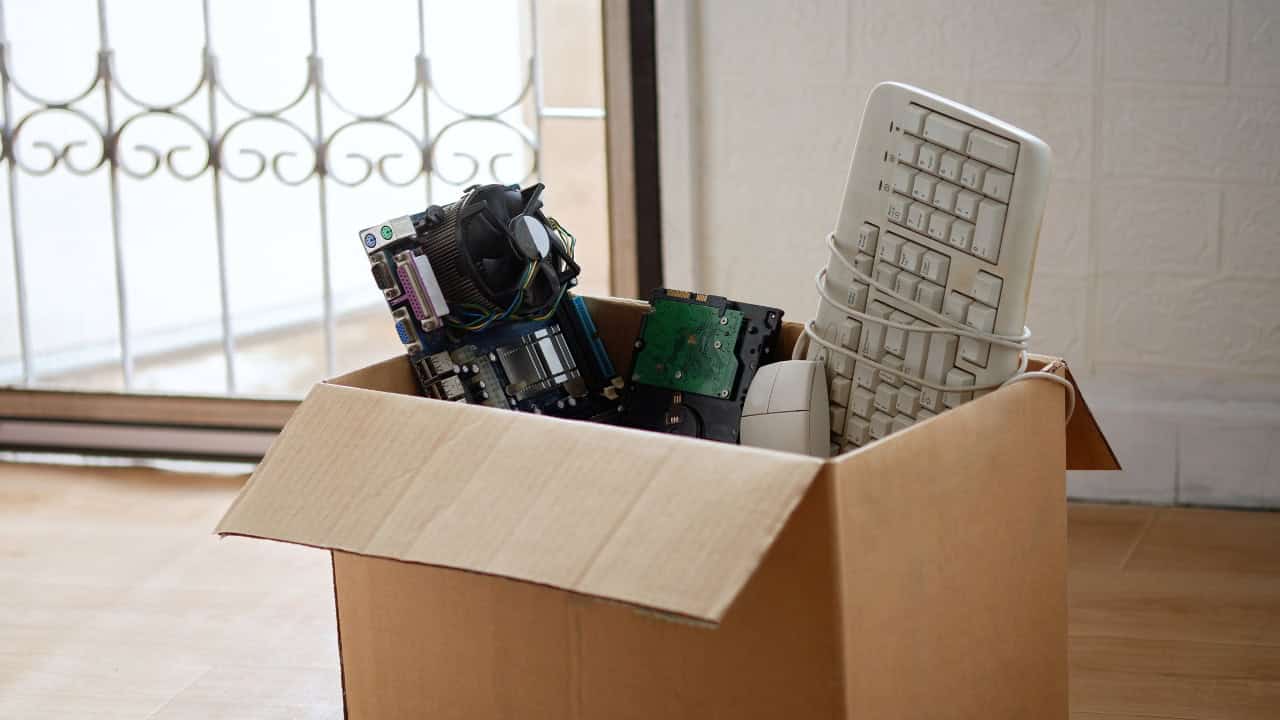
With technology constantly evolving, it’s easy to accumulate old electronics. Instead of tossing them in the trash, consider donating them. Many organizations and recycling programs accept electronic donations, which they then refurbish and redistribute or recycle responsibly.
When donating electronics, it’s important to erase any personal data beforehand. Additionally, check with the organization to see what types of electronics they accept. While some places accept a wide range of items, others may only accept certain types of electronics.
6. Toys
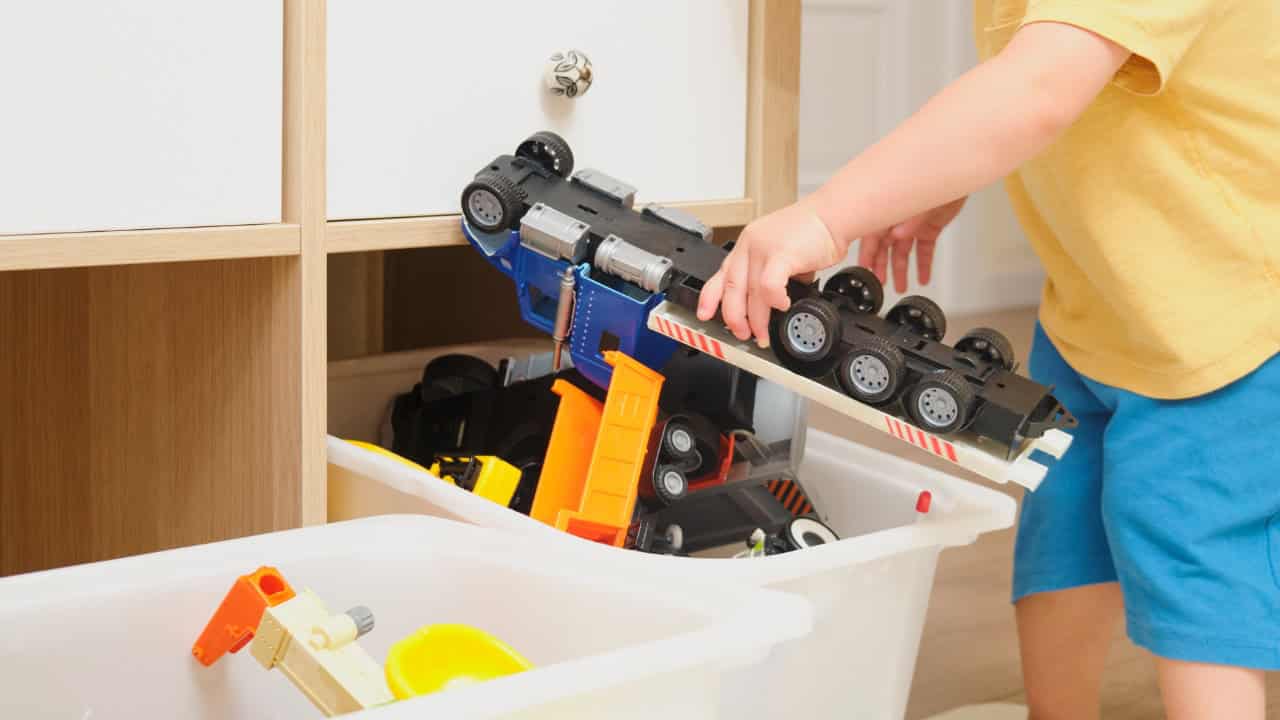
If your kids have outgrown their toys, consider donating them instead of throwing them away. Many charities, shelters, and hospitals accept toy donations, bringing joy to children who may not have many toys of their own.
When donating toys, ensure they are clean and in good condition. Broken toys or those with missing pieces are generally not accepted. Also, due to safety concerns, some places may not accept certain types of toys, so it’s always a good idea to check beforehand.
7. Craft Supplies
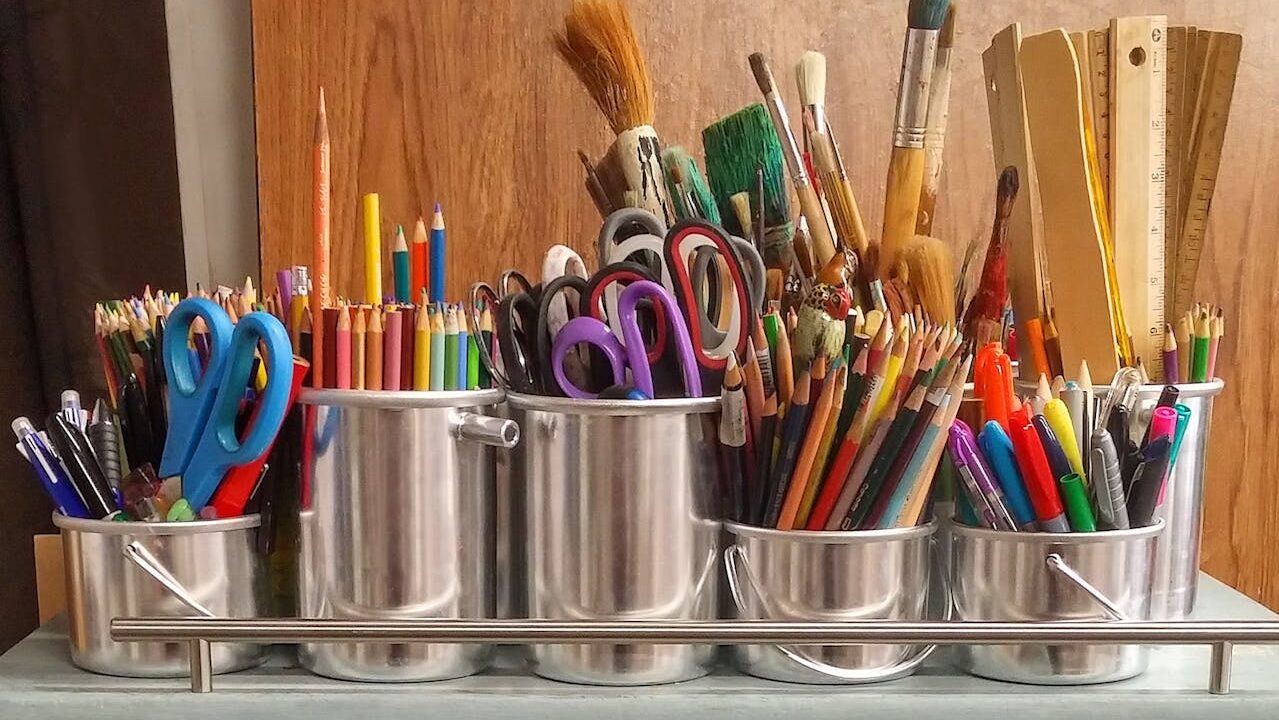
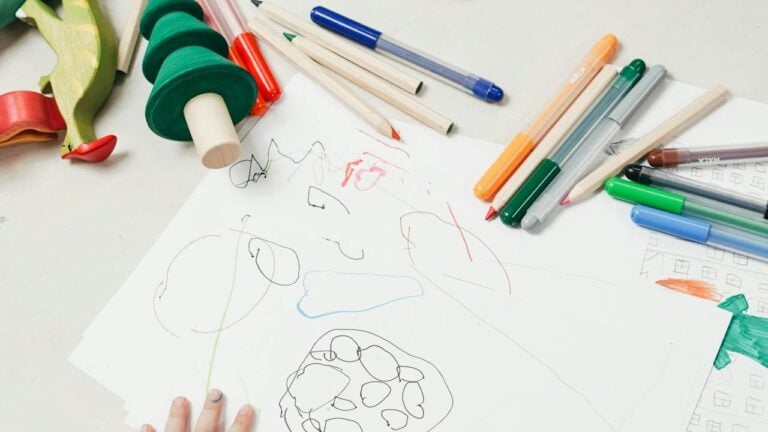
Have leftover yarn, fabric, or other craft supplies? Don’t just toss them. Schools, community centers, and organizations like the Scrap Exchange often accept craft supply donations.
Before donating, ensure your supplies are in good condition. No one wants to receive dried-out paint or tangled yarn. Also, check with the organization to see if they have any specific needs or restrictions.
8. Linens
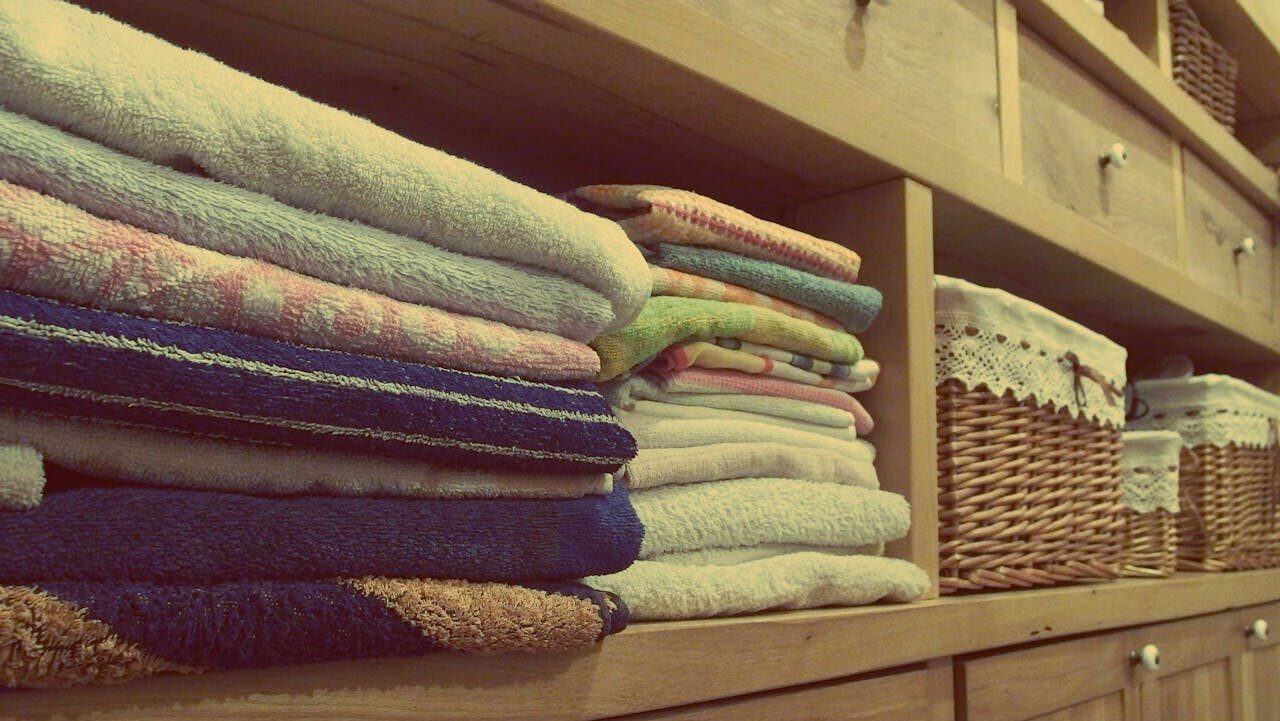
If you have too many bed sheets, towels, or other linens, consider donating them. Many shelters and animal rescue organizations accept linen donations.
Before donating, ensure your linens are clean and in good condition. Items with significant stains or tears are typically not accepted. Also, remember to check with the organization to see if they have any specific needs or restrictions.
9. Eyeglasses
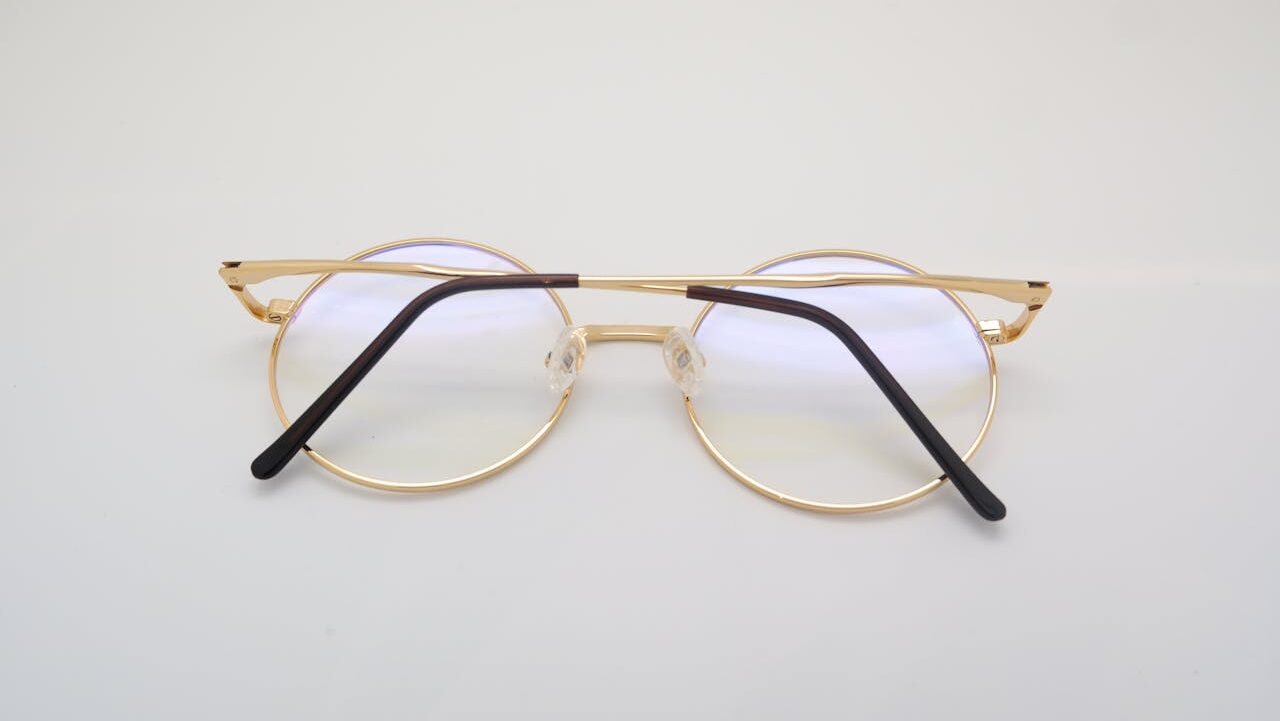
Old eyeglasses taking up space in your drawer? Consider donating them. Many organizations, like the Lions Club, collect old eyeglasses and distribute them to those in need.
Before donating, ensure your glasses are in good condition. While minor scratches may be acceptable, glasses with significant damage are typically not. Also, remember to include any cases or cleaning cloths if you have them.
10. Musical Instruments
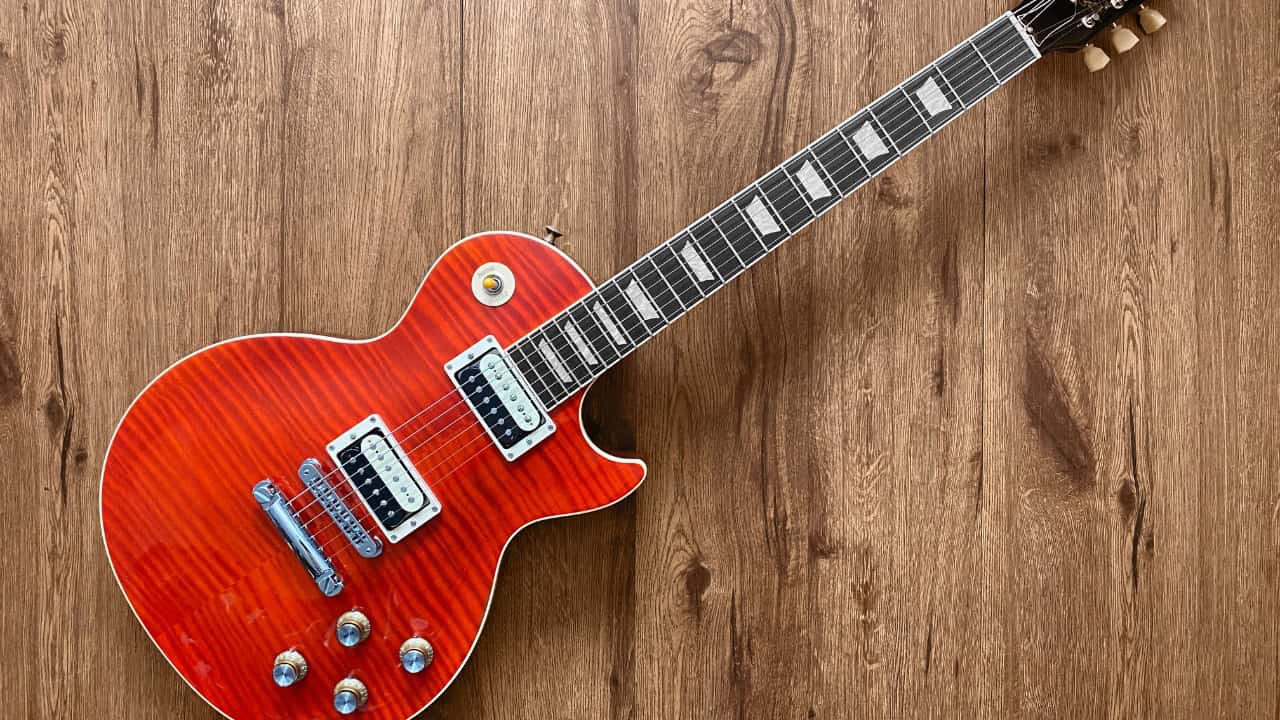
If you have musical instruments that are no longer being used, consider donating them. Schools, community centers, and organizations like the Mr. Holland’s Opus Foundation often accept musical instrument donations.
Before donating, ensure your instrument is in good working condition. Instruments with significant damage or missing parts are typically not accepted. Also, remember to include any necessary accessories, like bows for string instruments or mouthpieces for wind instruments.
11. Pet Supplies
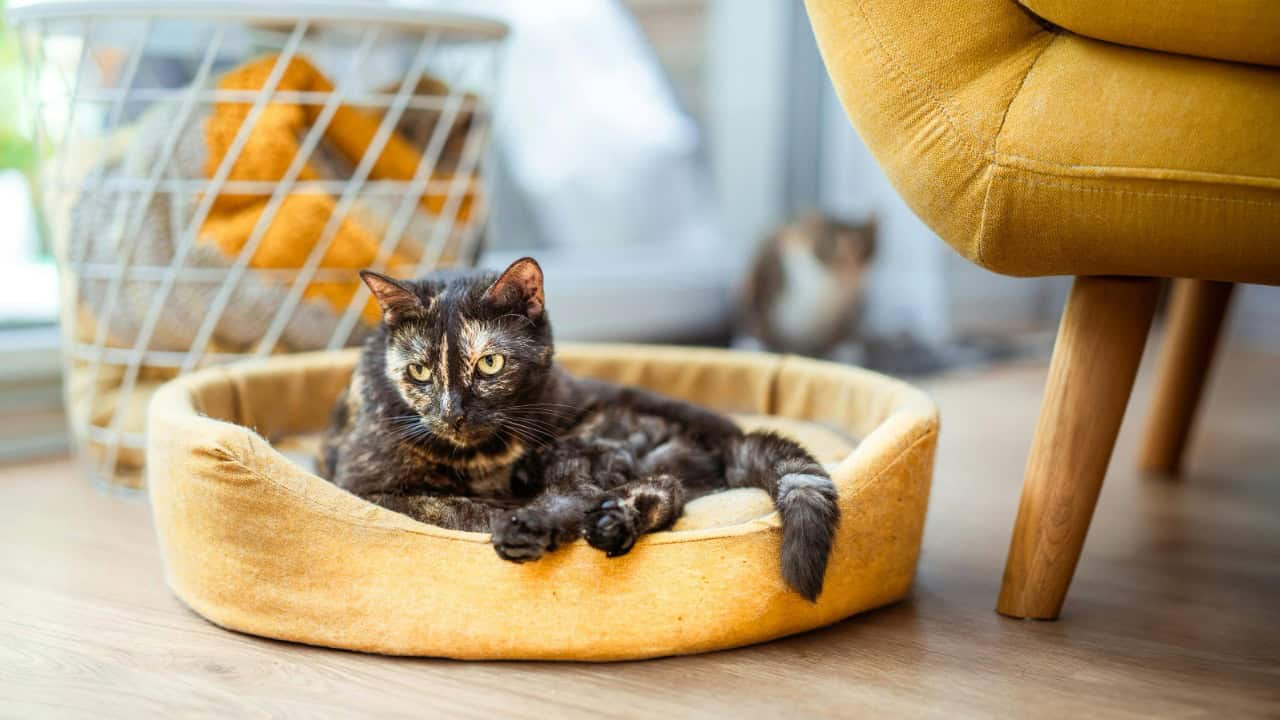
If you have pet supplies that are no longer needed, consider donating them. Animal shelters and rescue organizations often accept pet supply donations.
Before donating, ensure your supplies are clean and in good condition. Items with significant wear and tear, like chewed-up toys or scratched-up scratching posts, are typically not accepted. Also, remember to check with the organization to see if they have any specific needs or restrictions.
12. Sports Equipment
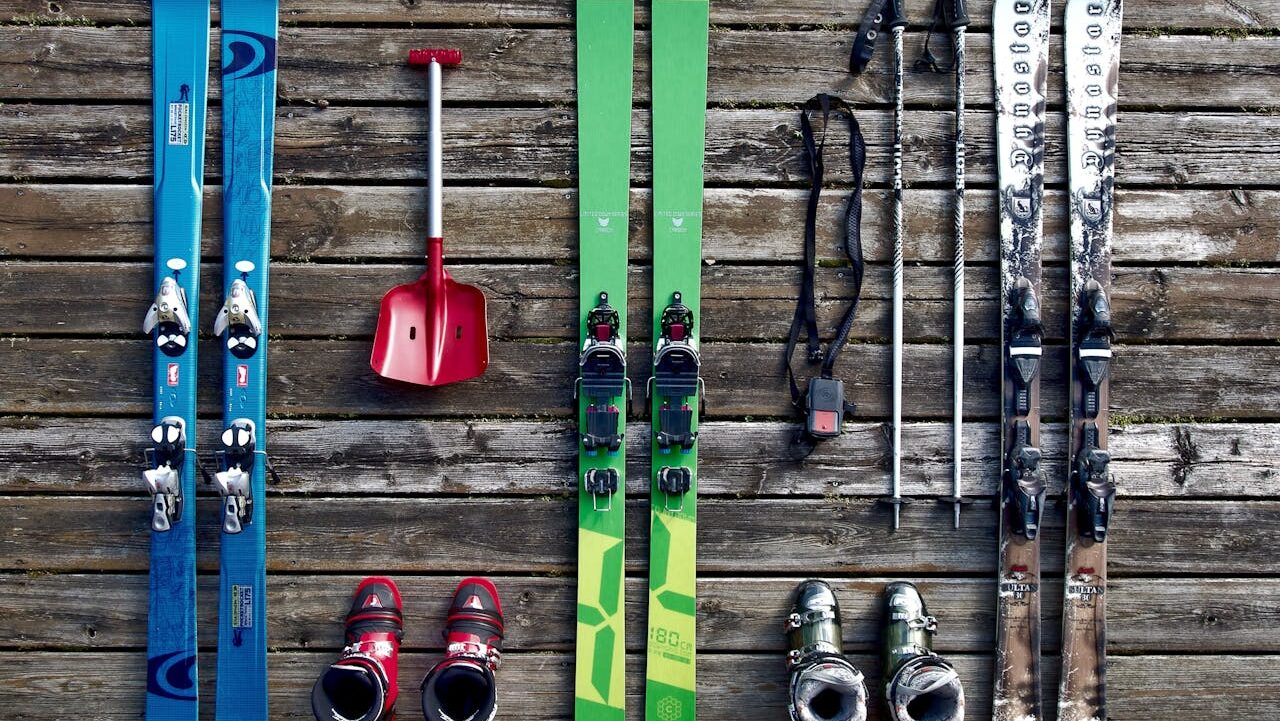
If you have sports equipment that is no longer being used, consider donating it. Schools, community centers, and organizations like Play It Forward often accept sports equipment donations.
Before donating, ensure your equipment is in good condition. Items with significant damage or missing parts are typically not accepted. Also, remember to check with the organization to see if they have any specific needs or restrictions.
13. Baby Items
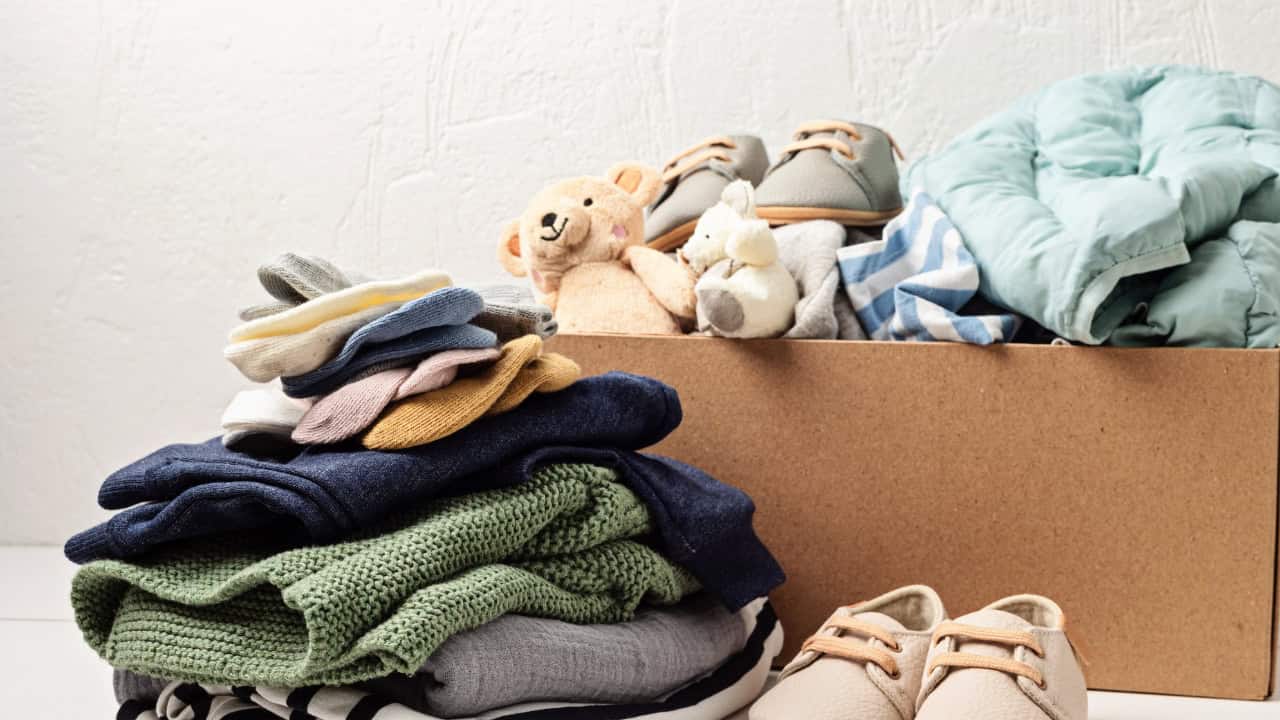
If you have baby items that are no longer needed, consider donating them. Many charities, shelters, and organizations like the National Diaper Bank Network accept baby item donations.
Before donating, ensure your items are clean and in good condition. Items with significant wear and tear, like stained clothing or broken toys, are typically not accepted. Also, due to safety concerns, some places may not accept certain types of baby items, so it’s always a good idea to check beforehand.
14. Office Supplies
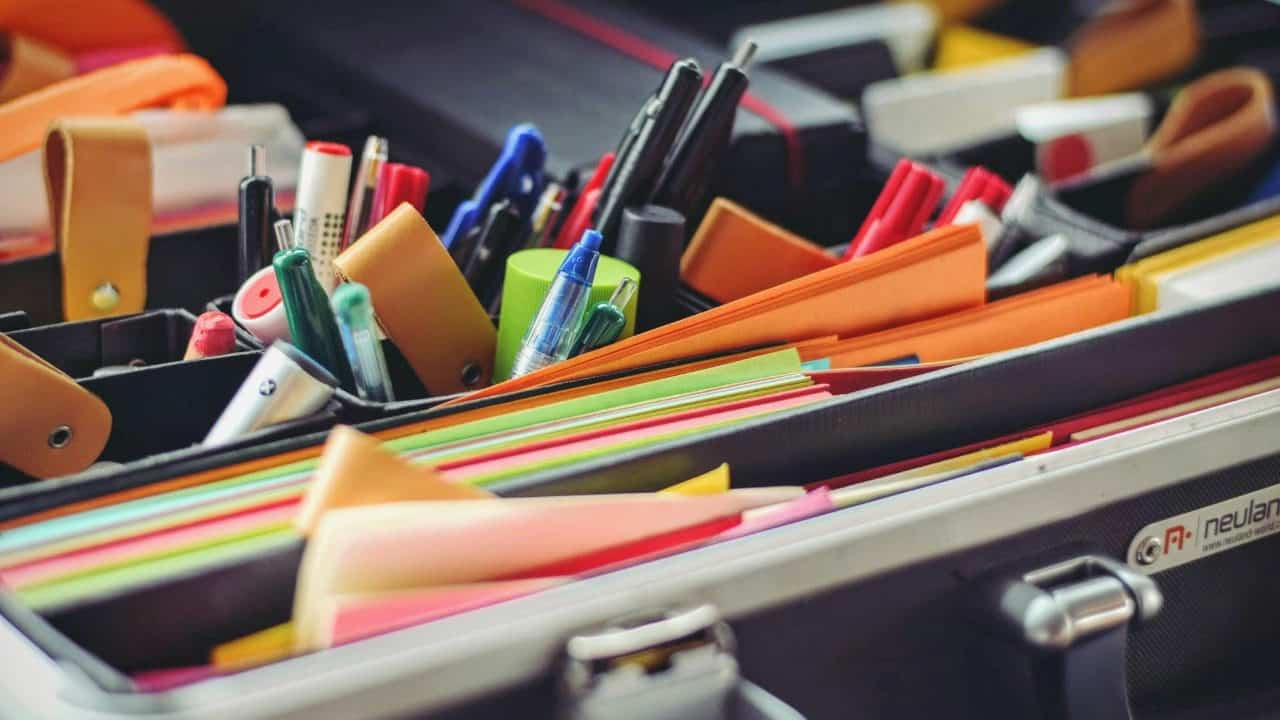
If you have office supplies that are no longer needed, consider donating them. Schools, community centers, and organizations like the Kids In Need Foundation often accept office supply donations.
Before donating, ensure your supplies are in good condition. No one wants to receive dried-out markers or torn notebooks. Also, check with the organization to see if they have any specific needs or restrictions.
15. Beauty Products

If you have beauty products that you no longer use, consider donating them. Many women’s shelters accept beauty product donations.
Before donating, ensure your products are unused and unopened. Due to hygiene concerns, most places will not accept used beauty products. Also, remember to check with the organization to see if they have any specific needs or restrictions.