Getting your garden ready for summer bloom means paying attention to the needs of your plants as the weather warms. Proper preparation helps your garden stay healthy and vibrant throughout the season.
By following simple tasks now, you can ensure your flowers and plants thrive and look their best all summer long. Taking a little time to prep your garden will make your outdoor space more enjoyable and rewarding.
Advertisement
Remove dead and damaged wood from shrubs
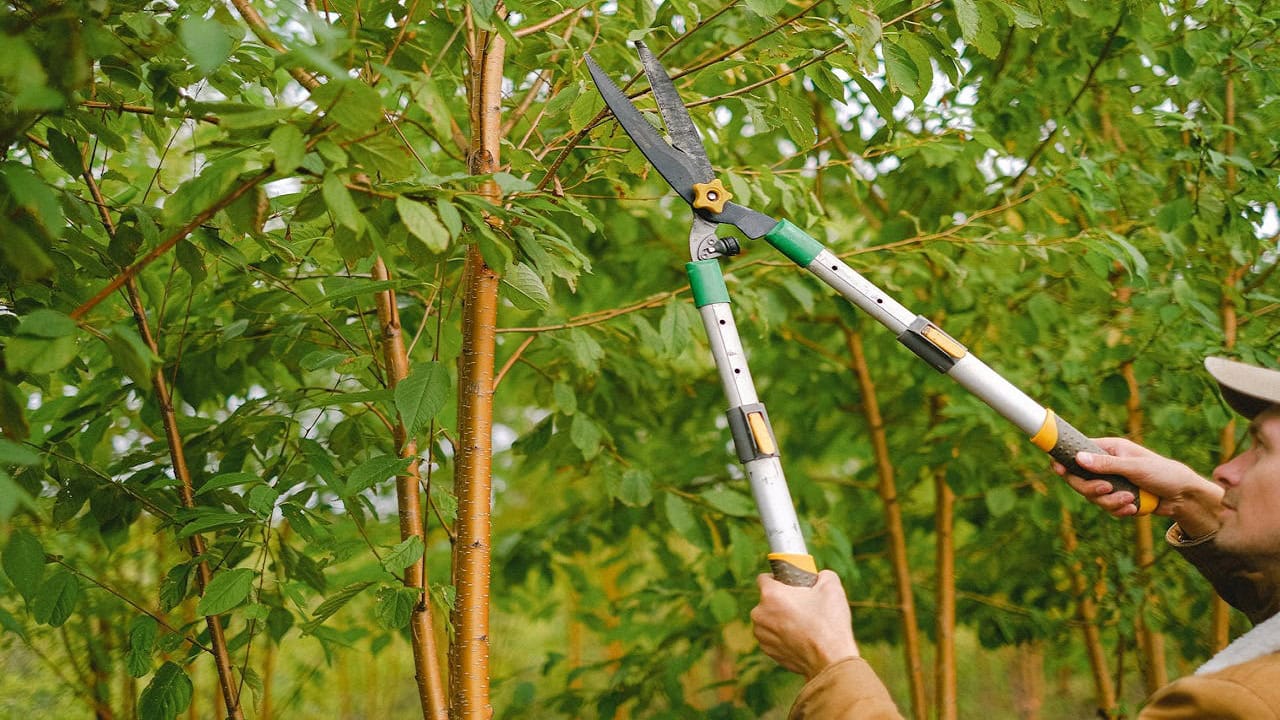
You should start by cutting away any dead or damaged branches on your shrubs. This helps keep the plant healthy and improves its appearance.
Look for stems that are diseased or broken and prune them back to a healthy growing point or to the base. Removing old or dead wood also lets more sunlight reach the rest of your plant, encouraging new growth and stronger blooms.
Prune evergreens like boxwood and arborvitae
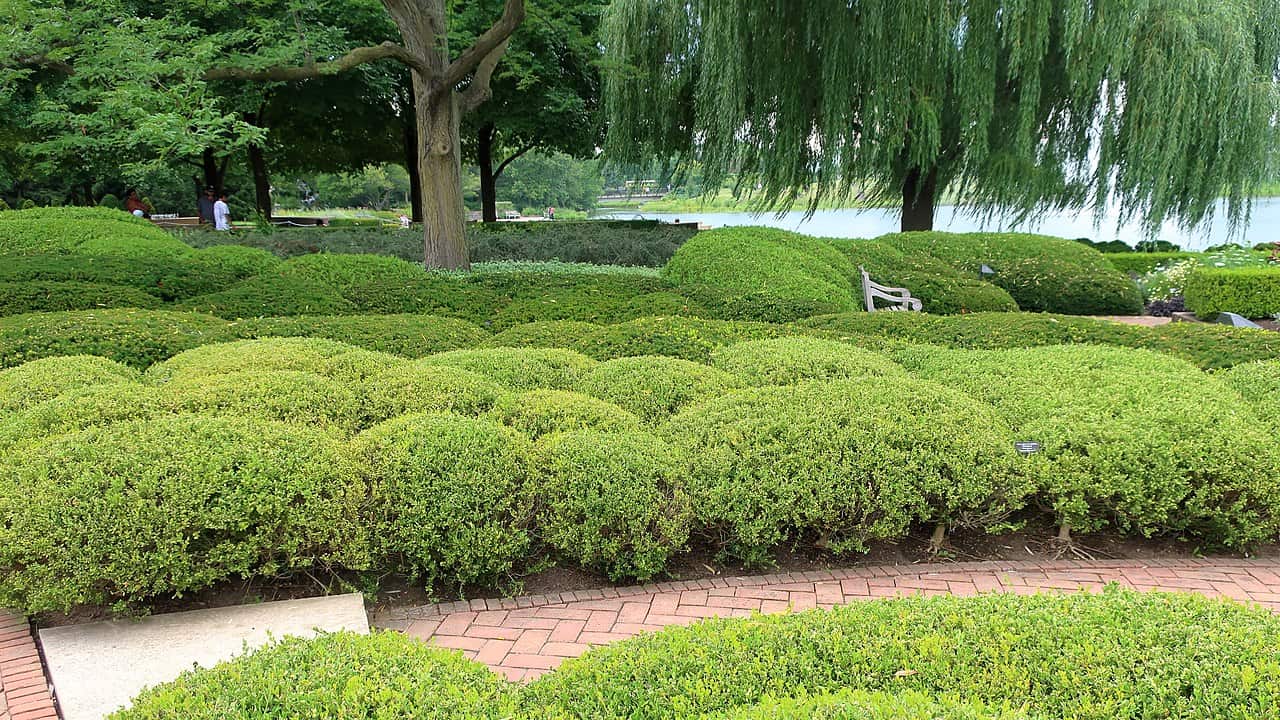
When pruning boxwood, do it while they are actively growing. Avoid cutting them late in the summer to help them heal faster.
With arborvitae, focus on two types of cuts: shortening branches or removing them completely. You don’t need to prune often, just when they get too tall or wide.
Keep your cuts clean and use sharp tools. This helps your evergreens stay healthy and look tidy all summer long.
Trim shrubs that bloom on new growth such as panicle hydrangea
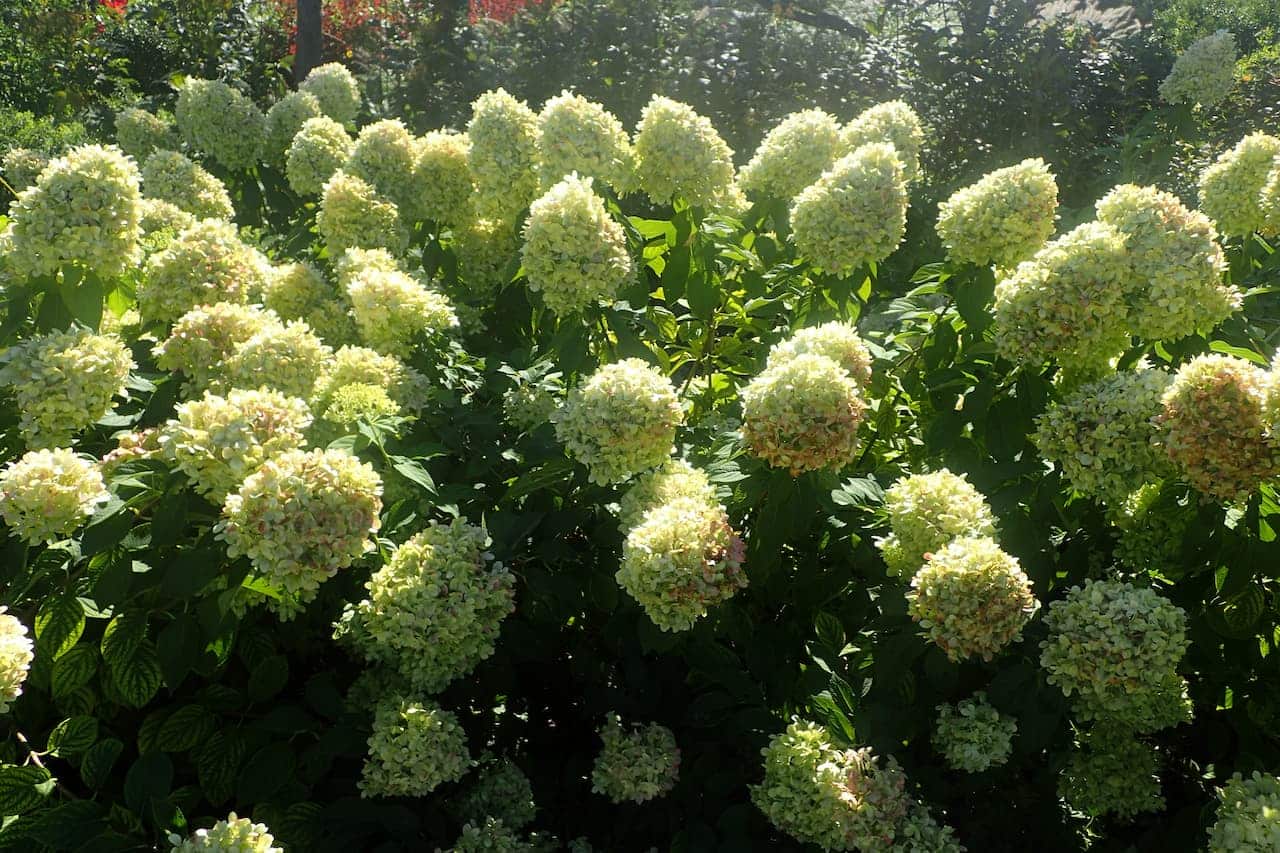
You should prune panicle hydrangeas in late winter or early spring before new growth starts. These shrubs bloom on new wood, so cutting them back encourages fresh, healthy branches for blooms.
Focus on removing dead or damaged stems to keep your shrub strong. Light pruning also helps control the shape and size of your panicle hydrangea for a tidy look in your garden.
Delay rose pruning until late summer

If you missed pruning your roses earlier in spring, don’t worry. You can wait until late summer to trim them.
Focus on removing dead or damaged stems first. This helps keep your rose bushes healthy and encourages better blooms next season.
For climbing or rambling roses, it’s best to prune after they finish blooming. This timing supports their unique growth and flower patterns.
Clear out old debris and weeds from garden beds
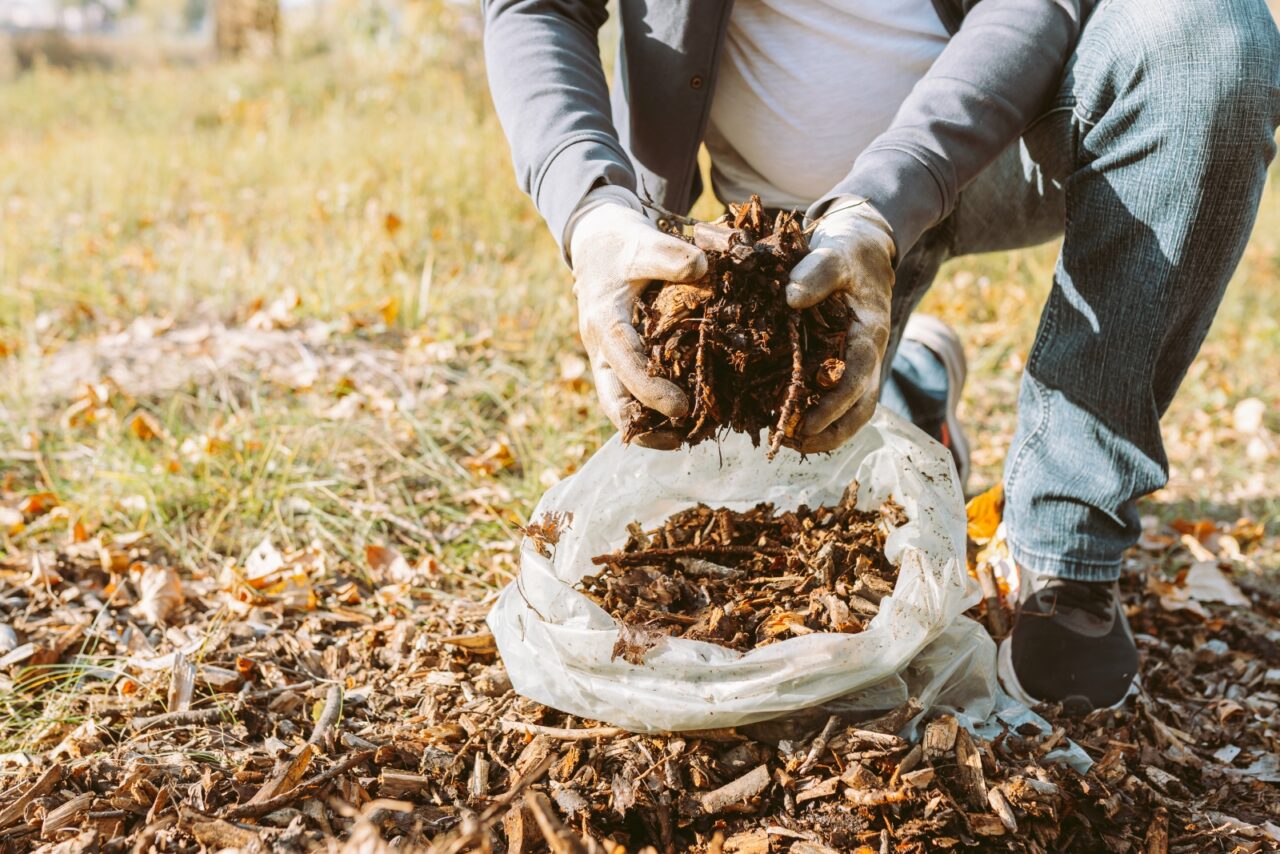
Start by removing all old plant material, fallen leaves, and sticks from your garden beds. This helps prevent pests and diseases from taking hold.
Pull out weeds carefully, including the roots, so they don’t grow back quickly. Clearing this space gives your new plants room to grow healthily. Cleaning your beds also improves air circulation and sunlight exposure, which supports stronger plant growth during summer.
Amend soil with compost or organic matter
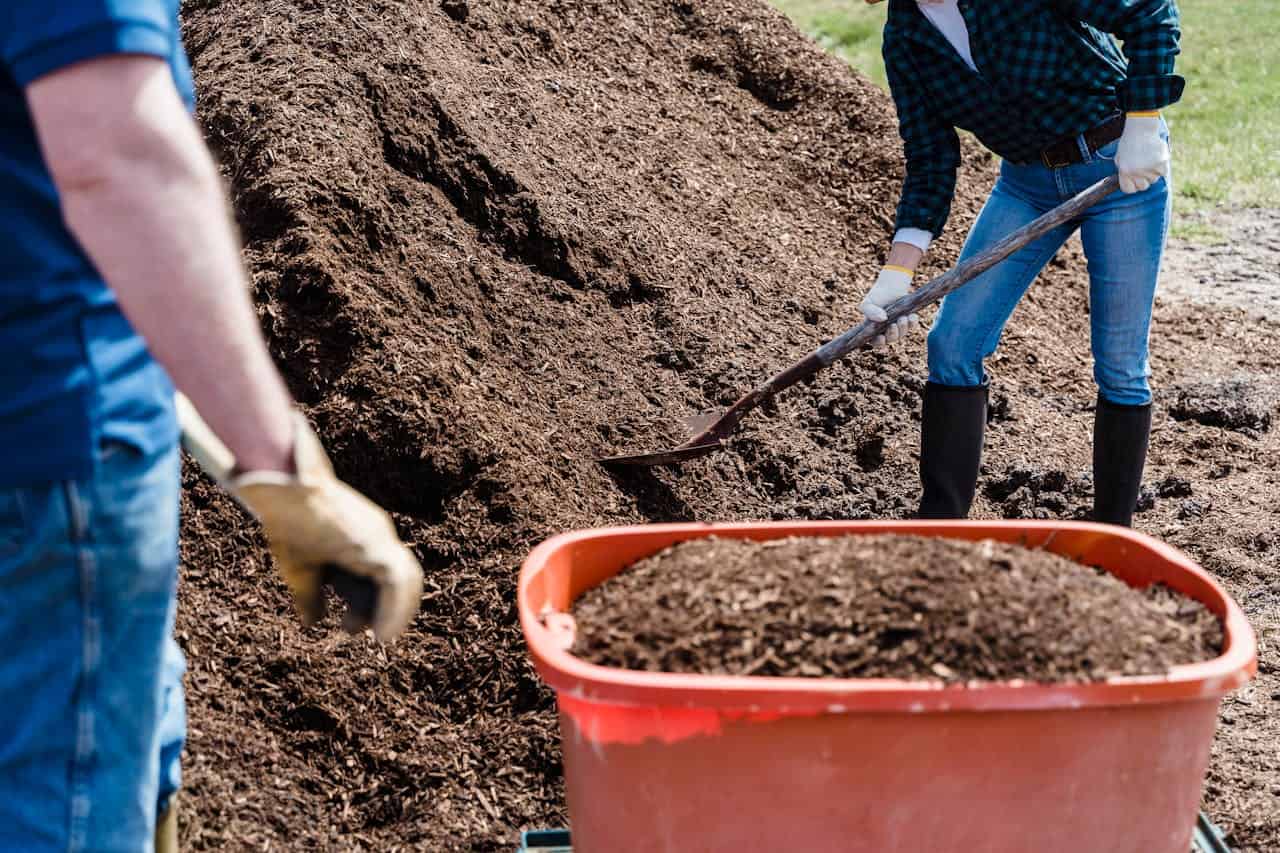
You should add compost or organic matter to boost your soil’s health before planting. Spread about 2 to 4 inches of compost evenly over the garden bed.
Mix it into the top 6 to 8 inches of soil using a garden fork or spade. This helps improve moisture retention and nutrient availability. Be careful not to add too much compost, as it might harm some plants. Balance is key for a healthy, productive garden.
Plan your summer flower and vegetable planting layout

Start by assessing your garden space to make the most of sunlight and soil conditions. Think about grouping plants with similar water and light needs together.
Consider a mix of flowers and vegetables that bloom or mature at different times. This keeps your garden colorful and productive throughout summer.
Use rows, raised beds, or containers depending on your space. Simple layouts help you manage your plants easily and improve airflow, which keeps them healthy.
Feed plants with balanced slow-release fertilizer

You want to nourish your garden steadily without constant fuss. Using a balanced slow-release fertilizer with an N-P-K ratio like 10-10-10 offers consistent nutrients over time.
This type of fertilizer feeds your plants gradually, supporting healthy root growth and vibrant blooms. Apply it monthly during the growing season for best results.
Slow-release options reduce the risk of overfeeding and help maintain nutrient levels in your soil. They work well in containers and garden beds alike.
Set up efficient drip irrigation or soaker hoses

You can save time and water by installing drip irrigation or soaker hoses in your garden. Both deliver water directly to the roots, which helps your plants stay consistently moist without waste.
Soaker hoses are easy to lay out and work well for rows of plants. Drip irrigation offers more control with customizable emitters and timers.
Make sure to plan your layout carefully to cover all your plants evenly. This setup can keep your garden healthy through the hot summer months.
Mulch garden beds to retain moisture and suppress weeds

Mulching your garden beds helps keep soil moist, reducing the need to water often. It also blocks sunlight from reaching weed seeds, so fewer weeds sprout.
Choose organic mulch like wood chips or straw. These break down slowly and improve your soil over time. Spread a layer about 2 to 4 inches deep, but avoid piling mulch against plant stems to prevent rot. By mulching, you create a healthier environment for your plants and save time on garden upkeep.
Support tall plants with stakes or cages
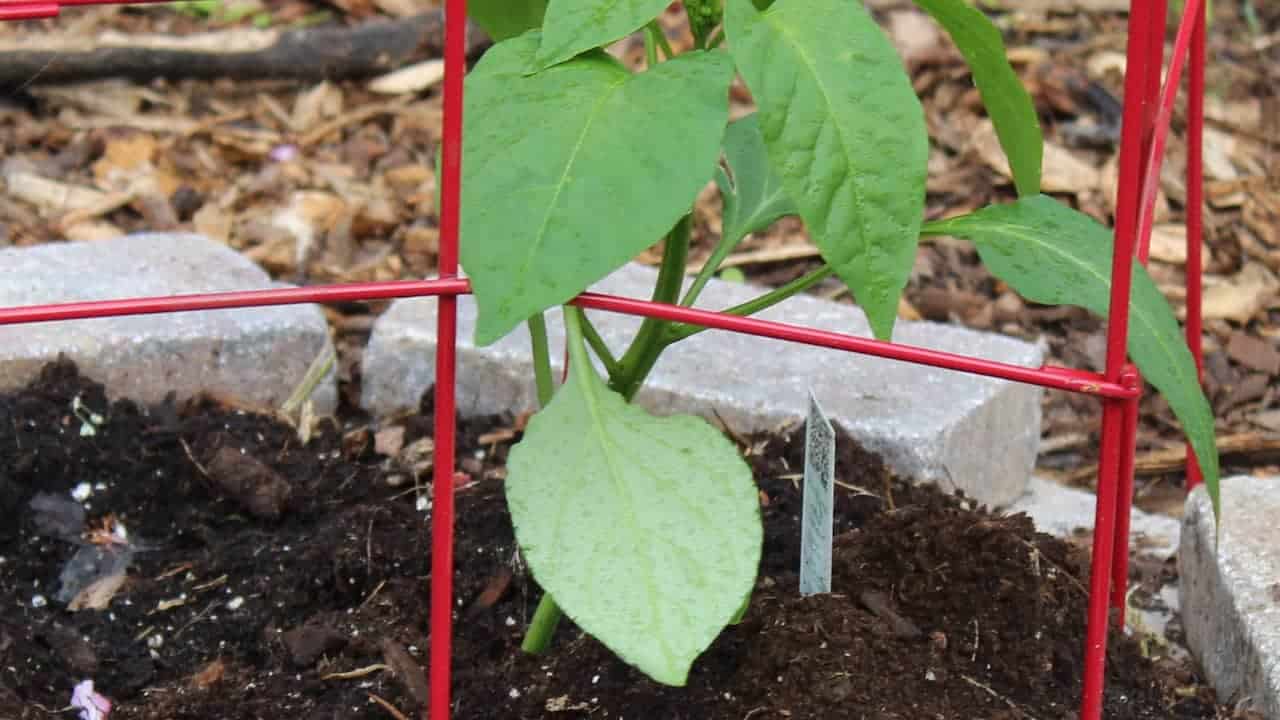
You’ll want to install stakes or cages early, before your plants grow too tall. This helps prevent them from bending or breaking during summer storms.
Use garden twine to loosely attach stems to stakes or cages. This keeps plants upright while allowing room to grow. Adjust supports as your plants grow. Climbing plants may need training onto trellises or additional ties for stronger support.
Harvest early vegetables to encourage continuous growth

You can boost your garden’s productivity by harvesting early vegetables as soon as they’re ready. Crops like arugula and radishes mature quickly, sometimes within 25 to 30 days.
Picking these vegetables early prevents them from becoming overripe and encourages the plants to produce more.
Keep an eye on fast-growing greens and root vegetables to maintain a steady supply throughout the summer. This simple action helps your garden stay active and fruitful.
Inspect and control pests and diseases promptly
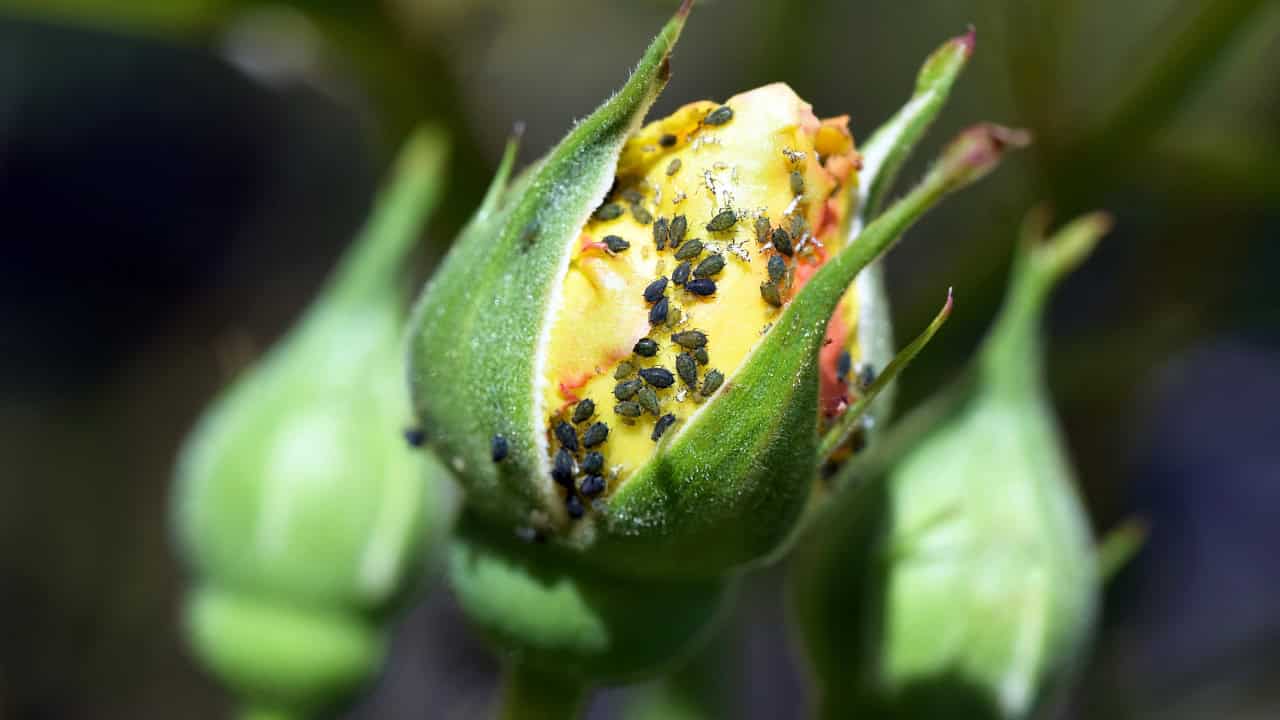
Check your plants regularly for signs of pests or diseases, like yellow leaves, holes, or sticky spots. Early detection helps stop problems before they spread.
Remove any damaged or diseased leaves quickly to reduce risk. You can also introduce helpful insects like ladybugs to keep pests under control naturally.
Keep your garden clean by clearing dead leaves and debris. This removes places where pests can hide and helps your plants stay healthy all summer.
Plant soil-enriching cover crops like clover
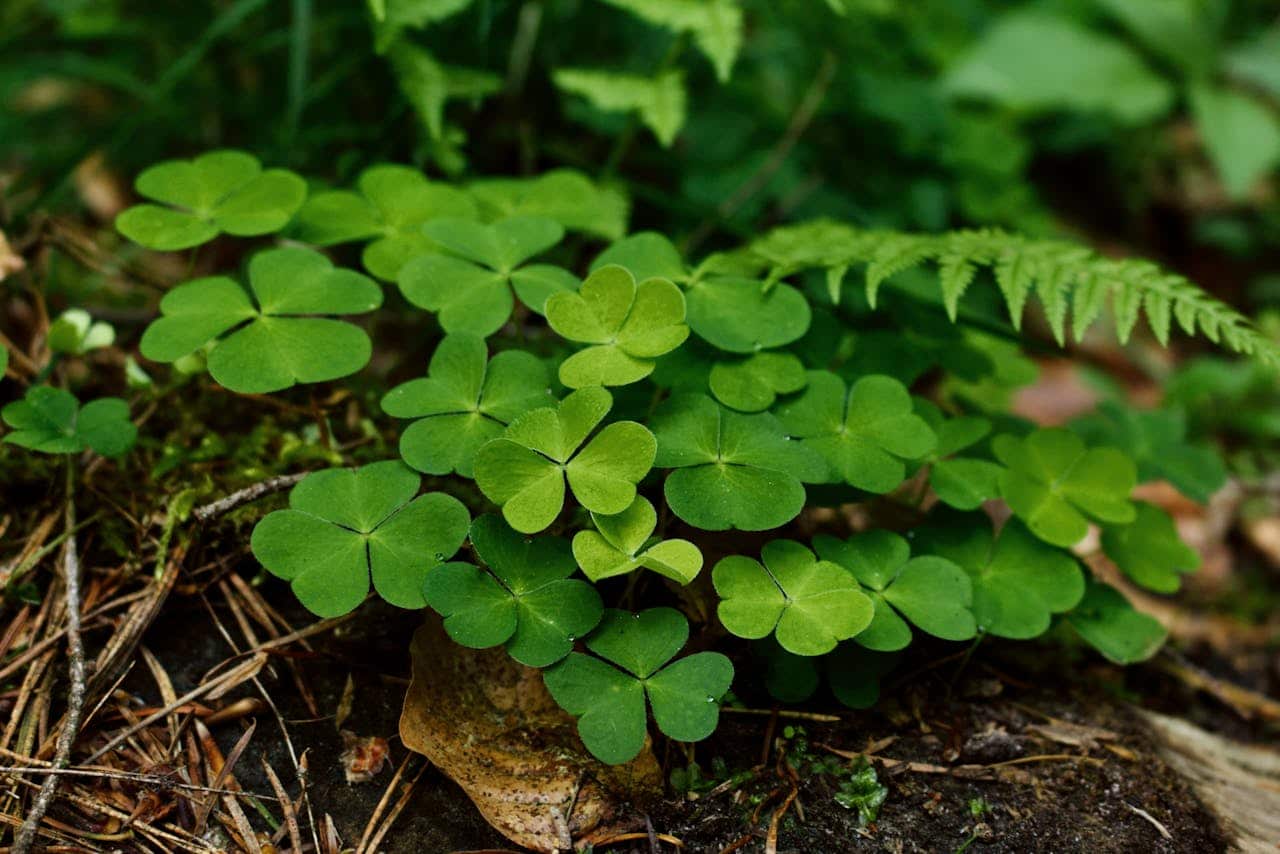
You can improve your garden’s soil naturally by planting cover crops such as clover. Clover grows quickly and helps protect your soil from erosion and weeds.
As a legume, clover works with beneficial bacteria to add nitrogen to the soil, making it richer for your summer plants.
Plant clover in early spring or late summer, and mow it before it flowers to keep it from spreading seeds. This way, you keep your garden healthy and ready for blooming.
Add decorative garden art for a cheerful touch

You can brighten your garden by adding simple, creative art pieces. Try using old items like bike wheels or spoons to make unique decorations that catch the eye.
Hanging birdhouses in colorful paints can welcome birds and bring life to your space. Small sculptures or painted stones also add personality without taking up much room. These touches make your garden feel more inviting and joyful.