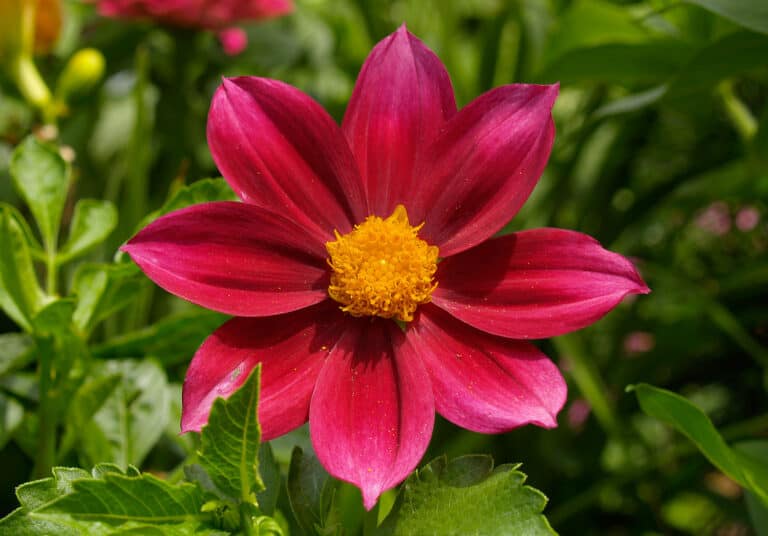
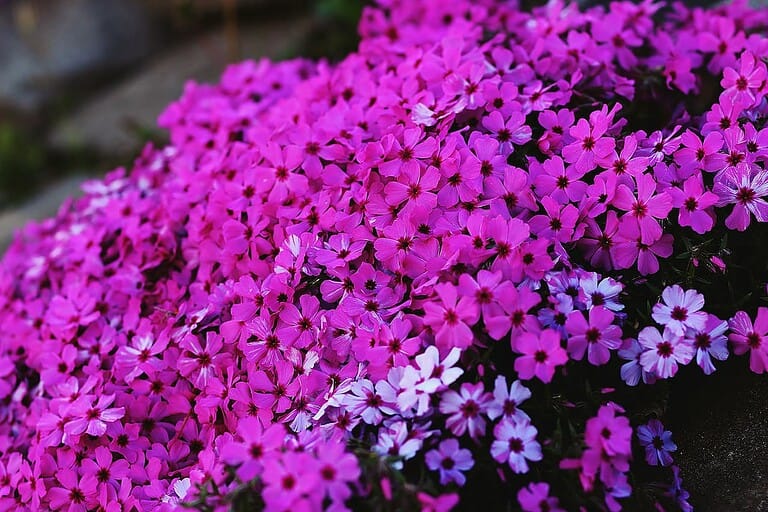
Getting your garden ready for summer bloom can feel overwhelming, but with the right steps, you can set yourself up for a healthy, vibrant outdoor space. Preparing your garden now helps ensure your plants will thrive through the hotter months ahead.
You’ll learn essential tasks that focus on soil, watering, pruning, and overall garden care to support strong growth and beautiful flowers. Taking time to prep your garden properly helps you avoid common problems and enjoy a more successful blooming season.
Advertisement
Start weeding early to prevent seed formation

You should begin weeding as soon as the growing season starts. Removing weeds before they flower stops them from producing seeds that could spread.
Tackling weeds early means less work later and helps your plants get the nutrients they need. Regular weeding keeps your garden tidy and your flowers healthy.
Remove dead plants and garden debris

Start by clearing out any dead plants or spent blooms from your garden beds. This helps prevent pests and diseases from settling in.
Pull out fallen leaves, twigs, and other debris to give your healthy plants more room to grow. A clean garden bed also looks tidier and ready for new growth.
Rake garden beds to clear rocks and branches

Start by using a garden rake to remove rocks and small branches from your beds. This helps create a clean surface for planting and promotes healthy soil.
Raking also loosens the soil, making it easier for roots to grow. Take your time to clear debris thoroughly to give your plants the best start for summer.
Assess soil condition before planting

Start by feeling your soil’s texture. Is it sandy, loamy, or clay-heavy? This affects water retention and root growth.
Next, check if the soil clumps when wet. A good balance helps plants breathe and absorb nutrients.
Consider testing your soil’s nutrients and pH. Knowing this helps you choose the right amendments for healthier plants.
Add organic fertilizer to enrich soil
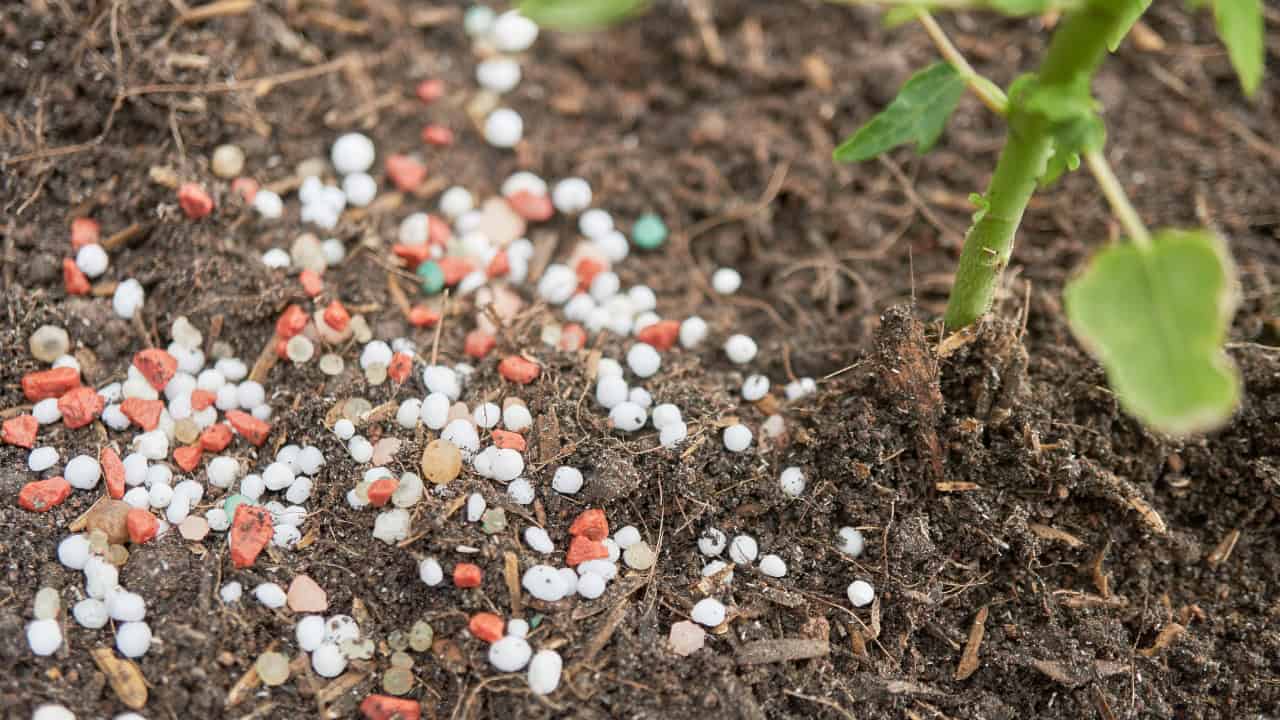
You can boost your soil’s health by adding organic fertilizers. These include compost, rotted manure, or wood-based materials like sawdust and bark mulch.
Organic fertilizers improve soil structure and provide nutrients slowly, helping your plants grow stronger. They also support beneficial soil life, which makes your garden more resilient. Adding these natural materials is a simple way to get your garden ready for summer blooms.
Turn and level soil for better planting

Start by loosening the soil to a depth of at least 8 inches. This helps roots grow deep and access nutrients more easily.
Use a shovel or spade to turn your soil, breaking up any clumps. This also improves aeration and drainage for your plants.
After turning, rake the soil surface smooth and level. A flat bed makes planting easier and ensures even water distribution.
Spread mulch to conserve moisture

You can spread a 2-3 inch layer of mulch around your plants to help keep the soil moist. Mulch reduces water evaporation, so you won’t need to water as often.
Be careful not to pile mulch against the stems, as this can cause rot. Using shredded bark or pine needles works well to protect your garden and keep weeds down.
Water trees and shrubs deeply once a week

You should water your established trees and shrubs deeply about once a week. Deep watering helps the roots grow stronger and reach deeper into the soil.
Water slowly to allow moisture to soak in without running off. This ensures your plants get the water they need during dry summer days.
Cut back roses after blooming to strengthen canes
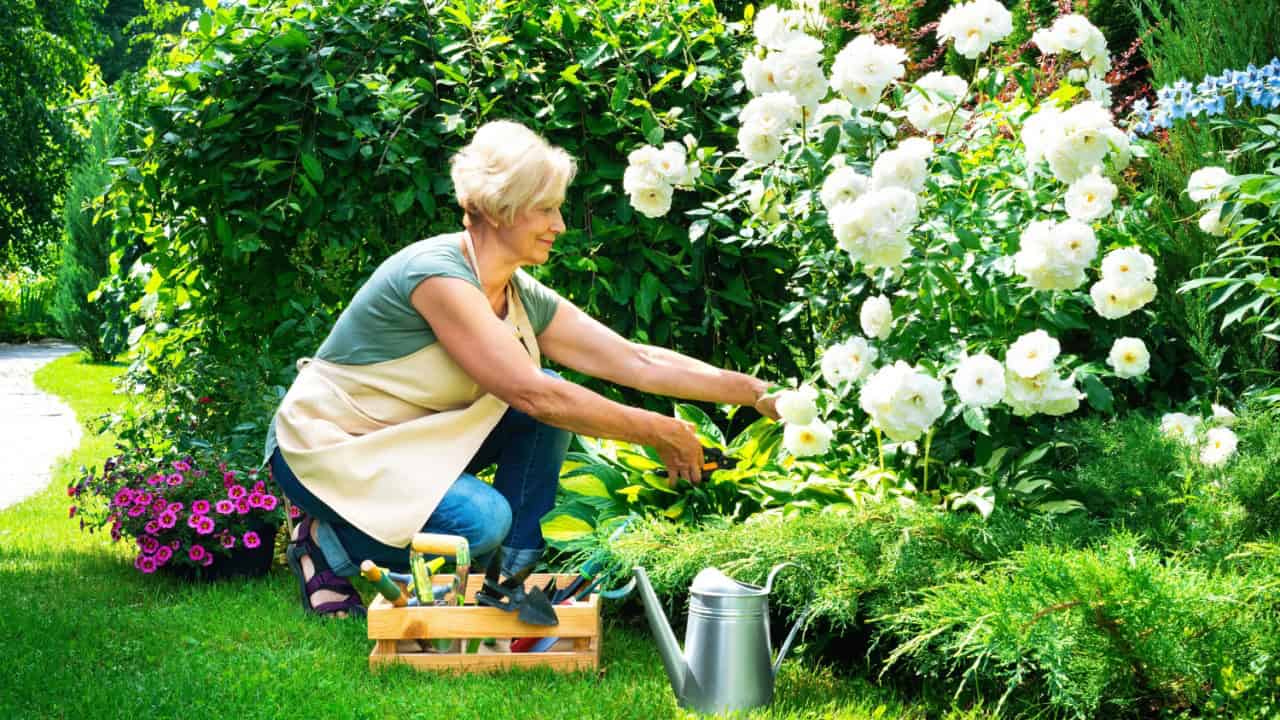
After your roses bloom, it’s important to cut them back. This helps remove old, woody stems and encourages new, strong growth.
Trim canes at a 45-degree angle just above an outward-facing bud.
Leave about 3 to 5 healthy canes spaced evenly around the plant to keep it balanced. This will support better blooms later.
Plant summer-blooming bulbs like lilies
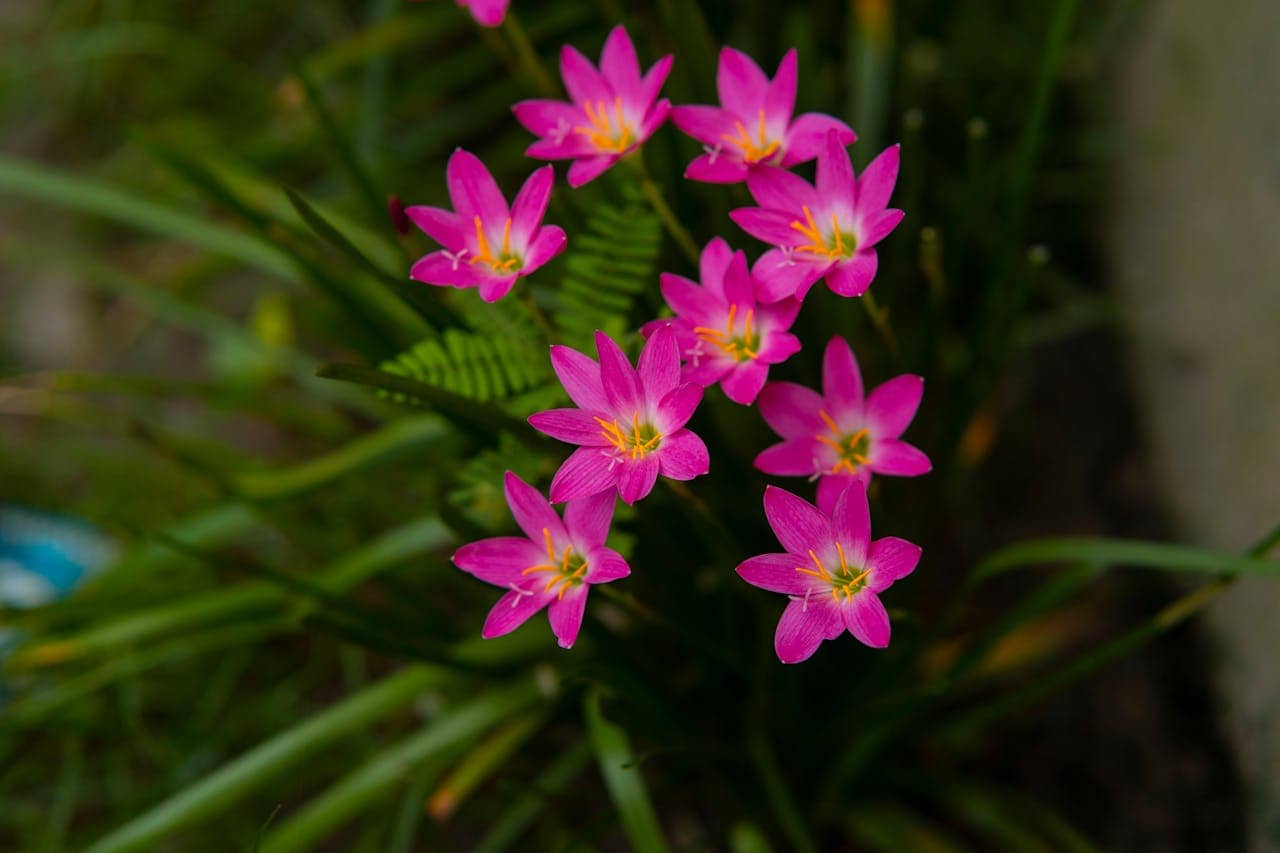
You can plant lilies in well-drained soil once the danger of frost has passed. Lilies don’t need staking, making them easier to care for than some other summer bulbs.
Be sure to store any rhizomes in a frost-free place during winter if you plan to replant. This helps keep them healthy until the next growing season.
Pinch back mums to encourage bushier growth

You should pinch back mums early in the growing season to promote fuller, bushier plants. Pinching removes the top part of the stems, which helps the plant produce more side branches.
This makes your mums compact and encourages more flowers. Pinch at least once or twice during the growing season for best results.
Install raised beds for vegetable planting
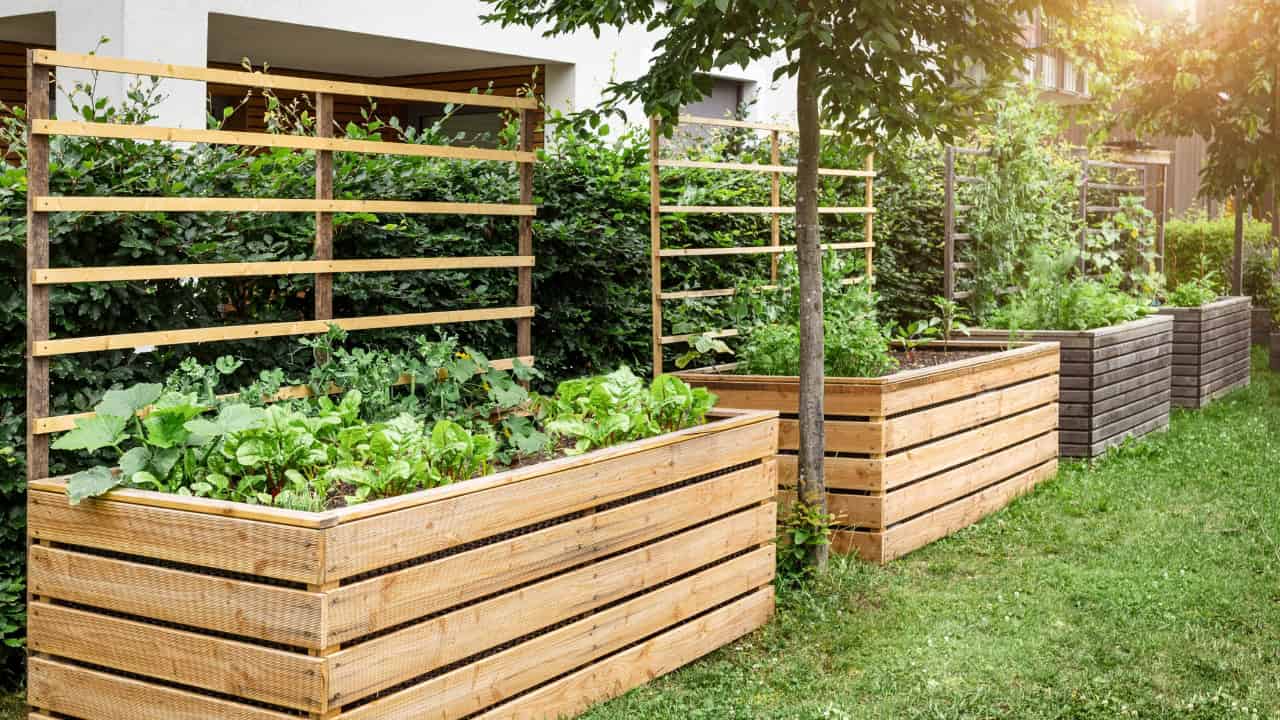
Raised beds give your vegetables better soil drainage and root growth. You can build simple frames or even create frame-free beds with loose soil.
Choose durable materials like cedar or composite wood to keep your beds sturdy. Line the bottom if pests or weeds are a concern.
Start with rich, well-amended soil for stronger, healthier plants. Raised beds also make it easier to manage and harvest your veggies.
Lay out a garden plan with measured areas

Start by measuring your garden space carefully. Use a tape measure and note the dimensions so you can visualize the layout.
Draw your garden plan on paper or use graph paper to keep it accurate. Mark where each plant or bed will go, considering sunlight and space needs.
This will help you organize your garden and avoid overcrowding. A clear plan makes planting and maintenance easier as summer approaches.
Keep on top of weeding regularly

You’ll want to pull weeds often to stop them from taking nutrients from your plants. Regular weeding makes your garden look tidier and helps plants grow better.
Using mulch after weeding can reduce new weed growth. Mulch also keeps soil moist and makes future weeding easier.
Add summer annuals for color
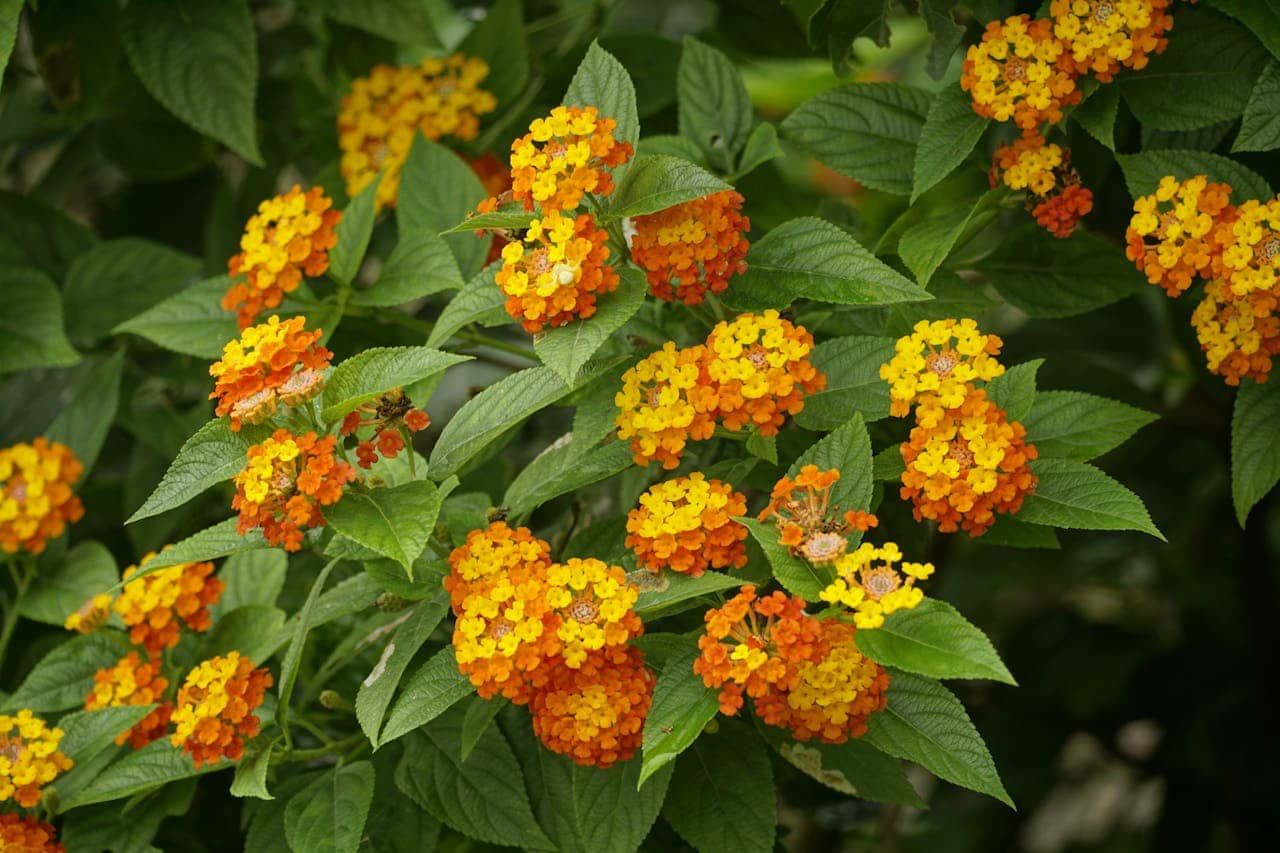
Adding summer annuals is a simple way to brighten your garden. These plants bloom all season, giving you continuous color from planting until fall.
Choose easy-care varieties like lantana or garden cosmos. They thrive in full sun and need minimal maintenance.
You can also try fast-growing annuals to quickly fill empty spots. This keeps your garden looking lively and fresh throughout summer.