Managing your water bill can be easier than you think. Small changes in your daily habits or home fixtures can lead to significant savings over time. By making smart swaps, you can dramatically reduce your water consumption and decrease your expenses.
In this article, you’ll discover 15 simple adjustments that can help you cut down on your water bill without sacrificing comfort. From easy-to-install devices to mindful usage practices, these tips are practical and effective for any homeowner looking to save money.
Advertisement
Installed Low-Flow Showerheads

Switching to low-flow showerheads can be a game-changer for your water bill. These fixtures can save you up to 2,700 gallons of water each year.
You still get a solid shower experience without the guilt of wasting water. Installing them is usually straightforward, making it a simple DIY project. Plus, you’ll notice lower heating costs since you’re using less hot water. It’s a small change that adds up over time!
Replaced old toilet with a high-efficiency model
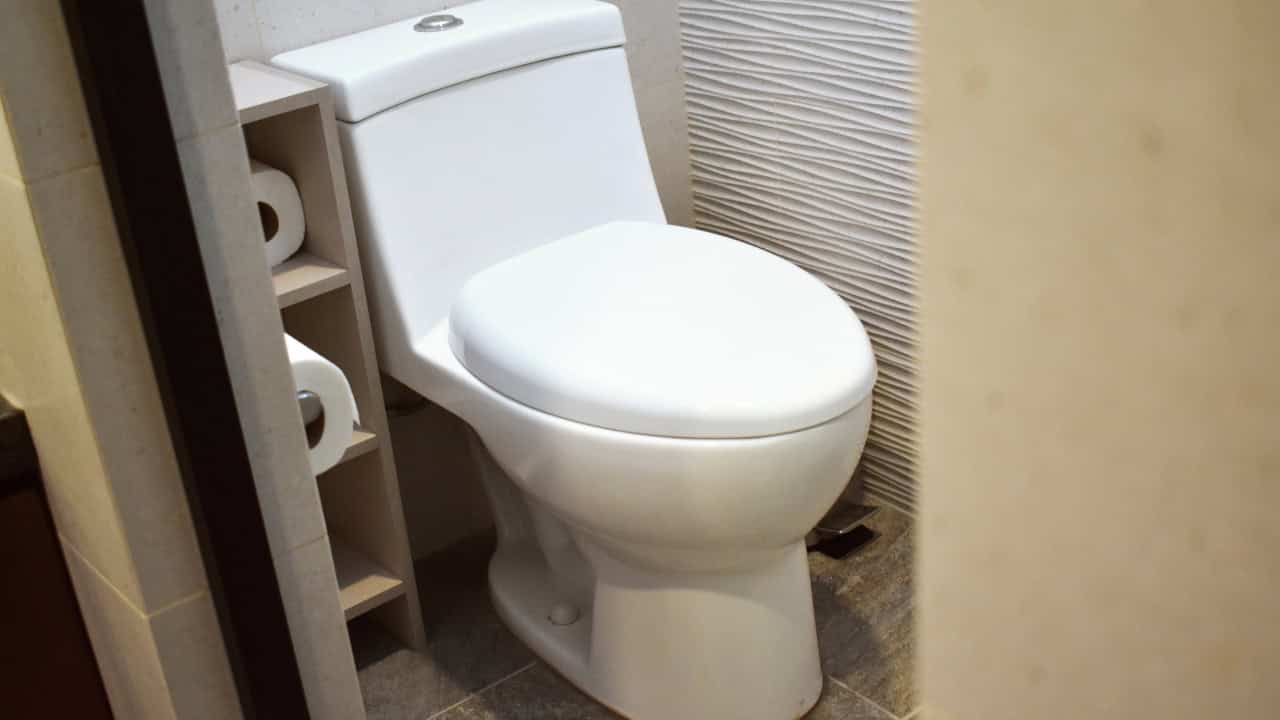
Swapping out your old toilet for a high-efficiency model can be a game changer. Many newer toilets use just 1.28 gallons per flush, significantly cutting down your water usage.
You might notice they flush just as well, if not better, than older models. Plus, programs often help with the cost of replacement, making it easier on your wallet.
If you’re tired of high water bills, this simple change can make a noticeable difference in your monthly expenses. It’s a small upgrade that pays off over time.
Used faucet aerators for all sinks
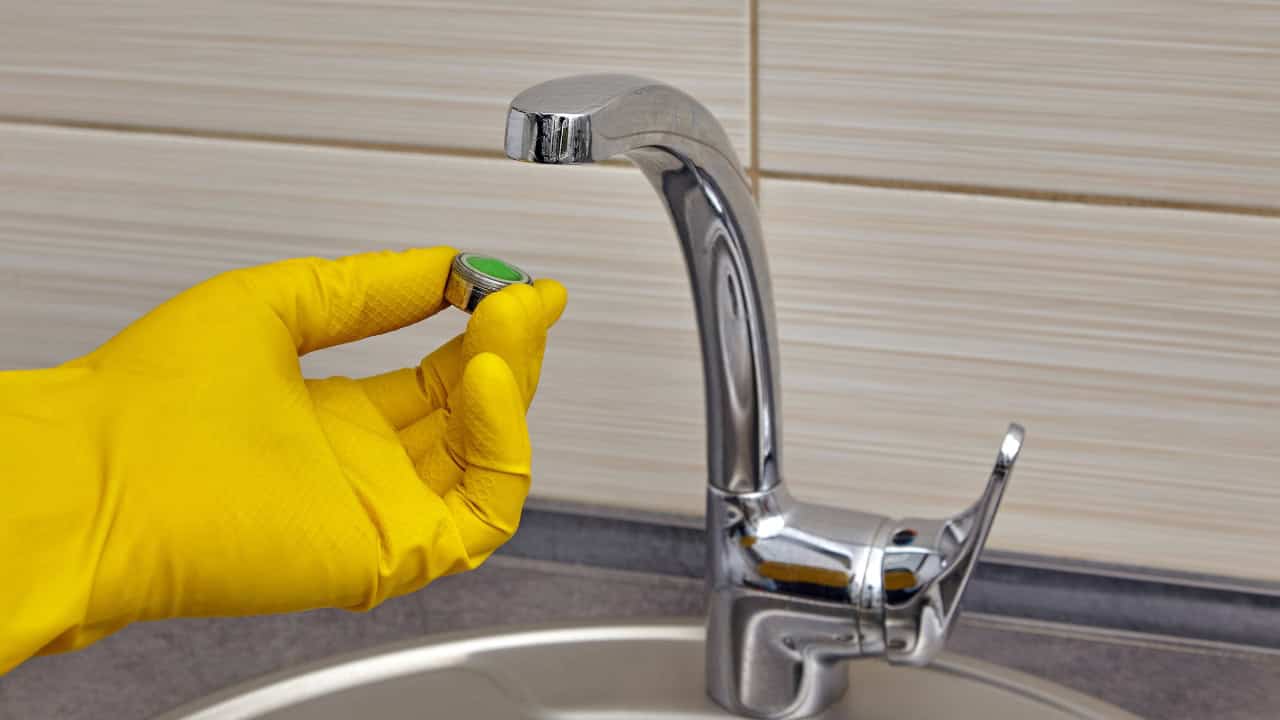
Installing faucet aerators is a simple yet effective way to cut down on water usage in your home. These little devices mix air with water, allowing you to reduce flow without sacrificing pressure.
With aerators, you can typically lower your water flow from about 2.2 gallons per minute to roughly 0.5 gallons per minute. This makes a noticeable difference in your water bill.
You can find various types of aerators to fit your faucets easily. They are inexpensive and can pay for themselves in savings pretty quickly. Plus, they help conserve water, which is a win for the environment.
Reduced Lawn Watering Frequency

Cutting back on how often you water your lawn can significantly lower your water bill. Instead of daily watering, try doing it once a week.
Water deeply during these sessions to encourage deeper root growth. A well-established lawn can go longer between waterings.
Consider using a smart sprinkler system that adjusts based on weather. These systems help ensure you’re not overwatering, saving you even more in the long run.
Switched to a drip irrigation system

Switching to a drip irrigation system can really change how you manage watering your garden. This method delivers water directly to the roots, which means less waste and better hydration for your plants.
You can minimize evaporation and runoff with drip systems, keeping your garden lush without using excess water.
It might take a bit of setup initially, but the water savings can be significant. Plus, it’s easier to maintain over time.
Fixed plumbing leaks promptly
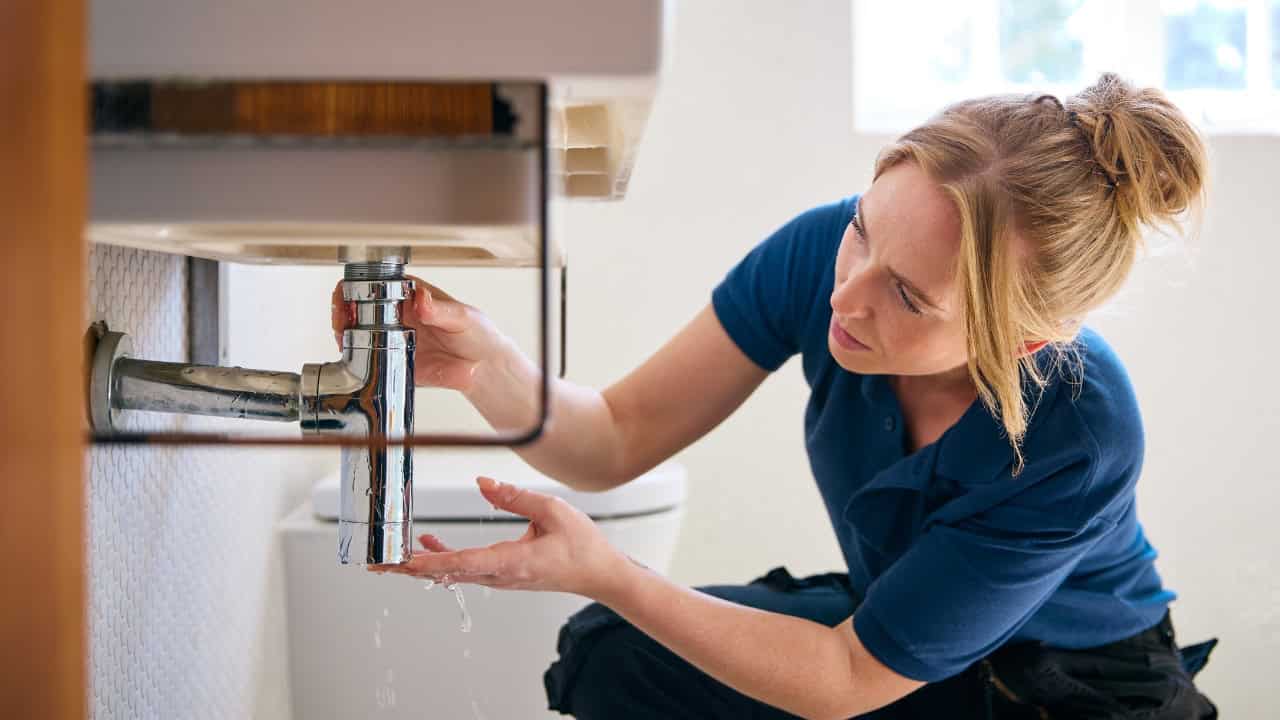
You might not realize how much a small leak can add to your water bill. Even tiny drips can waste a significant amount of water over time.
It’s smart to check your plumbing regularly for signs of leaks. Look for water stains, pooling water, or increased water bills.
If you spot a leak, fix it as soon as possible. You can either DIY with some basic tools or call in a plumber if it’s more complex. Taking action quickly can save you money in the long run.
Shortened shower duration
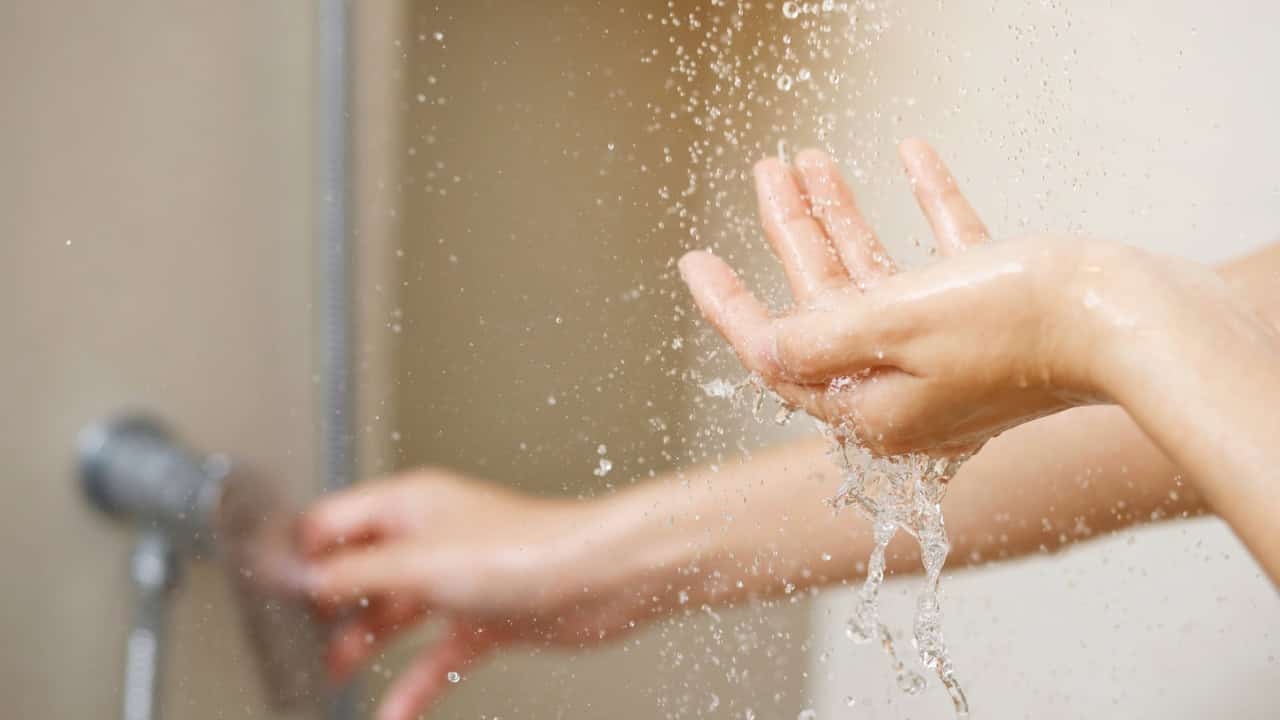
Cutting back on your shower time can lead to significant savings on your water bill. Aim for showers that last about five to eight minutes. You can save around 15 gallons of water by reducing just a few minutes from each shower. That’s money back in your pocket!
To help track your time, consider using a timer or even a waterproof clock. You might find that a shorter shower feels refreshing and saves you cash.
Implemented Rainwater Harvesting

Installing a rainwater harvesting system was one of the best moves I made. You can collect rainwater from your roof and store it for non-potable uses.
This not only cuts down on your water bill but also reduces reliance on municipal supplies.
Using this harvested water for irrigation and other outdoor uses makes a big difference. You’ll enjoy lower bills while contributing to water conservation.
Used a broom instead of a hose for cleaning driveways
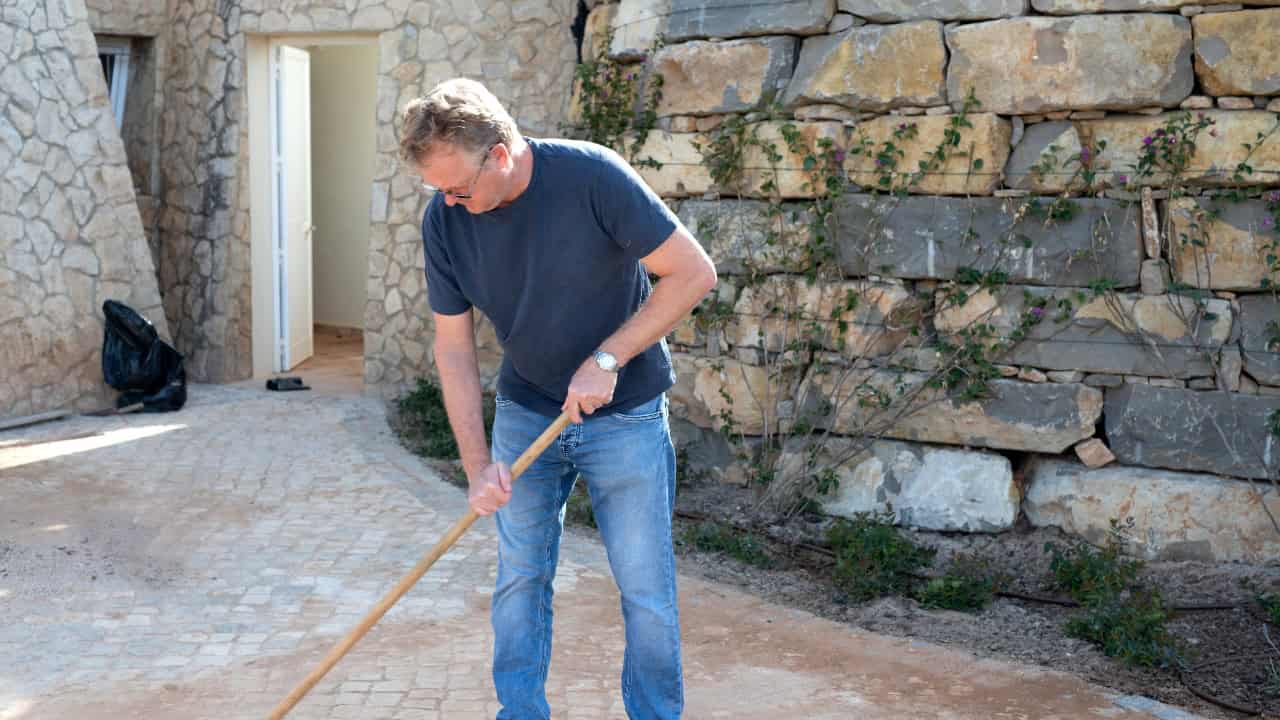
Switching to a broom for cleaning your driveway is a simple way to save water. When you use a hose, you waste a lot of water, and it can wash debris right into the storm drain.
Using a broom helps you control what gets swept away. Plus, it encourages you to tidy up regularly, keeping your space looking fresh. You’ll notice a difference in your water bill when you make this easy swap. It’s a small change that adds up over time.
Collected and reused greywater for plants

Collecting and reusing greywater for your plants is a simple way to save water. You can redirect water from your sinks, showers, or laundry to irrigate your garden.
It’s easy to set up a system that channels this water outside. Just make sure you only use biodegradable soaps to keep your plants healthy. This method not only reduces your water bill but also helps you maintain a thriving garden without wasting resources.
Watched water meter for early leak detection
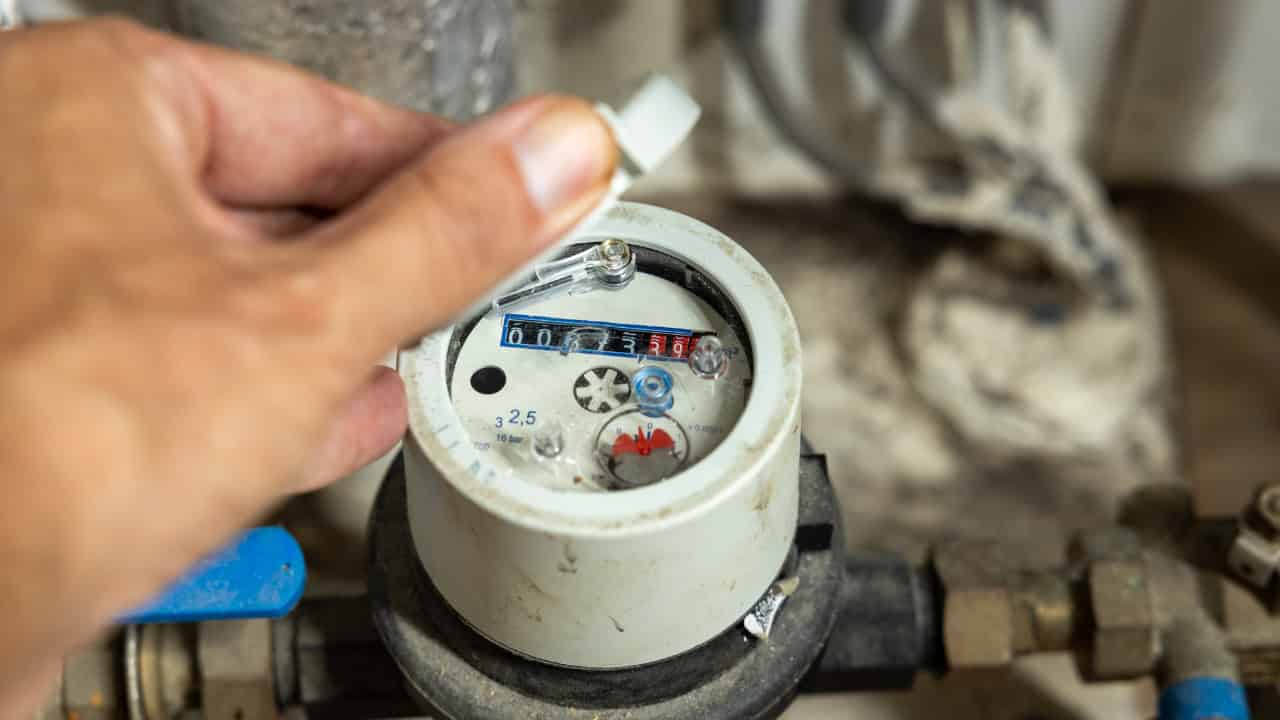
Keeping an eye on your water meter can help you spot leaks early. If you notice your meter running overnight while no water is in use, that’s a red flag.
Many people aren’t aware that even a slow leak can drive up your bill. Regular monitoring can help catch these before they turn into big issues. Try checking the meter in the morning and then again later when you know no water has been used. This simple habit might save you from unexpected costs and frustrating repairs.
Installed a dual-flush toilet

Switching to a dual-flush toilet can help you save water and reduce your bill. These toilets have two buttons: one for liquid waste and another for solid waste. By using less water for liquids, you conserve resources without sacrificing performance.
Installation is straightforward and you might even find retrofit kits available. This small change can make a big difference over time in your water usage. Plus, it can help the environment. Give it a try!
Operated dishwashers and washing machines with full loads

Using your dishwasher and washing machine can save you money when you run full loads. It’s way more efficient than washing a few items at a time.
Running these appliances at capacity means you’re getting the maximum benefit from the water they use. This can help lower your water bill over time. Plus, modern dishwashers and washing machines are designed to handle full loads while using less water than washing by hand. So, fill them up and enjoy the savings.
Mulched Garden Beds to Retain Moisture
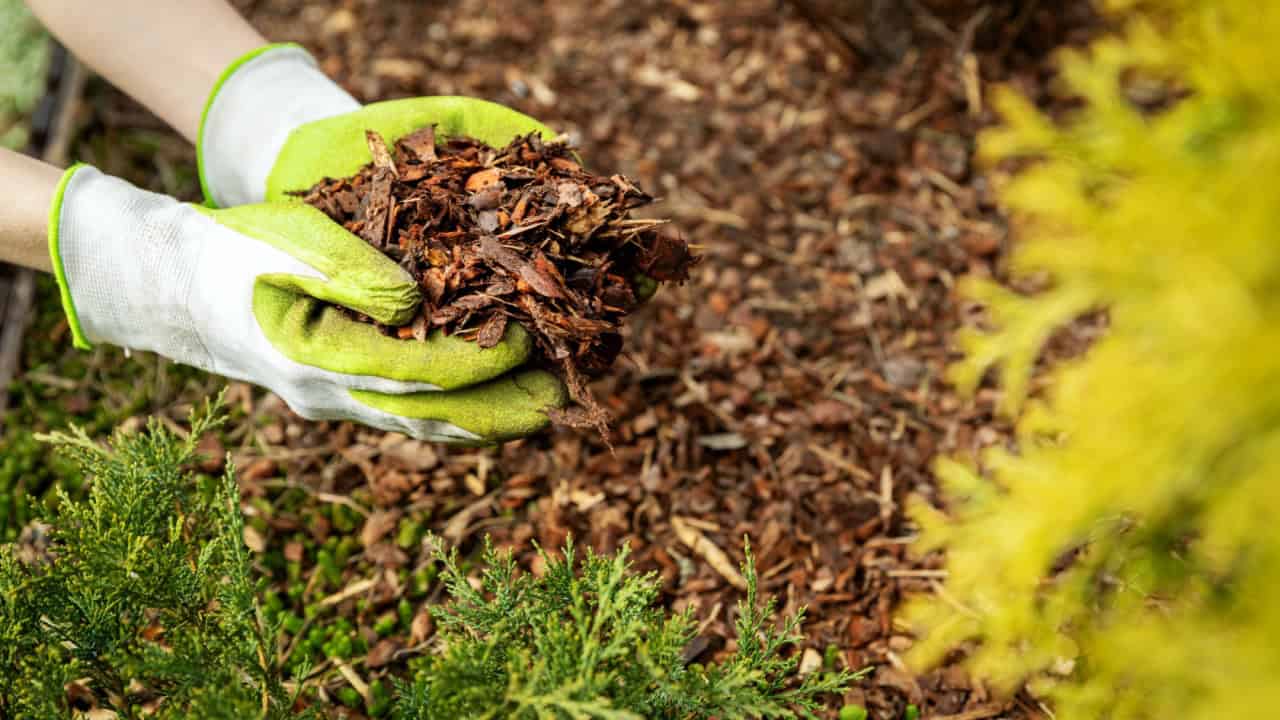
Using mulch in your garden beds can make a big difference. It helps keep the soil moist by reducing evaporation.
You can use materials like straw, wood chips, or leaves. This not only conserves water but also prevents weeds from taking over. By applying a thick layer of mulch around your plants, you’ll find you need to water less frequently. It’s a simple swap that really pays off in the long run.
Covered Swimming Pool to Reduce Evaporation
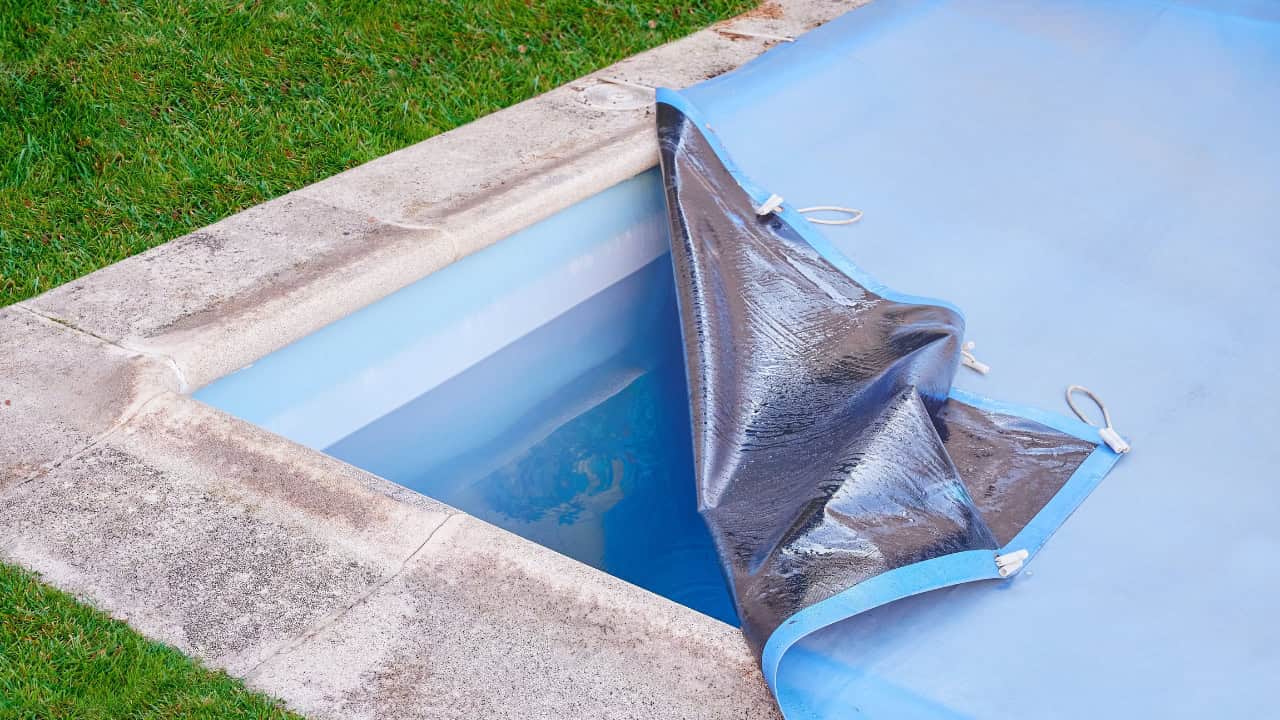
Covering your swimming pool is a smart move. It can cut down water evaporation by up to 95%. When you use a pool cover, you’re not just saving water; you’re also keeping your pool clean.
This means less time spent on maintenance and more time enjoying your pool. Different covers are available, so you can find one that fits your style and needs. Plus, a cover can help keep your pool warm on cooler nights. It’s a win-win for your wallet and your swimming experience!
*This article was created with the help of AI.