Gardening can sometimes feel overwhelming, especially when you’re trying to keep your plants thriving. Adopting simple hacks can significantly improve the health of your plants and make your gardening experience much more enjoyable. With just a few adjustments in your routine, you can see remarkable differences in growth and vitality.
You don’t need to be an expert to make your garden flourish. The following hacks are easy to implement and can save you time, money, and effort while ensuring your plants receive the best care possible. Whether you’re a beginner or have been gardening for a while, these tips can help you cultivate a healthier garden.
Advertisement
1. Use eggshells as a natural fertilizer
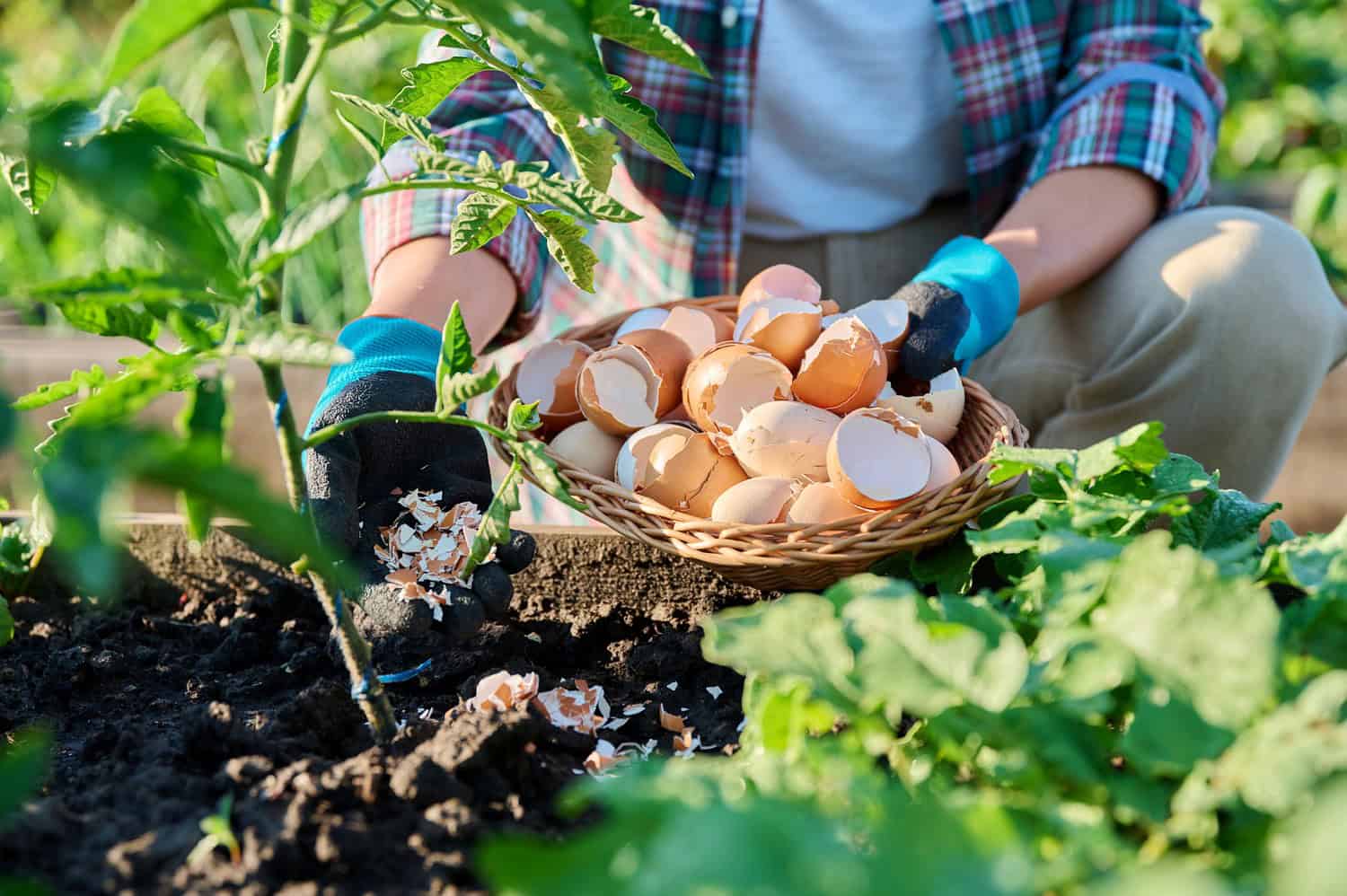
Using eggshells in your garden is an easy and cost-effective way to boost your plants. They are rich in calcium, which is essential for strong cell walls and overall plant growth.
Just crush the eggshells and sprinkle them around your plants. This provides a slow release of nutrients as they break down in the soil.
Eggshells can also deter pests like slugs. When placed around your plants, the sharp edges can keep them at bay.
So, next time you whip up some eggs, save those shells for your garden instead!
2. Water in the morning to prevent mold

Watering your plants in the morning is a simple yet effective hack. It allows the soil to absorb moisture before the heat of the day kicks in.
This practice helps reduce the chances of mold and mildew forming. When plants are wet during cooler nighttime temperatures, it creates a perfect environment for mold to thrive.
By watering early, your plants get the hydration they need while staying dry in the evening. This small shift in your routine can make a big difference in plant health.
3. Try banana peels for rose bushes
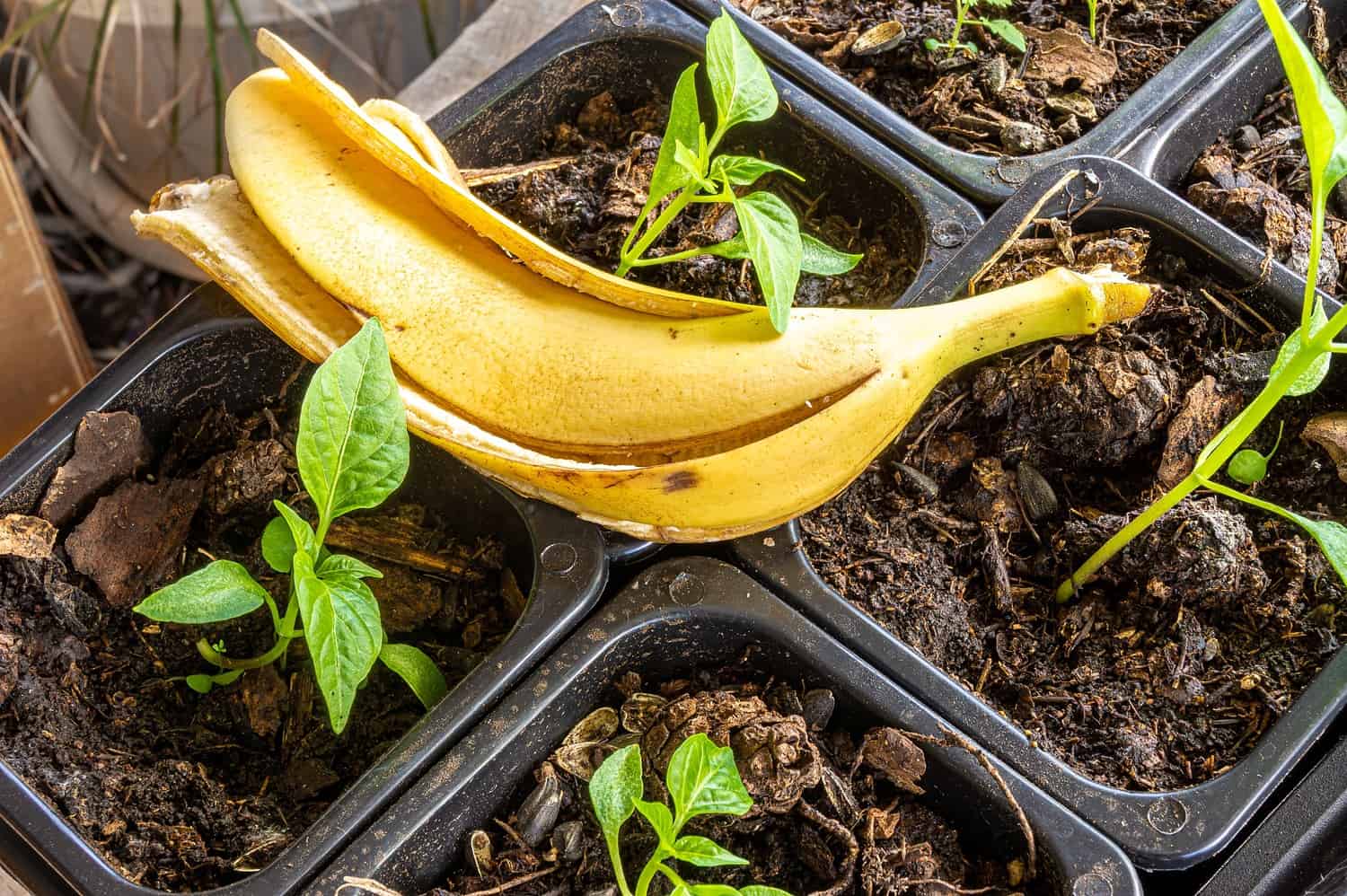
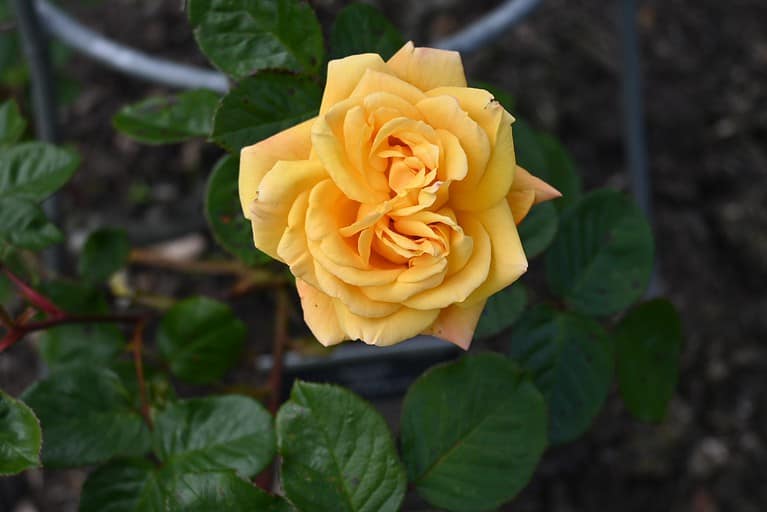
Using banana peels in your garden can be a game changer for your rose bushes. They’re packed with potassium, which helps promote blooming and overall plant health.
Simply chop up the peels and bury them near the base of your roses. This allows the nutrients to slowly seep into the soil.
You can also make banana peel fertilizer water. Just soak the peels in water for a few days, then use that water to hydrate your plants. It’s an easy and eco-friendly way to give your roses a boost!
4. Use coffee grounds to enrich soil
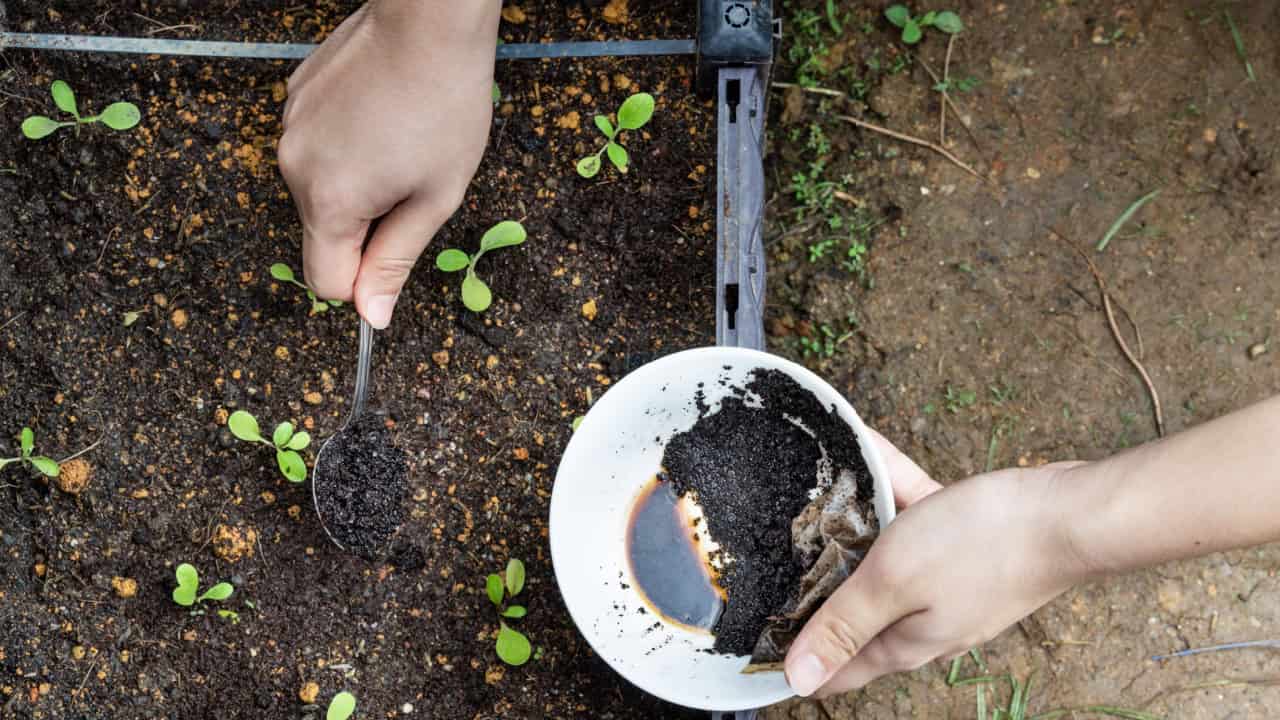
Using coffee grounds in your garden is a simple way to benefit your plants. They are a great source of nitrogen, which is essential for plant growth.
Just sprinkle used coffee grounds directly onto the soil. Mix them in lightly to improve soil texture and aeration.
Coffee grounds can also attract beneficial worms, helping to aerate the soil further. Plus, they can help retain moisture, making your watering routine a bit easier.
Experiment with how much you use; a little can go a long way! Your plants will appreciate the extra nutrients.
5. Create a DIY compost bin
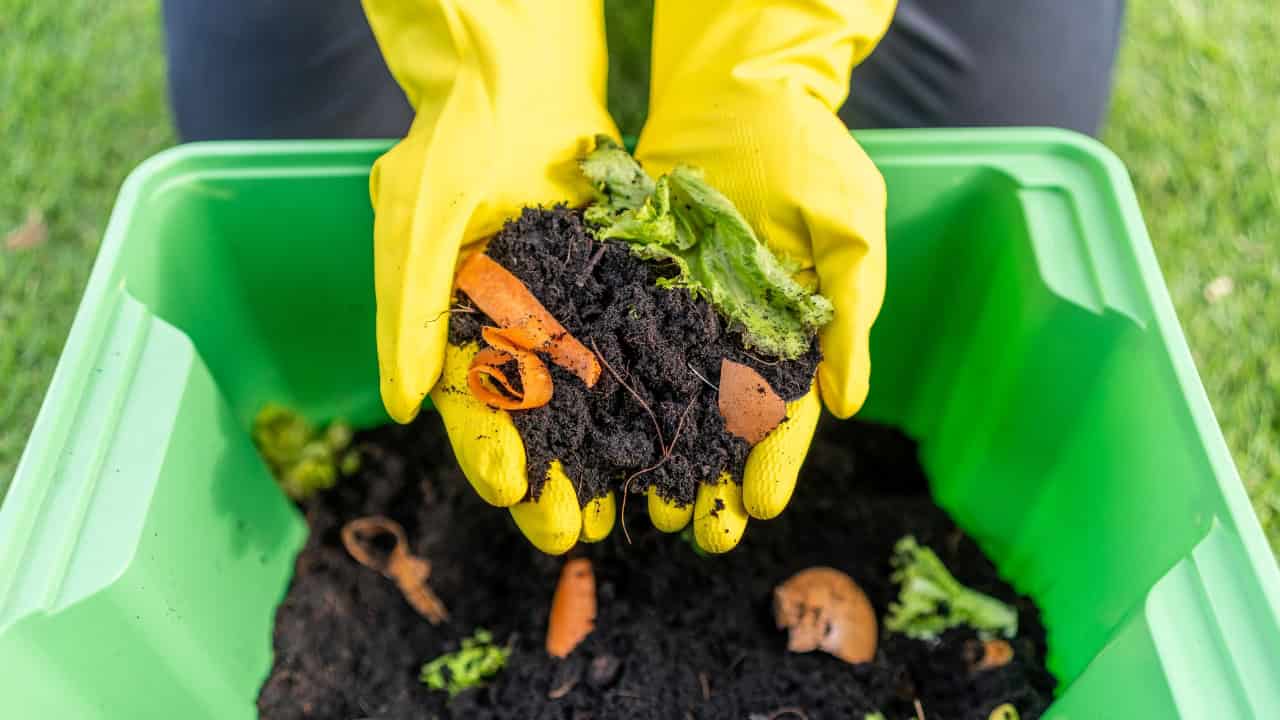
Making a DIY compost bin is simple and rewarding. You can start with just a 5-gallon bucket or repurpose pallets for a larger setup.
Gather kitchen scraps like fruit peels, coffee grounds, and yard waste. Layer them in your bin for optimal breakdown.
Keep the compost moist and turn it regularly to speed up the process. This will help create nutrient-rich soil for your garden.
You can find various designs that suit your space and needs, like those outlined in this DIY Compost Bin Guide. Happy composting!
6. Use cinnamon to prevent disease
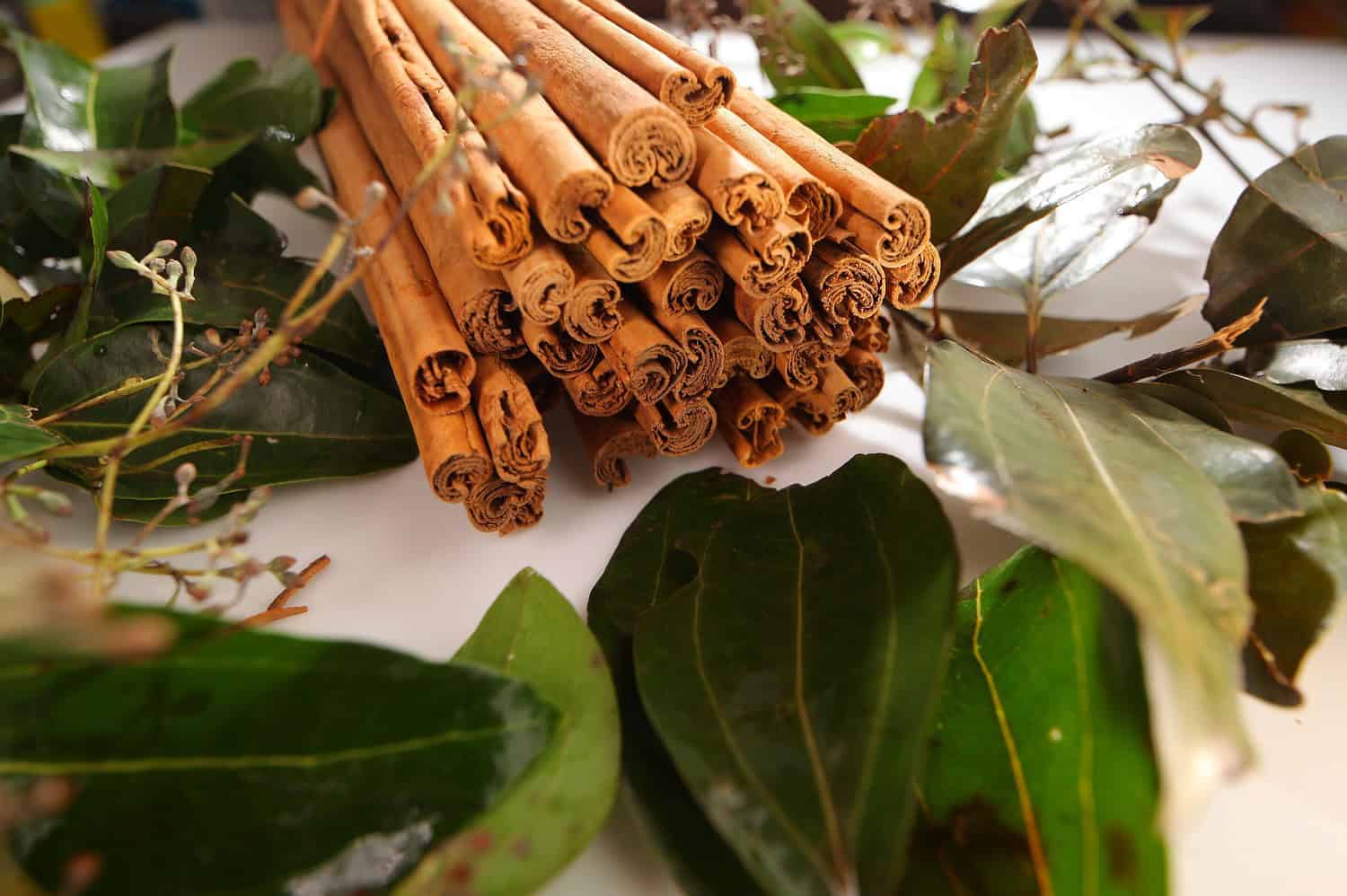
Cinnamon is a handy tool in your gardening toolkit. It has natural antifungal properties that help keep your plants healthy.
Just sprinkle some ground cinnamon on the topsoil. This can help prevent fungal infections, like damping-off disease, which can be a common issue for seedlings.
You can also make cinnamon water by mixing a teaspoon of cinnamon with water in a spray bottle. This mixture can treat plant diseases and promote better growth.
Adding cinnamon to your gardening routine is simple and effective. Plus, it’s a natural option that’s safe for your plants.
7. Make a rain barrel for water conservation

Creating a rain barrel is a brilliant way to conserve water while helping your garden flourish. By collecting rainwater, you reduce your reliance on your tap water, saving both money and the environment.
You can easily set up a rain barrel using a sturdy container, like a 55-gallon plastic barrel. Just place it under a downspout to catch rain from your roof.
Be sure your barrel has a spout or a spigot, making it simple to fill up watering cans when your plants need a drink. With this simple hack, you’ll have a sustainable water source right in your backyard.
8. Add mulch to retain soil moisture
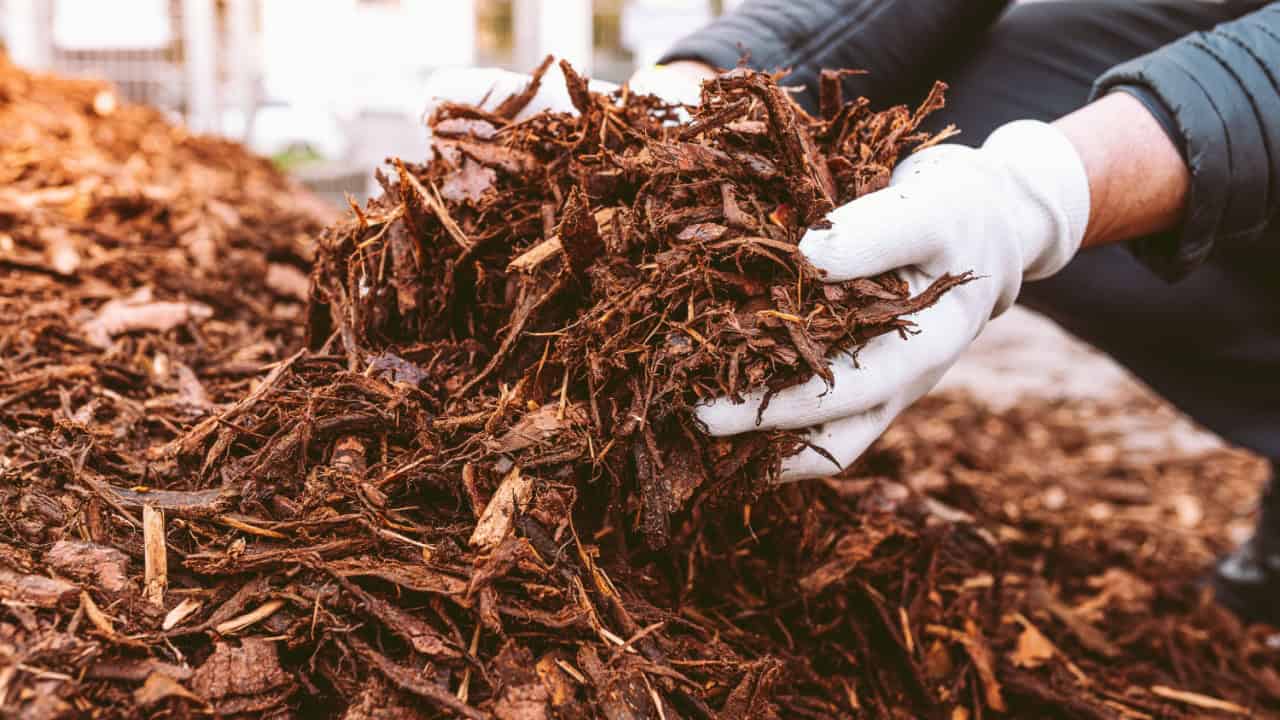
Adding mulch to your garden can make a significant difference. It helps keep the soil moist by reducing evaporation. This means your plants get the moisture they need without frequent watering.
You can use materials like wood chips, straw, or even compost as mulch. Just spread a layer around your plants, and you’re set. It also helps suppress weeds, giving your plants more room to thrive.
By incorporating mulch into your gardening routine, you’ll create a healthier environment for your plants. Plus, it makes your garden look neat and tidy.
9. Use neem oil for pest control

Neem oil is a game changer when it comes to keeping pests away. It’s a natural way to tackle those unwanted bugs like aphids and spider mites.
You can easily make a neem oil spray by mixing it with water and a little mild soap. Spray it on your plants in the morning or evening, when beneficial insects are less active.
It’s safe for your plants, pets, and the environment. Regular use can help create a healthier garden!
10. Rotate plants to ensure sun exposure
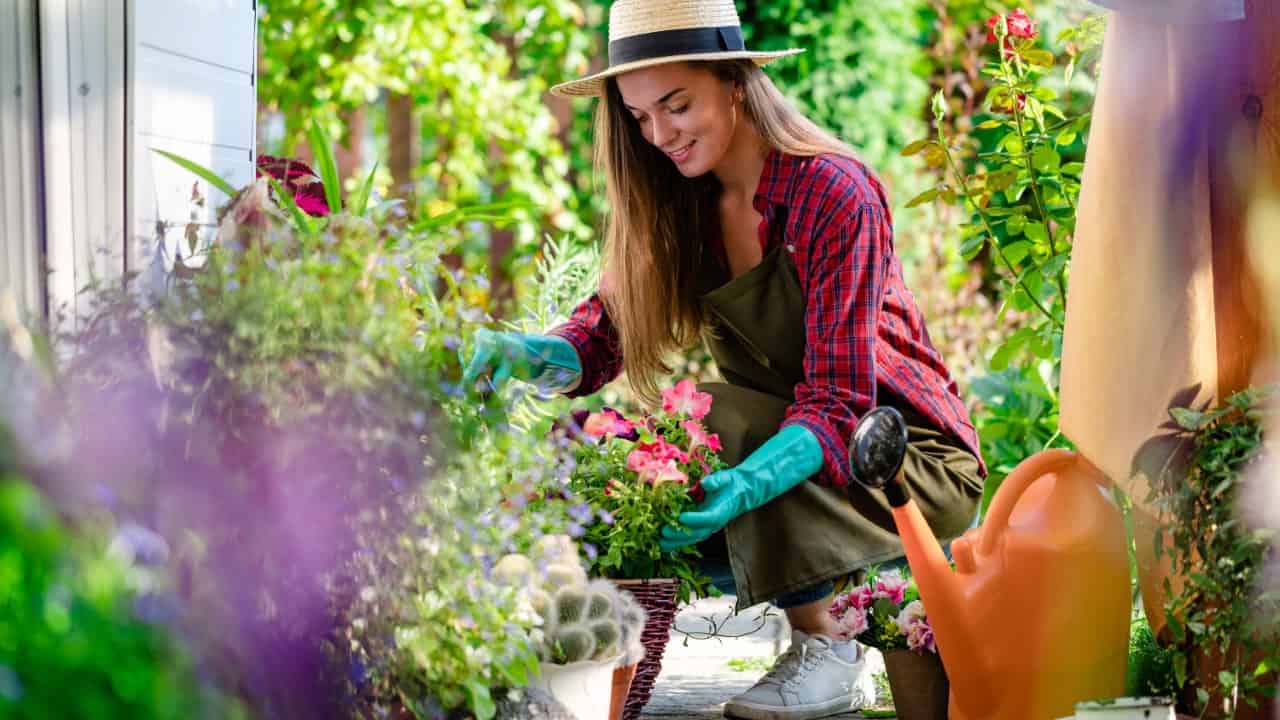
Rotating your plants is a simple yet effective way to keep them healthy. When you give them a quarter turn every week, you help ensure that all sides receive equal sunlight.
This practice prevents uneven growth, reducing the chance of leggy plants with long stems reaching for light.
If your plant is sitting in a sunny spot, make it a routine to check its position. A little spin can go a long way in promoting balanced growth.
Whether you have a thriving indoor jungle or just a few pots, incorporating rotation into your care routine can make a noticeable difference.
11. Make a vinegar spray for weeds
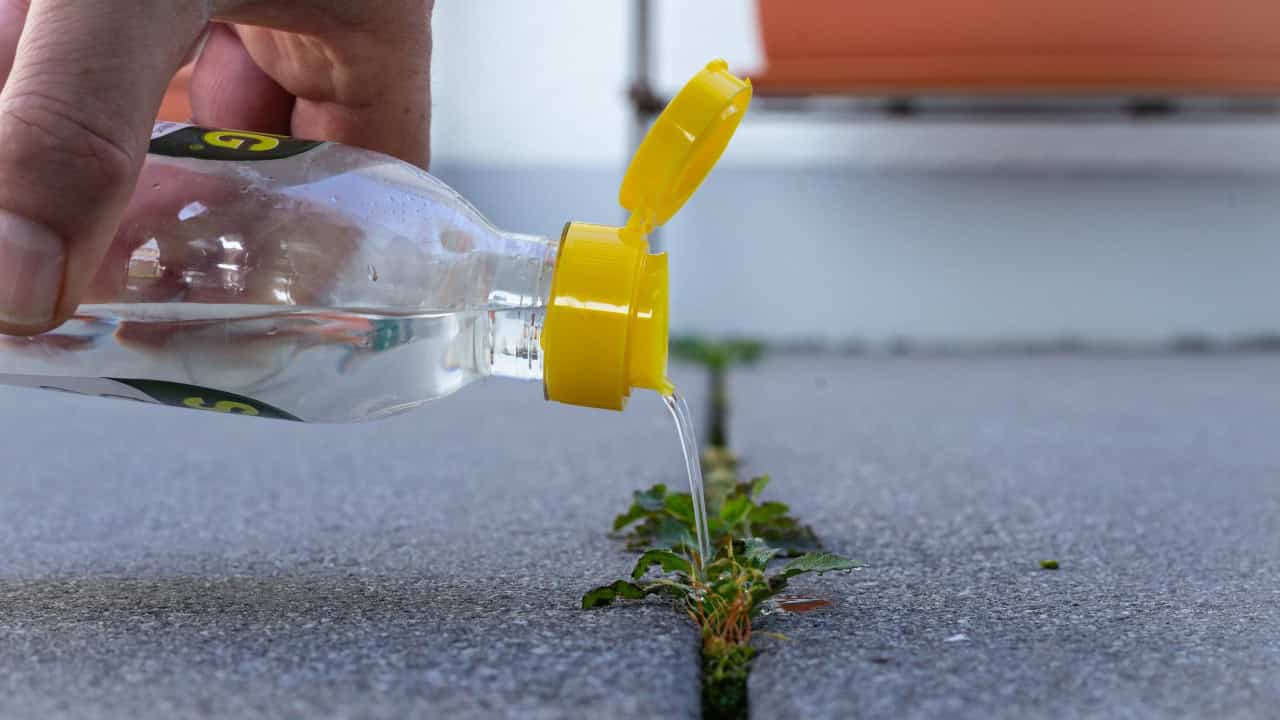
Using a vinegar spray is a straightforward way to tackle pesky weeds in your garden. Just grab a bottle of white vinegar from your kitchen.
Mix one gallon of vinegar with a tablespoon of dish soap. The soap helps the vinegar adhere to the weeds better.
You can also add a cup of salt for extra strength, but be cautious—salt can harm your soil if used in excess.
Simply spray the mixture directly on the leaves of the weeds. It can take a day or two to see the results, but it works.
This method is eco-friendly and uses ingredients you likely already have at home. Happy gardening!
12. Use baking soda for fungal issues
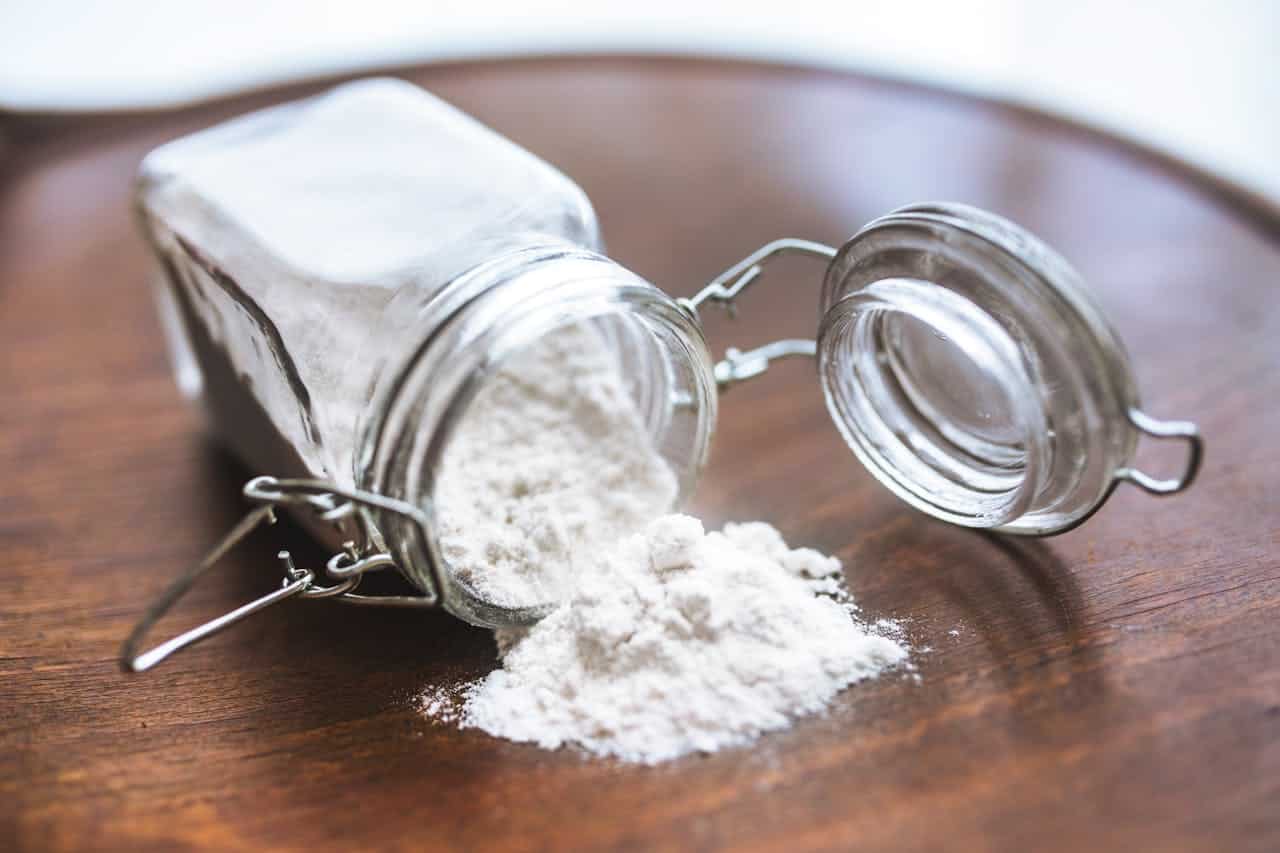
Using baking soda in your garden can be a simple way to tackle fungal problems. It’s a natural option that won’t harm your plants.
Mix one tablespoon of baking soda with one tablespoon of vegetable oil and a few drops of dish soap in a gallon of water. This creates a spray that helps prevent fungal infections.
You can apply it weekly to keep your plants healthy. It’s an easy and effective way to manage issues like powdery mildew. This method is safe and eco-friendly, making it a great addition to your gardening routine.
13. Group plants by water needs

Grouping your plants based on their water needs is a game changer. It simplifies your watering routine and helps prevent over- or under-watering.
When you plant thirsty plants together, you can soak them all at once. Meanwhile, drought-tolerant plants can thrive in a drier spot.
This tactic not only saves time but also boosts plant health. Your plants will be happier and healthier when they get just the right amount of water they need.
14. Practice companion planting
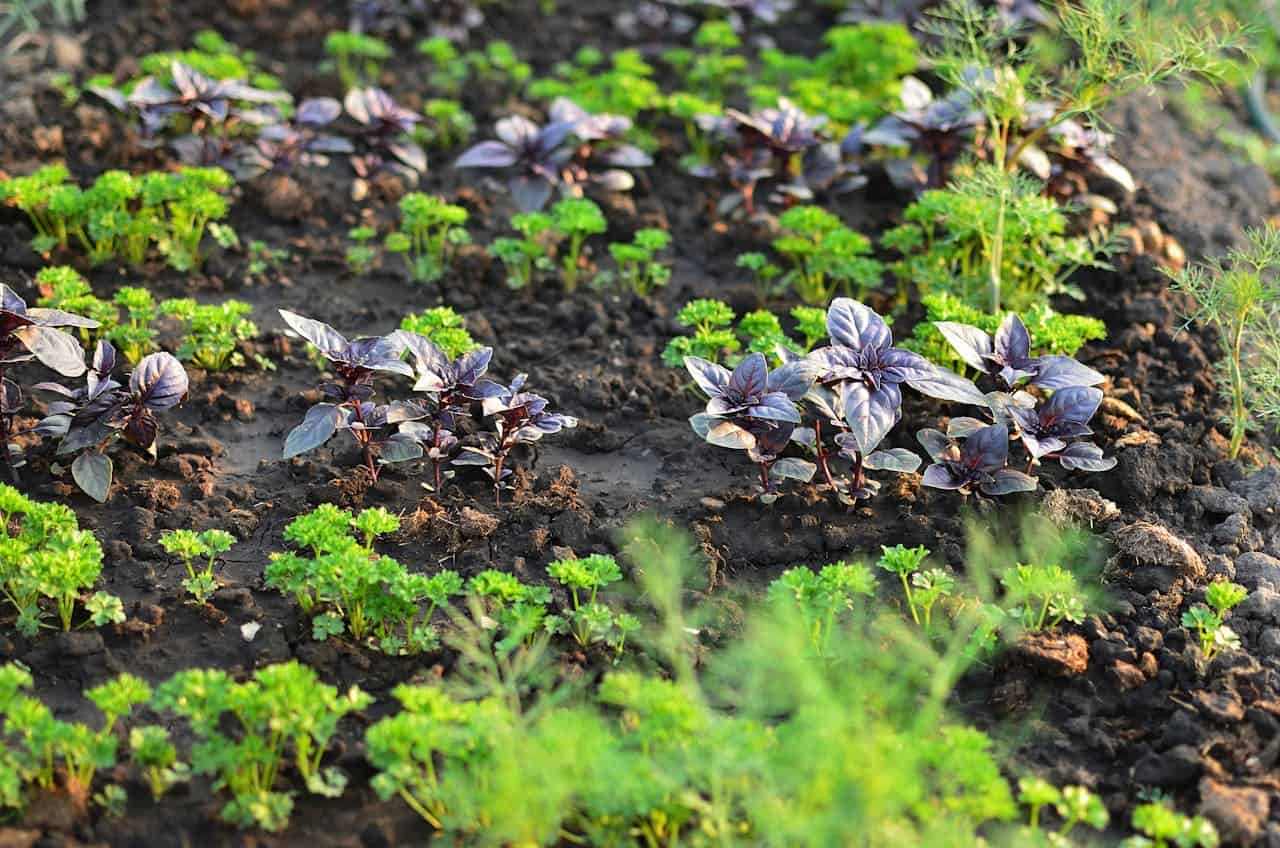
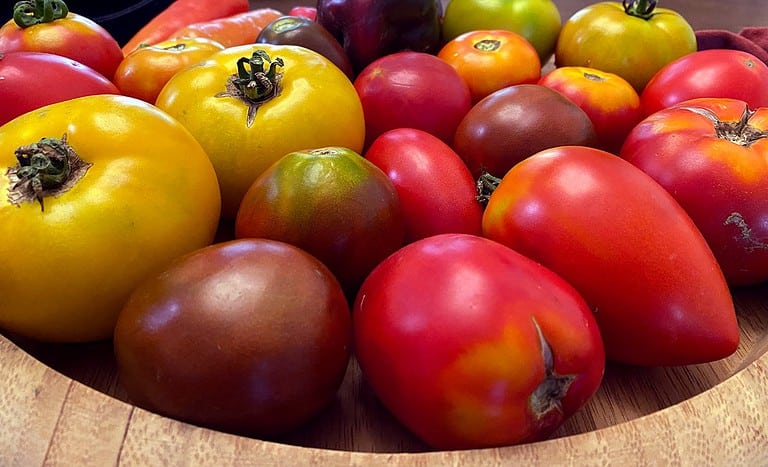
Companion planting can boost your garden’s health. This technique involves pairing plants that benefit each other. For example, tomatoes and basil grow well together.
Basil can deter pests that typically target tomatoes. It also enhances their flavor, which is a bonus when you harvest your crop.
Another classic combo is carrots and onions. Onions help keep carrot flies away, while carrots don’t compete for resources.
By strategically placing plants, you can create a thriving ecosystem right in your backyard. It’s a simple hack that can lead to better yields and healthier plants. Try it out and see how your garden transforms!
15. Use Epsom salt for a boost of magnesium

Epsom salt can be a game changer for your garden. It contains magnesium, an essential nutrient that supports plant growth and improves chlorophyll production.
To use it, mix one tablespoon of Epsom salt in a gallon of water. This solution works great as a foliar spray or for watering container plants.
You can also sprinkle Epsom salt in your garden soil. It helps improve nutrient uptake, especially for plants like tomatoes and peppers.
Many gardeners swear by it for enhancing the health of flowering shrubs. Give Epsom salt a try and see if your plants thrive!