Selling a home is a pretty big deal, and there’s a lot more to it than just putting up a “For Sale” sign in the yard. I remember when I first dipped my toes into the real estate pool; there were so many things I later wished someone had told me upfront. These little-known insights can make the difference between a smooth selling experience and an overwhelming ordeal.
As I navigated the real estate landscape, I quickly learned that marketers, staging experts, and even psychologists play a role in selling homes effectively. It’s fascinating how many factors can influence a sale beyond just location and price. Getting familiar with these secrets can help anyone feel more empowered and confident when it comes time to sell their property.
Advertisement
1. Price your home competitively

When I’m setting a price for my home, it’s crucial to hit the sweet spot. Too high, and potential buyers might not even consider coming to take a look. If the price is too low, I might not get the value my house deserves.
I often research the local market and check out recent sales of similar homes in my area. This gives me a good sense of where to price mine to attract interest. Pricing competitively can increase the chances of multiple offers, which might even drive up the final price.
Sometimes, it’s tempting to add a premium for sentimental value, but I remind myself that buyers look at the numbers. Being realistic about my home’s condition and what others are offering helps me set a fair price.
2. Declutter before listing

When I first decided to sell my home, I realized decluttering was essential. Potential buyers need to see the space and imagine themselves living there. I made sure my closets looked spacious by keeping them only half full. This simple trick made a huge difference.
I noticed that countertops needed to be clear to help present an open, airy feel. Removing smaller appliances and miscellaneous items was key. Trust me, clean surfaces have a big impact on how inviting a home feels.
I was also careful to box up personal items that could distract buyers. It helped rooms look more organized and polished. If you’re thinking of selling, remember a little decluttering goes a long way. It’s a cost-effective way to make your home more appealing without major renovations.
3. Curb appeal is vital

I can’t stress enough how important curb appeal is when it comes to selling a home. It’s like the first handshake—you want it to be strong and confident. The exterior sets the tone for the entire experience of visiting the property.
I always advise tidying up the front yard. Simple touches like trimming hedges and adding some flowers can make a big difference. Even a fresh coat of paint on the front door can catch a buyer’s eye.
Don’t forget about small repairs, either. Fixing a broken fence or replacing old light fixtures can enhance the overall look. These little details can help make a great first impression and entice potential buyers.
4. Stage for impact

When it comes to selling a home, I can’t emphasize enough how important staging is. A well-staged home doesn’t just look prettier; it helps buyers visualize themselves living there.
Staging makes a big difference, especially in a vacant house. By adding furniture and decor, I highlight the home’s potential and create an inviting atmosphere. When buyers can emotionally connect with a space, they’re more likely to make an offer.
I focus on enhancing key areas like the living room, kitchen, and primary bedroom. Simple touches like fresh flowers or a bowl of fruit can add warmth and charm. It’s amazing how these small changes can create a lasting impression.
5. Photography sells homes

I’ve learned that great photography is a game-changer when selling a home. Good professional photos can make your property stand out. Buyers often judge a listing first by the images they see online.
In today’s market, adding a virtual tour can be just as important. Many expect them to be part of the listing details. That extra effort can make a big impression.
A high-quality camera or hiring a skilled photographer can be worth the investment. Phones might not always capture the details in the best light. Well-lit and crisp images can showcase your space to its full potential, drawing in more interested buyers.
6. Neutralize Personal Decor

When selling a home, I learned that making it feel as neutral as possible is key. I had to remove or rearrange personal items that scream “me” to allow potential buyers to imagine themselves living there.
I started by taking down family photos and personal mementos. Instead, I aimed for a more universal appeal with simple, neutral art and accents. This was a bit tricky since some items hold sentimental value, but I kept my eye on the goal.
Personal collections were a tough call. My favorite quirky trinkets had to be tucked away. While they feel like an expression of who I am, not everyone shares my taste. Creating a space with broad appeal made my home more inviting to a variety of potential buyers.
7. Understand Market Conditions

When getting ready to sell your home, I’ve learned it’s crucial to grasp the current market conditions. Real estate trends can greatly affect how quickly and for how much you can sell your property.
I always check recent sales in my area. Knowing the market can help me set a realistic and competitive price for my home.
Consulting with a real estate professional can provide insights into market dynamics. They can offer valuable advice tailored to my specific situation, ensuring I make well-informed decisions.
8. Don’t over-improve
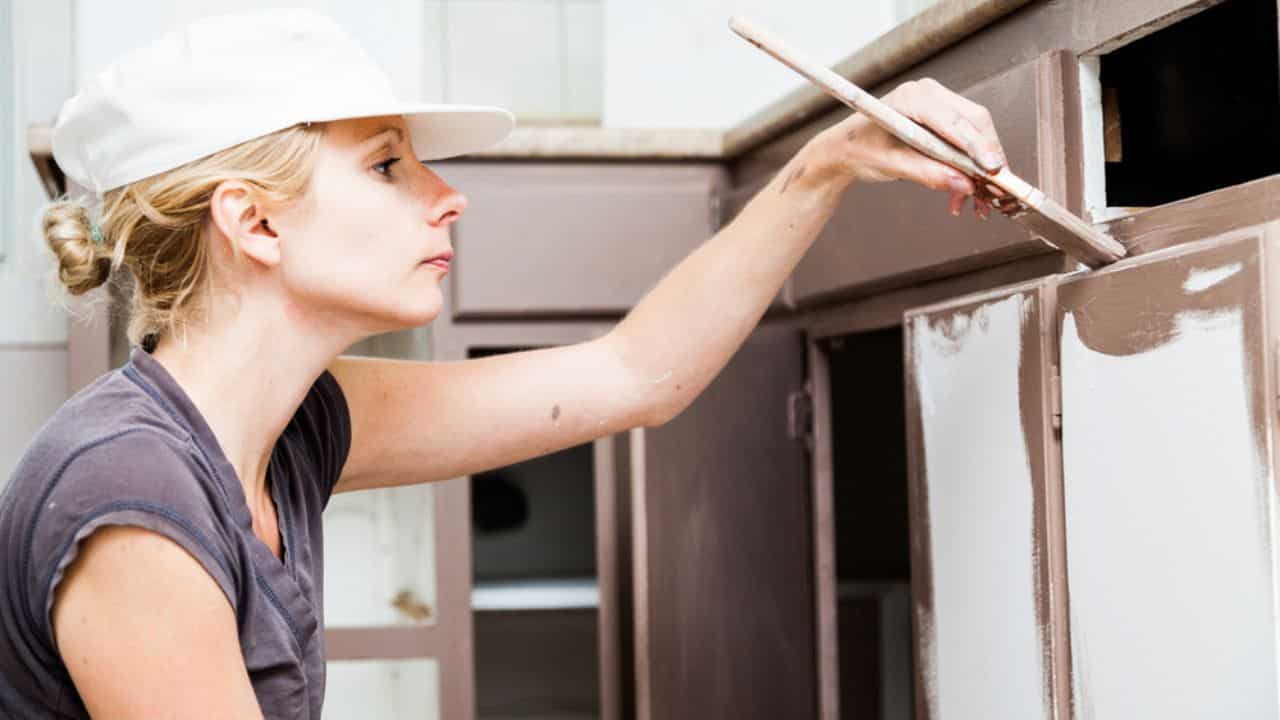
I get why you might think your home needs a major overhaul before selling. It’s tempting to launch into big remodeling projects. But I’ve learned that it’s not always a good idea.
While fresh paint or fixing necessary repairs make sense, it’s easy to spend more than you should. Some upgrades don’t get you a return on investment. Instead, I focus on small changes that attract buyers without breaking the bank.
A real estate agent on Reddit mentioned that touching up paint or toning down bold colors can be enough. This advice helps keep costs down while still making the house appealing to potential buyers.
9. Pre-inspection can save deals

I’ve found that getting a pre-inspection done before listing a home can be a real game-changer. By identifying potential issues early on, I can address them proactively, making the property more appealing to buyers.
When buyers come in, they’re reassured, knowing there aren’t any hidden surprises waiting for them. This can prevent deals from falling apart during negotiations due to unexpected repairs.
Plus, having a pre-inspection report can give me leverage during price discussions. I can confidently list my home closer to my asking price, and it’s less likely that a buyer will try to negotiate down due to undisclosed issues.
10. Emotionally detach

When I decided to sell my home, the emotional attachment was real. Memories in every room made it tough. I knew I had to see it purely as a property, not my personal space.
Hiring a professional helped a lot. They brought an outside perspective and kept me focused on the goal: finding the right buyer. I tried to think about the next adventure, not the past moments.
I also decluttered everywhere. It was about creating a blank canvas for others to imagine their lives here. It emptied the space and helped me mentally move on as well.
11. Costs beyond commission

When selling a house, I know the commission isn’t the only cost to consider. Closing costs can add up, often ranging from 2% to 5% of the selling price. These fees cover things like title insurance, escrow fees, and any outstanding property taxes.
Negotiating repairs is another factor I always think about. After a home inspection, buyers might request repairs or a reduction in the sale price. This means potential expenses that can eat into my profit from the sale.
Additionally, staging and marketing expenses can surprise some sellers. While these aren’t mandatory, investing in professional staging or high-quality photos can make a significant difference in attracting buyers. It’s essential for me to budget for these costs to have a successful sale.
12. Timing affects price

I’ve learned that timing can be a game-changer when it comes to selling a home. When the market is flooded with listings, prices might take a hit as buyers have more options. It’s all about finding the right moment.
Conversely, selling during a season with fewer listings can work in my favor. Fewer homes on the market mean less competition and possibly better offers. I try to keep an eye on local market trends and talk to agents to get a sense of the best timing.
Economic factors can also play a role. Interest rates, for example, can influence buyer demand. When rates are low, more buyers might be eager to purchase, which can drive up selling prices. Knowing when to list my home can make a significant difference in the final selling price.
13. Avoid overpricing motives

I’ve learned that sellers sometimes think setting a high price will leave room for negotiation, but this often backfires. When a property is overpriced, it can linger on the market longer, turning off potential buyers. In reality, homes that stay listed too long raise red flags for buyers.
Setting the right price is crucial. I always recommend getting a professional appraisal or consulting a trusted real estate agent. They know the market trends and can advise on a realistic price that attracts serious buyers.
It’s tempting to see your home as more valuable because of personal attachments. However, it’s best to trust the data and expertise of your agent. Overpricing may actually lead to a lower final sale price if the property becomes stale in the market.
14. Trust professional advice

I can’t stress enough how important it is to trust the advice of real estate experts. They have experience navigating the market and can provide valuable guidance. This includes recommendations on competitive pricing, which is crucial for attracting potential buyers.
Professionals also provide insights on staging and improving curb appeal. This step can make a significant impact on a property’s appeal. Trusting their expertise can eliminate guesswork, allowing me to focus on a smooth selling process.
Timing is another factor where their advice is key. Knowing when to list a property can affect how quickly it sells and for how much. I find it’s always best to lean on their experience to make informed decisions.
15. Flexibility with offers

When it comes to selling a home, being open to different types of offers can make a big difference. I always keep an open mind regarding buyers’ contingencies or proposed closing dates. It can be the key to a smoother transaction.
I’ve found that a bit of flexibility can sometimes lead to a faster sale. Buyers appreciate when sellers are willing to work with them. It makes everyone feel more comfortable throughout the process.
Being flexible doesn’t mean I have to say yes to everything, but I try to consider the options. Whether it’s a request for a minor repair or a slight change in the timeline, accommodating reasonable requests often benefits me in the long run.
*This article was created with the help of AI.