When it comes to keeping a home clean and organized, professional cleaners have developed effective habits that make their work efficient and consistent. These habits are shaped by years of experience and focus on simplicity, speed, and thoroughness.
Following their rules can help you clean smarter, save time, and maintain a tidier space with less effort. Learning these principles can change how you approach your cleaning routine and make the task feel less overwhelming.
Advertisement
Wear appropriate personal protective equipment (PPE) like gloves and masks
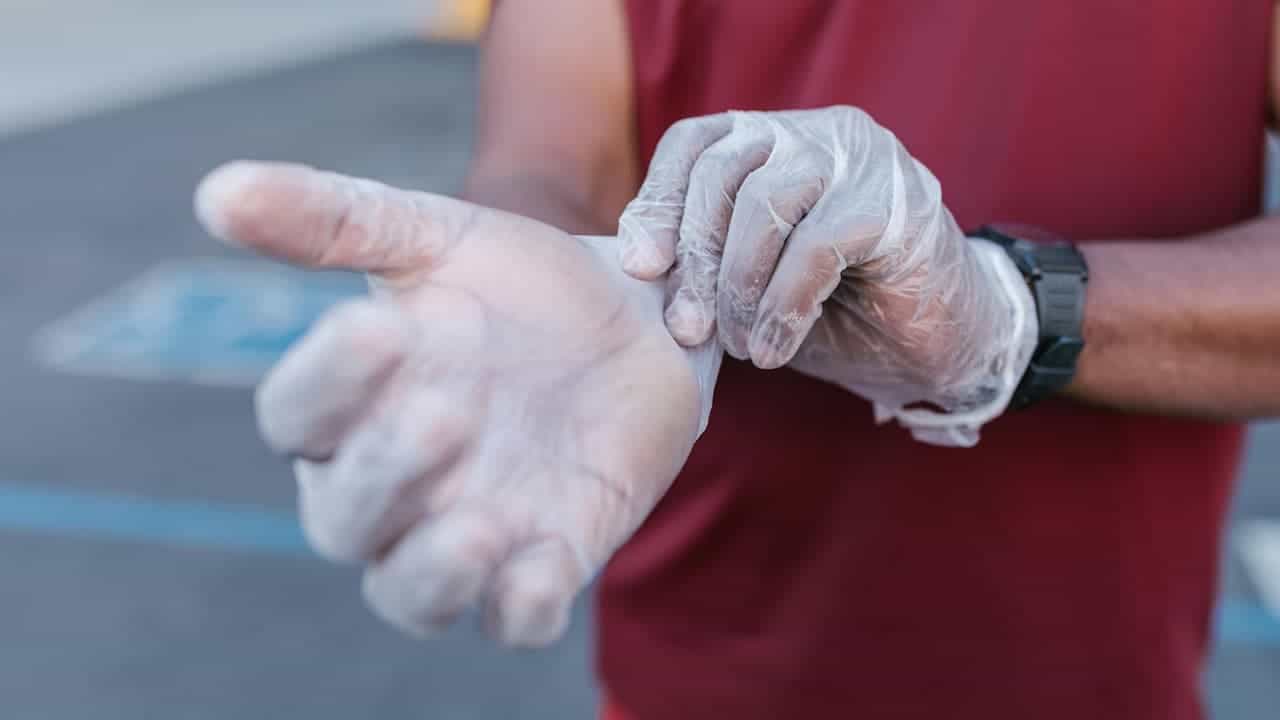
You should always wear the right PPE to protect yourself from harmful chemicals and germs. Gloves help keep your hands safe and clean during your work.
Masks protect your respiratory system from dust and airborne particles. Put on your PPE before starting any cleaning task to reduce exposure risks.
Remember to check your PPE for damage and replace it when needed. Proper use and removal of PPE also help prevent contamination.
Follow manufacturer instructions for cleaning chemicals
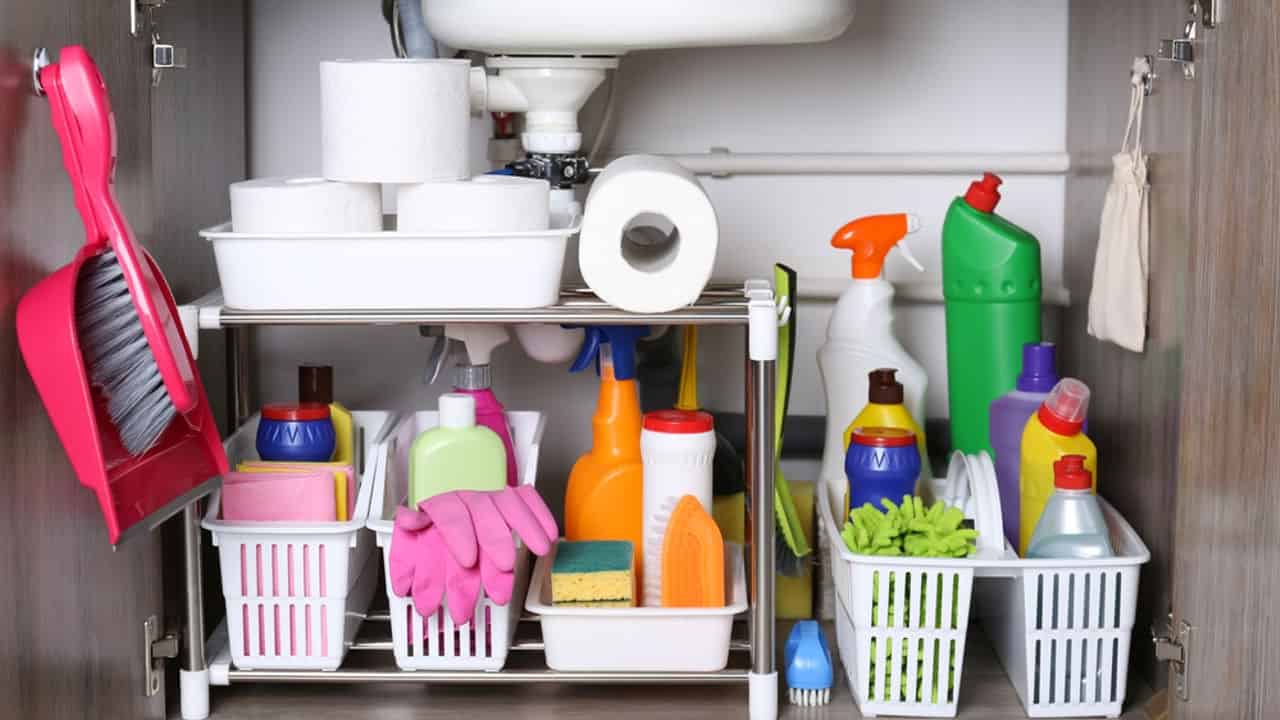
You should always read and follow the instructions on the label when using cleaning chemicals. These guidelines explain how to dilute, apply, and store the product safely.
Using the correct dilution helps avoid damage to surfaces and reduces health risks. If chemicals contact your skin or eyes, rinse immediately and seek help.
Stick to the recommended procedures to keep yourself and others safe while cleaning effectively.
Dilute cleaning agents accurately to ensure effectiveness and safety
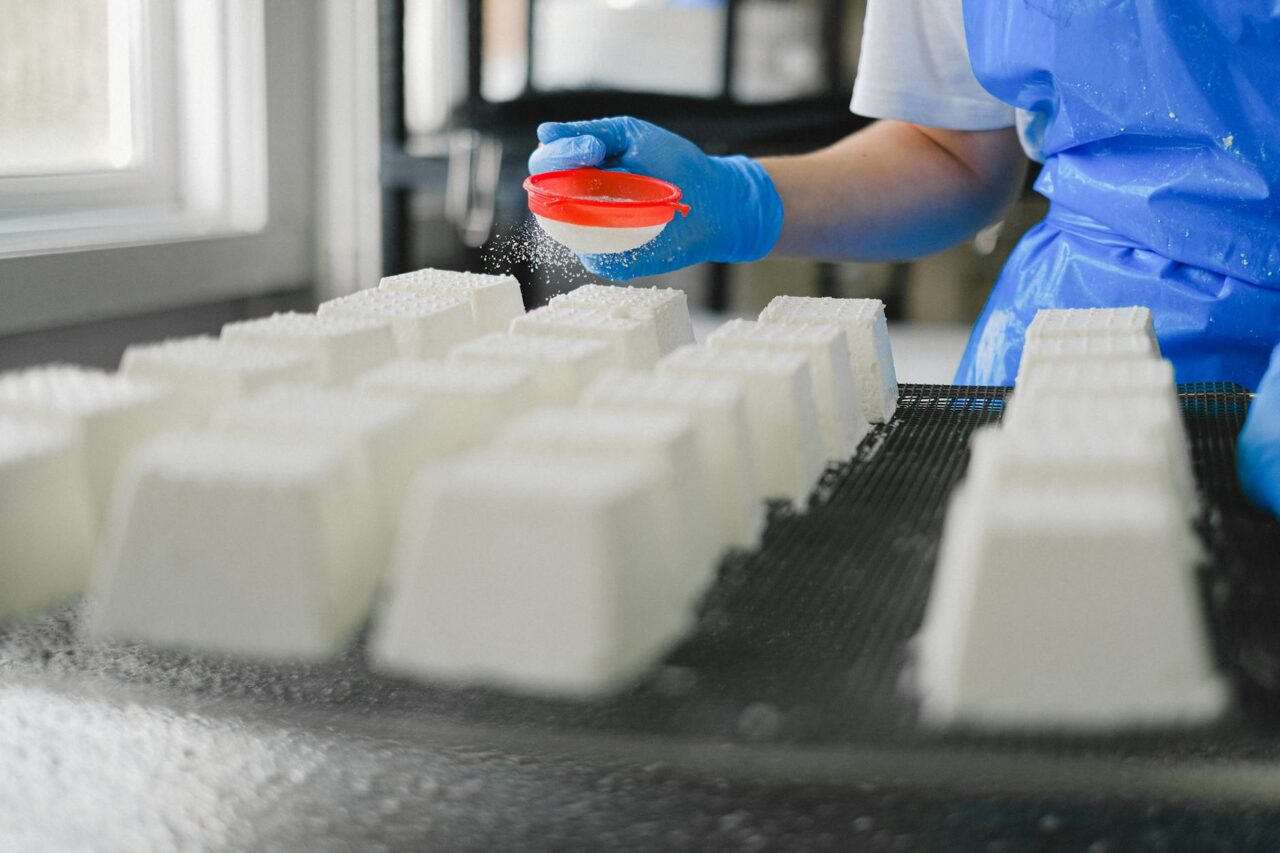
You need to always measure cleaning agents carefully. Using the correct dilution keeps the cleaner effective and avoids wasting product.
Mixing too strong can be unsafe, causing skin irritation or fumes. Too weak means it won’t clean properly.
Follow the instructions on the label closely. Double-check your calculations each time before mixing to stay safe and get the best results.
Store chemicals in designated, secure areas away from food
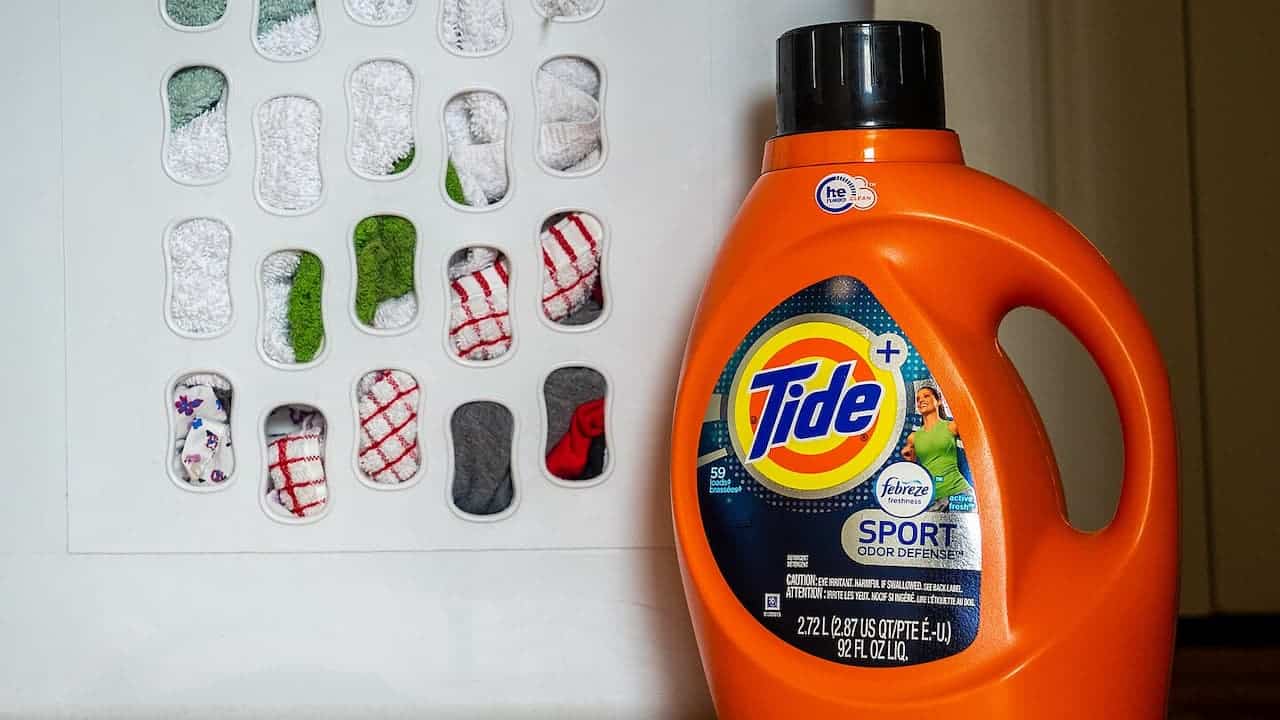
You should always keep cleaning chemicals separate from food and food prep areas. This prevents accidental contamination and keeps everyone safe.
Make sure chemicals are stored in a well-ventilated, locked space. Label each container clearly with its contents and date to avoid mix-ups.
Avoid using old food containers for chemicals. Keeping everything organized and secure helps you maintain a safe and efficient cleaning routine.
Use color-coded cloths and mops to prevent cross-contamination
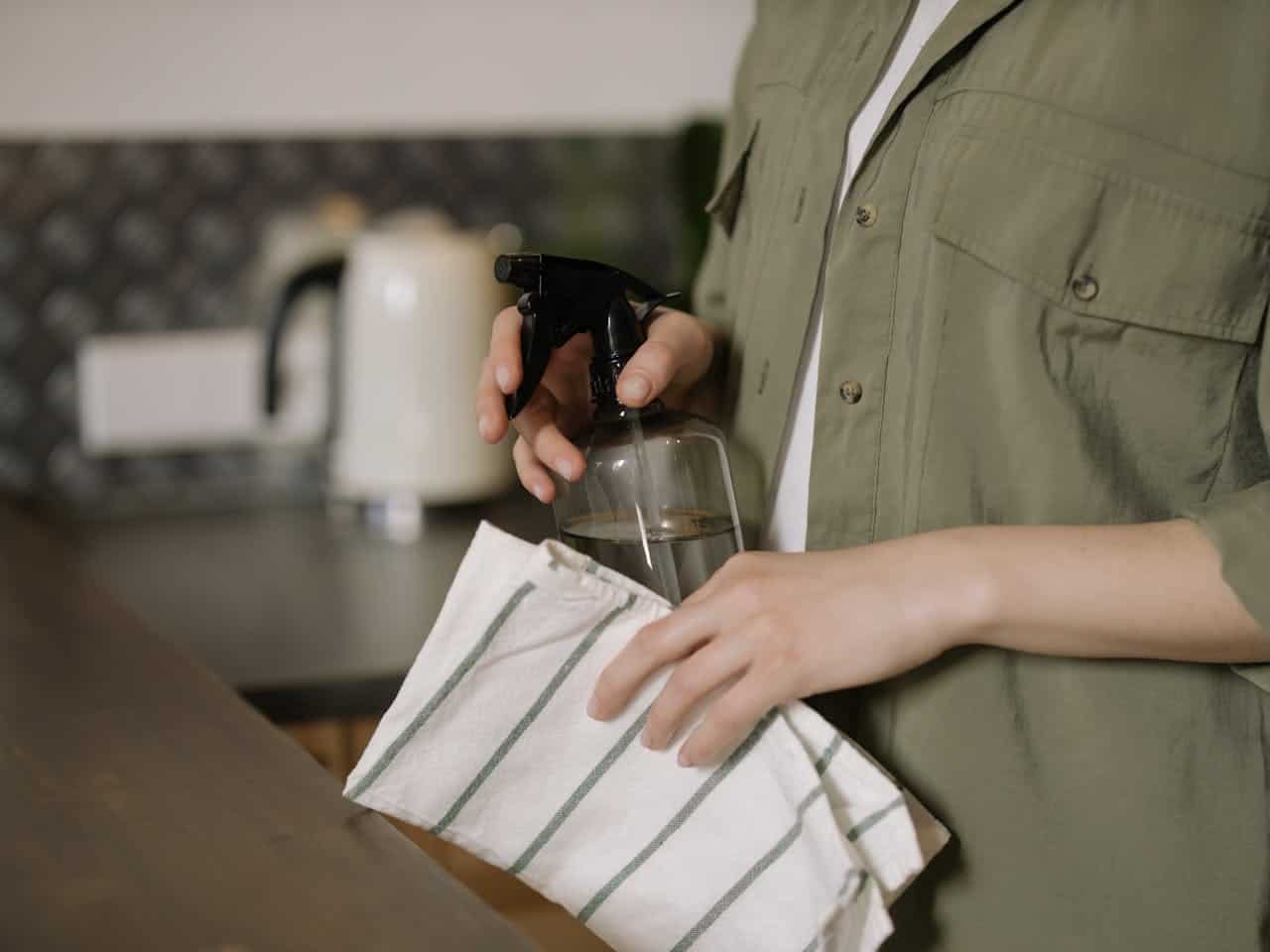
You can reduce the risk of spreading germs by using color-coded cloths and mops. Assign different colors to specific areas, like restrooms, kitchens, or offices.
This simple system helps you and your team easily identify the right tools for each task. It keeps cleaning organized and helps prevent bacteria from moving between spaces.
By following this rule, you maintain better hygiene standards and support a safer environment for everyone.
Clean high-touch surfaces frequently and thoroughly
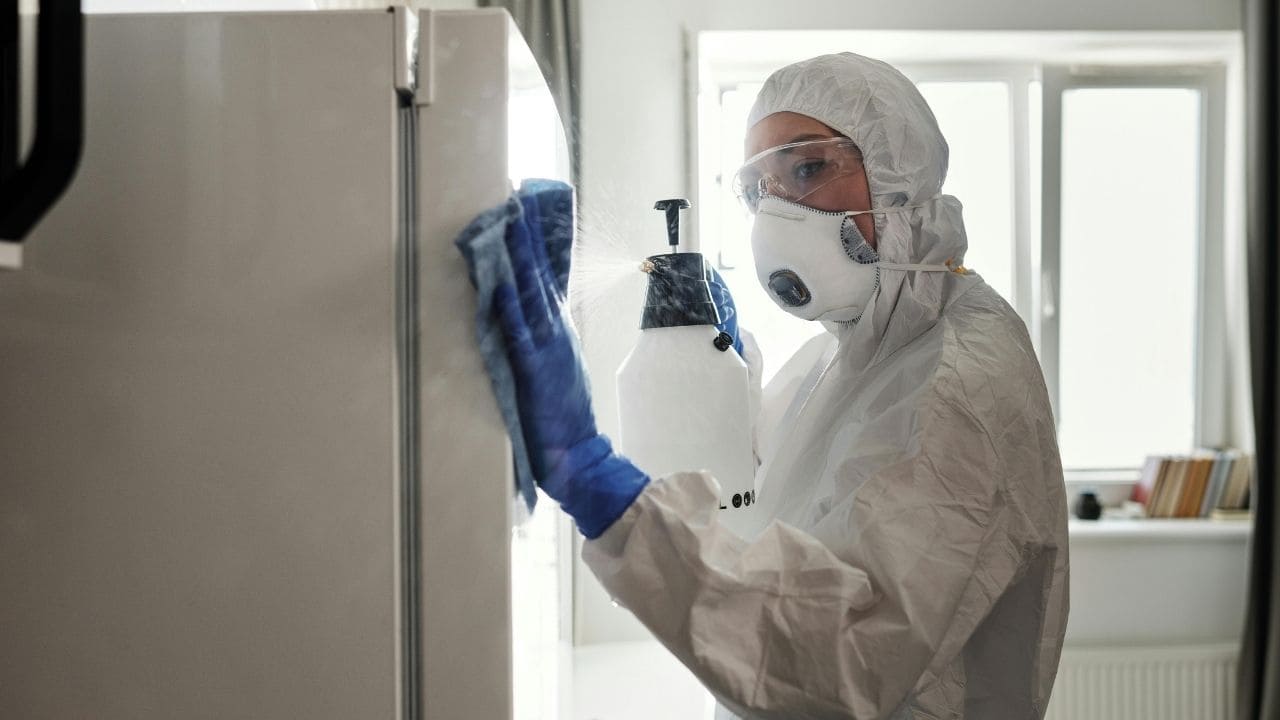
You should clean high-touch surfaces like doorknobs, light switches, and countertops at least two to three times a day. These areas get touched a lot, so germs can build up quickly.
Use a fresh cloth soaked in an appropriate cleaning solution each time. When surfaces look dirty, start by washing with soap and water, then disinfect.
Remember to clean shared objects even more often to keep your space safer.
Dispose of cleaning waste and chemicals responsibly
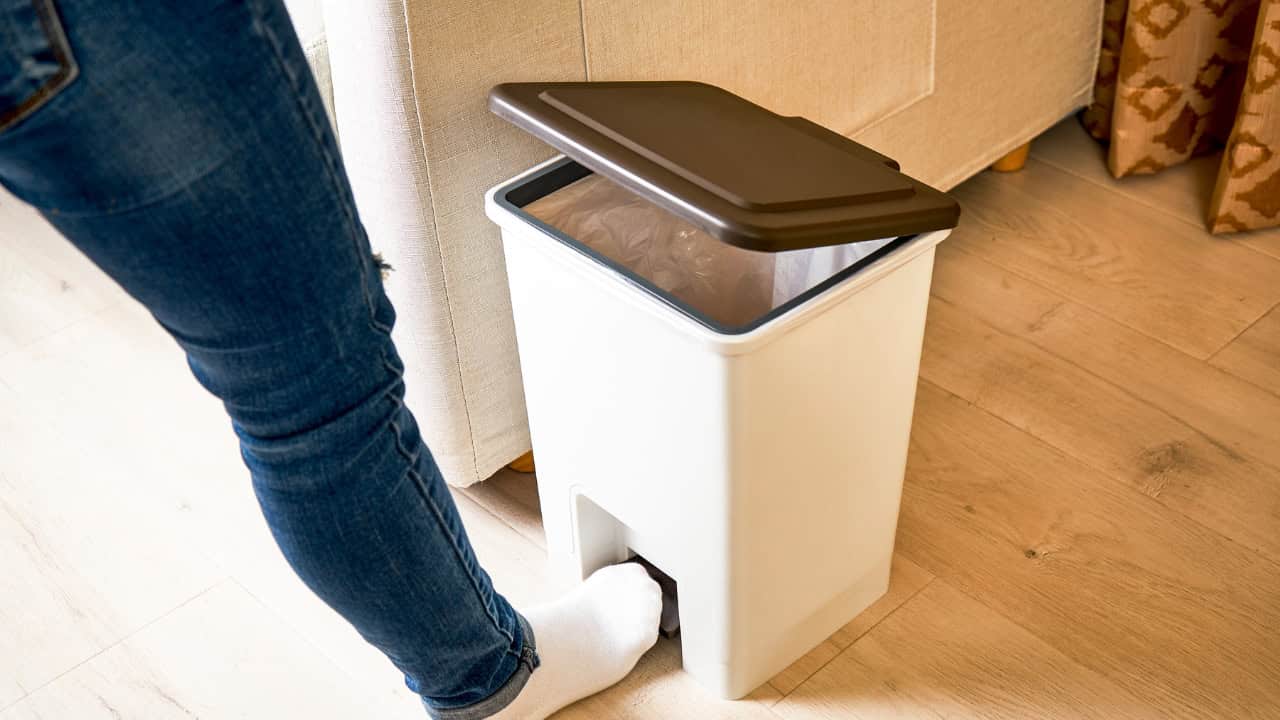
When you clean, always handle waste and chemicals with care. Label any leftover chemicals clearly to avoid confusion.
Store them safely away from children and pets until you can dispose of them properly.
Use local hazardous waste collection sites or events to get rid of these materials. This helps keep your home and the environment safe.
Follow product labels for specific disposal instructions, especially for water-soluble cleaners like detergents.
If unsure, contact your community’s waste coordinator for guidance on safe disposal options.
Maintain proper ventilation when using strong chemicals

When you use strong cleaning chemicals, always make sure your space is well-ventilated. Open windows or turn on exhaust fans to let fresh air circulate.
If you’re working in a small or closed area, take breaks outside to avoid breathing in fumes for too long. Sometimes, using a respirator mask can help protect you when ventilation is limited.
By keeping the air moving, you reduce the chance of harmful vapors building up around you. It keeps your work environment safer and more comfortable.
Wash hands regularly before, during, and after cleaning tasks
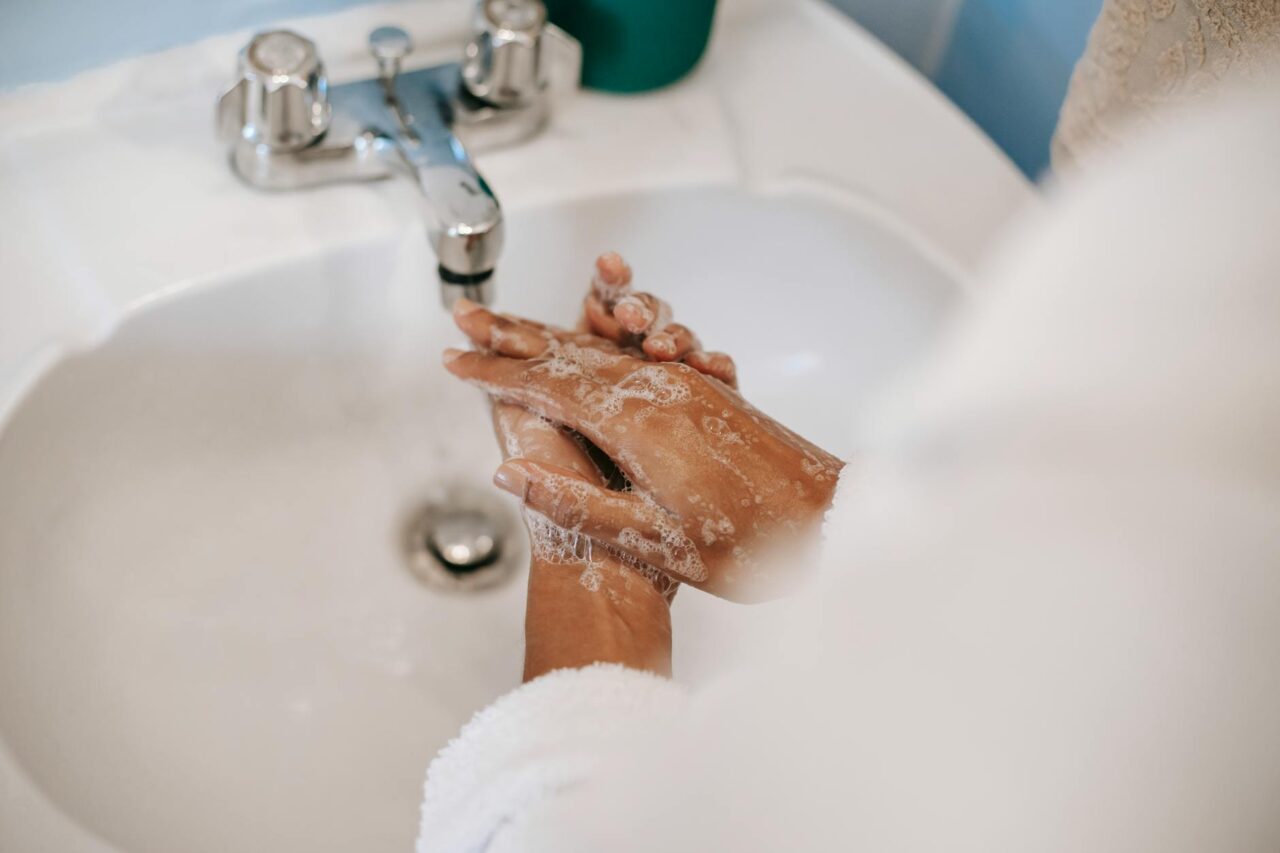
You should wash your hands before starting any cleaning to avoid spreading germs. Washing during cleaning helps remove any dirt or contaminants you pick up.
Make sure to wash your hands again after finishing to keep yourself and others safe. Use soap and warm water, scrubbing for at least 15 seconds. Dry with a clean towel or air dryer for best results.
Follow a consistent cleaning schedule for all areas

You’ll find it easier to keep your home clean when you stick to a consistent schedule. Planning regular cleaning times for each area helps you stay on top of tasks without feeling overwhelmed.
Make sure to include every space, from the kitchen and bathrooms to floors and common areas. Small, frequent cleaning sessions often work better than long, rare ones. This approach keeps your home fresh and manageable.
Use ergonomic tools to reduce strain and injury
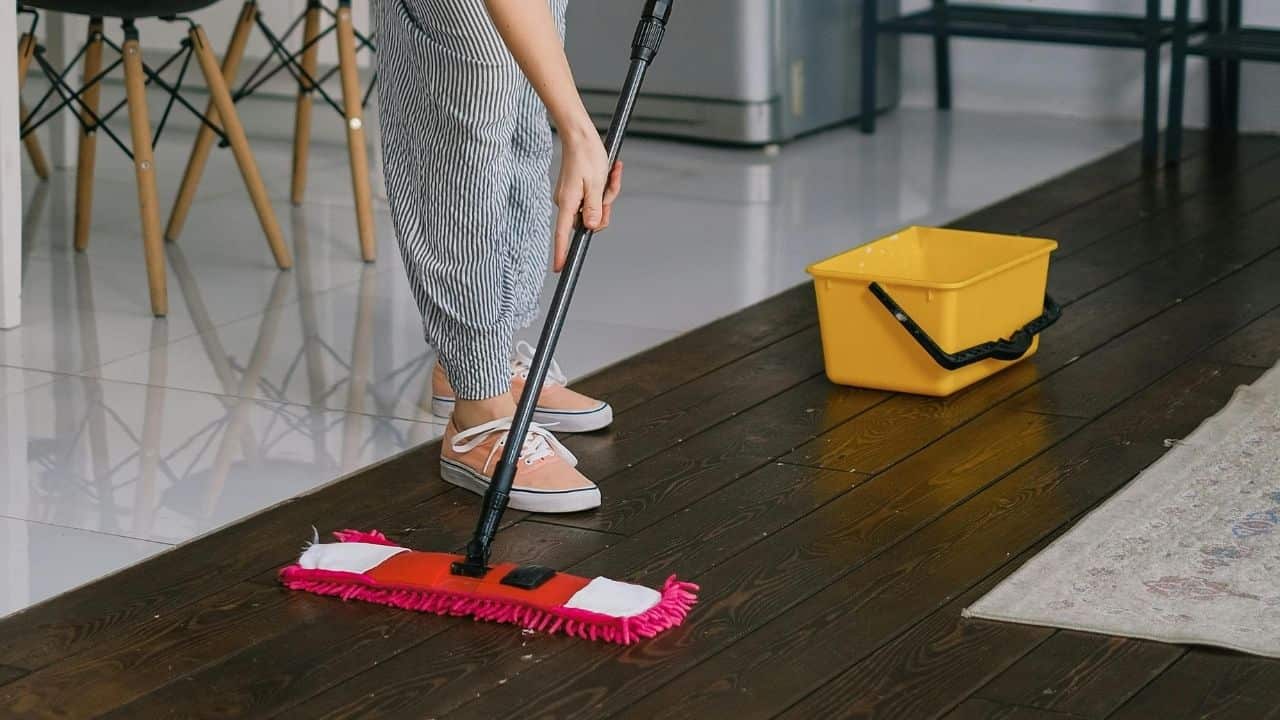
Using ergonomic tools helps you avoid unnecessary strain during cleaning tasks. Tools like adjustable mops and vacuum cleaners are designed to fit your body’s natural movements.
This reduces stress on your muscles and joints, making your work easier and safer.
You should also use carts or trolleys to carry heavy items. This prevents lifting injuries and lets you work more efficiently.
Small changes like a relaxed grip on your tools can help protect your wrists and hands from fatigue.
Report hazards or unsafe conditions immediately
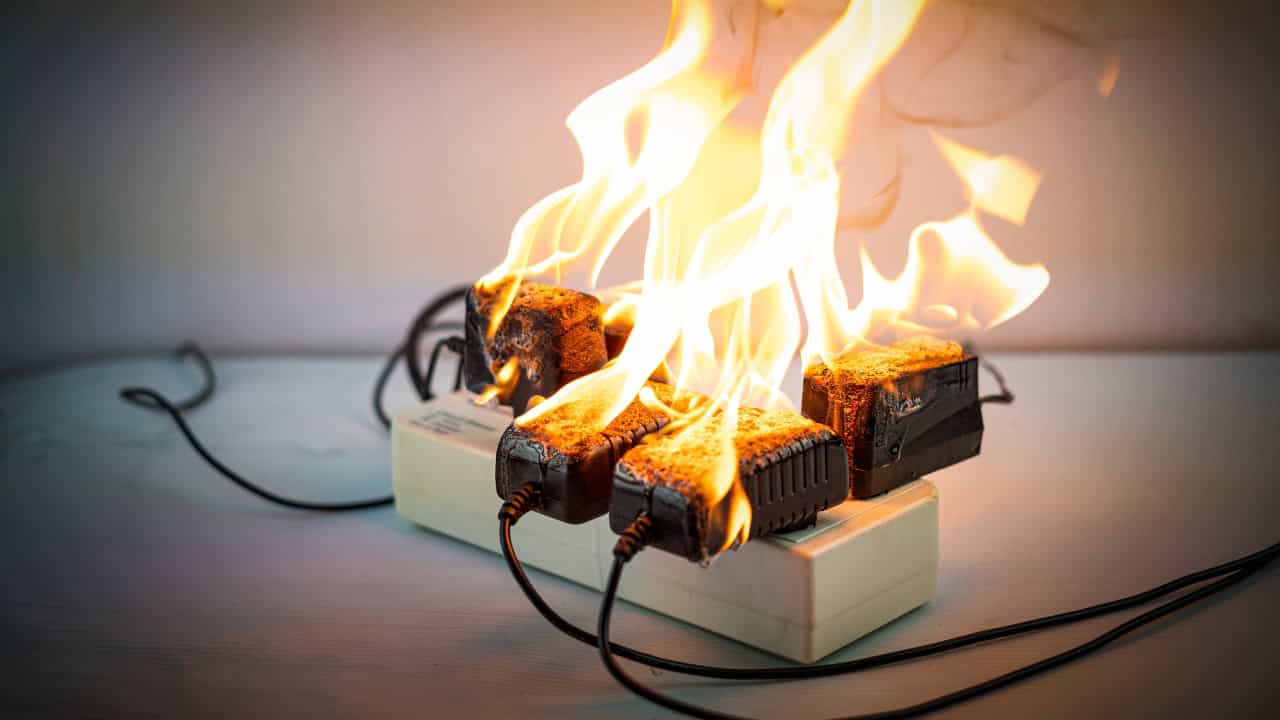
You should always speak up when you see something unsafe. Reporting hazards right away helps protect you and others from injuries.
Make sure to tell your supervisor or use any hazard report forms your workplace provides. Don’t ignore near misses—they can lead to real accidents if not addressed.
Taking quick action shows you care about safety and helps keep your work environment clean and secure.
Avoid mixing incompatible cleaning products
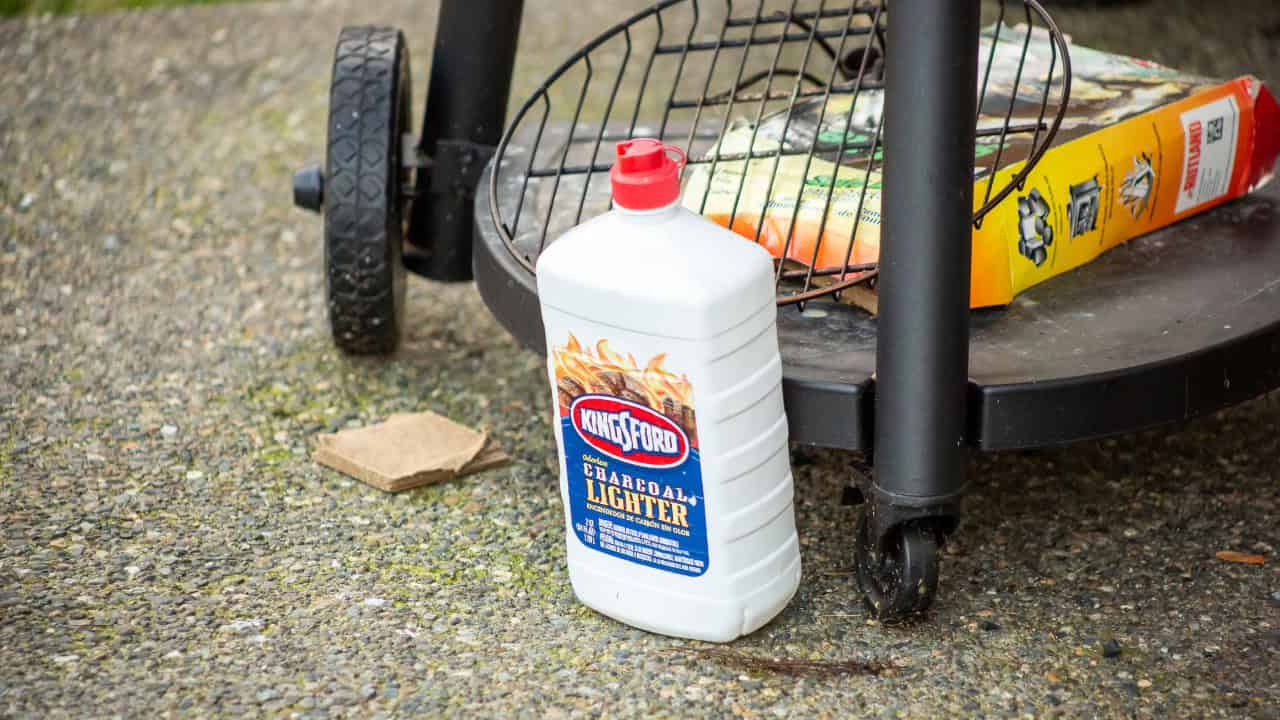
You should never mix cleaning products that contain bleach with those containing ammonia. Combining these creates dangerous gases that can harm your lungs.
Be careful when using different brands or types of cleaners. Mixing them without knowing the ingredients can cause unexpected and hazardous reactions.
Always read the labels before use. This helps you recognize which chemicals should stay separate for your safety.
Use energy-efficient machines to conserve resources
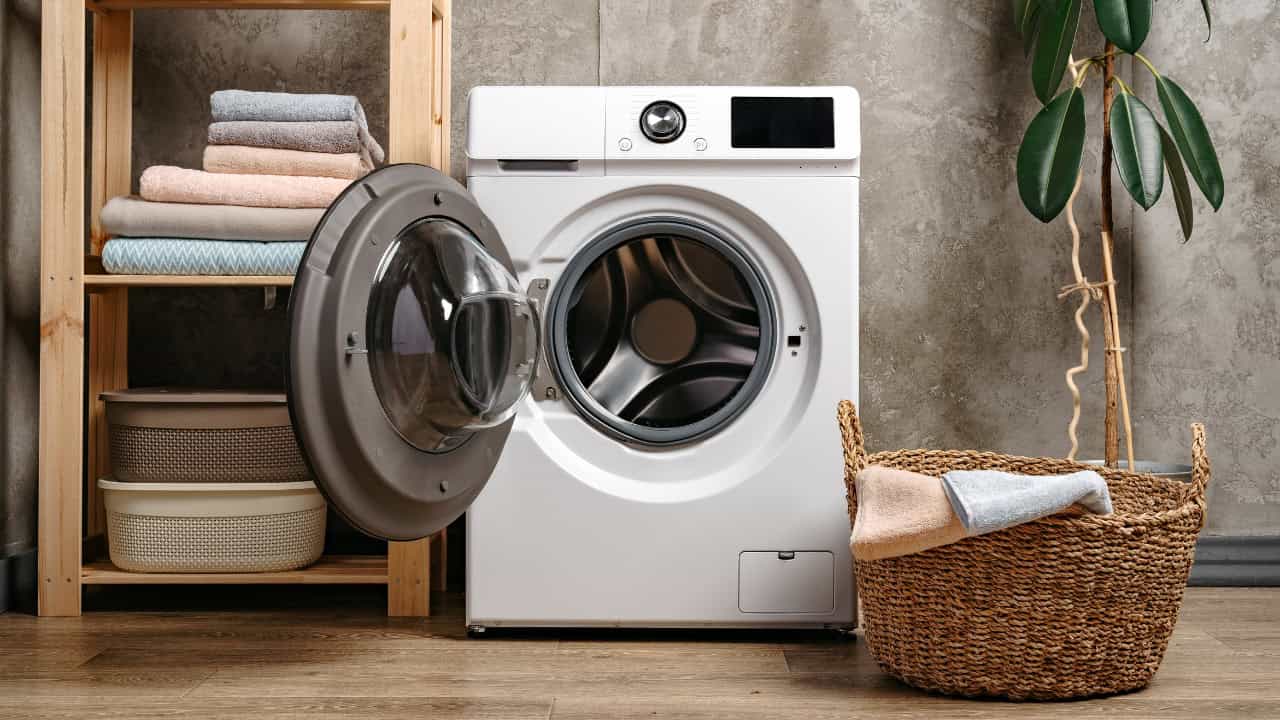
You can save energy and cut costs by choosing energy-efficient cleaning machines. These tools use less electricity, which helps lower your environmental impact.
Energy-efficient machines often work faster and quieter, making your cleaning tasks easier. They also help reduce water waste by using smart technology designed to optimize usage.
By picking the right equipment, you contribute to a greener workspace while keeping your cleaning effective and timely.
Train regularly on updated safety protocols
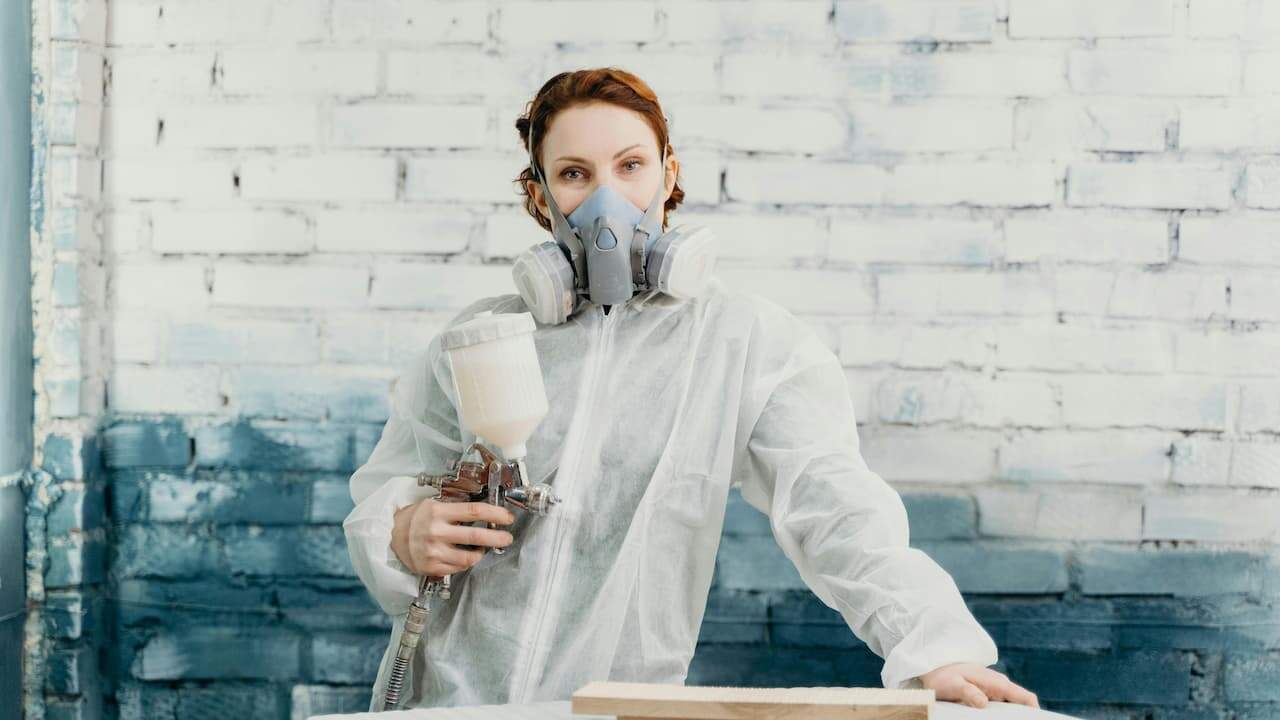
You should make safety training a regular part of your routine. This helps you stay aware of any changes in safety standards or new risks.
Keeping up with updated protocols means you know the best ways to protect yourself and others. It also ensures you’re using equipment and chemicals correctly.
Regular training builds your confidence and helps prevent accidents. It keeps your work environment safe and professional for everyone involved.
Why Professional Cleaners Follow Strict Rules
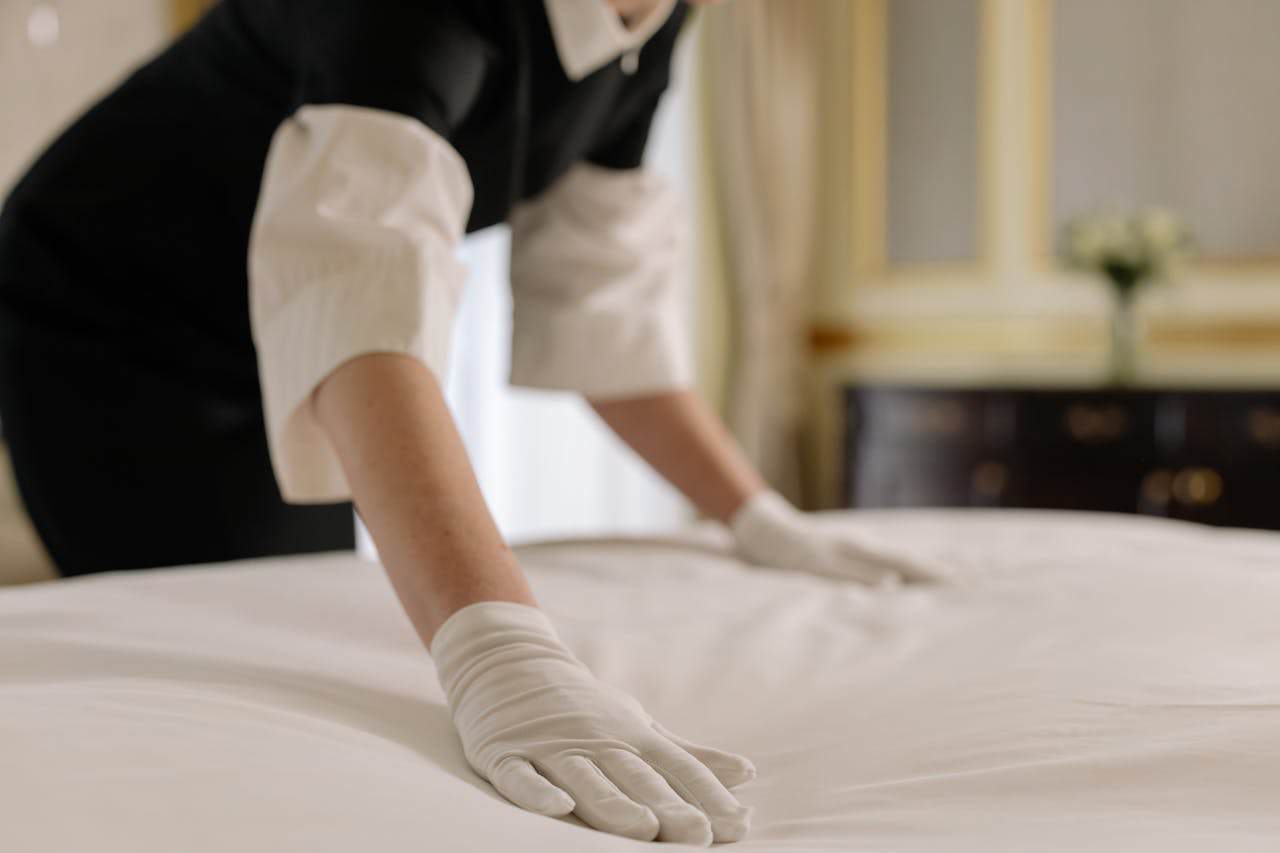
Following strict rules helps maintain safety and quality in cleaning. It also ensures consistency across different tasks and environments.
Benefits of Consistency

When you follow clear rules every time, you reduce errors and improve efficiency. Consistency means you know exactly how to handle cleaning chemicals safely, reducing the risk of accidents or spills.
You also protect yourself and others by using proper protective equipment and following protocols for lifting or working at heights. This lowers injury risks and creates a safer workspace.
Consistent routines help you finish tasks faster without cutting corners. When your cleaning steps are predictable, it’s easier to meet client expectations and regulatory standards. This builds trust and contributes to your professional reputation.
Impact on Cleaning Quality
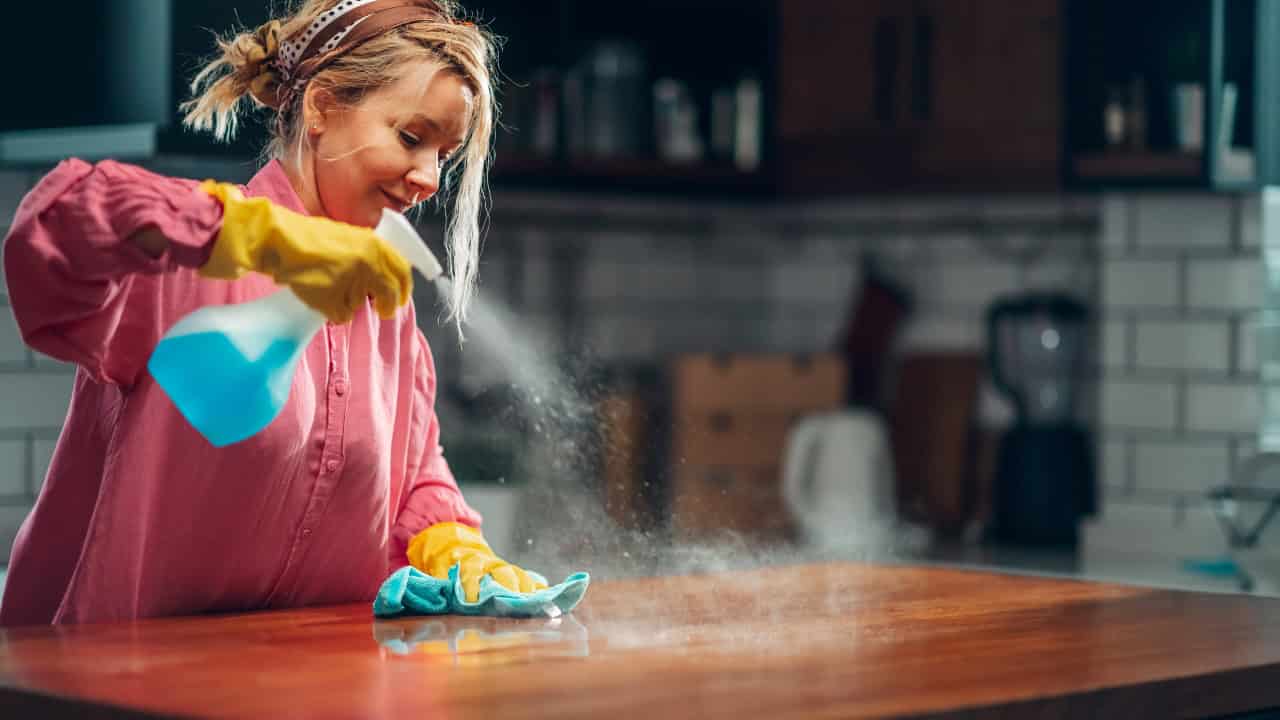
Strict rules ensure no step is missed, so your cleaning is thorough each time. Proper handling of chemicals and equipment means surfaces are disinfected effectively, minimizing germs and allergens.
You’ll avoid cross-contamination by using the right tools and sequences in different areas. For example, cleaning bathrooms before general areas helps control bacteria spread.
Using designated storage and labeling for chemicals also preserves product effectiveness and prevents dangerous mix-ups. Following these guidelines keeps your work consistently high-quality and safe for everyone.
Common Tools and Products Used by Pros
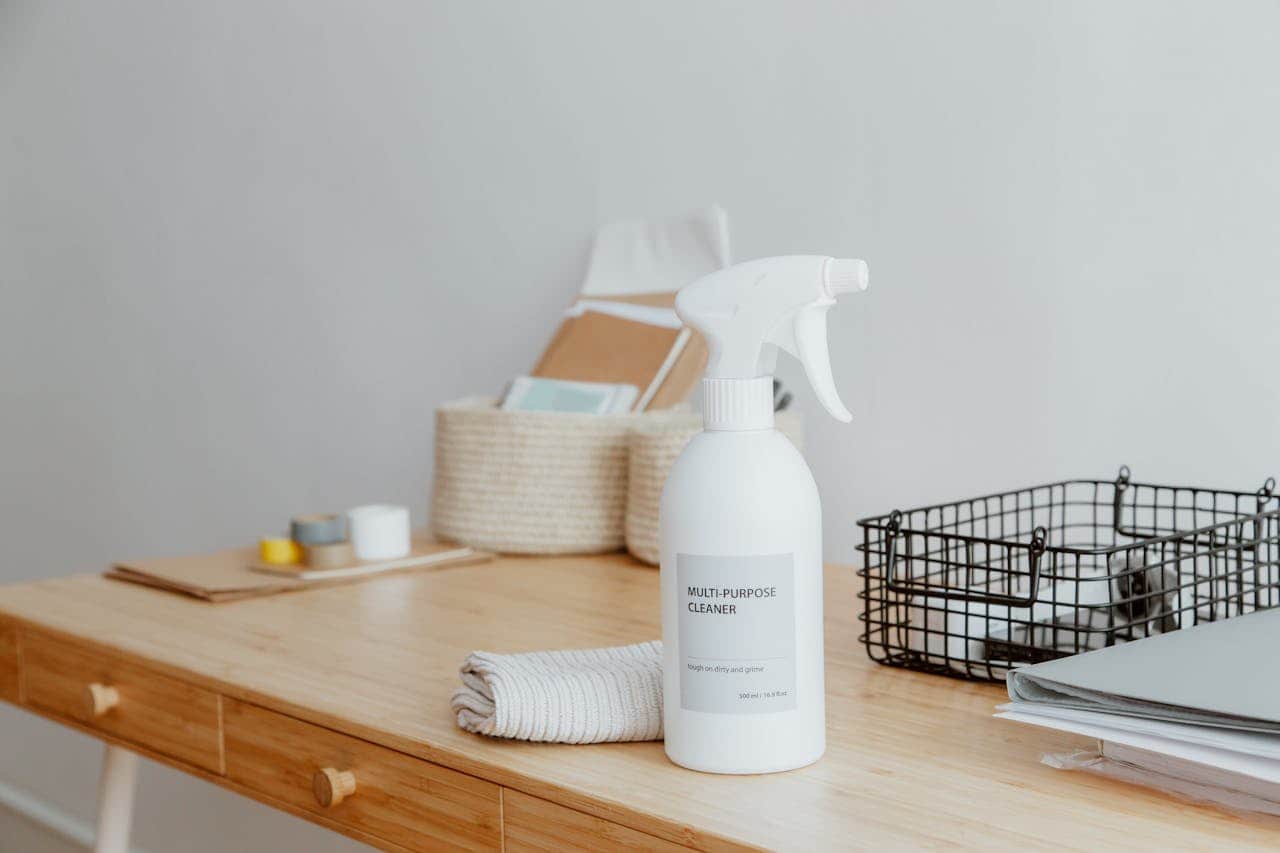
Professional cleaners use a mix of effective cleaning products and reliable equipment to tackle different surfaces and messes. Choosing the right tools and solutions helps you clean more efficiently and protect the areas you work on.
Eco-Friendly Cleaning Solutions
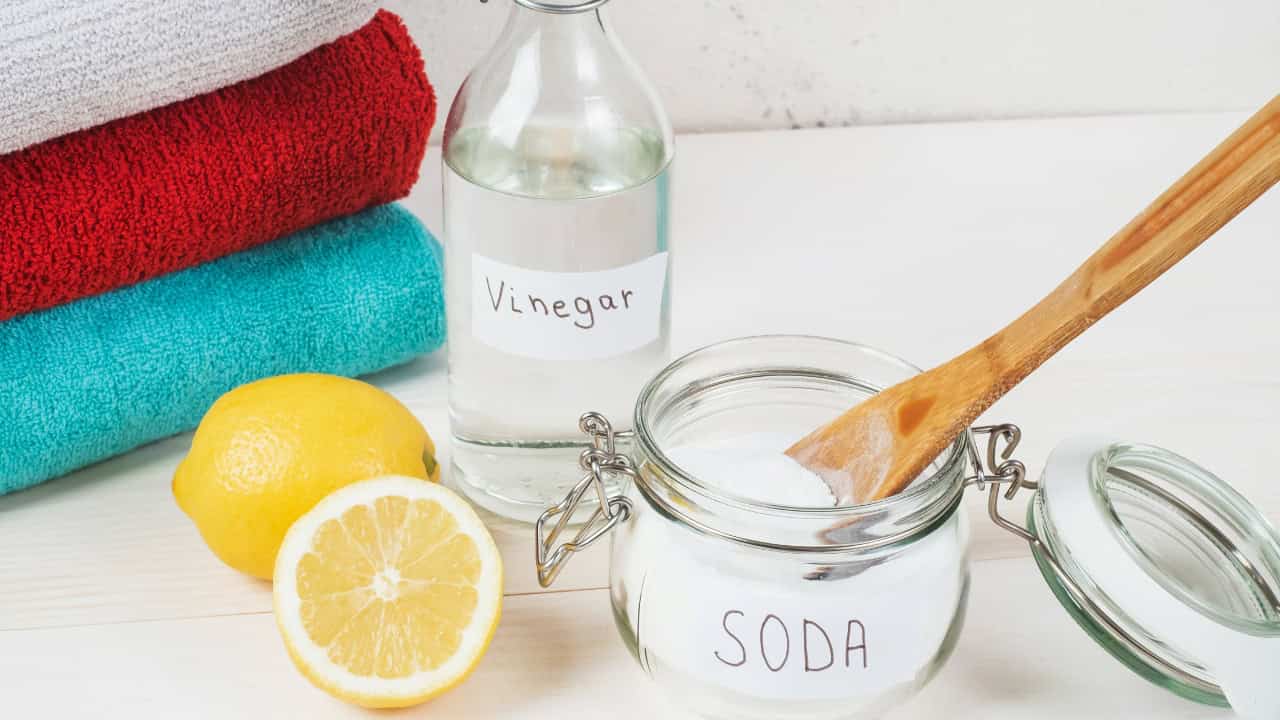
Using eco-friendly products is a top priority to keep your home safe and reduce environmental harm. These solutions often avoid harsh chemicals like ammonia or bleach, which can damage surfaces or irritate skin.
Look for cleaners made with natural ingredients such as vinegar, baking soda, or plant-based detergents. They work well on most surfaces without leaving toxic residue behind. Many professionals carry biodegradable sprays and multi-surface cleaners that are gentle yet efficient.
You can also choose products with certifications like EPA Safer Choice or Green Seal to ensure they meet environmental standards. This helps protect your family’s health and the planet while still delivering a solid clean.
Must-Have Cleaning Equipment
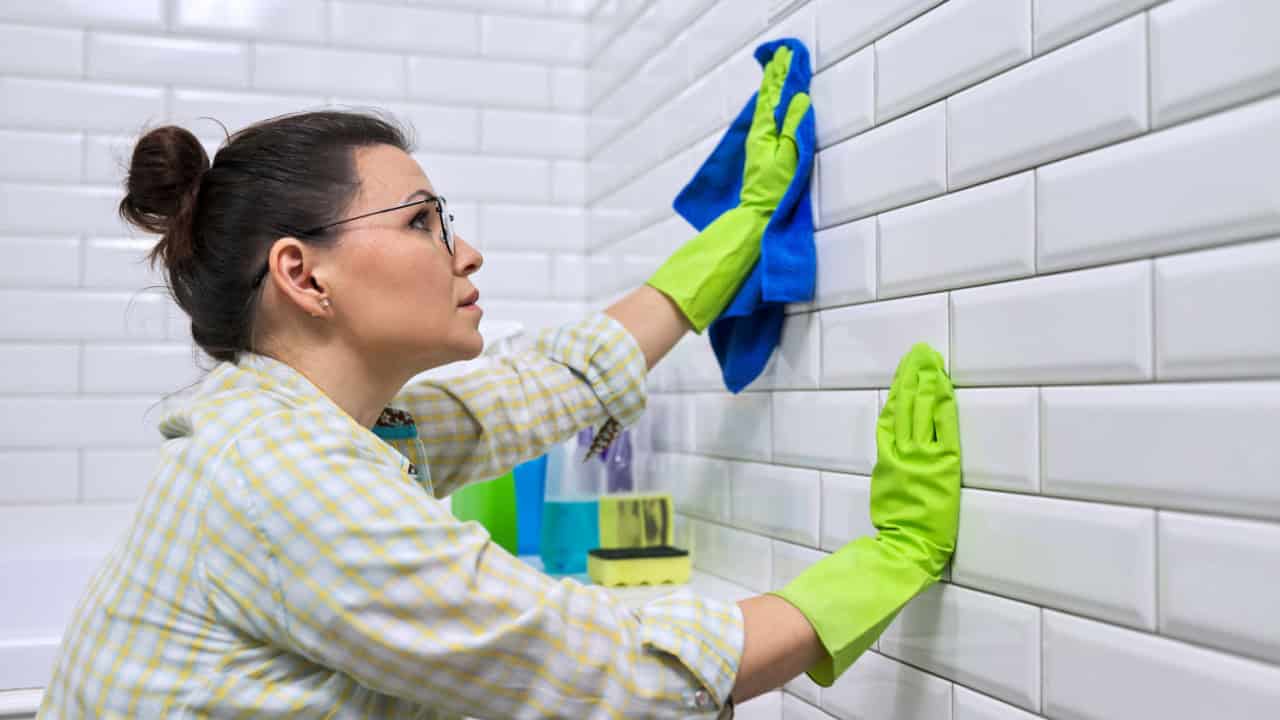
Certain tools make your cleaning tasks easier and more effective. Microfiber cloths, for example, lift dirt and dust without scratching surfaces.
A good vacuum with HEPA filters is essential if you want to remove allergens and fine particles from carpets and floors. Rubber gloves protect your hands from frequent contact with cleaning products, helping prevent dryness or irritation.
Other useful items include melamine sponges for tough stains, adjustable mops for different floor types, and sturdy brushes for grout or tight spots. Having a well-rounded collection means you can handle various jobs with confidence.
| Tool/Product | Purpose | Benefit |
|---|---|---|
| Microfiber cloths | Dusting, wiping surfaces | Scratch-free, reusable |
| All-purpose cleaner | General surface cleaning | Saves time, versatile |
| Vacuum (with HEPA) | Carpets and floors | Removes fine dust and allergens |
| Rubber gloves | Hand protection | Prevents irritation |
| Melamine sponge | Removing stubborn marks | Works without harsh chemicals |
| Adjustable mop | Hardwood, tile, vinyl floors | Protects floor finish |