Who doesn’t want to save money on groceries? I know I do. But grocery shopping can become a budget-busting affair if we’re not careful. One way to keep spending in check is by avoiding certain products. Yes, there are items in your supermarket that you can skip to drastically lower your grocery bill. Here are 15 of them:
1. Pre-cut fruits and vegetables

Pre-cut fruits and vegetables may seem like a convenient time-saving option, but you’re actually paying for that convenience. They are typically more expensive than their whole counterparts. In addition, pre-cut fruits and vegetables lose their freshness faster, which means you’re also potentially wasting money if you don’t consume them in time.
Consider buying whole fruits and vegetables and cutting them yourselves. Not only does this save money, but it also allows you to get more creative with your cooking. You might find it therapeutic to practice your knife skills, and you’ll certainly appreciate the freshness of your produce.
Advertisement
2. Bottled water
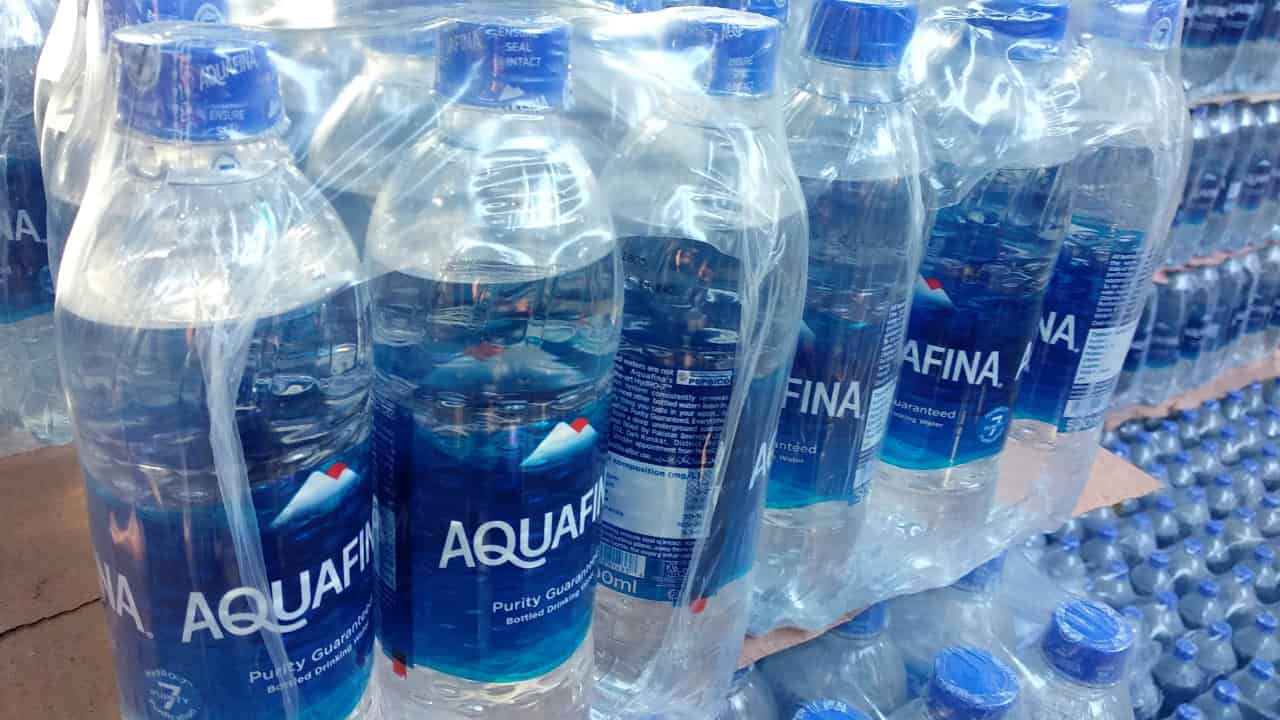
Bottled water is a major money-waster. According to The Water Project, the average American spends over $100 per year on bottled water. That’s a lot of money for something that you can get virtually free from your tap.
Invest in a good quality water filter and reusable water bottles instead. Not only is this cheaper in the long run, but it’s also better for the environment. Plus, you won’t have to deal with the hassle of lugging heavy packs of water from the store to your home.
3. Branded products

Brands spend a lot of money on advertising to convince you that their product is superior. The truth is, generic or store brands often taste just as good as, if not better than, their branded counterparts. Plus, they’re usually cheaper.
Next time you’re at the grocery store, try comparing the ingredients list of a branded product with its generic counterpart. You might be surprised to find that they’re virtually the same. So why pay more for the fancy packaging?
4. Single-serving snacks

Single-serving snacks may be convenient, but they’re also more expensive per ounce than bigger packages. Plus, all that extra packaging is bad for the environment.
Instead, buy larger packs of snacks and portion them out yourself. Not only will this save you money, but you’ll also have control over portion sizes. This is particularly helpful if you’re trying to watch your calorie intake.
5. Salad dressing
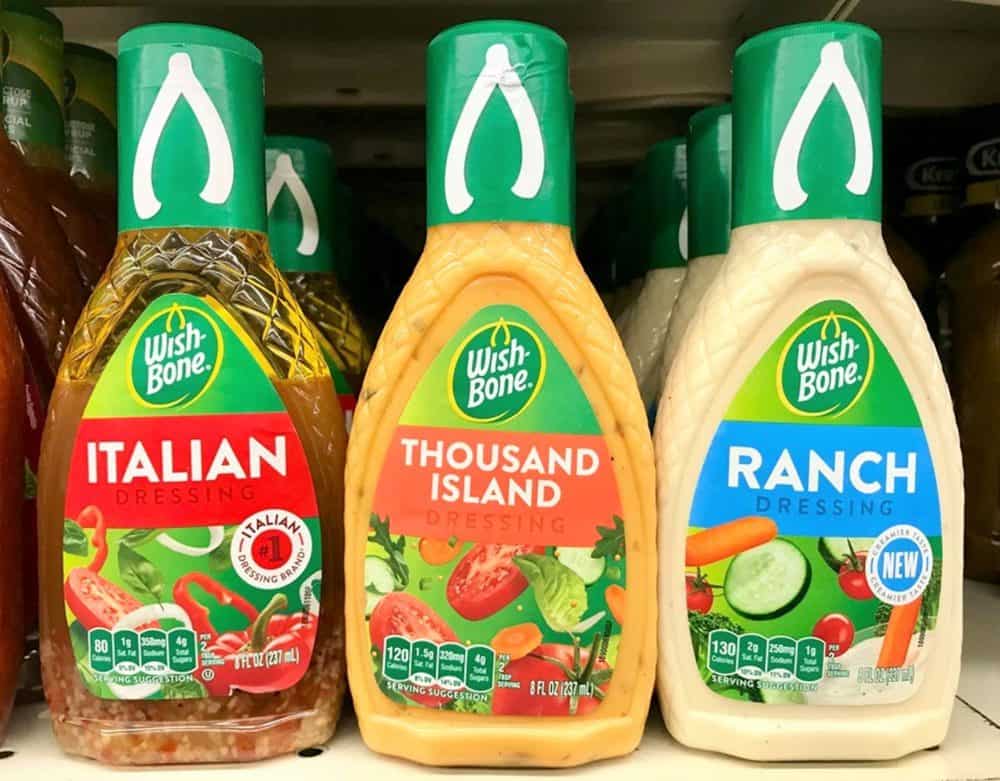
Bottled salad dressings can be pricey, and they often contain unnecessary additives and preservatives. Plus, they can be high in sodium, sugar, and unhealthy fats.
Making your own salad dressing at home is a healthier and cheaper alternative. With just a few simple ingredients like olive oil, vinegar, lemon juice, and herbs, you can whip up a delicious dressing in no time.
6. Spice mixes
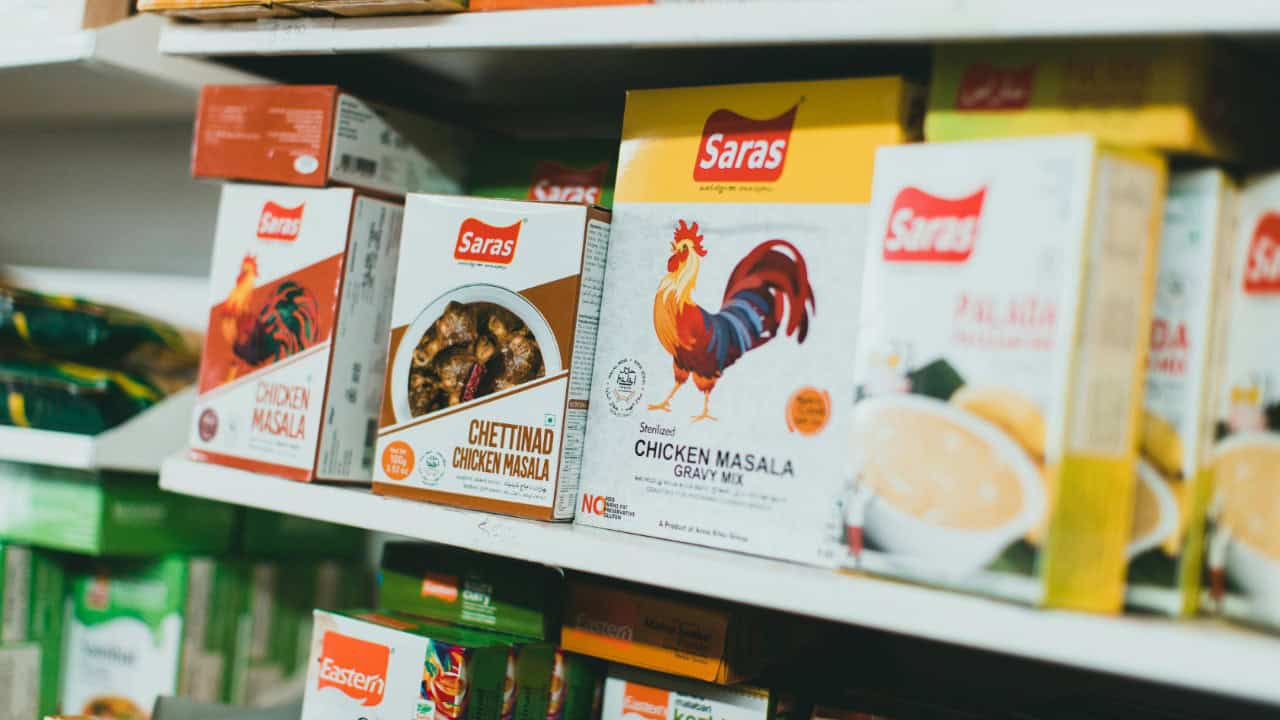
Similar to salad dressings, spice mixes can be expensive and often contain additives and preservatives. Plus, they may not have the exact flavor profile you’re looking for.
Instead, buy individual spices and make your own mixes. This allows you to control the flavor and avoid unnecessary ingredients. Plus, spices can last a long time if stored properly, so you’ll get more bang for your buck.
7. Instant oatmeal packets
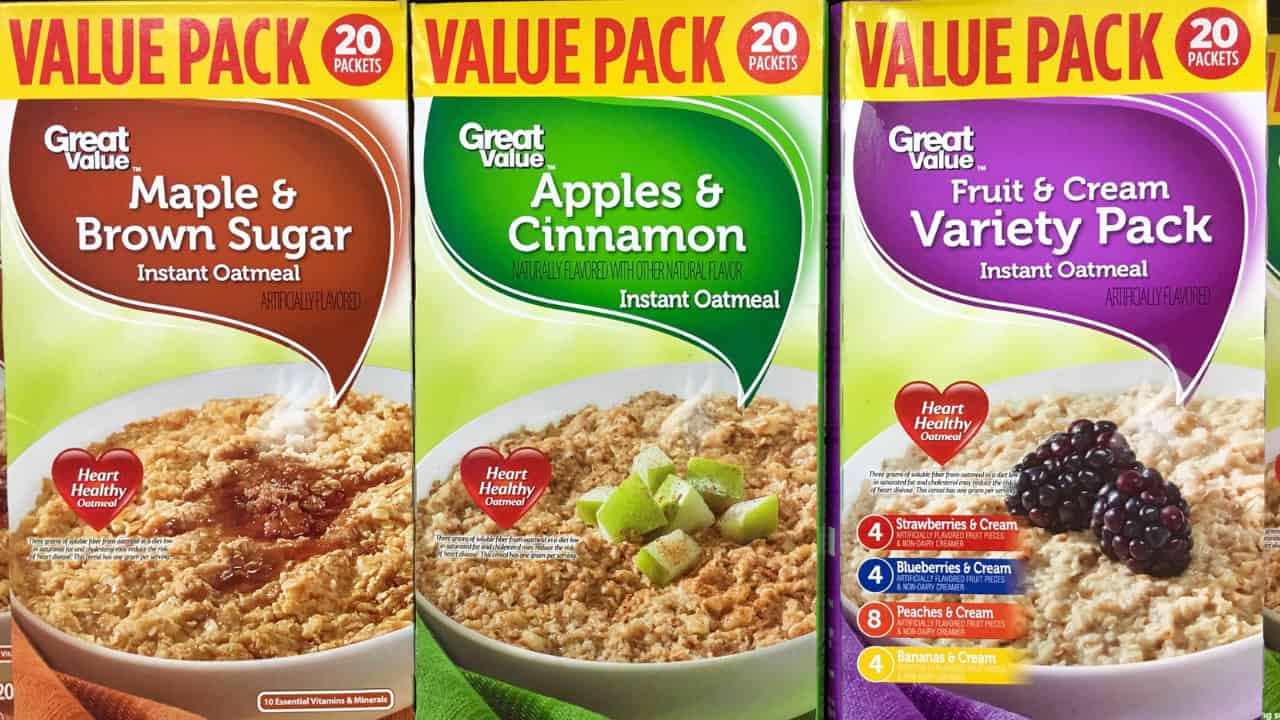
Instant oatmeal packets may be convenient, but they’re also more expensive per serving than regular oats. Plus, they often contain added sugars and artificial flavors.
Instead, buy a big bag of oats and make your own instant oatmeal. All you need is a microwave or a pot, and you can customize your oatmeal with your favorite fruits, nuts, and sweeteners.
8. Coffee pods
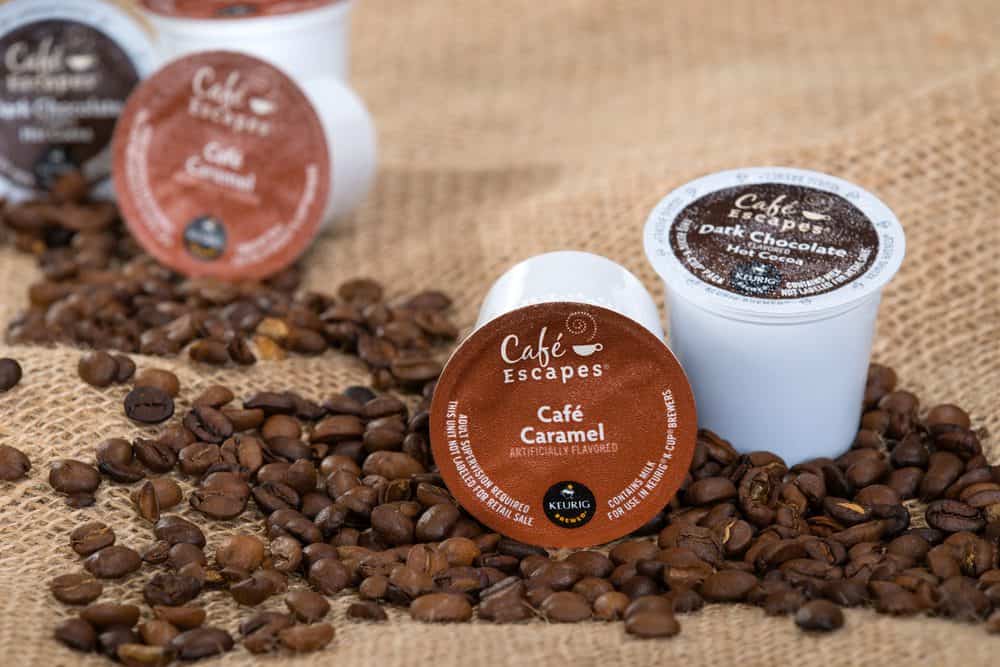
Coffee pods are convenient, but they’re also expensive. Plus, they create a lot of waste.
Instead, buy a bag of coffee grounds or beans and brew your own coffee at home. Not only is this cheaper, but it also allows you to experiment with different brewing methods and flavors.
9. Pre-made meals
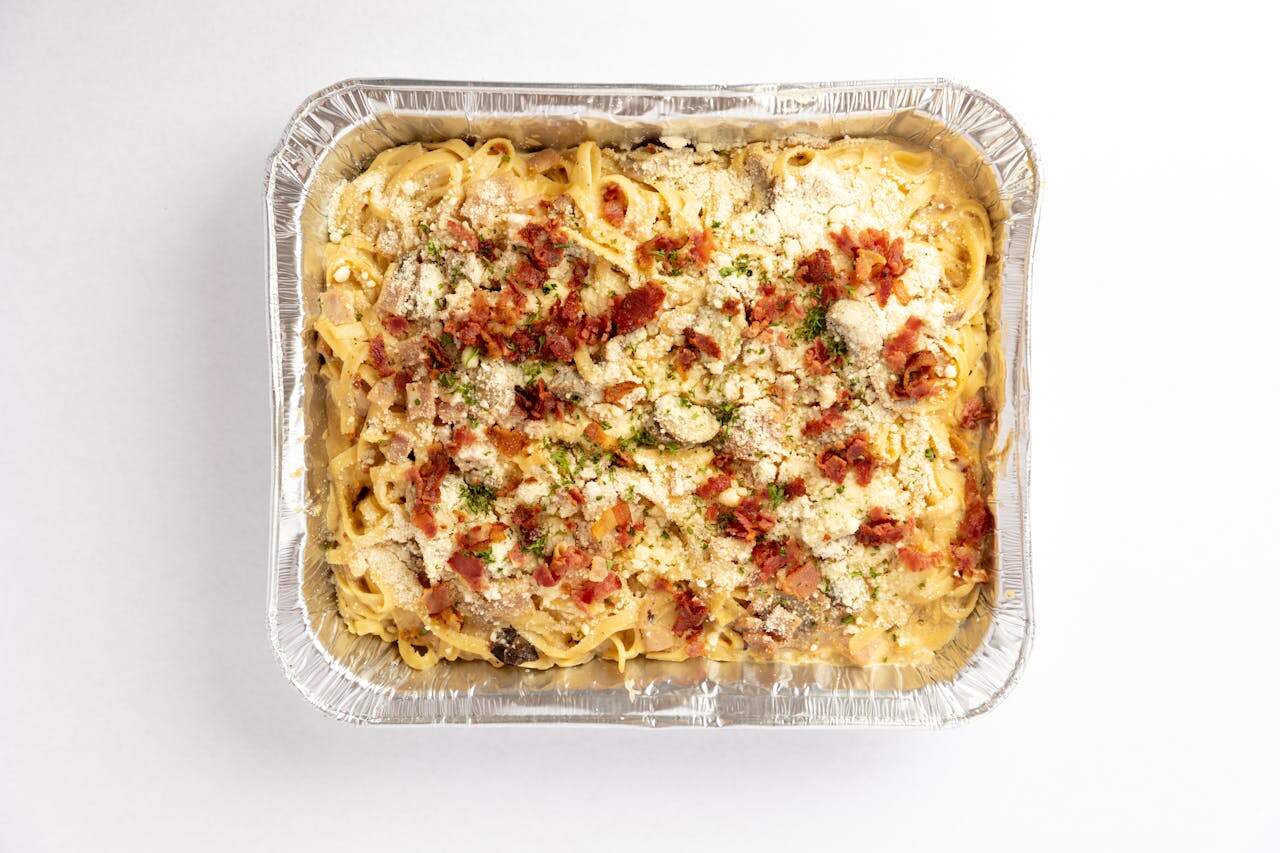
Pre-made meals may save you time, but they’re also more expensive than cooking from scratch. Plus, they often contain unhealthy ingredients and additives.
Instead, plan your meals in advance and cook at home. This allows you to control the ingredients and portion sizes, and it’s usually cheaper.
10. Pre-packaged salads
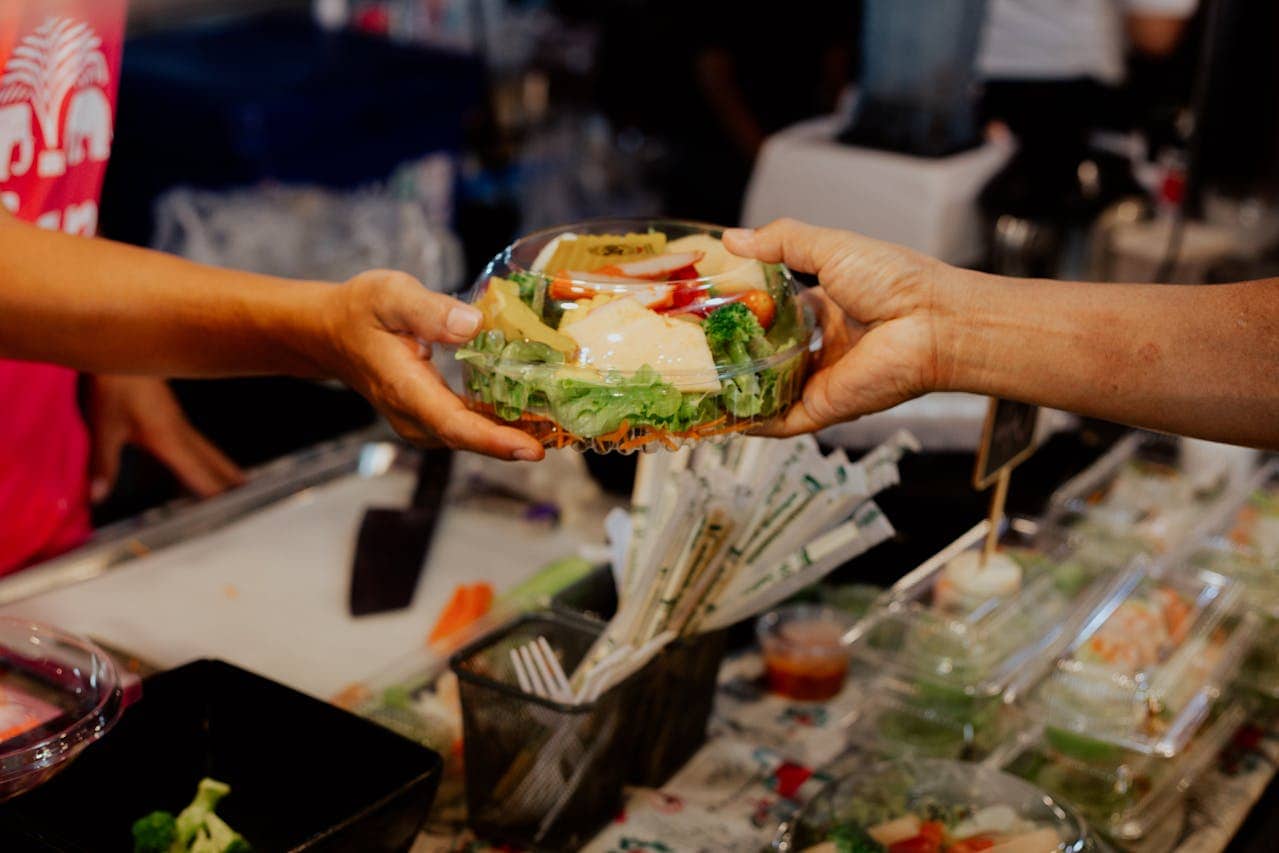
Pre-packaged salads may seem like a healthy and convenient option, but they’re also expensive. Plus, they often contain unhealthy dressings and toppings.
Instead, buy fresh vegetables and make your own salads at home. This allows you to control the ingredients and portion sizes, and it’s usually cheaper.
11. Disposable cleaning products
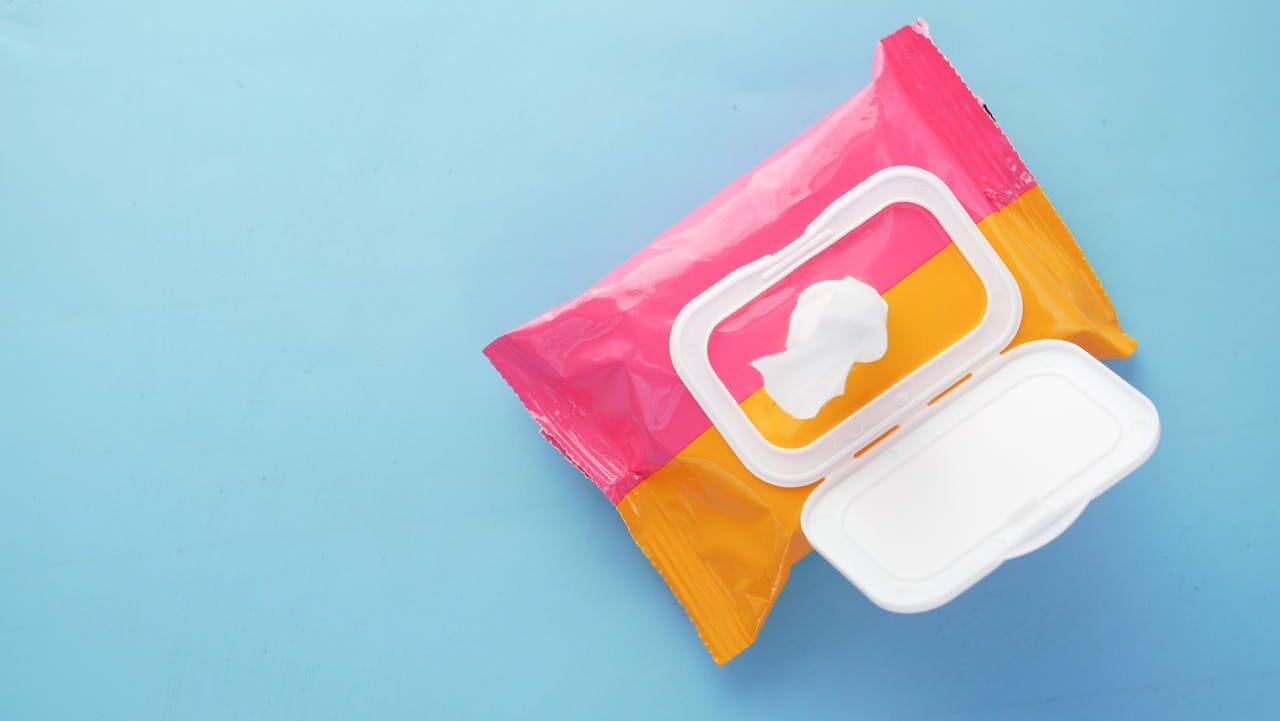
Disposable cleaning products can be convenient, but they’re also expensive and bad for the environment.
Instead, invest in reusable cleaning products like microfiber cloths and mop pads. Not only are these items more cost-effective in the long run, but they’re also better for the environment.
12. Bottled smoothies
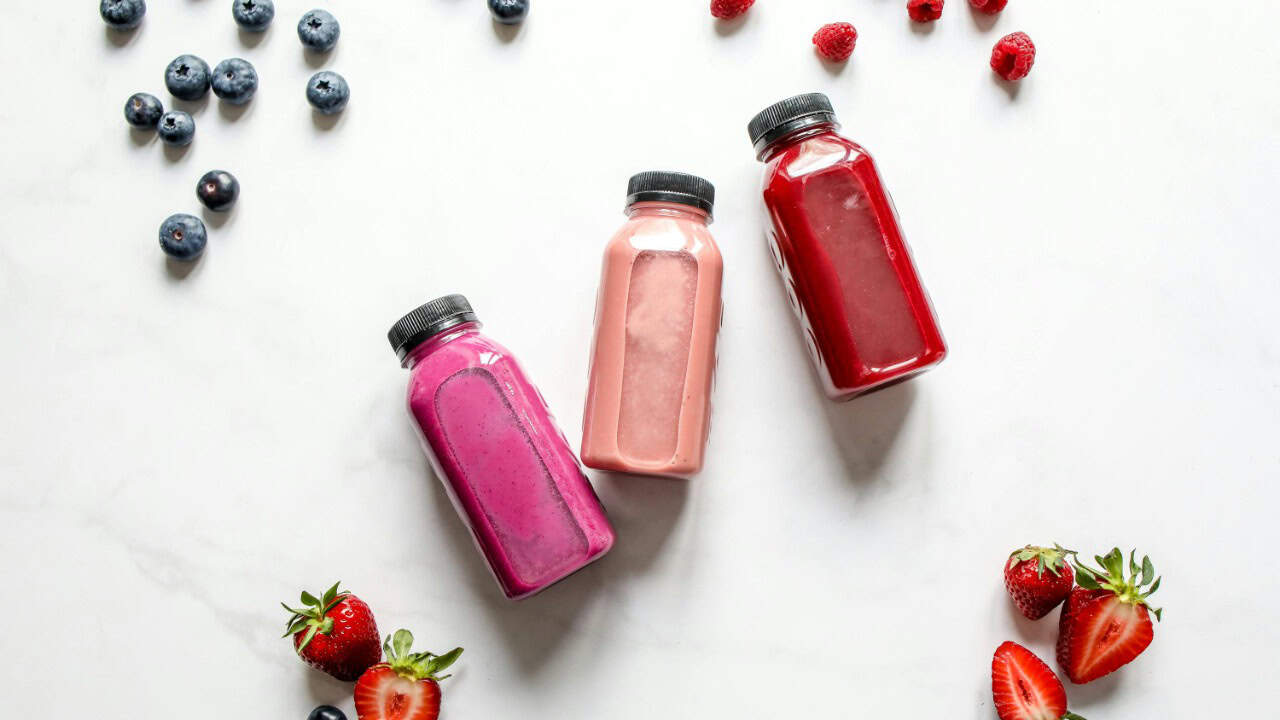
Bottled smoothies may seem like a healthy and convenient option, but they’re also expensive. Plus, they often contain added sugars and preservatives.
Instead, buy fresh fruits and make your own smoothies at home. This allows you to control the ingredients and portion sizes, and it’s usually cheaper.
13. Packaged meat
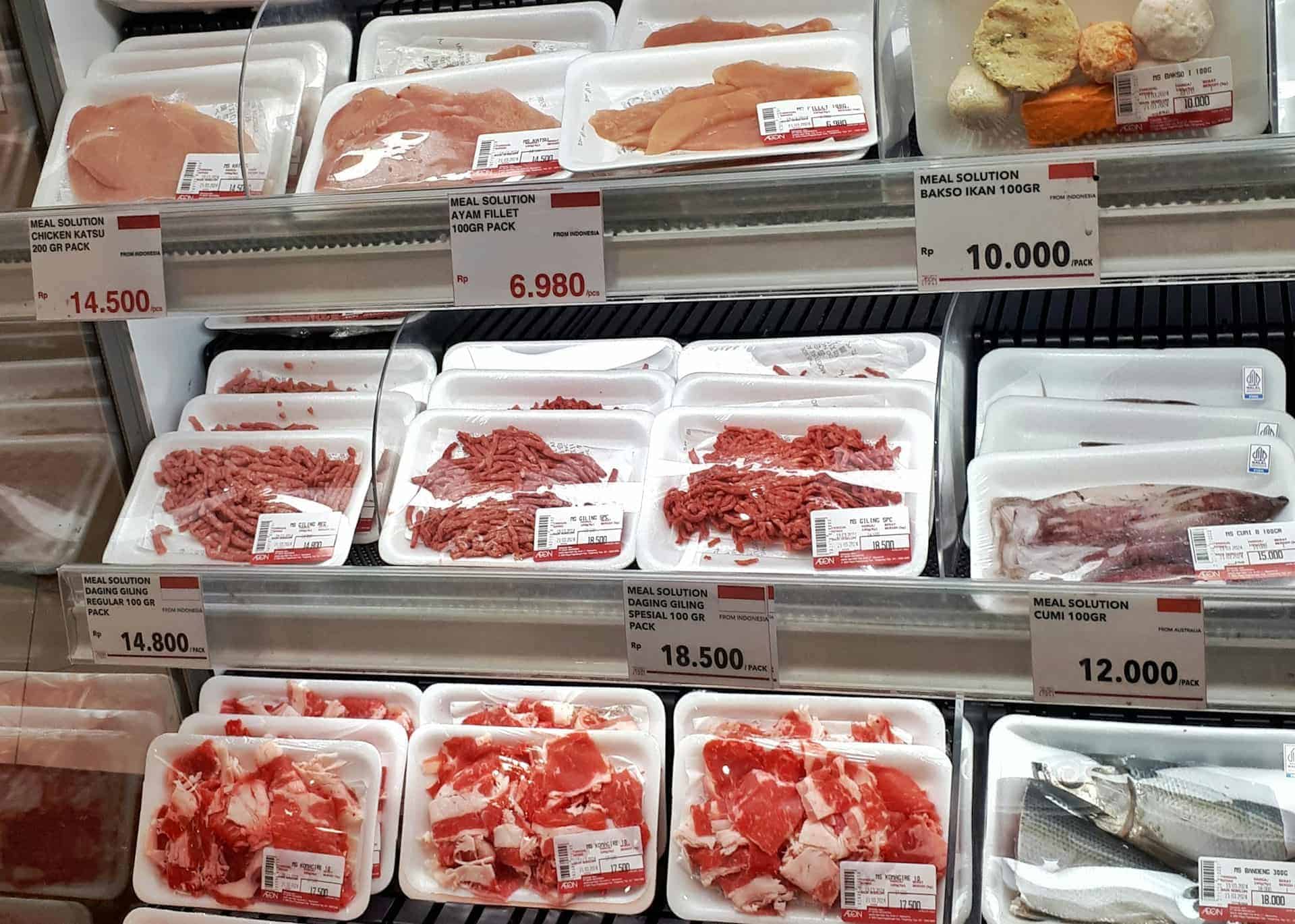
Packaged meat is often more expensive than buying it from the butcher counter. Plus, it may contain additives and preservatives.
Instead, buy fresh meat from the butcher counter. Not only is it usually cheaper, but you also have more control over the quality and cuts of meat.
14. Name-brand cereal
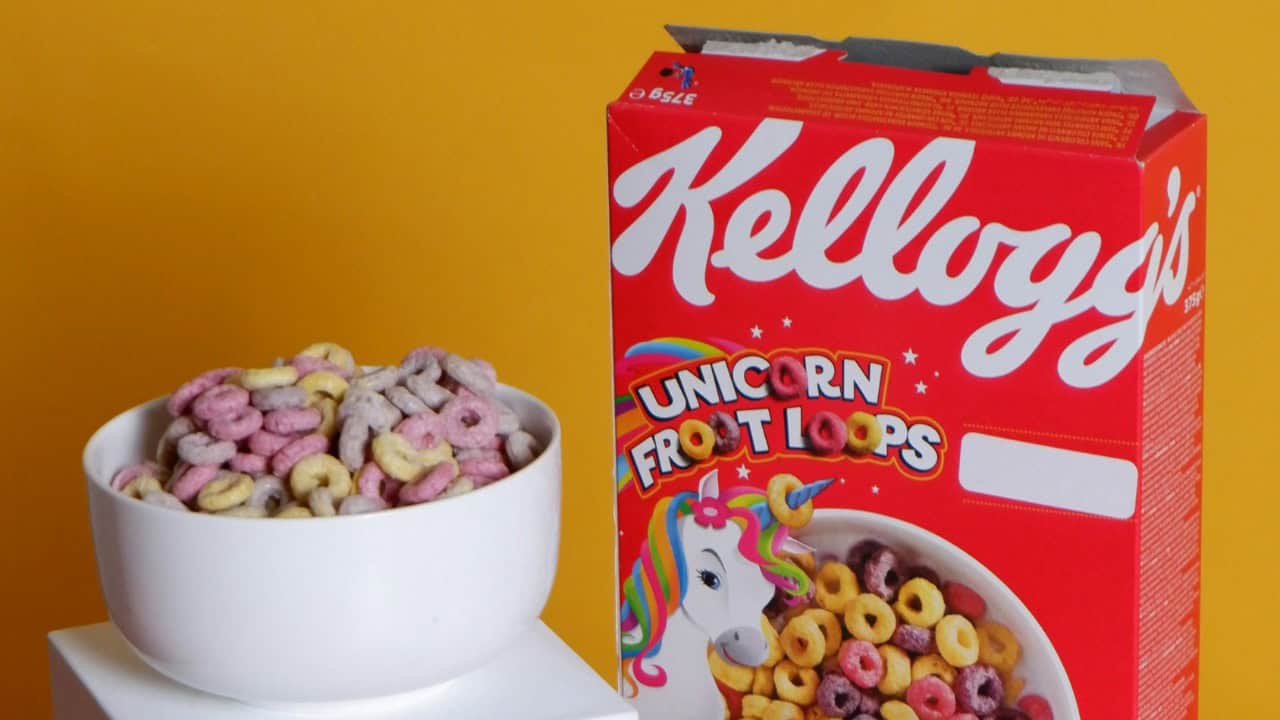
Name-brand cereals are often more expensive than their generic counterparts. Plus, they often contain added sugars and artificial flavors.
Instead, buy generic cereals or make your own breakfast at home. This allows you to control the ingredients and portion sizes, and it’s usually cheaper.
15. Soda
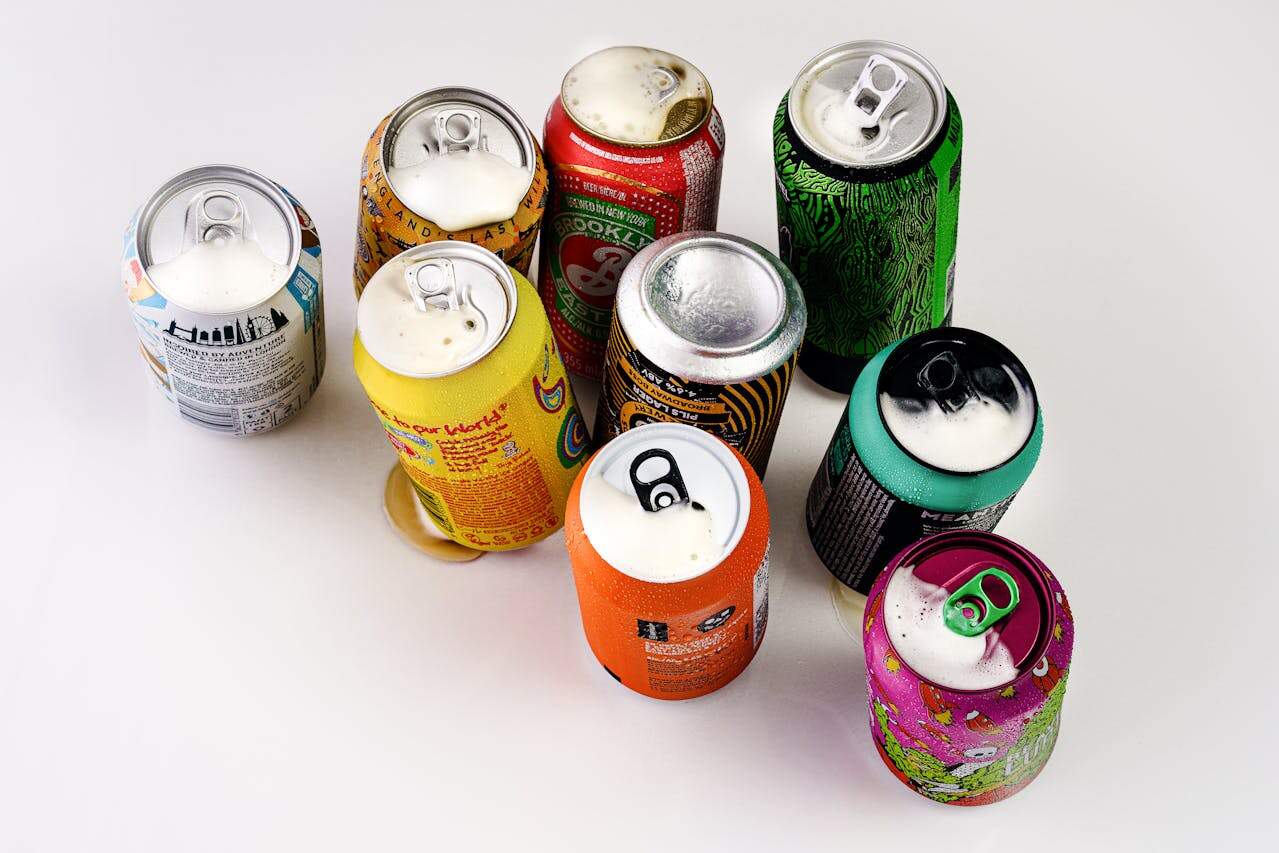
Soda is not only bad for your health, but it’s also a waste of money. Plus, it often contains high amounts of sugar and artificial flavors.
Instead, drink water or make your own healthy drinks at home. This allows you to control the ingredients and portion sizes, and it’s usually cheaper.