Food, glorious food! From the freshest sushi to the spiciest curry, there’s nothing quite like the joy of trying something new and delicious from another culture. But sometimes, the cost of imported ingredients can make our international culinary adventures a little less palatable. The good news is that, with a little knowledge and preparation, you can still enjoy these world cuisines without breaking the bank.
Today we’ll explore 15 imported foods that will cost you extra, and provide some tips on how to enjoy these delicacies without emptying your wallet.
Advertisement
1. Truffle Oil
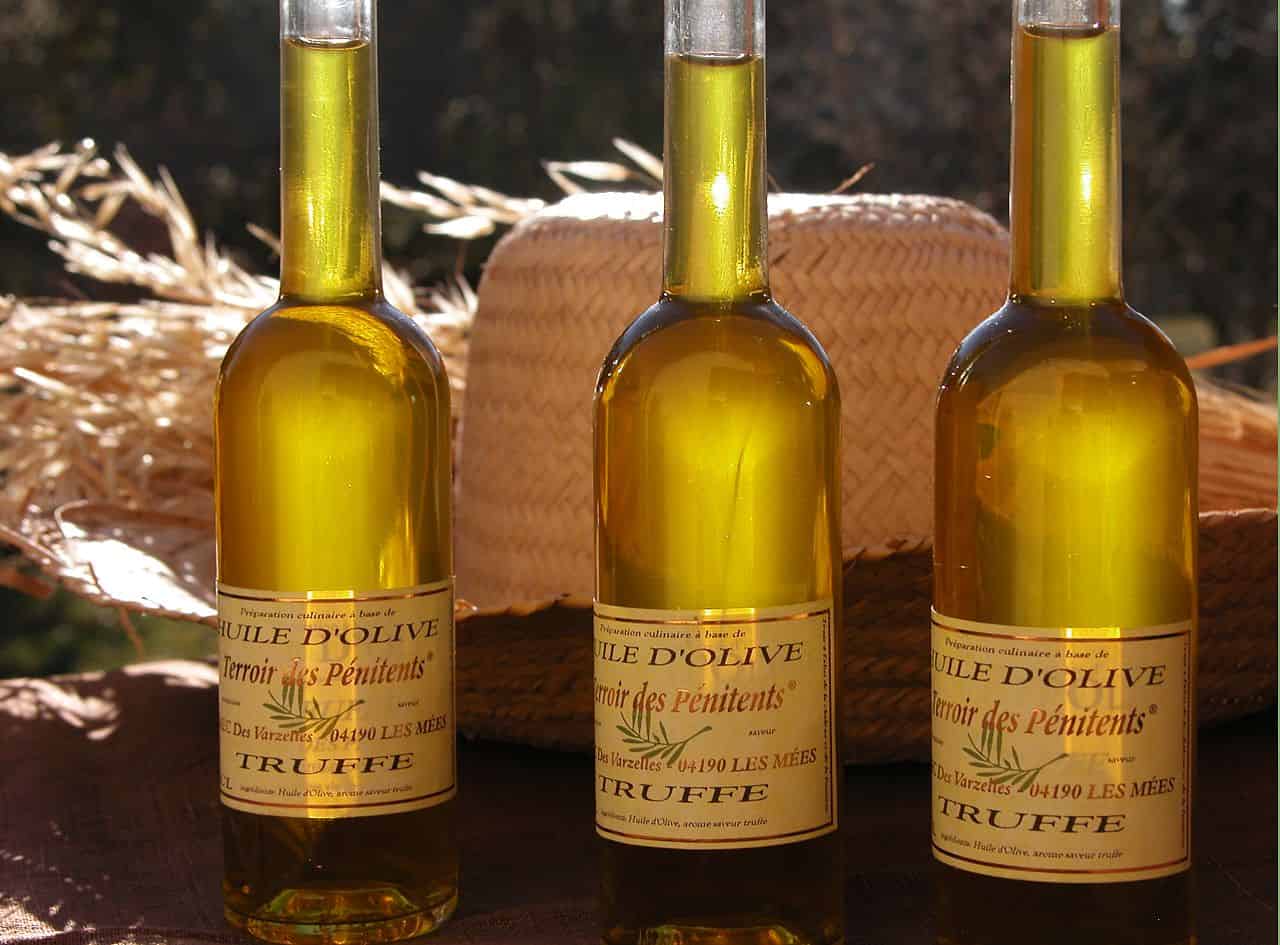
Truffle oil is a luxury ingredient that originates from Italy and France. It’s made by infusing oil with the aroma of truffles, a type of fungus that grows underground near tree roots. Truffle oil can add a distinctive, earthy flavor to any dish, but this special ingredient comes with a hefty price tag.
The cost is due to the rarity and difficulty of harvesting truffles, which have to be sniffed out by specially trained dogs or pigs. Additionally, the strength of the flavor means that only a tiny amount of truffles is needed to make truffle oil, which further increases the cost. If you’re a fan of the unique taste of truffles, consider using truffle salt or truffle-flavored cheese as a more affordable alternative.
2. Japanese Wagyu Beef
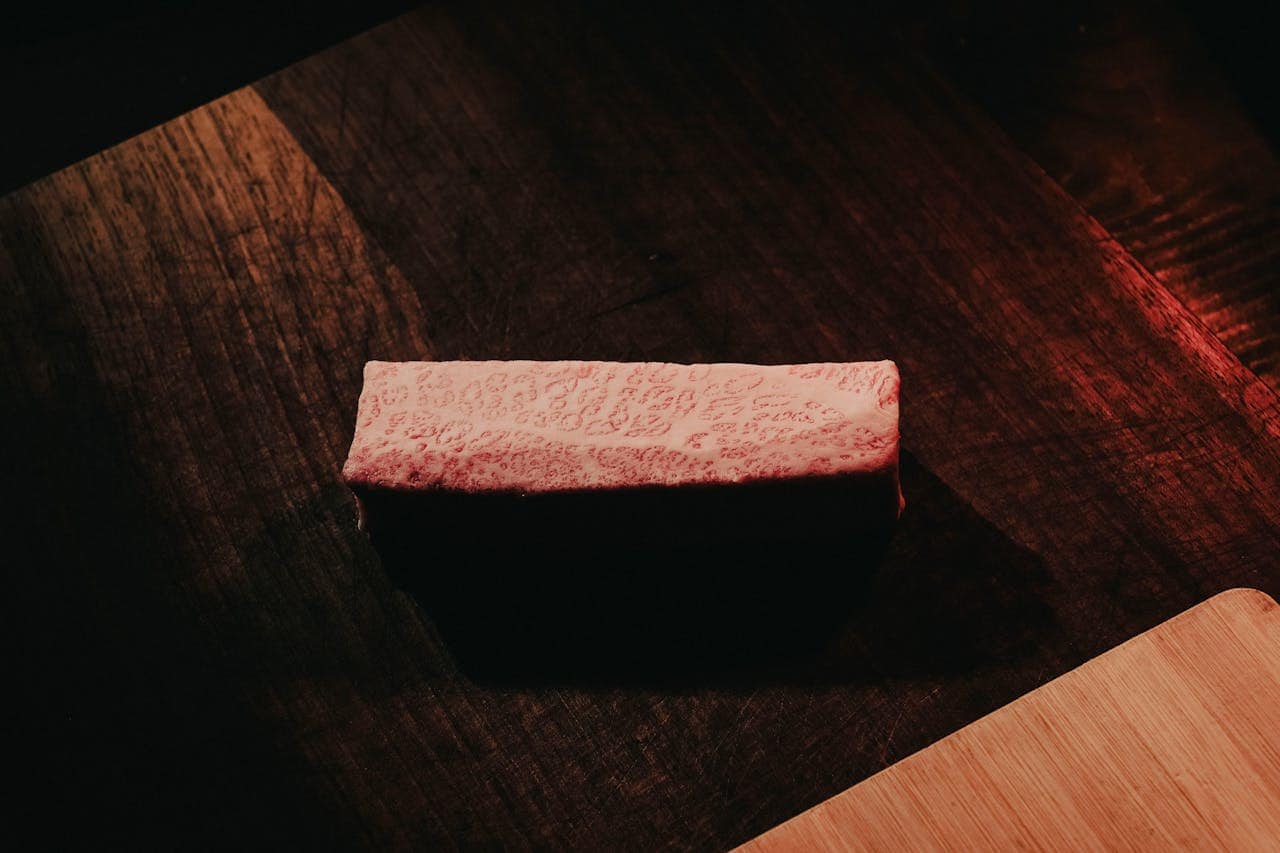
Wagyu beef, known for its rich marbling and melt-in-your-mouth texture, is a type of beef that originates from Japan. However, due to strict regulations on the export of Japanese beef, Wagyu is often quite expensive in countries outside of Japan.
The cows used to produce Wagyu beef are raised under very specific conditions, which results in a high-quality product that commands a high price. If you want to try Wagyu beef without spending a fortune, look for restaurants that offer it as part of a tasting menu, or try American Wagyu, which is often less expensive.
3. Saffron
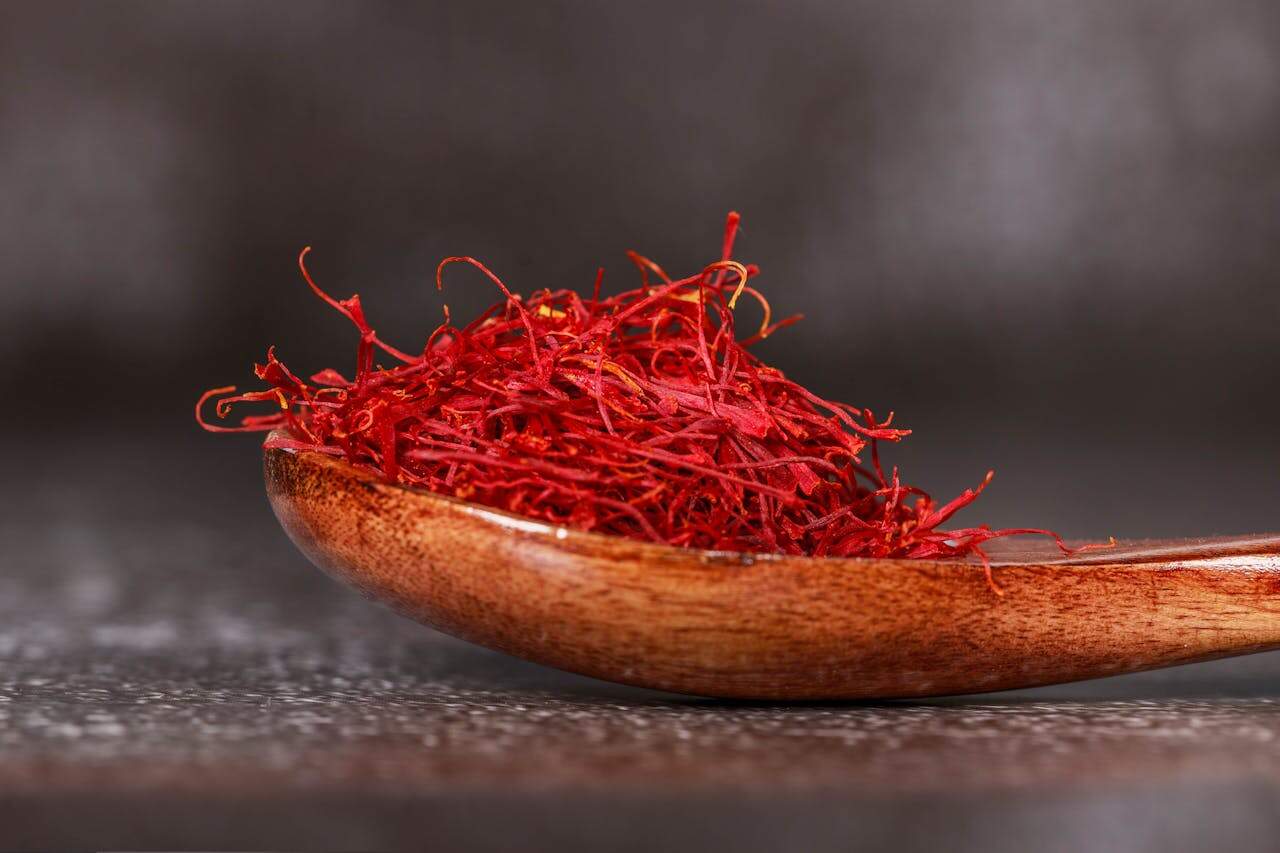
Saffron, a spice derived from the flower of Crocus sativus, is one of the most expensive spices in the world. It’s primarily used in Persian, Indian, and Spanish cuisines, and it adds a unique flavor and vibrant color to dishes.
Saffron is so expensive because it’s labor-intensive to harvest. Each flower only produces three saffron threads, and these threads must be carefully picked by hand. You can still enjoy the taste of saffron without the high cost by using it sparingly or substituting it with turmeric in some recipes.
4. Caviar
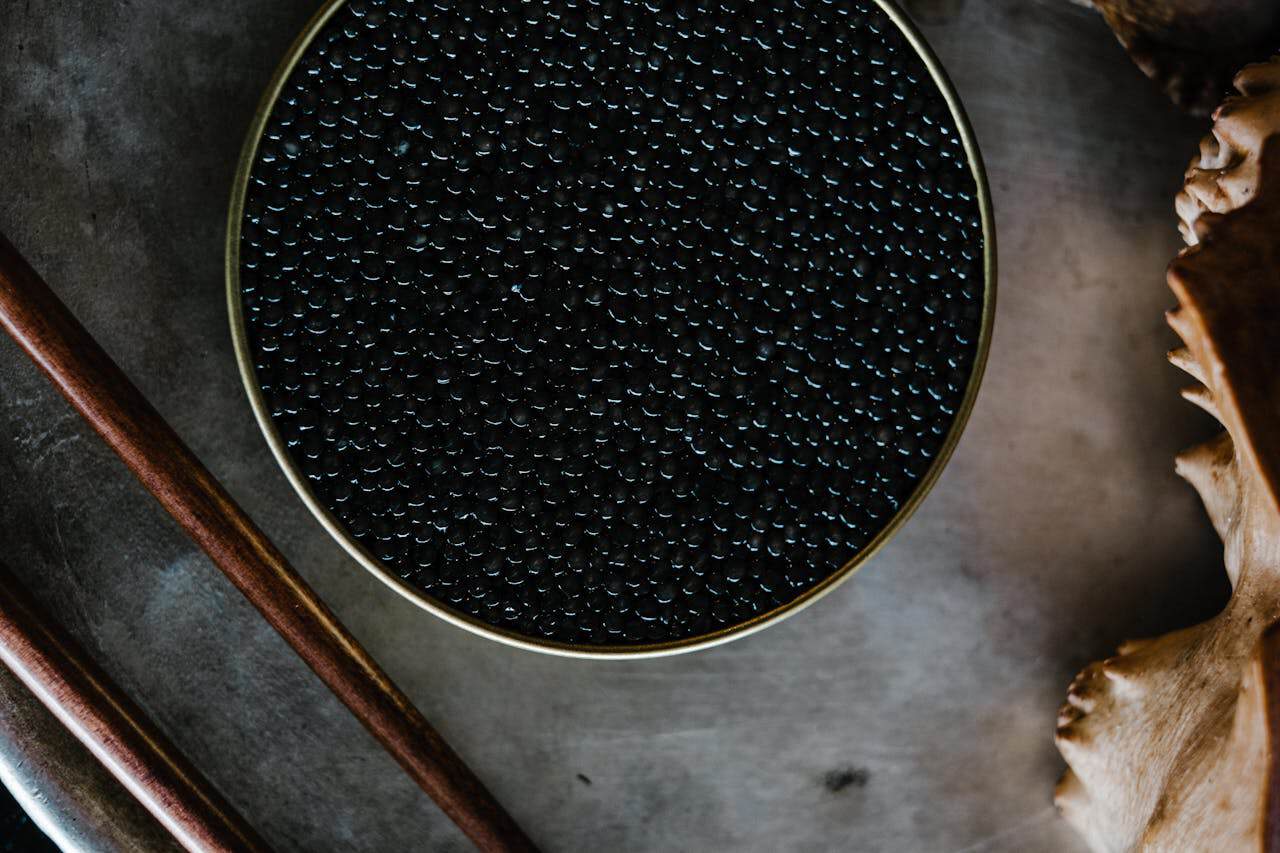
Caviar, or fish eggs, is a delicacy that’s often associated with luxury and opulence. It’s most commonly derived from sturgeon fish in the Caspian and Black Sea regions, although other varieties exist. Caviar is typically enjoyed as a spread or garnish on hors d’oeuvres and other gourmet dishes.
Caviar’s high price tag is due to the scarcity of sturgeon, the long maturation period of the fish, and the intricate process of extracting and preserving the eggs. If you’re craving the taste of caviar but can’t afford the real thing, consider trying roe from other fish like salmon or trout, which is often less expensive.
5. Foie Gras
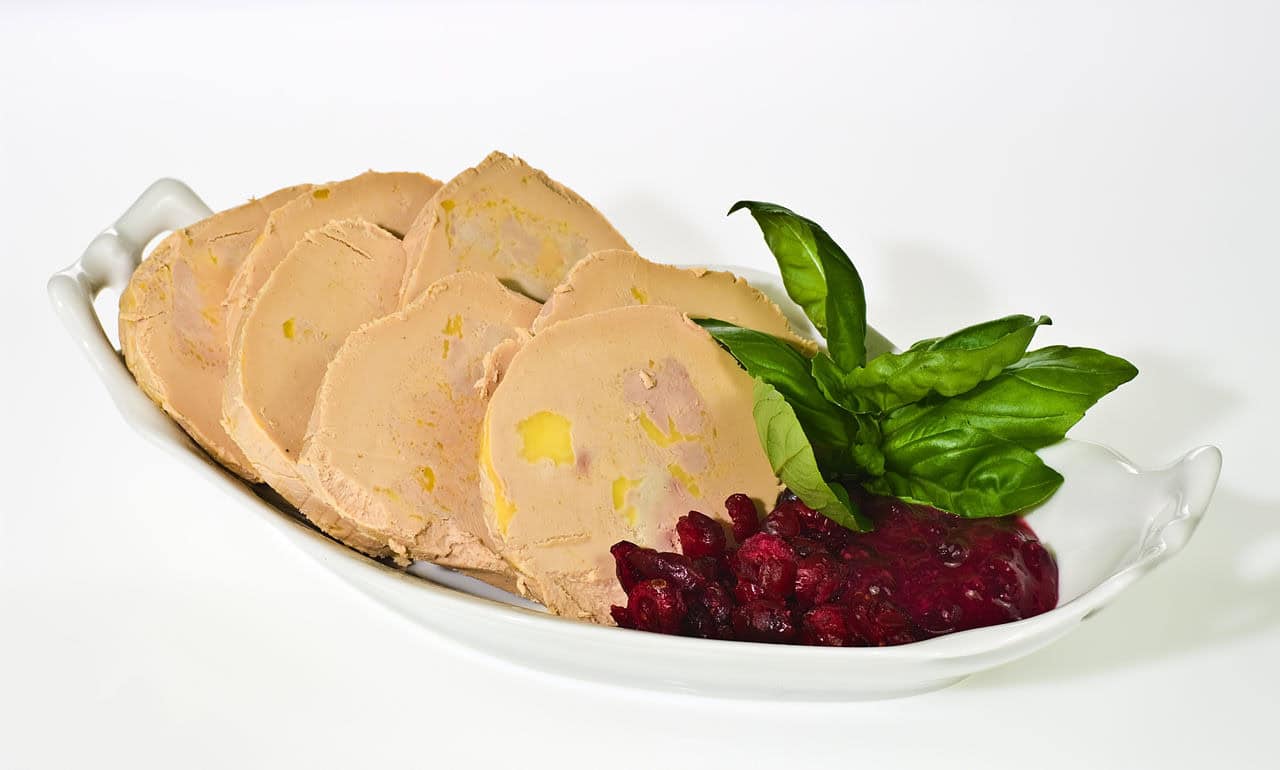
Foie gras is a French delicacy made from the liver of a duck or goose that has been specially fattened. It’s a controversial food product due to the force-feeding method used to fatten the birds, and it’s banned in several countries.
The cost of foie gras is high due to the specific feeding process and the delicacy of handling and preparing the liver. If you want to try foie gras but are concerned about the ethical implications (or the cost), consider trying a pâté or mousse made from chicken or pork liver instead.
6. Vanilla

Vanilla is a common flavoring used in a wide variety of foods and beverages, from ice cream to coffee. However, real vanilla is one of the most expensive spices in the world, second only to saffron.
The high cost of vanilla is due to the labor-intensive process of cultivating and processing the beans. If you’re a fan of the rich, complex flavor of real vanilla, consider buying vanilla beans and making your own extract at home. It’s more cost-effective and allows you to control the quality and strength of the flavor.
7. Matsutake Mushrooms
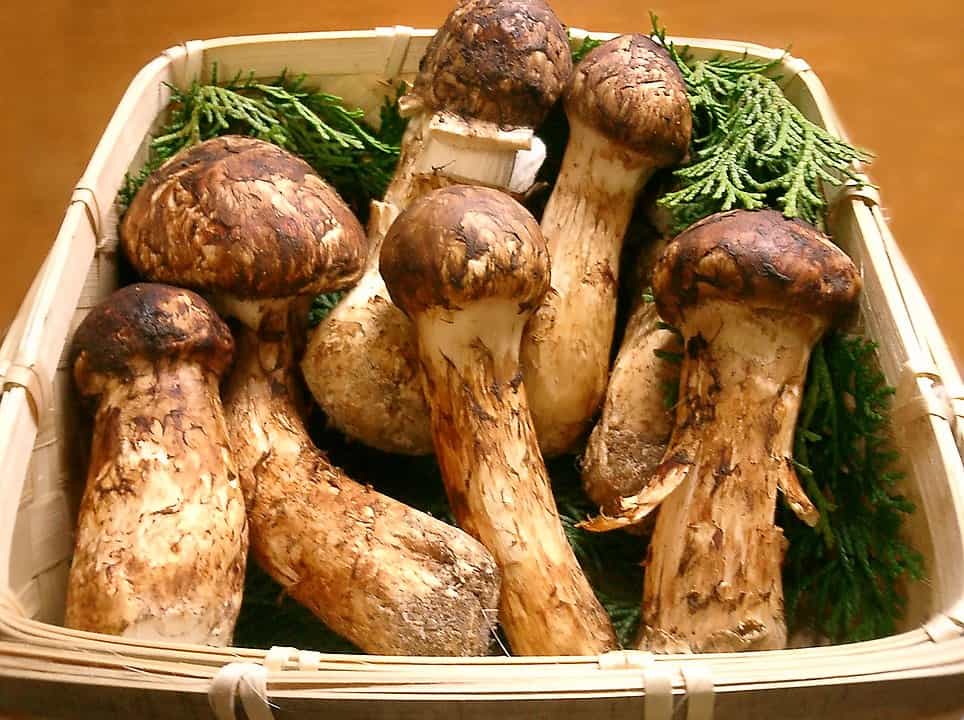
Matsutake mushrooms are a prized ingredient in Japanese cuisine. They have a distinctive spicy-aromatic odor and are often used in soups, rice dishes, and other traditional Japanese meals.
These mushrooms are notoriously difficult to cultivate, which is why they’re often foraged in the wild. This rarity, coupled with their unique flavor, makes Matsutake mushrooms quite expensive. If you’re a mushroom lover on a budget, consider trying shiitake or cremini mushrooms, which are more affordable and widely available.
8. Bird’s Nest Soup
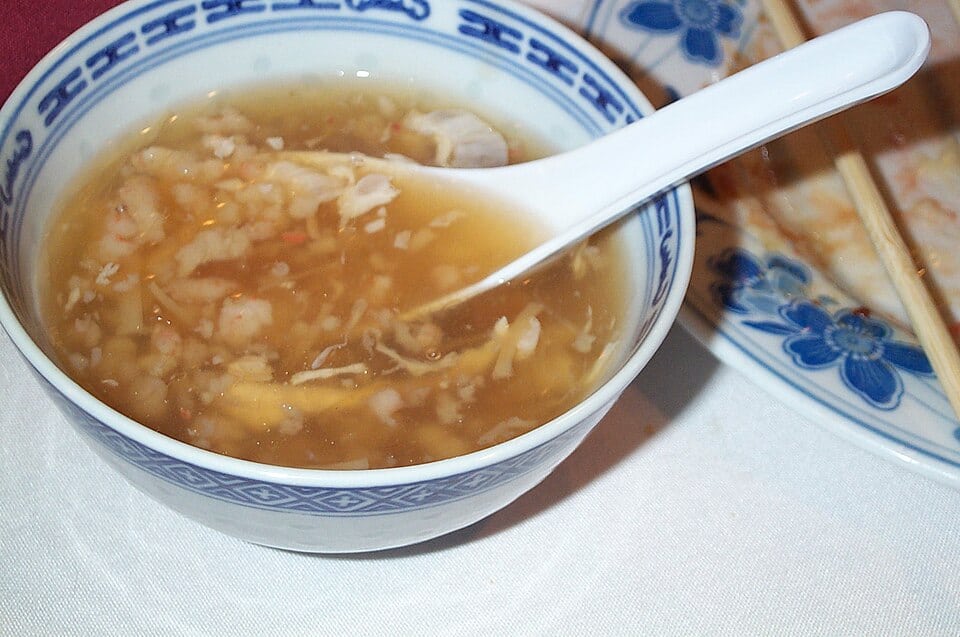
Bird’s nest soup is a delicacy in Chinese cuisine. It’s made from the nests of swiftlets, which are small birds native to Southeast Asia. The nests are made from the bird’s own saliva, which hardens when exposed to air.
Harvesting these nests is a dangerous and labor-intensive process, which contributes to the dish’s high cost. If you’re curious about this unique soup but don’t want to pay a high price, consider trying other traditional Chinese soups that are more affordable and easier to find.
9. Abalone
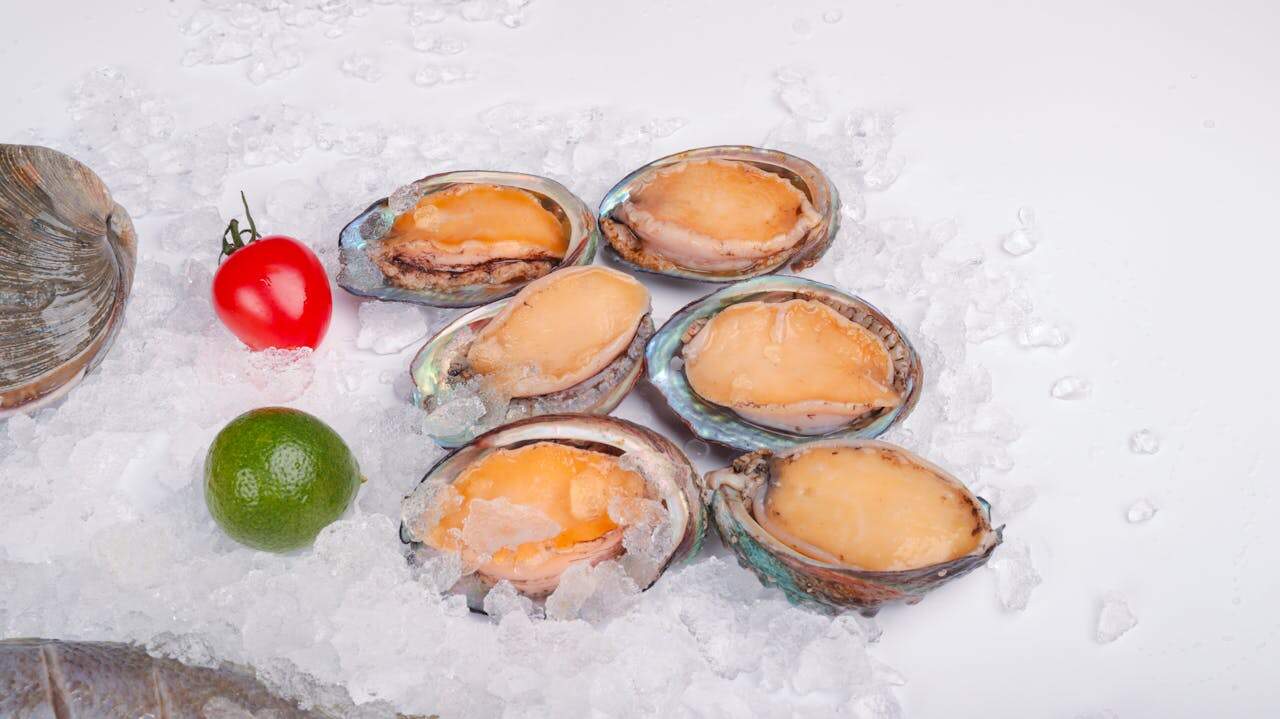
Abalone is a type of sea snail that’s considered a delicacy in many parts of the world, particularly in East Asia and South Africa. It’s prized for its tender flesh and unique, slightly sweet flavor.
The high cost of abalone is due to its scarcity and the difficulty of farming it. If you want to try abalone without paying a high price, consider trying it at a restaurant during a special occasion or choosing a less expensive type of seafood instead.
10. Manuka Honey
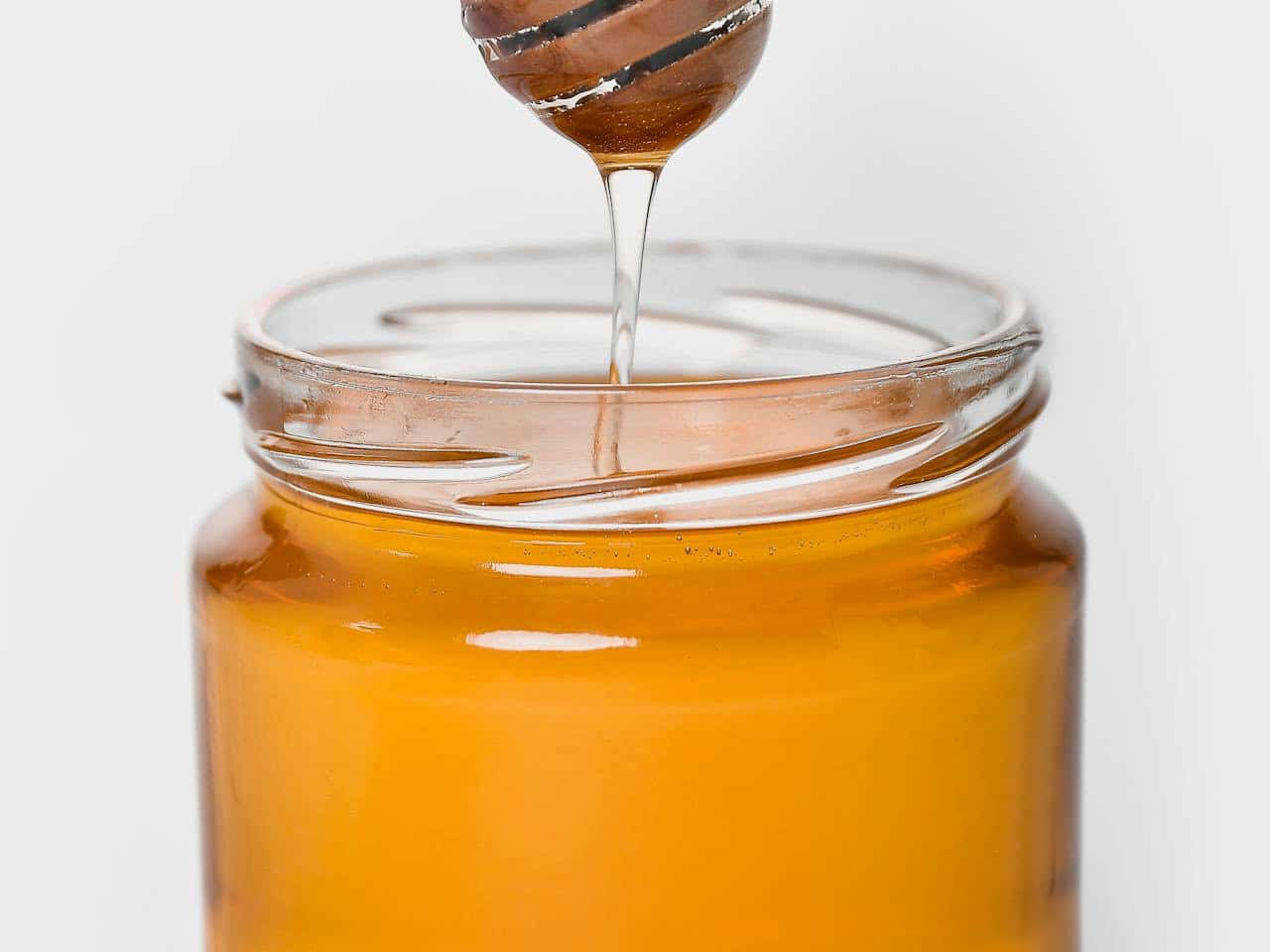
Manuka honey is a type of honey native to New Zealand. It’s made by bees that pollinate the manuka bush, and it’s known for its rich flavor and potential health benefits.
The cost of manuka honey is high due to its limited production (it can only be made in New Zealand) and its purported health properties. If you enjoy the taste of honey but don’t want to spend a lot on manuka, consider trying local honey, which is often less expensive and supports local beekeepers.
11. Iberico Ham
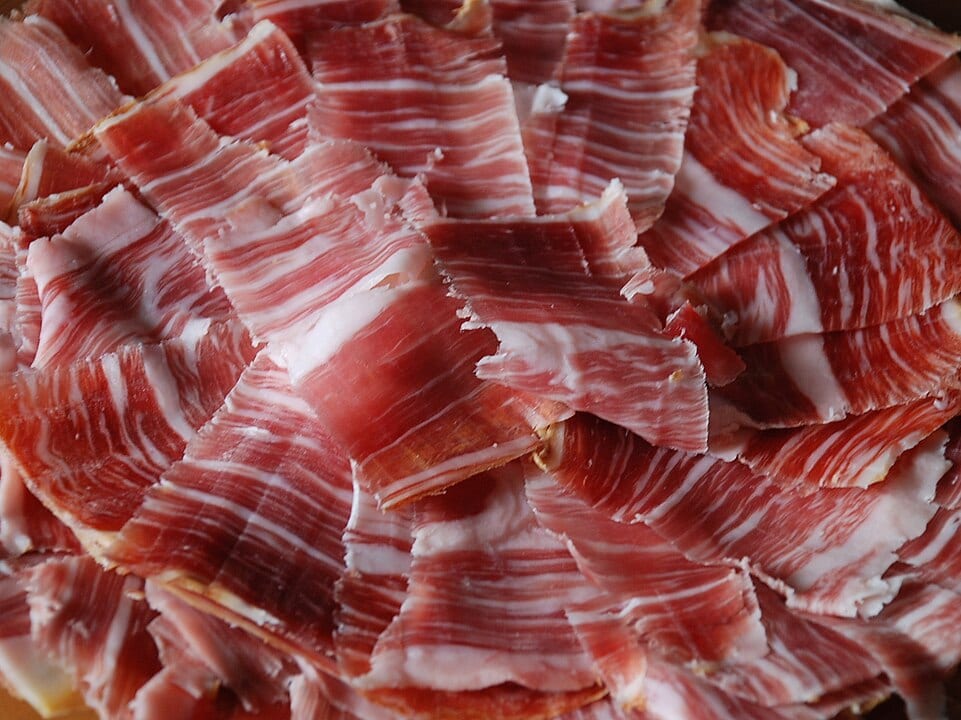
Iberico ham, also known as jamón ibérico, is a type of cured ham from Spain. It’s made from the black Iberian pig, which roams free in the Spanish countryside and feeds on acorns.
The high cost of Iberico ham is due to the specific breed of pig used, the pig’s diet, and the lengthy curing process. If you’re a fan of cured meats but can’t afford Iberico ham, consider trying prosciutto, which is a similar type of cured ham from Italy that’s often less expensive.
12. Kopi Luwak Coffee
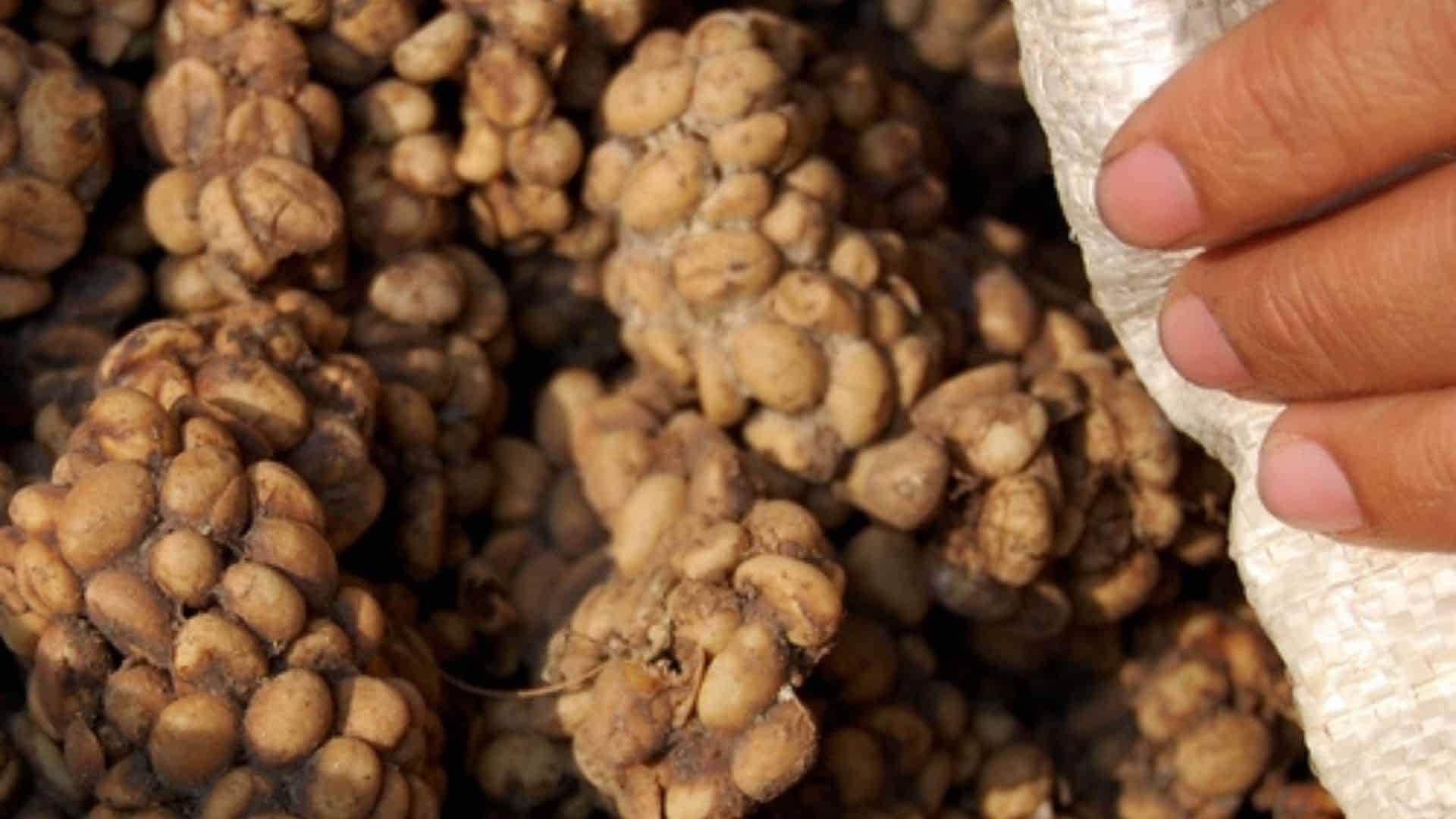
Kopi luwak is a type of coffee that originates from Indonesia. What makes this coffee unique (and expensive) is that the coffee beans are eaten and excreted by a small mammal called the Asian palm civet.
The high cost of kopi luwak is due to the unique production process and the rarity of the beans. If you’re a coffee enthusiast looking for a unique taste, consider trying single-origin coffees, which offer a wide range of flavors and are often more affordable.
13. White Truffles
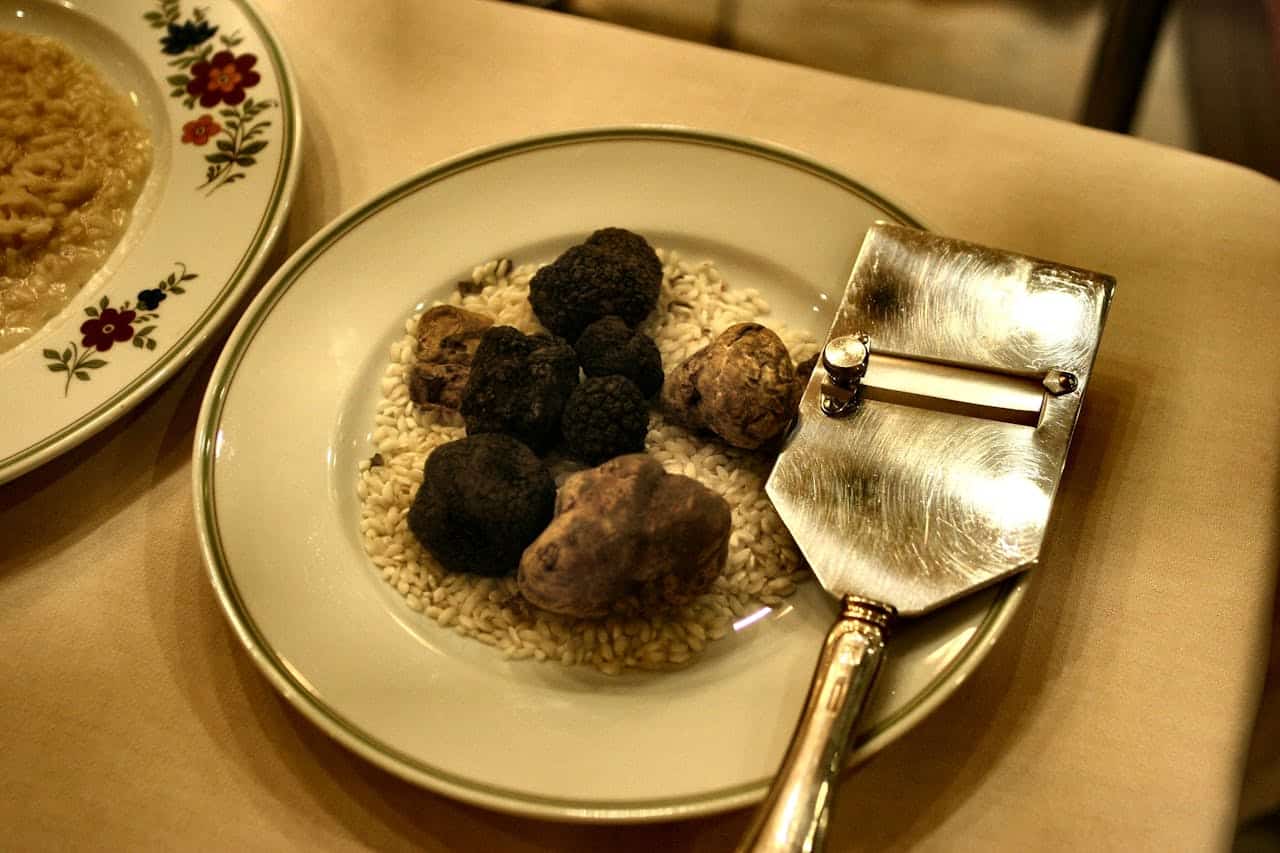
White truffles are a type of fungus that grows underground in the roots of certain trees. They’re highly prized in gourmet cooking for their unique, earthy flavor.
White truffles are expensive due to their rarity and the difficulty of harvesting them. If you’re a fan of the taste of truffles, consider using truffle oil or truffle salt, which are more affordable ways to add that distinctive truffle flavor to your dishes.
14. Bluefin Tuna
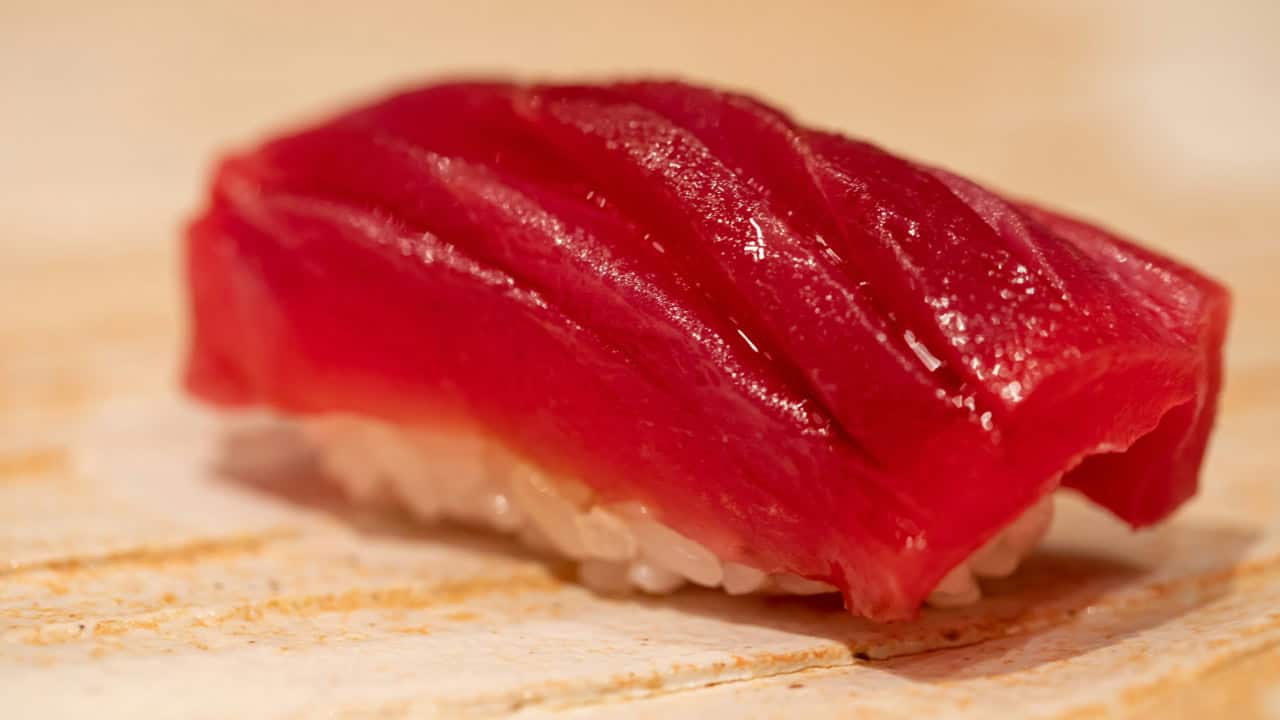
Bluefin tuna is a type of fish that’s highly prized in sushi and sashimi dishes. It’s known for its rich, buttery flavor and tender texture.
The high cost of bluefin tuna is due to its popularity and overfishing, which has led to a decline in the population. If you love sushi but don’t want to spend a fortune on bluefin tuna, consider trying other types of fish like salmon or yellowtail, which are often more affordable.
15. Oysters
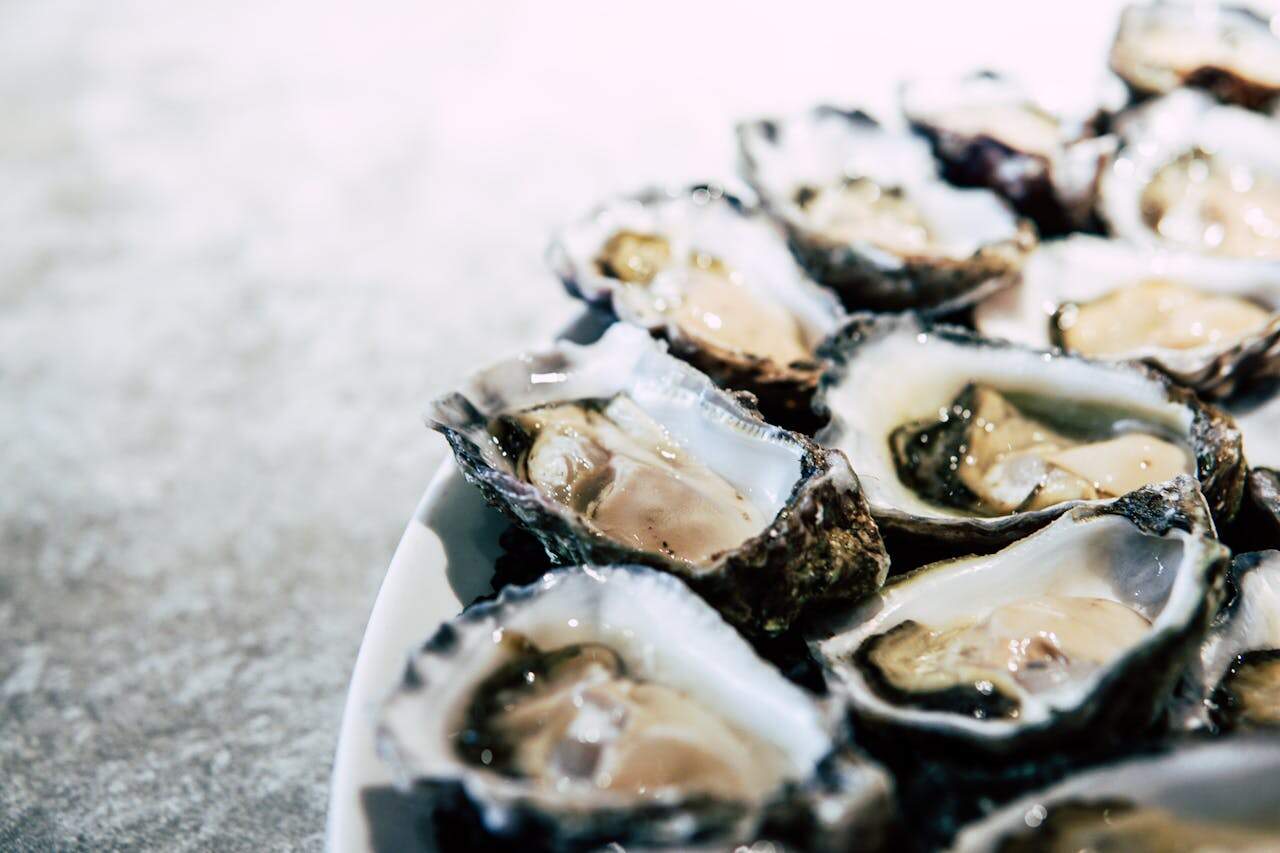
Oysters are a type of shellfish that’s often served raw on the half-shell or cooked in various dishes. They’re known for their briny flavor and creamy texture.
The cost of oysters can vary widely depending on the type and where they’re from, but some varieties can be quite expensive. If you’re a fan of seafood but don’t want to spend a lot on oysters, consider trying mussels or clams, which are often more affordable.