Gardening can be challenging when your soil is poor, the weather is harsh, or your space gets limited sunlight. You might feel discouraged if plants often struggle to grow despite your efforts.
These are plants that can thrive even in tough conditions, making your gardening experience easier and more rewarding. These resilient plants are great options when you want greenery without constant worry about care or environment.
Advertisement
Stonecrop (Sedum)

Stonecrop, or sedum, is a great choice if you want a plant that’s easy to care for. You’ll find it in many colors and shapes, making it versatile for your garden or indoor space.
These plants store water in their leaves, so they handle drought well. They also tolerate poor soil and a range of temperatures, making them quite resilient.
Catmint (Nepeta)
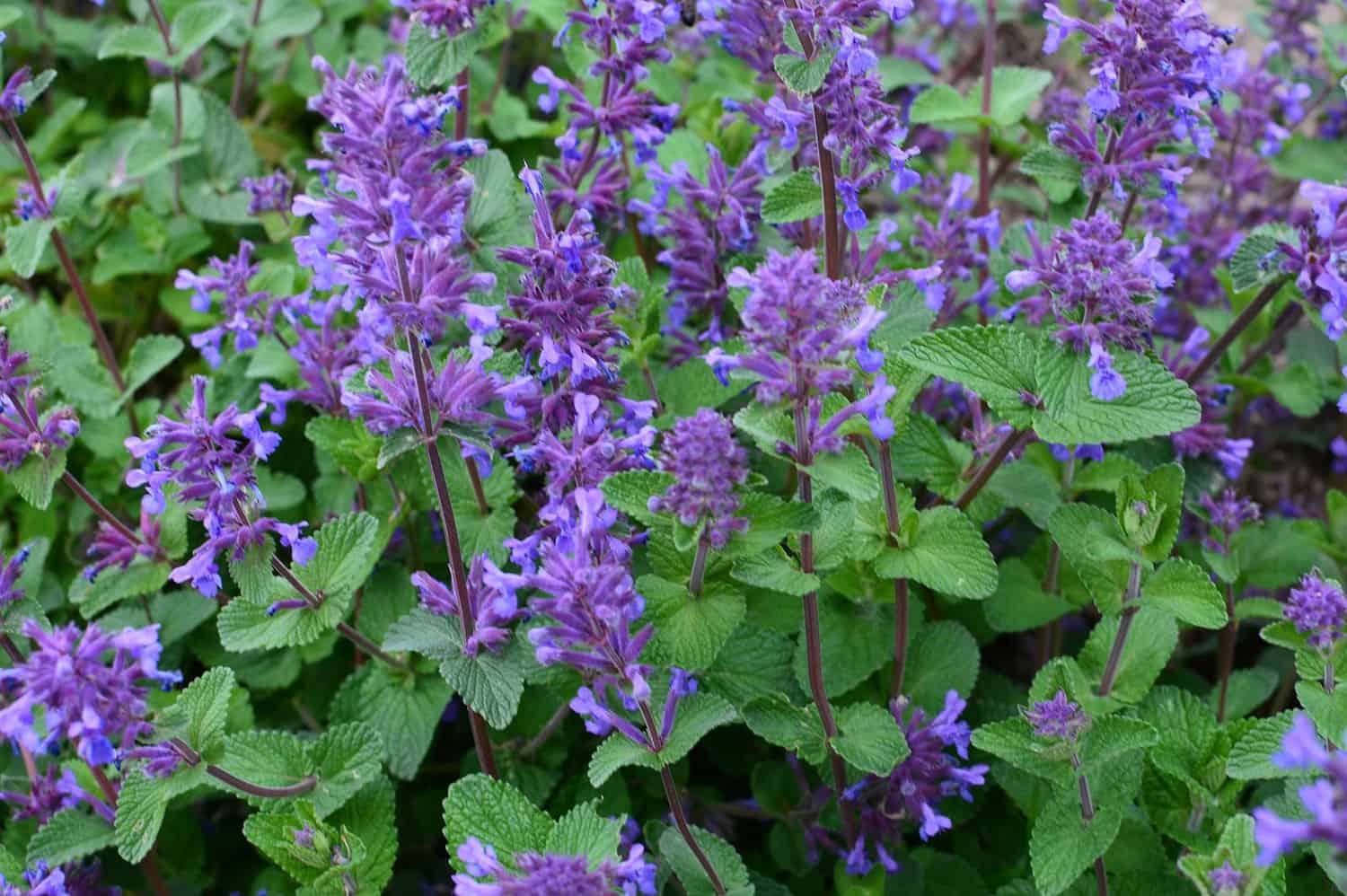
Catmint is an excellent choice if you want a low-maintenance plant. It thrives in full sun and well-drained soil, making it perfect for dry, tough spots.
You don’t need to water it often because it’s drought tolerant. Its aromatic flowers attract pollinators like bees and butterflies, adding life to your garden.
This hardy perennial grows quickly and can fill in borders or rock gardens nicely. It’s a friendly, reliable plant for your challenging garden areas.
Lavender (Lavandula)
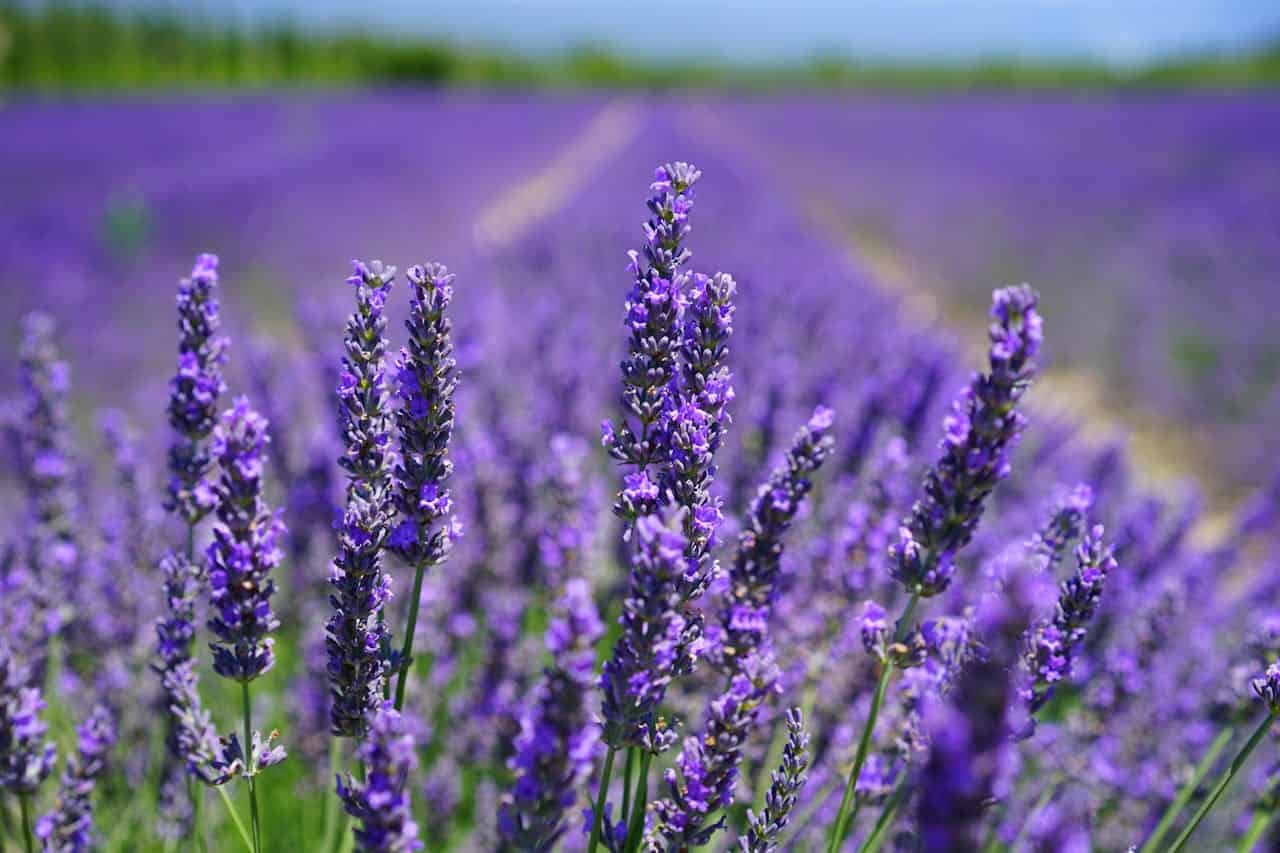
Lavender is a great choice if you want a plant that handles tough soil and dry conditions well. It prefers lean, well-draining soil and thrives in full sun.
If you live in colder areas, English Lavender (Lavandula angustifolia) is hardy and resilient. For milder climates, French Lavender offers colorful blooms without worrying about harsh winters.
Beardtongue (Penstemon)
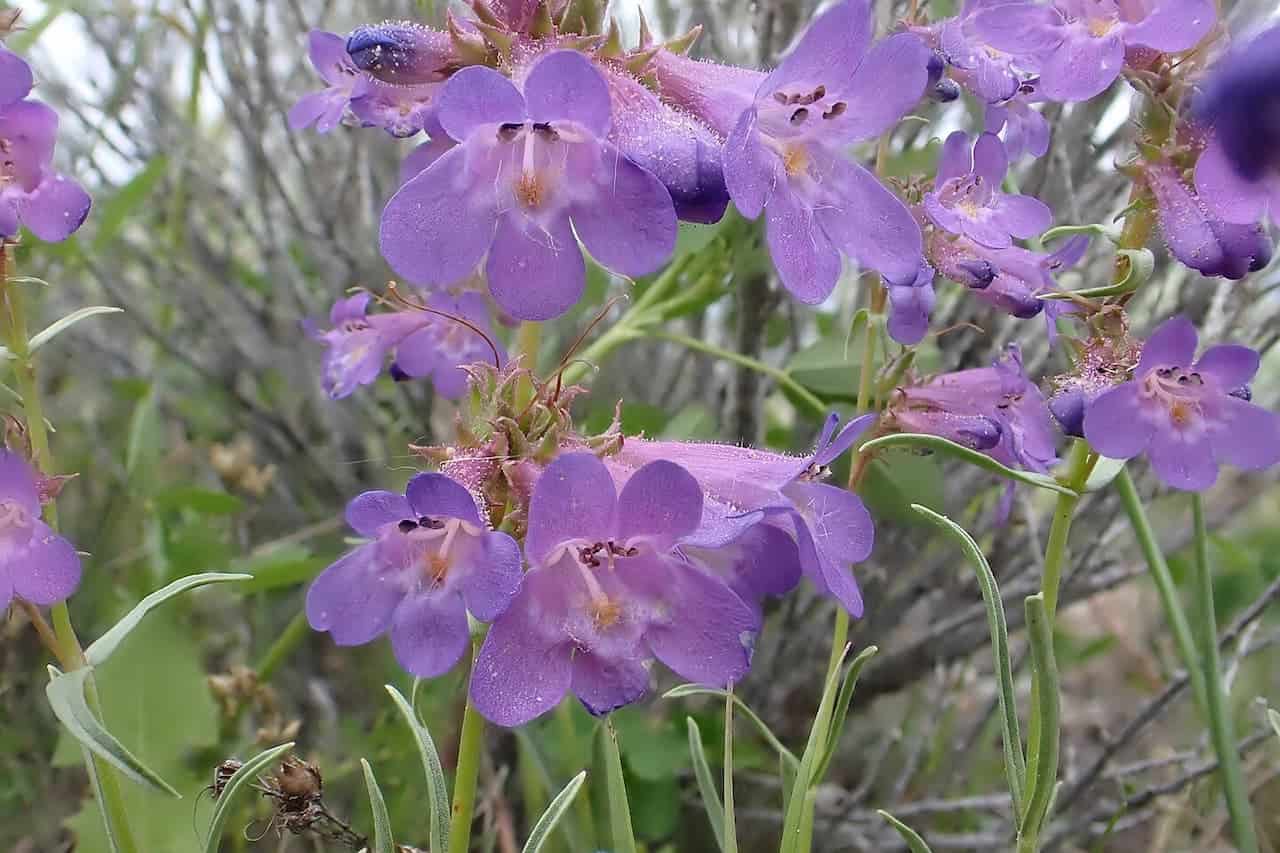
Beardtongue is a great choice if you want a tough plant that handles drought well. It attracts pollinators with colorful, long-lasting flowers.
You’ll want to plant it in well-drained soil because it doesn’t like wet feet. Raised beds or sloped areas work best to avoid winter moisture problems.
This adaptable perennial thrives in many soil types and is low-maintenance, making it perfect for busy gardeners.
Tickseed

Tickseed is a great choice if you want a plant that handles tough soil and dry conditions well. You’ll find it blooms for a long time, adding bright color to your garden.
It grows best in full sun and can reach up to 2-3 feet tall. Once established, it needs little care, making it perfect if you want low-maintenance beauty.
Adam’s Needle
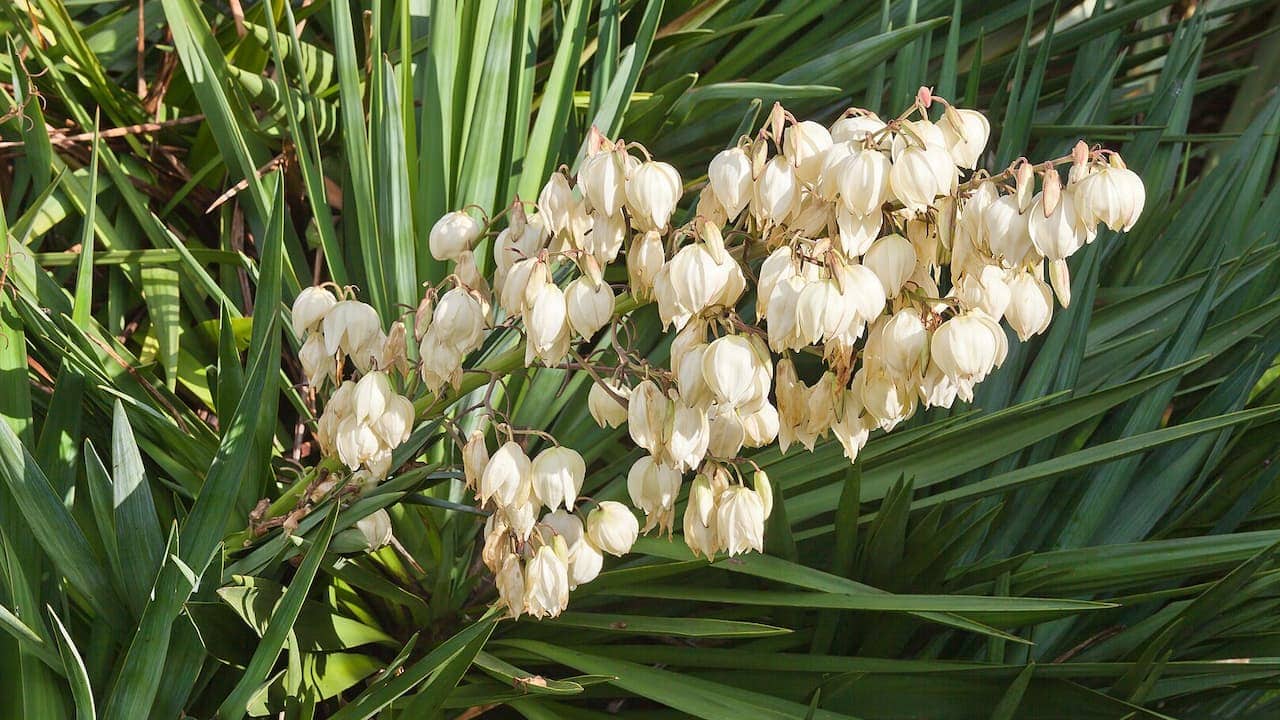
Adam’s Needle is a tough plant that grows well in dry, sunny spots. You’ll appreciate how it handles poor soil and drought without much care.
Its sharp, sword-like leaves add texture to your garden, and it blooms twice a year. This plant also resists pests like deer and rabbits, making it a practical choice.
Beehive Cactus
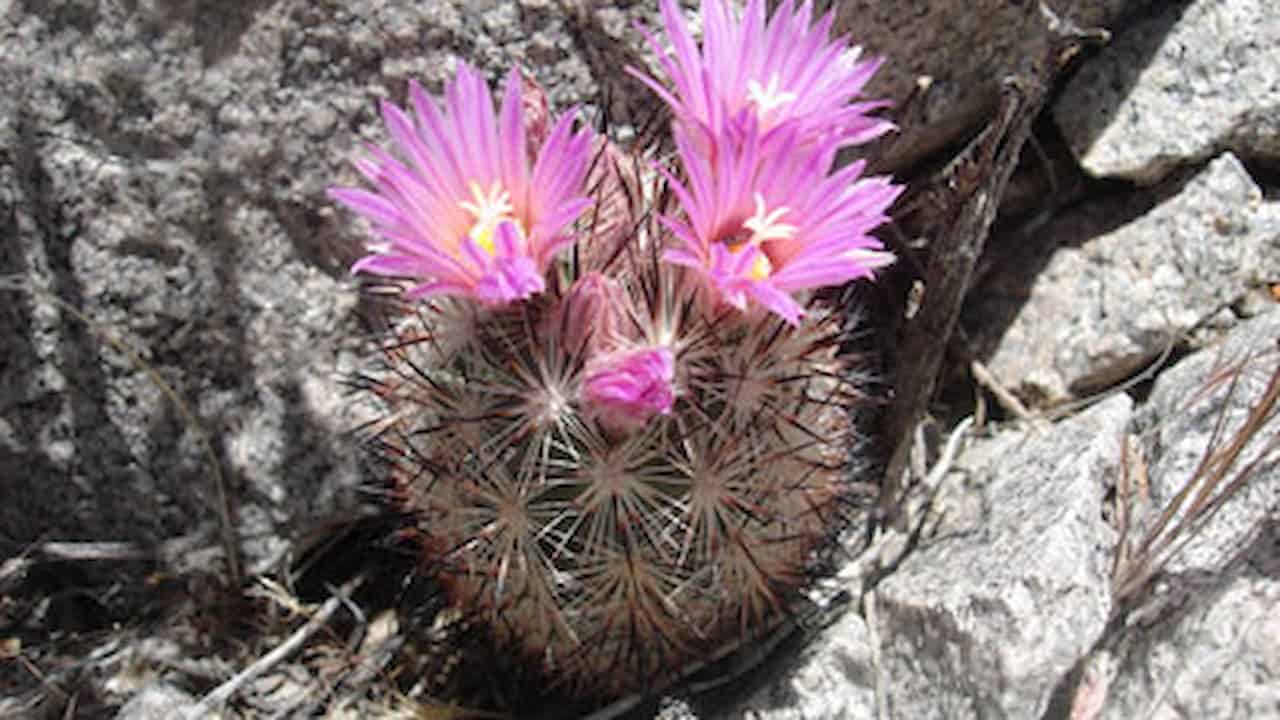
The Beehive Cactus is a small, rounded cactus native to western North America and central Mexico. It’s named for its shape, which looks like a traditional beehive.
You’ll want to place it in full sun, ideally 6 to 8 hours a day. It’s a low-maintenance plant that can handle tough, dry conditions. This makes it perfect if you’re looking for a resilient cactus to brighten your space.
ROCK ‘N LOW® Sedum
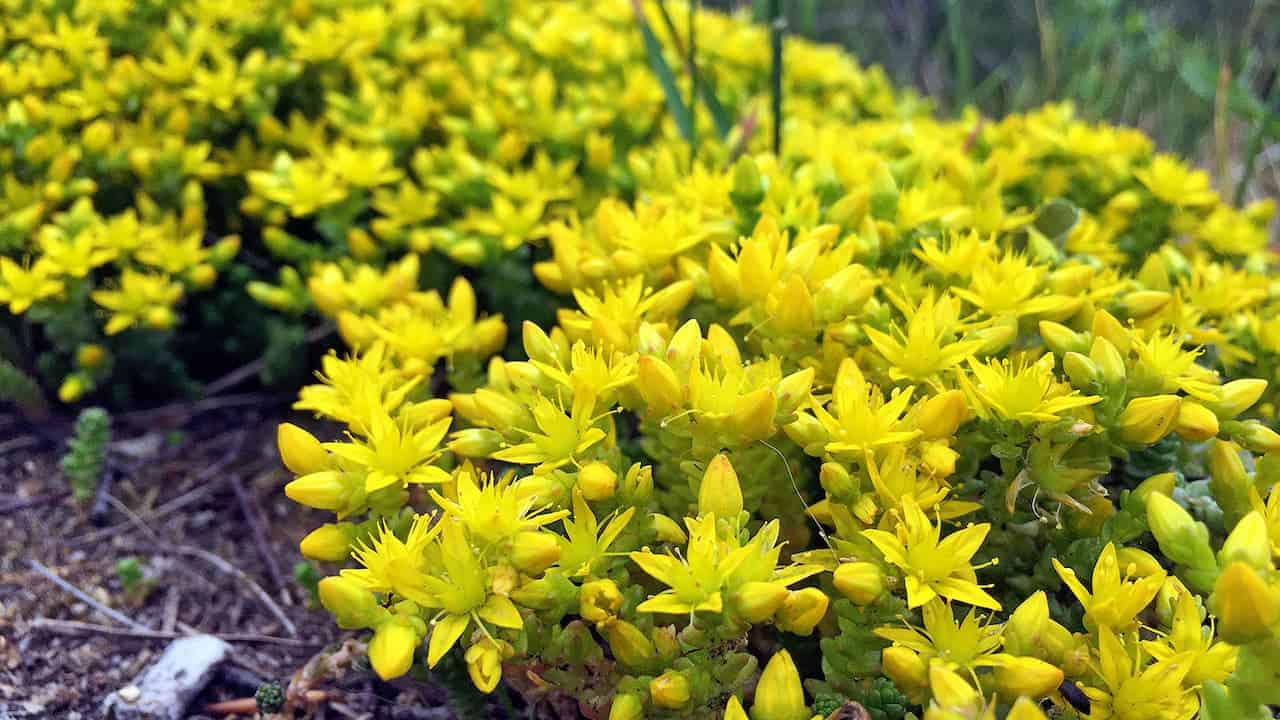
If you’re looking for a low-maintenance groundcover, ROCK ‘N LOW® Sedum is a smart choice. It handles drought well, so you don’t have to worry about frequent watering.
This sedum also grows well in a variety of conditions, making it ideal if your garden faces tough spots. Its colorful foliage adds interest all summer long.
You’ll find it easy to care for, and it even attracts pollinators, which benefits your whole garden.
Hostas

Hostas are great if you need plants that can handle shade and some dry spots. You can pick varieties like Stained Glass or green and blue types that tolerate drier, shady areas.
If your garden gets some sun, try sun-tolerant types like Halcyon or Big Daddy. They prefer moist, rich soil, so adding organic matter helps keep them happy and healthy in tougher spots.
Barrenwort
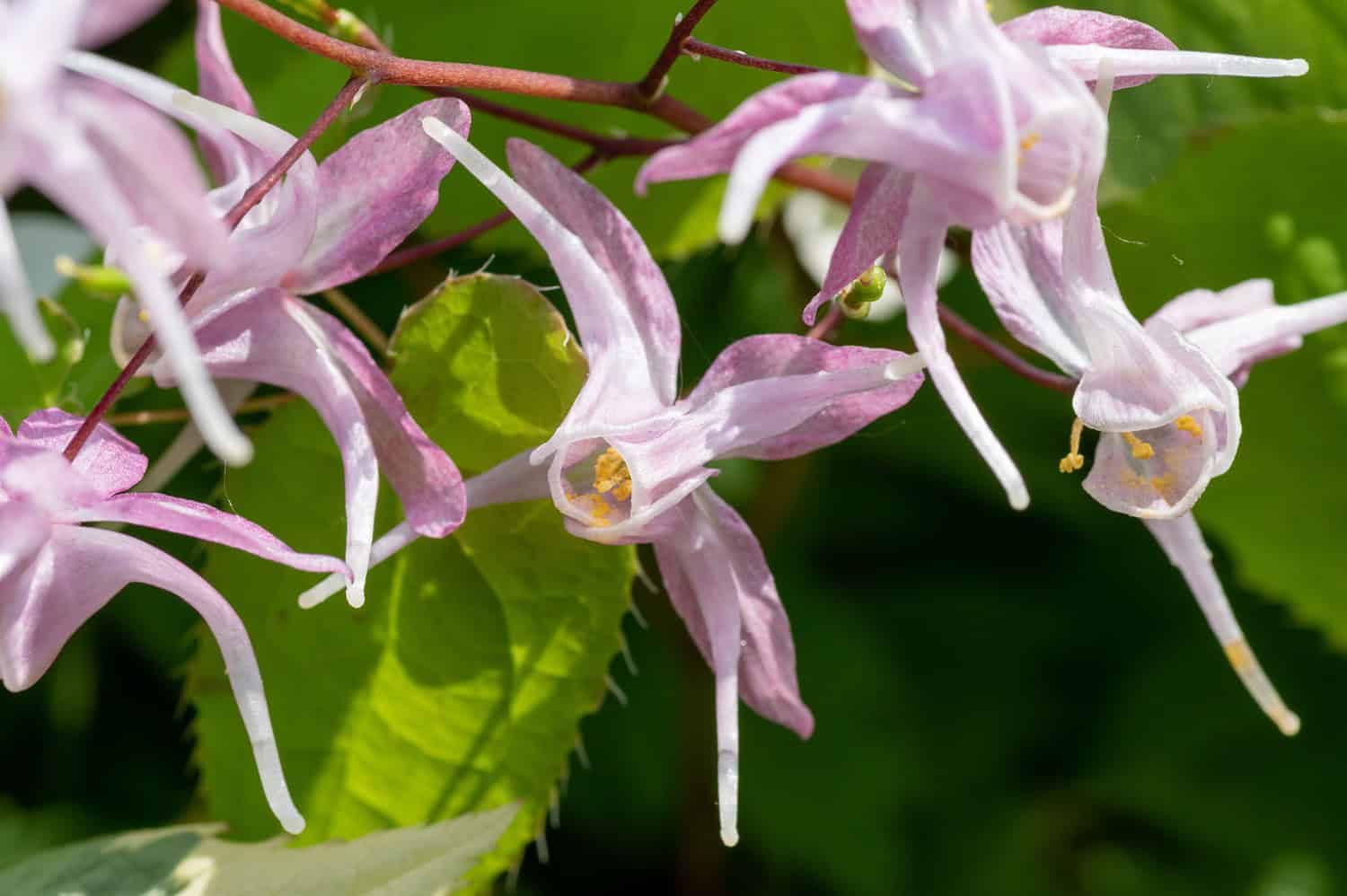
Barrenwort is a low-growing perennial that does well in shady spots. You’ll like its heart-shaped leaves, which sometimes show reddish or golden hues.
It prefers soil rich in organic matter and benefits from moderate moisture during summer. Even in tougher conditions, it can survive and add color to your garden.
Bleeding Heart
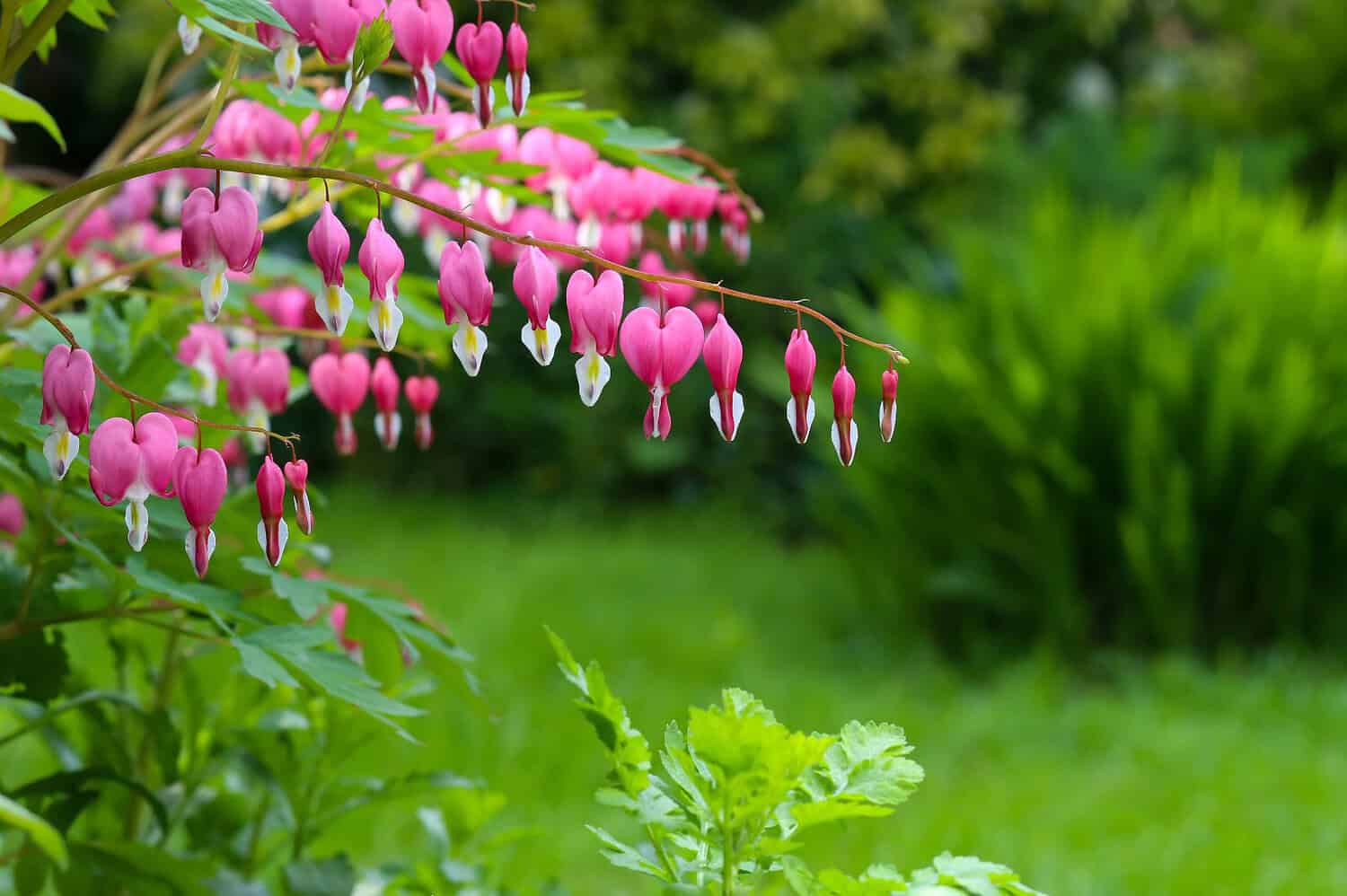
Bleeding hearts are a good choice if you want a plant that tolerates shade. You’ll find they do well in cooler climates and prefer moist, well-drained soil.
These plants can handle lower light conditions and still produce their unique heart-shaped flowers. Just be sure to keep the soil slightly damp, especially during dry spells.
If you’re in a warmer zone, they might struggle as perennials, but they are generally quite resilient in suitable environments.
Lamium
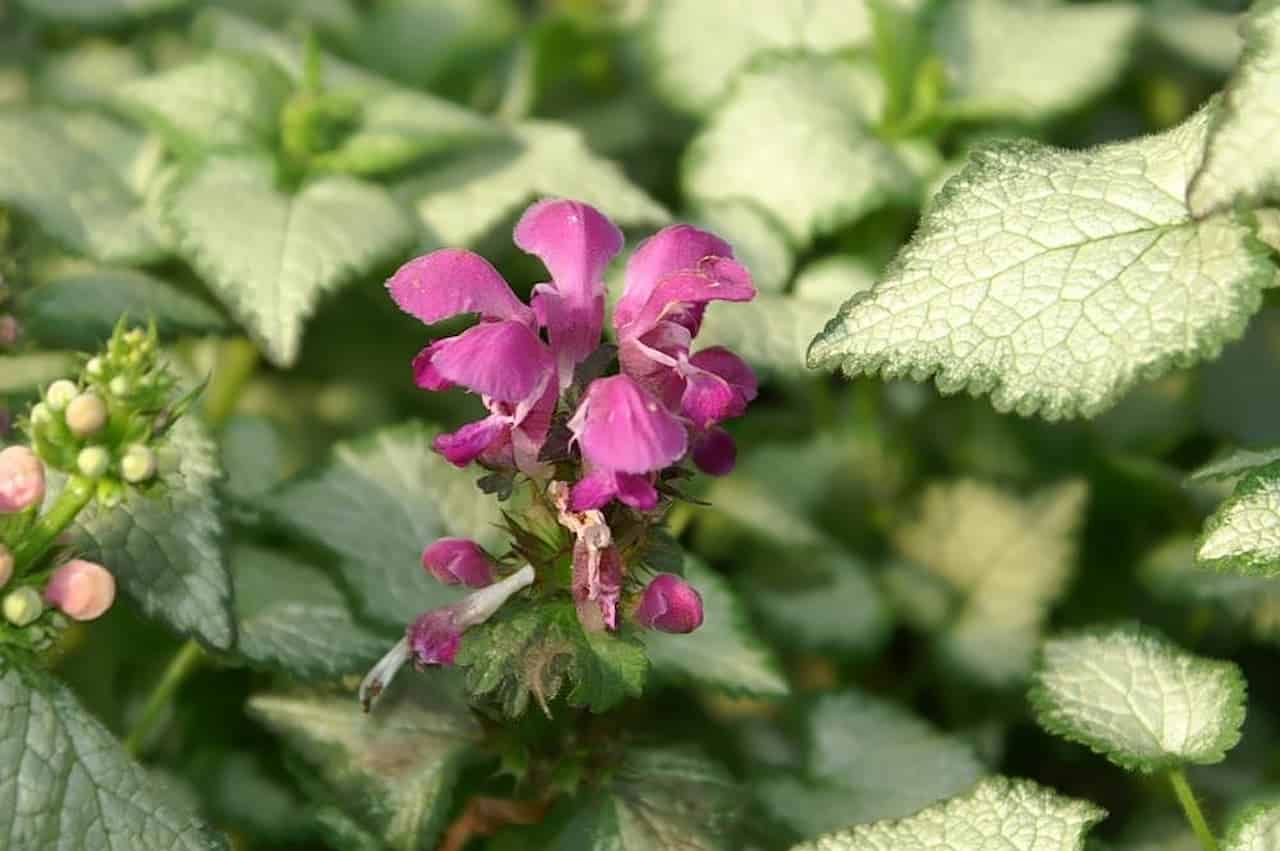
Lamium, also known as dead nettle, is a tough ground cover that thrives in challenging spots. You can expect a variety of foliage colors and textures to brighten your garden.
It grows well in both shade and full sun, as long as it gets enough water. Lamium is low-maintenance and can handle dry conditions once established, making it a practical choice for difficult areas.
Lily of the Valley

You’ll find Lily of the Valley is great for shady spots in your garden. It prefers partial to full shade and spreads easily as a groundcover.
This plant stays low, usually 15 to 30 cm tall, making it perfect for filling tricky areas with pretty, bell-shaped flowers. It’s hardy and adaptable, so it can handle conditions that other plants might avoid.
Daylily
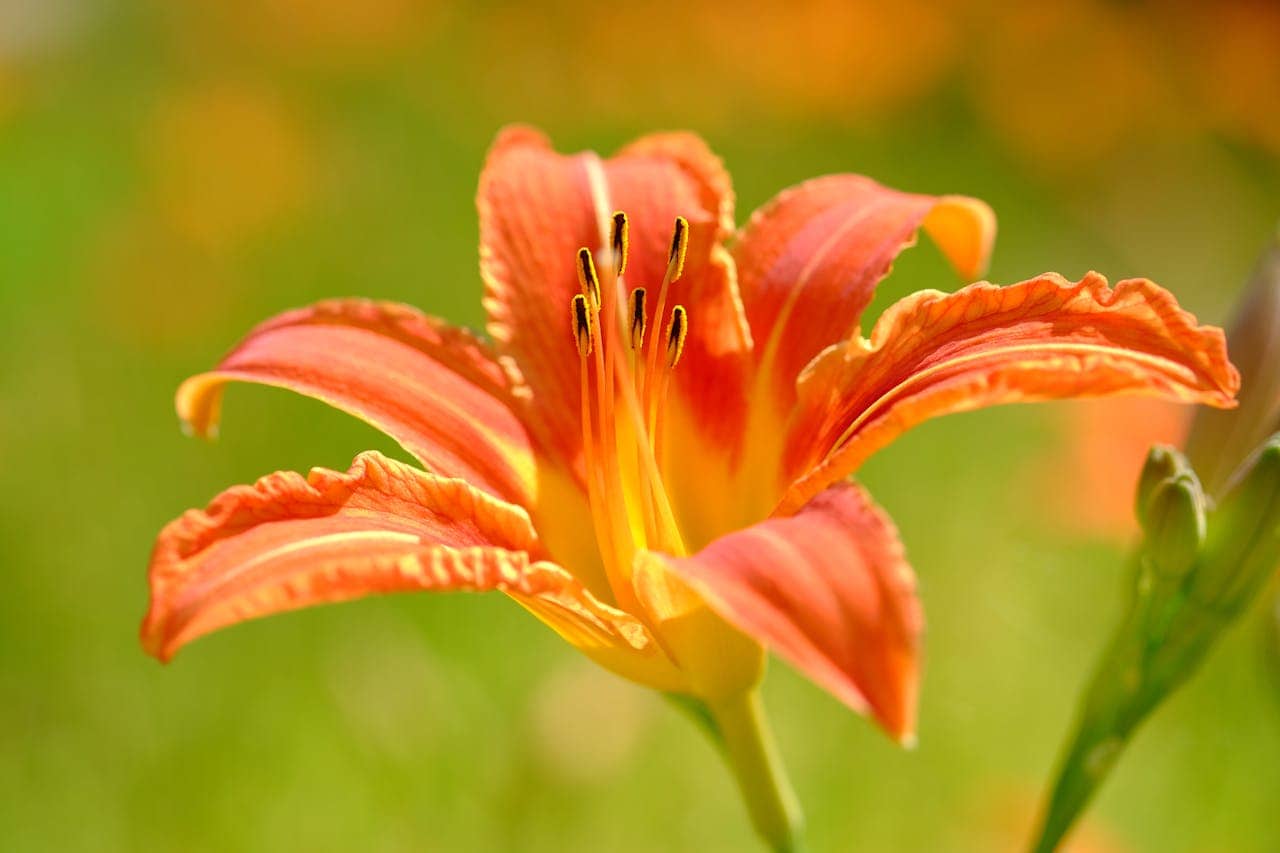
Daylilies are great if you want low-maintenance plants. They do well in full sun but can handle part shade, especially in hotter climates.
You’ll find they need about six hours of sunlight daily for the best blooms. They tolerate tough conditions like drought and poor soil, making them a reliable choice for difficult spots.
With daylilies, your garden gets color without too much effort on your part. They are hardy and adapt easily to different environments.
Switchgrass
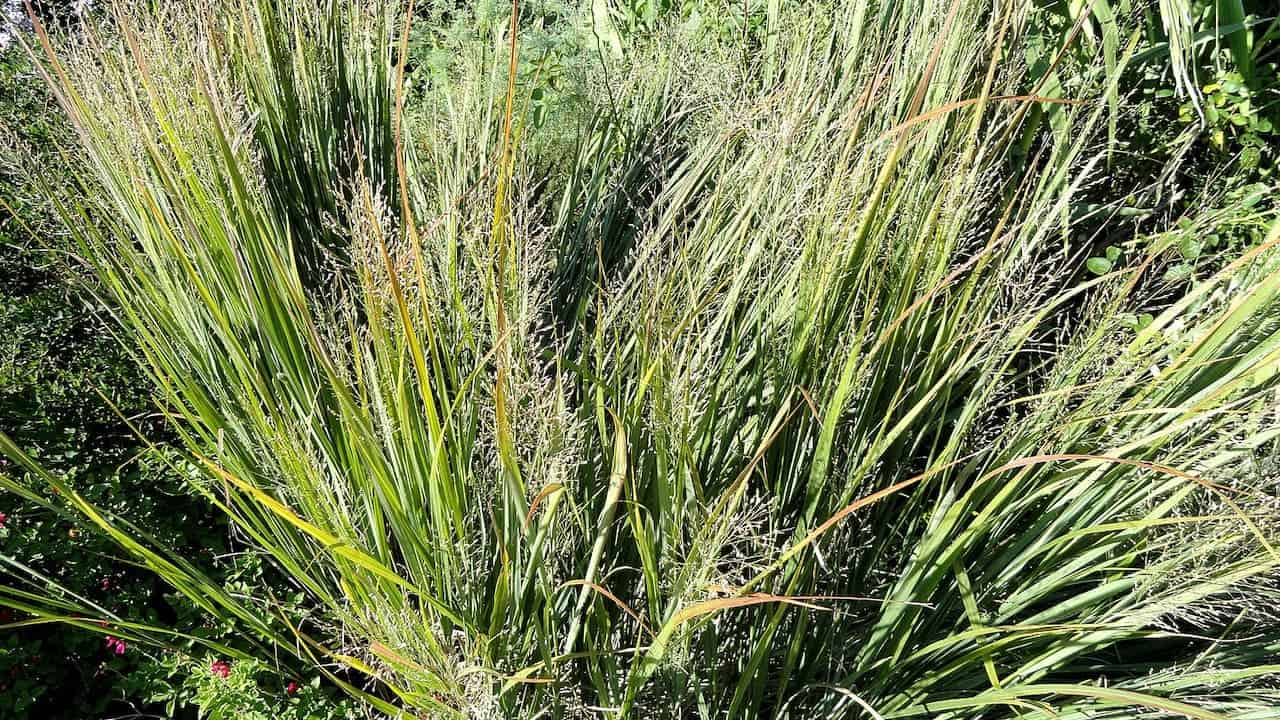
Switchgrass is great if you’re dealing with poor or sandy soil. Its deep roots help stabilize the ground and resist erosion, which makes it a good choice for tough spots.
You’ll find it thrives in full sun and can handle floods because its roots grow very deep. Just keep the soil moist but avoid soggy areas to keep it healthy.