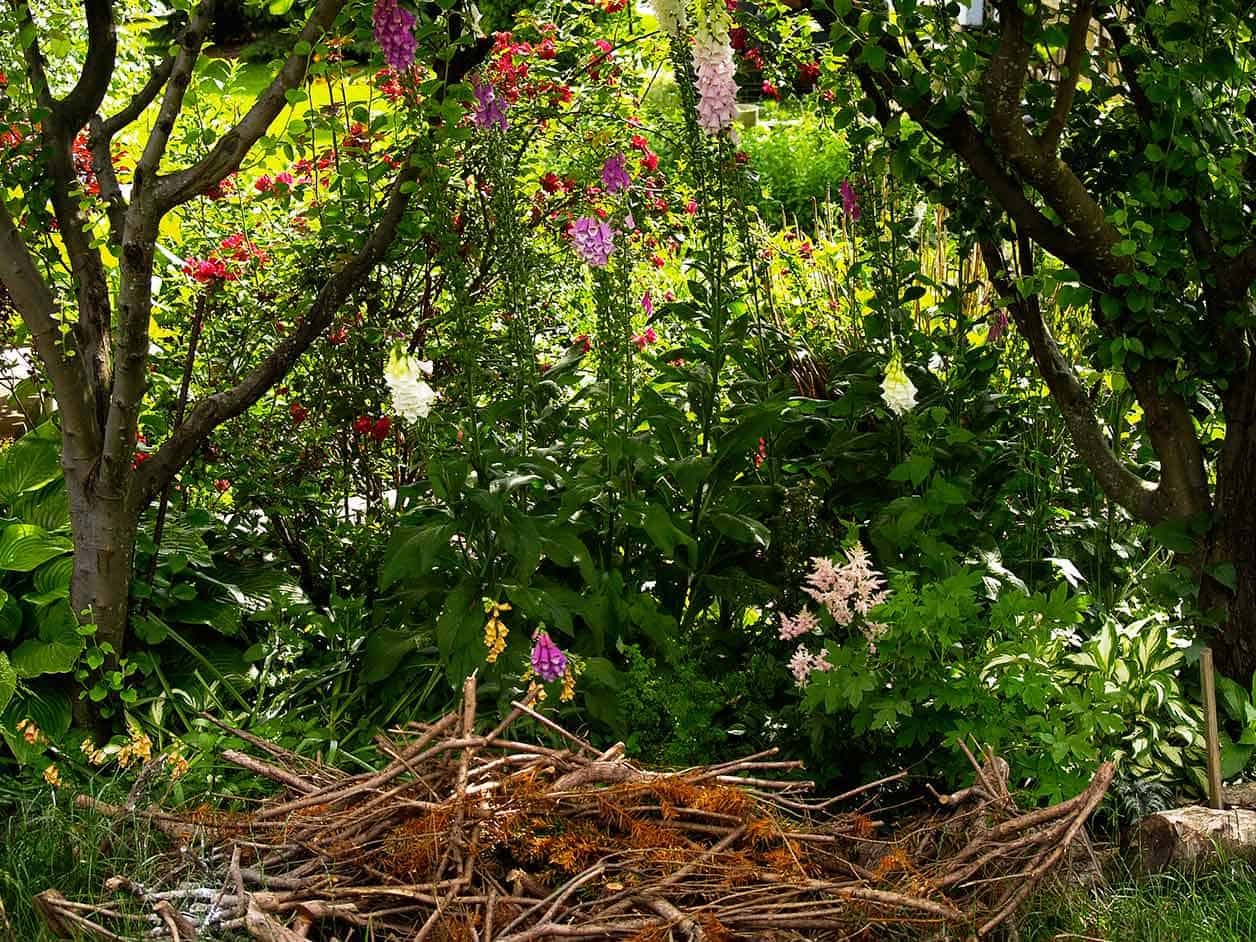
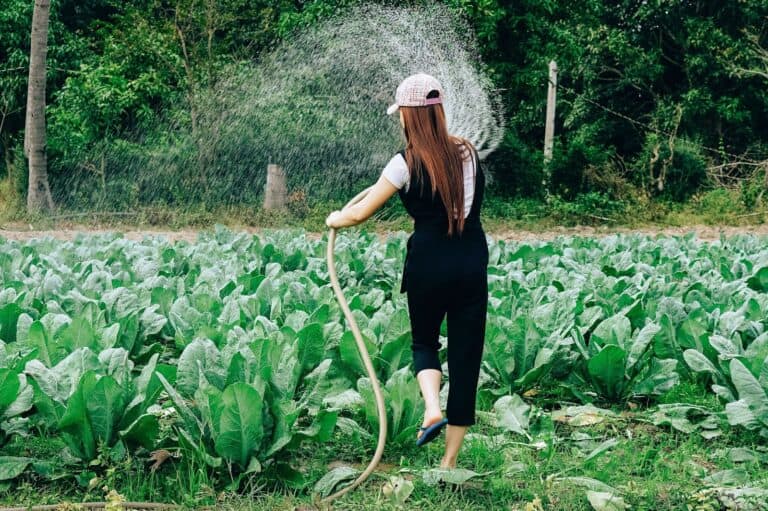
Planning a garden that can support you in challenging times means choosing plants that are reliable, nutritious, and relatively easy to grow. Your goal is to create a space that benefits your health and survival by providing steady food sources no matter what happens.
The key is selecting plants that offer a good balance of nutrients, can thrive in less-than-ideal conditions, and help sustain you over time. With the right choices, your garden becomes a valuable resource that supports your family’s well-being and resilience.
Advertisement
Heirloom Tomato
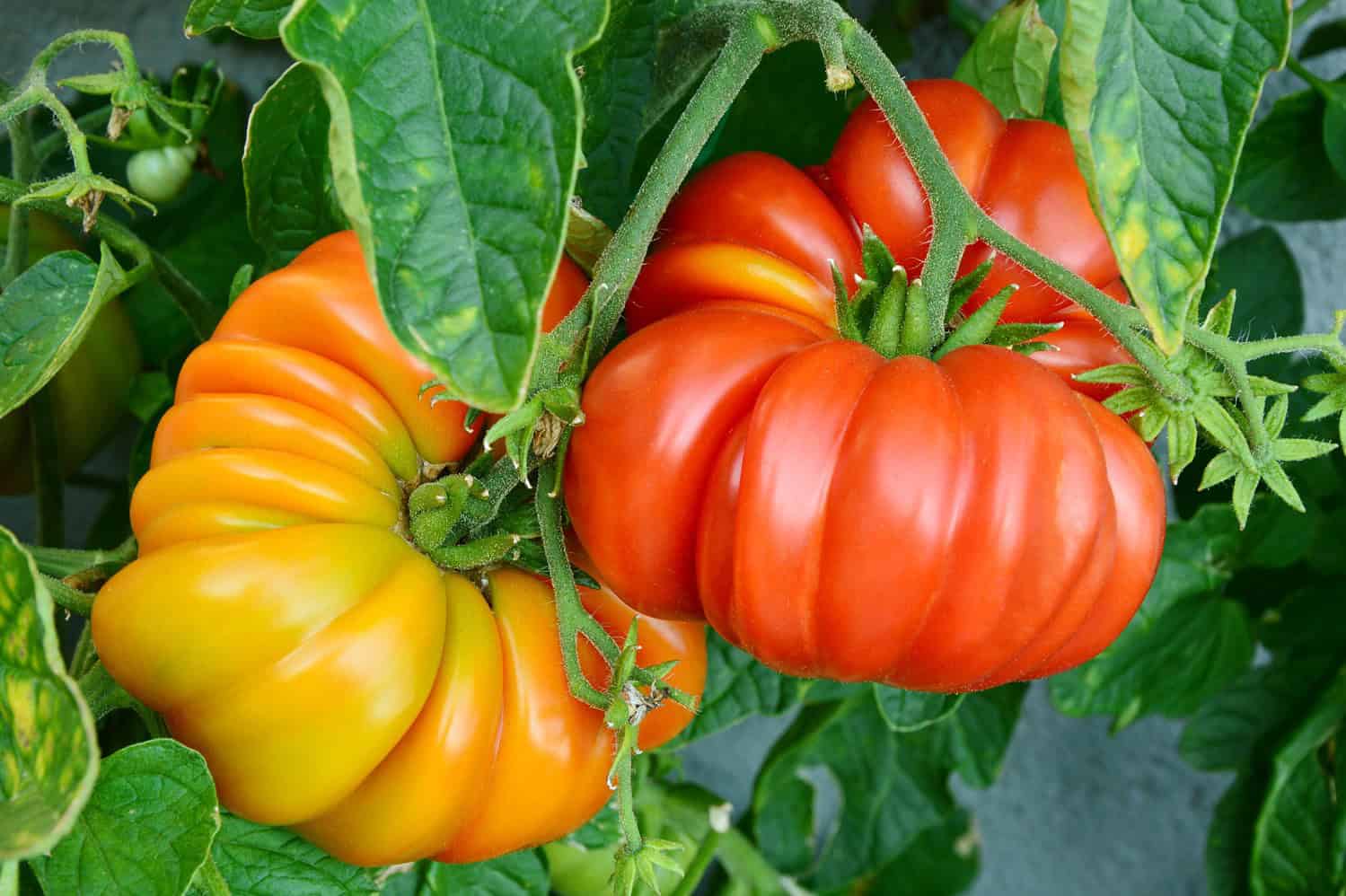
You’ll appreciate heirloom tomatoes for their rich, deep flavor that stands out from regular varieties. Many heirlooms, like Cherokee Purple and Brandywine, offer unique colors and sizes, making your garden both beautiful and productive.
These tomatoes are often indeterminate, meaning they keep producing over a long season. Growing them gives you a taste of history and a reliable source of fresh, tasty fruit for your doomsday garden.
Garlic Bulbs

Garlic is a great addition to your doomsday garden because it grows well in many climates and is easy to store. You can plant bulbs around your garden to help keep pests away naturally.
It also supports nearby plants by reducing fungal diseases, especially for potatoes and other vegetables. Just be mindful not to crowd other plants when you grow garlic. Its strong scent helps protect your crops without chemicals.
Sweet Corn

Sweet corn is a versatile and rewarding crop for your doomsday garden. It grows best in full sun and needs consistent moisture, especially while the ears are forming.
Plant your corn in blocks, not rows, to help with pollination. Avoid planting corn near tomatoes or cabbage, as they don’t grow well together.
You can also use corn stalks as a natural support for pole beans, maximizing space in your garden.
Pole Beans

Pole beans are a great choice for your doomsday garden because they produce high yields in a small space. You can grow them on trellises or even let them climb corn stalks if you plant those first.
These beans thrive in full sun and rich soil, so pick a sunny spot and enrich your soil with compost. A reliable variety like Kentucky Wonder can give you tender green beans around 7 to 10 inches long.
Pole beans also help improve your soil by adding nitrogen, which benefits future crops. Make sure to sow seeds about 1 inch deep for best results.
Chives

You’ll find chives are easy to grow and great for your doomsday garden. They repel pests naturally and attract helpful insects like ladybugs.
Chives work well near vegetables and fruit trees such as apples and tomatoes. Their mild onion flavor adds fresh zest to your meals.
Plant them in a sunny spot with well-drained soil. They come back year after year, making them a reliable herb for tough times.
Shallots
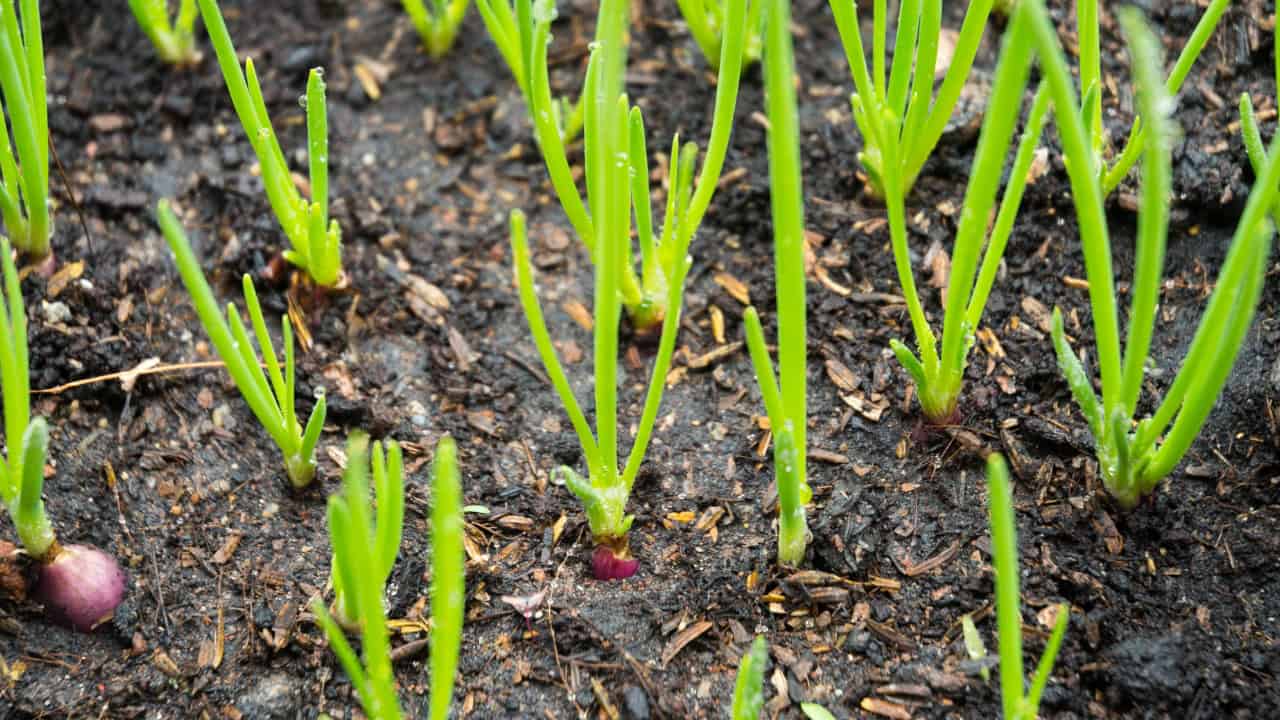
Shallots are easy to grow and store well, making them a smart choice for your doomsday garden. They thrive in full sun and well-drained soil.
You can plant carrots or beets nearby since they grow well alongside shallots and help keep pests away. Avoid planting beans and peas close to shallots, as they compete for nutrients and can stunt growth.
With simple care, shallots will provide you with a reliable, flavorful crop that lasts.
Walnut Tree
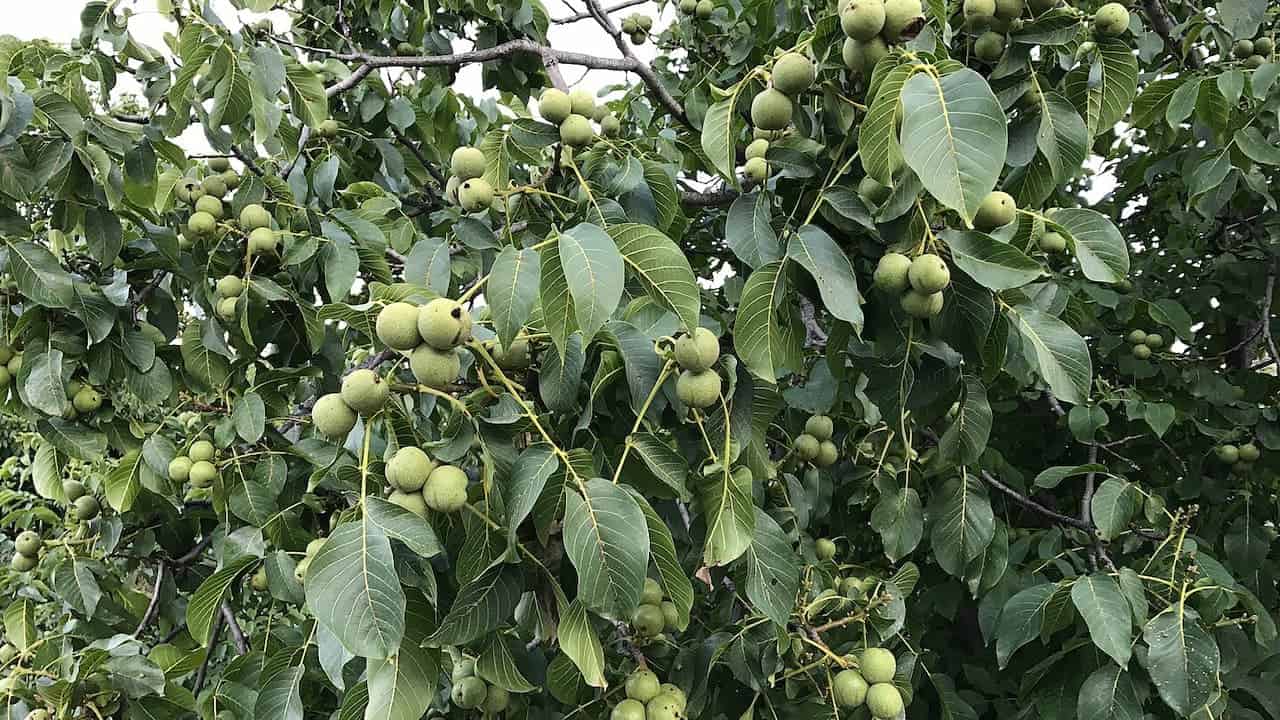
If you include a walnut tree in your doomsday garden, know it grows tall and provides sturdy wood. You’ll also get edible nuts, which are nutritious and store well.
Be aware that walnut trees release juglone, a natural chemical that can harm some plants nearby. Choose juglone-tolerant plants to grow under or near your tree to keep your garden healthy.
Pecan Tree
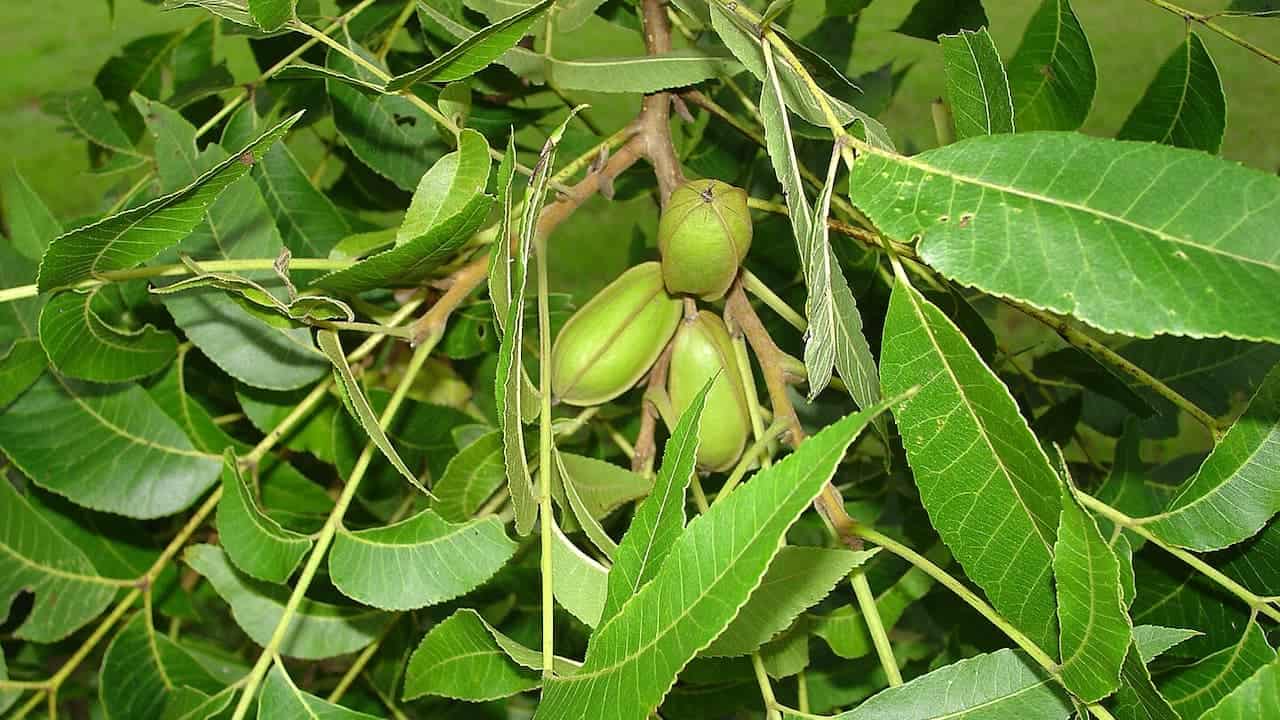
You can grow a pecan tree for nuts and shade in your doomsday garden. These trees need plenty of space—40 to 70 feet apart—because they grow large and wide over time.
Plant your pecan in full sun with well-drained soil and a neutral pH between 6.0 and 7.0. Feeding it zinc may be necessary, so consider soil or leaf tests to keep it healthy.
Pecans can face pests like squirrels and pecan weevils, so keep the area clean to protect your harvest.
Hazelnut Tree
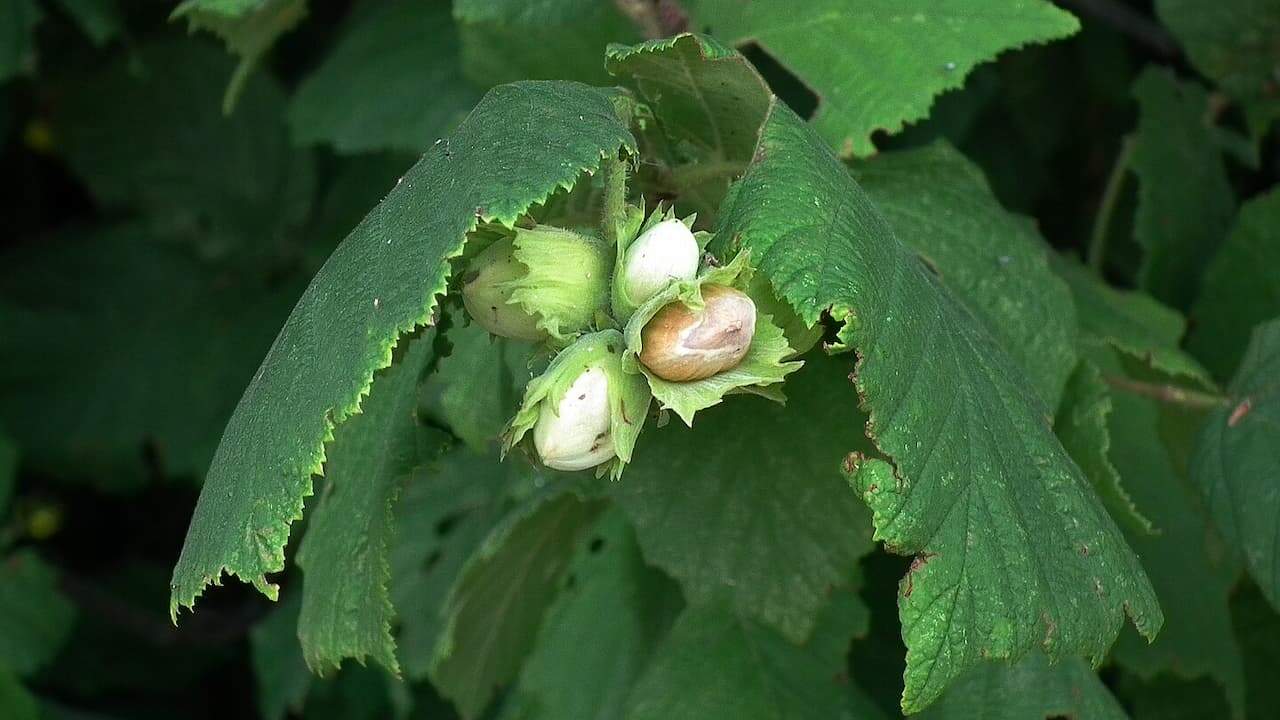
You can grow hazelnut trees in well-drained soil with a pH between 6 and 7.5. Plant them 15 to 20 feet apart to allow for good cross-pollination.
These trees produce edible nuts that are nutritious and useful for long-term food storage. Avoid planting sunflowers nearby, as they compete for nutrients and may attract pests.
Hazelnuts work well in a smaller garden or as part of a hedge. They are manageable and add both beauty and productivity to your doomsday garden.
Almond Tree
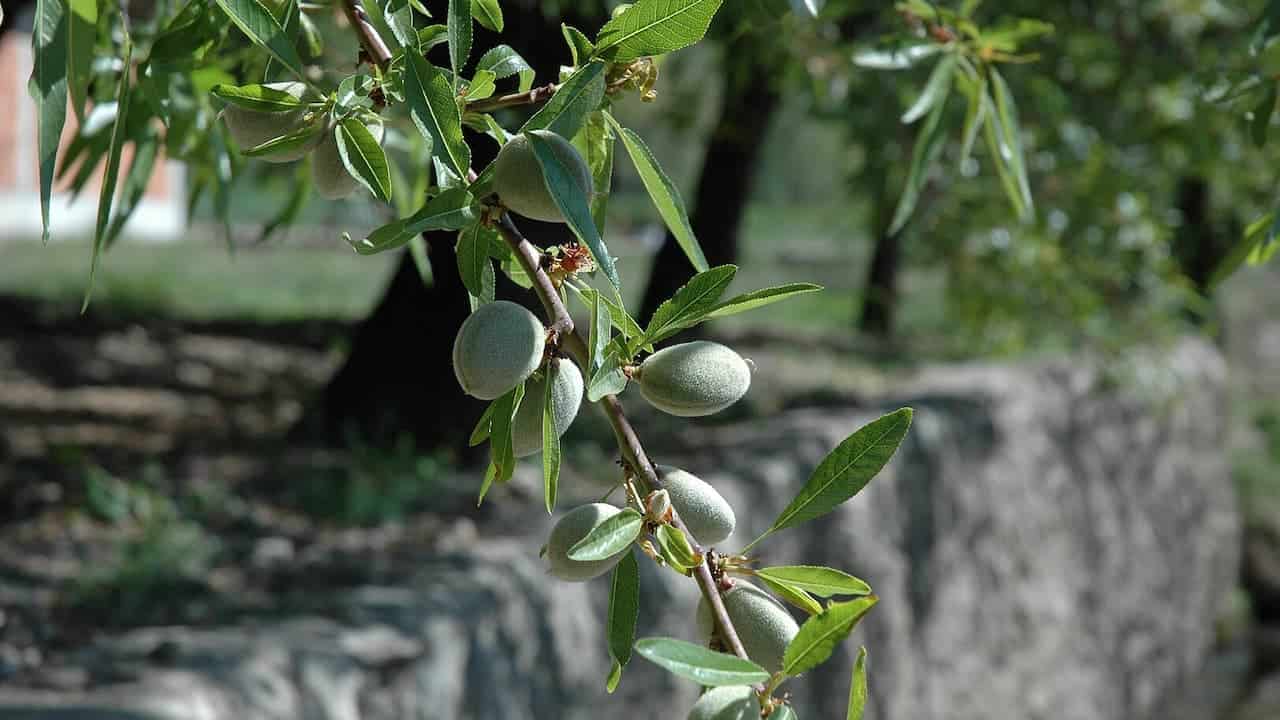
Growing an almond tree can be a smart choice for your doomsday garden. You’ll need a sunny spot with hot, dry conditions and well-drained soil.
Space your tree about 15 to 20 feet apart if you plan to grow more than one. Almond trees need some chill hours, around 200 to 500, to produce nuts.
They usually start producing fruit in a few years and can live for decades. When the hulls split and turn straw-yellow, your almonds are ready to harvest.
Carrots
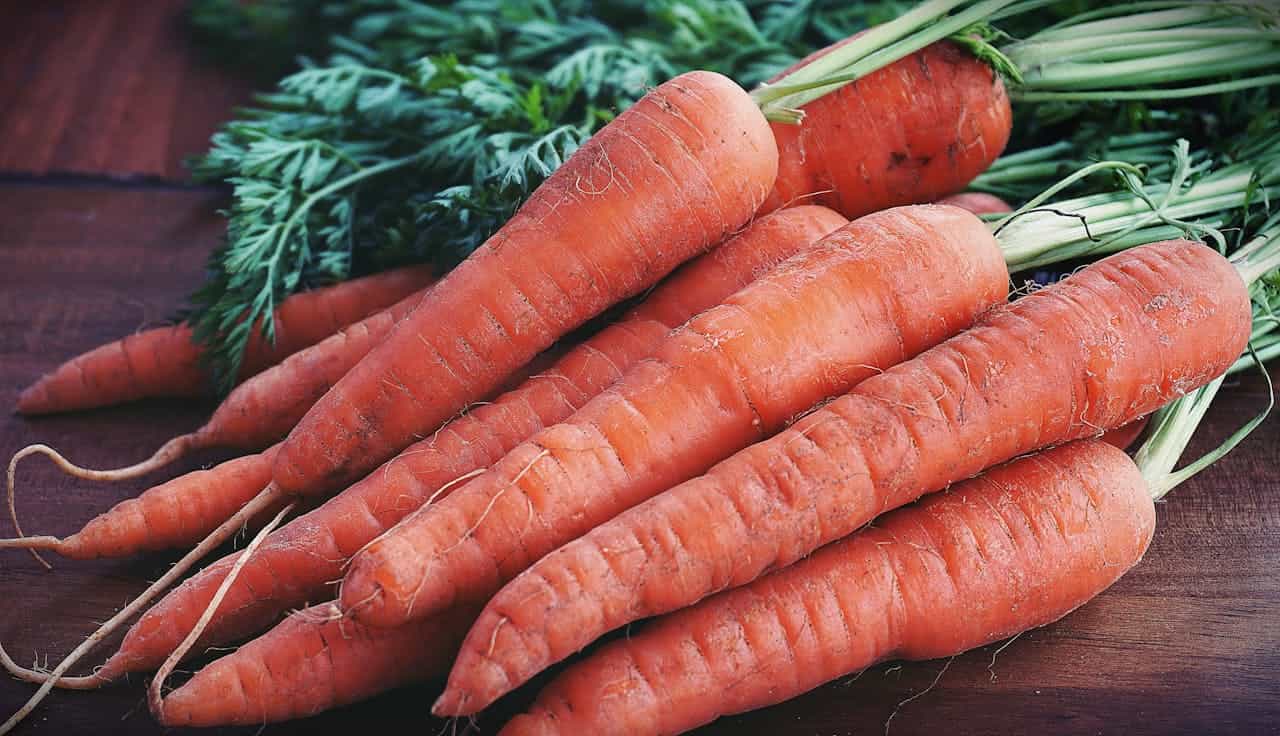
Carrots are a great choice for your doomsday garden because they store well and provide important nutrients. Plant them alongside beans to naturally boost soil nitrogen, helping your carrots grow strong and healthy.
You can also use daffodils around your carrot patch to deter rodents. This simple step helps protect your roots without chemicals. Adding nasturtiums nearby can brighten your garden and add edible leaves and flowers.
Kale
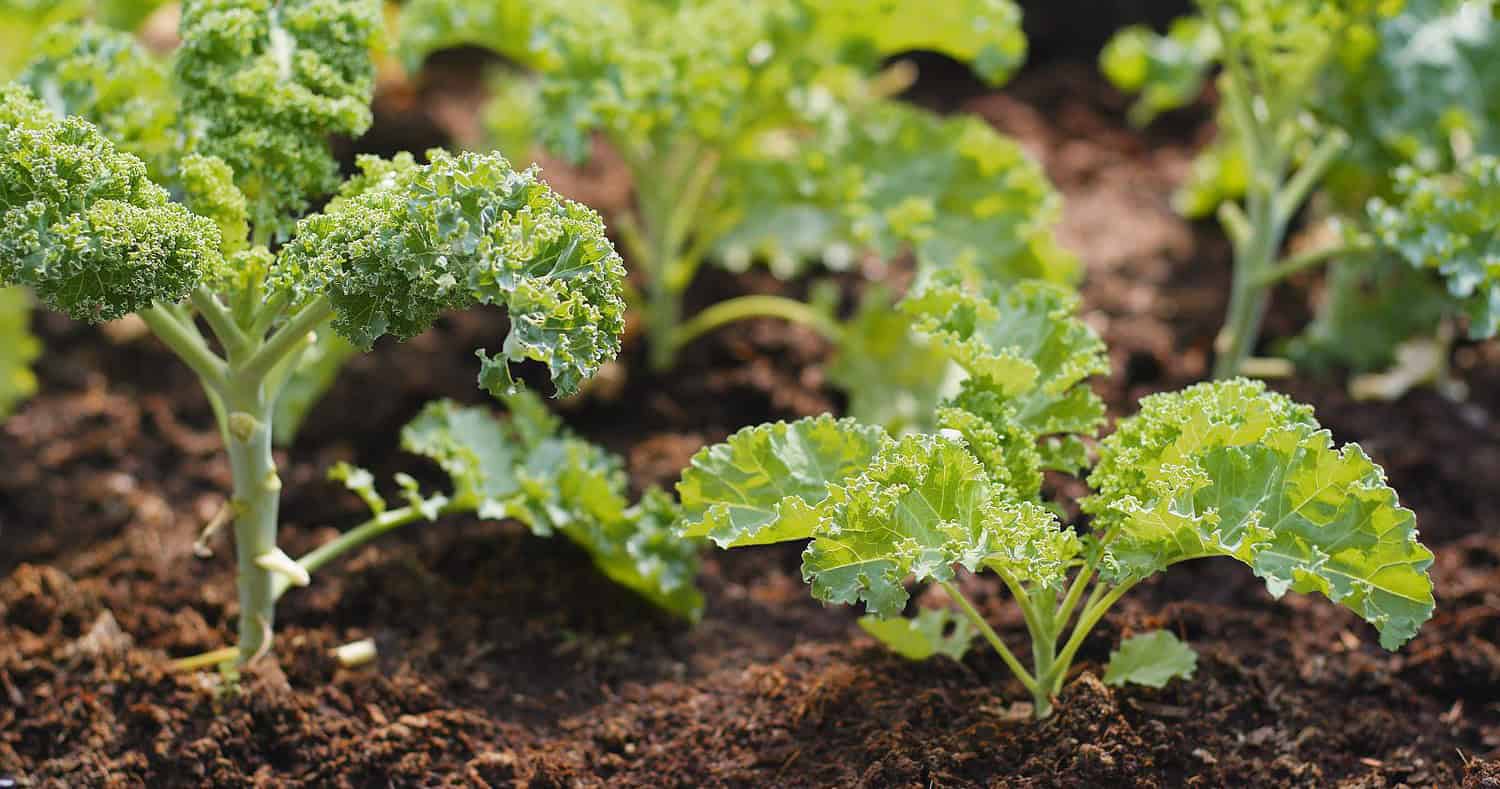
Kale is a tough, nutritious green that fits well in your doomsday garden. It grows in cooler weather and provides a steady supply of vitamins.
You can plant garlic nearby to help with pest control and improve soil health. Adding marigolds around your kale also protects it from insects.
Kale is easy to grow and versatile in meals, making it a smart choice when space and resources are limited.
Spinach

Spinach is a great addition to your doomsday garden because it grows quickly and provides essential nutrients. You’ll want to plant it near companions like strawberries or marigolds, which can repel pests naturally.
Be careful not to plant spinach near fennel or sprawling plants like pumpkins, as they can compete for space and harm growth. Spinach prefers cooler weather, so timing your planting is key to a healthy crop.
Potatoes

Potatoes are a reliable staple to grow in your doomsday garden. They provide essential nutrients like potassium, vitamin B6, and copper.
You’ll need to keep your seed potatoes fresh by planting new crops each season. Pair them with companion plants like carrots to improve growth and reduce pests.
Potatoes store well and can fill you up during tough times, making them a smart choice for long-term survival.
Winter Squash
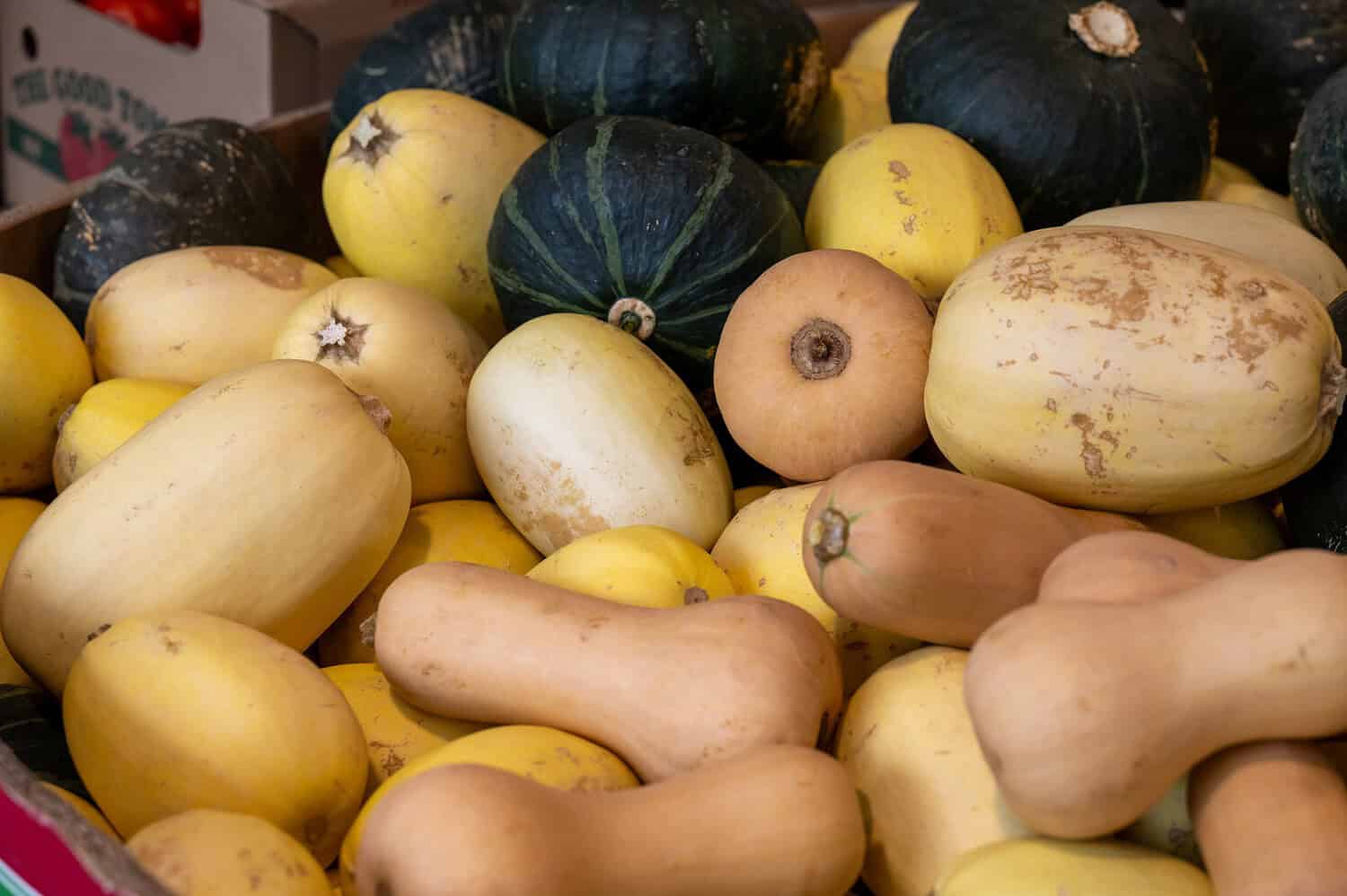
Winter squash is a great addition to your doomsday garden because it stores well and provides good nutrition.
You can boost its growth by planting companion plants like beans, which fix nitrogen in the soil. Avoid overcrowding and choose companions that don’t compete for space or light.
Watch out for pests like squash vine borers by planting sacrificial squash plants to help protect your main crop.