Mulch is a great way to improve your garden soil and keep plants healthy, but it can also be a hidden home for many pests. You might be surprised by the variety of insects and creatures that can live in the layer of mulch around your plants.
Knowing which pests could be hiding in your mulch helps you take better care of your garden and avoid damage to your plants. This article will introduce you to 15 common pests that are often unnoticed but could be affecting your garden’s health.
Advertisement
Termites thriving in moist mulch layers

When mulch stays damp, it creates a perfect home for termites. They love the moisture because it keeps their environment comfortable and helps them survive.
If your mulch is too close to your home’s wood, termites can easily move inside. Keeping mulch dry and away from your house can help reduce the risk.
Cockroaches hiding in damp mulch
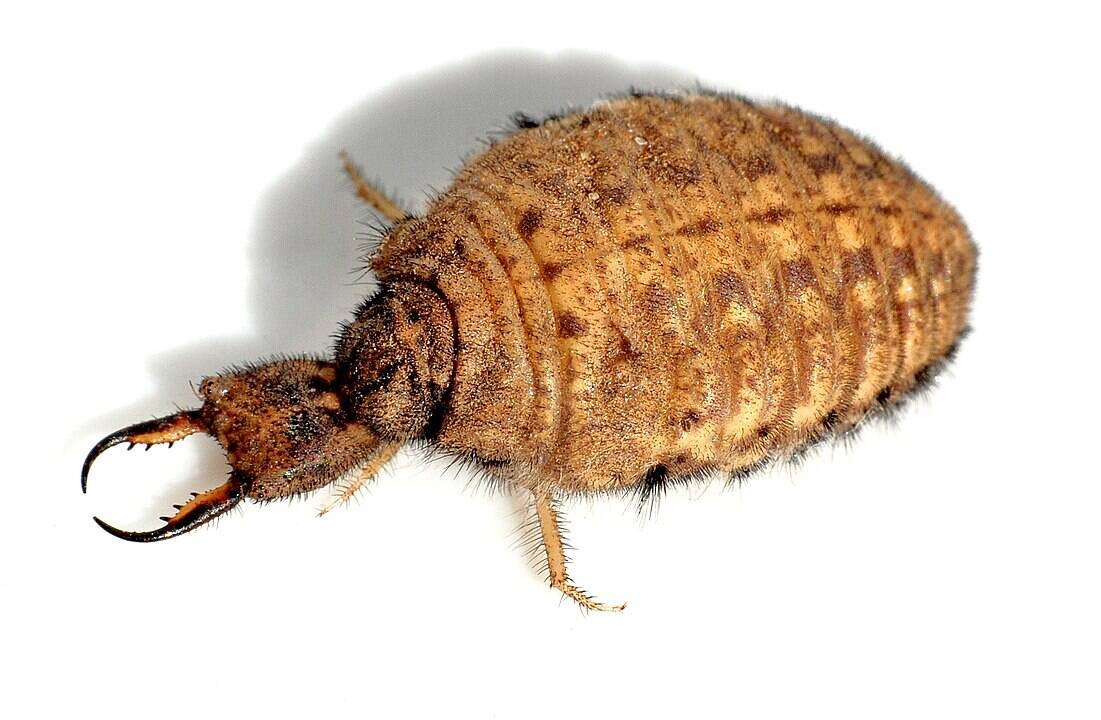
You might find cockroaches living in your mulch, especially if it stays damp. They prefer dark, cool places and often hide in organic materials like wood chips.
These roaches can be a nuisance but identifying the type helps you handle them better. Keeping mulch dry and turning it regularly can reduce hiding spots for these pests.
Roly-poly bugs crawling under mulch
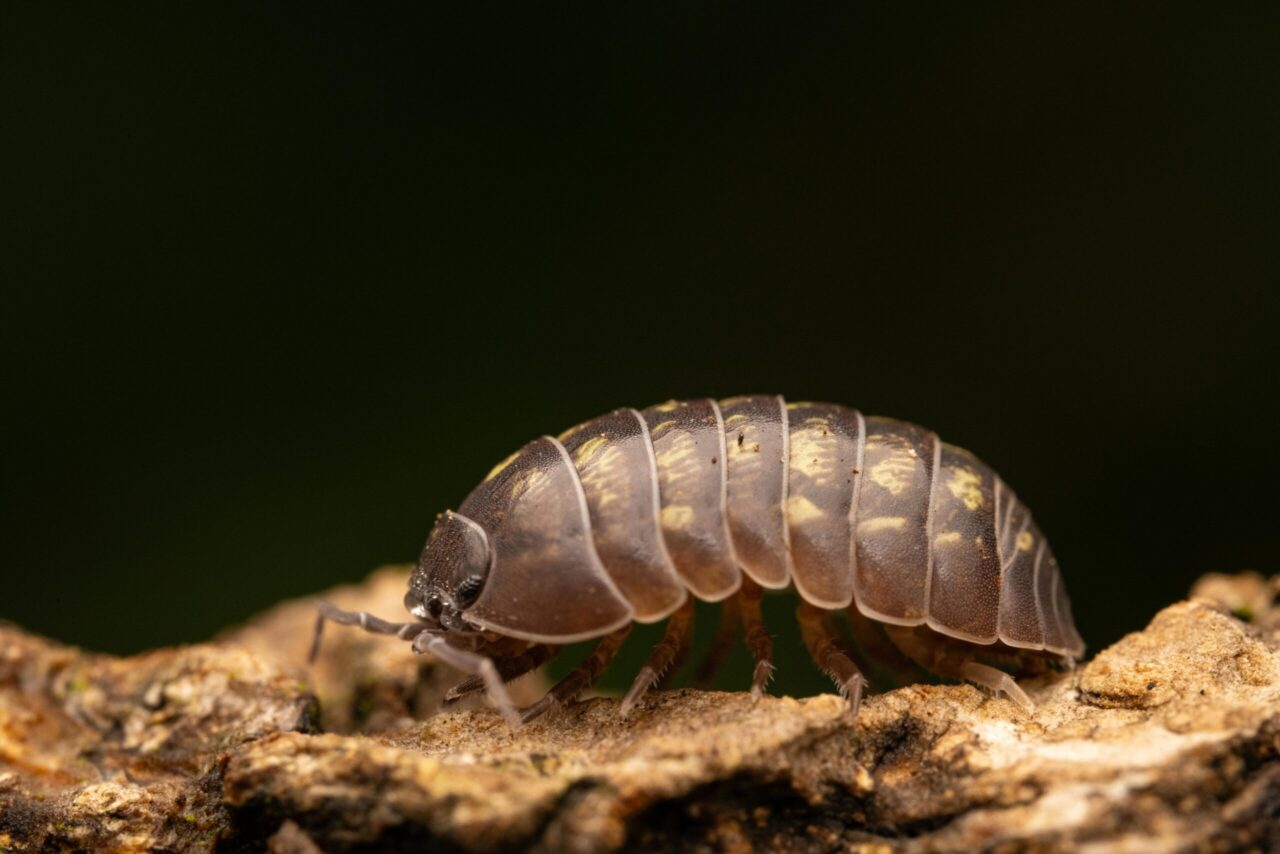
You might spot roly-poly bugs rolling around under your mulch. These small, gray creatures prefer dark, damp places, making mulch an ideal home.
They mostly feed on decaying plant material but can nibble on young leaves sometimes. Check your mulch regularly, especially at night when they are most active.
Stink bugs lurking near vegetable garden mulch
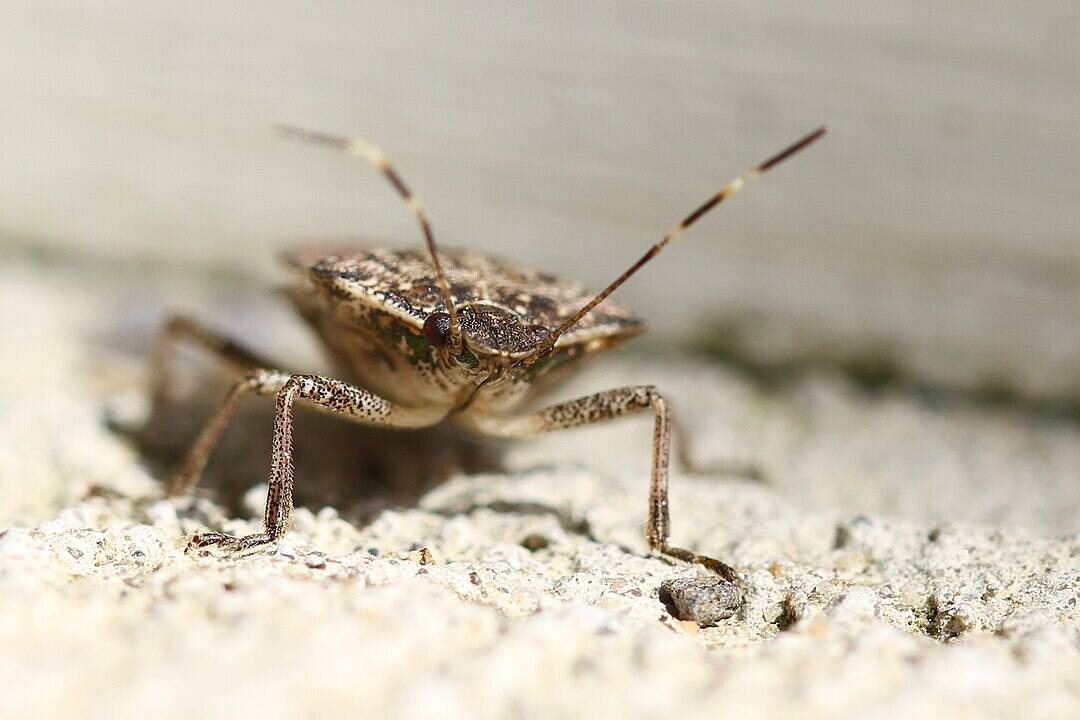
You might find stink bugs hiding in the mulch around your vegetable garden. These bugs are known for seeking shelter in dark, damp places like mulch.
They can damage your plants by feeding on fruits and leaves. If disturbed, they release a strong odor, which is their natural defense. Keeping an eye on your mulch and using soapy water sprays can help control their numbers.
Moles digging around mulch for earthworms
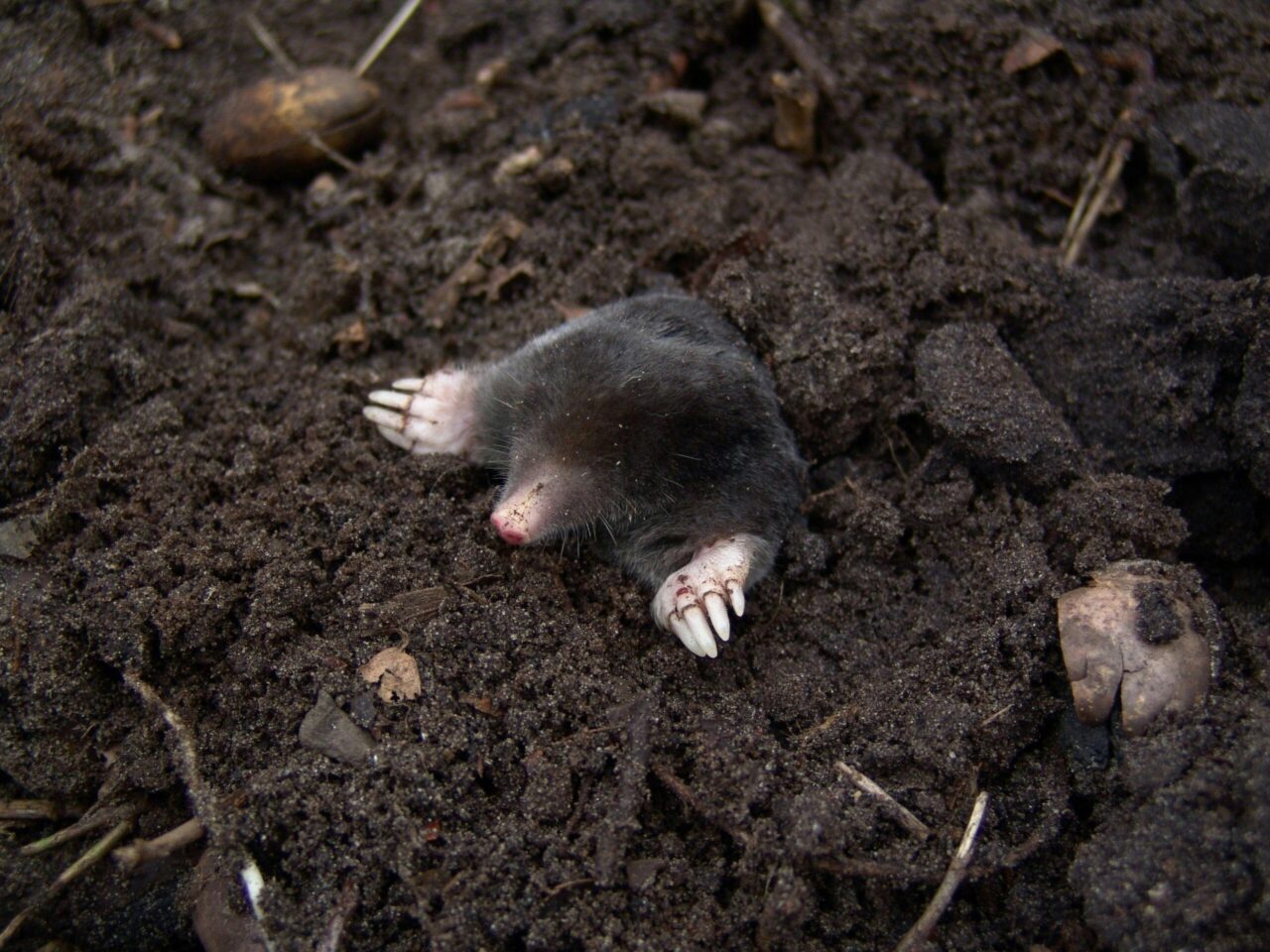
If you notice small tunnels or disturbed soil in your mulch, moles might be the cause. They dig to hunt for earthworms and insects living just below the surface.
Moles eat a lot, sometimes equal to their own body weight in a day, so they are often busy digging around your mulch for food. You might see small, raised ridges where they have passed.
Voles tunneling beneath mulch beds
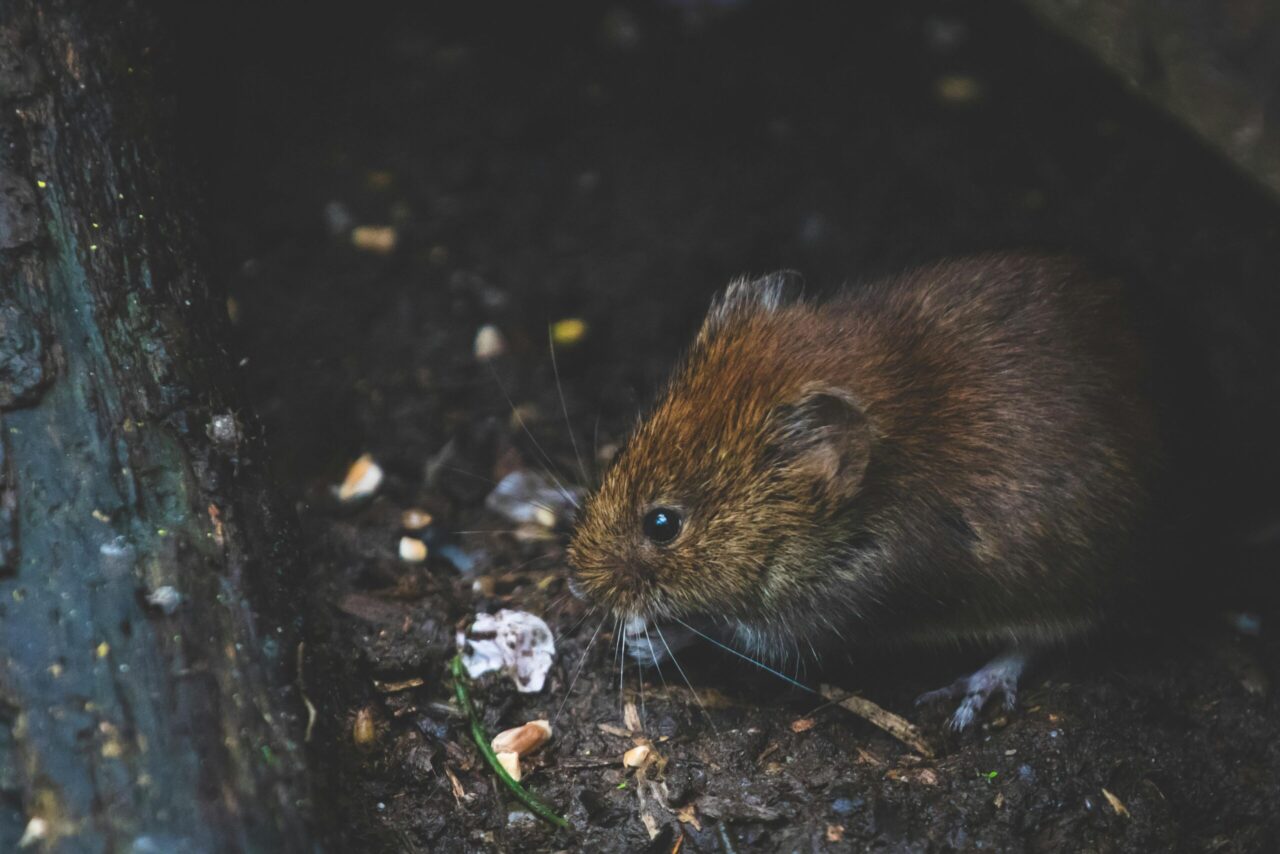
You might not realize that voles love to tunnel right under your mulch. These small rodents create narrow pathways that can damage plant roots and harm your garden’s health.
If you notice missing roots or small tunnels in your mulch, voles could be the cause. Keeping mulch layers thin and using rough wood chips can help discourage them.
Chipmunks burrowing in mulch piles
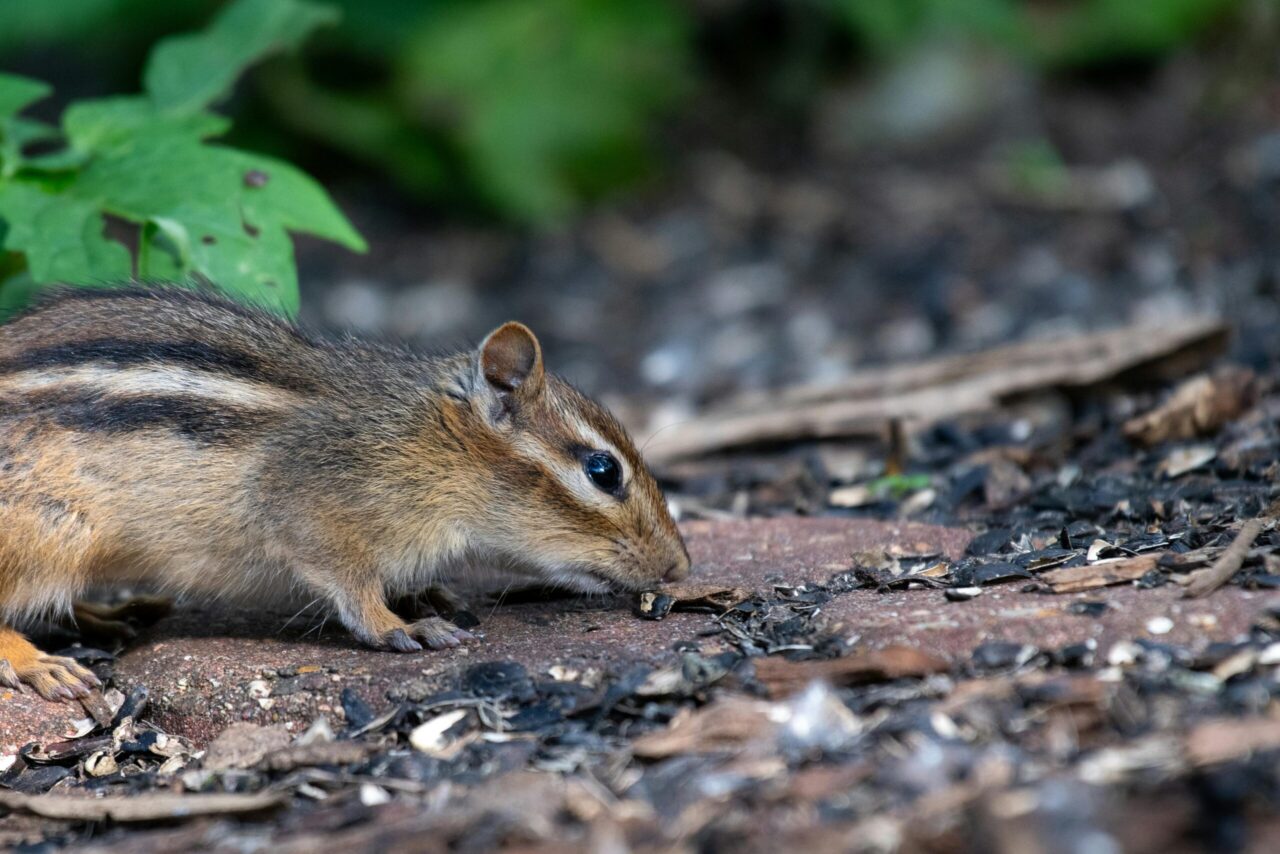
You might notice chipmunks digging small holes in your mulch piles. They use these areas to create burrows for shelter and storing food.
These burrows can sometimes be found near your home’s foundation, especially around porches or patios. While chipmunks are mostly harmless, their digging can disrupt your landscaping.
Earwigs sheltering inside mulch
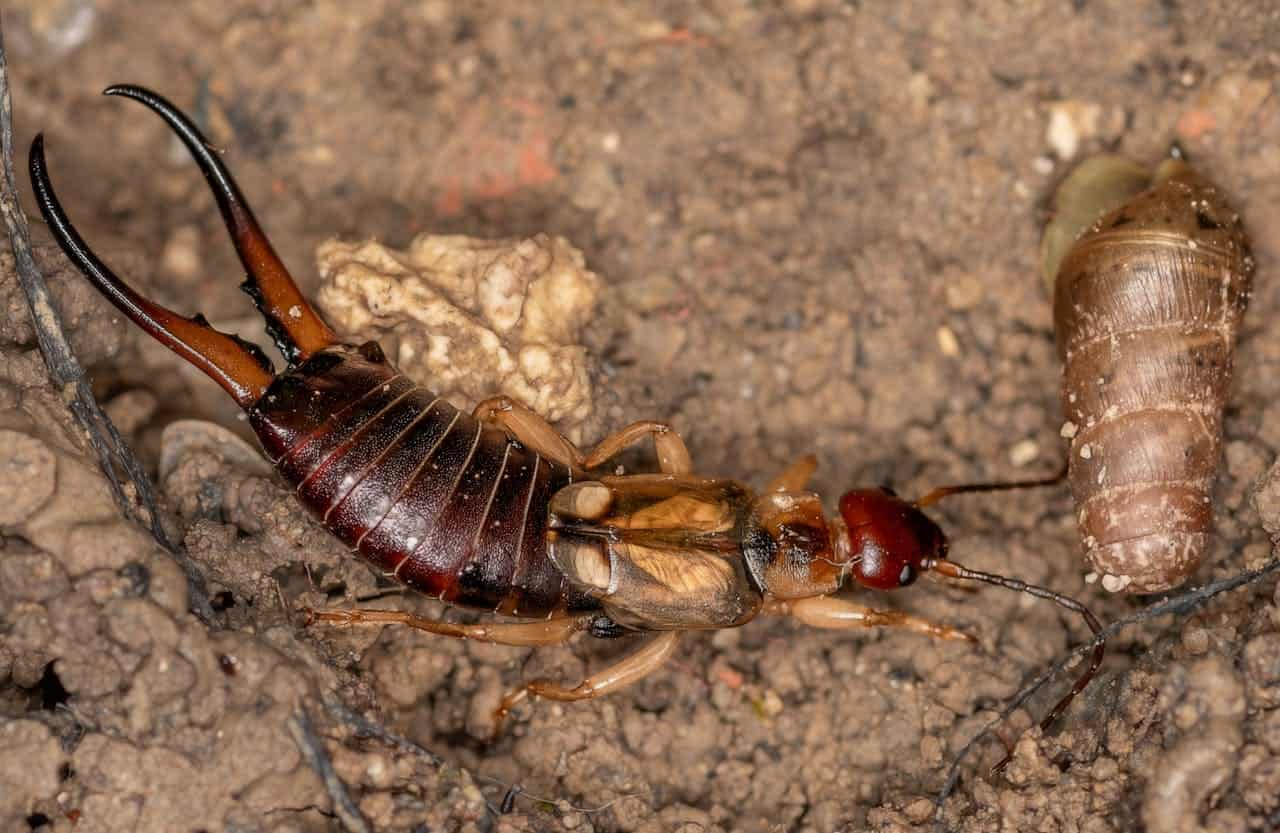
You might not realize earwigs love hiding in your mulch during the day. They find it a cool, dark spot where they stay safe from sunlight and predators.
If your mulch is dense or damp, it becomes even more inviting for these little pests. Keeping mulch away from touching your home can help reduce their access indoors.
Ant colonies nesting beneath mulch
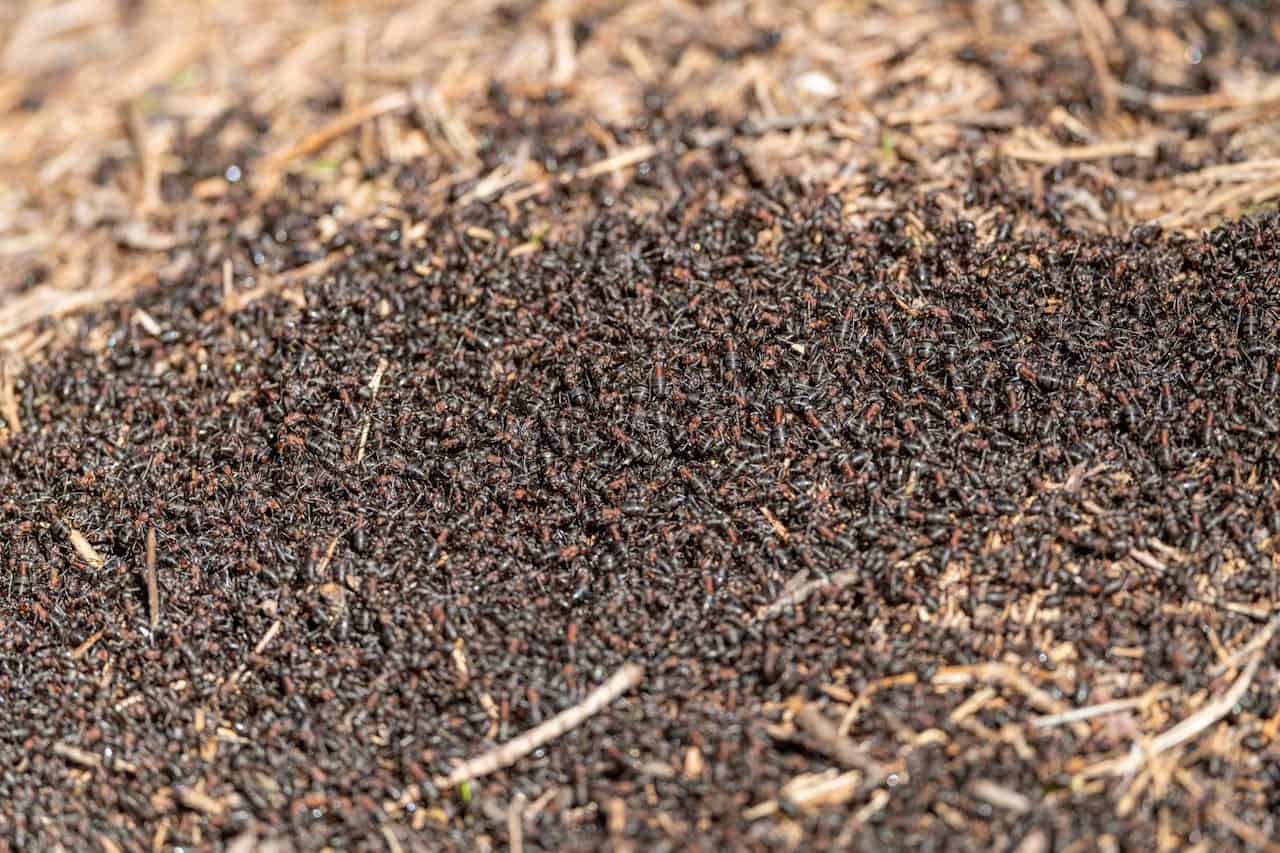
You might not realize it, but ants often build nests under your mulch. They like the moist, protected environment it provides.
If you notice ants around your garden beds, they could be living right beneath the surface. This can sometimes attract other pests or make your plants less healthy.
To manage this, try finding their entrances and pouring boiling water in. It’s a simple way to reduce their numbers without harming your plants.
Slugs and snails hiding in moist mulch

You might not realize slugs and snails love moist mulch. It provides them shelter and keeps them cool during the day.
These pests come out mainly at night to feed on your plants, causing damage you can notice in the morning. To reduce their numbers, try spreading natural barriers like woodchips, eggshells, or coffee grounds around your garden beds.
Millipedes finding refuge under mulch
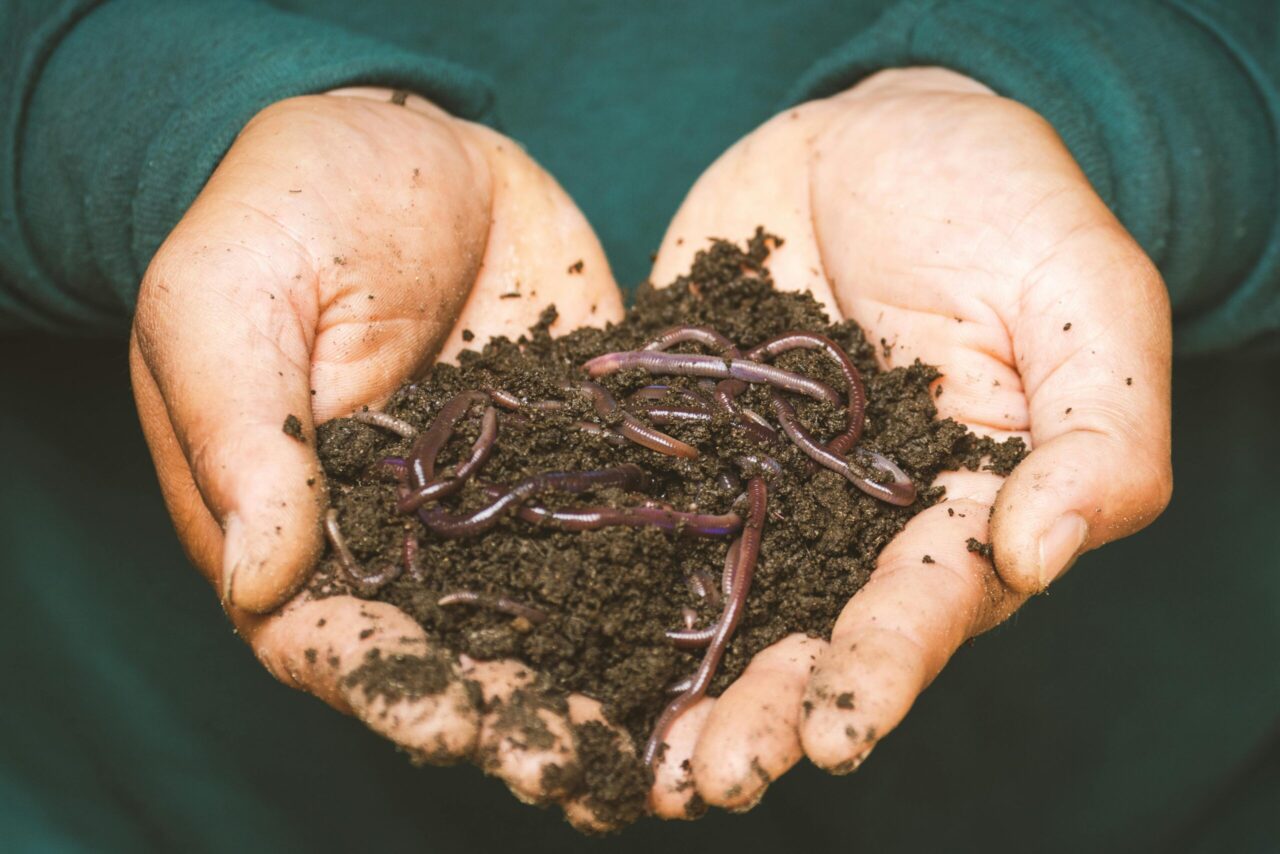
You might notice millipedes hiding under your mulch because they love damp and cool places. Mulch provides the perfect moist environment for them to thrive.
These creatures feed on decaying organic material, which is often plentiful under mulch. Keeping mulch a few inches away from your house can help reduce their presence.
Springtails swarming in damp mulch
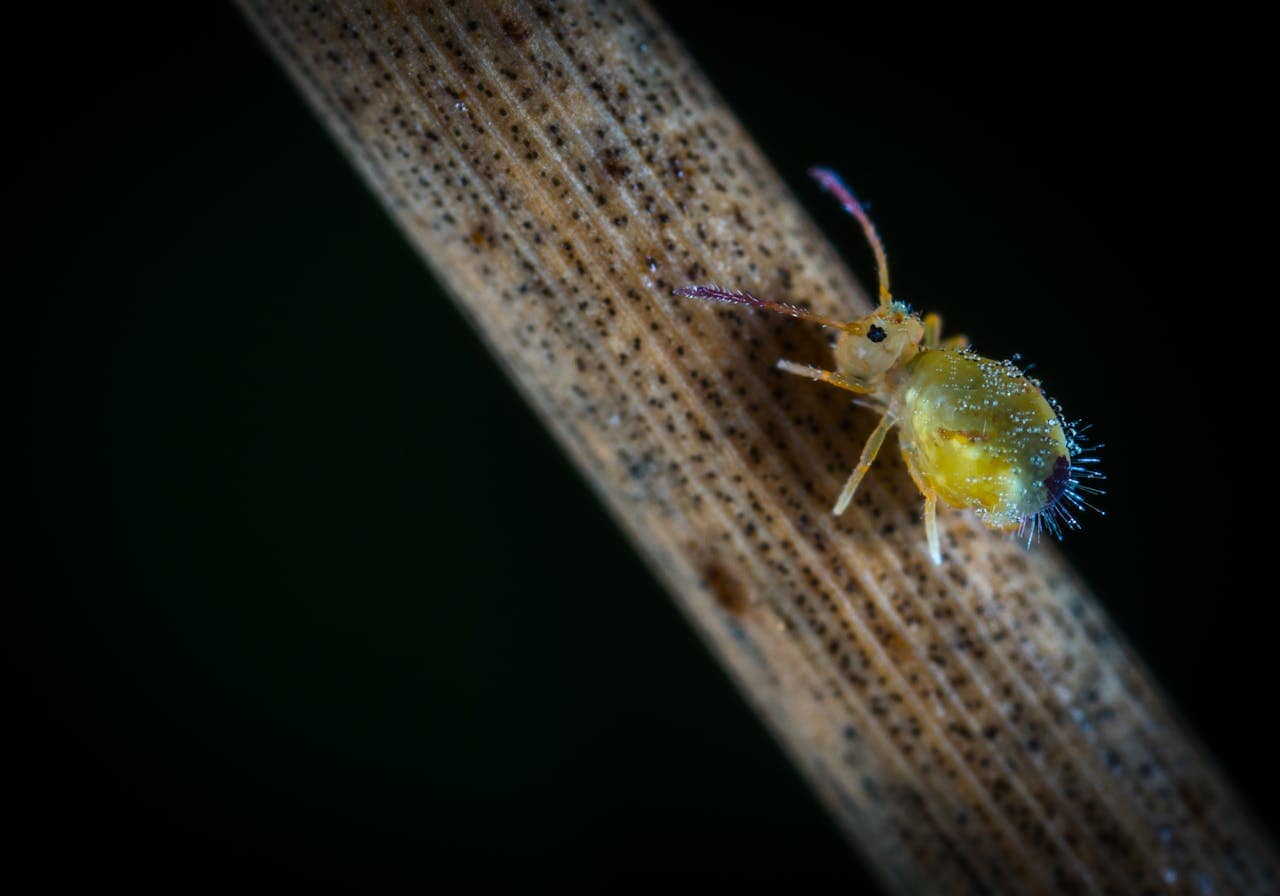
You might notice tiny springtails swarming in your mulch, especially when it’s damp. These small insects thrive in moist conditions because they feed on mold and decaying organic matter.
Keeping the mulch dry and removing excess organic debris can help reduce their numbers. Creating a dry zone around your foundation also makes your home less inviting to springtails.
Woodlice hiding within wood-based mulch
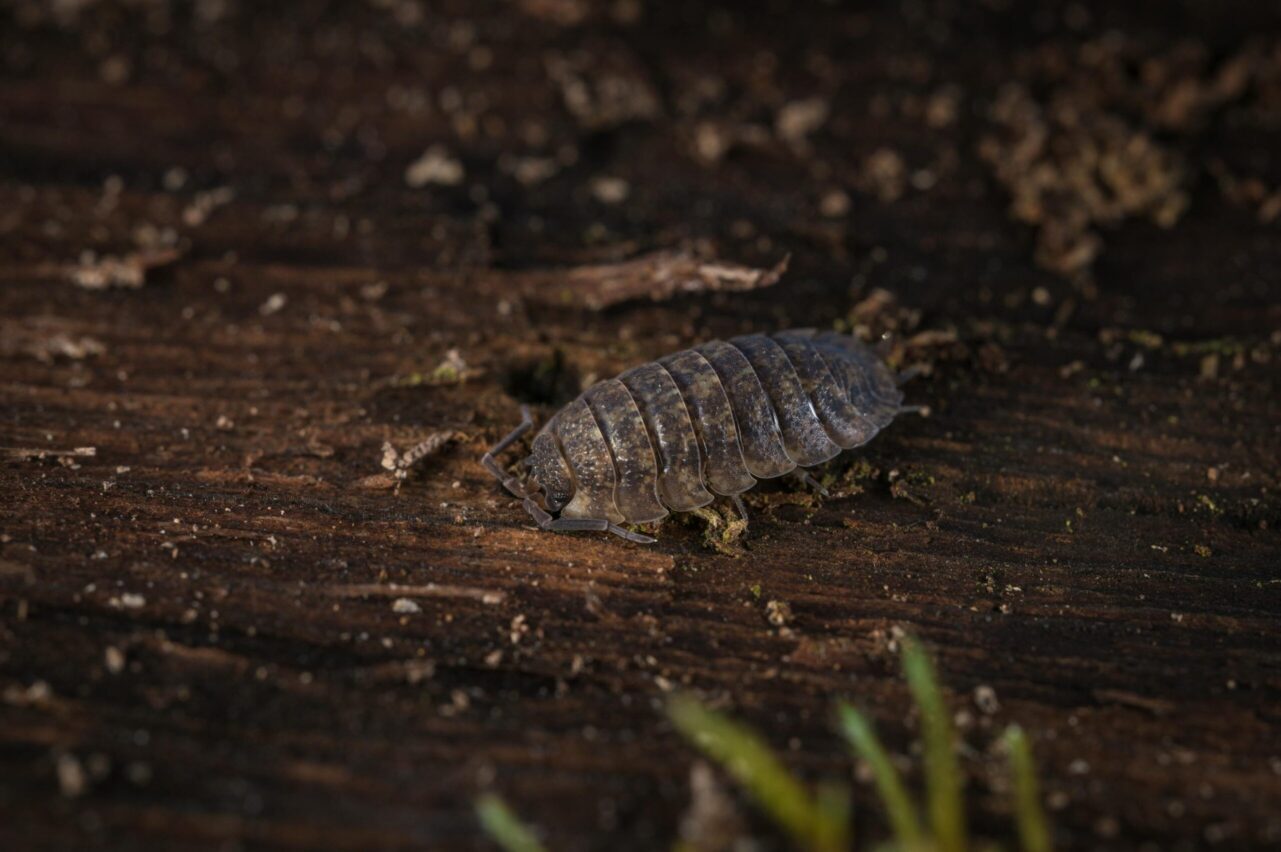
You might spot woodlice tucked under your wood-based mulch. These small, grayish creatures prefer damp, dark places like mulch or rotting wood.
Woodlice mainly help by breaking down organic matter, but if you see a large number, it could mean your mulch stays too moist. Keep an eye on moisture levels to manage their presence without harming your garden’s health.
Spiders using mulch as a hunting ground
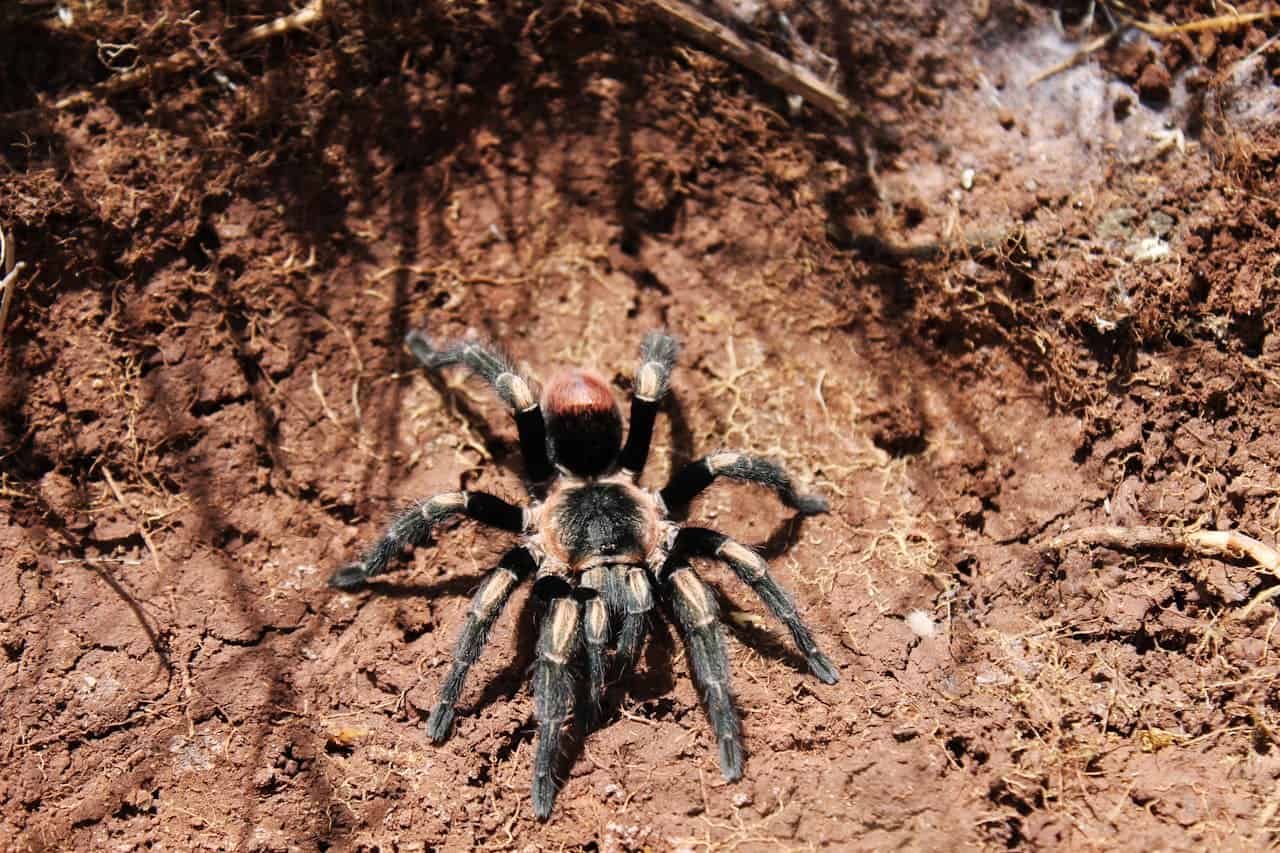
You might not realize it, but spiders often use mulch as their hunting base. Mulch attracts many small insects, making it a great spot for spiders to find food.
Wolf spiders and other types live under mulch, waiting patiently to catch their prey. These spiders help control pest populations in your garden naturally.
Centipedes living inside thick mulch layers
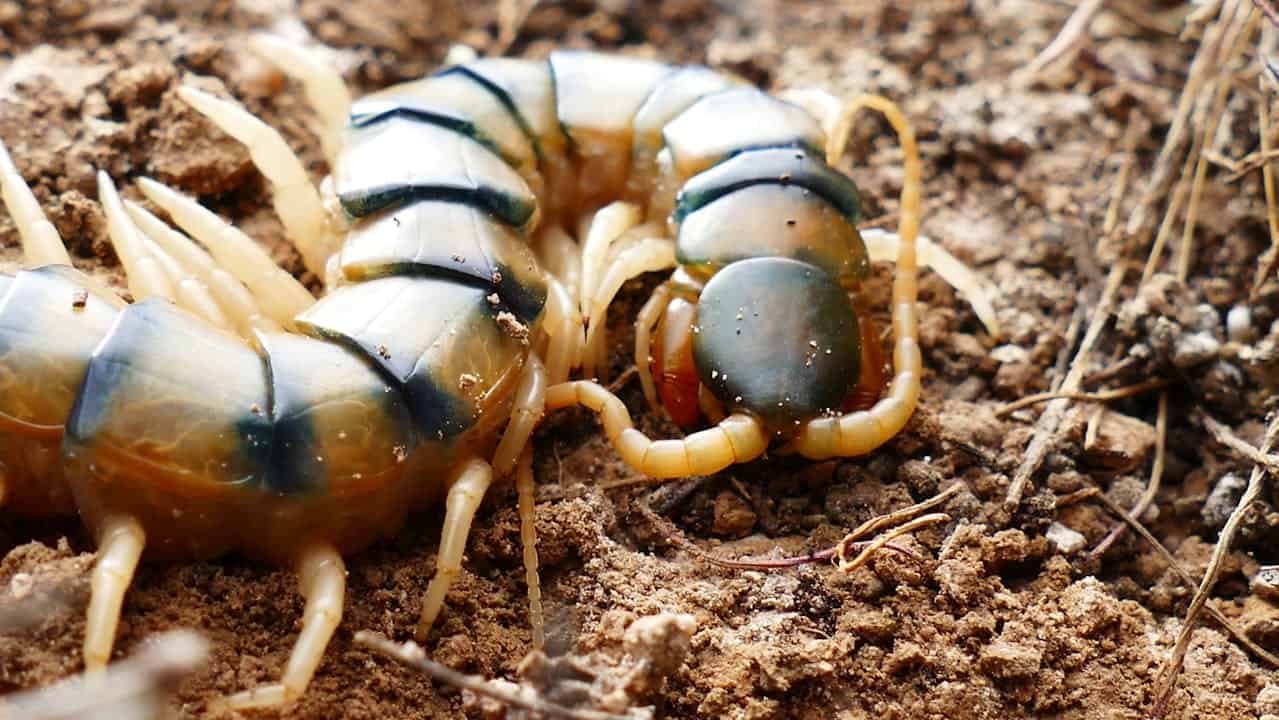
You might find centipedes hiding in the thick mulch around your home. They like moist, dark places like mulch because it provides shelter and food.
Centipedes feed on insects and other small pests that live in your mulch. Having them around can actually help control bugs, but too many might be a nuisance.