Rocky soil can be challenging for many plants, but it doesn’t have to limit your garden choices. With the right perennials, you can create a beautiful, low-maintenance space even in rough terrain.
Whether you want ground cover, color, or texture, these plants can handle tough conditions and add interest to your garden year after year.
Advertisement
Purple Poppy Mallow
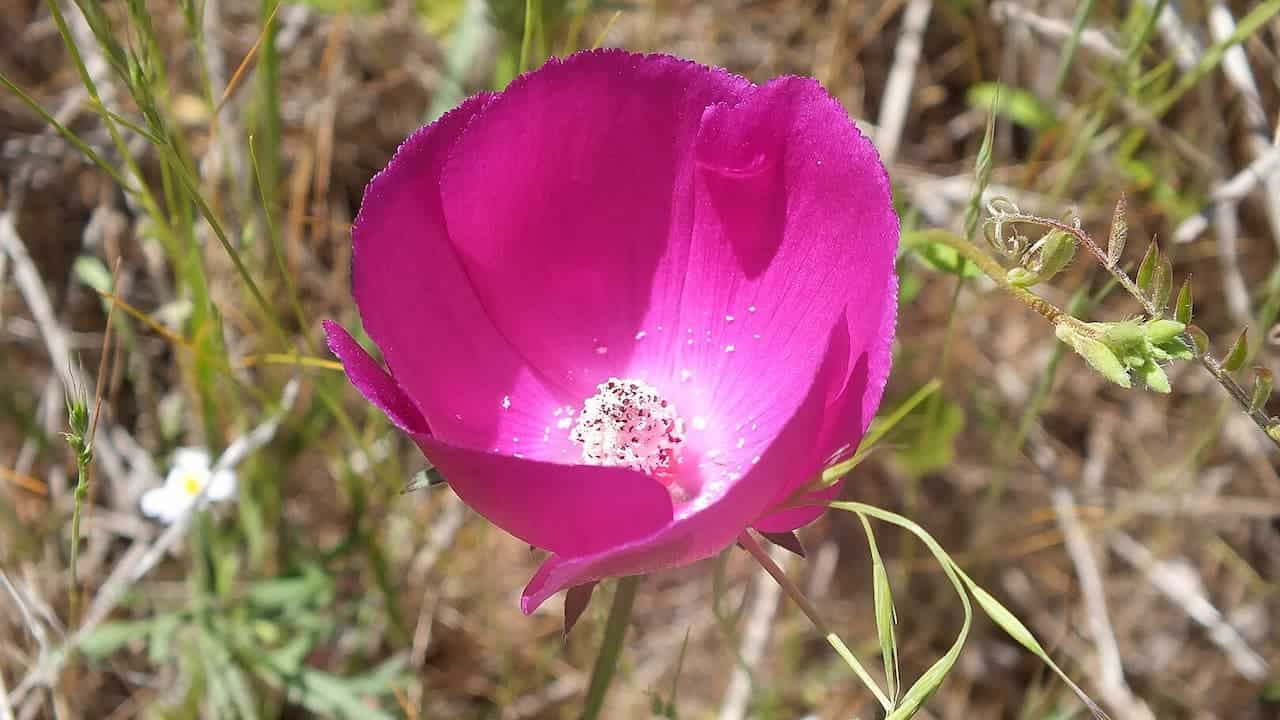
Purple Poppy Mallow is a great choice if you have rocky, well-drained soil. You’ll enjoy its bright wine-red flowers with white centers all summer long.
This plant prefers full sun and can handle dry conditions, making it low-maintenance. Its taproot helps it survive tough soil. You might also notice hummingbirds visiting your garden, attracted by these colorful blooms.
Common Bearberry
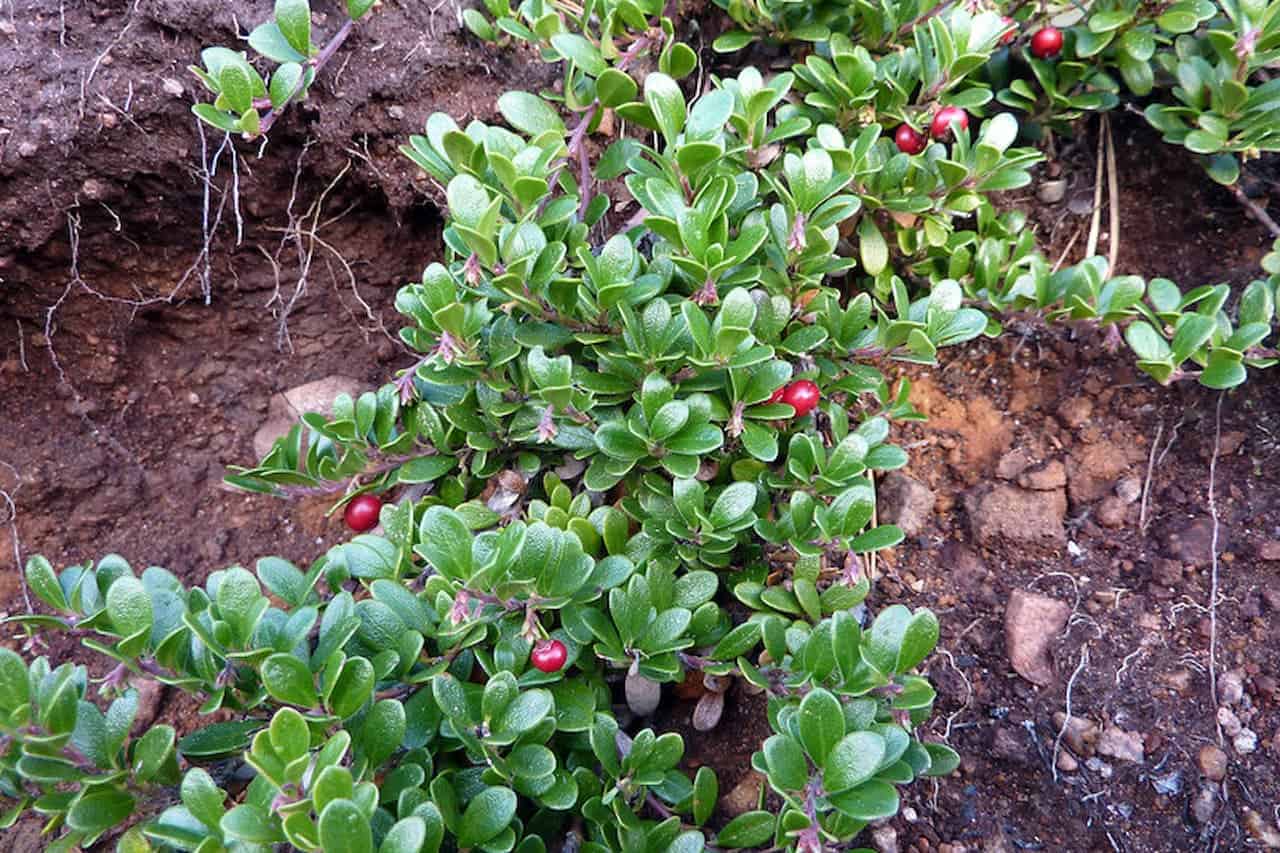
If you have rocky or poor soil, common bearberry is a great choice for your garden. It loves well-drained, acidic soil and won’t do well in clay.
You’ll find it grows well in full sun to partial shade. It’s a low-growing evergreen ground cover that’s both hardy and drought tolerant once established.
Bellflower
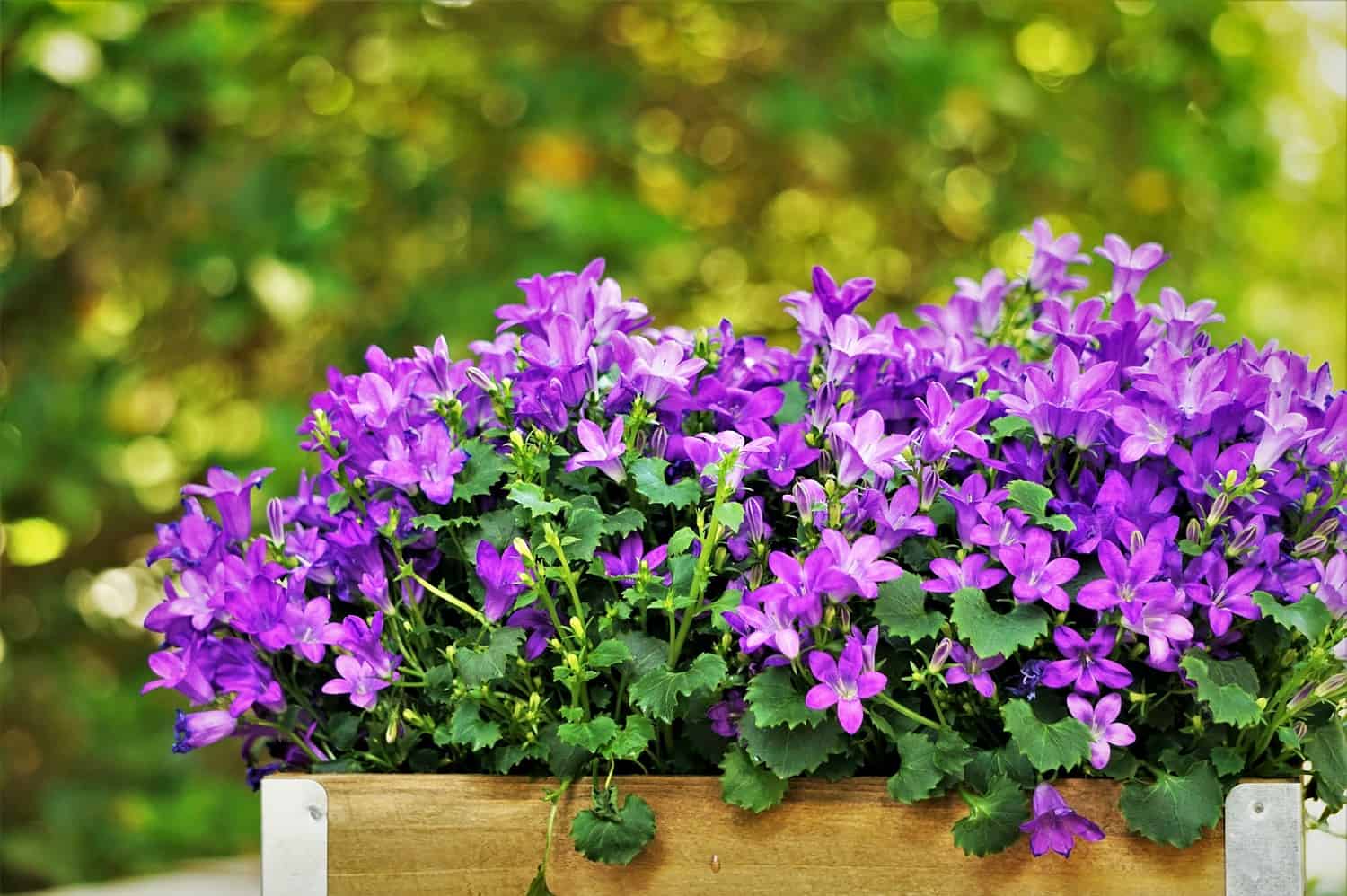
Bellflowers, or Campanulas, are great for rocky soil because they handle dry to moist conditions well. You’ll find varieties like the Tussock or Carpathian bellflower that stay low and spread nicely as ground cover.
They love sunny spots and add lovely violet-blue or white blooms. These perennials are easy to care for and brighten up rock gardens with minimal fuss.
Candytuft
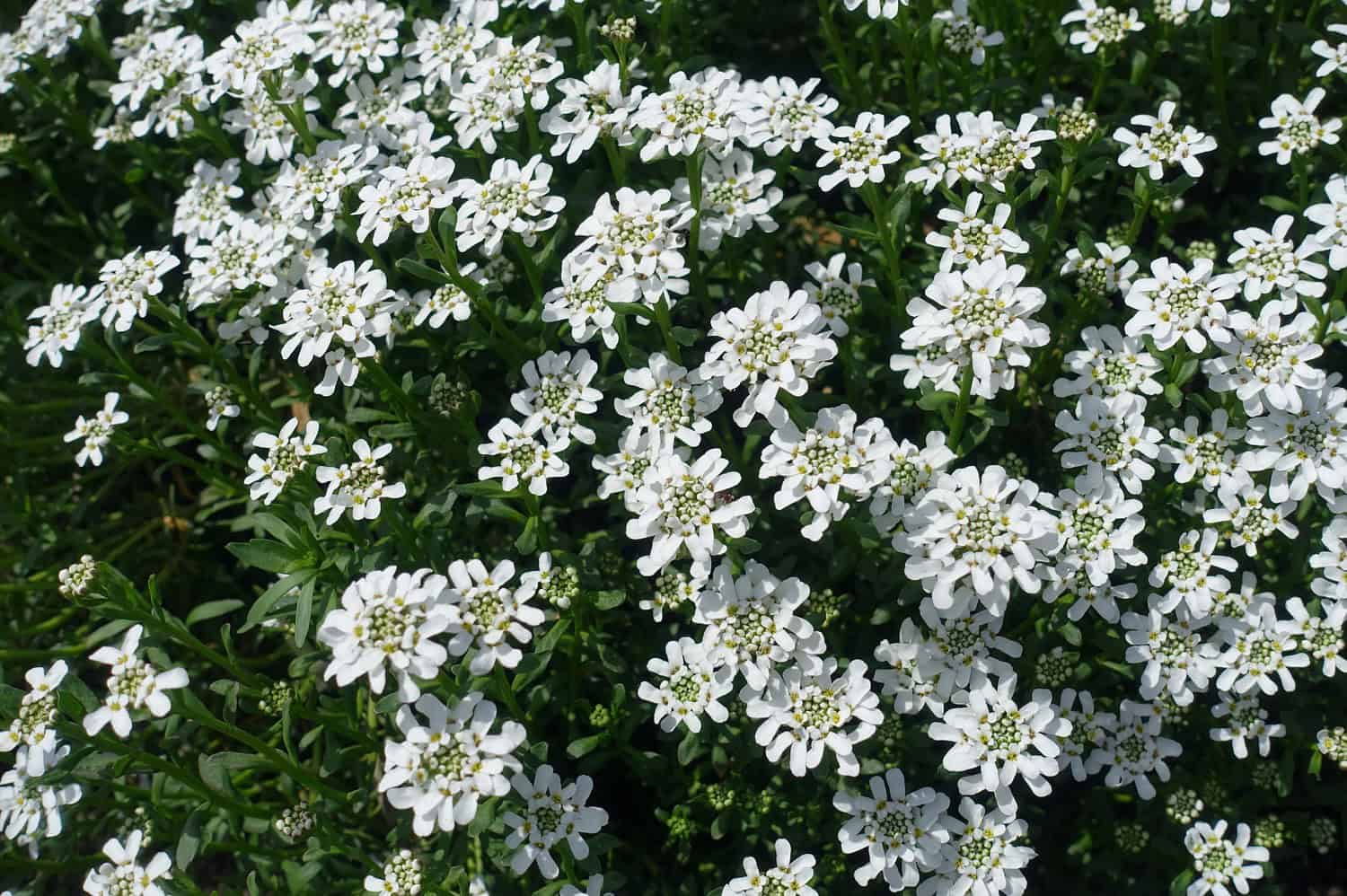
You’ll find candytuft thrives in rocky, well-drained soil and full sun to partial shade. It prefers soil that doesn’t stay damp, so it’s perfect for dry spots.
This plant is drought-tolerant once established, making it easy to care for. It adds lovely white flowers to your rock garden borders or mixes.
Columbine
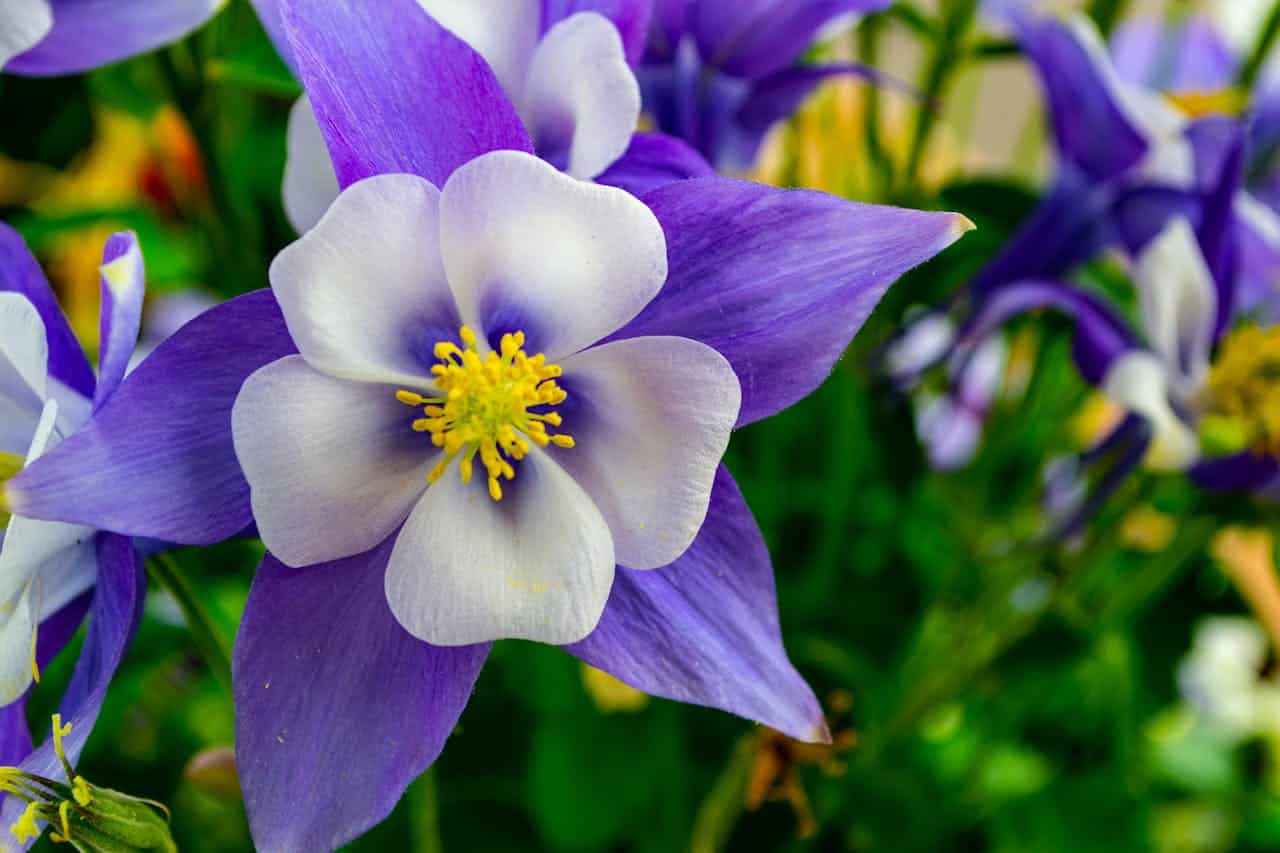
Columbine is a great choice for rocky soil because it grows well in dry, well-drained conditions. You can plant it in early spring or fall, preferably in a spot with dappled shade.
It blooms in the first year and handles both warm and cold climates, making it a hardy addition to your garden. Avoid heavy fertilizers to keep your columbine healthy and thriving.
Hens-and-Chicks (Sempervivum)

You’ll find Hens-and-Chicks perfect for rocky soil because they need good drainage and don’t like rich dirt. These tough succulents grow well even in poor soil and dry conditions.
They spread by producing many “chicks,” so your garden will quickly fill out. Their unique shapes and colors add charm to any rock garden.
Lavender
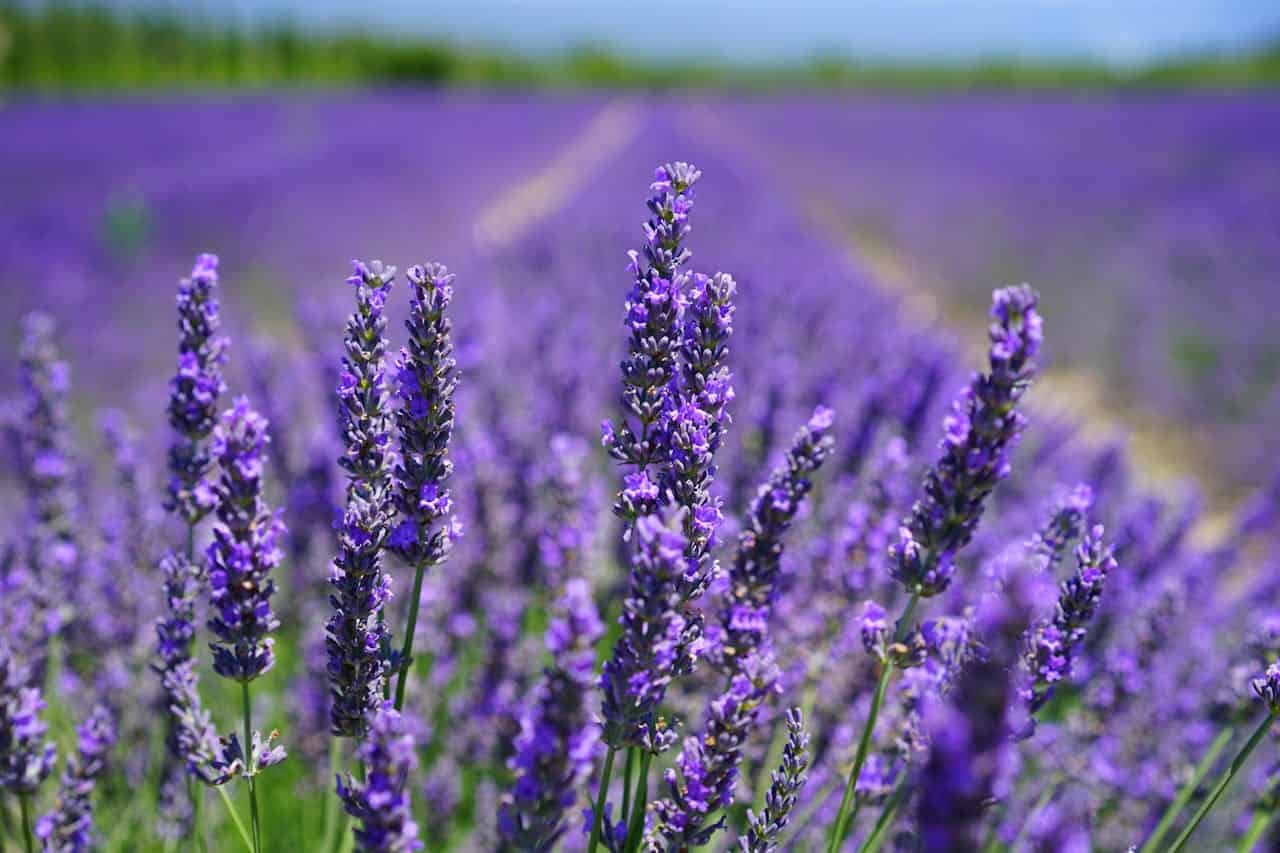
Lavender is a great choice if your soil is rocky and drains quickly. It prefers full sun and well-drained spots where water won’t sit around.
You’ll find it grows between 12 to 18 inches tall. Lavender adds color and scent while handling tough soil conditions with ease.
Showy Milkweed
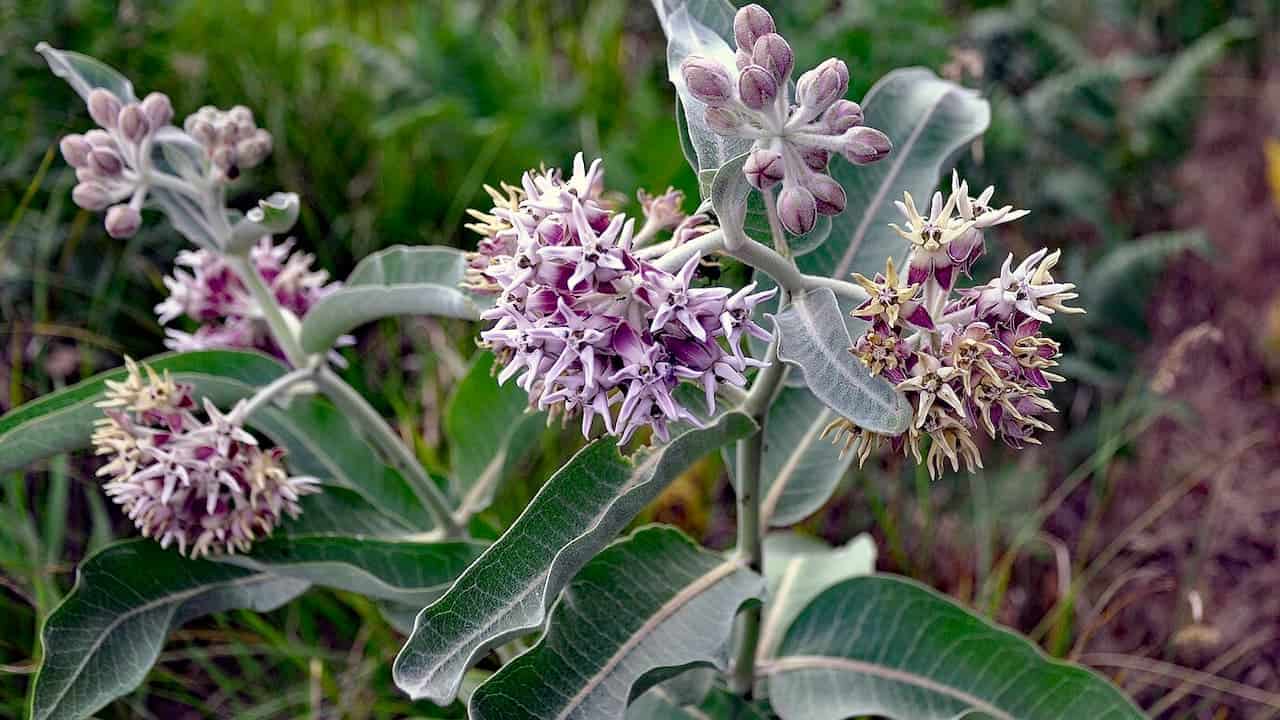
Showy Milkweed is a great choice if you want a plant that thrives in rocky soil. It handles dry, sunny spots well and adapts to different soil types, including sandy and loamy soils.
You’ll find it easy to grow with average moisture, making it a low-maintenance option for your garden. Plus, it attracts butterflies, which is a nice bonus!
Alyssum

Alyssum is a great choice for rocky soil because it is tough and low-maintenance. You’ll find it grows best in well-draining, sandy, or loamy soil with plenty of sun.
To help your alyssum bloom longer, add compost when planting and consider using a liquid fertilizer. Deadheading spent flowers encourages new growth, keeping your garden colorful.
Blue Fescue
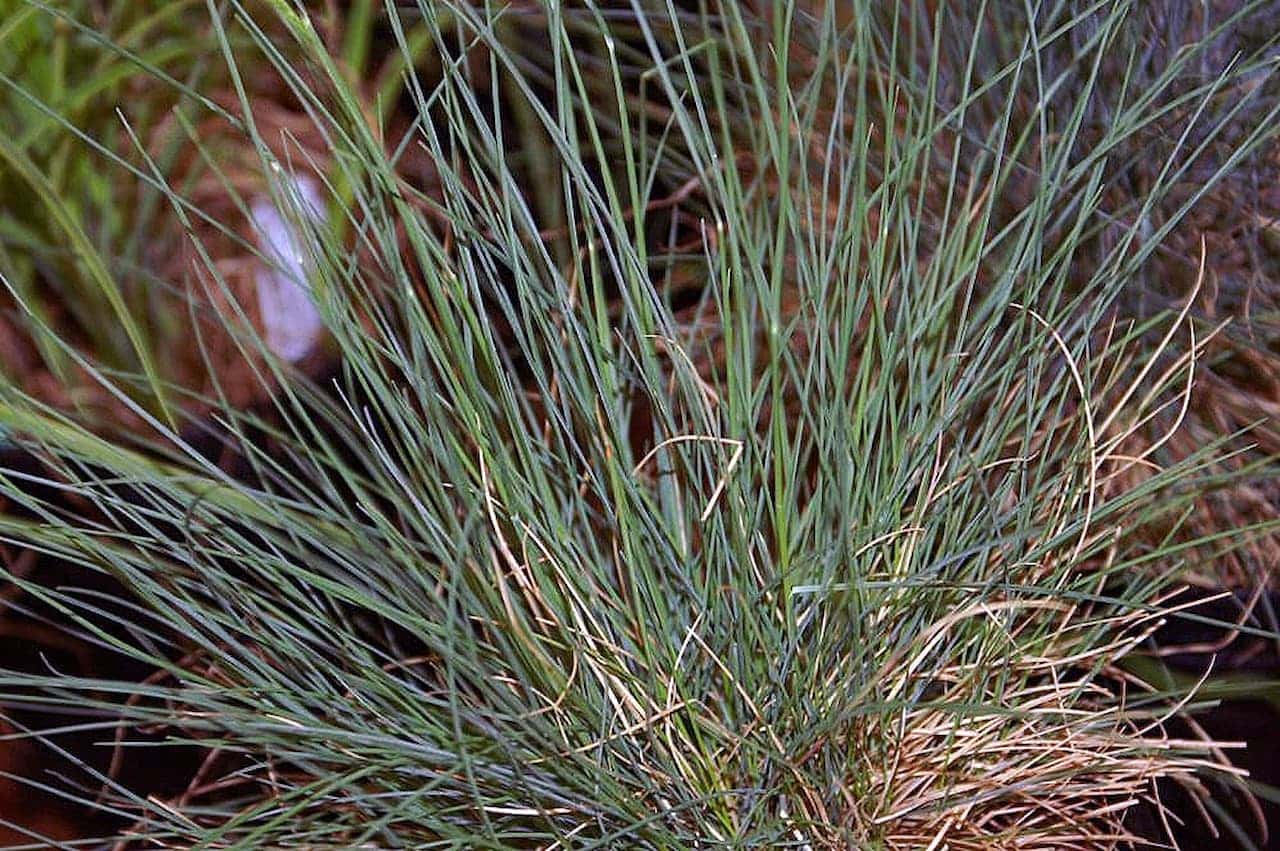
Blue Fescue is a tough, low-maintenance grass that does well in rocky soil. You’ll like how it stays attractive through multiple seasons with its soft, blue-gray foliage.
It prefers full sun and well-drained soil, making it perfect for dry, rocky garden spots. You don’t need to water it often, as it’s quite drought tolerant.
Blue Star Creeper
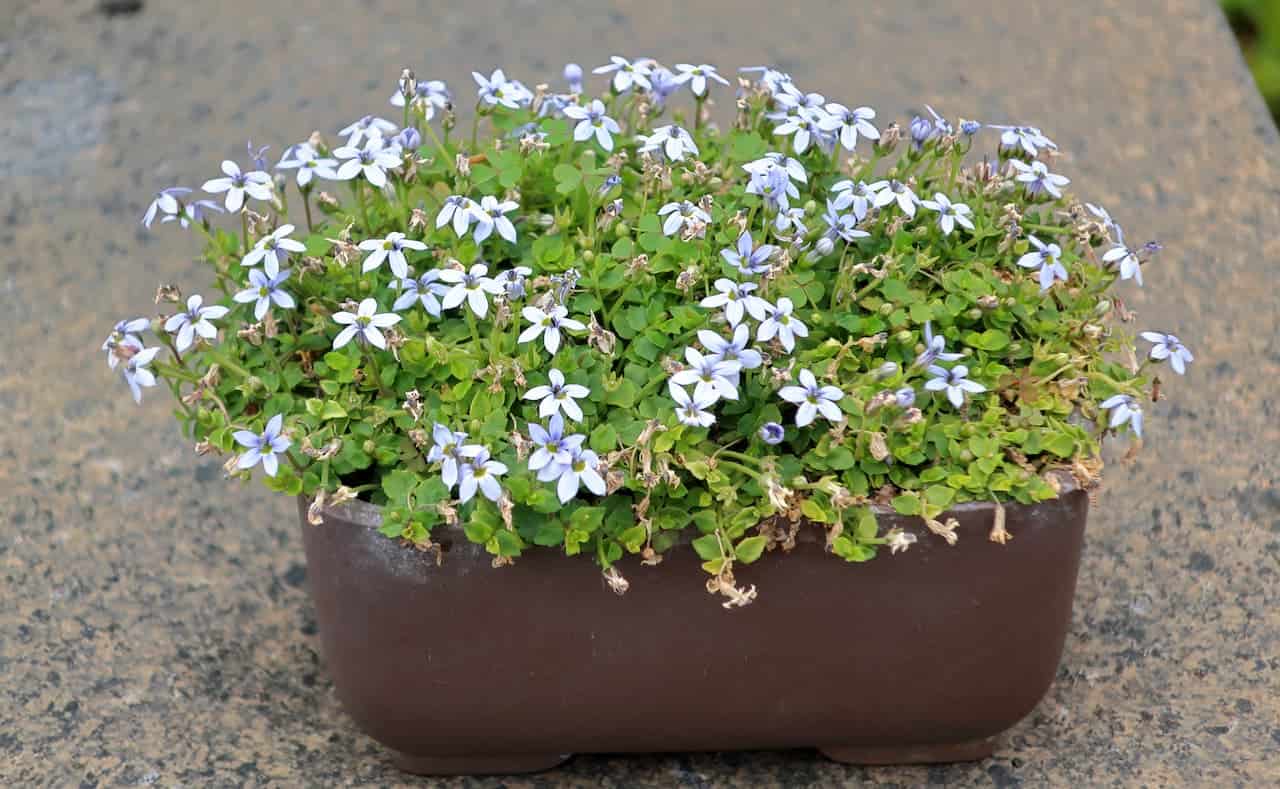
You’ll find Blue Star Creeper is a tough ground cover that does well in rocky soil. It spreads quickly and fills in gaps with tiny, pale blue flowers in spring.
This plant prefers slightly moist soil but can tolerate various light conditions, making it flexible for different garden spots. It also stands up to light foot traffic, perfect if you want a colorful lawn alternative.
Creeping Phlox
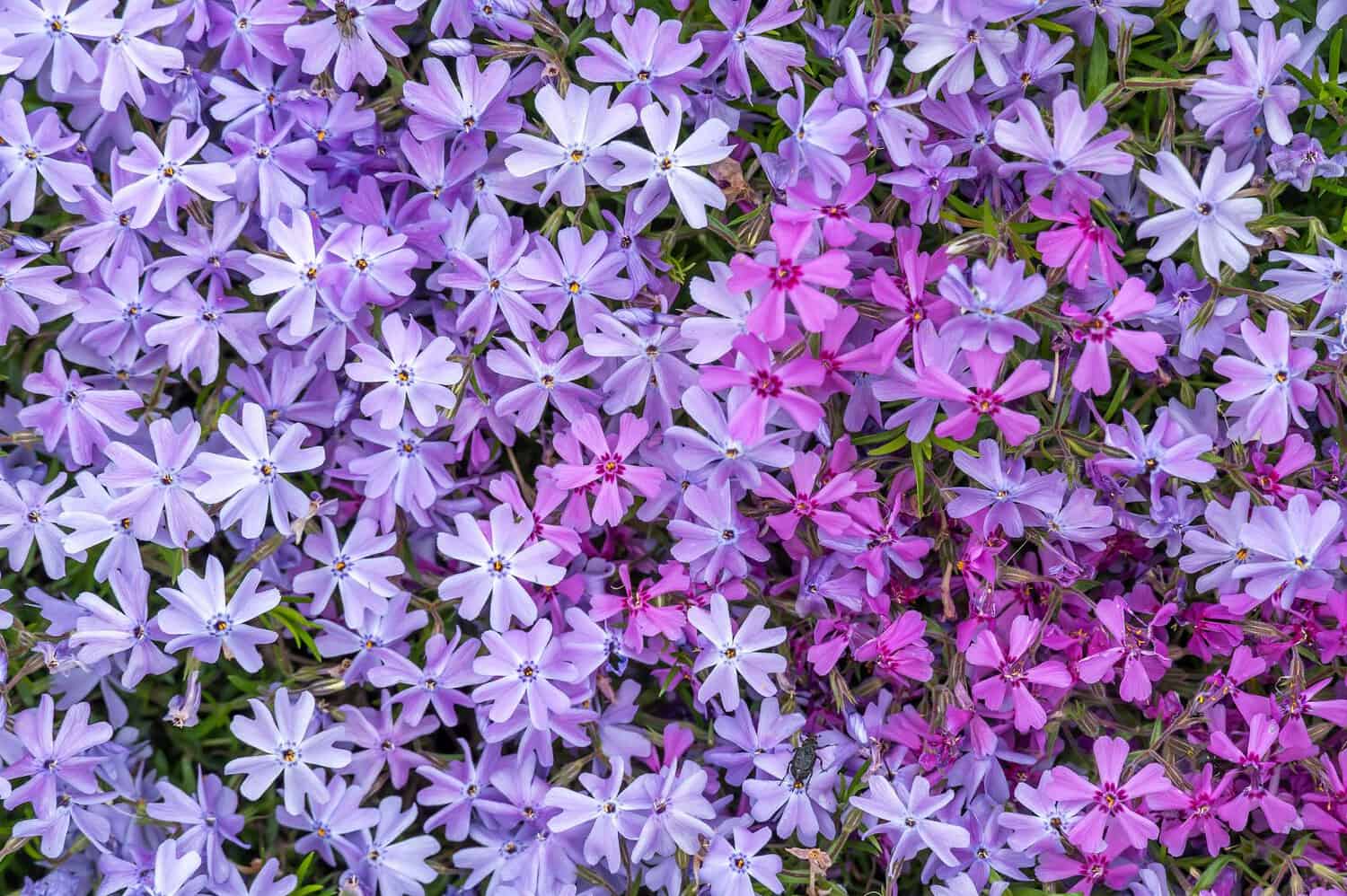
Creeping phlox is perfect for rocky soil because it thrives in dry, well-drained conditions. You’ll love how it creates a colorful carpet of flowers for several weeks each spring.
It’s low-growing and spreads nicely over rocks or slopes. Its evergreen foliage adds interest even after the blooms fade.
Deadnettle
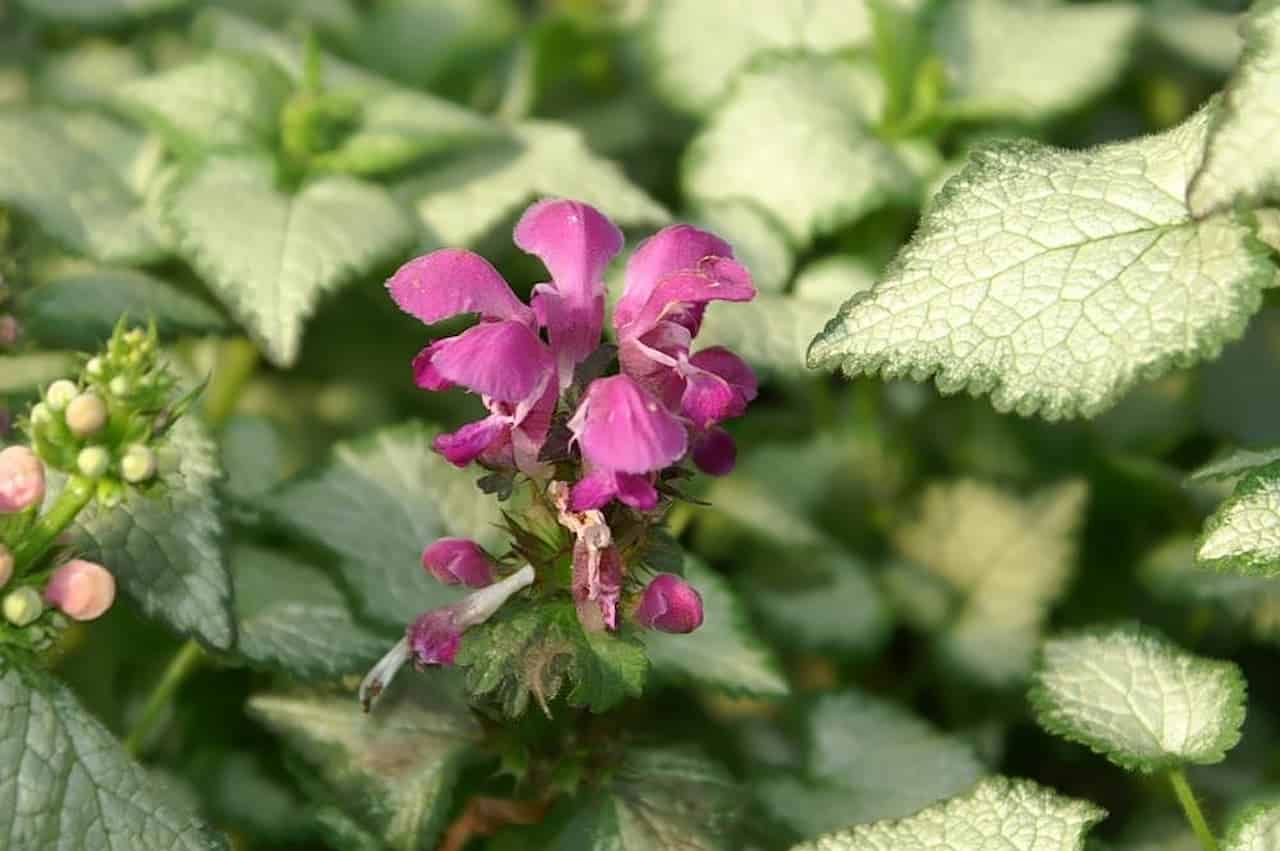
Deadnettle is a great choice for rocky soil, especially if your garden has some shade. You’ll find it thrives in well-drained soil and needs consistent moisture at first.
Once settled, it tolerates drier conditions well. Its colorful foliage and flowers add interest, and it’s low-maintenance with few pest problems. Deadnettle also spreads nicely to cover bare spots.
Coneflower (Echinacea)
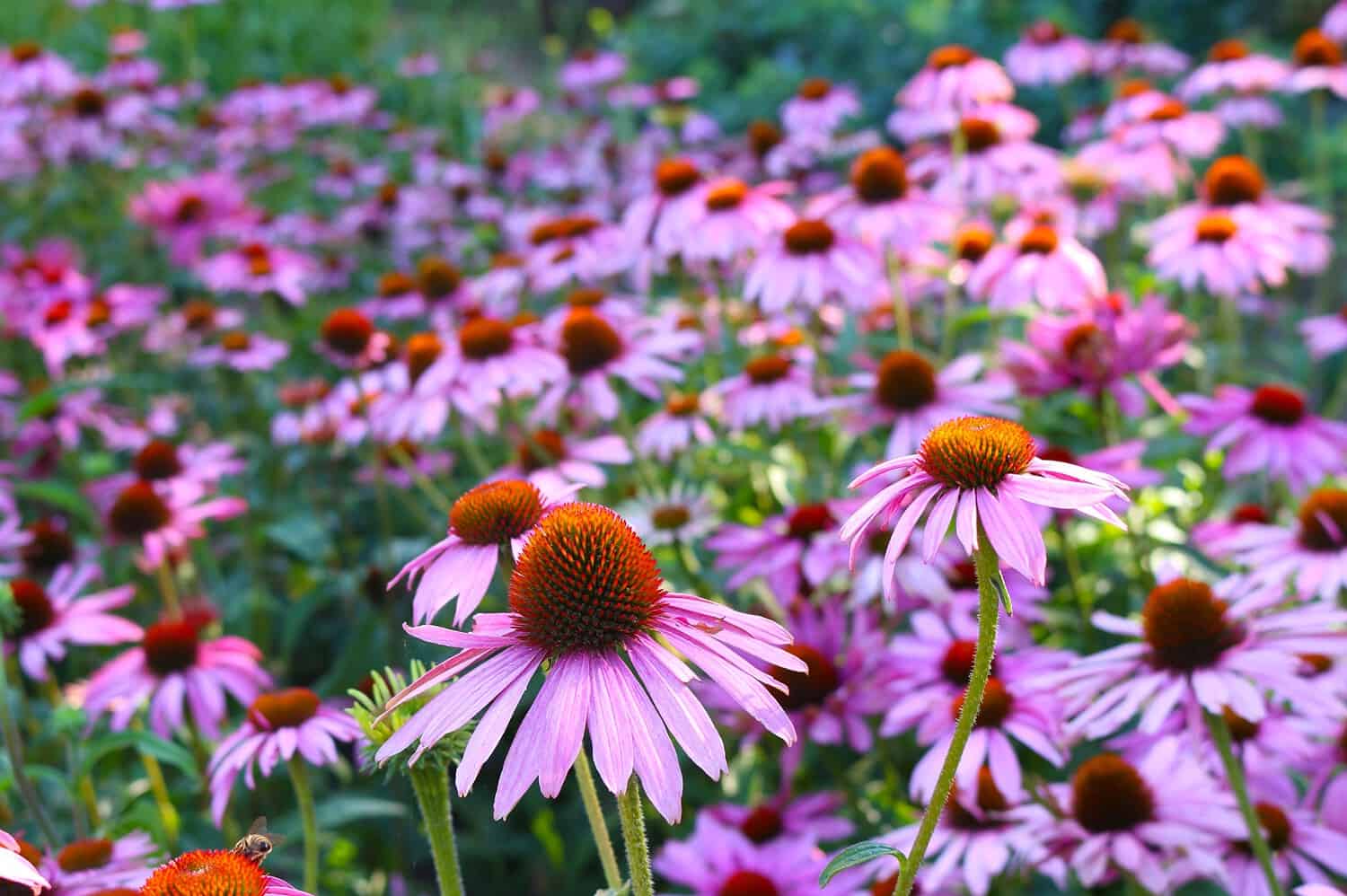
You’ll find coneflowers are great for rocky soil. They prefer well-drained conditions and can handle poor or sandy soil without trouble. These perennials love plenty of sunshine and need only moderate moisture. Their long-lasting blooms add color to your garden from early summer.
Coneflowers are also tough, standing up well to heat and drought. They make a lovely, low-maintenance choice for your rocky garden spots.
Yarrow (Achillea)

Yarrow is a hardy perennial that grows well in rocky, poor soil. You’ll find it thrives with full sun and minimal watering.
Its feathery leaves and colorful blooms attract bees and butterflies. It’s low maintenance, so you can enjoy vibrant flowers without much effort.