If you have areas in your yard that just won’t grow well or look right, selecting the right plants can make a big difference. Perennials are a great option because they come back year after year and can handle tough spots like shade, poor soil, or dry patches.
The key is choosing perennials that are suited to solving specific landscape challenges in your yard. With the right picks, you can improve problem areas while adding beauty and interest to your garden without constant effort.
Advertisement
Hosta – perfect for deep shade and low maintenance

Hostas thrive in deep shade, making them ideal if your yard has dense, shady spots. You don’t need to worry much about sunlight since most hostas do well with little to no direct sun.
They require minimal care once planted. Just water them regularly, and they’ll add lush greenery to dull areas of your garden. Plus, they come in many sizes and colors to fit your style.
Barrenwort – thrives in zones 5-9 with attractive foliage
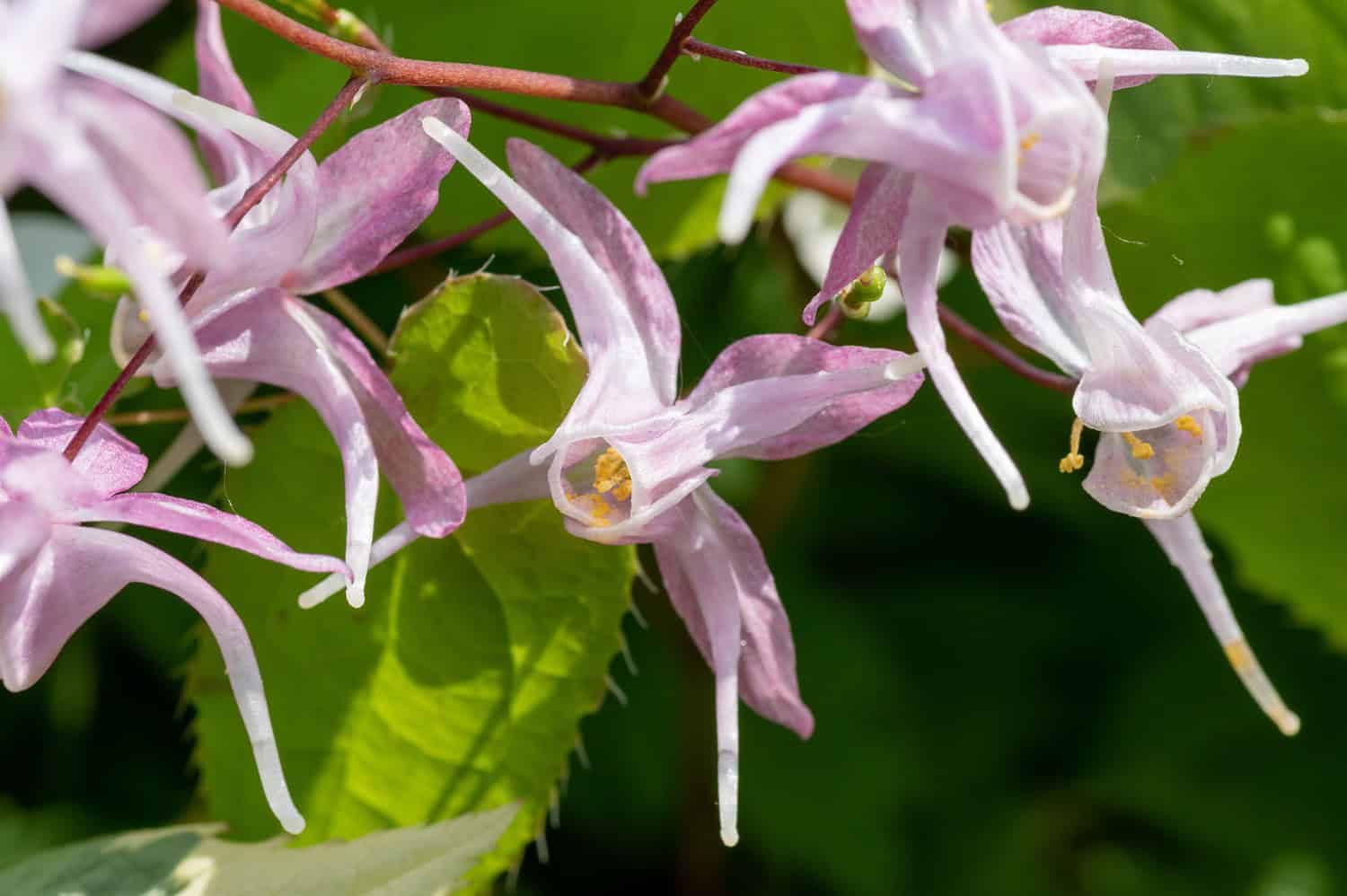
If you have shady spots in your yard, barrenwort is a great choice. It grows well in USDA zones 5-9 and prefers partial sun to shade.
You’ll enjoy its evergreen leaves that stay low, usually 8-12 inches tall, adding texture year-round. It also pairs nicely with ferns and hostas for a natural look.
This plant is fairly low-maintenance and adaptable to different soil types, making it perfect for problem areas that need some green without much fuss.
Bleeding Heart – adds charming blooms to shady spots
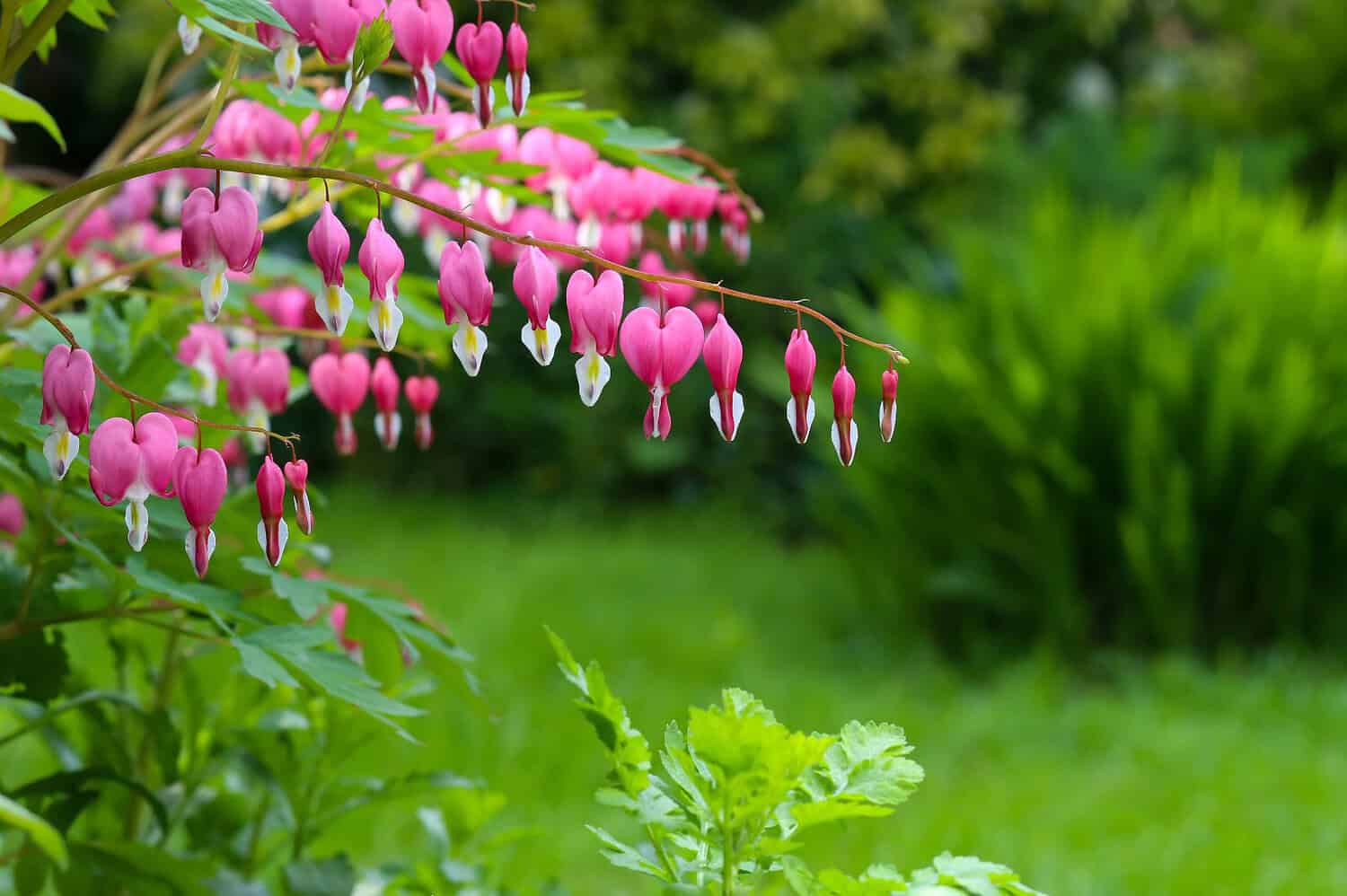
You can brighten up shady areas with Bleeding Heart. This perennial thrives best with about five hours or less of sunlight each day.
Its delicate, heart-shaped flowers bring a lovely touch to your garden. Be mindful that the foliage is fragile and can be prone to fungal leaf spots.
Plant Bleeding Heart in shaded borders or woodland gardens to enjoy its graceful blooms throughout the season.
Astilboides Tabularis – bold leaves for shade gardens
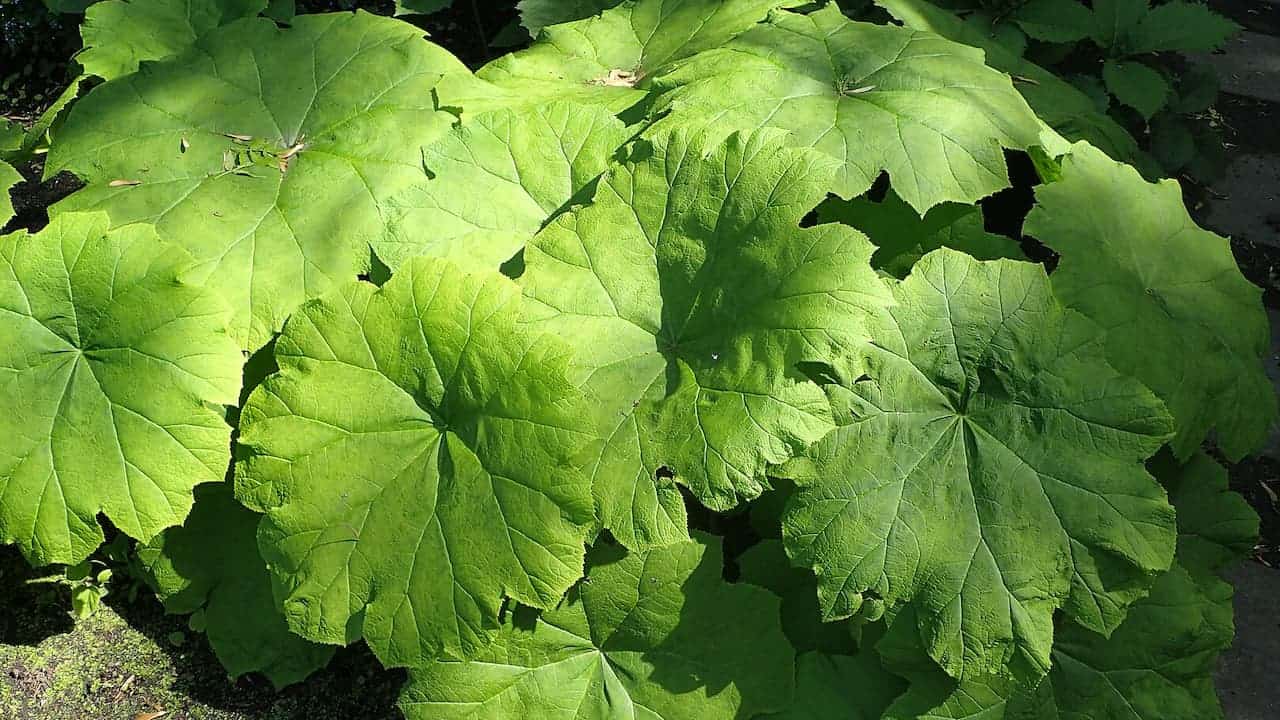
You’ll love Astilboides tabularis if you need a striking plant for shady spots. Its large, round leaves can grow over 24 inches wide, adding bold texture to your garden.
This plant prefers cool, moist, humus-rich soil and does well in part to full shade. It’s a great choice for damp or shaded problem areas where many plants struggle.
Sedum (Stonecrop) – drought-tolerant for dry, sunny areas
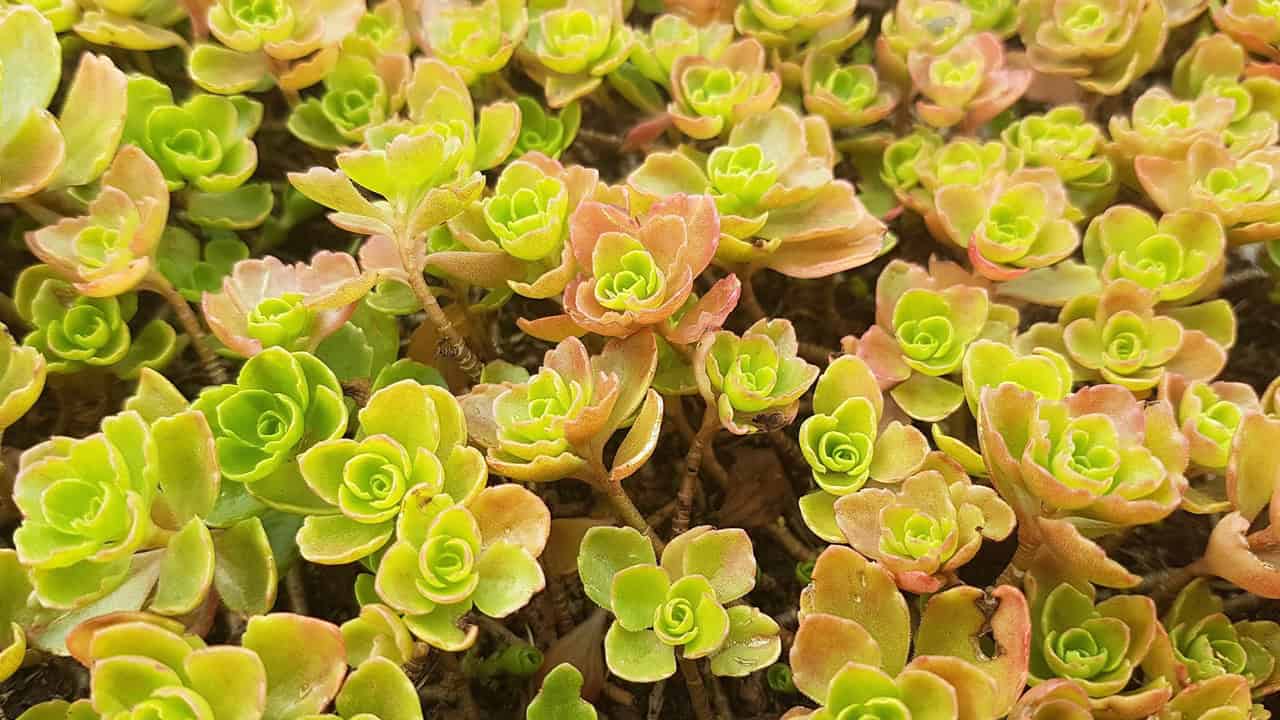
If you have a dry, sunny spot, sedum is a smart choice. These plants store water in their fleshy leaves, so they don’t need much watering.
You’ll find sedums work well as ground cover or in rock gardens. They tolerate poor soil and thrive in full sun, making yard care easier for you.
Daylily (Hemerocallis) – resilient with bright flowers
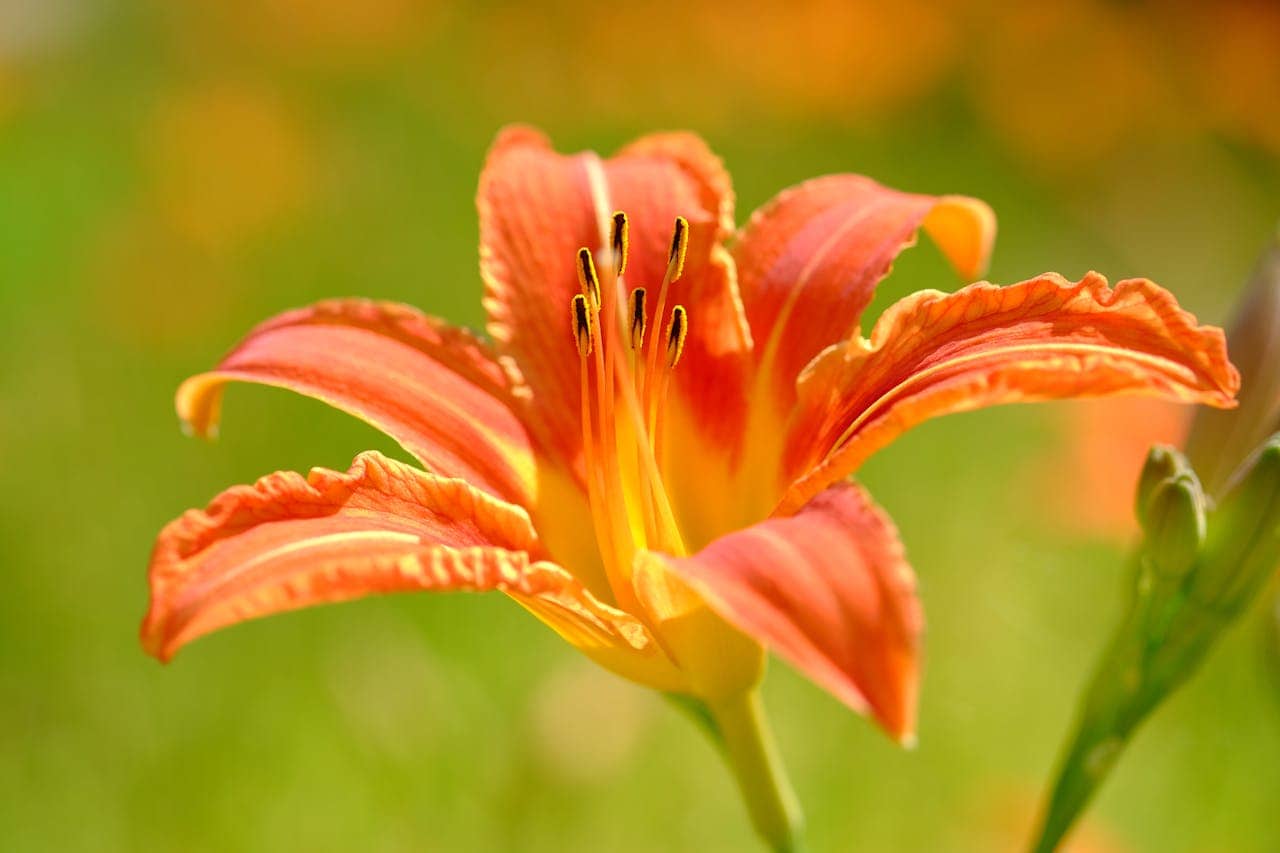
You’ll find daylilies easy to grow and very forgiving. They handle heat, drought, and poor soil well, making them perfect for tough spots in your yard.
Their bright, colorful flowers bloom reliably every year. Once planted, daylilies need little care but provide long-lasting beauty and strong growth to brighten problem areas.
Black-Eyed Susan (Rudbeckia) – great for sunny, tough spots
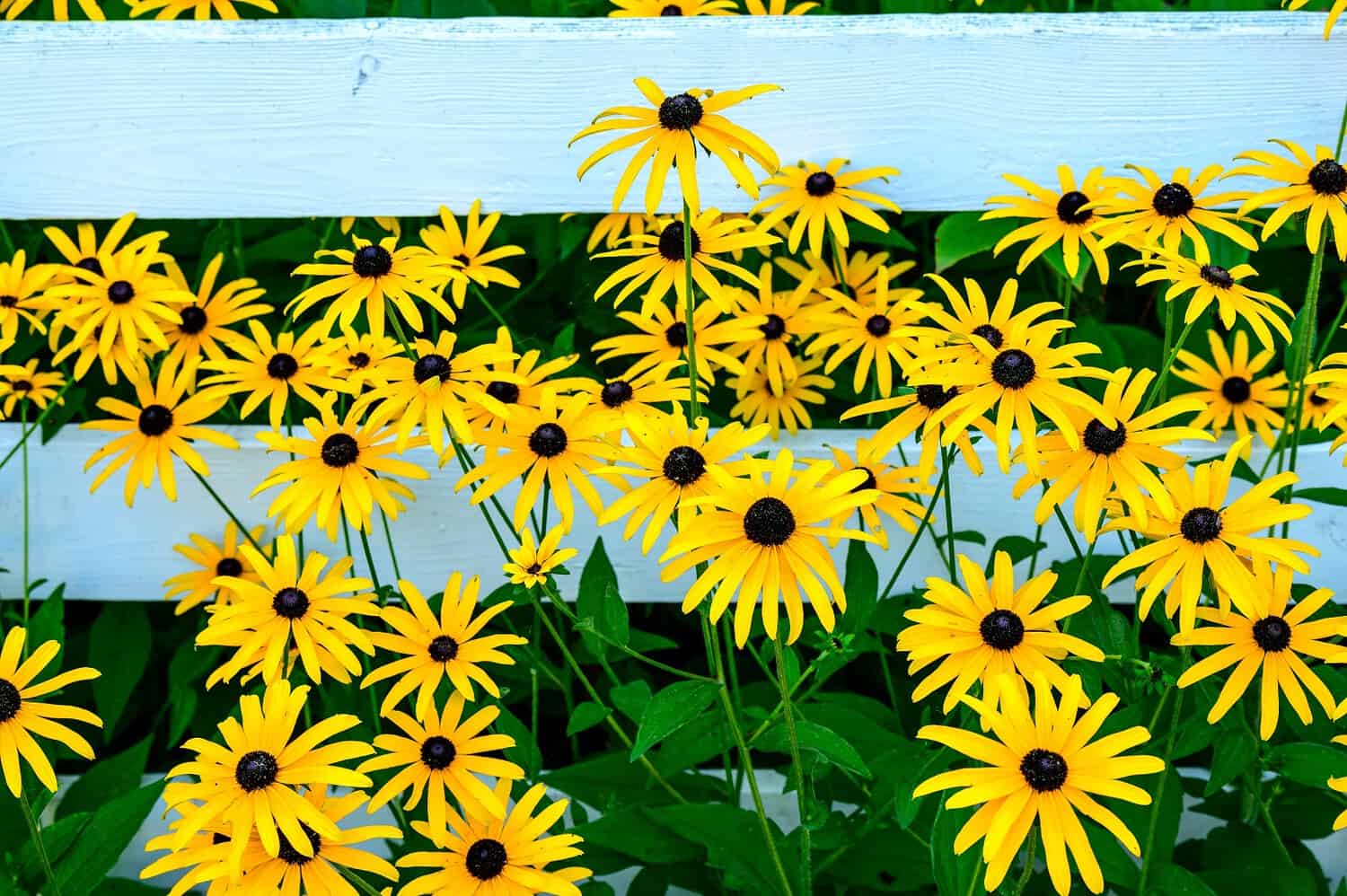
You’ll find Black-Eyed Susan is ideal for sunny areas that need tough plants. It grows well in full sun and can tolerate some partial shade.
These perennials reach about two to three feet tall and bloom bright yellow flowers for many weeks. They are hardy in most zones and require little care once established.
Black-Eyed Susans handle challenging soil and resist many common plant diseases, making them great for problem spots in your yard.
Coneflower (Echinacea) – drought-resistant pollinator favorite
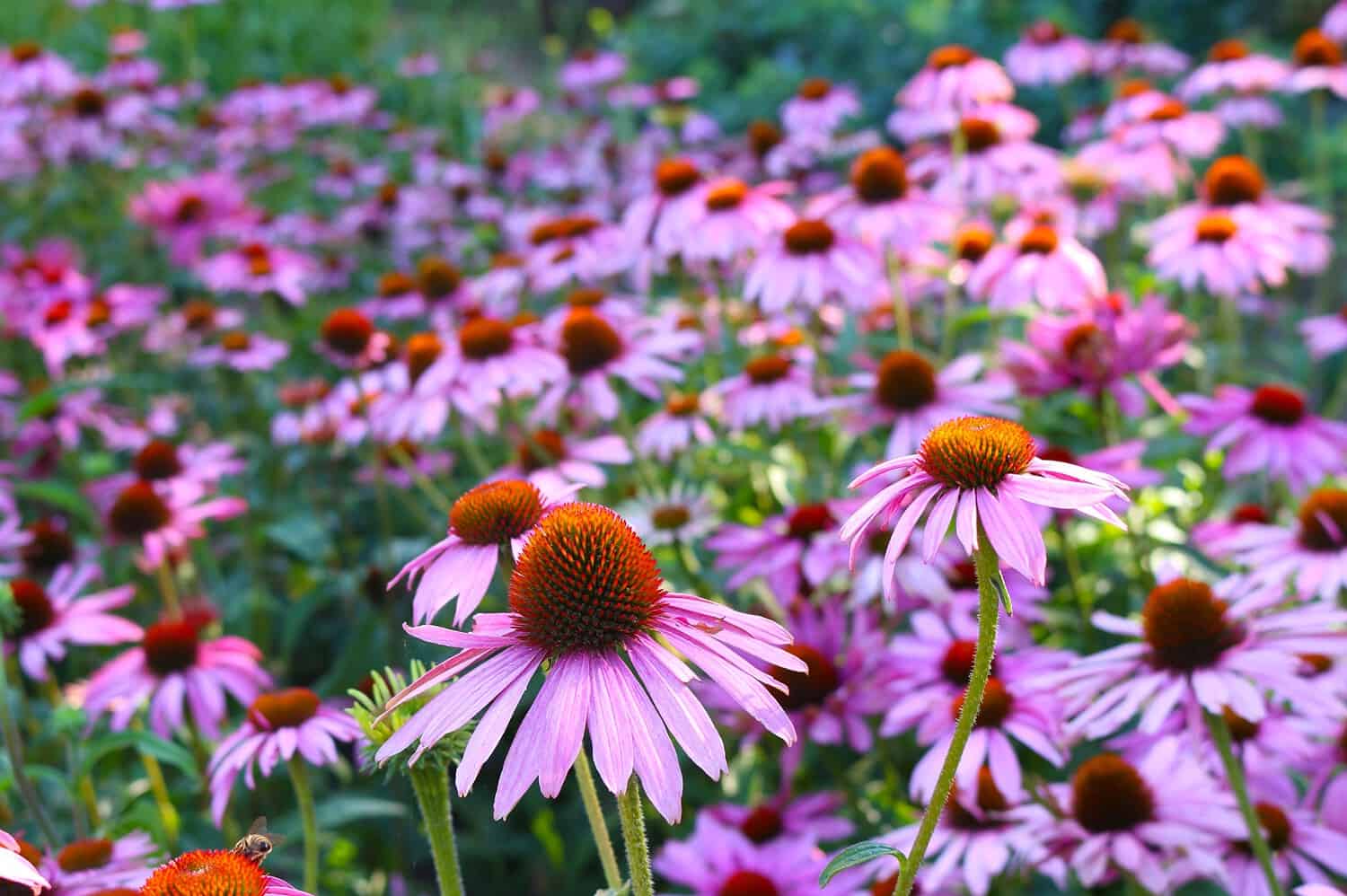
You’ll love how coneflowers handle dry conditions without losing their charm. These perennials thrive in well-drained soil and need little extra water once established.
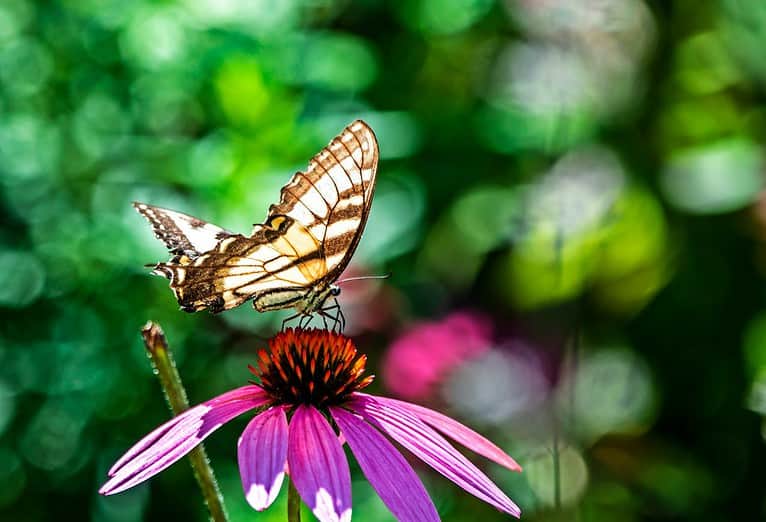
Your garden will benefit from their bright, coppery flower centers that attract bees, butterflies, and hummingbirds. They also stay upright without flopping, making them easy to maintain.
Planting purple coneflowers adds color and supports local pollinators, creating a lively and resilient yard.
Prairie Dropseed – fixes erosion on slopes with taproots
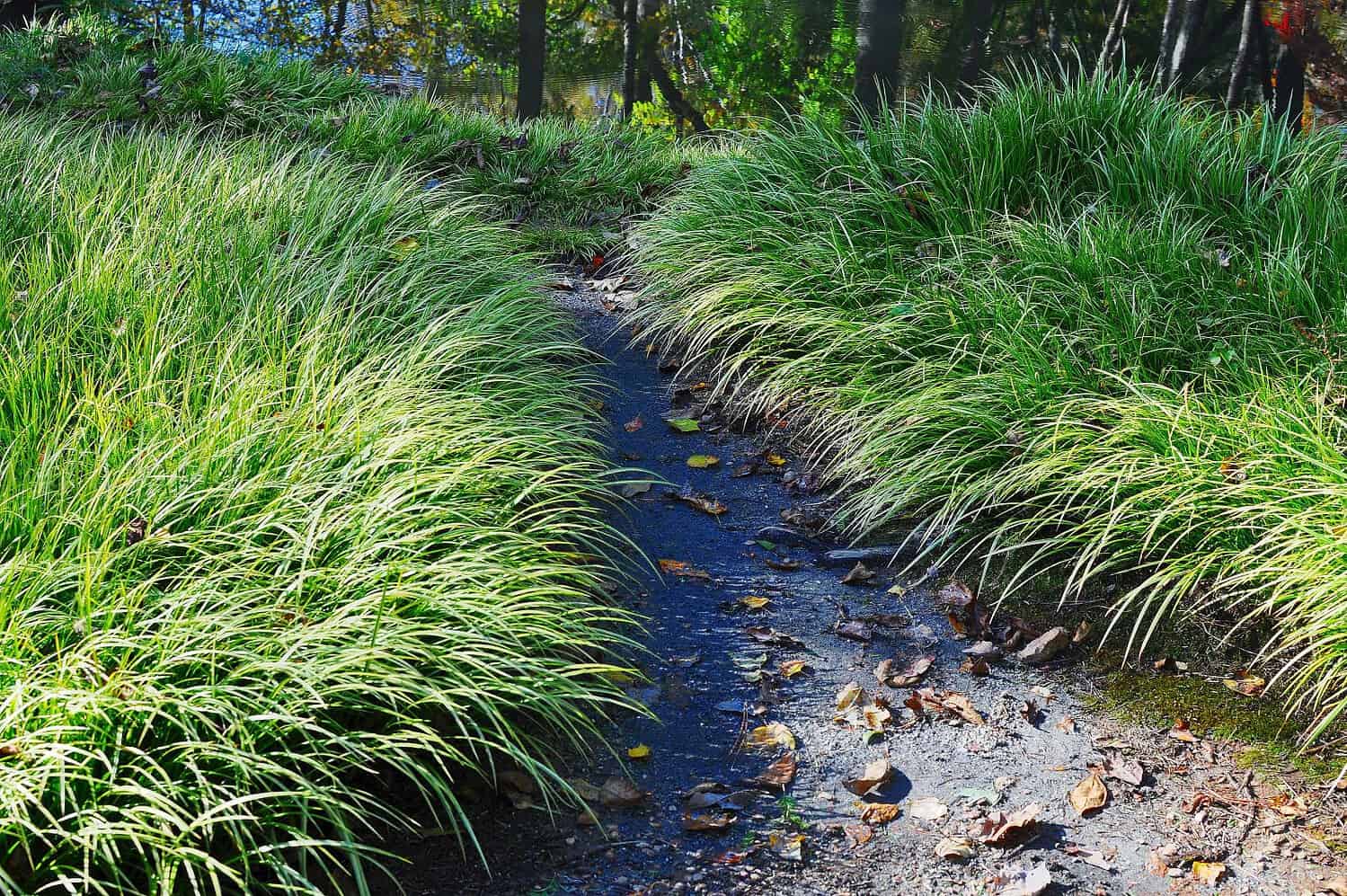
You can use prairie dropseed to help control erosion on slopes. Its deep taproots hold the soil firmly, reducing washouts during heavy rains.
This grass also adds a gentle, flowing texture to your yard. It works well in rain gardens or as a contrast to bolder plants.
Planting prairie dropseed creates a natural solution for stabilizing problem areas without much maintenance.
Asclepias tuberosa (Butterfly Weed) – drought-tolerant slope stabilizer
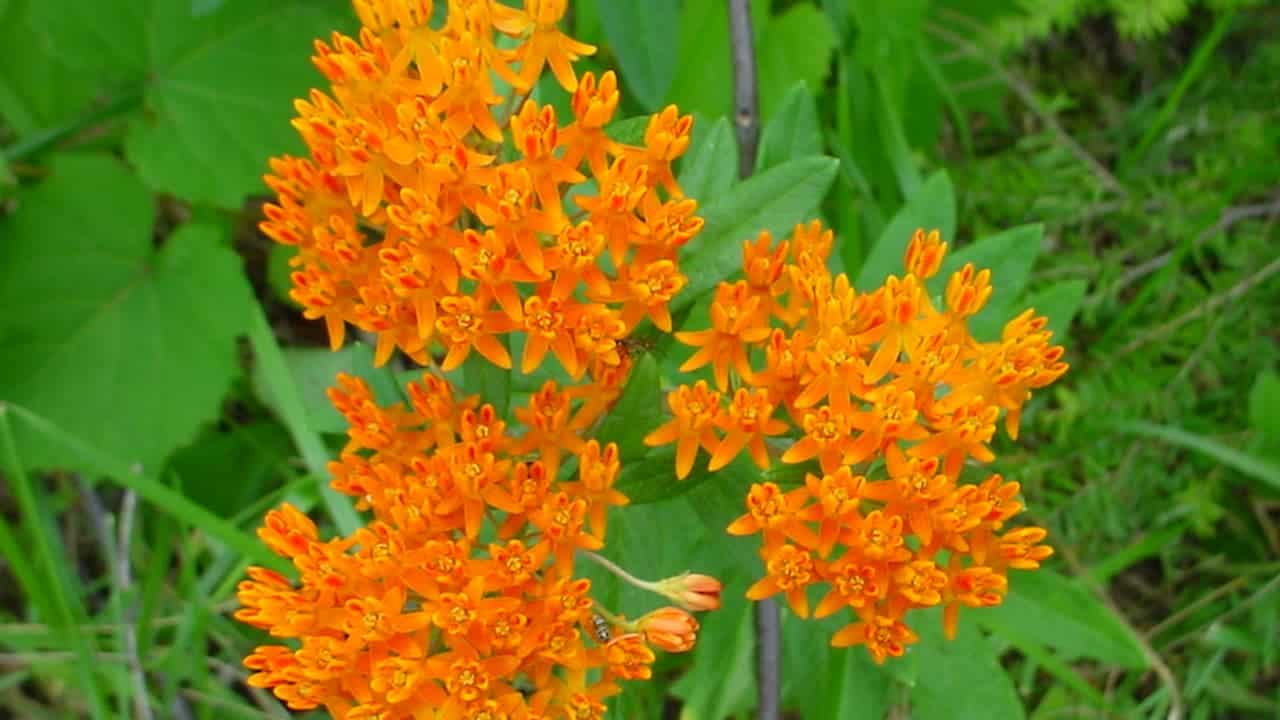
You can use Butterfly Weed to help control erosion on sunny slopes. Its deep taproot anchors soil while accessing water deep underground.
This plant thrives in dry, sandy, or rocky soil, making it ideal for areas where water is limited. It returns year after year with bright orange flowers that attract butterflies.
Butterfly Weed is low maintenance and heat tolerant, so it fits well in spots that challenge other plants. You’ll enjoy both its color and resilience in tough yard spots.
Hydrangea – blooms big in partial shade

If you have a shady spot in your yard, hydrangeas are a great choice. They thrive in partial shade and bring large, eye-catching blooms.
Some types, like oakleaf and panicle hydrangeas, handle shade well and can brighten problem areas. With moist soil and some afternoon shade during hot summers, your hydrangeas will bloom beautifully.
Coreopsis – brightens poor soil and sunny spots
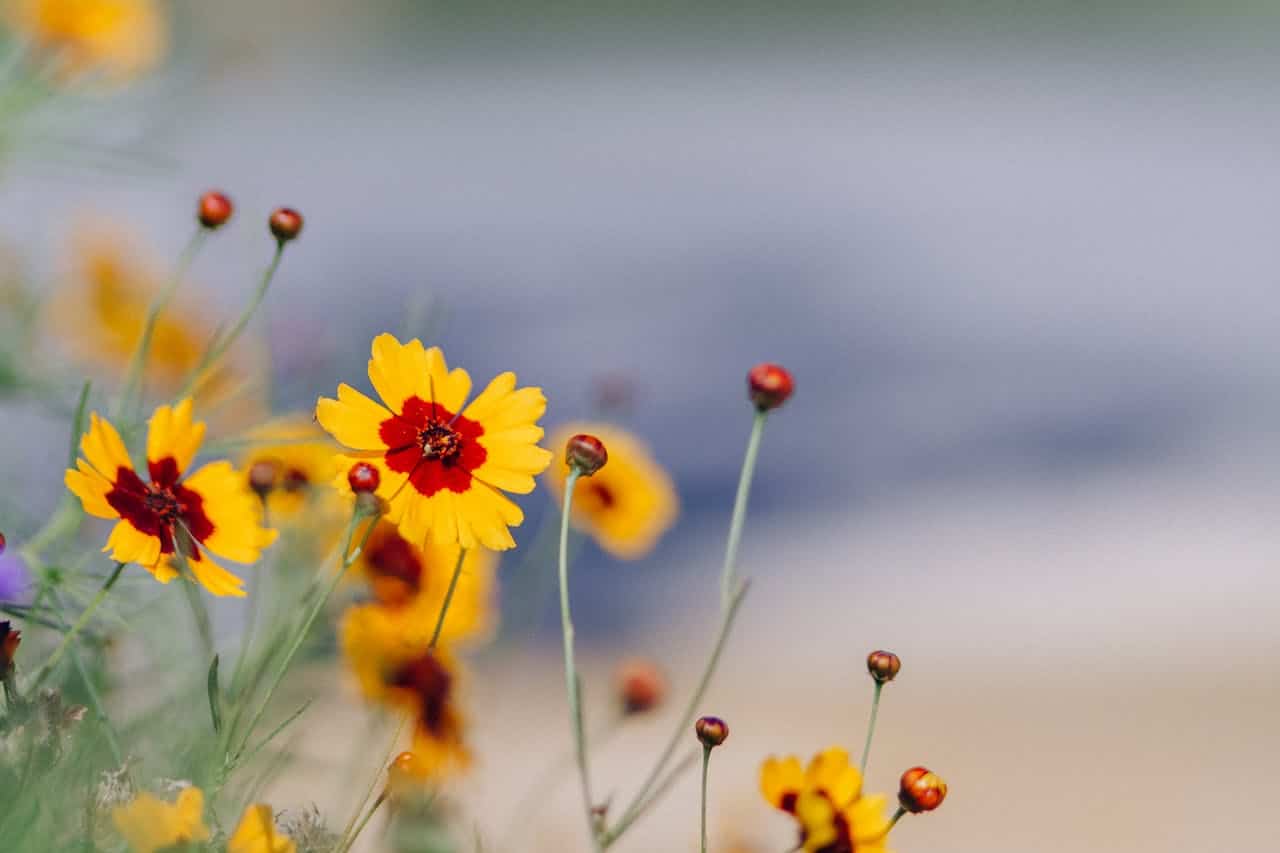
If you have a sunny spot with poor soil, coreopsis is a great choice for your yard. It thrives in less fertile ground without needing much water.
You’ll appreciate its bright, cheerful flowers that add color without much fuss. Coreopsis is also drought-tolerant and generally pest-resistant, making it easy to care for.
This plant helps solve tricky garden spots where others might struggle to grow.
Balloon Flower – low-maintenance with long-lasting blooms
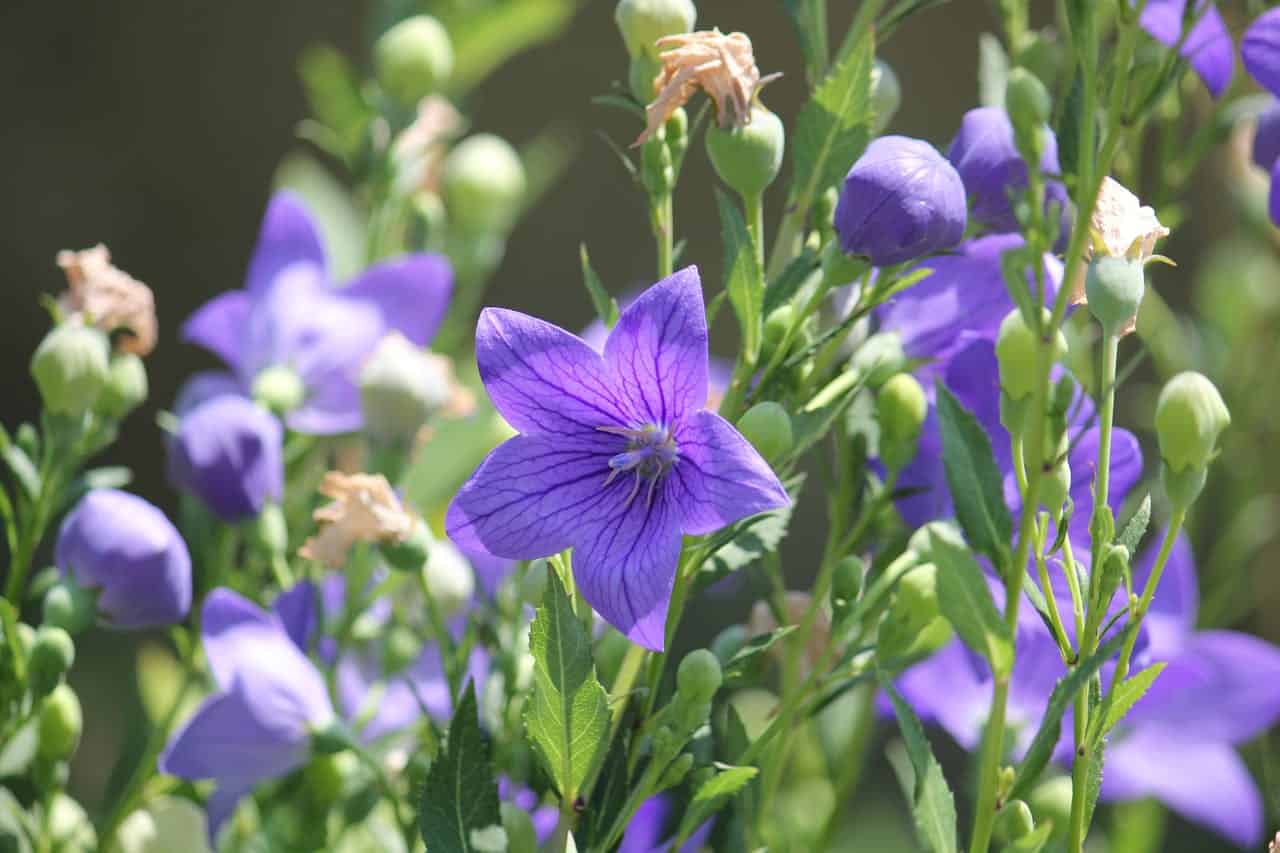
You’ll appreciate how easy Balloon Flowers are to grow. They thrive with little care and come back year after year.
Their unique balloon-like buds open into star-shaped flowers that last through summer.
Once established, these perennials handle drought well, making them ideal for low-maintenance yards. They add color without extra fuss.
Geranium (Perennial) – shade-tolerant and colorful
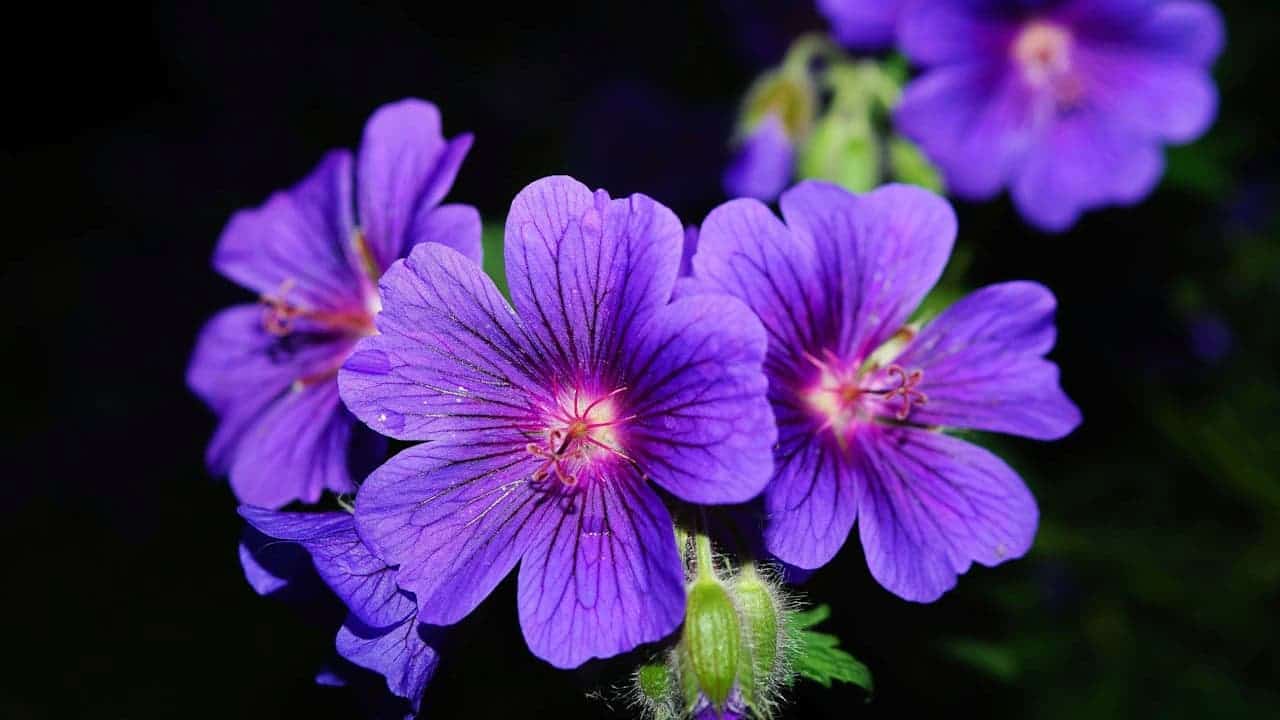
Geraniums are a great choice if you have shady spots in your yard. Many varieties thrive in part or full shade, adding color where other plants might struggle.
These perennials come in a range of colors, from soft pastels to deep purples. They can tolerate different soil conditions and often handle poor drainage. You’ll enjoy reliable blooms that brighten darker garden areas.
Suckering Shrubs – stabilize soil on eroding areas
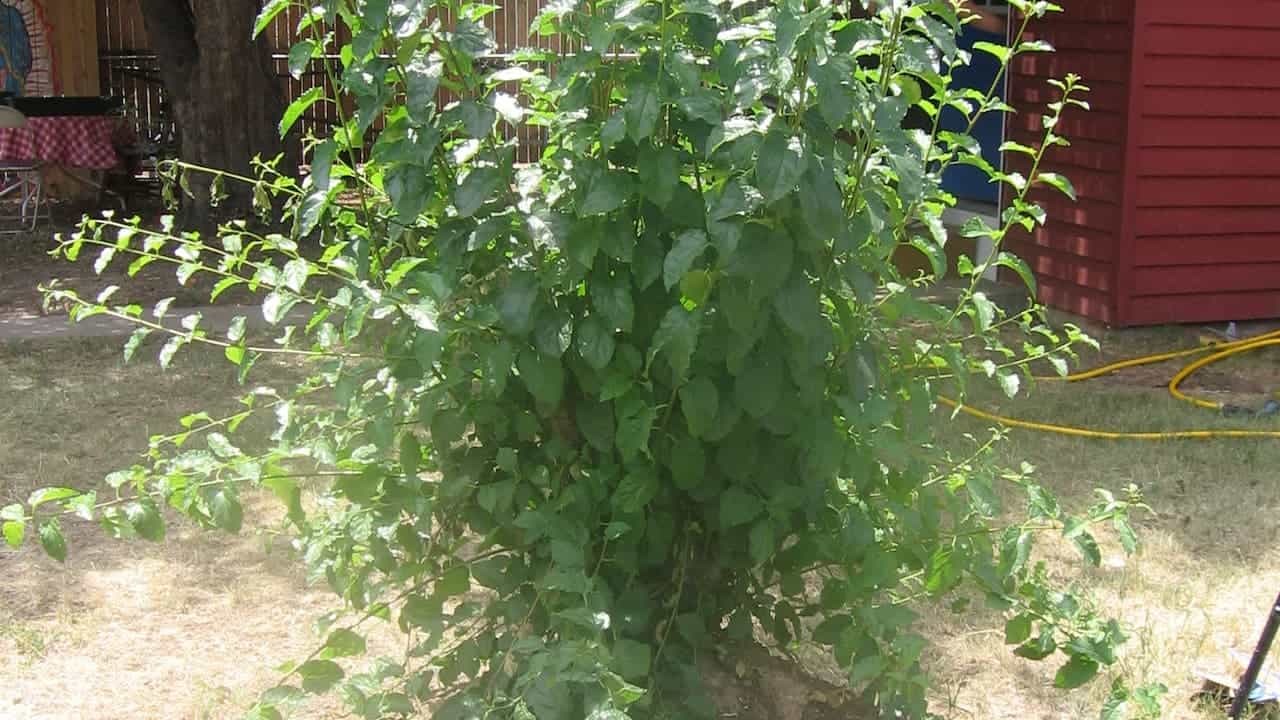
If you have spots where the soil is washing away, suckering shrubs can help. These plants send out roots that spread underground, holding soil firmly in place.
They work well on slopes or banks because their root systems create a natural barrier against erosion. Plus, they often grow quickly, giving your yard stability sooner. You’ll find options like sweetspire that also add beauty while protecting your soil.