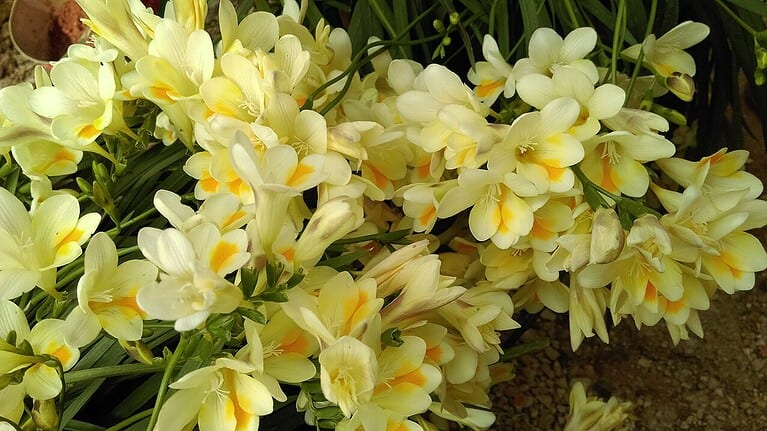
If you want to create a garden that supports bees throughout the year, choosing the right perennials is key. These plants offer not only beauty but also a consistent source of nectar and pollen, helping pollinators thrive in your outdoor space.
This guide will help you find varieties that bloom at different times. Your garden can stay lively and beneficial for pollinators year-round.
Advertisement
Bee Balm (Monarda)
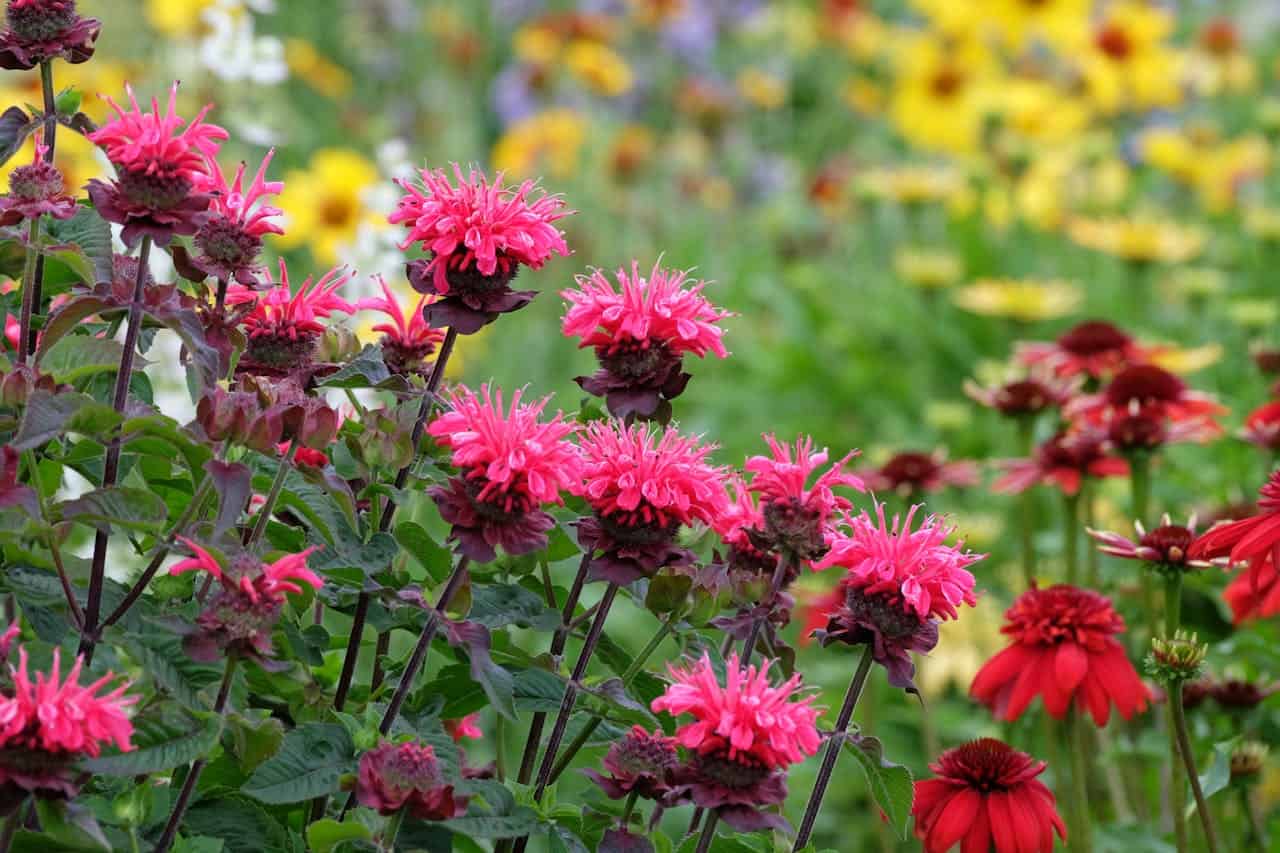
Bee Balm is a colorful perennial that brightens your garden while drawing in bees, butterflies, and hummingbirds. Its nectar-rich flowers bloom throughout the summer, offering a steady food source for pollinators.
You’ll find Bee Balm grows well in full sun and is easy to care for. It can also help keep deer away from your garden beds.
Salvia
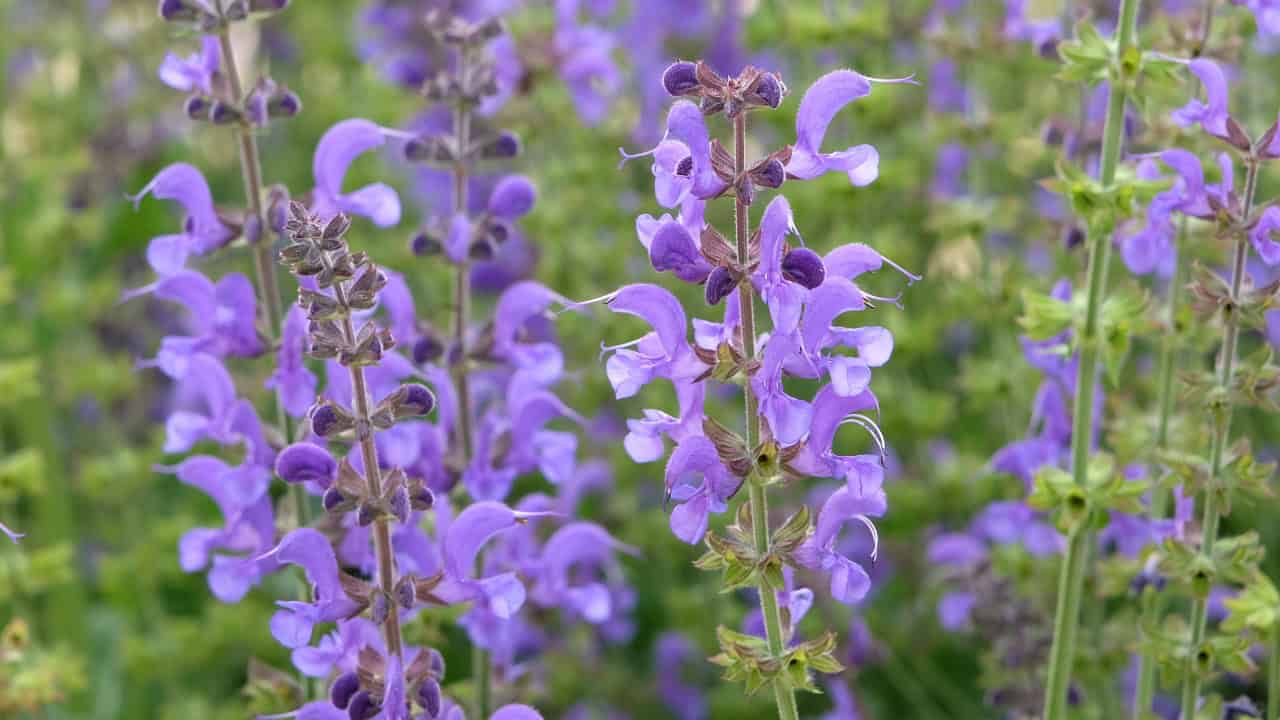
Salvia is a great choice if you want to attract bees throughout the season. Its aromatic flowers bloom from spring to early summer, offering a steady food source.
You’ll notice bees, butterflies, and other pollinators visiting these vibrant plants regularly. Plant different varieties like Black and Blue or Hot Lips Sage to keep your garden buzzing. They thrive in many climates and provide color and fragrance to your outdoor space.
Coneflower (Echinacea)
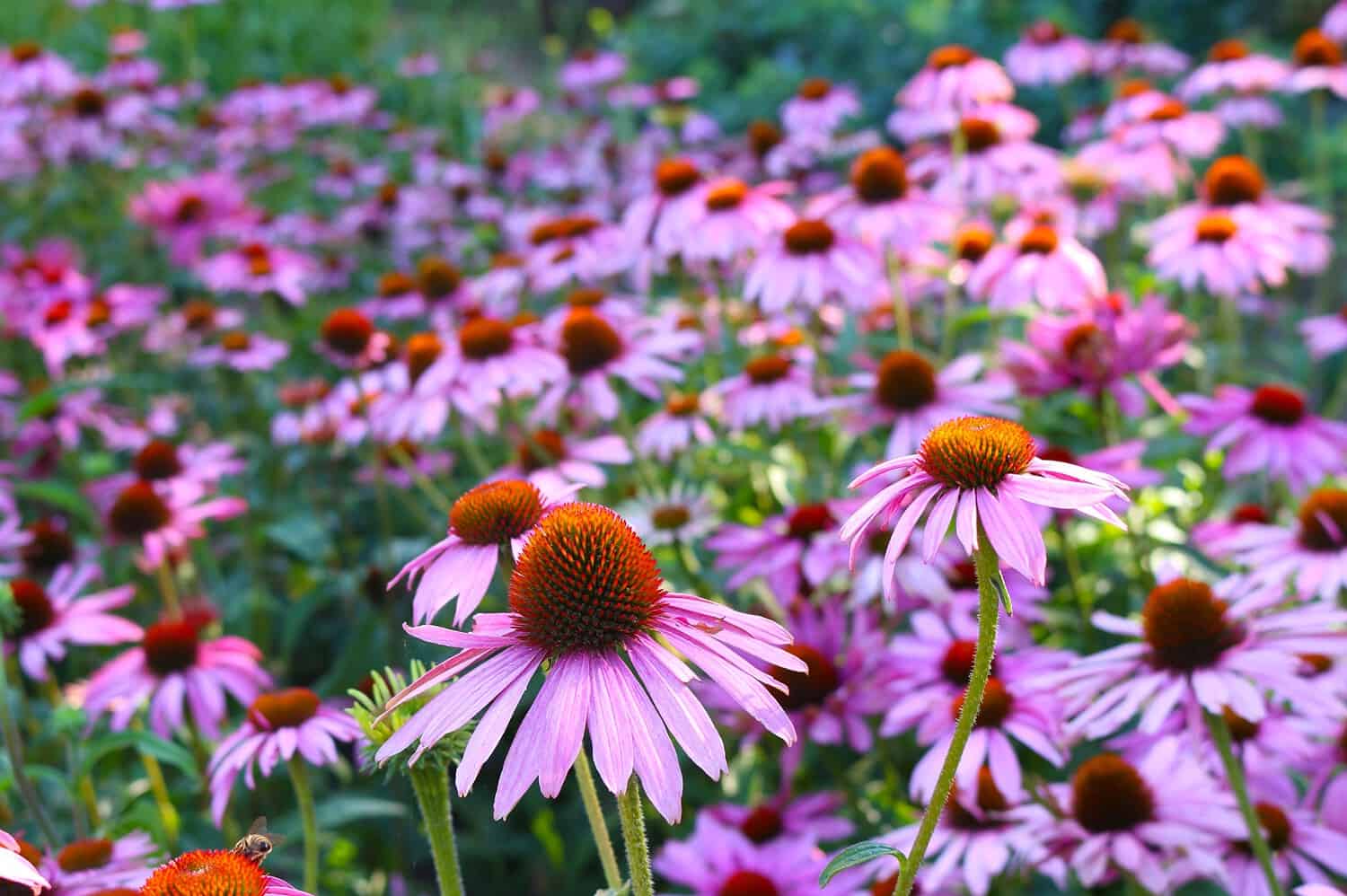
You’ll find Coneflowers easy to grow, especially if you have a sunny spot. They bloom from early summer into fall, giving pollinators plenty of food.
These flowers attract bees, butterflies, and even hummingbirds to your garden. Their bright, daisy-like petals add color while supporting nature. They also tolerate different soil types, making them a versatile choice for you.
Anise Hyssop
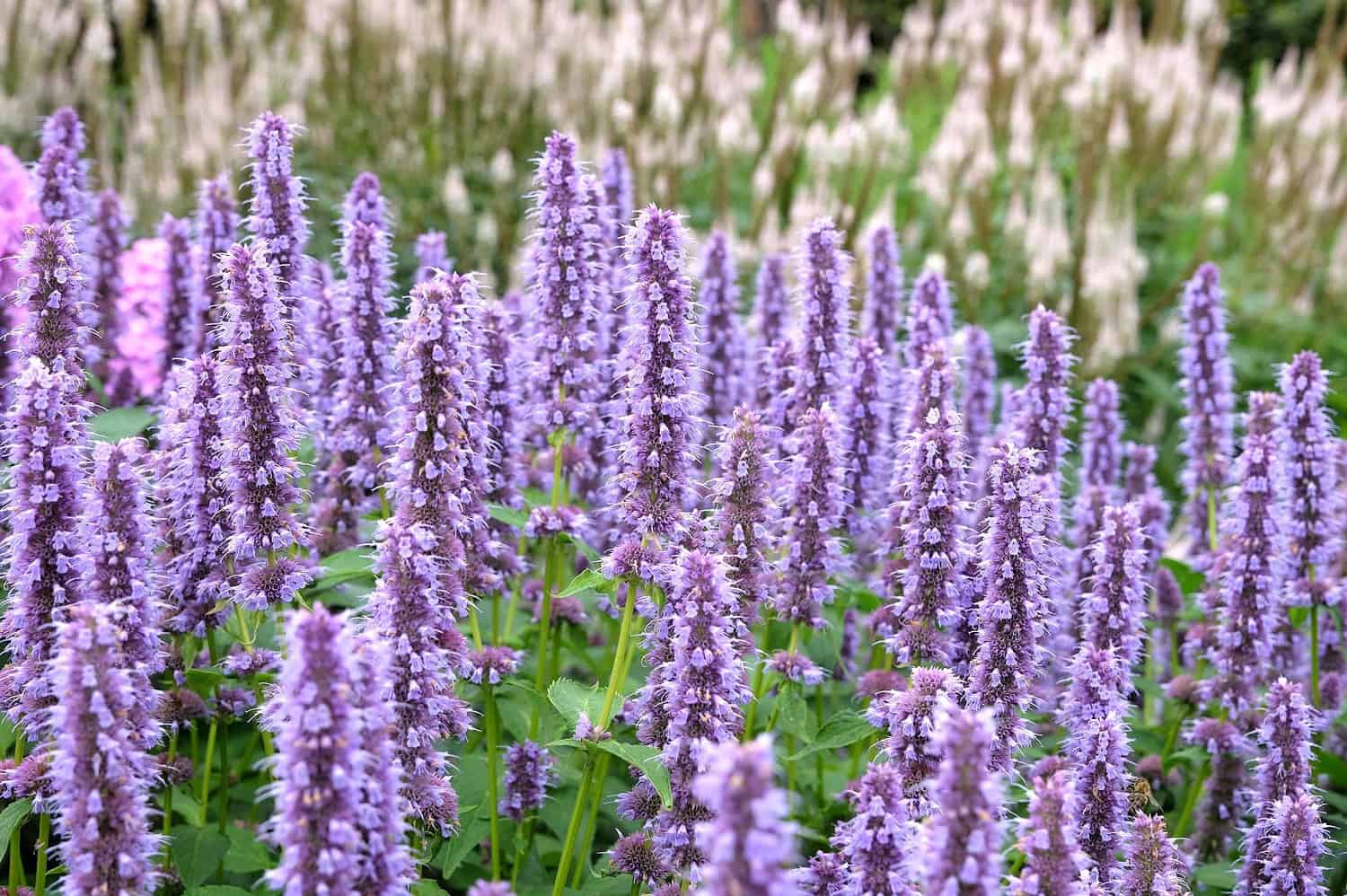
You’ll find anise hyssop to be a reliable favorite for attracting bees of many kinds. Its long-lasting summer blooms bring in honey bees, bumble bees, and native species.
This perennial is easy to grow and even draws butterflies and hummingbirds to your garden. You can enjoy watching pollinators all season while your plants thrive with minimal care.
Russian Sage
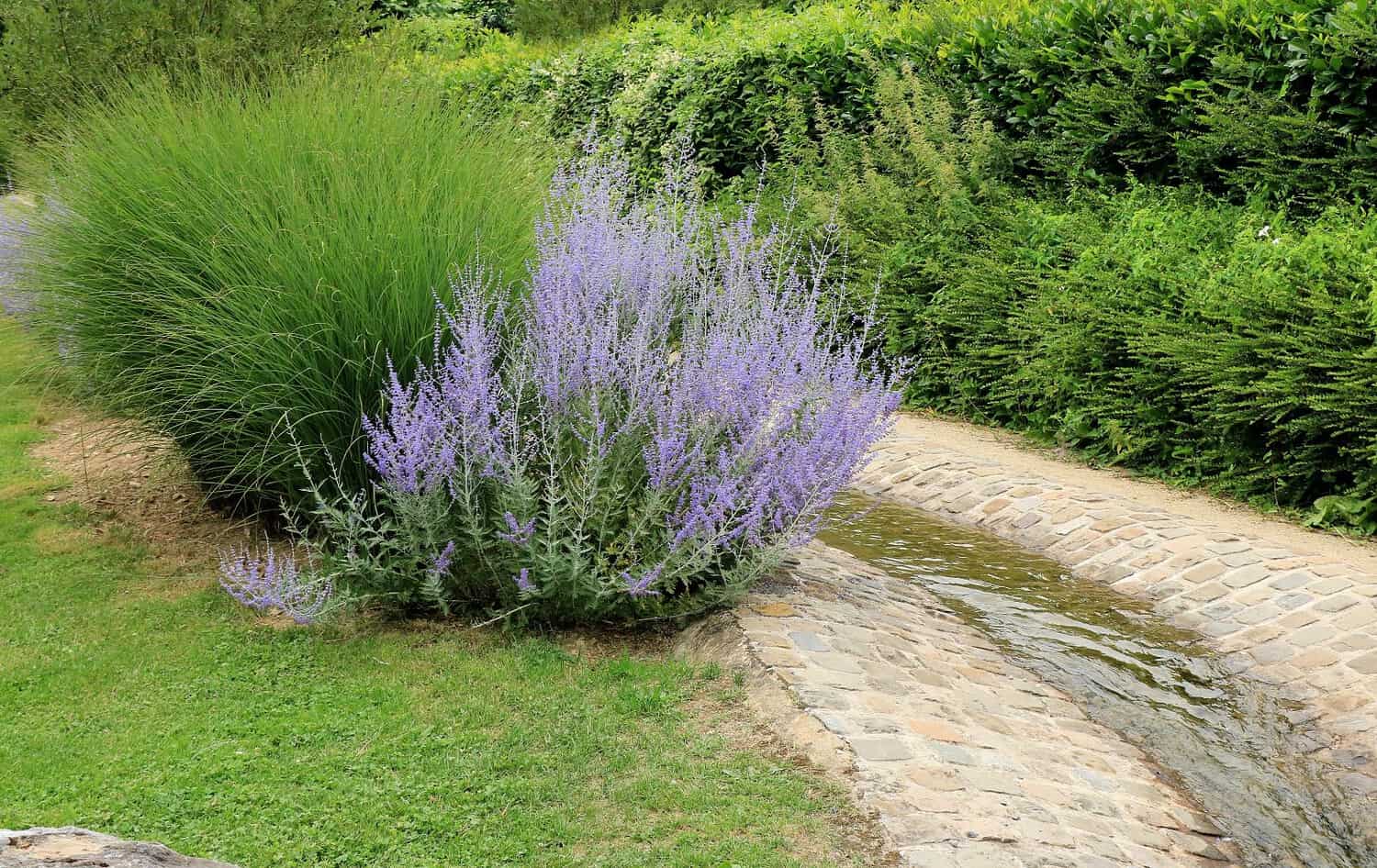
If you want a low-maintenance plant that attracts bees, Russian sage is a great choice. It blooms from midsummer into fall, offering food to bees and hummingbirds for several months.
You’ll appreciate that it tolerates drought and poor soils. It’s not usually eaten by deer or rabbits, making your garden safer.
Blanket Flower (Gaillardia)

If you want a bright, cheerful perennial, blanket flower is a great choice. It thrives in hot, sunny spots and can handle dry soil, making it low-maintenance for your garden.
You’ll love how it attracts bees, butterflies, and even hummingbirds with its nectar-rich blooms. Birds enjoy the seeds after the flowers fade.
Catmint
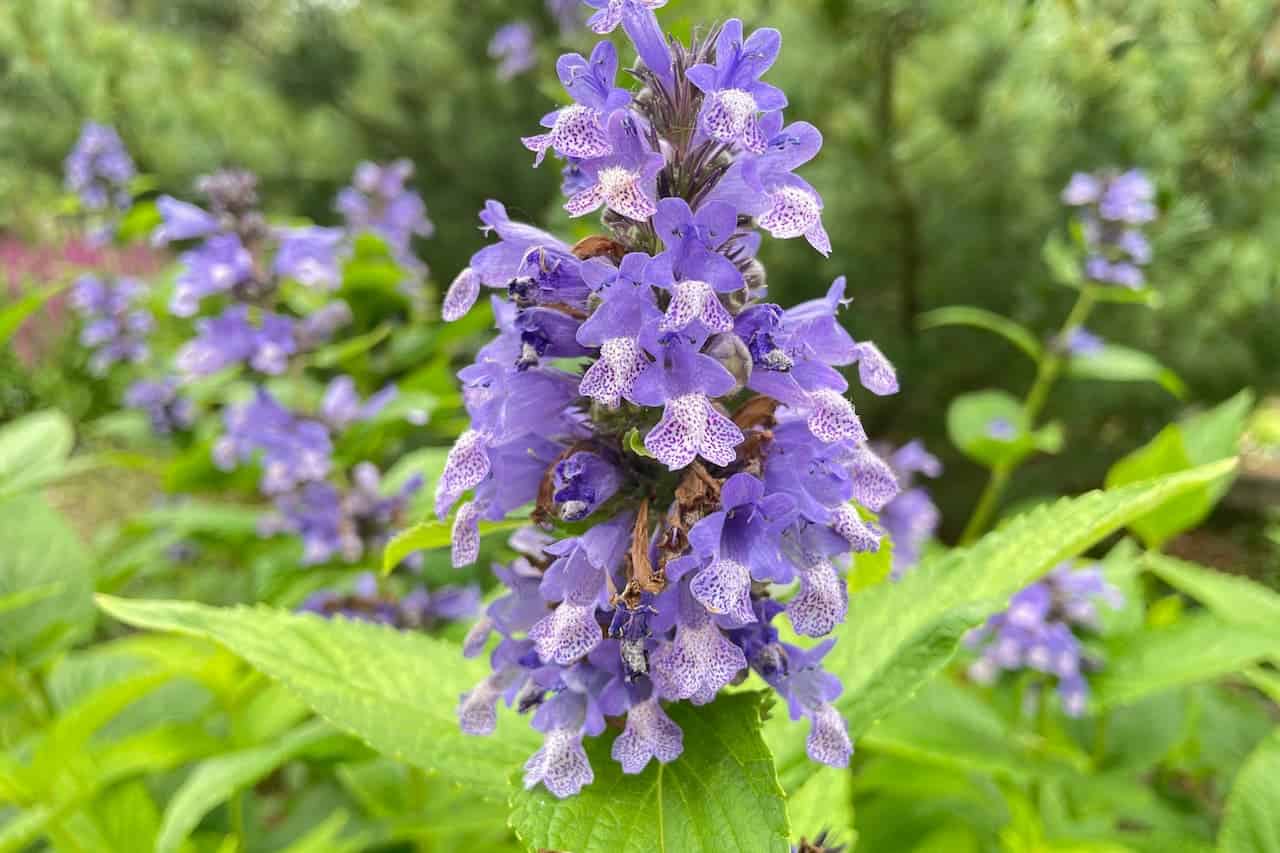
You’ll find catmint easy to grow and low-maintenance. It thrives in full sun and produces long-lasting purple or white flowers.
Bees, butterflies, and hummingbirds love it, making your garden lively. It doesn’t attract deer or rabbits, so your plants stay safe.
Jacobs Ladder (Polemonium caeruleum)
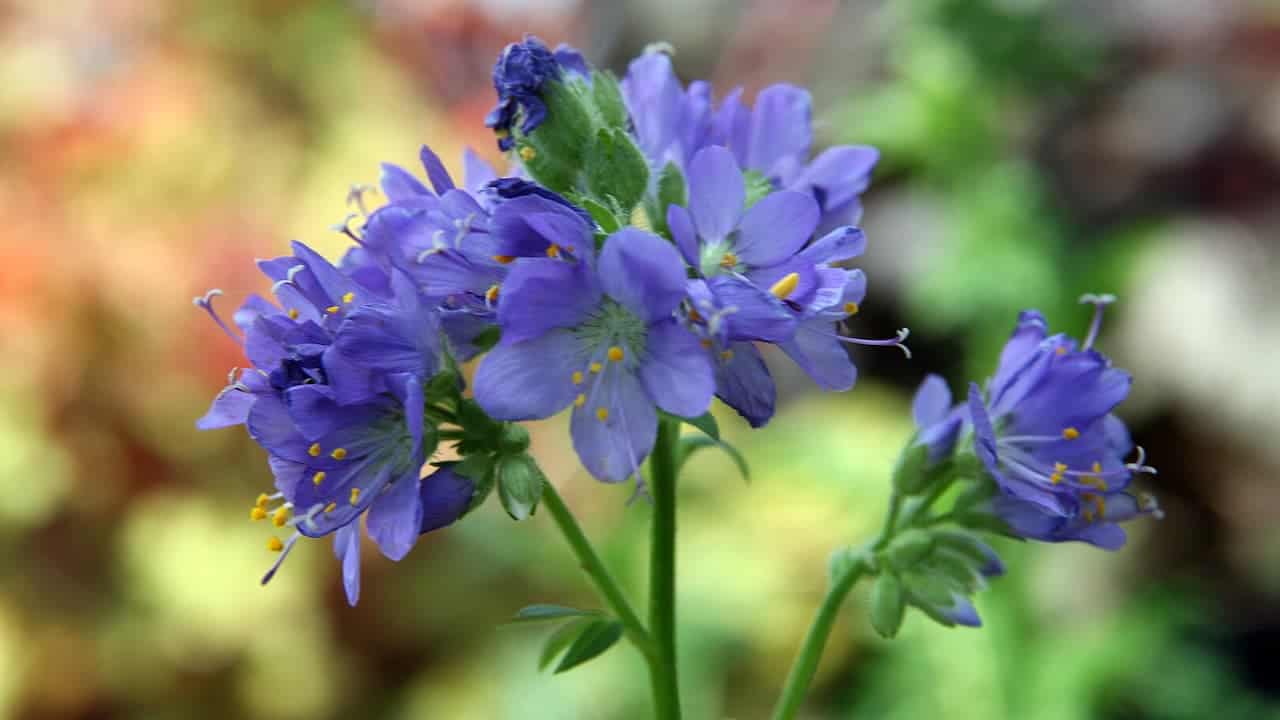
Jacobs Ladder is a lovely perennial with delicate blue flowers that bloom in early summer. You’ll notice its unique ladder-like leaves adding charm to your garden.
It thrives in partial shade and attracts bees, helping support pollinators in your outdoor space. It’s easy to grow and maintain.
Snapdragon

Snapdragons are colorful perennials that bloom almost all season, giving bees plenty of chances to visit. You’ll find them in many gardens because they tolerate a bit of chill and sunshine.
Their unique flower shape makes it easy for bees to access nectar. Plant snapdragons in sunny spots to keep your garden buzzing with activity.
Milkweed
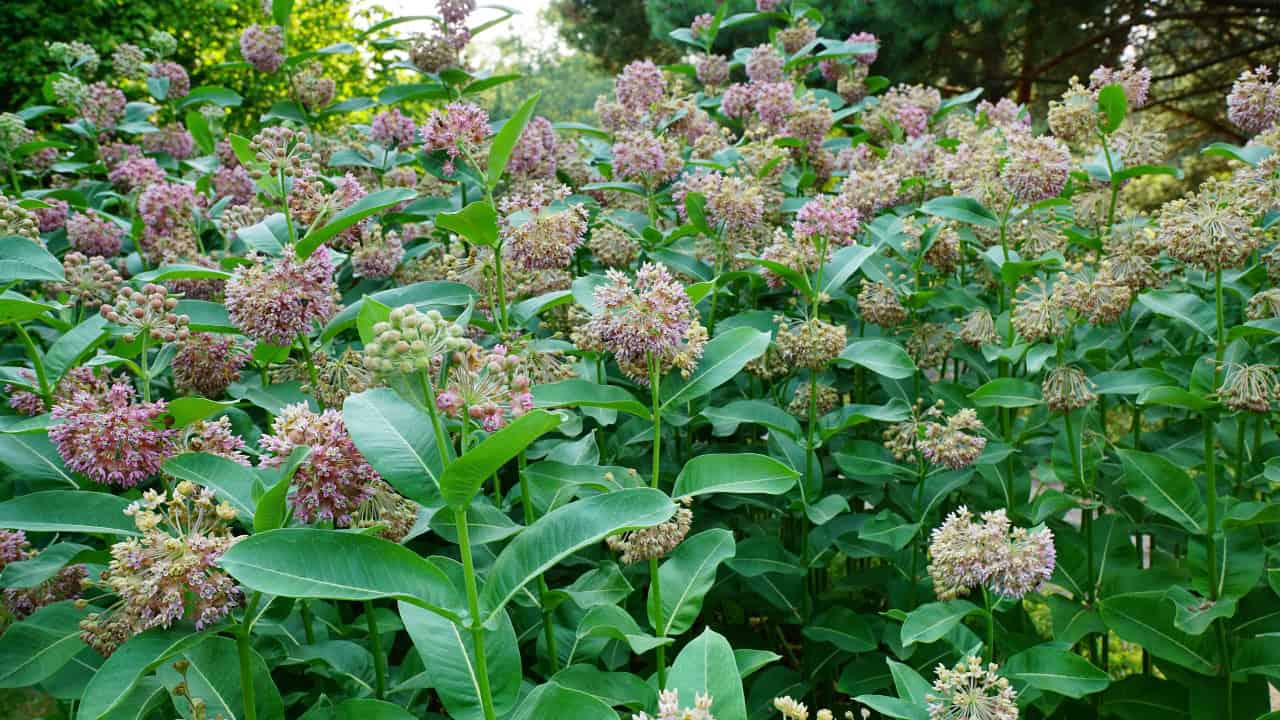
Milkweed is a reliable choice if you want to support bees through the seasons. Its nectar attracts a variety of pollinators, including bees and butterflies.
You’ll find it easy to grow in full sun, and it keeps coming back year after year. Milkweed is a crucial host plant for monarch butterflies, adding extra value to your garden.
Bellflower (Genti White)
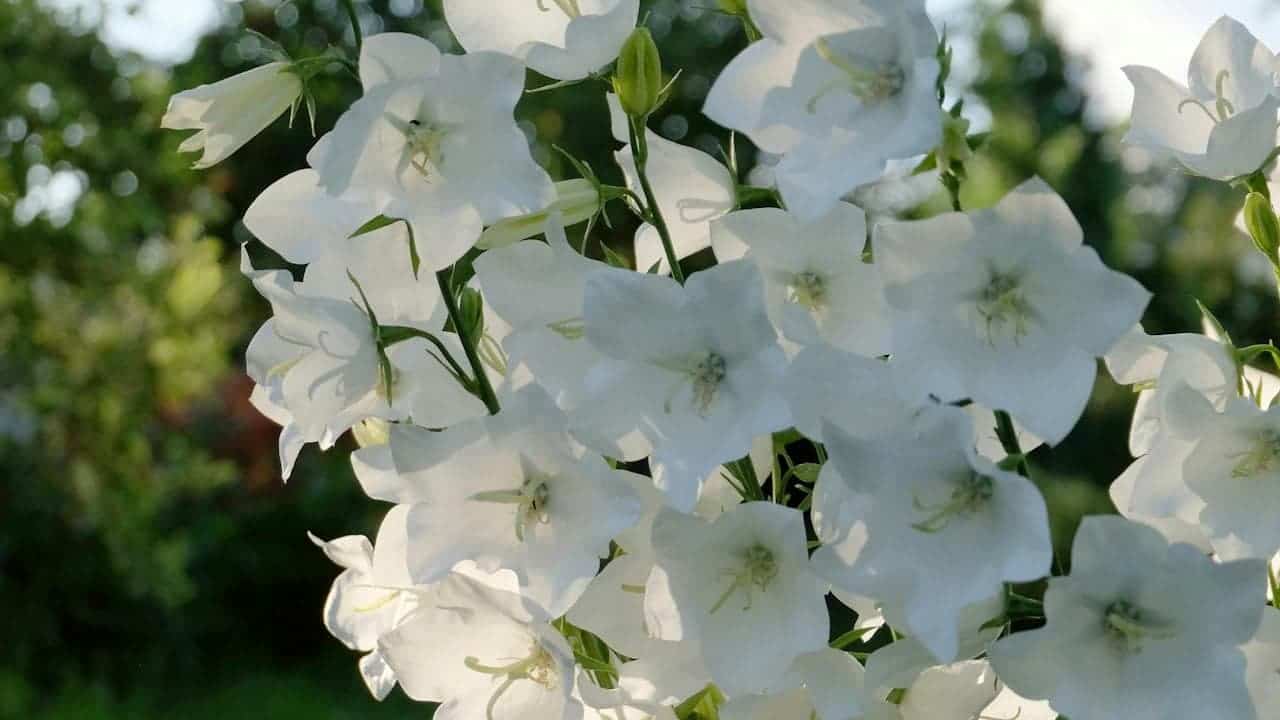
You’ll love adding Genti White Bellflower to your garden for its compact size and charming clusters of white, bell-shaped blooms. This perennial stays a modest 17-19 inches tall, making it perfect for borders or containers.
Its flowers bloom throughout summer and attract many bees. This helps support pollinators in your yard.
Asters
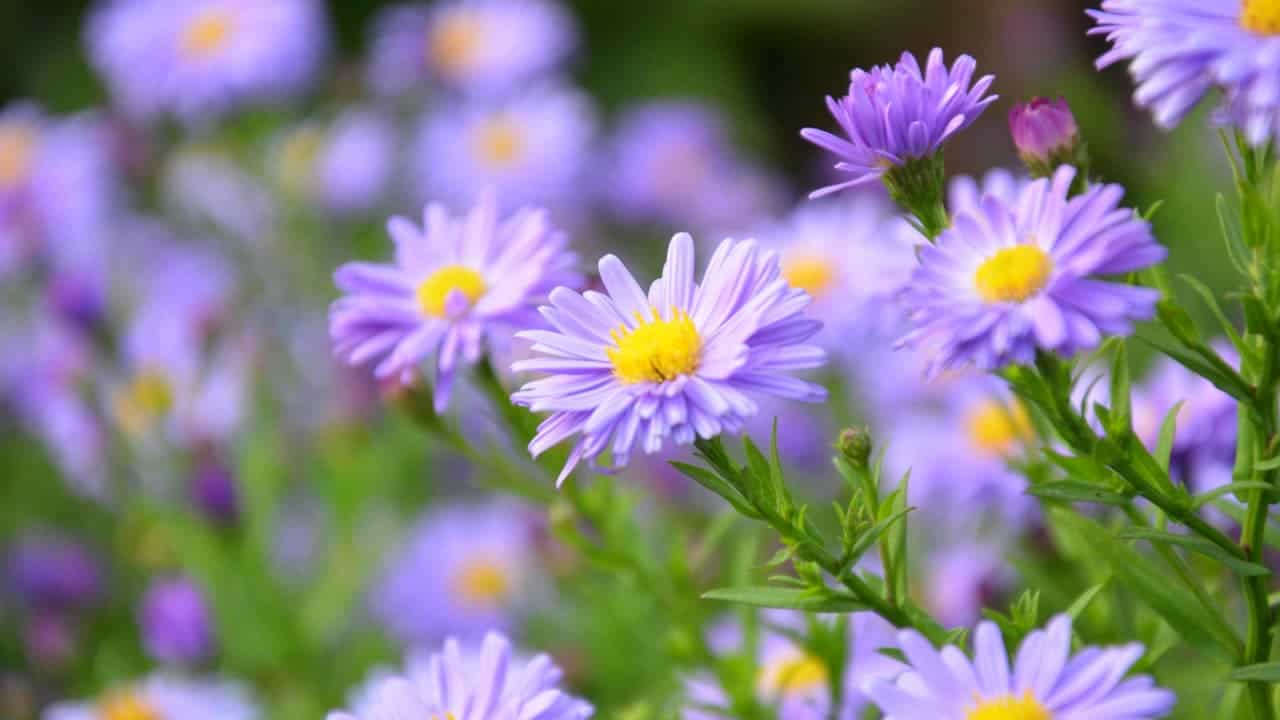
Asters are a great choice for your garden if you want to attract bees. Their bright blooms appear in late summer and fall, providing nectar when many other flowers fade.
You’ll find asters in shades of pink, purple, and blue, which add color and support pollinators. They are generally easy to grow and care for.
Bee-friendly native wildflowers
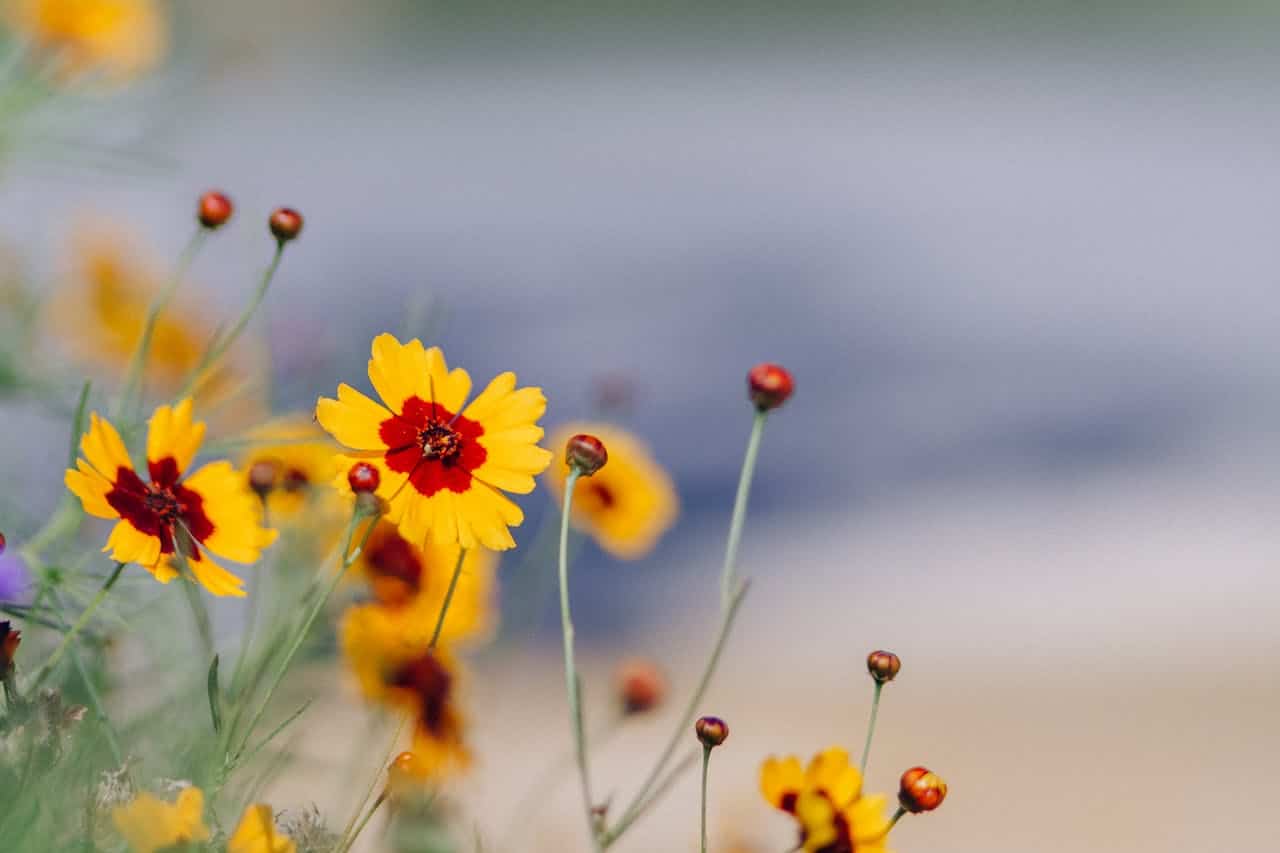
You can plant native wildflowers like Coreopsis, Penstemon, and Lupine to attract bees throughout the season. These flowers provide essential nectar and pollen while supporting local ecosystems.
Including wildflowers such as Baptisia and Echinacea in your garden helps sustain pollinators with extended bloom times. They’re easy to grow and suited to various soil types.
Goldenrod

You’ll find goldenrod blooming late in the season, which makes it valuable for bees when other flowers start to fade. Its pollen is heavy, so it’s not an allergy trigger like ragweed.
Adding goldenrod to your garden gives bees a reliable source of nectar and pollen as summer ends. It supports native bees and honeybees alike.
Liatris (Blazing Star)

You’ll find Liatris, or Blazing Star, is a hardy perennial with tall spikes of violet-pink flowers. It thrives in full sun and can handle dry or poor soil.
This plant attracts bees, butterflies, and even hummingbirds. It offers valuable nectar late in the season.