Choosing the right perennials for your garden can be tricky. Some plants might seem like a great idea at first but quickly become more trouble than they’re worth.
This article will help you avoid common mistakes by highlighting 15 perennials that many gardeners regret planting. Knowing which plants can cause headaches will save you time, effort, and frustration in the long run.
Advertisement
Mint (all varieties)
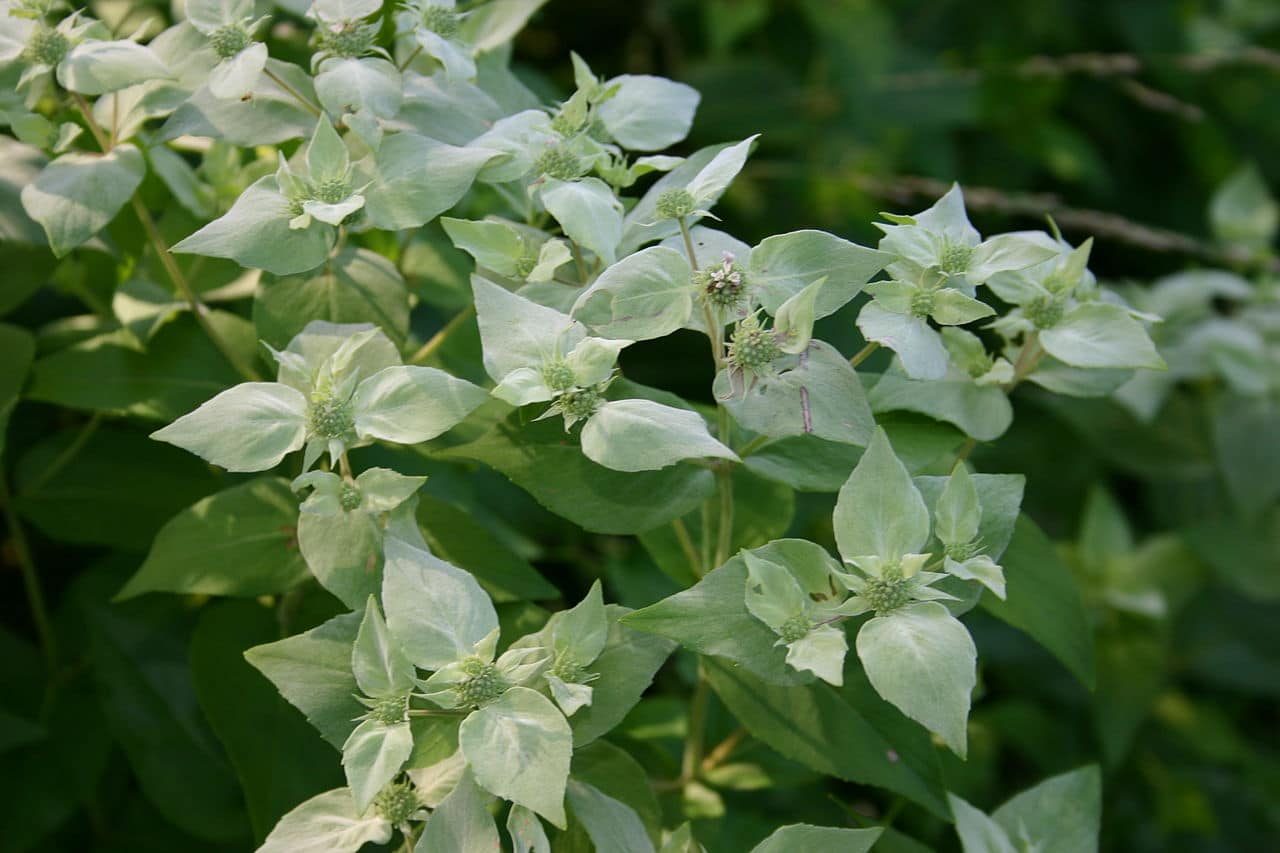
If you plant mint, be ready for it to spread fast. It’s a hardy perennial that can take over your garden if you’re not careful.
You might start with a few plants, but soon it can crowd everything else out. Using containers or planter boxes helps keep it in check.
Mint’s vigorous growth is part of the charm but also why many gardeners wish they hadn’t planted it. For more info, see Planting mint in the ground here?.
Sweet Autumn Clematis
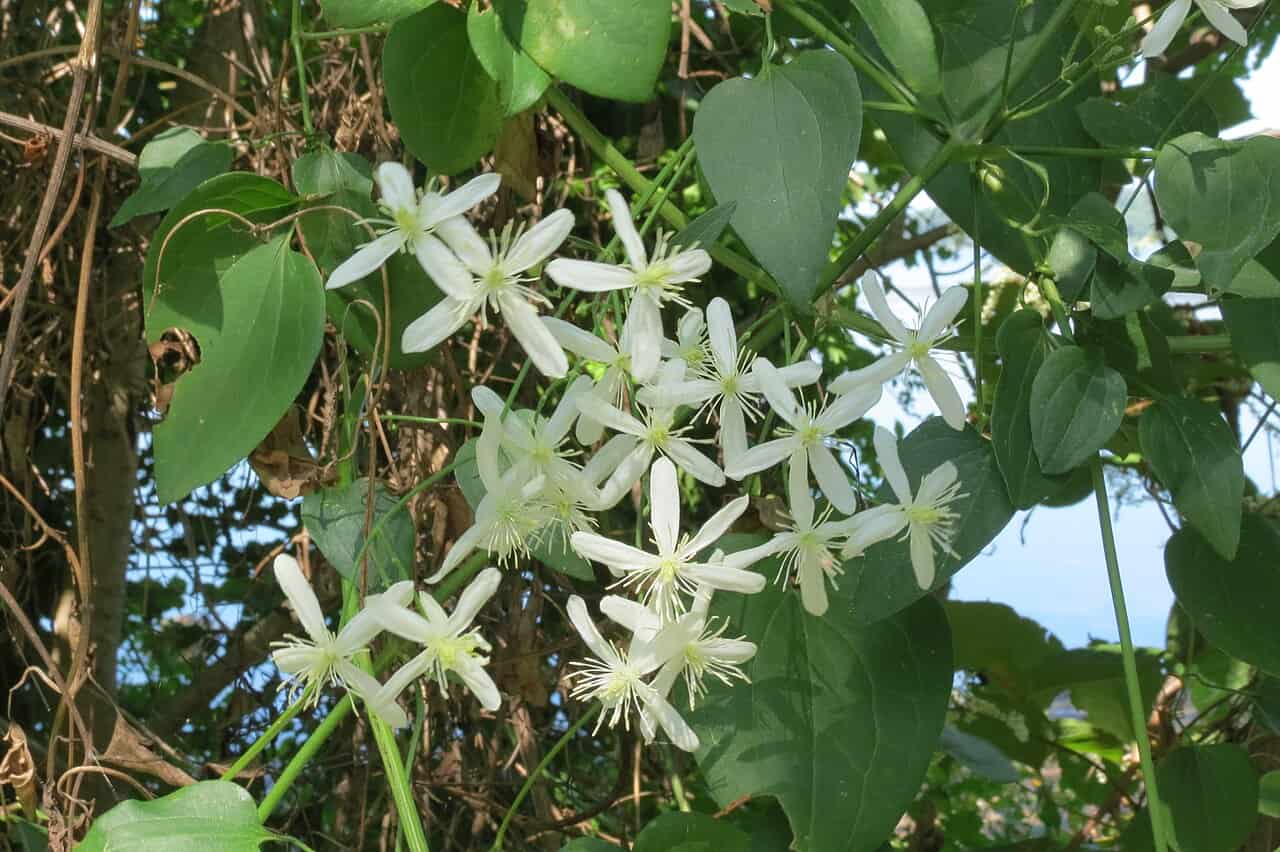
If you plant Sweet Autumn Clematis, be ready for a fast grower that can take over your garden. It spreads quickly and can smother other plants, which makes it hard to manage. You might regret it if you like tidy flower beds.
Some gardeners say it’s not invasive in certain areas, but it still requires regular cutting back to keep it in check.
English Ivy (Hedera helix)

If you’ve planted English ivy, you might have noticed it grows fast—often too fast. It can quickly take over your yard, climbing trees and walls, which makes it hard to control.
Many gardeners end up regretting it because it’s invasive and difficult to remove once established. You might want to think twice before letting it spread freely in your garden.
Chinese Wisteria

If you’ve planted Chinese wisteria, you might regret it. It looks pretty and smells nice, but it can quickly take over your yard.
This vine is invasive and tough to control because it keeps coming back even after cutting it down. It can choke other plants and trees in your garden.
Norway Maple
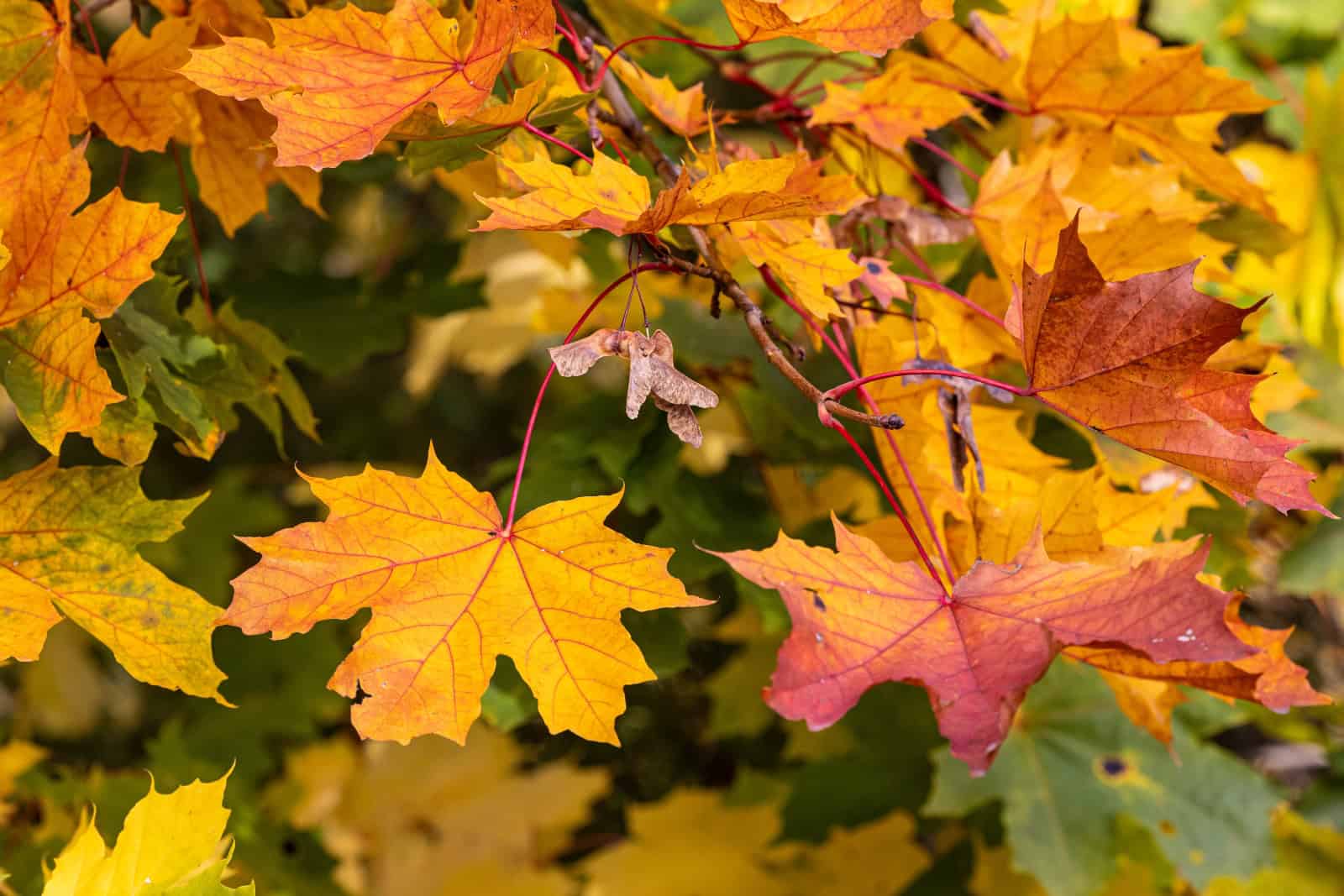
If you have a Norway maple in your garden, you might already know it can grow huge and shady. These trees spread quickly and their seedlings take over, making it tough to grow other plants nearby.
They’re considered invasive in some areas, and many gardeners wish they never planted one. Removing them can be a lot of work because of their strong roots and rapid growth.
Morning Glory

If you plant morning glory, be ready for it to spread everywhere. It looks nice and attracts hummingbirds, but it can easily take over your garden. You’ll want to avoid putting it near spots where you don’t want it to grow.
Many gardeners find it hard to control once it starts seeding itself. For more on the challenges of morning glory, check this discussion.
Trumpet Vine

If you plant trumpet vine, be ready for a fast-growing and very invasive climber. It’s tough to kill, and even when cut back hard, it often bounces back quickly. Many gardeners regret it because it spreads aggressively and can take over nearby areas, making it hard to control. You might want to avoid it if you’re not up for a constant battle.
Bamboo

If you plant bamboo, be ready for it to spread faster than you expect. Running bamboo can quickly take over your yard, making it a hassle to control.
Clumping bamboo is easier to manage since it grows slowly in a tight radius. Still, you’ll need to dig up shoots regularly to keep it from getting out of hand.
Gout Weed
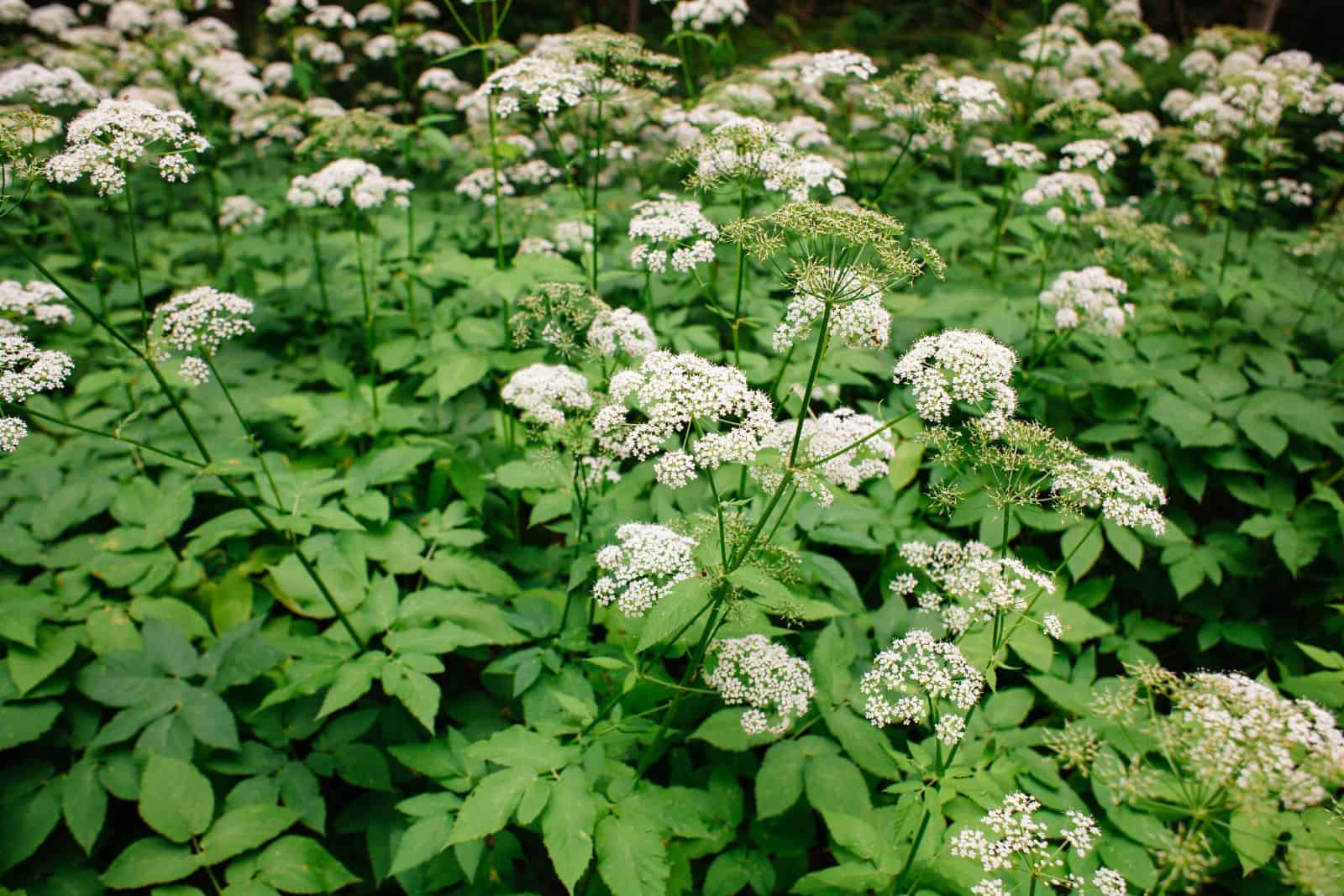
If you have gout weed in your garden, get ready for a fight. It spreads underground through roots, making it tough to control.
You might try solarizing—covering it with plastic to kill it off—but it can take years to fully disappear.
Many gardeners regret planting it because it quickly takes over and chokes out other plants. For more details, see this warning about invasive garden plants.
Purple Violets

Purple violets can quickly take over your garden if you’re not careful. They spread aggressively through underground runners, making them tough to control.
While they aren’t truly invasive, they can feel like it when they pop up everywhere. If you want a neat garden, these might test your patience. Some gardeners appreciate them for pollinators, but if you want tidy flower beds, you might wish you hadn’t planted purple violets.
Lily of the Valley
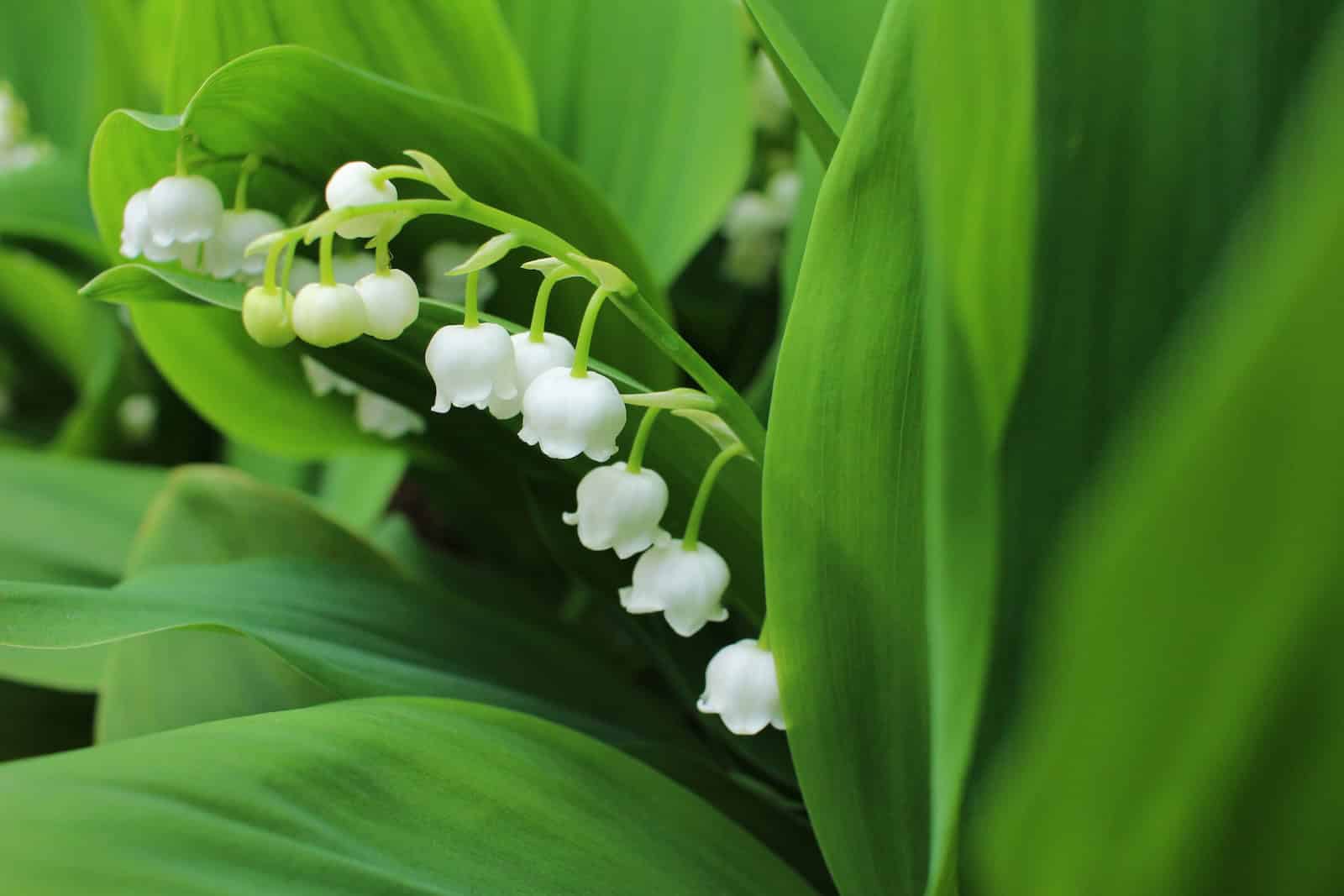
If you plant Lily of the Valley, be ready for it to spread fast. It smells nice, but its root system can take over your garden quickly.
You might find it hard to control once it gets going. Many gardeners wish they’d thought twice before adding it to their yard. It’s beautiful, but be prepared for a bit of a battle to keep it in check. Learn more about its aggressive nature here.
False Spirea
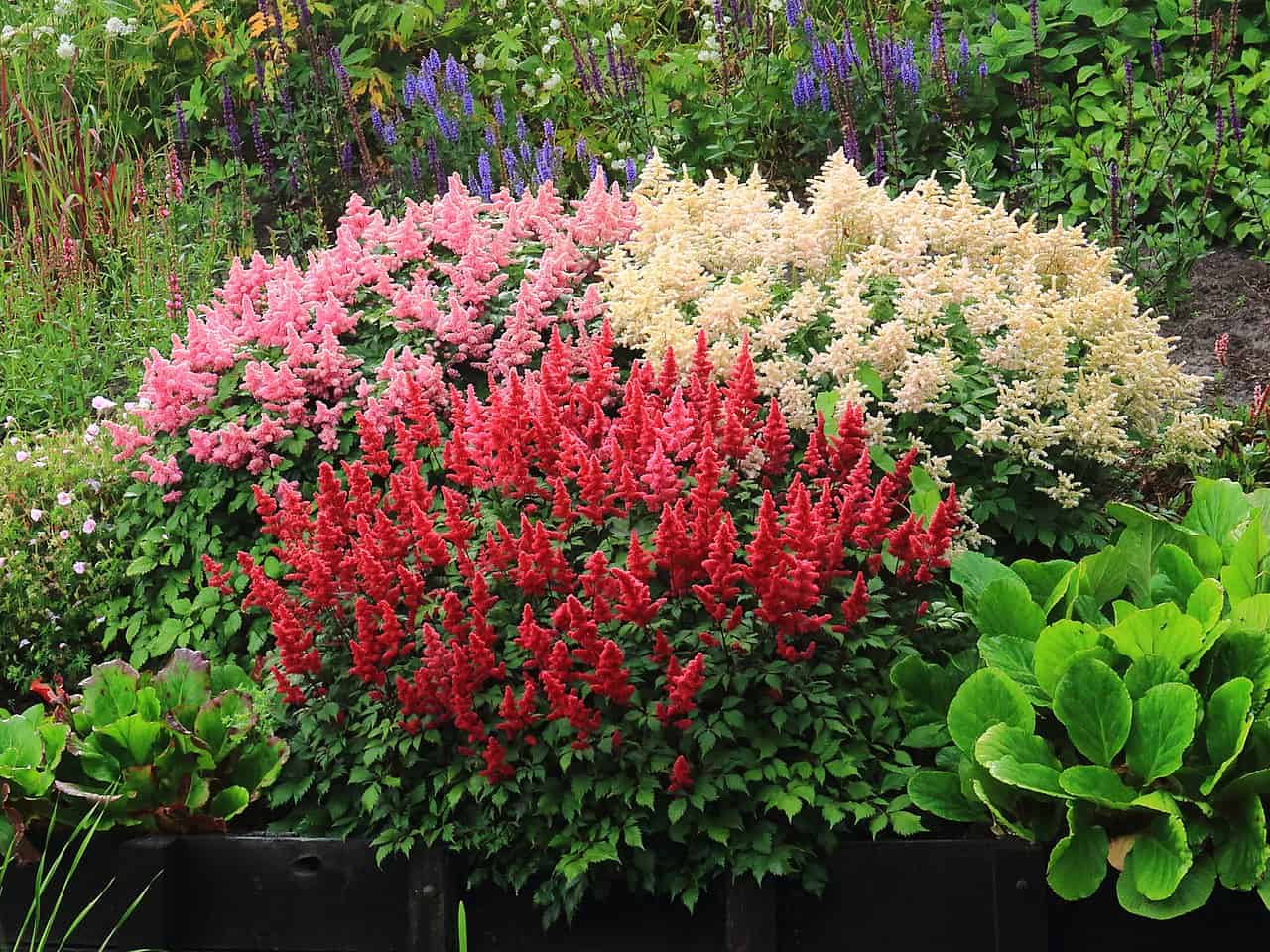
If you plant false spirea, be ready for it to spread more than you want. It grows quickly and can take over your garden if you’re not careful.
You might think it looks nice at first, but its invasive nature makes managing it a real headache. Many gardeners wish they hadn’t added false spirea to their yards.
Yarrow (Achillea)
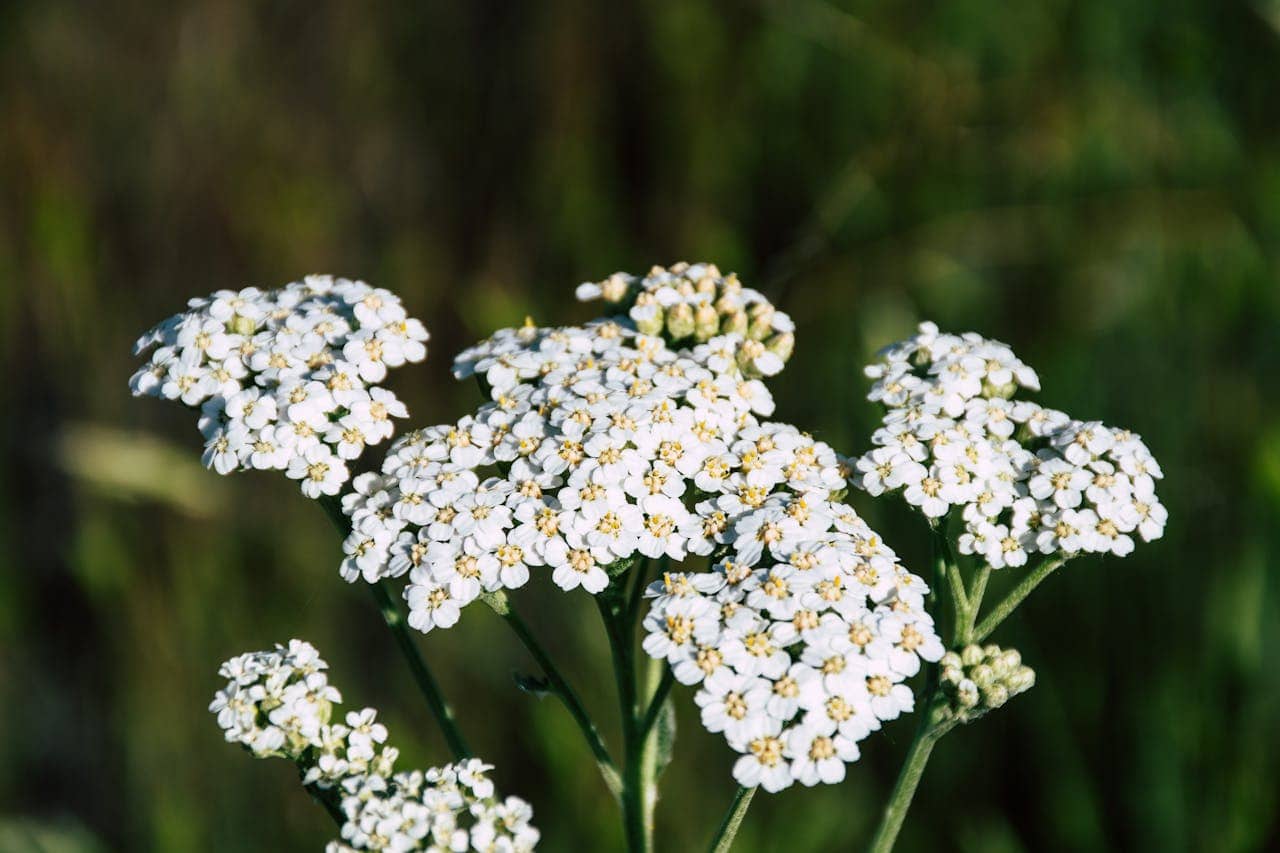
You might find yarrow easy to grow since it’s drought-tolerant and handles heat well. It’s a strong perennial that can add color to your garden without much fuss.
However, if you have pets or heavy foot traffic, yarrow might not be the best choice. It can struggle with frequent trampling and may not stay looking great if handled roughly. You can learn more about yarrow’s growing traits here.
Monarda (Bee Balm)
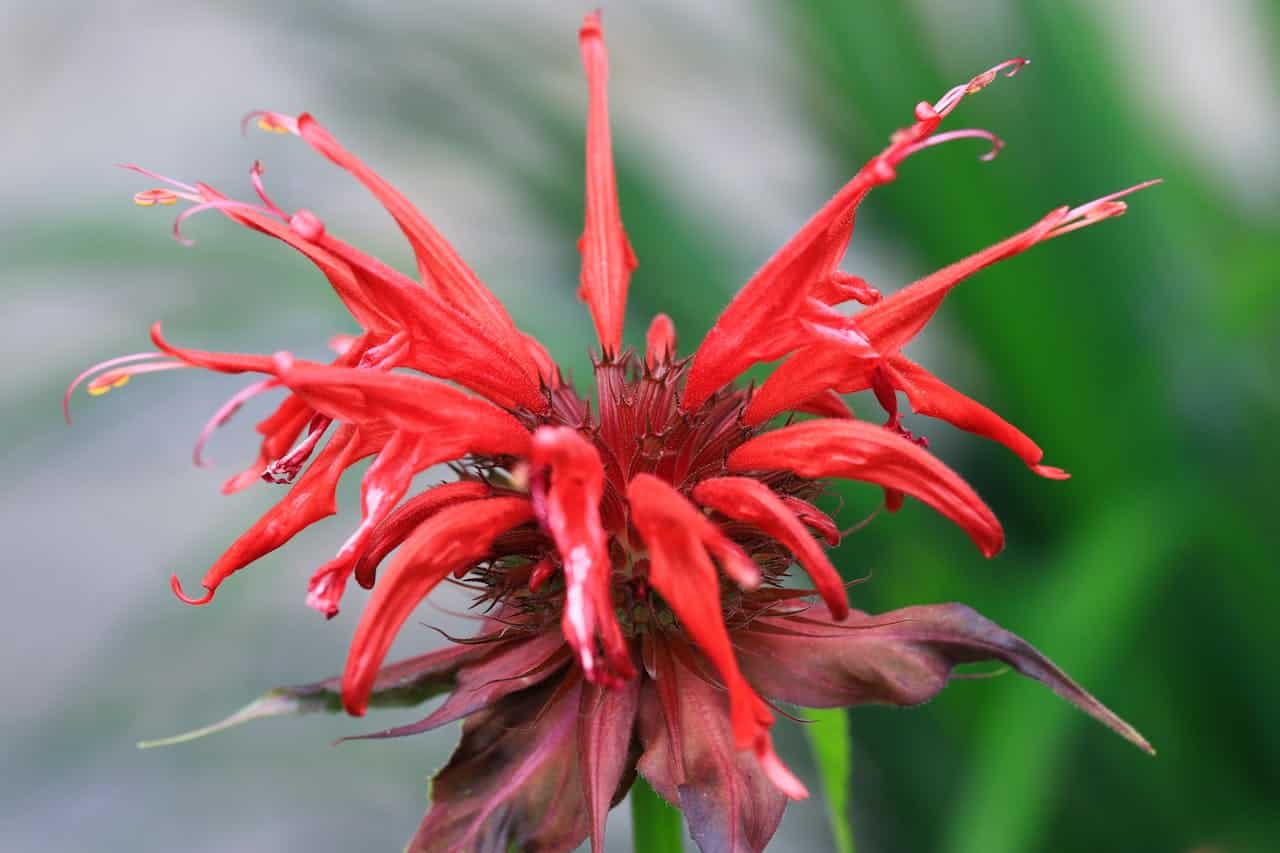
If you’ve planted Monarda, you might’ve been surprised by how fast it spreads. It can take over your garden if you’re not careful with spacing.
You’ll love the bright flowers and how it attracts hummingbirds, but keep in mind some varieties might need extra care to avoid powdery mildew. Consider mildew-resistant options like ‘Jacob Cline’ for less hassle Jacob Cline Bee Balm.
Sunchokes (Jerusalem Artichokes)

If you plant sunchokes, be ready—they spread like crazy. Even a tiny piece left in the soil can grow into a new plant.
They get super tall, sometimes over 10 feet, and can take over your garden. While they’re edible and come back every year, managing their growth is a constant battle. Learn more about their invasive nature and growth tips here.