In the ever-evolving world of food prices, consumers are always on the lookout for the next price hike. Rising food costs can put a strain on your household budget and make your weekly grocery run seem like a daunting task. With the recent global disruptions, many pantry staples have seen a price increase, and it’s become more important than ever to stay informed about these changes.
Let’s delve into 15 pantry staples with rising prices, shedding light on their causes and offering some practical tips to help you navigate these increases.
Advertisement
1. Wheat Flour

Wheat flour is a staple in most households, used for everything from baking to thickening sauces. Unfortunately, due to climate change and the increased cost of transportation, the price of wheat flour has been on the rise. This can be a significant hit to your wallet, especially if you’re a fan of homemade bread or pastries.
There are ways to mitigate this, however. One option is to buy in bulk when prices are low and store your flour properly to extend its shelf life. You could also explore using other types of flour, like almond or coconut, which may be cheaper depending on where you live.
2. Rice

Rice, a versatile and filling grain, is another pantry staple that has seen a price increase. Factors such as climate change, trade restrictions, and increased demand due to population growth are driving up the cost of this staple.
To combat the rising cost of rice, consider buying in bulk or switching to other grains like quinoa or couscous. If you’re a fan of Asian cuisine, you might also consider using noodles as a substitute for rice in some dishes.
3. Olive Oil

Olive oil is a heart-healthy fat that adds a rich flavor to many dishes. However, with the ongoing climate crisis affecting olive production, the cost of this oil has been steadily increasing.
One way to combat this is by using olive oil sparingly and only for dishes where its unique flavor will shine. For other cooking needs, consider cheaper alternatives like canola or vegetable oil.
4. Coffee
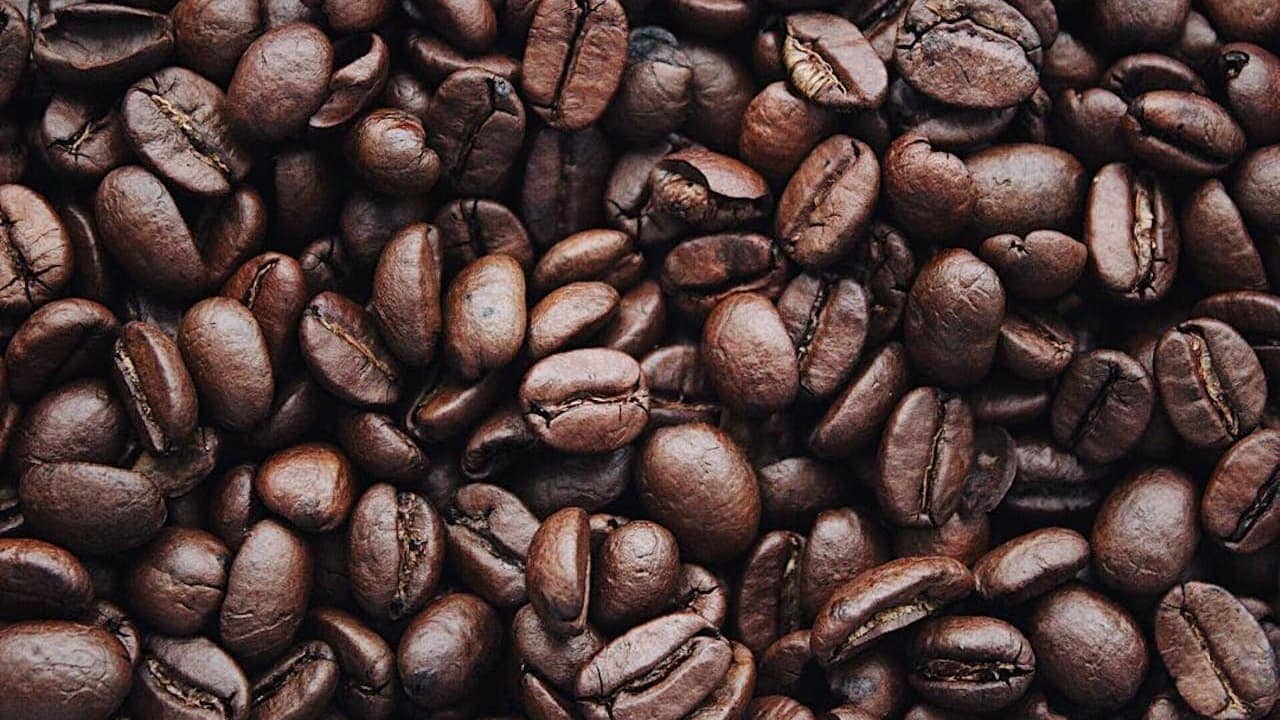
For many of us, coffee is a non-negotiable morning ritual. Unfortunately, due to factors like climate change and political instability in coffee-producing regions, the price of coffee has been on the rise.
To save money, consider buying coffee beans in bulk and grinding them at home. This not only saves you money but also gives you fresher, more flavorful coffee. Another option is to cut back on your coffee consumption or switch to a cheaper alternative like tea.
5. Sugar

Sugar is another pantry staple that has seen a price increase. This is due to a combination of factors including climate change, which affects sugarcane production, and increased demand for sugar in developing countries.
To combat this, consider using natural sweeteners like honey or maple syrup, which might be cheaper depending on where you live. Alternatively, you could cut back on your sugar consumption altogether. Not only will this save you money, but it will also be better for your health.
6. Canned Tuna

Canned tuna is a convenient and budget-friendly source of protein. However, due to overfishing and increased demand, the price of canned tuna has been on the rise.
One way to combat this is by switching to other sources of protein like beans or eggs. Alternatively, you could buy fresh tuna when it’s on sale and can it yourself.
7. Peanut Butter

Peanut butter is a versatile and nutritious pantry staple. Unfortunately, due to climate change and increased demand, the price of peanut butter has been steadily increasing.
To save money, consider making your own peanut butter at home. All you need are peanuts and a food processor. You could also switch to other types of nut butter, like almond or cashew, which might be cheaper depending on where you live.
8. Pasta

Pasta is a favorite comfort food for many of us. But with the cost of wheat rising, so too is the cost of pasta.
To combat this, consider making your own pasta at home. This can be a fun and rewarding activity, and it can also save you money. Alternatively, you could switch to other grains like rice or quinoa.
9. Milk

Milk is a staple in many households. However, due to factors like climate change and increased feed prices for dairy cows, the cost of milk has been on the rise.
To combat this, consider switching to non-dairy alternatives like almond or soy milk, which might be cheaper depending on where you live. Alternatively, you could buy milk in bulk when it’s on sale and freeze it for later use.
10. Bread

Bread is a versatile staple that many of us consume on a daily basis. Unfortunately, due to the rising cost of wheat, the price of bread has also been increasing.
One way to combat this is by making your own bread at home. This not only saves you money but also gives you the satisfaction of enjoying fresh, homemade bread. Alternatively, you could switch to other types of bread, like rye or spelt, which might be cheaper depending on where you live.
11. Eggs

Eggs are a versatile and nutritious food item. However, due to factors like bird flu outbreaks and increased feed prices, the cost of eggs has been on the rise.
To combat this, consider buying eggs in bulk from a local farmer or at a farmer’s market. Not only will this save you money, but it will also give you fresher, tastier eggs. Alternatively, you could switch to other sources of protein like beans or tofu.
12. Potatoes

Potatoes are a filling and versatile vegetable. However, due to climate change and increased demand, the price of potatoes has been increasing.
One way to combat this is by growing your own potatoes. This can be a fun and rewarding activity, and it can also save you money. Alternatively, you could switch to other starchy vegetables like sweet potatoes or squash, which might be cheaper depending on where you live.
13. Cheese

Cheese is a beloved food item that adds a rich flavor to many dishes. Unfortunately, due to factors like climate change and increased feed prices for dairy cows, the cost of cheese has been on the rise.
To combat this, consider buying cheese in bulk and freezing it for later use. Alternatively, you could switch to cheaper types of cheese or even make your own cheese at home.
14. Chicken

Chicken is a versatile and budget-friendly source of protein. However, due to factors like bird flu outbreaks and increased feed prices, the cost of chicken has been on the rise.
One way to combat this is by buying whole chickens instead of pre-cut pieces. This not only saves you money but also gives you the opportunity to use every part of the chicken. Alternatively, you could switch to other sources of protein like beans or tofu.
15. Beans

Beans are a nutritious and filling pantry staple. However, due to climate change and increased demand, the price of beans has been increasing.
One way to combat this is by buying dried beans in bulk and cooking them yourself. This not only saves you money but also gives you tastier, more nutritious beans. Alternatively, you could switch to other sources of protein like lentils or chickpeas, which might be cheaper depending on where you live.
In conclusion, while the rising prices of these pantry staples can be a cause for concern, there are many ways to combat these increases and still enjoy your favorite foods. By staying informed, planning ahead, and being creative with your food choices, you can navigate these price hikes and keep your grocery budget in check.