
Gardening can be a rewarding hobby, but it’s easy to hold onto tools and items that no longer serve you. Over time, certain garden supplies and features become outdated, taking up space without adding value to your outdoor space or routine.
Knowing which garden items have become obsolete can help you simplify your setup and focus on what truly works today. This article will guide you in identifying those items you’re unlikely to use again, making it easier to keep your garden efficient and enjoyable.
Plastic garden gnomes

You might find plastic garden gnomes hard to resist at first. They come in many shapes and sizes, adding a quirky touch to your yard.
However, these gnomes often feel outdated and can look tacky over time.
If you want something longer-lasting, consider metal or stone options instead. Plastic gnomes may not age well outdoors, fading or cracking in extreme weather.
You may want to skip plastic gnomes if you prefer a cleaner, more modern garden look.
Colored mulch

Colored mulch can brighten your garden, but it may come with some risks. Often, it’s made from recycled wood treated with dyes that might contain harmful chemicals.
You might want to avoid black dyed mulch, as it sometimes contains toxic substances like creosote. If you choose colored mulch, check the source carefully to protect your plants and soil.
Symmetrical garden designs

Symmetrical garden designs were once popular but now feel a bit stiff and predictable. If you want your garden to look more natural and inviting, consider mixing shapes and sizes instead.
You don’t have to ditch order completely, but adding asymmetry helps create interest and movement. Your garden will feel more relaxed and less like a formal space.
Large manicured lawns

If you have a large manicured lawn, you might find it takes a lot of time and water to keep it looking perfect.
While lawns are nice for kids to play on, maintaining them can be wasteful and labor-intensive.
You could consider replacing part of your lawn with native plants or low-maintenance ground covers to save resources and add variety to your garden.
Borders packed with annual bedding plants

You might think filling borders with only annual bedding plants is a great idea. However, this approach often means extra work every season since these plants need replanting yearly.
Borders planted solely with annuals can lack structure and long-term interest. Instead, consider mixing perennials or shrubs to reduce maintenance and keep your garden looking good throughout the year.
Single-use outdoor spaces

You might think having a dedicated spot for just one activity outdoors sounds nice. But single-use spaces often end up unused or cluttered.
Instead, try to create flexible areas you can enjoy in different ways. A simple seating area can double as a dining spot or a place for quiet reading.
This way, your garden feels more inviting and less like wasted space.
Monochrome color palettes

Using a monochrome color palette in your garden can feel limiting, but it doesn’t have to be boring. When you stick to one color, try adding different textures and shades to create depth.
This approach can make your garden look calm and put together without much effort. It’s a simple way to update your space without relying on outdated items or complicated color combos.
Invasive alien plants

You might think adding fast-growing plants is helpful, but some are invasive and can take over your garden. Plants like bamboo, English ivy, and Japanese honeysuckle spread quickly and crowd out native species.
Avoid these invasive plants to keep your garden healthy and balanced. Instead, choose non-invasive alternatives that won’t cause problems later on. This will save you time and effort managing unwanted growth.
Red brick paths
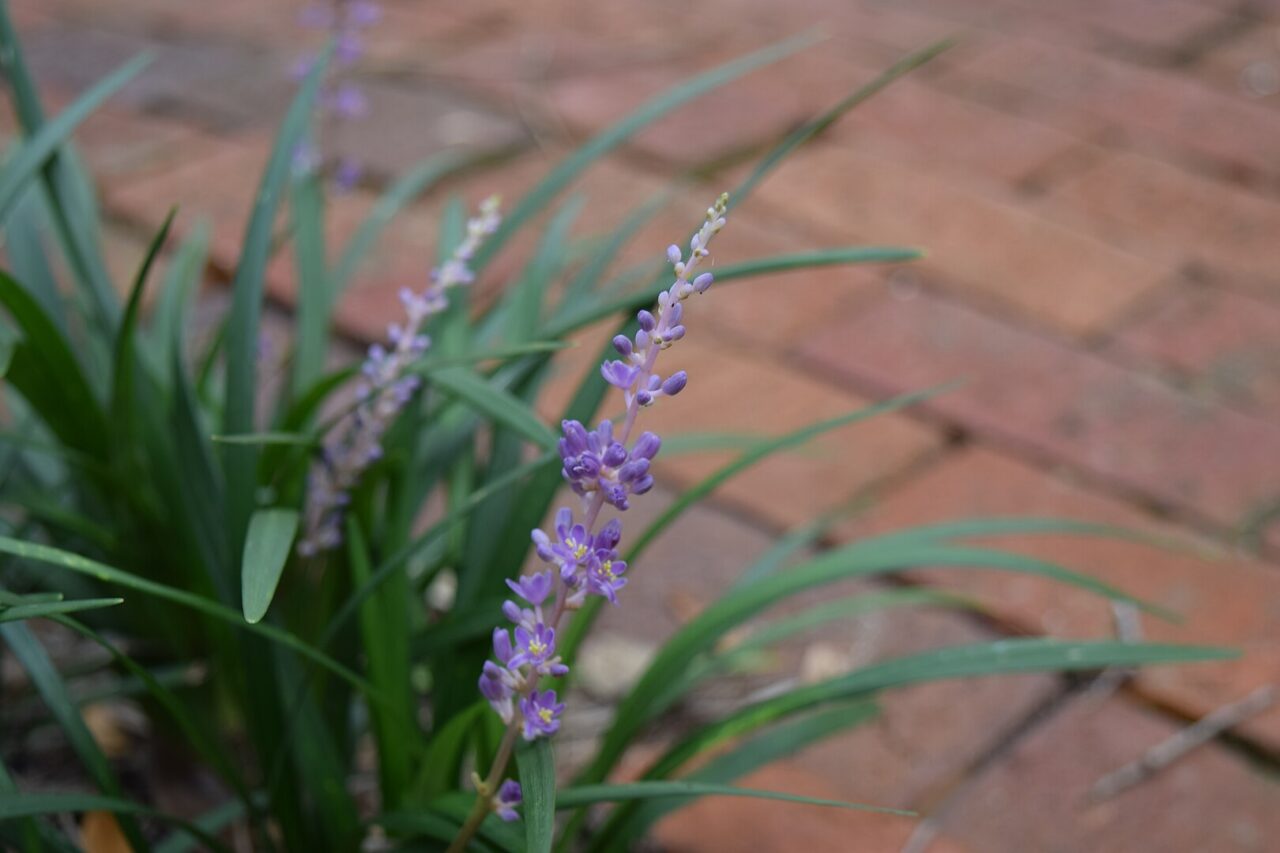
Red brick paths might seem charming, but they often require a lot of maintenance. Over time, bricks can shift or crack, making the path uneven and unsafe.
Installing a proper base is crucial, and without it, your path could quickly deteriorate. Plus, they don’t always handle drainage well, which can lead to water pooling.
There are easier, more durable options now that look just as good with less effort. You might find yourself avoiding these paths more than enjoying them.
Overused topiary shapes

You might notice many gardens using the same basic shapes like spheres and spirals repeatedly. These shapes can look neat but quickly feel predictable if overdone.
Try mixing in less common designs or combining shapes to keep your garden fresh. Remember, variety adds more interest than repeating the usual forms.
Using different plant textures and sizes can help make your topiary stand out without relying on the same old shapes.
Glass lawn ornaments

You might remember glass lawn ornaments as colorful accents scattered across yards. These pieces once reflected light and added sparkle to gardens.
However, they are delicate and can easily break, making them less practical today. Your garden may benefit more from durable decorations that require less care.
Ceramic garden plates

You might have seen ceramic plates used as garden decor in the past. They were often attached to fences or walls for a decorative touch.
Today, ceramic plates are less practical for outdoor use. They can easily break and don’t hold up well in harsh weather.
If you still want to use them, consider repurposing broken ceramics into smaller features like birdbaths. This way, you keep their charm without risking damage.
Excessive ceramic pots

You might think having lots of ceramic pots looks charming, but too many can clutter your garden and feel overwhelming.
They’re often heavy and expensive, making them impractical if you want to rearrange or move plants around.
If you do keep several, consider wrapping or decorating plain pots to keep a neat, cohesive look without adding more clutter.
Bare soil patches

If you have bare soil patches in your garden, you might be tempted to just leave them. But bare soil invites weeds and erosion, which can make your garden look messy.
Instead, cover these spots with mulch or plant ground covers. This protects the soil and helps keep weeds away. You’ll find it easier to keep your garden healthy without extra work.
Artificial turf
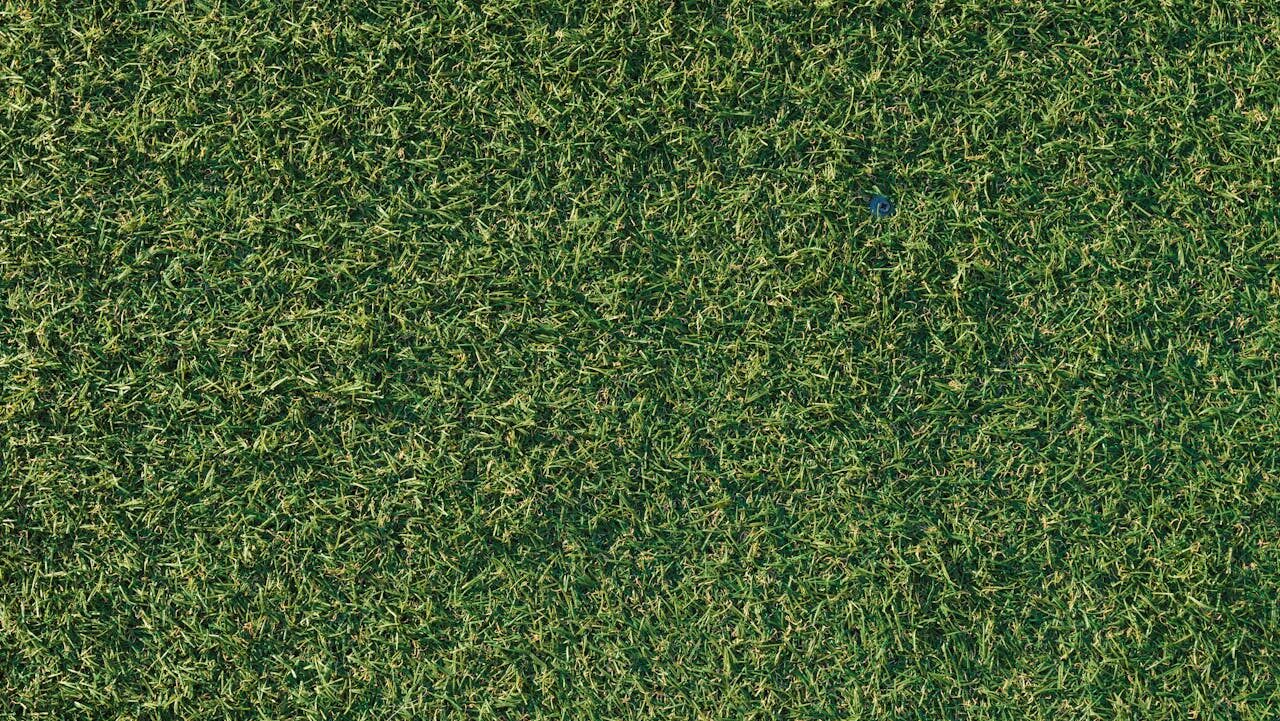
If you’re thinking about artificial turf, know it’s not completely maintenance-free. You’ll avoid mowing, but weeds and debris still need attention.
Artificial turf uses a lot of plastic, which might not feel great if you want an eco-friendly garden. It also doesn’t cool your yard like real grass does.
Choosing it means giving up the natural feel and benefits of living plants in your garden.

