Weeds can quickly take over your garden if you’re not careful, making it harder for your plants to thrive. Managing weeds naturally helps maintain a healthy garden without relying on harsh chemicals.
You can keep weeds under control using simple, natural methods that protect your soil and plants. These techniques are easy to apply and can save you time and effort in the long run while promoting a balanced garden environment.
Advertisement
Apply a 3-inch layer of wood chip mulch
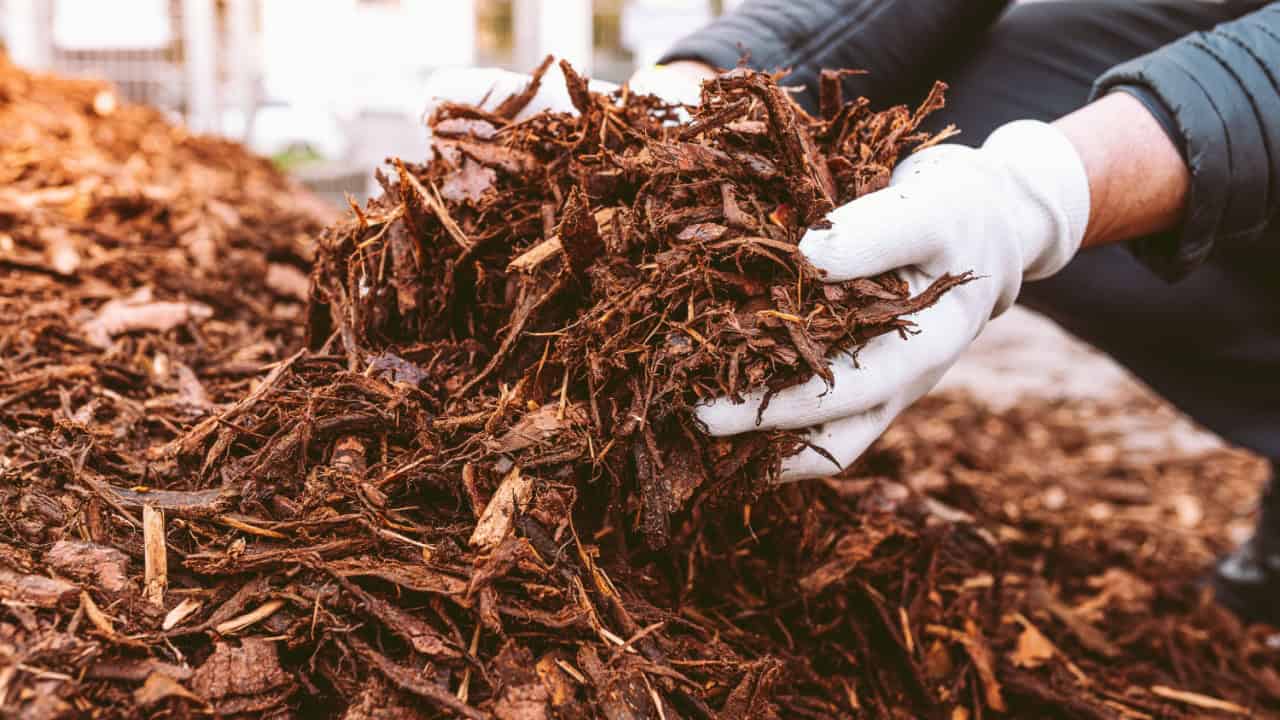
You can keep weeds from growing by spreading a 3-inch layer of wood chip mulch over your garden soil. This thick cover blocks sunlight, stopping many weed seeds from sprouting.
Make sure to keep the layer consistent and replenish it as needed. This helps protect your plants while reducing your weeding effort.
Use straw mulch around vegetable plants
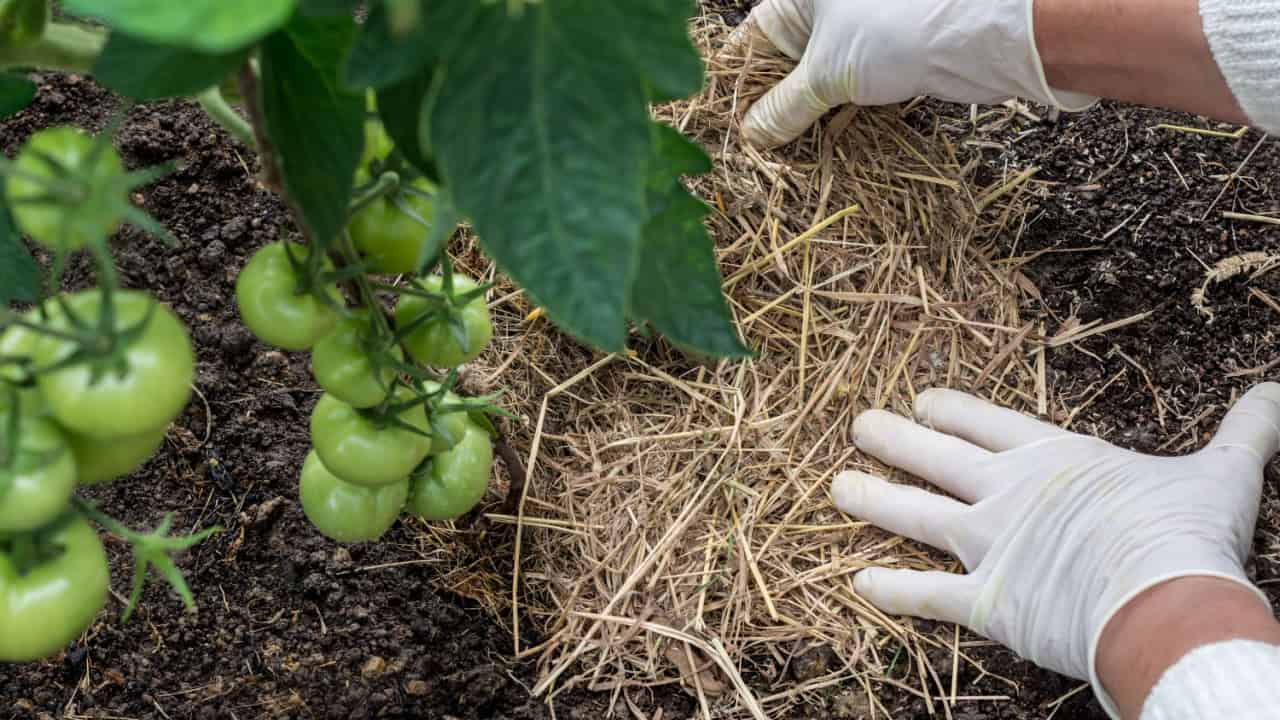
You can spread straw mulch around your vegetable plants to help block weed growth. It also keeps the soil moist, so you don’t need to water as often.
Make sure to apply an even layer without covering plant stems. This helps protect your plants and makes watering and weeding easier. Straw is lightweight, so it’s simple to adjust as your garden grows.
Lay down cardboard under mulch to block light

You can use flattened cardboard as a natural weed barrier in your garden. Lay it down over the soil before adding mulch to block sunlight, which prevents weeds from growing.
Cardboard smothers existing weeds by cutting off their air and light. Over time, it breaks down and enriches your soil, making it a practical and eco-friendly choice.
Plant dense ground covers to shade soil
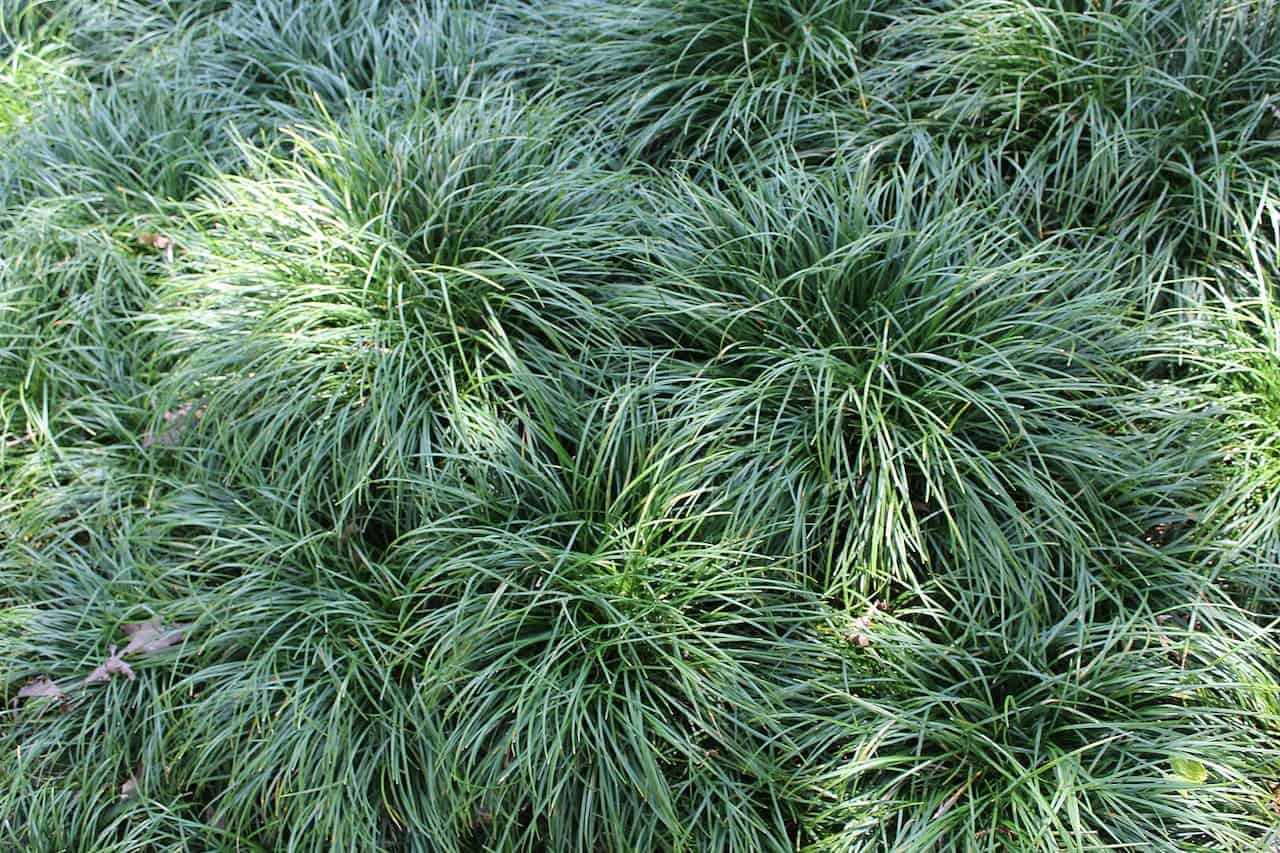
You can use dense ground covers to block sunlight from reaching weed seeds. This makes it harder for weeds to grow in your garden.
Plants like azaleas, liriope, and mondo grass work well because their thick leaves create a natural shade.
By planting them close together, you create a living mat that protects your soil and reduces weed growth.
Pull weeds by hand regularly

You can prevent weeds from taking over by pulling them out early and often. Check your garden frequently to nip new growth in the bud.
Make sure to remove the entire root to stop weeds from growing back. It might take a little time, but your garden will thank you for it.
Hoe the soil surface to uproot seedlings

You can stop weeds early by gently hoeing the soil surface. This disturbs young weed seedlings before they take root deeply.
Doing this regularly keeps the soil loose and prevents weeds from establishing. It’s best to work when the soil is dry, so weed roots break off easily.
Spray a mix of white vinegar, salt, and dish soap on weeds

You can make a simple weed spray with white vinegar, salt, and dish soap. Mix 1 gallon of vinegar with 1 cup of salt and 1 tablespoon of dish soap.
Spray this solution directly on the weeds, especially on hot, sunny days for better effect. Be careful not to spray your desirable plants, as this mix can harm them too.
Use pine needle mulch in acid-loving plant beds

You can use pine needle mulch to keep weeds out of your acid-loving plants like blueberries and azaleas. Pine needles settle into a light, airy layer that helps stop weeds from growing.
They also conserve moisture in the soil, which your plants will appreciate. Plus, pine needles slowly break down without greatly changing the soil’s acidity.
Cover bare soil with wet newspaper before mulching

You can use wet newspaper to block weeds from growing in your garden. Lay several sheets thickly over bare soil or existing weeds.
Make sure the paper is wet so it stays in place and starts to break down naturally.
Afterwards, cover the newspaper with a thin layer of mulch. This helps keep the paper moist and improves the look of your beds.
Introduce living pathways with low-growing plants
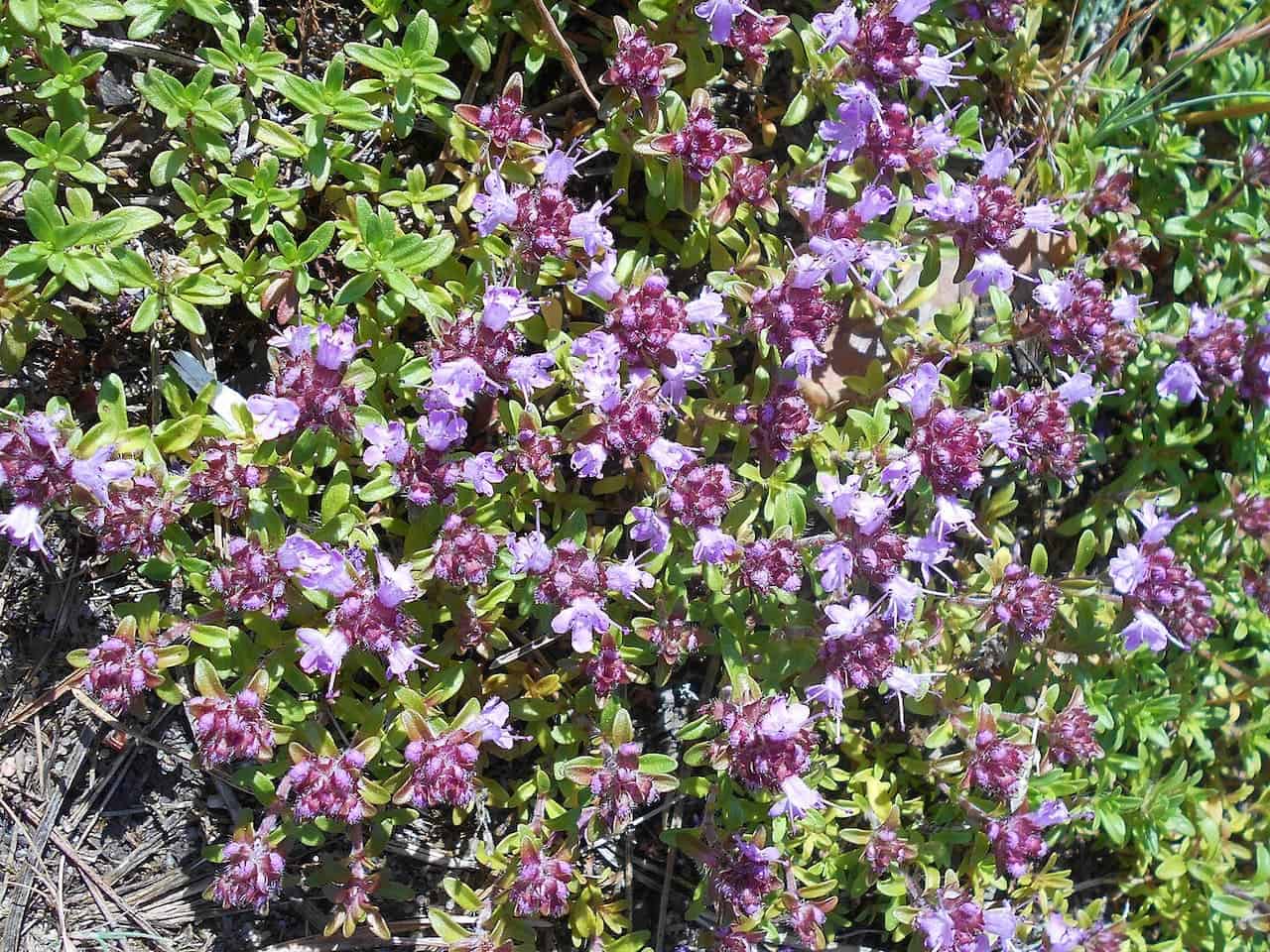
You can replace bare soil pathways with low-growing plants like creeping thyme or lamb’s ear. These plants create a soft, green walkway that reduces space for weeds to grow.
Living pathways also help prevent soil erosion and add beauty to your garden. Plus, their dense growth naturally blocks weed seeds from taking root in those areas.
Use burlap as a breathable weed barrier
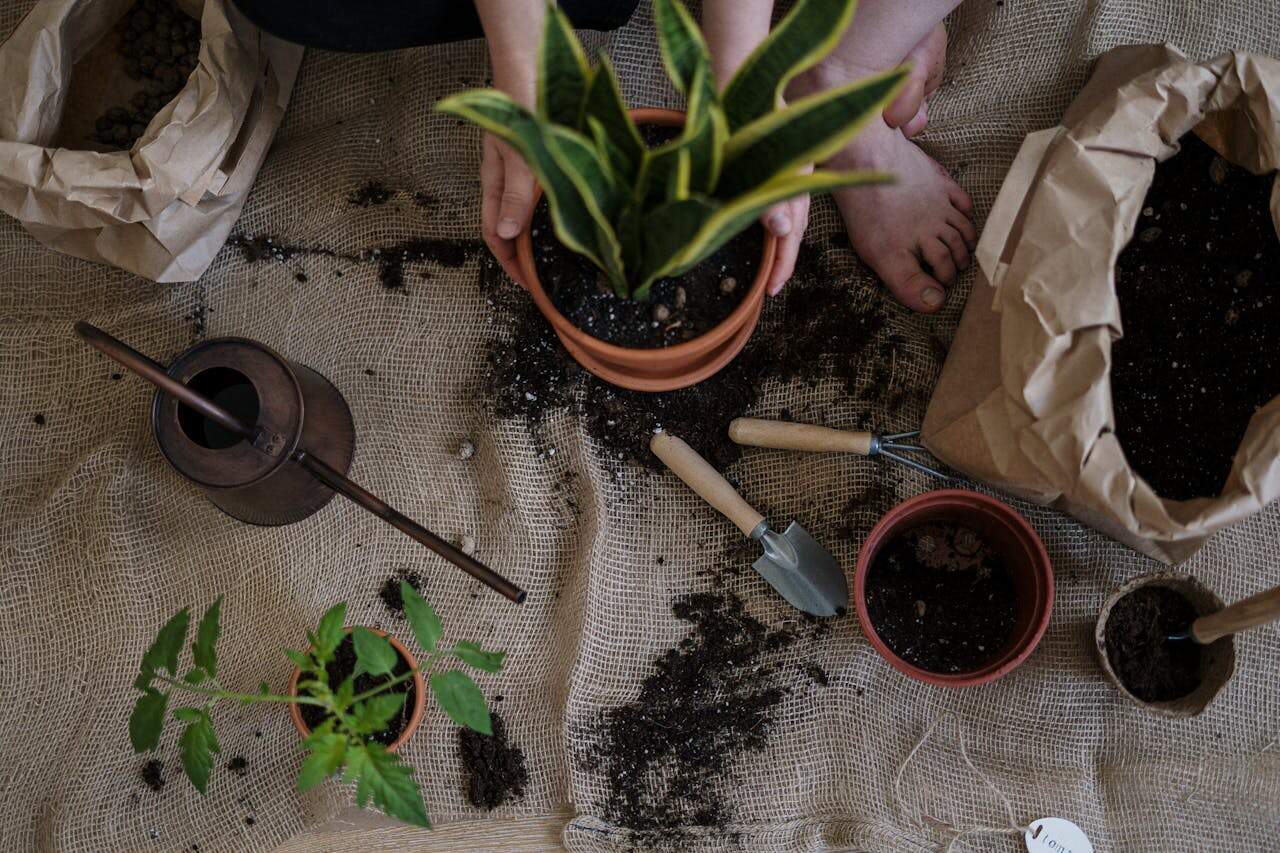
You can lay burlap over your garden soil to block weed seeds from reaching the ground. Burlap lets water and air pass through, so your plants still get what they need.
To improve effectiveness, add a layer of compost or soil on top of the burlap. This helps keep the fabric in place and boosts weed suppression.
Add compost mulch to improve soil and block weeds

You can add a thick layer of compost mulch to your garden beds. This mulch helps block sunlight from reaching weed seeds, which reduces their chance to sprout.
At the same time, compost improves your soil’s health and structure. Healthier soil supports strong plants that compete more effectively with weeds. Keep the mulch layer around 2 to 3 inches thick for best results.
Plant thick herbs like rosemary as natural barriers

You can use thick-growing herbs like rosemary to block weeds from spreading. Their dense foliage makes it harder for weeds to get sunlight and grow.
Rosemary is also drought-tolerant and low maintenance, making it easy to care for. Plant it along garden edges or between rows to create a natural barrier that helps keep your garden tidy.
Utilize silage tarp to occult and smother weeds

You can use a silage tarp to cover your garden soil and block sunlight. This process, called occultation, starves weeds of light and air, causing them to die.
Lay the tarp tightly over the area you want to clear and leave it for several weeks. The black side of the tarp is especially effective in encouraging weed seeds to sprout and then kill them before planting.
Spread bark chips for long-lasting mulch

You can use bark chips to create a thick mulch layer that blocks sunlight from reaching weed seeds. Aim for 2 to 3 inches of bark chips to slow weed growth effectively.
Bark chips also help retain moisture in your soil, which benefits your plants. Spread them evenly and refresh the layer as it breaks down over time to keep weeds under control.