Spring is here, and with it comes the excitement of gardening. As you prepare your garden for the growing season, it’s important to think about keeping pests at bay. Using natural methods not only helps protect your plants but also supports a healthier ecosystem.
There are plenty of simple and effective strategies you can employ to prevent pests from invading your garden. Whether you’re a seasoned gardener or just starting out, implementing these techniques will help ensure your plants thrive all season long.
Advertisement
1. Use vinegar and water spray to repel bugs
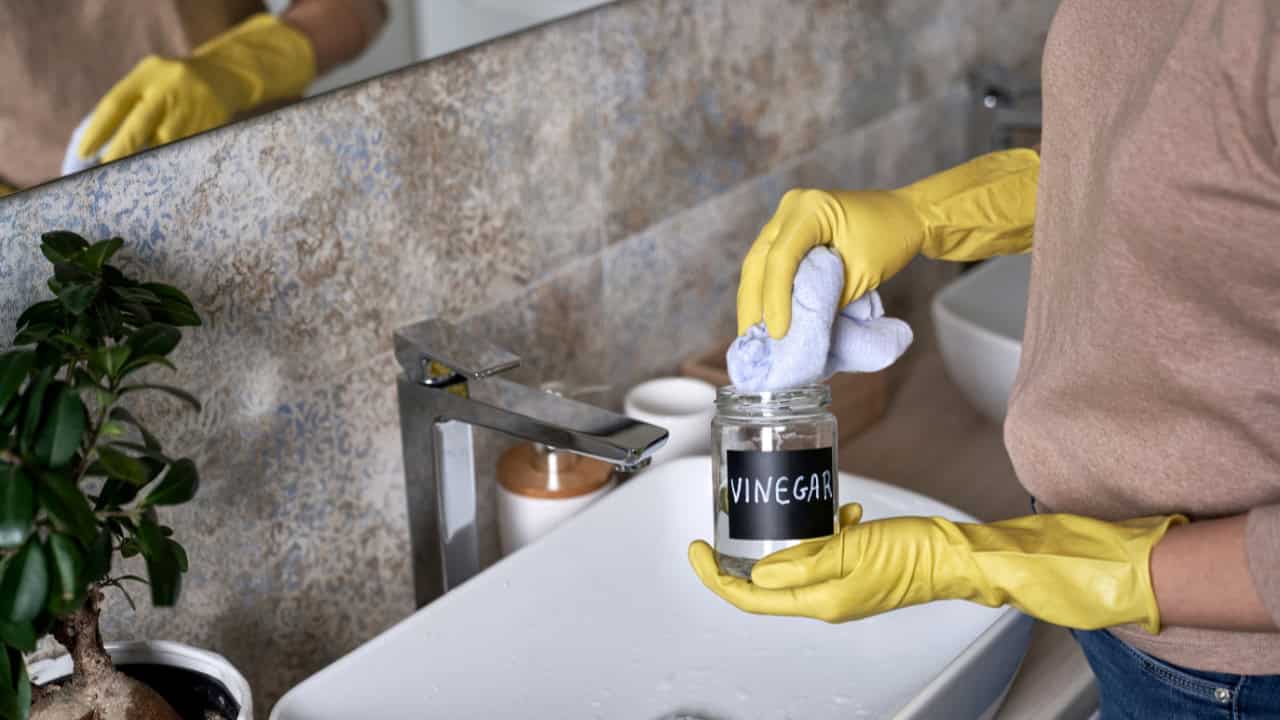
Mixing vinegar and water is an easy way to deter pests in your garden. Combine one part vinegar—like white or apple cider—with three parts water in a spray bottle.
You can use this mixture directly on plants to help keep insects at bay. It works especially well against ants and various garden bugs.
Just be careful not to apply it in full strength, as this can harm your plants. Regular sprays can create an effective barrier to protect your garden.
2. Plant marigolds to deter pests
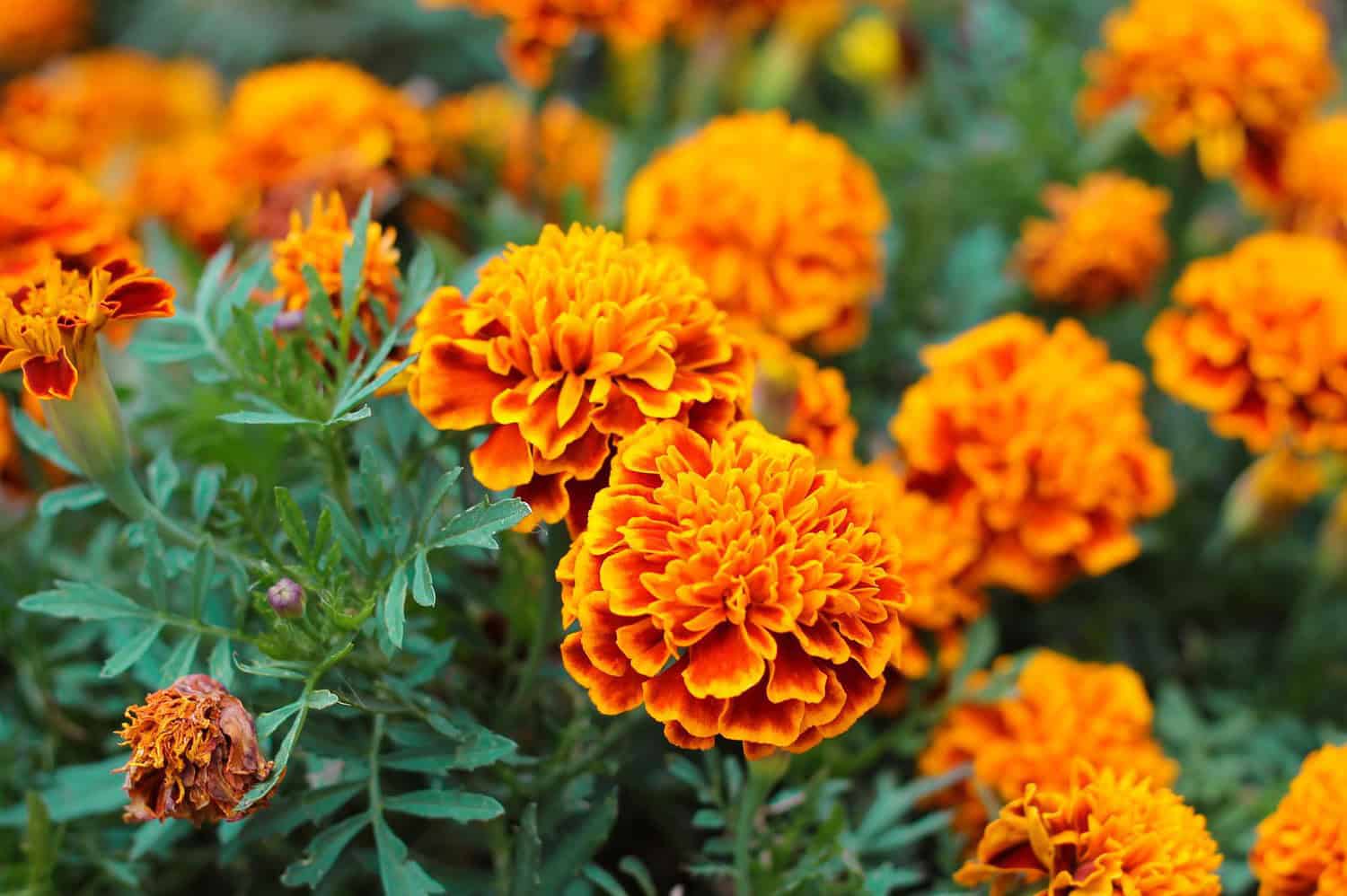
Planting marigolds in your garden can add a splash of color and help keep certain pests away. Their strong scent may deter insects like aphids and nematodes, making them great companions for your vegetables.
While scientific evidence is mixed, many gardeners swear by marigolds’ pest-repelling abilities. Consider placing them among your crops for a natural defense.
Beyond their pest-repelling qualities, marigolds attract beneficial pollinators, which is a nice bonus. You’ll find your garden blooming with life while potentially keeping pests at bay.
3. Introduce ladybugs as natural predators
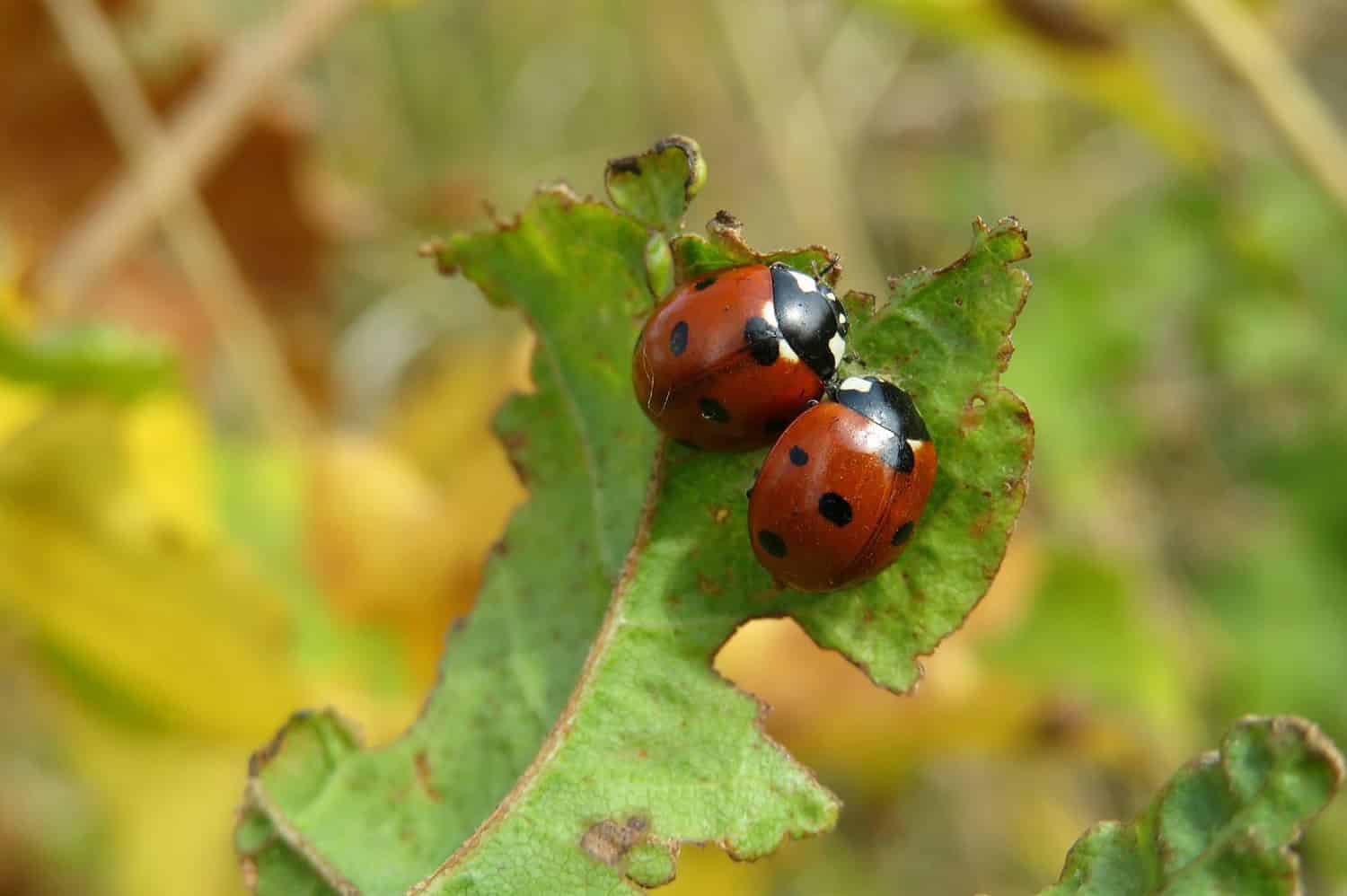
Ladybugs are fantastic allies in your garden. They love to feast on pests like aphids, making them a natural pest control option.
To attract ladybugs, plant a mix of nectar-rich flowers. These help keep them nearby and encourage them to settle in your garden.
If you want to introduce them, store them in the fridge for a few hours before releasing them at night. They’ll be sluggish and less likely to fly away immediately.
Creating a welcoming environment will help ladybugs thrive and keep your garden healthy.
4. Employ garlic spray against aphids
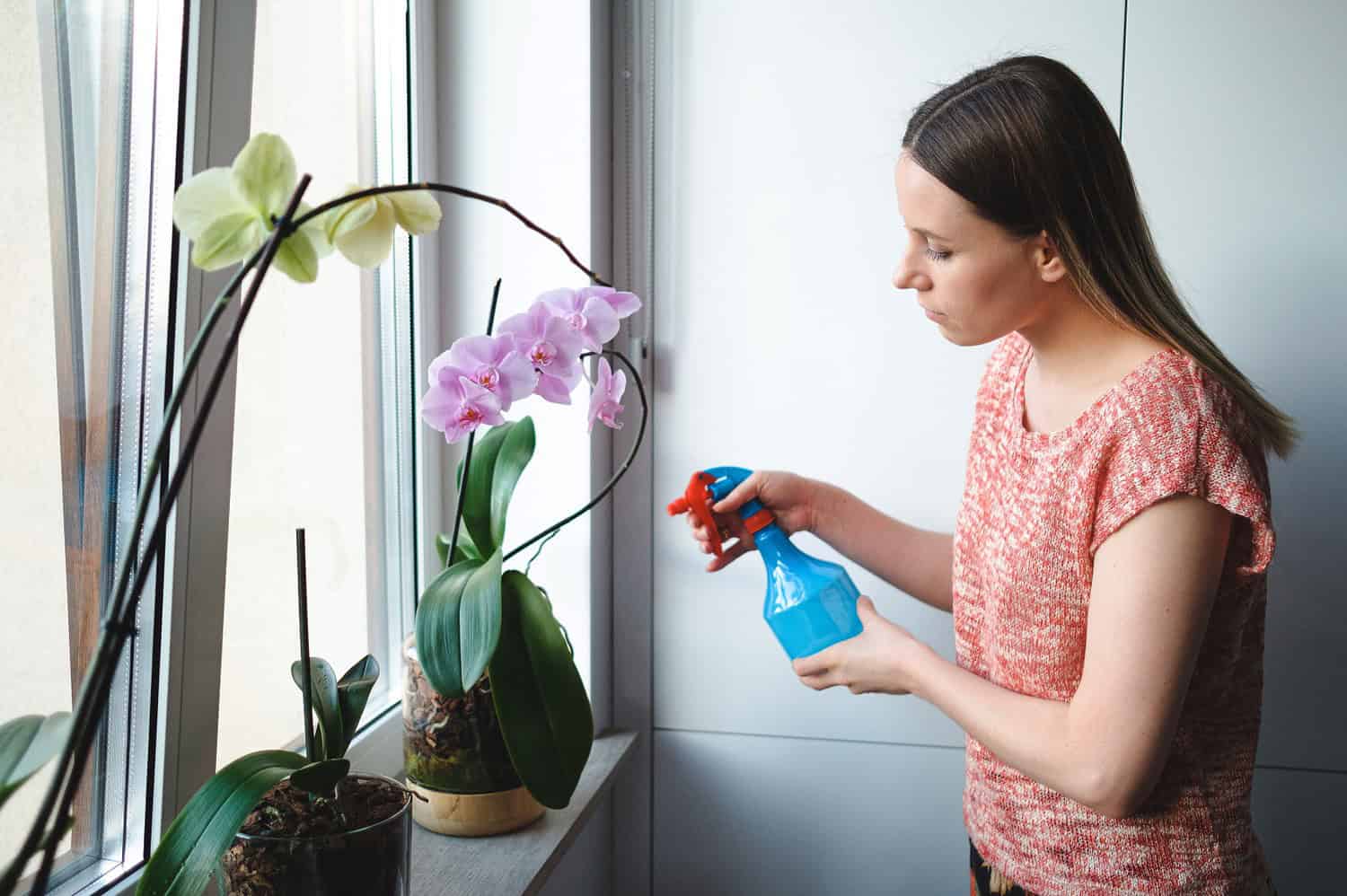
Garlic spray is a simple and natural method to keep aphids away from your garden. These pests can wreak havoc on your plants, but garlic acts as a repellent.
Just blend a few cloves of garlic with water and strain it into a spray bottle. Spray the mixture directly on your plants, focusing on the leaves where aphids like to gather.
You can reapply the spray every few days or after rain to maintain its effectiveness. Not only does it deter aphids, but it also helps combat other garden pests. Enjoy a pest-free garden with this easy solution!
5. Use peppermint oil with caution
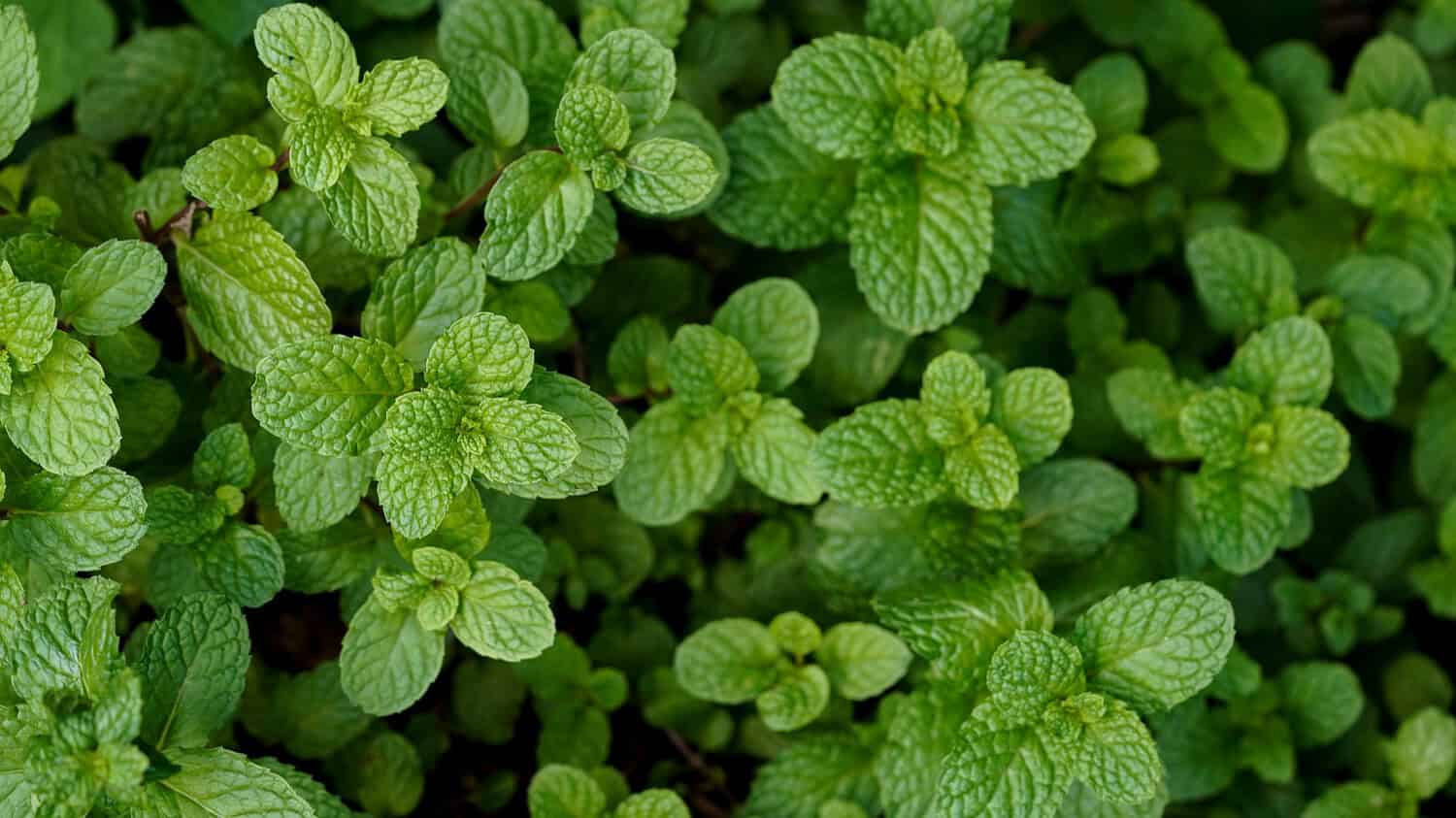
Peppermint oil can be a useful tool in pest control, but it’s important to use it carefully. While it repels many insects, it can also affect beneficial bugs like bees and ladybugs.
When applying, always dilute the oil with water to prevent leaf burn. Make sure to test it on a small plant area first.
Keep in mind that a little goes a long way, so don’t overdo it. Monitoring your garden after application will help you see how it impacts both pests and helpful insects.
6. Plant garlic to ward off insects

Garlic is a fantastic natural pest deterrent for your garden. Its strong smell can help keep unwanted insects at bay. You can plant garlic bulbs directly in your garden.
Not only does it repel pests like aphids and mosquitoes, but garlic can also enhance the health of your plants. You could also create a garlic spray with crushed cloves and water to sprinkle on your plants for added protection.
Experiment with planting garlic alongside your favorite vegetables for a pest-free garden this spring!
7. Attract birds to eat bugs

Attracting birds to your garden can really help with pest control. They naturally eat insects and can keep those pest numbers down.
To bring birds to your yard, provide food and shelter. Install bird feeders with seeds or suet and plant native shrubs for cover.
Creating a diverse habitat is key. By having flowers, trees, and even a small water source, you’ll make your garden inviting.
Leave some areas a bit wild to support insects that birds love to eat. The more inviting your space, the more feathered friends you’ll attract.
8. Utilize neem oil as a natural pesticide

Neem oil is a powerful option for keeping pests away in your garden. It acts as a natural pesticide, targeting various soft-bodied insects like aphids and spider mites.
To use neem oil, simply mix it with water and spray it on affected plants. Best results come when you apply it in the morning or evening when beneficial insects are less active.
The active compound, azadirachtin, disrupts pests’ feeding and reproduction. It’s an effective way to protect your plants without harsh chemicals. Plus, it’s safe for the environment!
9. Spread diatomaceous earth around plants

Diatomaceous earth (DE) is a great natural pest control option. Sprinkle a light layer of food-grade DE around your plants to create a barrier against unwanted pests. It works by dehydrating insects like slugs and beetles, making them less likely to stick around.
Apply DE in the early morning when the dew is still present. This helps it stick better to surfaces. Remember to reapply after heavy rain or watering to maintain its effectiveness.
Use caution and apply sparingly, especially around flowering plants to protect beneficial insects like bees. Your garden will thank you for the extra effort in keeping pests at bay!
10. Use coffee grounds to repel ants

Using coffee grounds in your garden can be a simple way to deter ants. Many gardeners believe that the scent of coffee can confuse and repel these pests.
To try this method, sprinkle used coffee grounds around the areas where you see ants.
Make sure to refresh the grounds regularly, especially after rain.
While results can vary, many find this an easy and natural approach to keeping ants at bay.
11. Grow basil to repel flies and mosquitoes
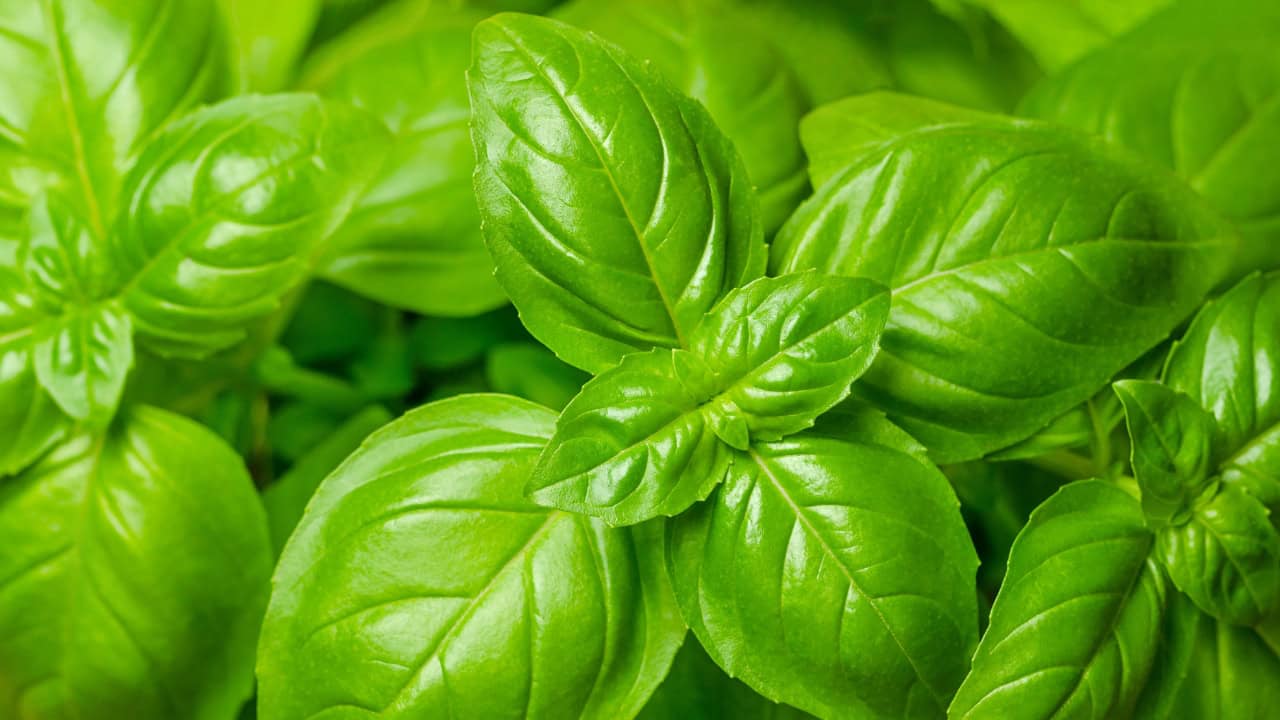
Basil is not just a tasty herb for your kitchen; it’s also a great pest repellent. The strong scent of basil can keep flies and mosquitoes at bay, making your garden a more pleasant space.
You can plant basil in your garden or keep a pot by your patio. Crushing the leaves releases oils that enhance its bug-repelling properties.
Regularly pruning your basil encourages growth, ensuring a continuous supply of this natural repellent. It’s an easy way to add flavor to your meals while protecting your outdoor space.
12. Plant chrysanthemums to keep insects away

Chrysanthemums are great additions to your garden if you want to keep pests at bay. These flowers produce a natural insecticide called pyrethrin, effectively repelling many bugs.
By planting chrysanthemums, you can deter pests like bedbugs, fleas, and ants. They’re not just pretty; they serve a practical purpose too. Surround your garden or home with these flowers for a colorful, pest-free environment.
13. Sprinkle cinnamon to deter fungus gnats
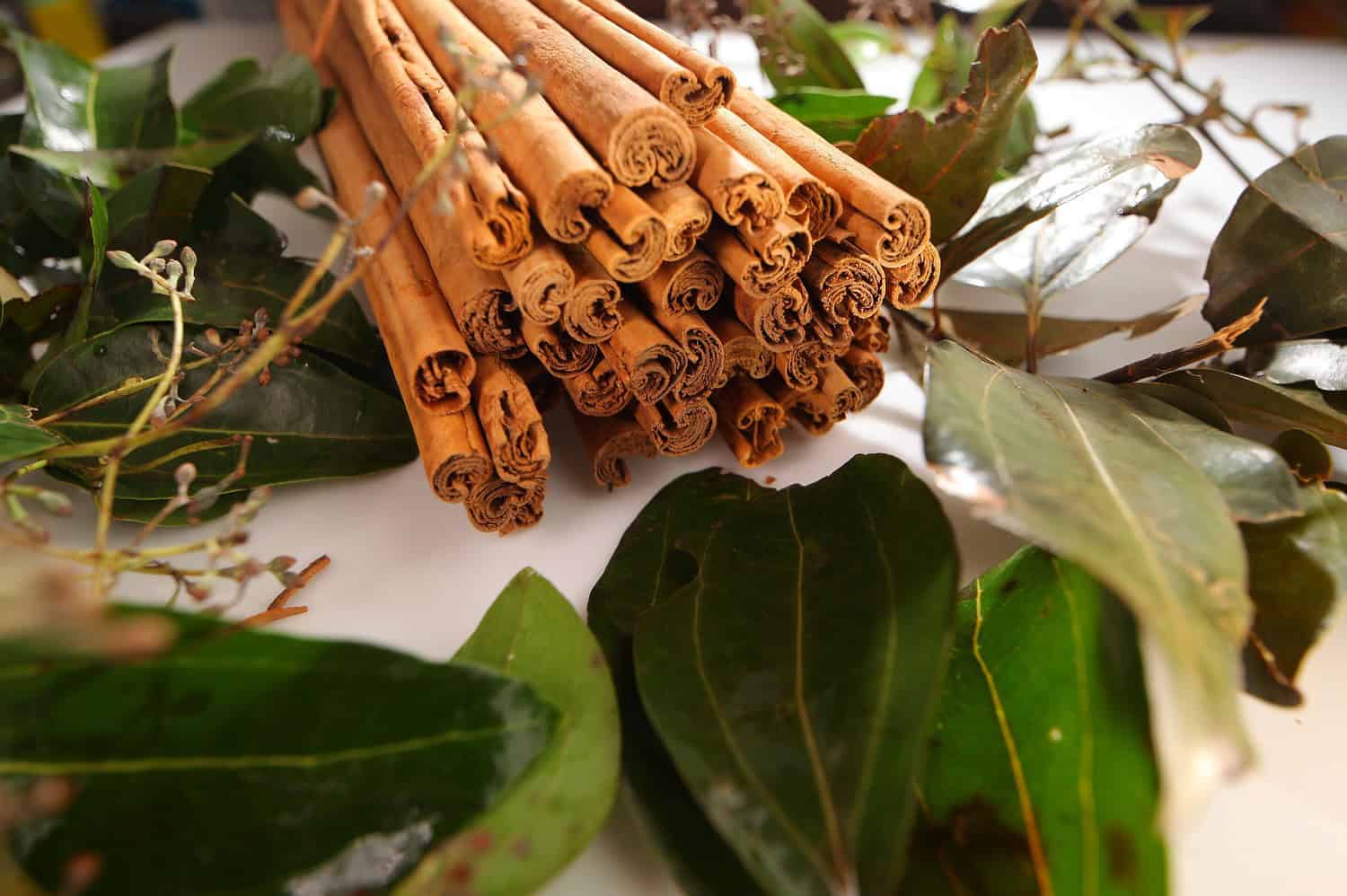
If fungus gnats are bothering your plants, cinnamon might just be your go-to solution. It’s known for its antifungal properties, which can help create a less inviting environment for these pesky insects.
Simply sprinkle a light layer of cinnamon on the soil surface of your potted plants. This can help to disrupt the life cycle of the gnats while adding some nice nutrients to your soil.
While it may not work as an insecticide, many gardeners have found that combining it with other methods increases its effectiveness. Give it a shot and see how your plants respond!
14. Install bat houses for natural pest control
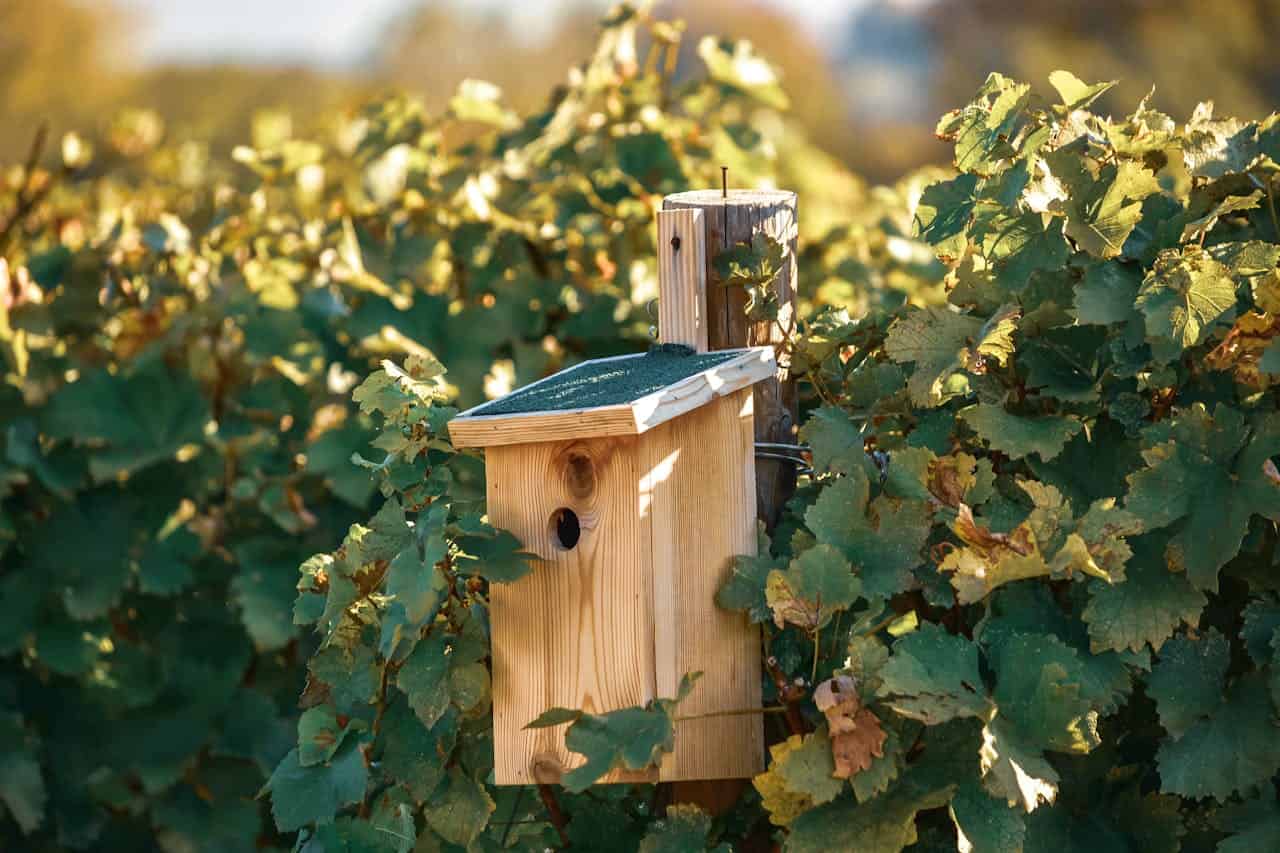
Installing bat houses is a smart way to manage pests in your garden. Bats can consume a significant number of insects, including mosquitoes and beetles, helping to keep your plants safe.
Mount the bat house about 15 to 20 feet off the ground for the best results. Make sure it’s at least 20 to 30 feet away from trees or obstacles.
With a little effort, you can encourage these helpful creatures to take up residence in your yard. Plus, it’s a great step toward supporting local wildlife!
15. Encourage frogs in your garden

To attract frogs to your garden, start by creating a welcoming environment. They love water, so consider adding a small pond or water feature. Keep it filled and ensure there are plants around it.
Frogs need places to hide. Use rocks, logs, or even boards to provide shelter. This helps them feel safe while they control pests in your garden.
Plant native vegetation to attract insects, which frogs feed on. By encouraging frogs, you add a natural pest control method that benefits your garden. Plus, it’s a joy to watch these amphibians thrive in your space!
*This article was created with the help of AI.