Improving your sleep environment can sometimes be as simple as adding the right plants to your bedroom. Plants not only brighten up your space but can also help purify the air, making it easier to breathe and relax at night.
NASA has researched and approved several plants known for their ability to improve air quality and support better sleep. These plants work quietly to remove toxins and release oxygen, creating a fresher atmosphere while you rest.
Advertisement
Snake Plant (Sansevieria trifasciata)

The Snake Plant is a great choice for your bedroom. It continues to produce oxygen at night, unlike most plants, which can help improve your air quality while you sleep.
This plant is very low maintenance, so it’s perfect if you don’t want to spend much time caring for it. Just keep it out of reach if you have pets, as it can be toxic to them.
Peace Lily (Spathiphyllum)

The Peace Lily is a great choice if you want cleaner air while you sleep. It helps remove common indoor pollutants like benzene and formaldehyde.
This plant thrives in low to medium light, so it fits well in bedrooms or offices with limited sunlight.
You only need to water it when the top inch of soil feels dry. It’s an easy-to-care-for option that adds a touch of elegance with its white blooms.
Spider Plant (Chlorophytum comosum)

The Spider Plant is easy to care for and great if you’re new to houseplants. It thrives in bright, indirect light and likes even soil moisture.
This plant helps improve your bedroom air by removing pollutants like formaldehyde. It’s also non-toxic, making it safe if you have pets or little ones around.
You can easily propagate Spider Plants by planting their small offshoots. They quietly support better air quality while adding fresh greenery to your space.
English Ivy (Hedera helix)

English Ivy is a great choice if you want to improve the air in your bedroom. It’s known for its ability to reduce mold spores, which can help create a cleaner environment while you sleep.
This plant is also effective at filtering out common indoor toxins like benzene and toluene. Plus, it’s easy to care for and adds a touch of green to your space.
Bamboo Palm (Chamaedorea seifrizii)

The Bamboo Palm is a great addition to your bedroom. It helps improve air quality by filtering out toxins and adding moisture to the air.
You don’t need much light for it to thrive, making it perfect for indoor spaces. It can grow up to six feet tall, creating a refreshing, natural vibe.
Caring for this plant is easy, so it won’t add to your list of worries. Its gentle presence may even help you breathe easier and sleep better.
Dracaena
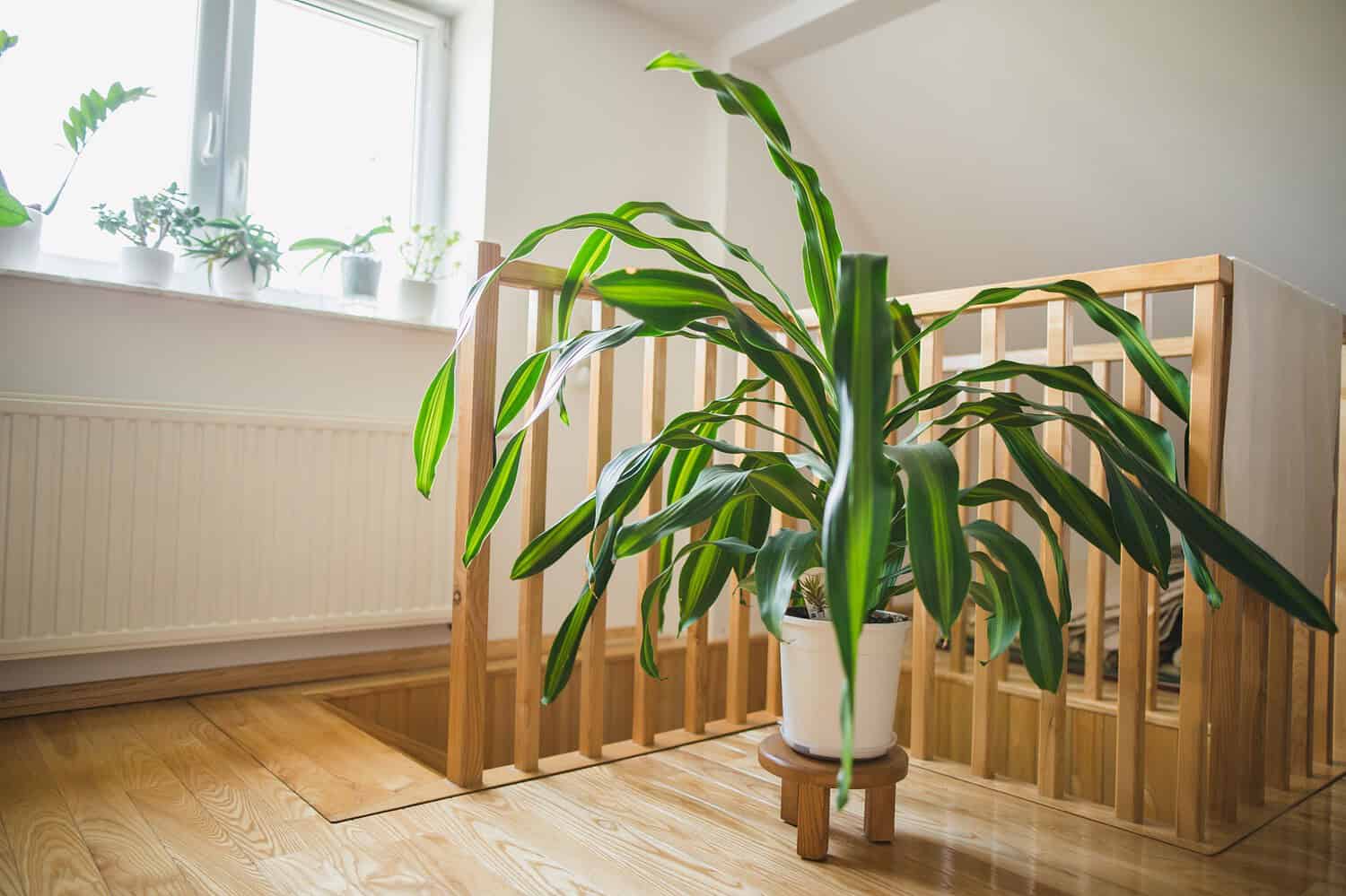
You’ll find Dracaena perfect for adding style and clean air to your bedroom. This plant thrives in moderate temperatures and only needs light watering a couple of times a week.
Dracaena helps filter out indoor toxins, which can improve the air quality while you sleep. It’s easy to care for and fits well in both modern and minimalist spaces.
Golden Pothos (Epipremnum aureum)

You’ll find Golden Pothos easy to care for, making it perfect if you’re new to houseplants. Its heart-shaped leaves add a lovely touch to your bedroom or living space.
This plant helps improve your indoor air by filtering out toxins like formaldehyde and benzene. NASA’s research shows it’s an effective air purifier.
Keeping Golden Pothos nearby can create a fresher environment, which might help you rest better at night. It thrives in a range of light and temperatures, so it’s very adaptable.
Aloe Vera

You might know aloe vera as a soothing plant for skin, but it also helps improve your bedroom air. It releases oxygen at night, which can make the air fresher while you sleep.
This plant also helps reduce toxins like formaldehyde in your room. Plus, aloe vera is low-maintenance, so it’s perfect if you want a simple way to boost air quality.
Boston Fern (Nephrolepis exaltata)

If you want a plant that helps clean your indoor air, the Boston Fern is a great choice. It’s known for its soft, arching fronds that add a fresh, green touch to your space.
This fern prefers indirect light, so avoid placing it in harsh, direct sunlight. Keeping the soil moist and maintaining humidity will help your Boston Fern thrive.
Weeping Fig (Ficus benjamina)
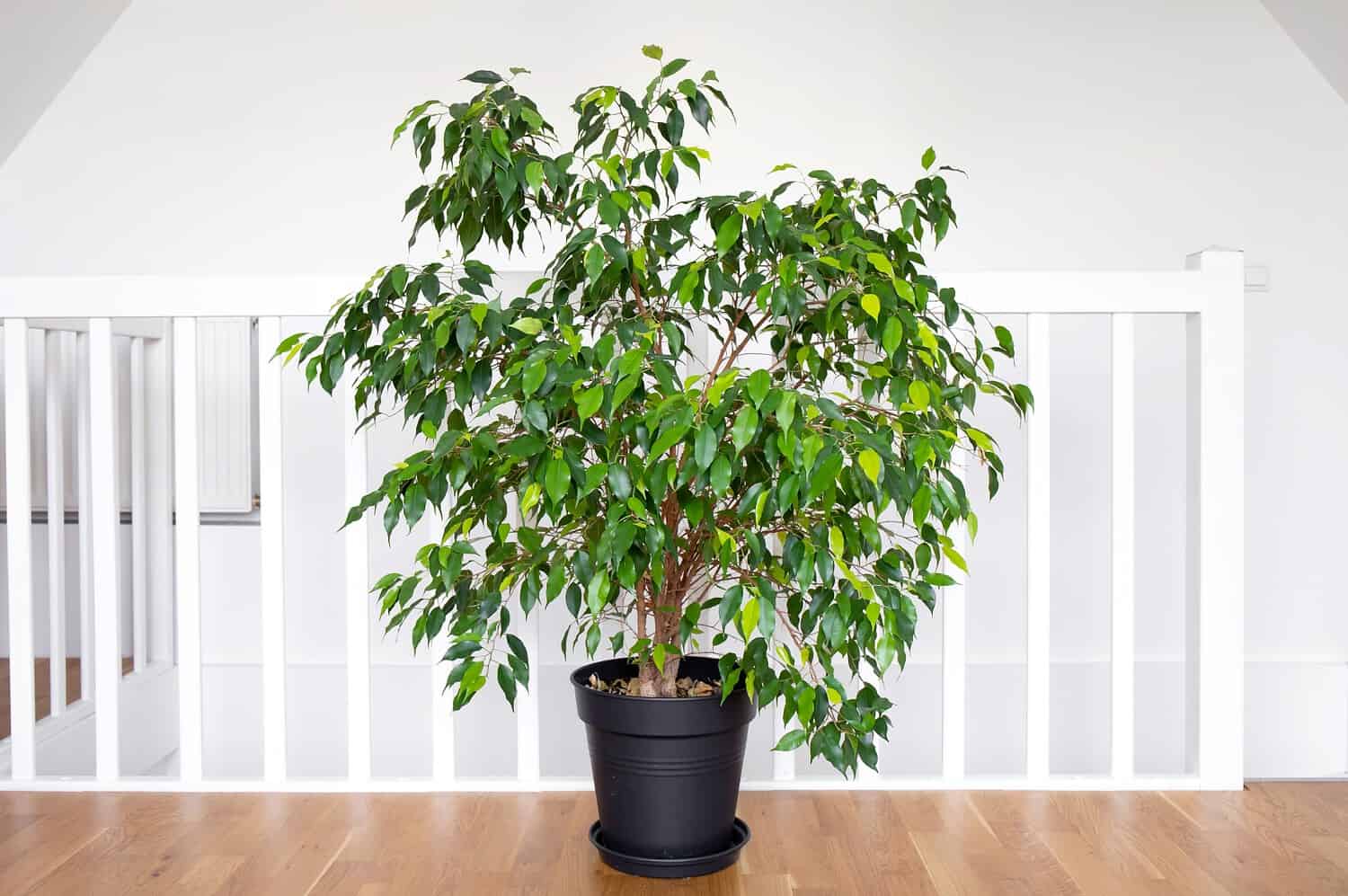
If you want a stylish and effective air purifier, the Weeping Fig is a great choice. It helps remove common indoor pollutants like formaldehyde and toluene from your bedroom air.
This plant prefers bright sunlight and warm, humid rooms. Make sure to water it consistently, especially in spring and summer.
The Weeping Fig adds a natural touch and works quietly while you sleep, improving your indoor air quality.
Jasmine

Jasmine is a gentle, soothing plant that can help create a calm atmosphere in your bedroom. Its sweet fragrance may promote relaxation and ease stress.
Adding jasmine to your space could support a more peaceful night’s sleep. It’s a great choice if you want a natural way to make your room feel cozy and inviting.
Gerbera Daisy (Gerbera jamesonii)

You’ll enjoy the bright, cheerful blooms of the Gerbera daisy, which also helps purify your bedroom air. It’s one of the few flowering plants that produce oxygen at night, making it a great companion for better sleep.
Place your Gerbera daisy in a spot with plenty of direct sunlight, ideally near a sunny window. Water it when the top inch of soil feels dry to keep it healthy and blooming.
Lavender

Lavender is a great choice if you want a plant that helps you relax before bed. Its gentle scent can calm your mind and ease stress.
You can keep lavender in your bedroom to create a soothing atmosphere. The fresh aroma may help improve your sleep quality naturally. It’s easy to care for and adds a touch of beauty too.
Orchid

Orchids are not only beautiful but also help improve your indoor air quality. They release oxygen during the night, which can support better breathing while you sleep.
These plants are low-maintenance and come in a variety of colors and shapes, adding a touch of elegance to your bedroom. With minimal care, orchids can boost your room’s atmosphere quietly and effectively.
Chinese Evergreen (Aglaonema)
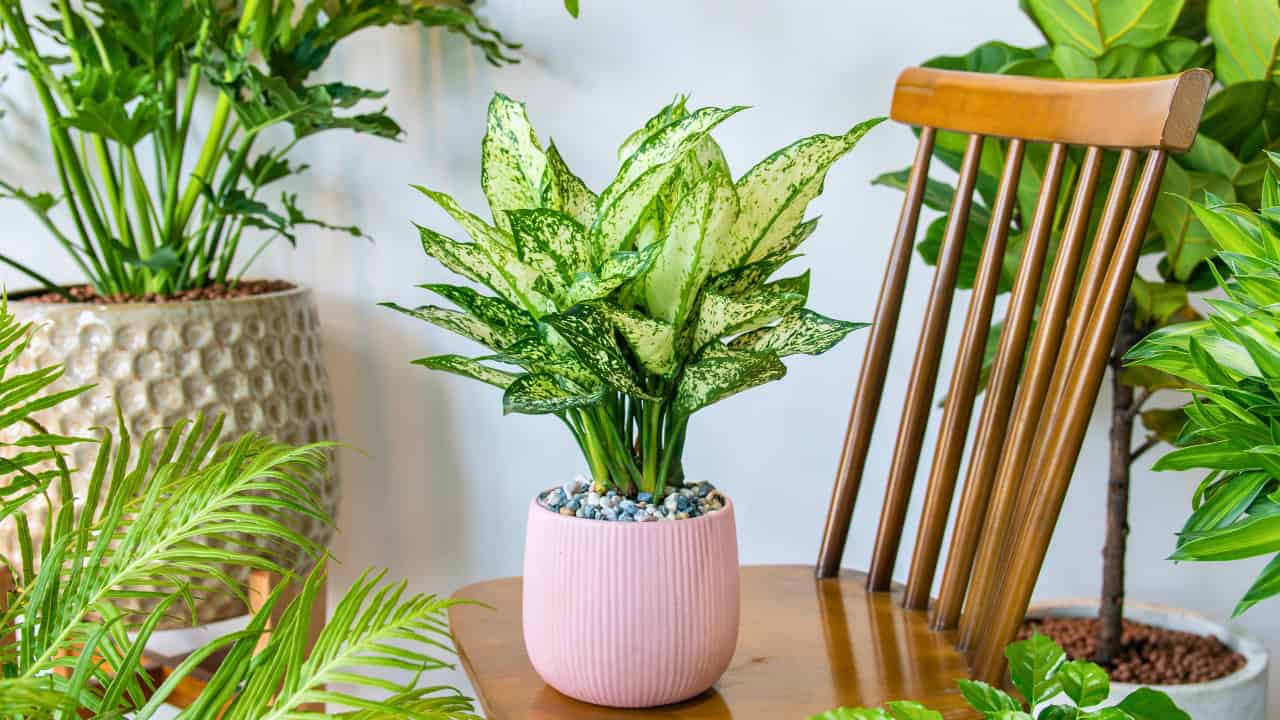
You’ll find Chinese Evergreen easy to care for, making it a great choice for your bedroom. It thrives in low light and prefers soil that dries out between waterings.
This plant helps improve air quality by filtering toxins. Plus, its vibrant leaves add a touch of green to your space.
Watch out for pests like spider mites, especially if the air is dry. Keeping humidity up can help keep your plant healthy.
Why NASA Endorses Certain Houseplants
Some houseplants are better at purifying indoor air and can help improve your sleep environment. These plants can remove harmful chemicals and increase oxygen levels, making your space healthier to breathe.
The Science Behind NASA’s Clean Air Study
In 1989, NASA conducted a study to identify plants that could clean indoor air efficiently. They focused on plants’ ability to remove common toxins like formaldehyde, benzene, and trichloroethylene.
These chemicals are found in household products, furniture, and paints, and can affect your lung health and sleep quality. NASA’s research showed that certain plants absorb these toxins through their leaves and roots, reducing indoor air pollution.
The study was designed to help astronauts stay healthy in sealed space environments but applies well to typical homes too. Using such plants inside your bedroom can lower airborne toxins while you rest.
How Plants Improve Indoor Air Quality

Plants purify air by absorbing pollutants and releasing oxygen through photosynthesis. Some, like snake plants, continue producing oxygen at night, improving oxygen levels while you sleep.
In addition to filtering chemicals, houseplants help regulate humidity, which can reduce respiratory irritation. Moisture from plants may also prevent dry air, encouraging comfortable breathing.
Plants like peace lilies, aloe vera, and spider plants are known for effective removal of airborne toxins and for contributing to a calming environment. Having around 15 to 18 plants in an average home can create a natural air filter system that supports better lung function and rest.