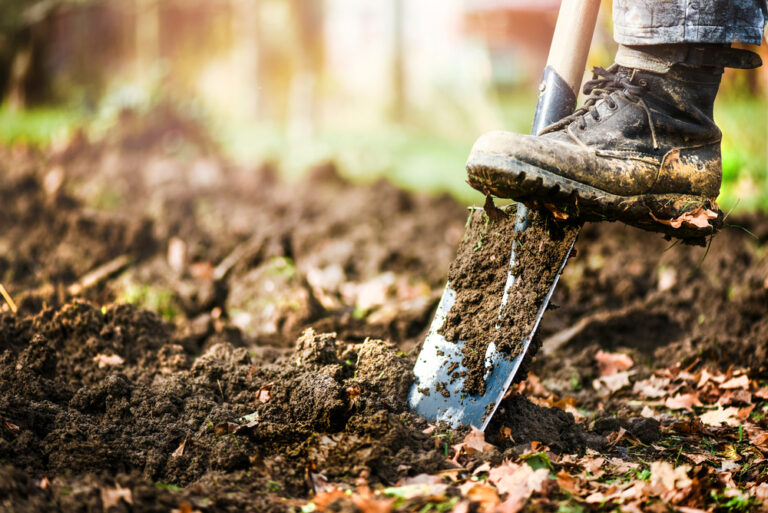
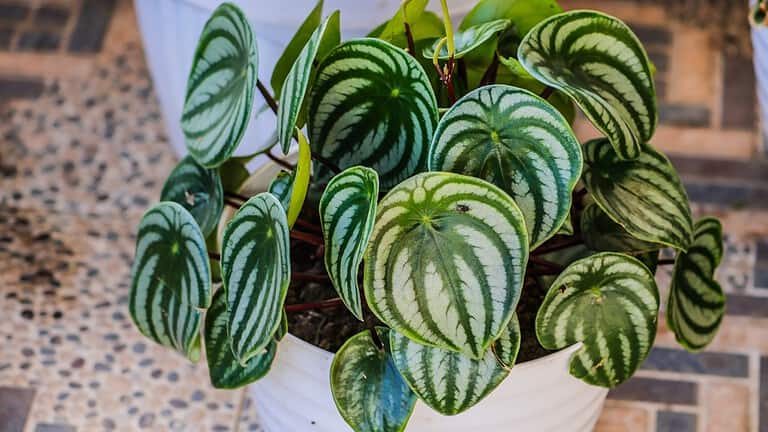
When it comes to gardening, a little preparation can go a long way. This is especially true when it comes to emergency situations. Whether it’s a sudden frost that threatens your tomato plants or a sudden influx of pests, having the right tools and supplies on hand can make all the difference. That’s why every gardener needs to equip themselves with an emergency garden kit. This kit should comprise of essentials that will help you address any unexpected gardening situation. Here are 15 must-have items for your emergency garden kit.
1. Hand Pruners

Every gardener needs a good pair of hand pruners. These tools are essential for trimming plants, cutting flowers, and removing dead or diseased foliage. When shopping for hand pruners, look for a pair with a comfortable grip and a sharp, durable blade. Some pruners even come with a built-in wire cutter, which can be handy for tasks like cutting through plant ties.
Advertisement
Additionally, it’s important to keep your pruners clean and well-maintained. Dirty or rusty pruners can spread disease from plant to plant. To prevent this, clean your pruners regularly with a solution of bleach and water, and oil the blades to prevent rust.
2. Garden Gloves

Gardening can be tough on your hands. Between the dirt, thorns, and potentially harmful plants, it’s important to protect your hands with a good pair of gloves. Look for gloves made from a breathable material that will keep your hands cool and dry. They should also have a good grip and be sturdy enough to protect your hands from thorns and other sharp objects.
Garden gloves are not just for protection, they also help keep your hands clean. After a long day in the garden, the last thing you want is to spend hours scrubbing dirt from under your nails. With a good pair of gloves, all you have to do is remove them and your hands are clean!
3. A Garden Trowel

A garden trowel is a small hand tool that is essential for any gardener. It is used for digging small holes, transplanting seedlings and bulbs, and weeding. When buying a garden trowel, look for one made of stainless steel or another rust-resistant material. The handle should be comfortable to hold and the blade should be sharp.
A trowel is an incredibly versatile tool. It can be used to dig holes for planting, to remove weeds, or to mix soil and compost. When not in use, it’s small enough to easily store in a garden shed or even a kitchen drawer.
4. Watering Can
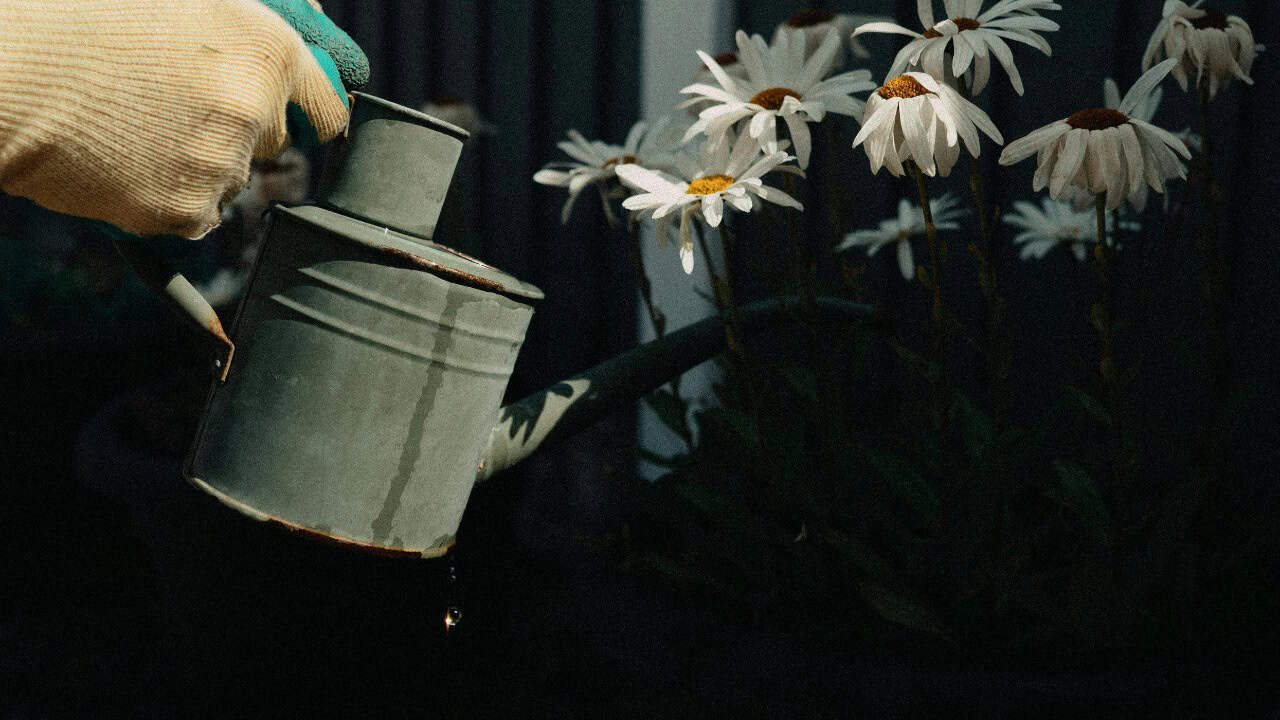
A watering can is a must-have for any garden. They allow you to control the amount of water your plants get, which is crucial for their health. Look for a watering can with a long spout and a large handle for easy use. Some watering cans even come with a detachable rose (a cap with small holes) that can be used to sprinkle water gently over delicate plants.
Watering cans are not just functional, they can also add a touch of charm to your garden. They come in a variety of colors and styles, so you can choose one that matches your garden decor. Plus, they’re an eco-friendly way to water your plants, as you can fill them with rainwater collected in a rain barrel.
5. Compost Bin

Composting is a great way to reduce waste and create nutrient-rich soil for your garden. A compost bin is a must-have for any environmentally-conscious gardener. They come in a variety of sizes and styles, so you can choose one that fits your garden and your composting needs.
Composting is not just good for the environment, it’s also good for your plants. Compost is rich in nutrients that plants need to thrive, and it can help improve the structure and fertility of your soil. Plus, it’s free! All you need to start composting is a bin and some kitchen scraps.
6. Garden Hoe
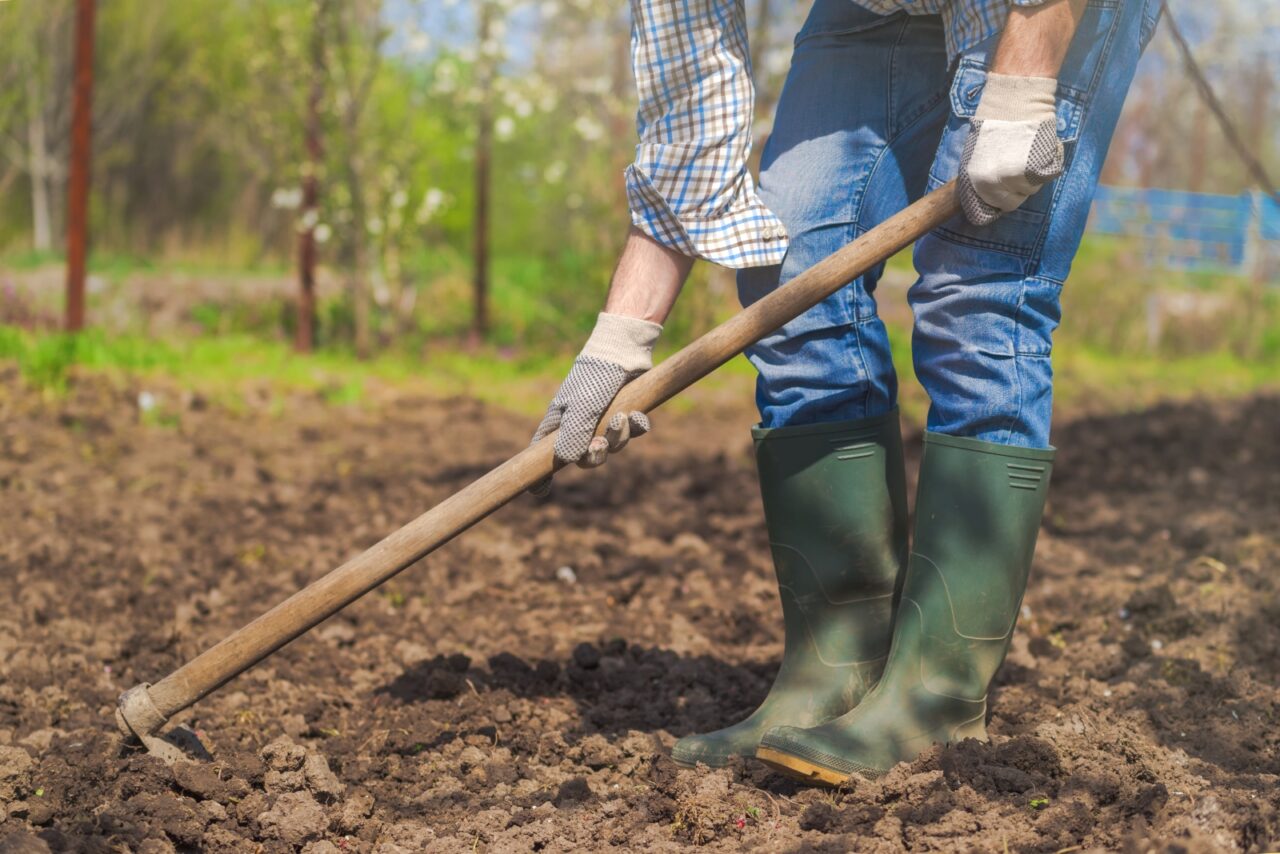
A garden hoe is a versatile tool that can be used for a variety of tasks. It’s great for breaking up hard soil, removing weeds, and creating furrows for planting. Look for a hoe with a sharp, sturdy blade and a long handle for comfortable use.
Believe it or not, there are different types of hoes for different tasks. For example, a scuffle hoe is great for removing weeds, while a digging hoe is better for breaking up hard soil. Choose the right hoe for your needs, and it will become an invaluable tool in your garden.
7. Garden Fork

A garden fork is a useful tool for turning soil, break up clumps of soil and compost, and for lifting and moving plants. Look for a fork with strong, sharp tines and a comfortable handle. A good garden fork should be sturdy and well-balanced, making it easy to use.
Garden forks are especially useful in heavy, clay soils where a spade might struggle. They can also be used to aerate your lawn or to mix compost into your soil. With a good garden fork, you’ll find it much easier to keep your garden in top condition.
8. Wheelbarrow
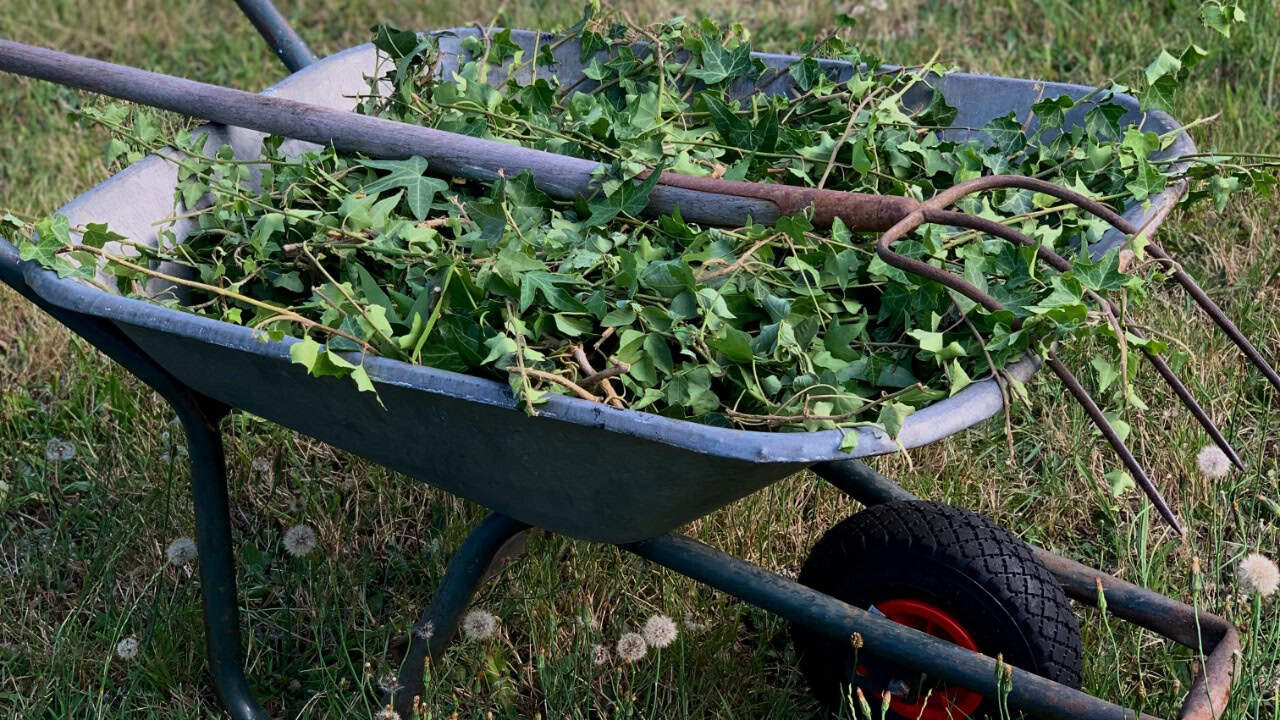
A wheelbarrow is a must-have for any serious gardener. It makes it easy to transport heavy loads around your garden, whether that’s bags of compost, piles of leaves, or even large plants. Look for a wheelbarrow with a sturdy frame, a large capacity, and pneumatic tires for easy maneuvering.
A wheelbarrow can also be a lifesaver when it comes to garden cleanup. Whether you’re gathering up fallen leaves, hauling away garden waste, or moving a pile of compost, a wheelbarrow can make the job much easier.
9. Garden Hose with Adjustable Nozzle
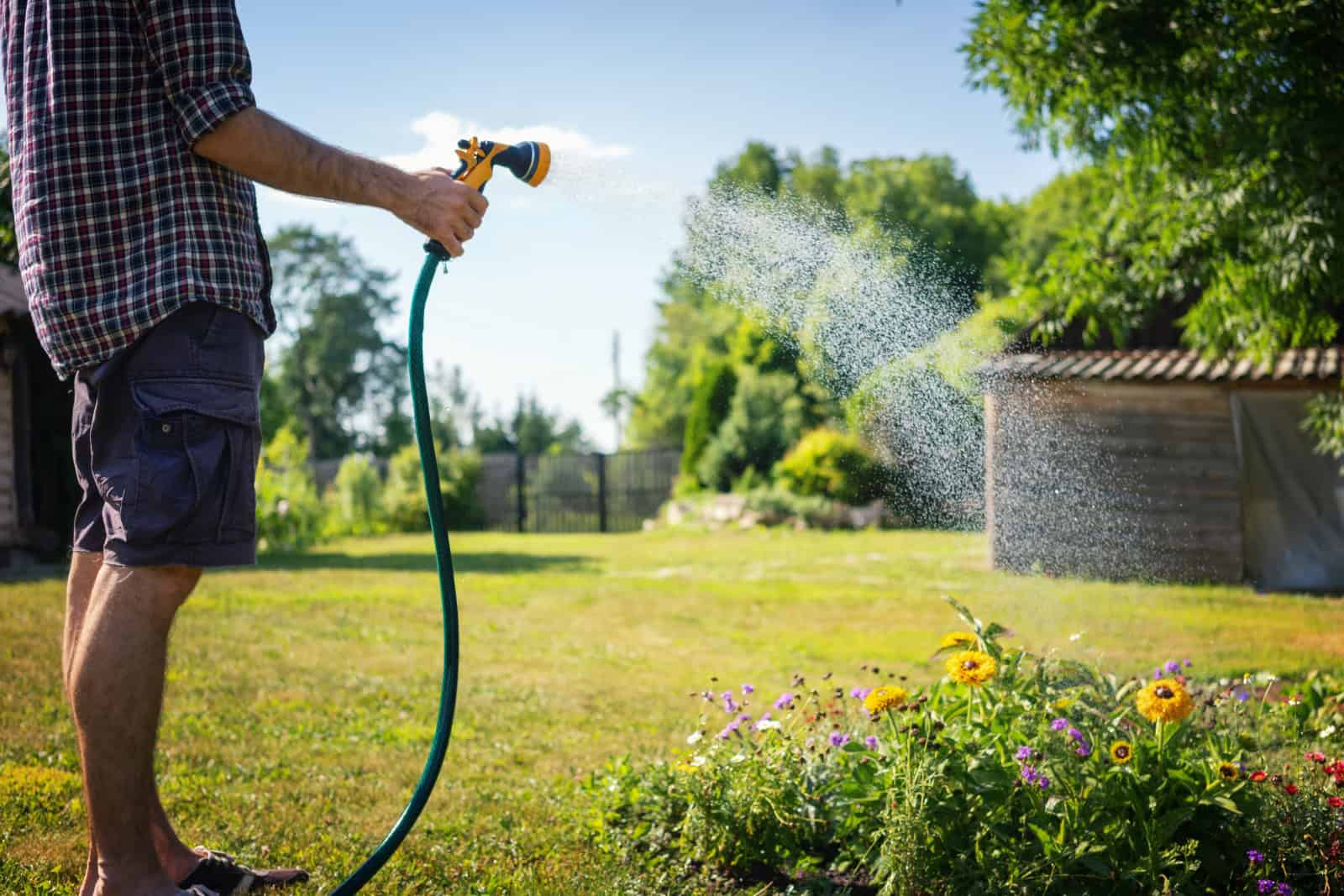
A garden hose is essential for watering your garden, but make sure to get one with an adjustable nozzle. This will allow you to adjust the pressure of the water, making it gentle enough for delicate plants and strong enough for hardy ones. Look for a hose that is durable and kink-resistant.
A good garden hose can also be used to clean your garden tools, wash off your muddy boots, or even give your dog a bath! With an adjustable nozzle, you can control the water pressure and make sure it’s just right for whatever task you’re doing.
10. Seed Starter Kit
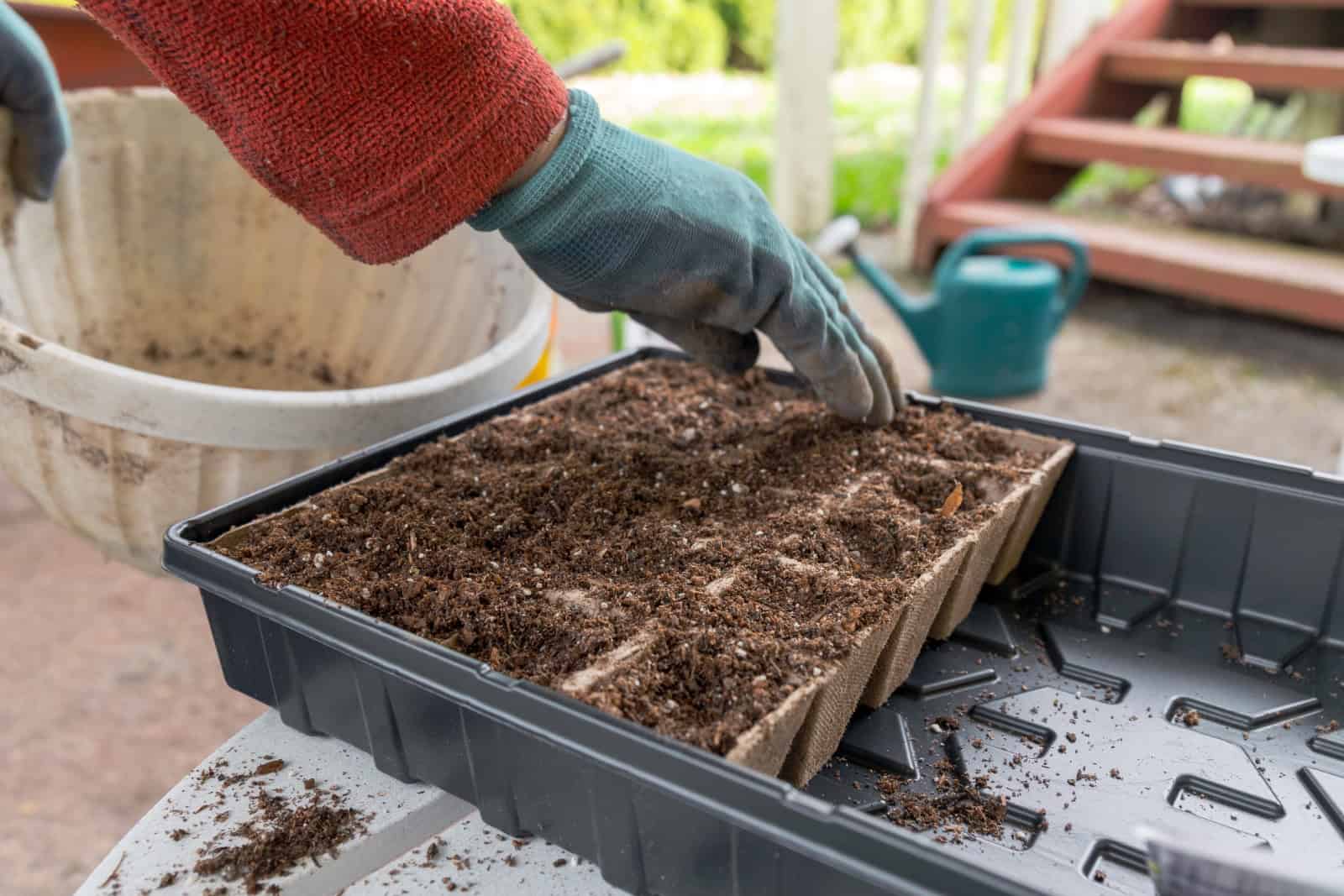
A seed starter kit is a great way to get your garden started. These kits typically include a tray with individual cells for each seed, a clear lid to create a mini greenhouse effect, and a watering system. They’re perfect for starting seeds indoors before transplanting them outside.
Starting seeds indoors gives you a head start on the gardening season. It allows you to grow varieties that might not normally do well in your climate, and it can save you money on plants. Plus, there’s something incredibly satisfying about watching a seed sprout and grow into a healthy plant.
11. Garden Twine
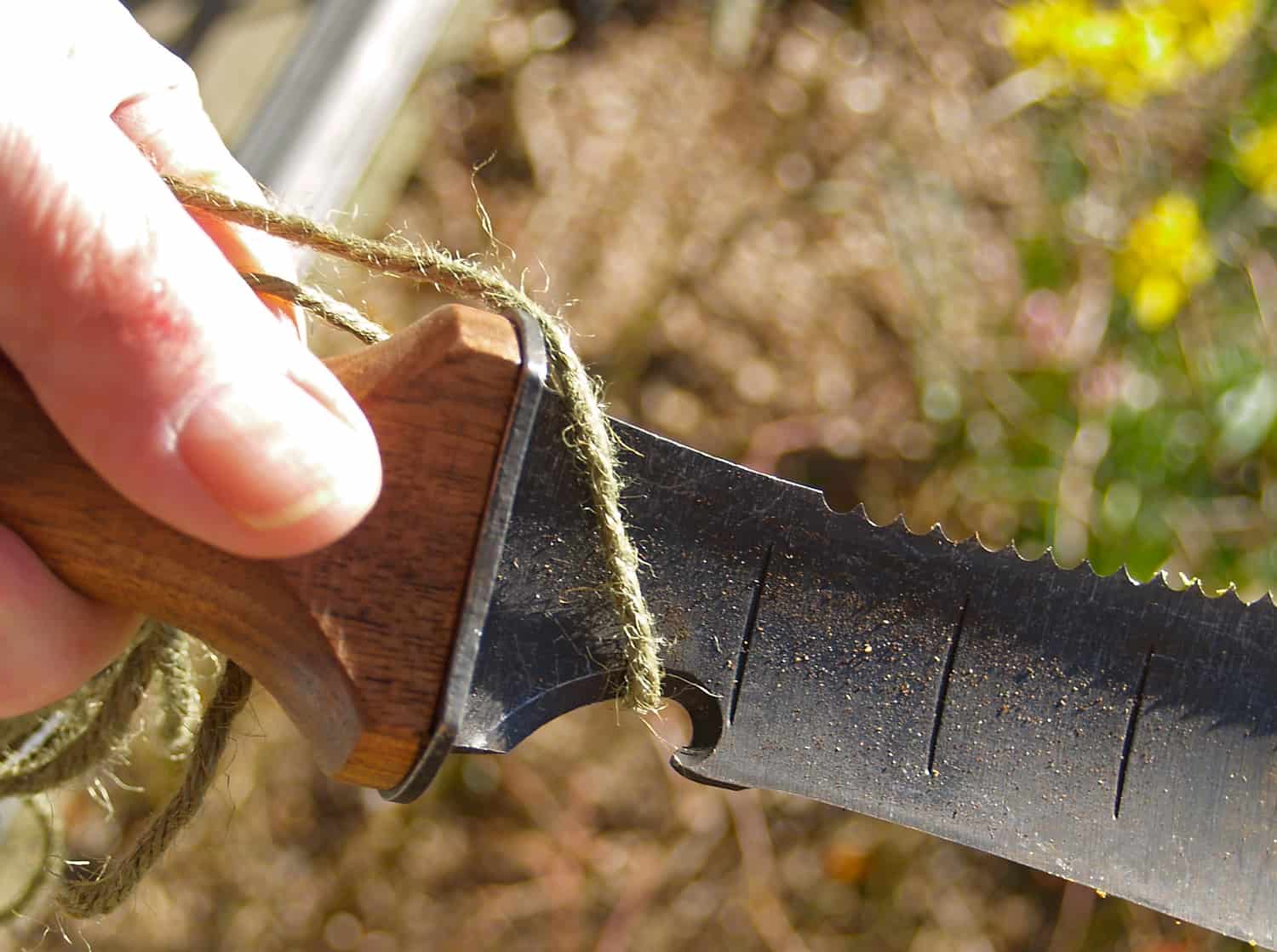
Garden twine is a versatile tool that can be used for a variety of tasks. Use it to tie up plants, mark out planting rows, or even to create a DIY trellis. Look for twine that is strong and durable, but also biodegradable.
Garden twine is not just functional, it can also add a rustic charm to your garden. Use it to create a homemade trellis for climbing plants, or to tie up bundles of herbs for drying. The possibilities are endless!
12. Greenhouse or Cold Frame
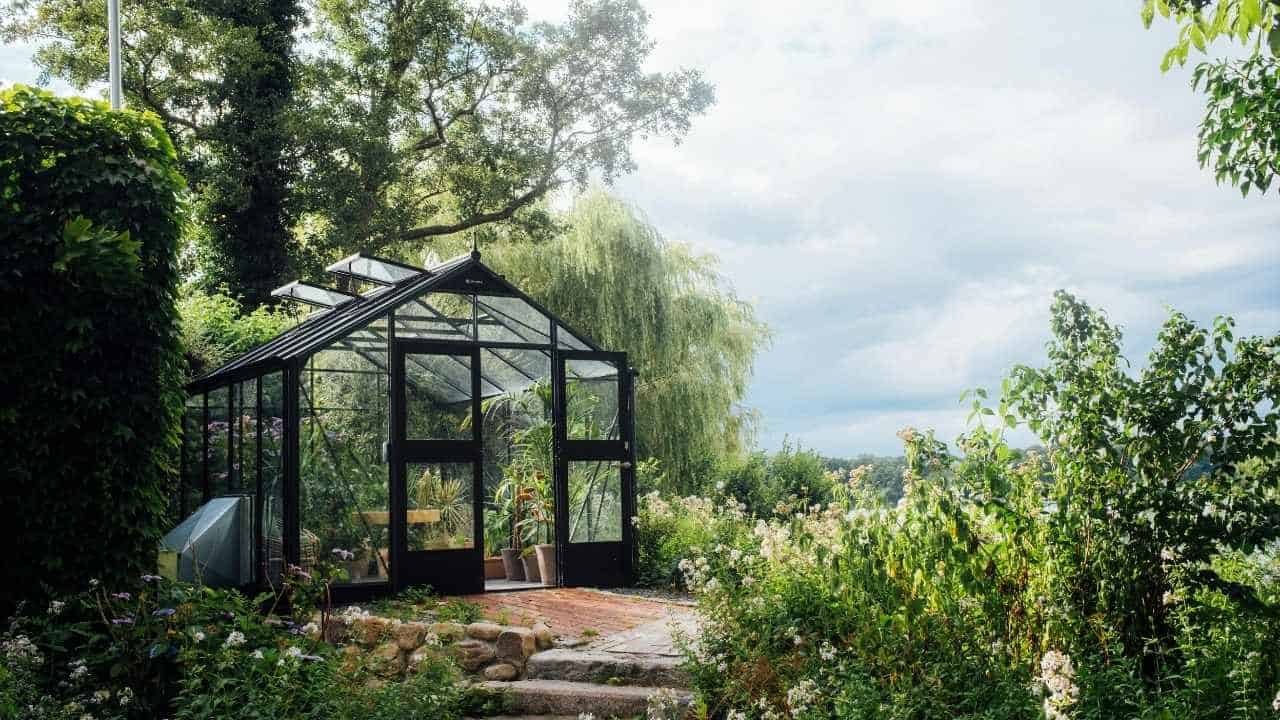
A greenhouse or cold frame is a great investment for any gardener. It allows you to extend your growing season and protect your plants from harsh weather. Look for a greenhouse or cold frame that is sturdy and well-insulated, with plenty of ventilation.
A greenhouse or cold frame is not just for professional gardeners. Even if you have a small garden, you can benefit from having a small greenhouse or cold frame. It can provide a safe and warm place for your plants to grow, and it can help you get a jump start on the growing season.
13. Plant Markers
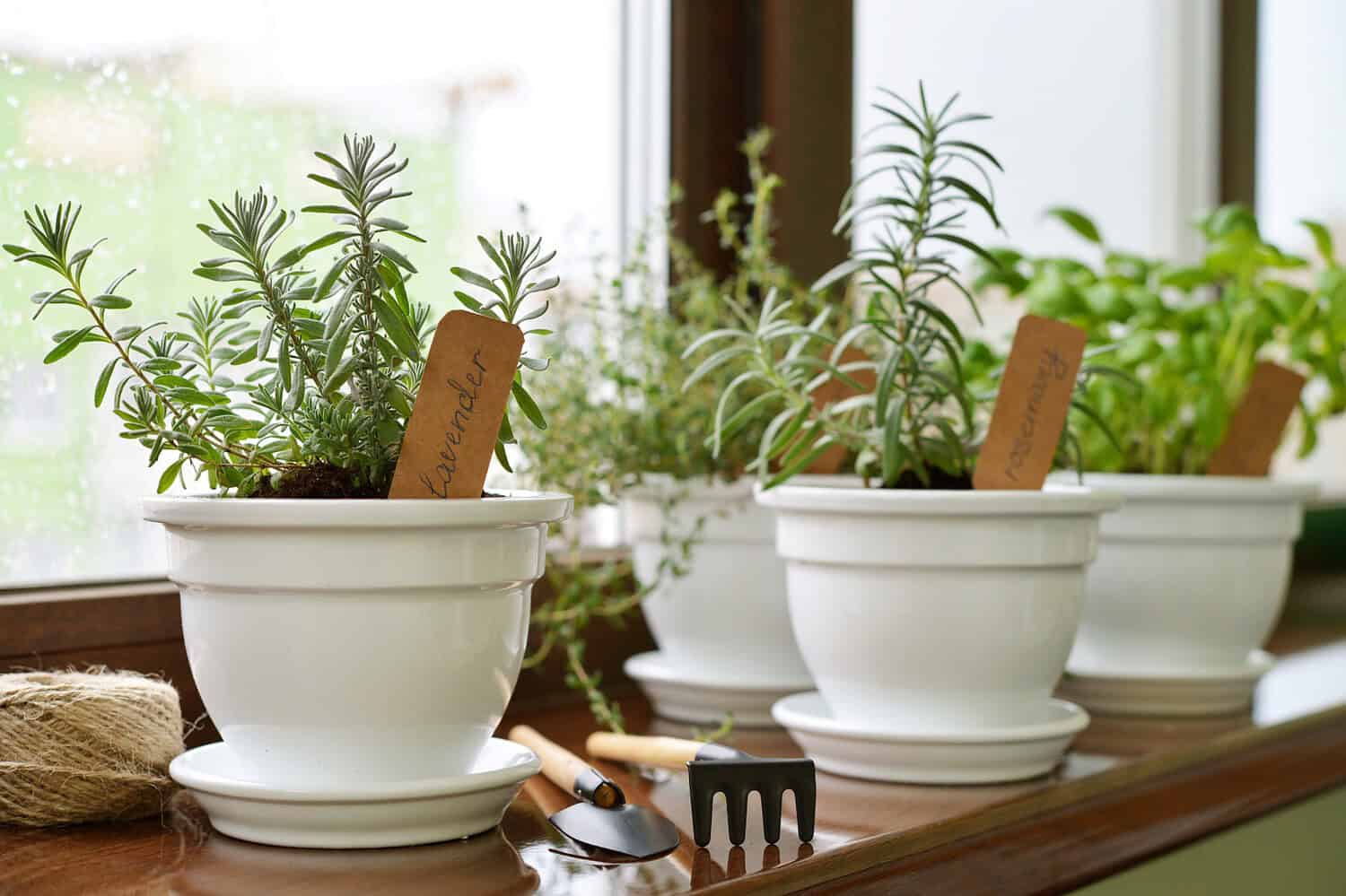
Plant markers are a simple but important tool for any gardener. They help you remember what you’ve planted and where. Look for plant markers that are durable and easy to write on. Some plant markers even come with a weatherproof pen!
Plant markers are not just practical, they can also add a touch of charm to your garden. Choose markers in fun shapes and colors, or get creative and make your own from painted rocks or old spoons.
14. Organic Fertilizer
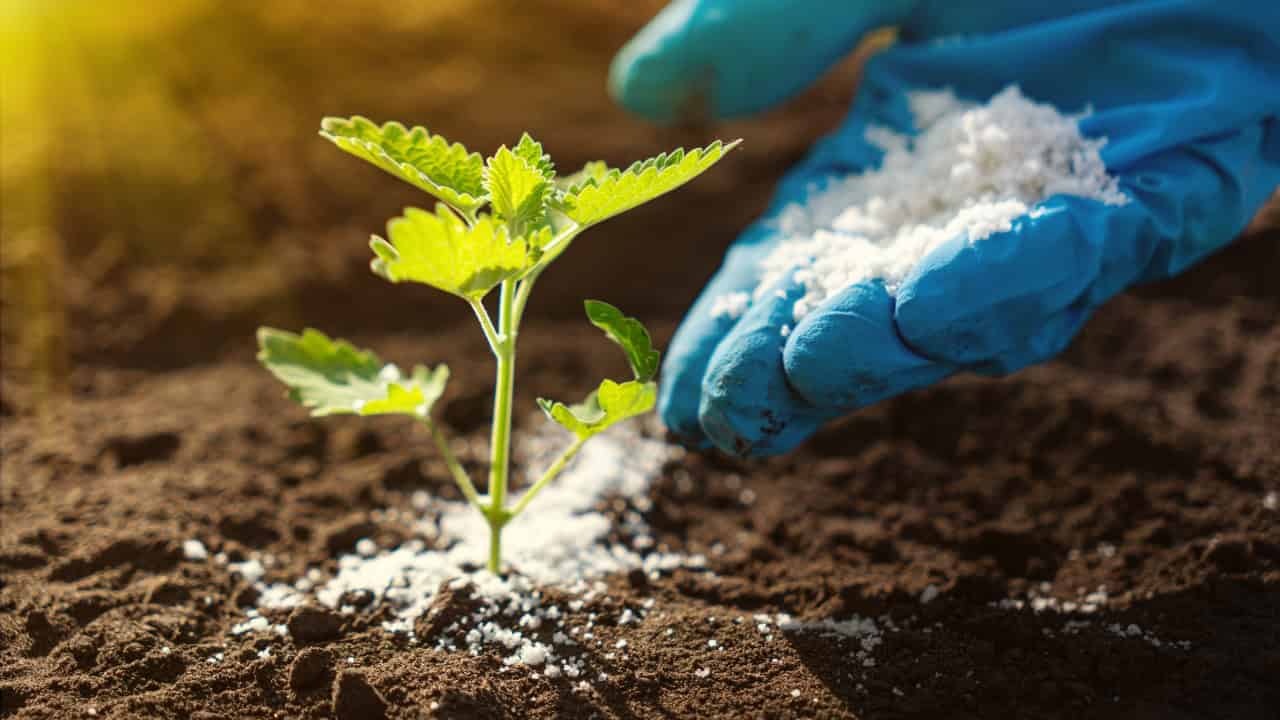
Organic fertilizer is a must-have for any garden. It provides your plants with the nutrients they need to grow healthy and strong. Look for an organic fertilizer that is suited to your plants’ needs. Some fertilizers are general purpose, while others are designed for specific types of plants.
Organic fertilizers are not just good for your plants, they’re also good for the environment. They’re made from natural materials like bone meal, compost, and manure, and they don’t contain any synthetic chemicals. Plus, they can improve the structure and fertility of your soil, making it healthier for your plants and for the earth.
15. First Aid Kit
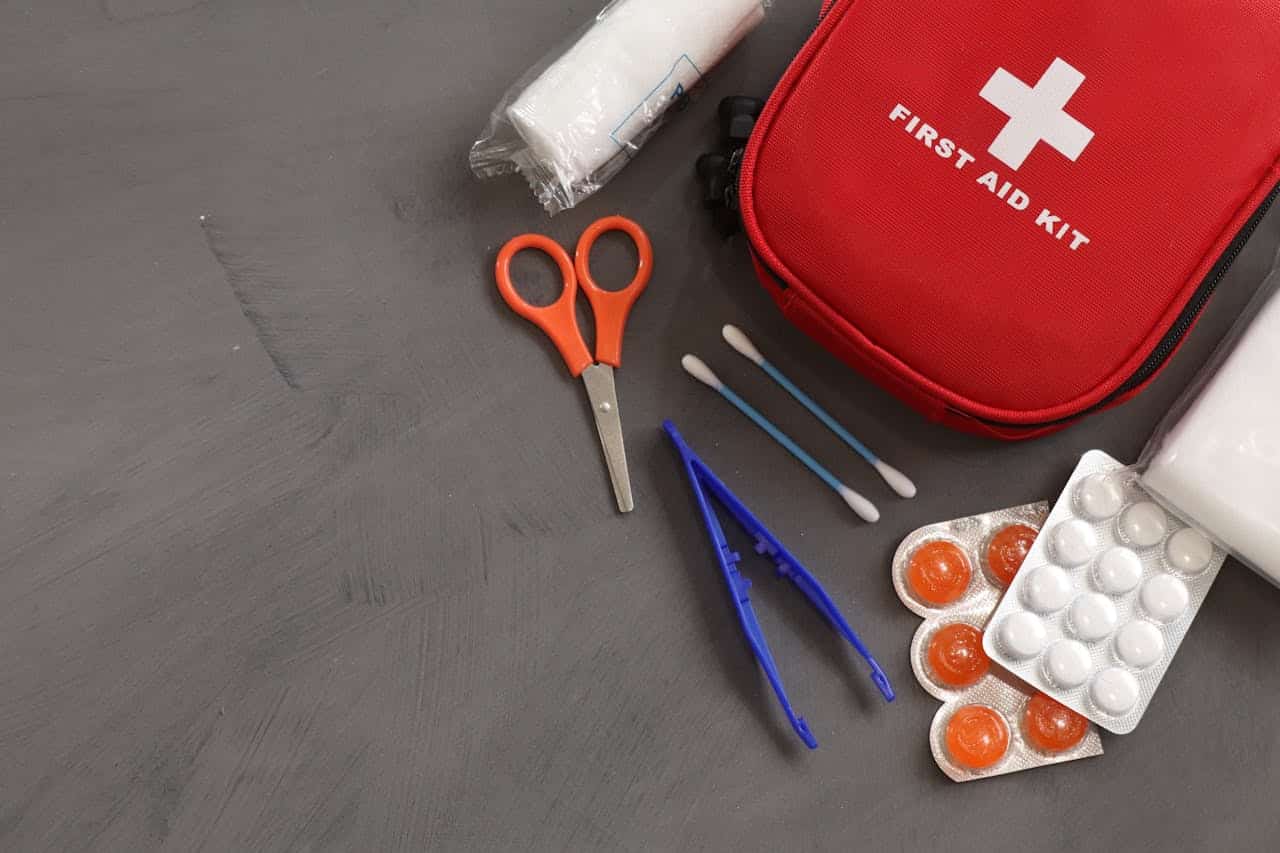
Last but not least, don’t forget to include a first aid kit in your emergency garden kit. Gardening can be hard work, and it’s not uncommon for minor injuries to occur. A basic first aid kit should include bandages, antiseptic wipes, tweezers, and a pair of gloves.
Remember, safety is always the most important thing in gardening. Always wear protective clothing, use tools properly, and take breaks when needed. And if an injury does occur, make sure to treat it immediately to prevent infection. Happy gardening!