Taking care of houseplants can sometimes feel tricky, especially when you’re not sure how to keep them thriving every day. Developing simple morning habits can make a big difference in their health and your enjoyment of them.
These 15 morning rituals help you catch problems early, support plant growth, and create a calm, grounded start to your day. By spending a little time each morning with your plants, you build a routine that benefits both you and your green friends.
Advertisement
Set a 5-10 minute timer to quickly water only the thirsty plants

You don’t need to water all your plants every morning. Instead, set a timer for 5 to 10 minutes and focus on the ones that look dry or need a drink.
This helps prevent overwatering, which can harm roots. A timer keeps you on track without guessing how long to water. Using a short timed watering session is an easy way to give your plants just what they need, no more and no less.
Observe each plant’s leaves and soil for moisture and health
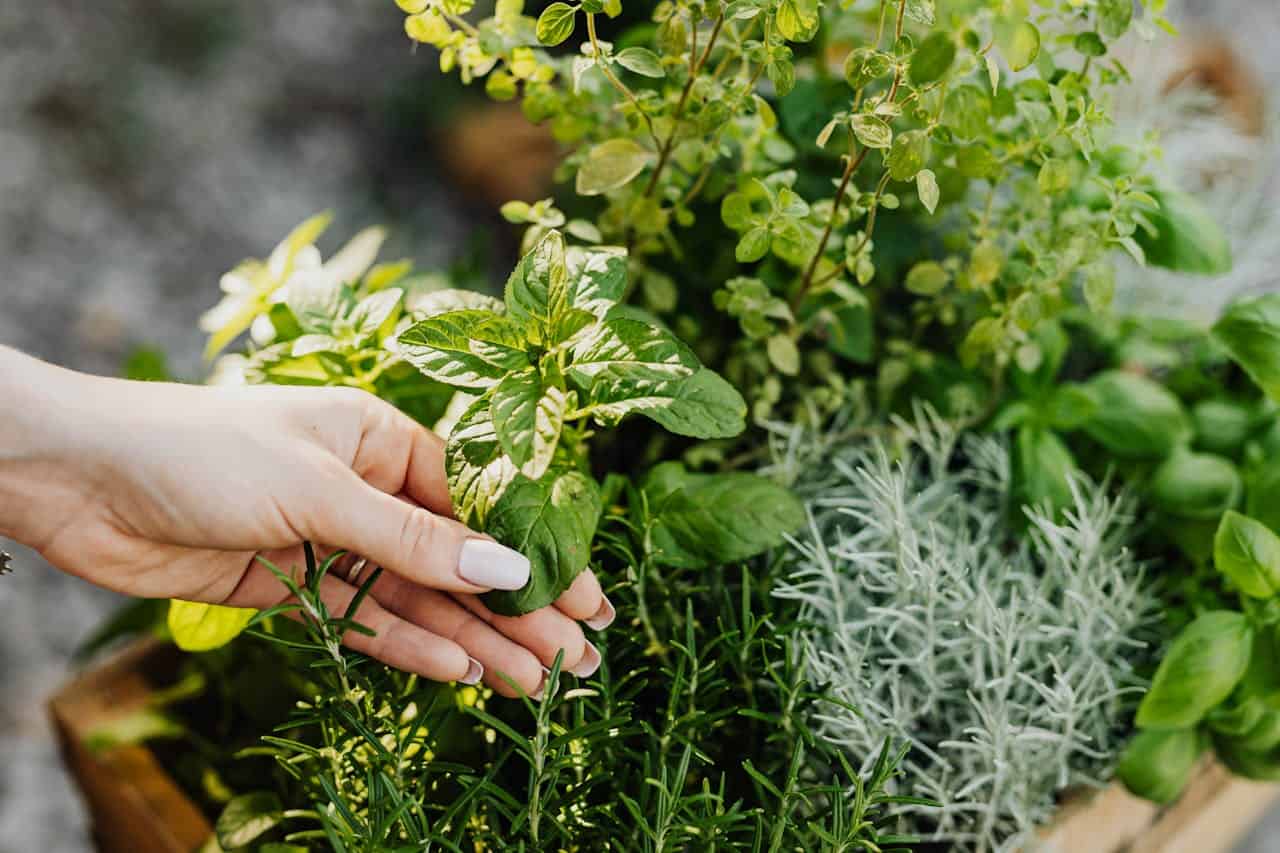
Check your plant’s leaves each morning for signs of health. Look for yellowing, wilting, or unusual spots, which can indicate watering issues or pests. Touch the soil to feel its moisture level. It should be damp but not soaked. If it feels dry, it’s time to water.
Use a moisture meter if you want a precise reading. Insert it near the roots to avoid guesswork. Watching these signs daily helps you give your plants just what they need.
Wipe down plant leaves gently to remove dust
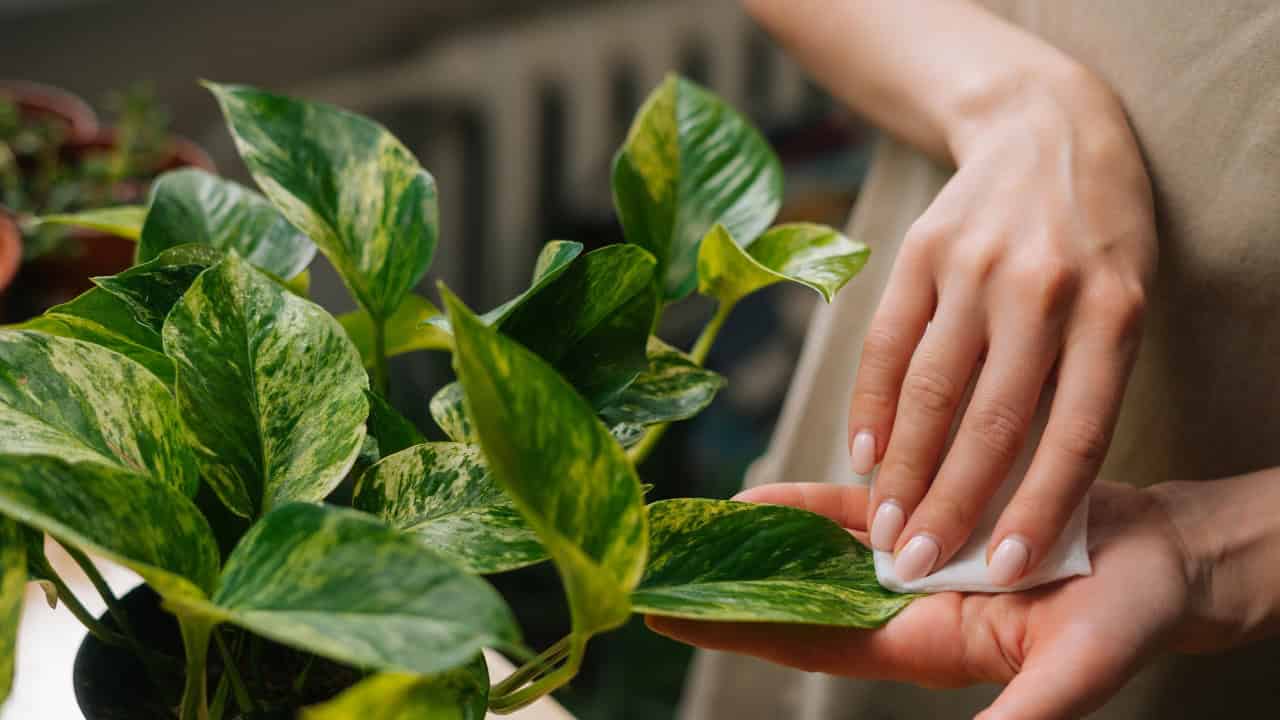
You should clean your plant leaves regularly to keep them free from dust. Dust can block sunlight, which your plants need to grow well. Use a soft, damp cloth and wipe each leaf carefully. Be gentle to avoid bending or damaging fragile leaves.
For tougher dust, you can dip the cloth in water, squeeze out the excess, and wipe both sides of the leaf. This simple habit helps your plants absorb light better and stay healthier.
Check and prune any dead or yellow leaves

Each morning, take a moment to inspect your plants for yellow or dead leaves. Removing these helps your plant focus its energy on healthy growth.
Use clean, sharp scissors to trim damaged leaves carefully. Cut along the edges or remove leaves that are mostly brown or dried out.
Pruning not only keeps your plant looking neat but also prevents disease and encourages new growth.
Group plants by watering needs for batch care
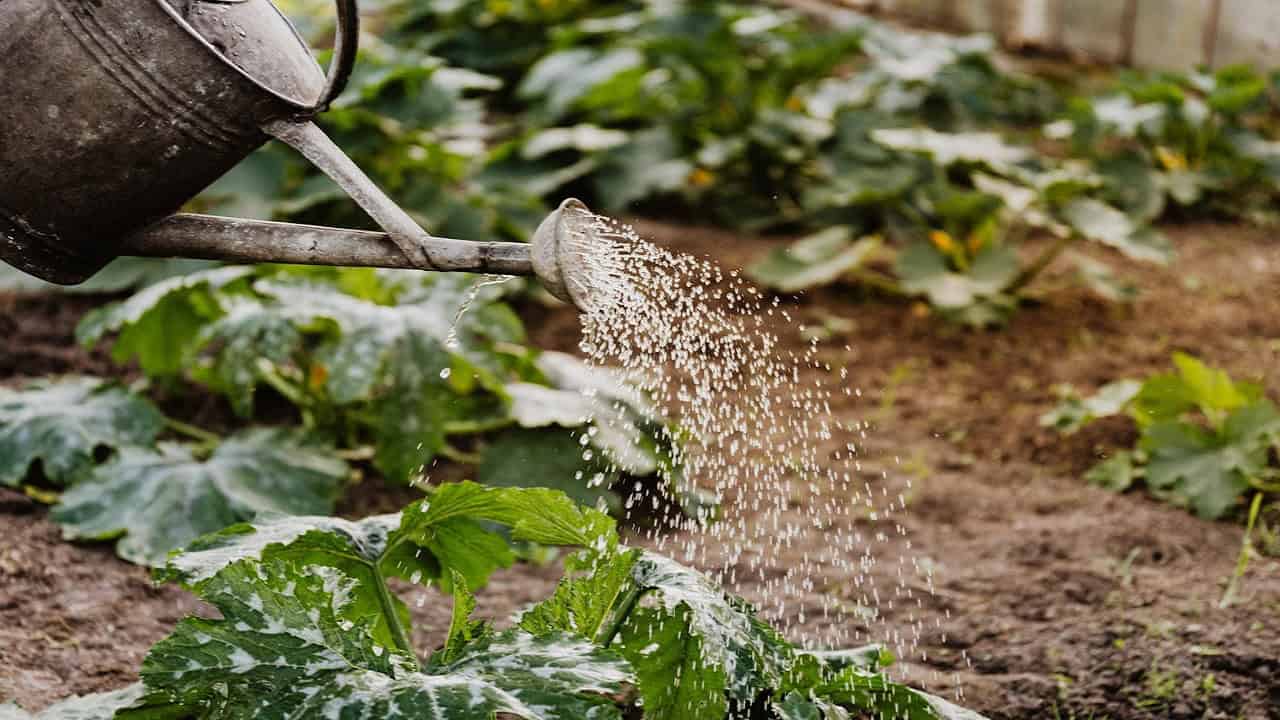
You can save time by grouping your plants based on how much water they need. This way, you water several plants at once without over- or under-watering any of them.
Check each plant’s sunlight exposure and size, as those affect water requirements.
Keeping similar plants together also makes it easier to spot watering patterns and adjust your care routine. Your plants will stay healthier, and you’ll spend less time guessing how much water is just right.
Use a spray bottle to mist humidity-loving plants

You can boost humidity for your houseplants by using a spray bottle filled with lukewarm water. Aim to mist your plants early in the morning, between 7 and 9 a.m., when stomata absorb moisture best.
Make sure to use filtered or rainwater to avoid chemicals. Spray both the top and underside of leaves with a fine mist. Avoid misting in the evening to reduce the risk of fungal issues.
Place plants near natural light for morning sun
You want to place your plants where they catch gentle morning sunlight. Morning sun provides bright, indirect light that many houseplants prefer without the harsh heat of midday sun.
Check your windows for spots that get early light. A south- or east-facing window often works well to give your plants the light they need to thrive.
Rotate pots weekly to encourage even growth

You should rotate your houseplants once a week to help them grow evenly. Plants naturally lean toward the light, which can cause uneven growth and weak stems.
Turning the pot by 90 to 180 degrees lets all sides get light. This simple habit keeps your plant balanced and healthier. Try to make it part of your routine, like when you water your plants. It’s an easy step that can make a noticeable difference.
Pick up fallen leaves and debris from soil surface
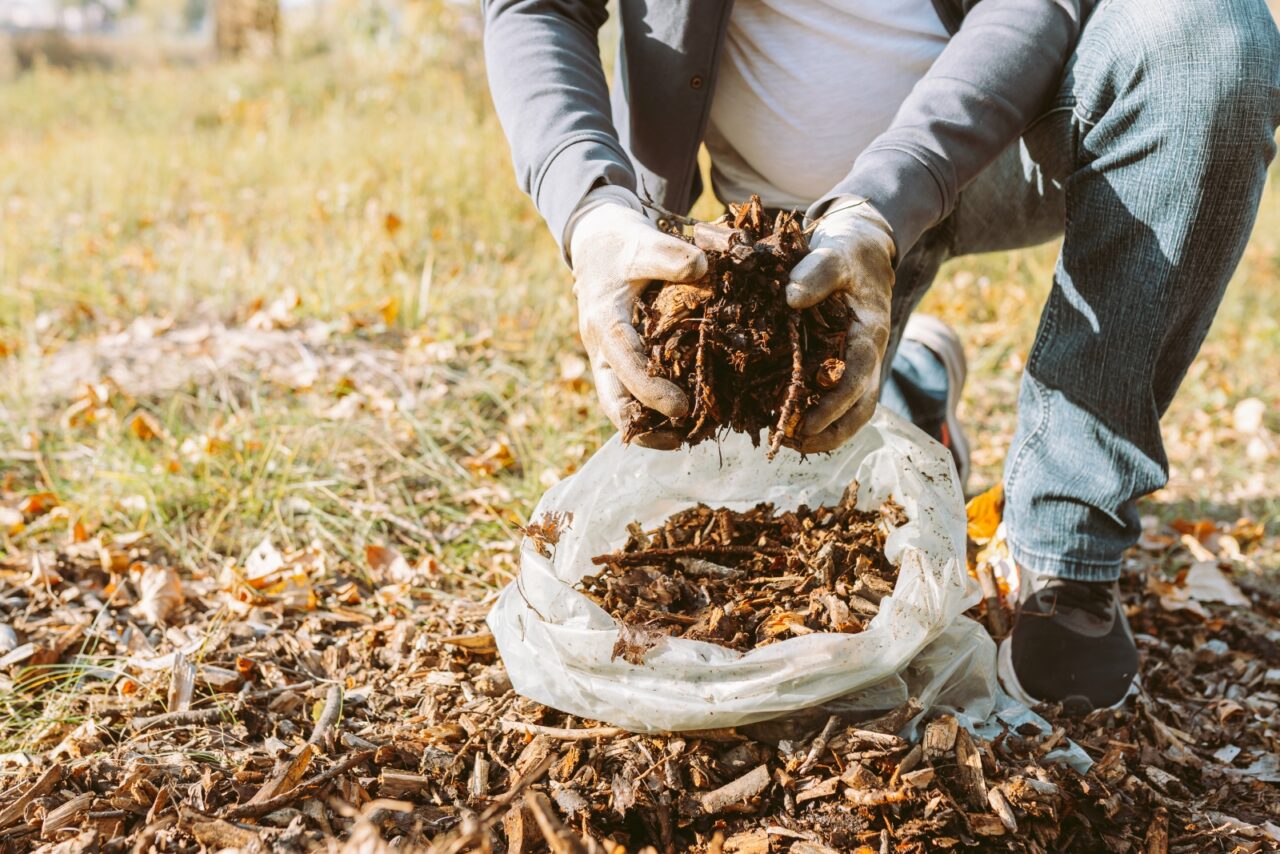
You should remove fallen leaves and debris from the soil regularly. This helps prevent mold and pests from settling around your plants.
Clearing the surface also allows water and air to reach the roots better. It keeps your soil healthy and supports steady plant growth. Use your hands or a small tool to gently clear the area. Doing this in the morning fits easily into your routine before the day begins.
Refill water trays for moisture-loving plants

You should check your plant’s humidity tray every morning. Make sure the water level stays just below the stones so the pot doesn’t sit in water.
Refilling the tray helps keep the air around your plant moist, which some plants really need to thrive. If you notice the water evaporates quickly, especially in warm weather, add water more often to avoid dry roots.
Set a positive intention while watering to boost mindfulness

When you water your plants, take a moment to set a positive intention. This simple act helps you focus on caring for your plants with kindness and attention.
By being mindful while watering, you become more aware of your plant’s needs and your own presence. This quiet practice can make the routine feel more meaningful and calming.
Setting a positive intention also encourages patience and helps you stay present, which benefits both you and your plants over time.
Use a small hand trowel to aerate soil lightly
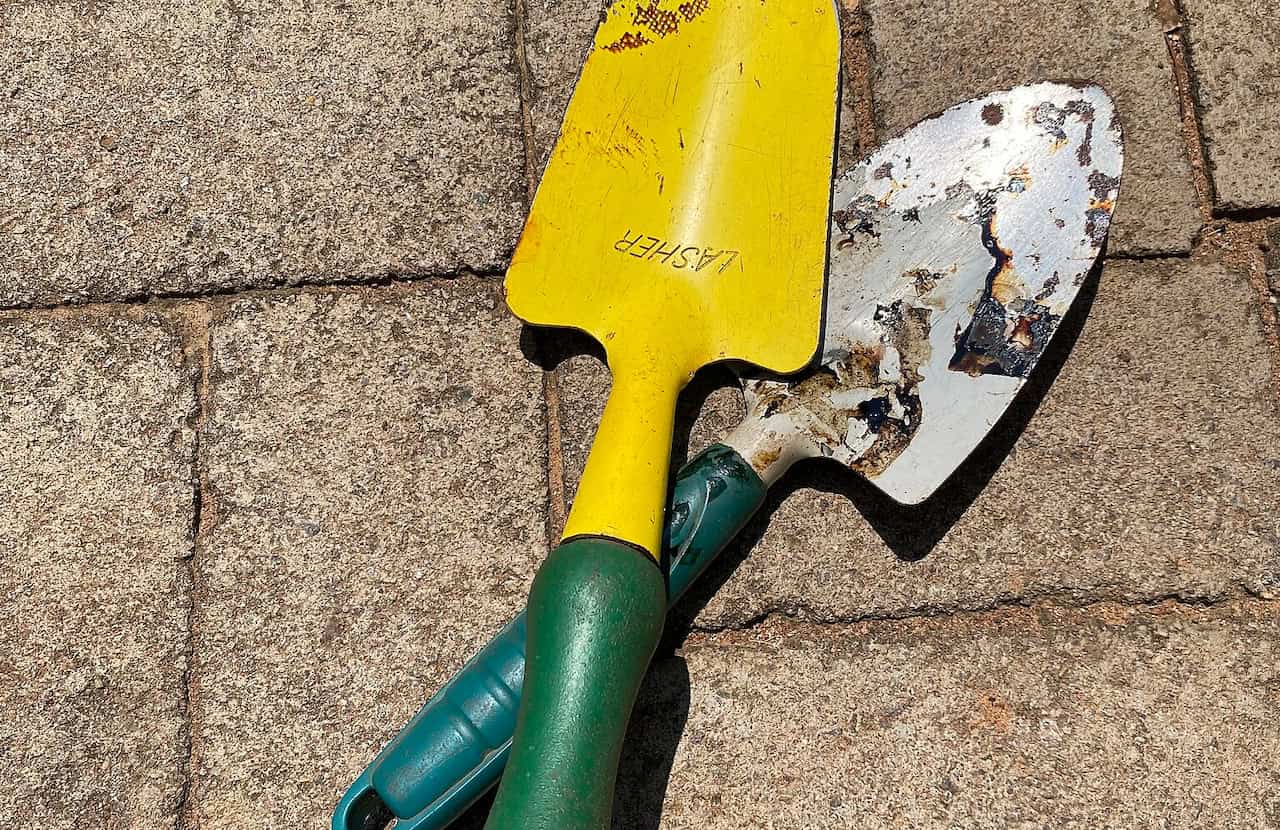
You can use a small hand trowel to gently loosen the soil around your houseplants. This helps improve air circulation in the soil without disturbing the roots too much.
Hold the trowel like a pencil and insert it carefully into the soil. Lift and turn small sections to make the soil lighter and fluffier.
Doing this regularly supports healthy root growth and prevents soil compaction. It’s a simple step that keeps your plants happy.
Notice new growth and celebrate small changes
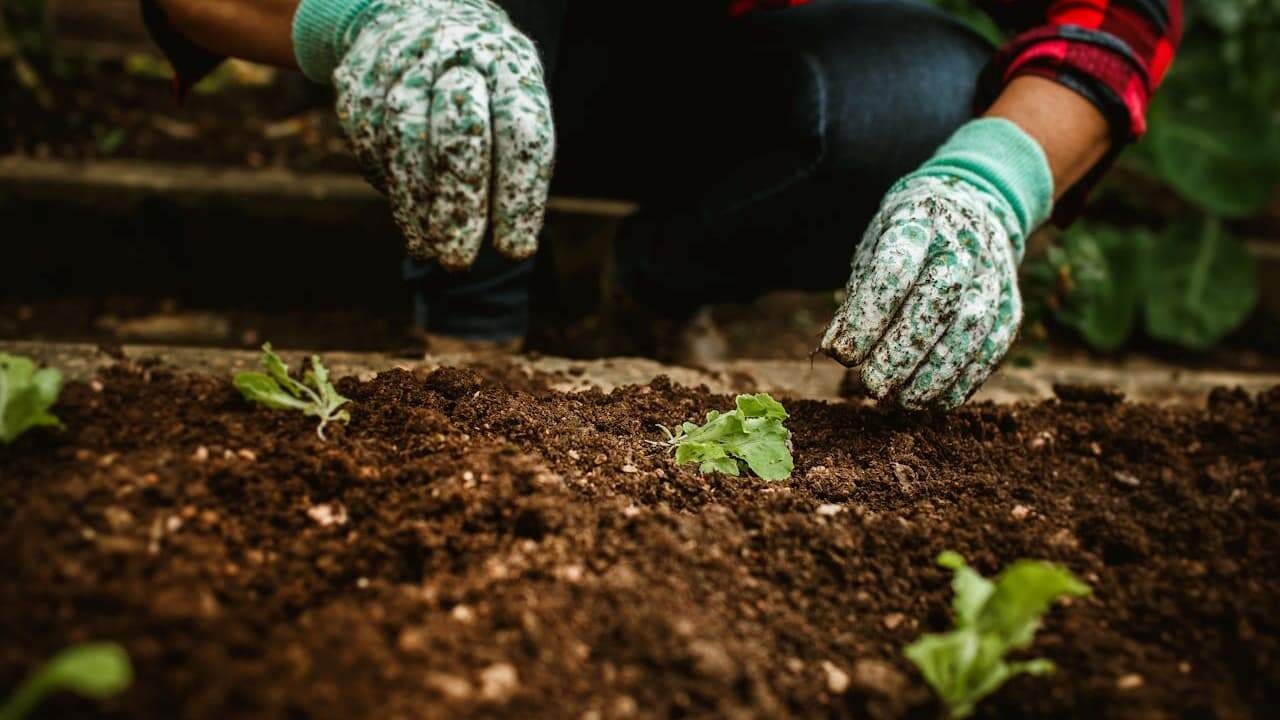
Each morning, take a moment to observe your plants closely. Look for tiny new leaves, buds, or shifts in color.
Acknowledging these small signs shows you the progress your plants are making. It helps you stay connected and aware of their needs.
Celebrating these little victories encourages consistent care and boosts your confidence as a plant caregiver. It also makes the routine more enjoyable and rewarding.
Create a gentle watering ritual with morning coffee

Start your morning by combining watering your houseplants with enjoying a cup of coffee. Hold your coffee cup and take a moment to appreciate the quiet as you gently water each plant.
This gentle ritual helps you slow down and focus on your plants’ needs. It also gives you a calm start to the day, benefiting both you and your plants.
Check drainage holes to prevent waterlogging

Always make sure your plant’s pot has drainage holes. These holes let excess water escape, stopping the soil from staying too wet.
If your pot doesn’t have holes, consider repotting into one that does. Without proper drainage, water can collect at the bottom, leading to root rot.
Checking drainage is a simple step that can keep your plants healthier and happier every day.