Keeping houseplants alive can be tricky, especially when you’re just getting started. Many people struggle because of simple mistakes that happen without them even noticing.
If you want your plants to stay healthy and grow well, it’s important to know what common errors to avoid. Learning these can save your plants from dying quickly and help you enjoy having greenery in your space.
Advertisement
Overwatering your plants

You might think your plant needs water every day, but too much can actually hurt it. Overwatering causes roots to rot, which stops the plant from getting oxygen.
Watch out for soggy soil and yellow leaves—these can mean you’re giving your plant too much water. When in doubt, let the soil dry out before watering again. This helps keep your plant healthy and happy.
Using cold water for watering
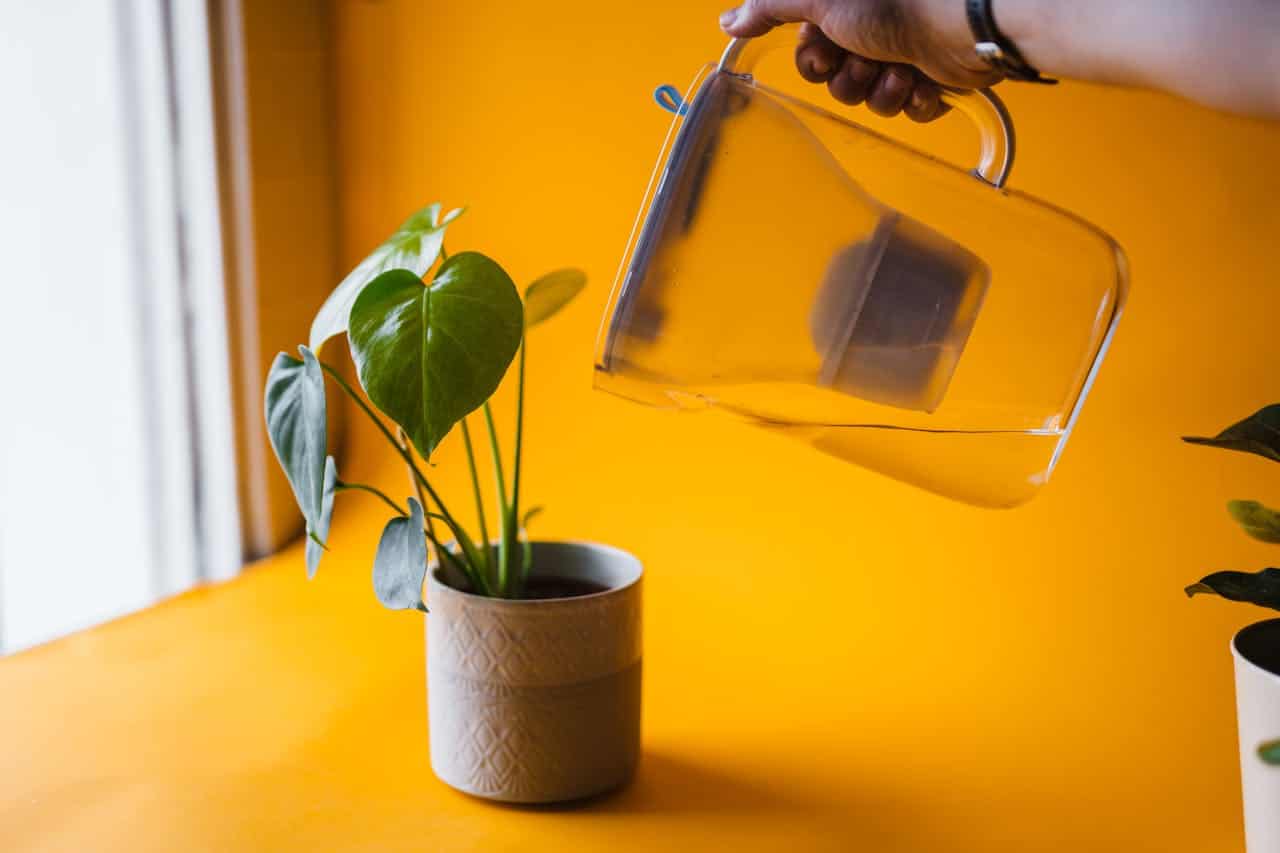
You should avoid using cold water on your houseplants. Cold water can shock the roots and slow down the plant’s growth.
It’s best to use room temperature water. This helps your plants absorb water without any stress.
Just let the water sit for a bit before watering, especially if it came from the tap. Your plants will thank you.
Placing plants too close to heat sources
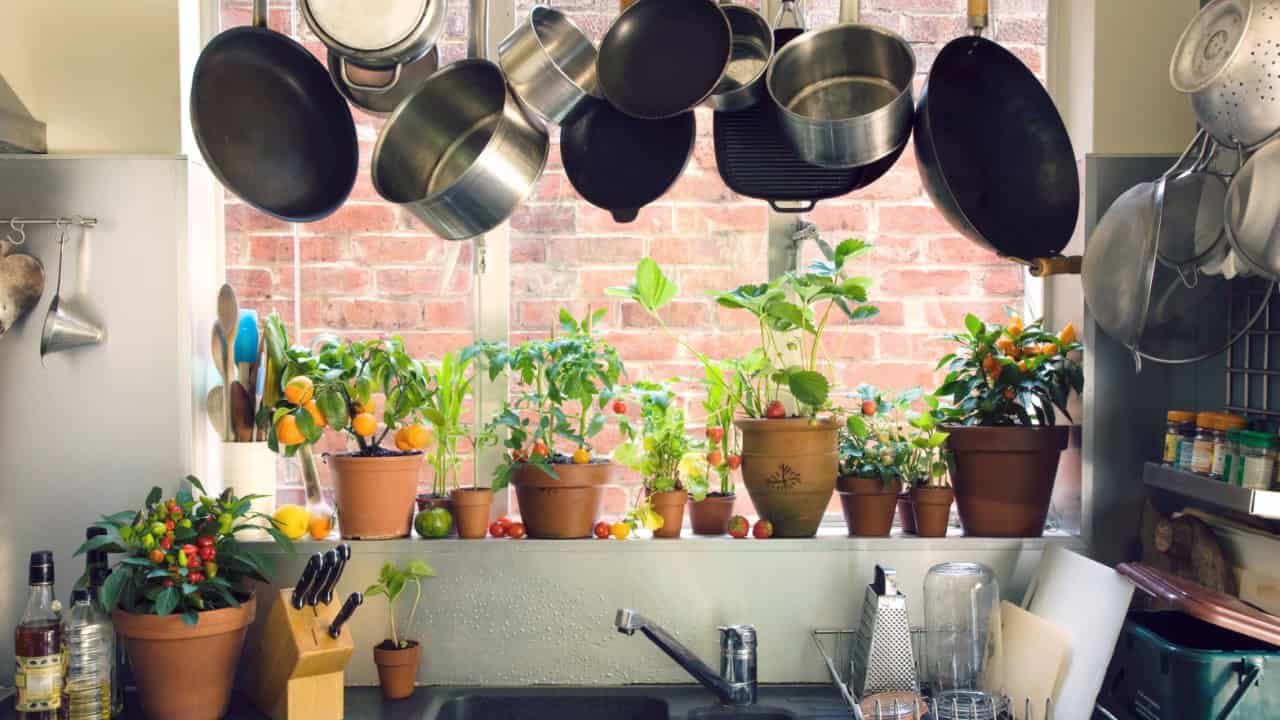
You should avoid putting your plants near heaters or radiators. The heat can dry out the soil and leaves quickly.
This makes it hard for your plant to stay healthy. It can also cause the leaves to brown or drop.
Try to keep your plants in a spot with steady, gentle temperatures. That helps them grow better and last longer.
Setting plants in drafty areas
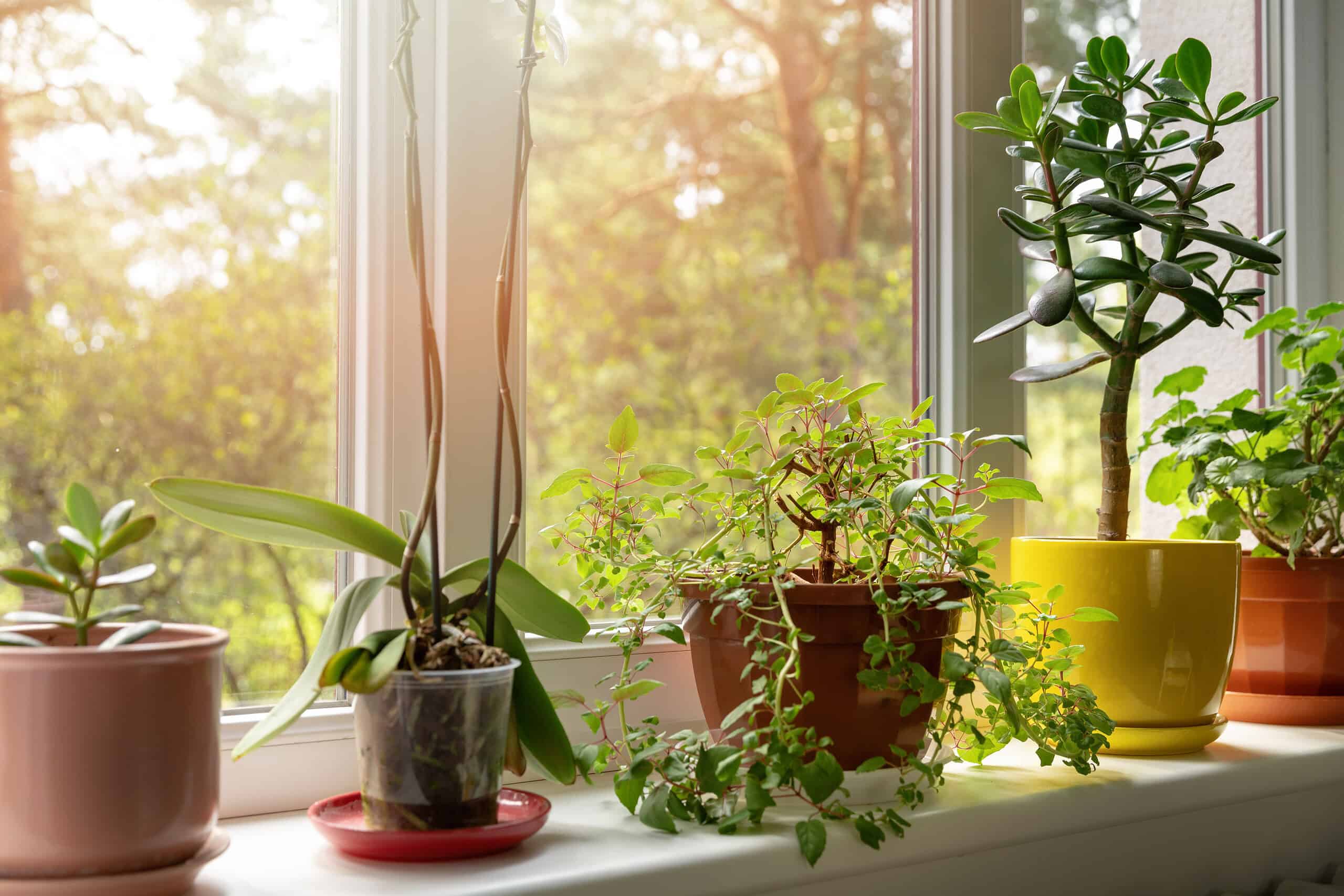
You should avoid placing your plants where there are drafts from windows or doors. Sudden cold or hot air can stress your plants and make them weak.
Drafts dry out the leaves and soil faster than normal. This can cause your plant to wilt or lose leaves.
If your place is drafty, try moving your plants to a more stable spot away from direct airflow.
Ignoring the correct soil type
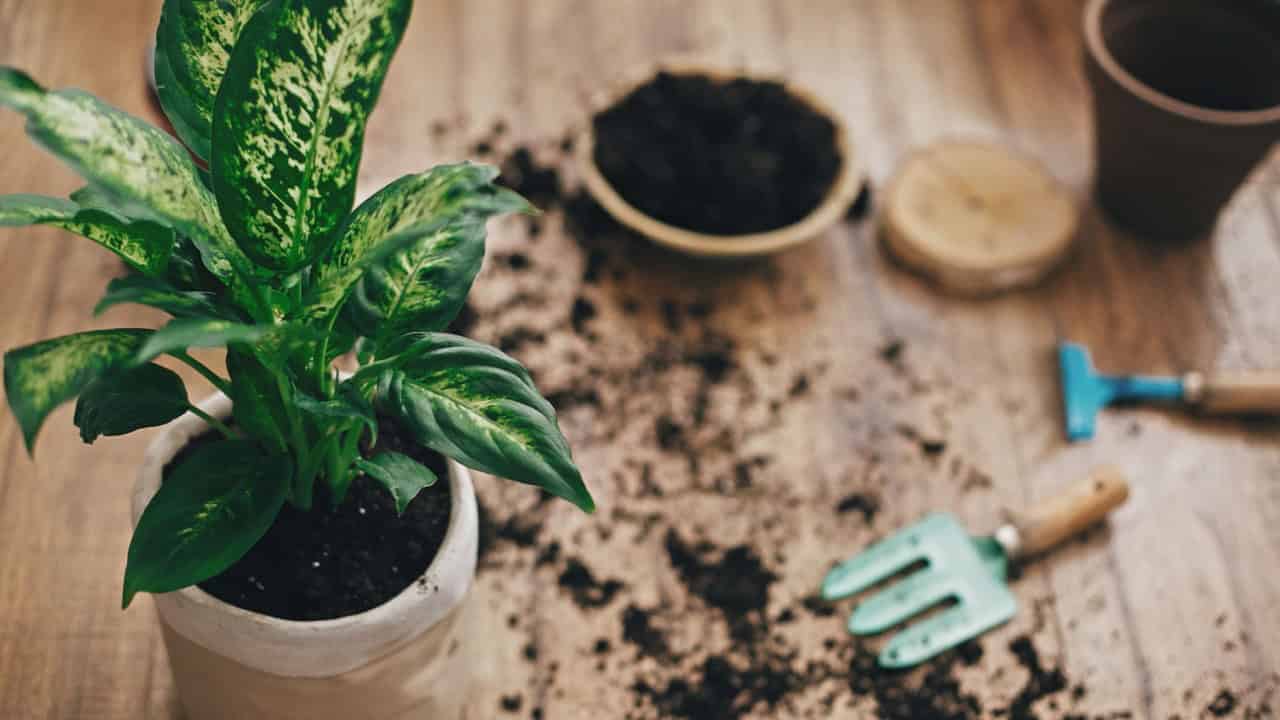
Using the wrong soil can hurt your plants. Different plants need different soil mixes to grow well.
If the soil holds too much water, roots can rot. If it drains too fast, plants might dry out.
Check what type of soil your plant needs. This helps you keep it healthy and growing.
Exposing plants to extreme temperatures

You should keep your plants away from very hot or cold spots. Extreme heat can dry out their leaves quickly.
Cold drafts or sudden drops in temperature can damage the plant’s cells.
Try to keep your plants in a stable place where temperatures stay steady. This helps them stay healthy and grow better.
Giving too little light
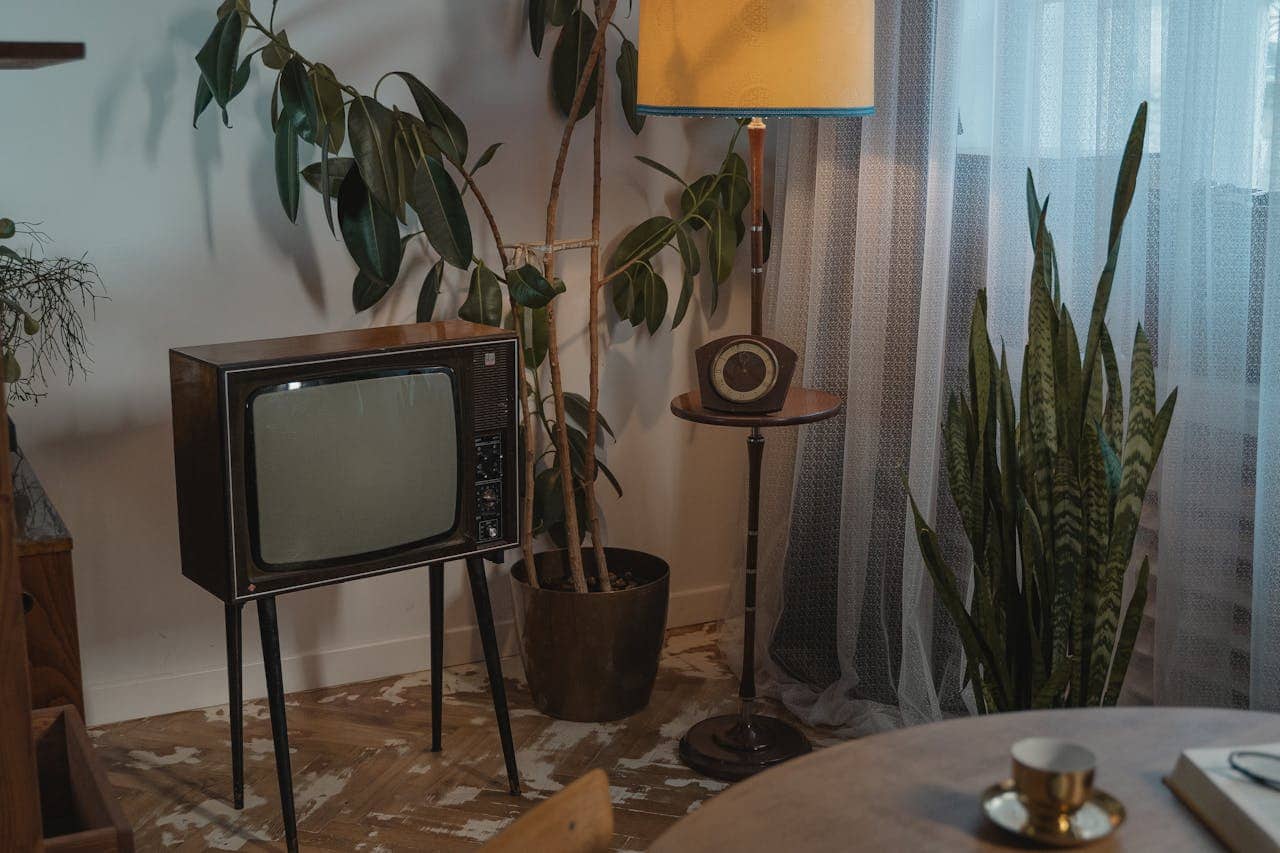
If your plant doesn’t get enough light, it won’t grow well. Leaves may turn yellow or fall off.
Most houseplants need bright, indirect light. You can move your plant closer to a window or use a grow light if natural light is low.
Make sure to change the plant’s spot if it looks unhealthy. Light is key for healthy plants.
Giving too much light
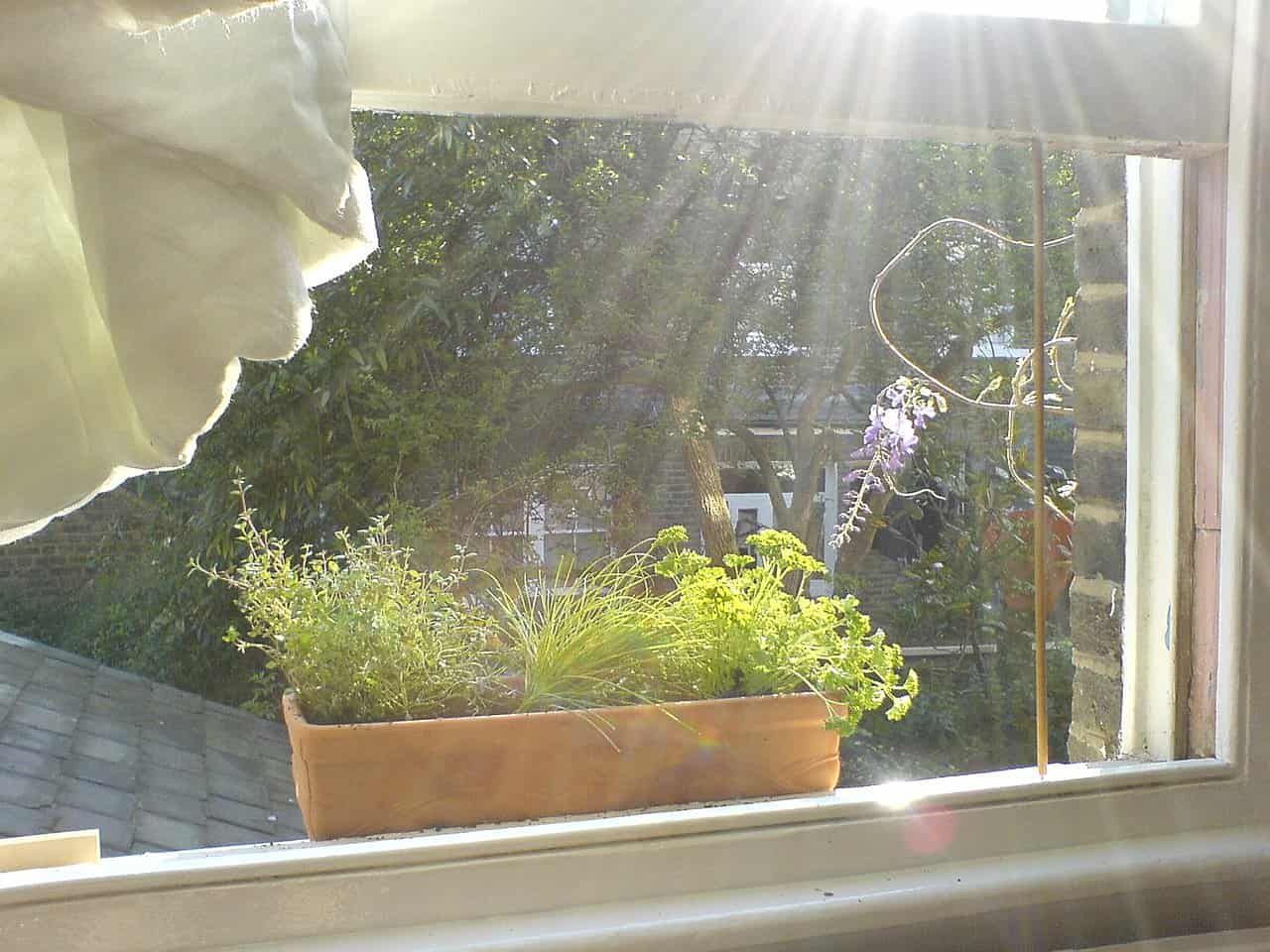
You might think more light is better, but too much can harm your plant. Bright, direct sunlight can burn leaves and cause spots or drying.
Plants also need darkness to grow properly. Leaving lights on all the time can stress them and slow growth.
Try giving your plant medium, indirect light and let it rest in the dark at night.
Using pots that are too large

If you put your plant in a pot that’s too big, its roots might stay too wet. This can cause root rot because the soil holds more water than the plant needs.
Also, plants with small root systems can struggle in oversized pots. They may not grow well or could become unstable since they don’t fill the space properly.
Changing plant positions frequently
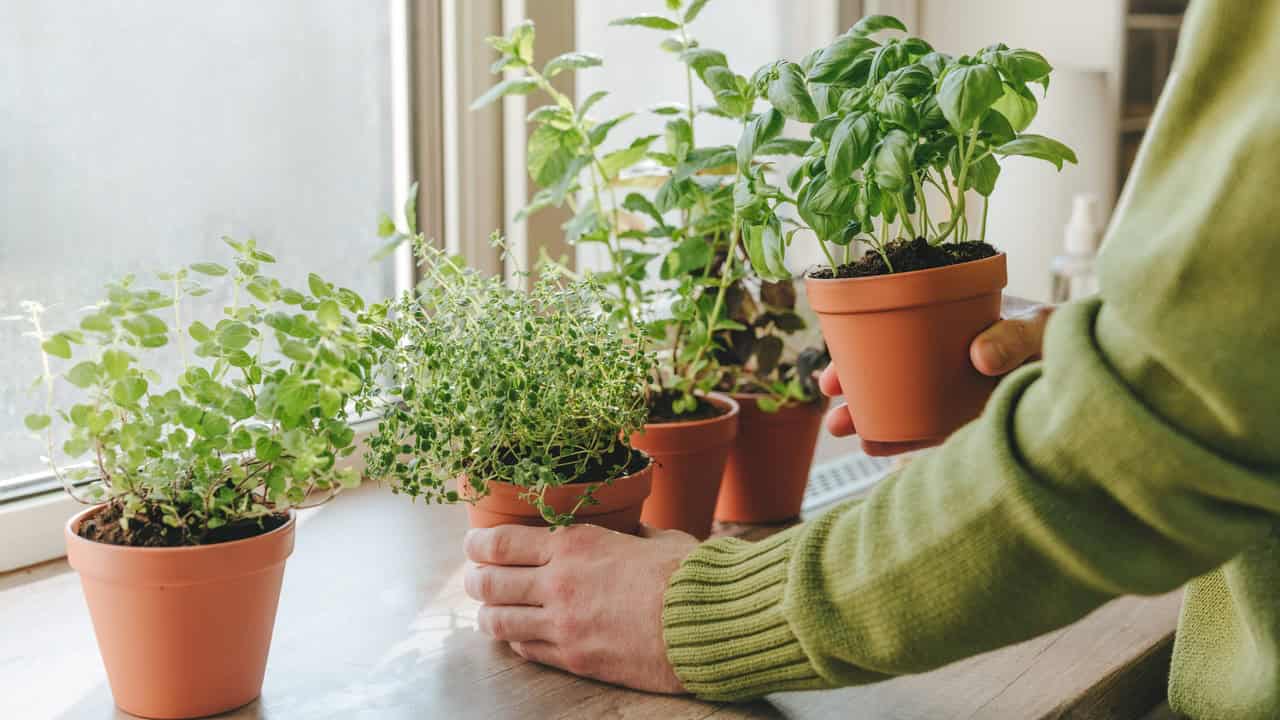
You might think moving your plant often is good, but it can actually stress them out. Plants get used to light and temperature in one spot.
If you keep changing their place, they may not grow well or drop leaves. Try to find a good spot and keep your plant there for a while. Only move it if it’s really necessary.
Skipping proper drainage
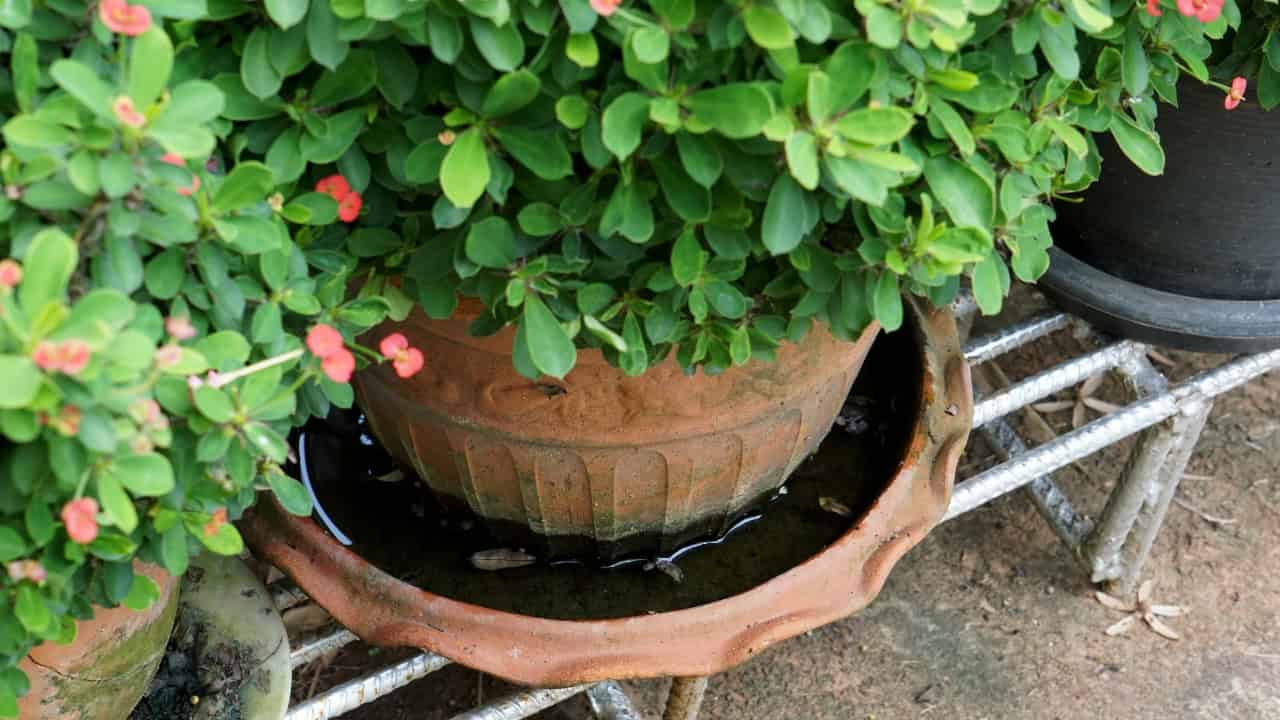
If your pot doesn’t drain well, water can build up and drown your plant’s roots. This often leads to root rot, which is bad news for your plant.
Always use pots with drainage holes or put your plant in a nursery pot inside a decorative one. This way, extra water can escape and your roots stay healthy.
Forgetting to fertilize
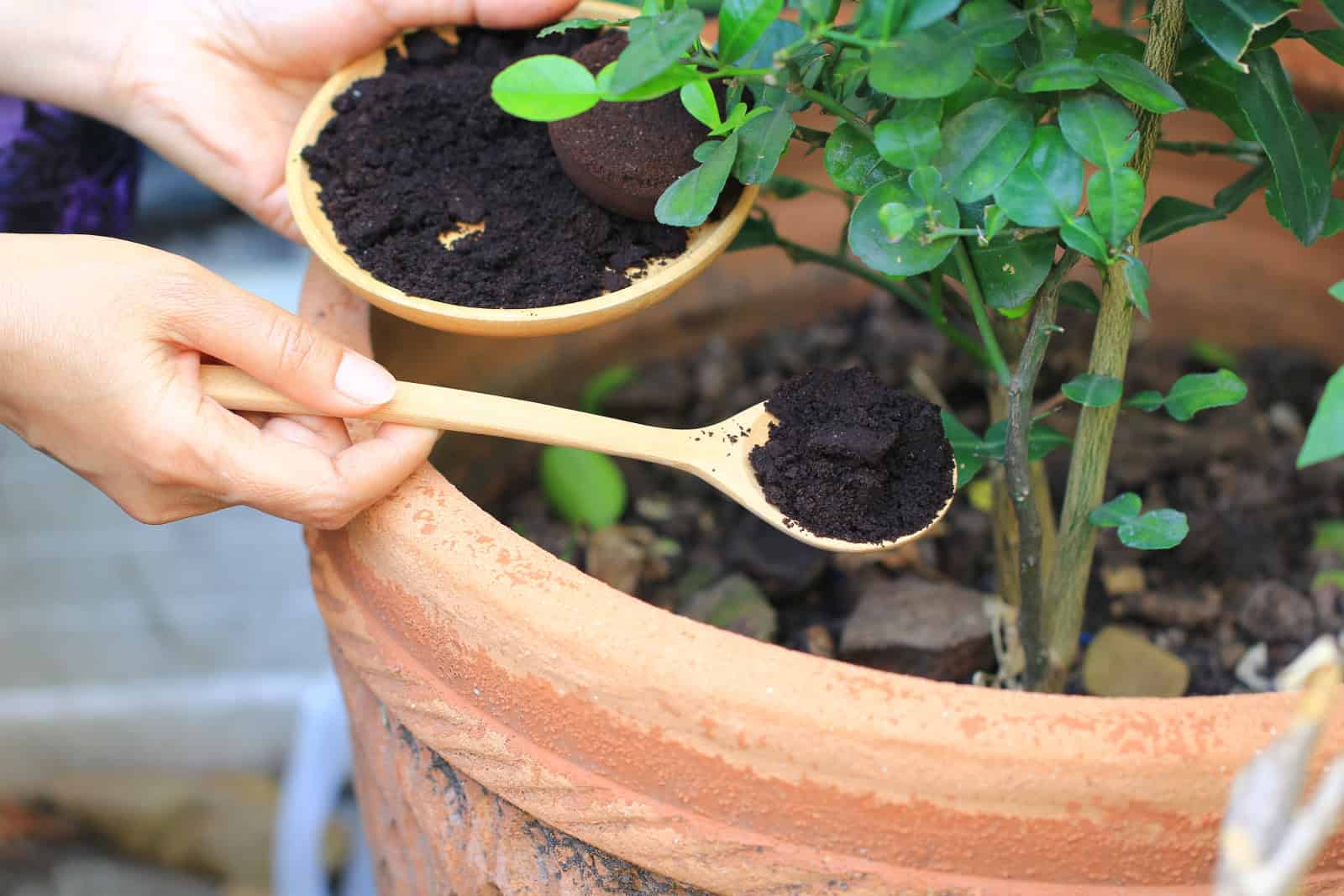
If you don’t fertilize your houseplants, they miss out on important nutrients. Your plants might grow slowly or look weak.
You don’t need to feed them all the time, but regular fertilizing helps keep them healthy. Use a fertilizer made for houseplants and follow the directions. Too much can harm them, so be careful.
Neglecting to prune dead leaves

If you don’t remove dead or dying leaves, they can drain energy from the rest of your plant. Cutting off those leaves helps your plant focus on new, healthy growth.
Pruning also stops diseases or pests from spreading. So, check your plant often and snip off any brown or yellow leaves you see.
Overcrowding plants in one pot
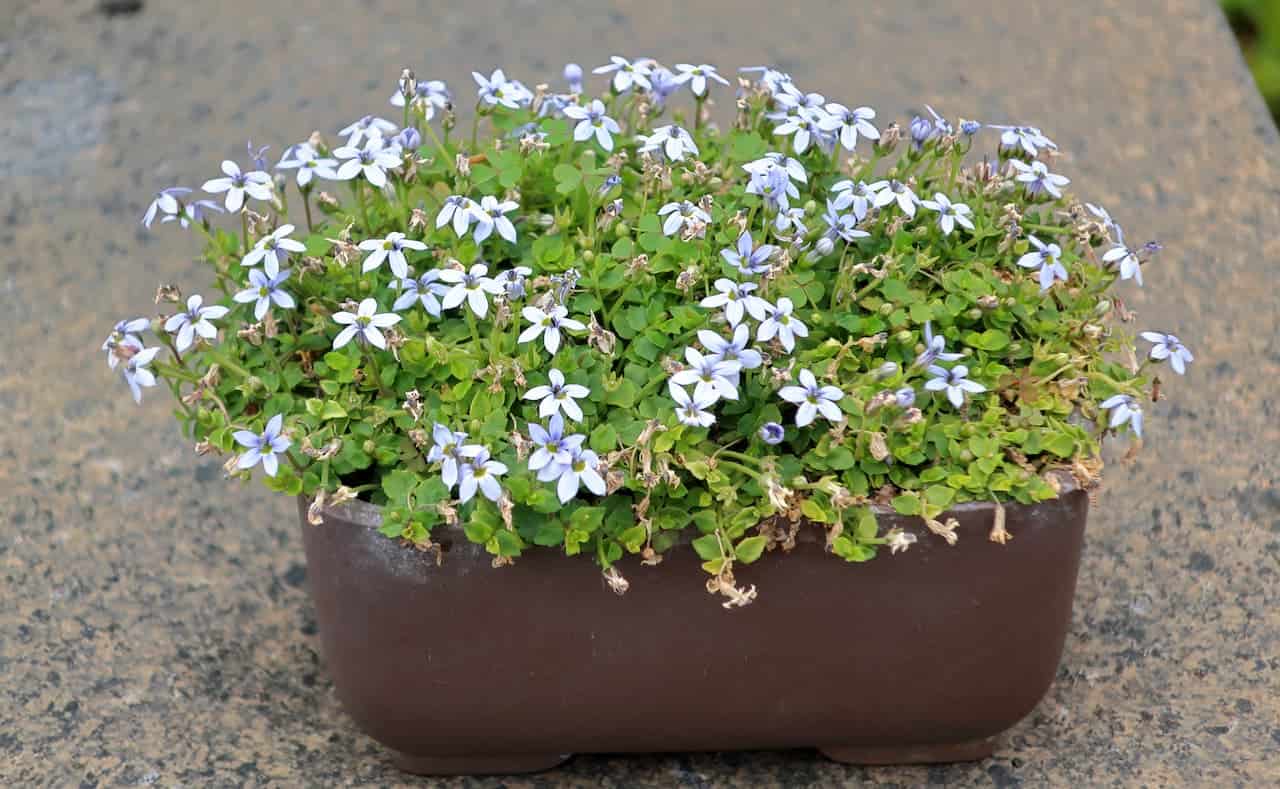
If you put too many plants in one pot, they will have to compete for space. This means their roots won’t grow well, and they might not get enough light.
Your plants will grow more slowly and could become weak. It’s better to give each plant enough room to thrive.
Moving plants outdoors abruptly

If you move your plants outside too fast, they can get shocked. This means their leaves might wilt or drop because they aren’t used to the new light or temperature.
It’s better to slowly introduce your plants to the outdoors over a week or two. Start with a few hours in a shady spot and increase time gradually. This helps your plants adjust and stay healthy.