A lush, green lawn doesn’t just happen by chance. It takes effort, consistency, and—most importantly—avoiding common pitfalls. Many homeowners unknowingly sabotage their own yards through bad habits or outdated advice.
I’ve curated this list based on expert landscaping tips, university extension resources, and real-world experiences to help you identify the most common lawn care mistakes and how to fix them before your yard pays the price.
Advertisement
Mowing grass too short

When you cut your grass too short, it struggles to soak up enough sunlight. This limits photosynthesis, which slows growth.
Short mowing also stresses your lawn by reducing its ability to develop deep roots. Those roots help keep your grass healthy and resilient. Try to leave your grass a bit taller. This gives it a better chance to stay green and strong.
Overwatering the lawn

You might think watering your lawn more helps it grow, but too much water can actually harm it. Overwatering encourages shallow roots and can lead to fungal diseases.
Aim to water deeply but only once or twice a week. Avoid long, frequent watering sessions that cause runoff and waste water.
Using dull mower blades

If you use dull mower blades, your grass gets torn instead of cleanly cut. This can make your lawn look ragged and slow down its recovery.
Sharp blades slice the grass cleanly, helping it stay healthy and vibrant. Make sure to sharpen your blades regularly.
Applying too much fertilizer
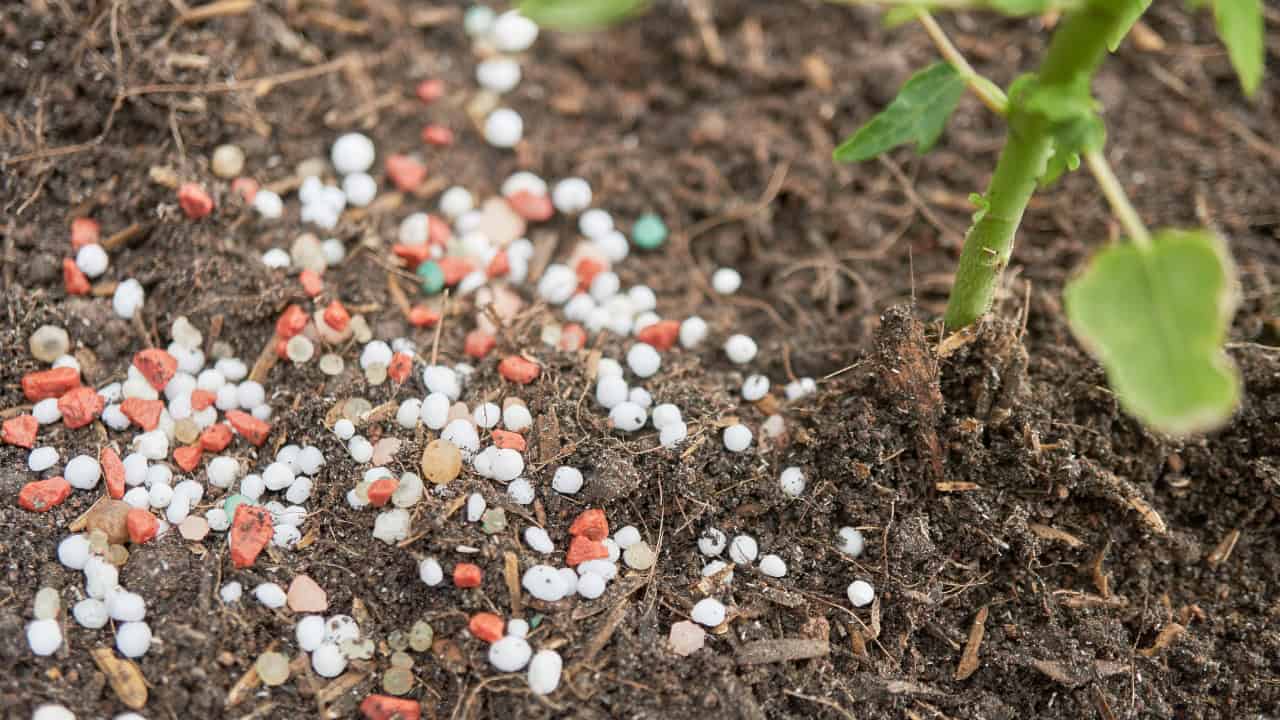
If you put too much fertilizer on your lawn, you risk causing fertilizer burn. High salt levels pull moisture away from your grass, leaving it dry and damaged.
Follow the recommended amounts carefully and water your lawn well after applying fertilizer. This helps wash nutrients into the soil.
Ignoring weed growth

If you let weeds grow unchecked, they compete with your grass for water and nutrients. This can weaken your lawn over time.
Pulling weeds early helps keep your lawn healthy and reduces the time you spend on maintenance later. Using the right weed killer at the correct time also prevents unwanted plants from taking over.
Mowing when grass is wet

Mowing wet grass is not a good idea because it can leave uneven cuts. The blades may struggle to cut cleanly, causing your lawn to look patchy.
Wet grass also tends to clump and stick to your mower, which can damage the machine. It’s better to wait until your grass is dry.
Not testing soil health

If you skip testing your soil, you might miss important clues about what your lawn needs. Soil tests reveal pH levels and nutrient deficiencies that affect grass growth.
Without this information, you could apply the wrong treatments, which might harm your lawn instead of helping it.
Skipping dethatching

If you skip dethatching, your lawn may get clogged with dead grass and debris. This layer can block water, nutrients, and air from reaching the roots.
Dethatching helps improve lawn health by removing this buildup. However, dethatch only when necessary, or you might damage your grass.
Watering daily instead of deeply

If you water your lawn every day for a few minutes, the water won’t reach deep roots. This shallow watering causes grass to develop weak roots near the surface.
Instead, water less often but for longer sessions. This encourages roots to grow deeper.
Cutting grass when it’s too short

When you cut your grass too short, it can weaken the roots and make your lawn more vulnerable. The grass needs some height to stay healthy and retain moisture.
Cutting too short can also stress the grass, causing it to grow unevenly or develop bare spots. Aim to leave a bit of length.
Failing to aerate soil

If you don’t aerate your lawn, the soil can become compacted. This makes it hard for air, water, and nutrients to reach the grass roots.
Aeration helps the roots grow deeper and stronger. Try to avoid aerating when the soil is wet.
Neglecting proper site preparation
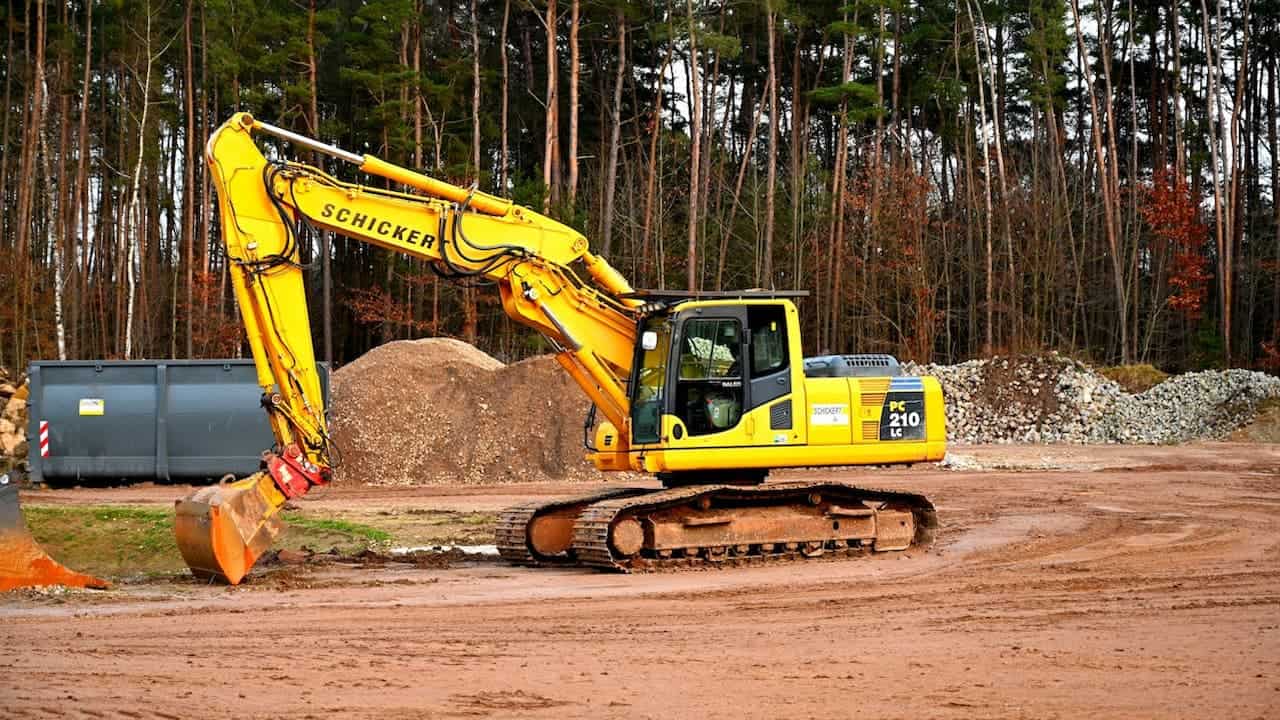
If you skip clearing rocks, debris, or old roots, your lawn may struggle to grow evenly. Poor soil quality can also cause problems.
You should test and amend the soil before planting. Taking time to level the ground helps prevent water pooling. Preparing the site properly gives your lawn the best chance to thrive.
Removing thatch incorrectly

If you dethatch your lawn at the wrong time, you can stress the grass instead of helping it. Aim to dethatch when your lawn is actively growing.
Using the wrong equipment can also harm your grass. Avoid overly aggressive tools that pull up too much or damage roots. Don’t remove all the thatch. A thin layer protects your lawn from drought and temperature changes.
Raking leaves unevenly

If you rake leaves unevenly, some areas of your lawn may remain covered and blocked from sunlight.
This can cause the grass underneath to weaken or die. Try to remove leaves evenly across your lawn to let sunlight reach all parts.