Selling your home can feel overwhelming, especially when you’re trying to make it as appealing as possible to potential buyers. Identifying and avoiding common mistakes can significantly improve your chances of a successful sale. Whether you’re a first-time seller or have been through the process before, knowing what pitfalls to watch out for can save you time and hassle.
From pricing your home improperly to failing to declutter, there are several missteps that can derail your selling strategy. It’s essential to be mindful of these issues to ensure your home stands out in a competitive market. Taking the time to prepare properly can make all the difference in achieving a smooth and profitable sale.
Advertisement
1. Setting an Unrealistic Price

One common mistake homeowners make is setting an unrealistic price for their property. This often happens when you get attached to your home’s sentimental value.
If you price your home too high, you might scare off potential buyers. It’s essential to research the local market and compare similar homes to find a competitive price.
A good real estate agent can help you determine a fair asking price. This way, you attract interest and increase the chances of a quick sale.
2. Ignoring Necessary Repairs

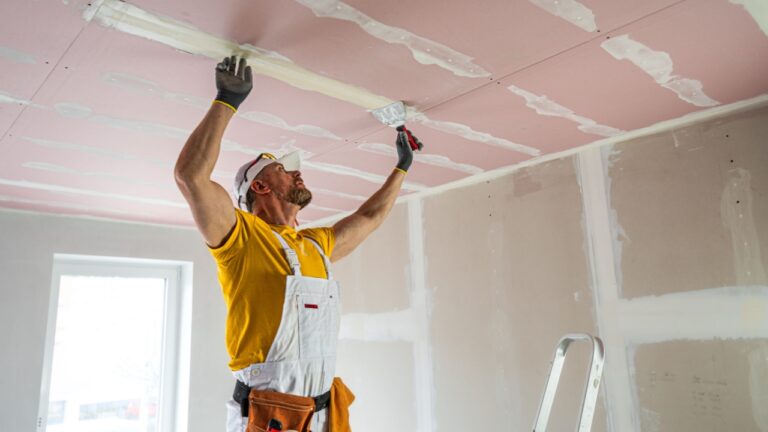
When you’re selling your home, ignoring necessary repairs can be a big mistake. Buyers often notice issues like leaky faucets or broken tiles right away.
If your home shows signs of neglect, it can turn off potential buyers. They might even question what else is wrong behind the scenes.
Taking care of minor repairs can enhance your home’s appeal. It demonstrates that you’ve maintained the property well, making buyers more likely to make an offer.
3. Neglecting Home Staging

Neglecting to stage your home can be a big mistake. When buyers walk in, they need to imagine themselves living there. A cluttered or poorly arranged space can make that tough.
Simple staging can enhance your home’s appeal. Clear away personal items and ensure each room has a purpose.
Fresh paint and minimal decorations can go a long way. You want your home to look inviting and spacious, not cramped or chaotic.
Taking the time to stage your home can make a significant difference in attracting buyers.
4. Choosing the Wrong Real Estate Agent

Picking the wrong real estate agent can really set you back. If you go with someone who isn’t familiar with your area, they might miss key selling points.
It’s also important to choose someone who communicates well and understands your goals. A poor fit can lead to frustration and missed opportunities.
Do your research and ask for referrals from friends or family. Taking the time to find the right agent can make a big difference in your selling experience.
5. Overpricing the Home

Setting the right price for your home is crucial. Overpricing can scare off potential buyers. They often think a home is out of their budget.
A common mistake is not doing enough market research. You might ignore comparable sales in your neighborhood. This can lead to unrealistic expectations about your home’s value.
Remember, buyers are savvy. They have access to the same information you do. If your home sits on the market too long, it can become stale, making it harder to sell.
6. Not Being Prepared for Showings

When potential buyers come to see your home, first impressions matter. If your space is cluttered or messy, buyers may struggle to envision themselves living there.
Make sure to declutter and clean thoroughly before showings. A neat environment allows buyers to focus on your home’s features rather than distractions.
Also, consider freshening up the atmosphere. Open curtains to let in light and eliminate any lingering odors. You want your home to feel inviting and appealing.
7. Letting Emotions Affect Decisions

Selling your home can be a really emotional journey. You might feel attached to the memories and milestones associated with the space.
When emotions take charge, it’s easy to set an unrealistic price or overlook important repairs.
Try to focus on the facts rather than your feelings.
Keep your financial goals in mind and approach negotiations with a clear head.
This can help you make better decisions and ultimately maximize your profit.
8. Skipping Professional Photography

Using professional photography can make a big difference when selling your home. Quality images showcase your property at its best and attract more potential buyers.
Amateur photos often fail to highlight your home’s features and can even deter buyers. Poor lighting and cluttered rooms can send the wrong impression.
Investing in a skilled photographer can help create a consistent and appealing visual story for your listing. Great photos can lead to more showings and potentially a quicker sale. Don’t underestimate how much professional photography can enhance your real estate listing.
9. Failing to Market the Home Properly

Proper marketing can make a big difference in selling your home. Relying only on a “For Sale” sign often isn’t enough. You need to showcase your property’s best features online.
Consider professional photos and a virtual tour to attract buyers. Create engaging listings that highlight what makes your home unique.
Using social media can also expand your reach. Share posts about your home to get friends and family to help spread the word.
Without effective marketing, you risk your home sitting on the market longer than necessary. Take the time to promote it well.
10. Selling Without an Agent

Selling your home without an agent can seem like a smart move. You save on commissions, right?
But it can be trickier than you think. You might underestimate your home’s value and lose out on potential profits.
Marketing your property effectively is vital, and without an agent’s expertise, you might struggle to get it seen.
Handling negotiations and paperwork yourself can be overwhelming. If you make a mistake, it could cost you dearly.
Consider your options carefully before deciding to go solo.
11. Underestimating Selling Costs
When selling your home, it’s easy to overlook the various costs involved. Many homeowners underestimate commission fees, closing costs, and repairs.
These expenses can add up quickly and impact your profits. Make sure to budget for things like staging, marketing, and any necessary renovations.
Getting a clear estimate of these costs upfront will help you avoid surprises later on. Taking the time to understand your financial responsibilities will set you up for a smoother selling process.
12. Only Considering the Highest Offer

It can be tempting to jump at the highest offer you receive. While cash offers might seem appealing, consider other factors too.
Look at contingencies, closing timelines, and the buyers’ financial reliability. An offer that looks great on paper might come with hidden snags.
Take time to evaluate what works best for you. Sometimes, a slightly lower offer with fewer complications can lead to a smoother sale.
13. Not Depersonalizing the Home

When selling your home, it’s important to depersonalize it. This means removing personal items like family photos and memorabilia. Buyers need to picture themselves living in your space, and personal items can make that difficult.
Consider neutralizing the decor, too. Bright colors or unique designs might not appeal to everyone. A fresh, clean canvas allows potential buyers to envision their own style and furnishings in the home.
Remember, the more inviting and universal your home feels, the better your chances are of making a sale. Keep it simple and allow prospective buyers to connect with the space.
14. Keeping Too Much Clutter

When selling your house, it’s essential to clear out clutter. Excess items can make spaces feel smaller and less inviting.
You should aim for a clean, open look. Remove personal items and excess furniture that could distract buyers.
Consider sorting through rooms and packing away what you don’t need right now.
This not only helps with showings but also makes moving easier later. A tidy home can create a positive impression on potential buyers.
15. Not Being Flexible with Showings

If you want to sell your home quickly, being flexible with showings is key. Limiting availability can turn off potential buyers.
Think about your schedule and consider accommodating requests, even on short notice. The easier you make it for buyers to view your home, the faster you can get offers.
Remember, the more people who see your home, the better your chances for a sale. Flexibility can lead to a quicker closing and possibly even a better selling price.
*This article was created with the help of AI.