Taking care of your lawn might seem simple, but some common habits can actually harm it without you realizing. You might think certain routines help your grass grow, but they can make your lawn weaker over time.
Knowing which lawn care habits do more harm than good can save you time, money, and effort while keeping your yard healthy. Learning what to avoid is just as important as knowing what to do to keep your grass looking its best.
Advertisement
Mowing your lawn too short

If you cut your grass too short, it can hurt your lawn. Short grass gets less sunlight and struggles to grow strong.
When you mow too low, the grass uses up energy to recover. This makes it weak and more likely to get sick or have weeds. Try to keep your grass a bit taller to protect the roots and keep it healthy.
Cutting grass when it’s wet

You should avoid mowing wet grass. Wet blades can clump together and clog your mower, making it harder to cut cleanly.
Also, wet grass can cause the mower to slip or stall, which might damage the machine. Plus, cutting grass when it’s wet can spread diseases to the lawn. It’s better to wait until your grass dries out before mowing.
Using a dull mower blade

If you use a dull mower blade, your grass gets torn instead of cut. This can make your lawn look ragged and unhealthy.
Torn grass is more open to diseases and pests, which can harm your lawn. You should sharpen your mower blades at least once every season to keep your grass healthy. A sharp blade also helps your mower work better and last longer.
Watering your lawn too frequently

If you water your lawn too often, the roots don’t grow deep. This makes the grass weaker and more likely to get sick.
You should only water when the soil feels dry a few inches down. Too much water can also waste nutrients and cause puddles. Try to water early in the morning or late in the evening to avoid water evaporation. Avoid watering during the hottest part of the day.
Planting grass not suited for your zone

If you choose grass that doesn’t grow well in your area, it will struggle. You might spend more time watering or fixing dead patches.
Different grasses like different weather and soil. Knowing your zone helps you pick grass that stays green and healthy with less work. Try to find grass that matches your climate. It will save you time and keep your lawn looking better.
Removing all grass clippings

You might think raking up every bit of grass after mowing is best, but leaving some clippings helps your lawn. Grass clippings act like natural fertilizer, returning important nutrients to the soil.
However, if you leave big clumps, they can smother your grass and cause problems. So, try to spread them out or rake only if the clumps are thick.
Ignoring soil aeration

If you skip aerating your lawn, the soil can get compacted. This makes it hard for water, air, and nutrients to reach the grass roots.
Aeration creates small holes that help your lawn breathe and grow stronger. You don’t need to do it all the time, but ignoring it can slow down your grass’s health.
Watering your lawn in the heat of the day

If you water your lawn during the hottest hours, a lot of the water just evaporates before reaching the roots. This means your grass doesn’t get the moisture it needs.
Watering now can also cause small water drops to act like tiny magnifying glasses. This can sometimes harm your grass blades. Try watering early in the morning instead. Your grass will soak up the water better, and it won’t waste as much.
Neglecting weed control
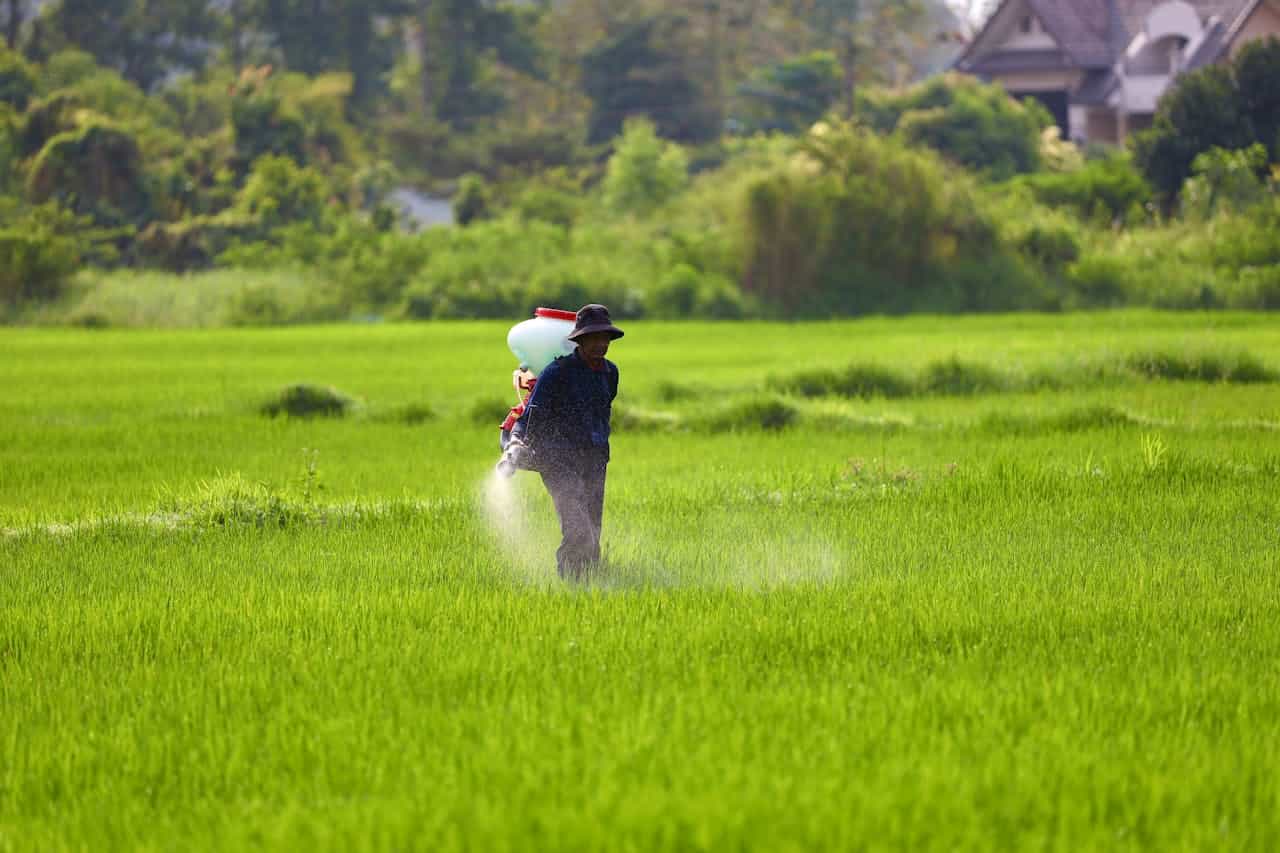
If you ignore weeds, they will take over your lawn and compete with grass for nutrients and water.
Weeds spread fast and make your yard look messy. Stopping them early helps keep your lawn healthy. You don’t need harsh chemicals, just regular care and the right products.
Planting too close to buildings or fences

You should avoid planting trees or shrubs too close to your house or fences. Roots from some plants can grow into cracks and cause damage.
Also, plants too close can block air flow and trap moisture, which may lead to problems with walls or siding. Give your plants enough space to grow without causing trouble around your home.
Raking leaves excessively in fall

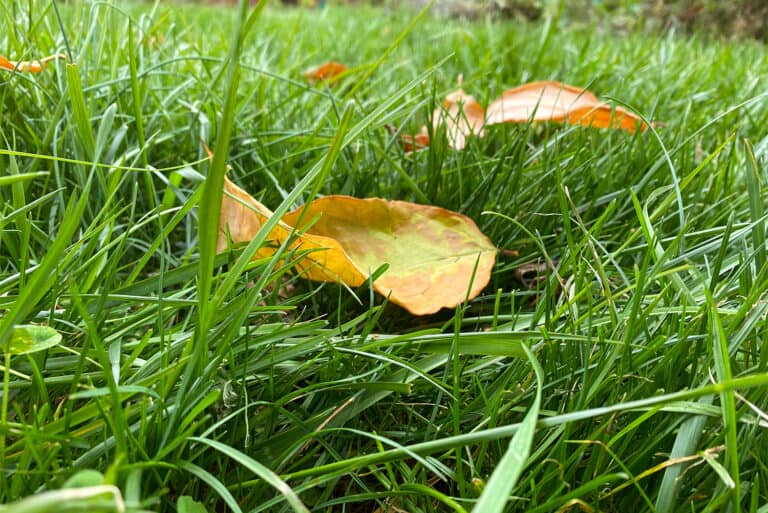
If you rake up every leaf, you might actually hurt your lawn. Leaves help keep the soil healthy and provide homes for bugs and other small creatures.
Taking away too many leaves can damage your grass and the environment. Instead, try leaving some leaves to break down naturally or mulch them with your mower. This keeps your yard healthier in the long run.
Using high nitrogen fertilizer in summer
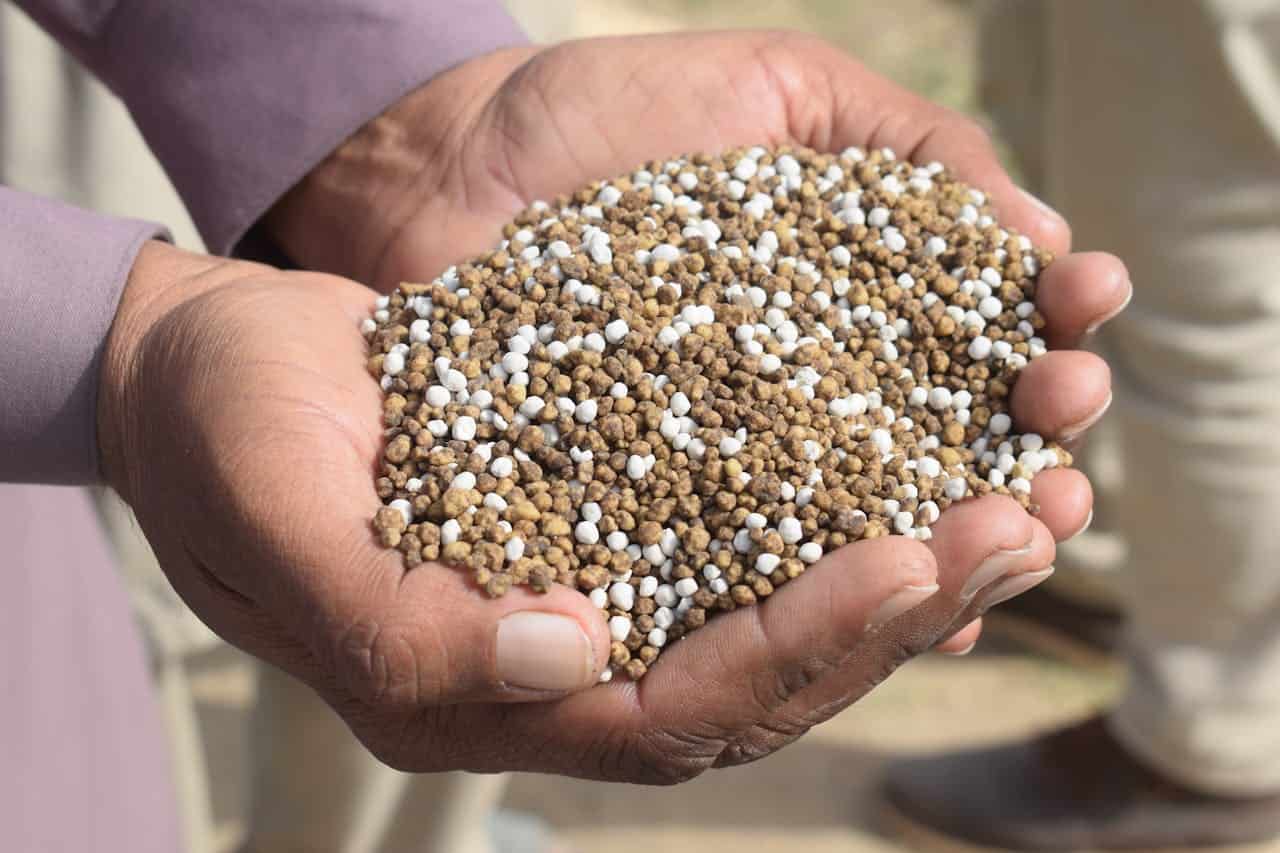
You might think giving your lawn a big dose of nitrogen in summer helps it grow fast. But it can actually harm your grass, especially in hot and rainy weather.
Too much nitrogen can burn your lawn and make it weak. It’s better to use less and spread it out over time. This way, your grass stays healthy without stress.
Overwatering newly seeded areas

If you water new grass too much, it can hurt the seeds instead of helping them. The soil can get too wet, which stops oxygen from reaching the roots.
Try to keep the soil just moist, not soaked. Short watering sessions, around 5 minutes a few times a day, work best to keep seeds alive without drowning them.
Ignoring soil nutrient deficiencies

If you skip testing your soil, you might miss what nutrients it actually needs. This can lead to using too much or too little fertilizer.
Fertilizing without knowing your soil’s needs can hurt your grass instead of helping it. It’s better to test first so you give the right nutrients. Paying attention to soil health keeps your lawn strong and saves you time and money in the long run.
Tilling soil excessively

When you till your soil too much, it can cause problems for your lawn. Tilling breaks up the soil structure and can make it dry out faster. This means you might have to water more often.
Also, too much tilling can hurt the tiny living things in your soil. These creatures help keep your lawn healthy. So, try to till only when necessary to keep your soil strong.