Invasive plants can quietly spread throughout your yard, competing with the plants you want to grow. They often go unnoticed until they have taken over large areas, making it harder to maintain a healthy garden or lawn.
Knowing which plants are invasive helps you protect your yard and local environment from damage. By identifying them early, you can take steps to control or remove these unwelcome species before they cause problems.
Advertisement
English Ivy
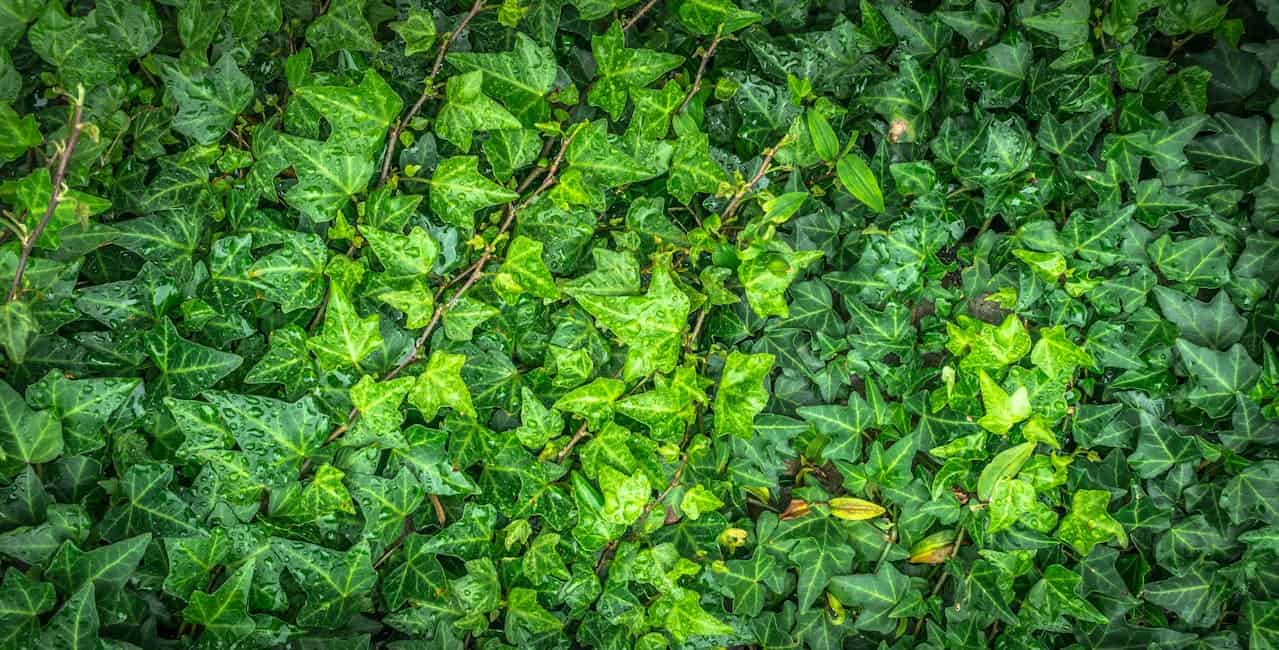
English ivy is a common invasive vine you might find in your yard. It grows quickly and can cover trees, fences, and ground, often choking out native plants.
If you spot it climbing your trees, removing it early helps protect your landscape. Pulling it out or cutting it back takes effort but stops it from spreading further.
Japanese Knotweed
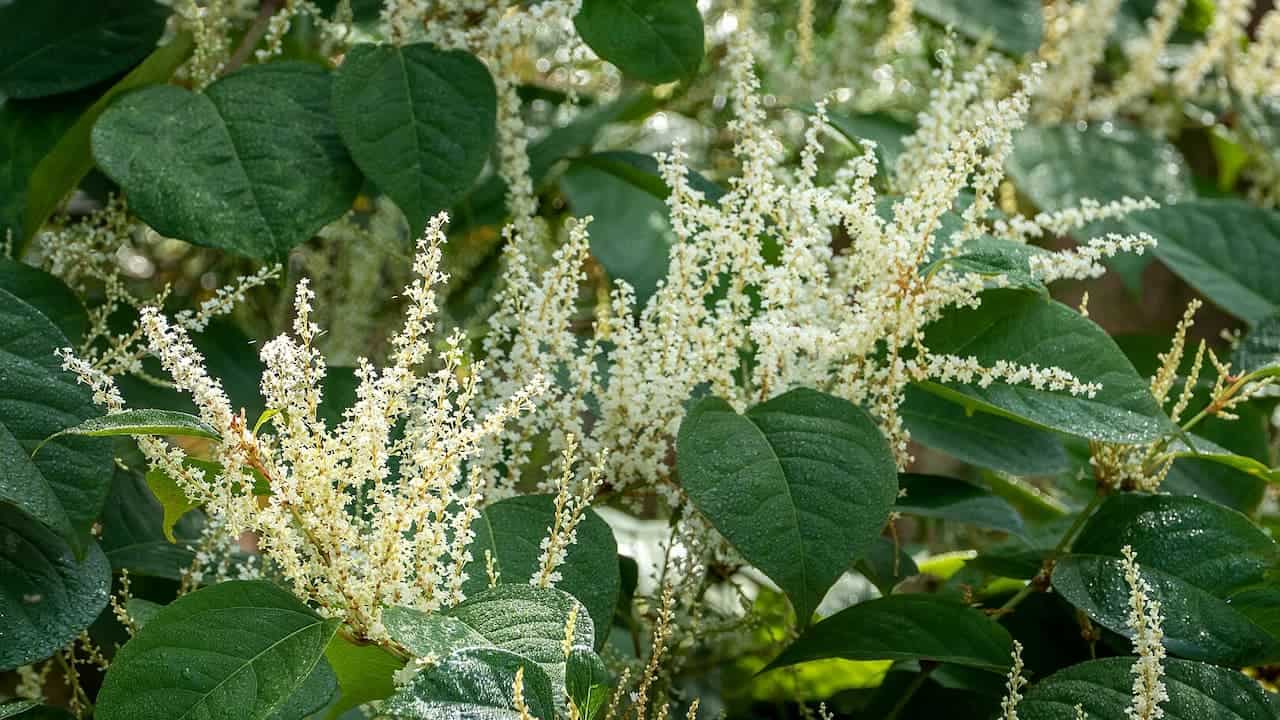
Japanese knotweed is a fast-growing plant that can quickly spread through your yard. Once it takes hold, it’s tough to remove because its roots go deep and regenerate easily.
You might think it looks harmless, but it can crowd out other plants and damage structures near your home. Keeping it under control takes patience and consistent effort.
Tree of Heaven

If you notice a fast-growing tree with smooth leaves and small indents, it might be tree of heaven. This plant was once popular for quick shade and its unique look, but now it spreads easily and crowds out native plants.
You’ll find it tough to remove because it regrows quickly. Herbicides applied carefully over several years often work best to control it in your yard.
English Laurel
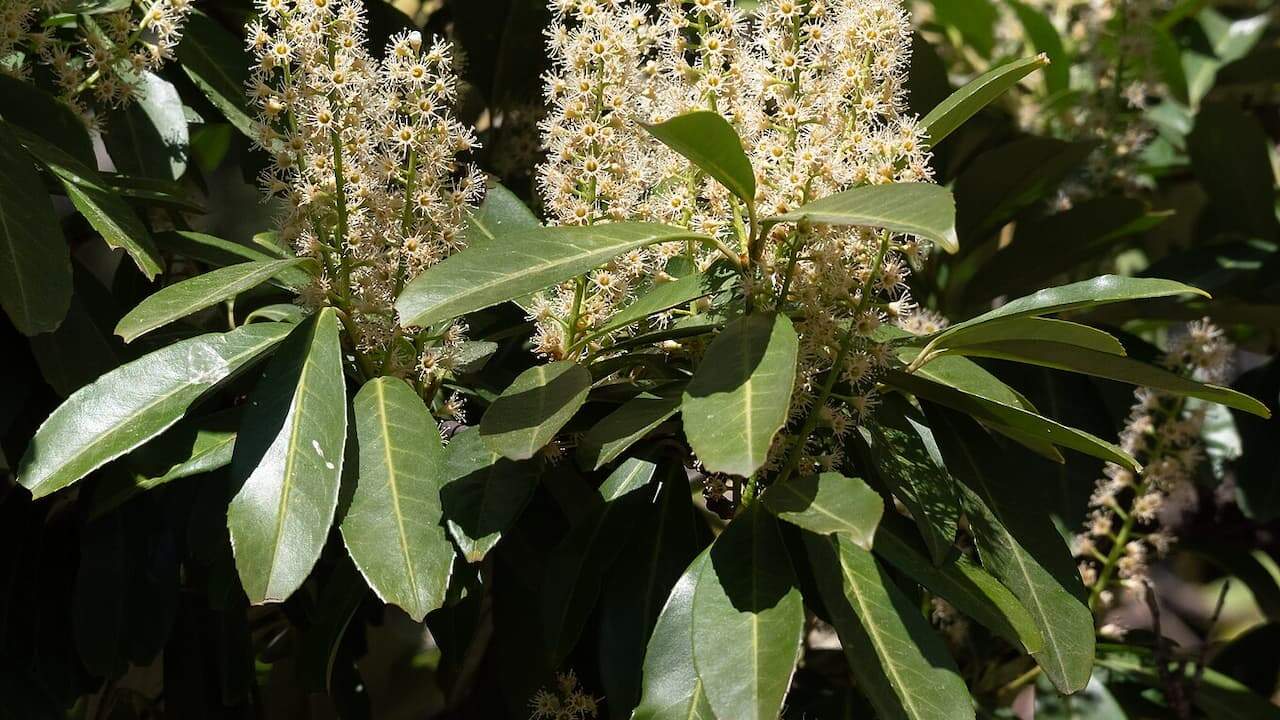
English Laurel is a popular choice for creating thick, evergreen hedges. It grows quickly and provides good privacy in your yard.
However, once established, it can spread aggressively. This may crowd out native plants and disrupt local ecosystems.
If you use English Laurel, keep an eye on its growth. Managing it regularly helps prevent it from taking over areas you don’t want.
Virginia Creeper
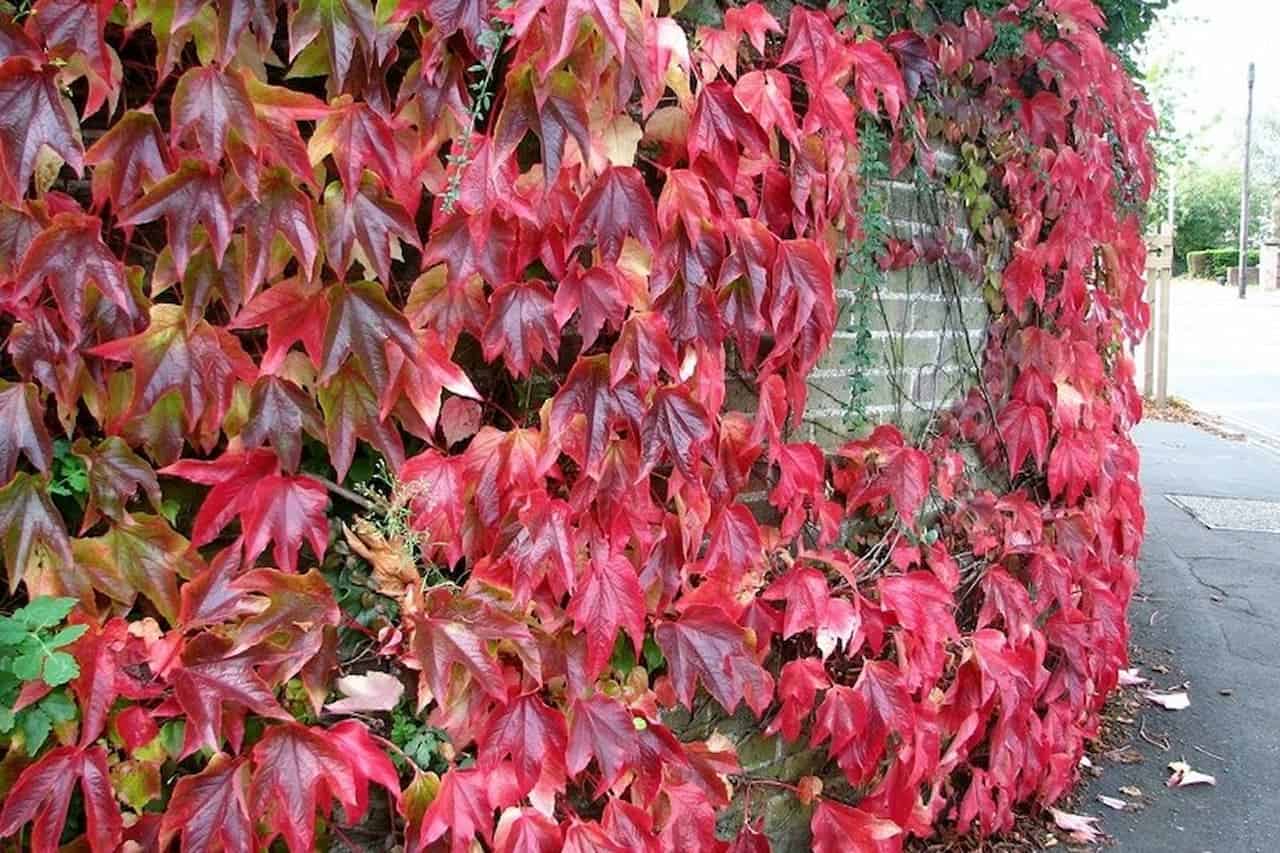
Virginia creeper can quickly spread through your yard by sending out underground vines. If your lawn is mowed regularly and kept short, you might prevent it from overtaking your grass.
Be careful when handling it, as its sap can irritate your skin. It also often grows near poison ivy, so take precautions while removing it.
Garlic Mustard

Garlic mustard is an invasive plant originally from Europe and Asia. You’ll often find it spreading quickly in your yard, especially in shaded areas.
It grows fast and can outcompete your native plants. If you want to control it, pull up the plants before they drop seeds.
Be careful when removing it, as seed-infested soil can stick to the roots and spread the problem.
Kudzu
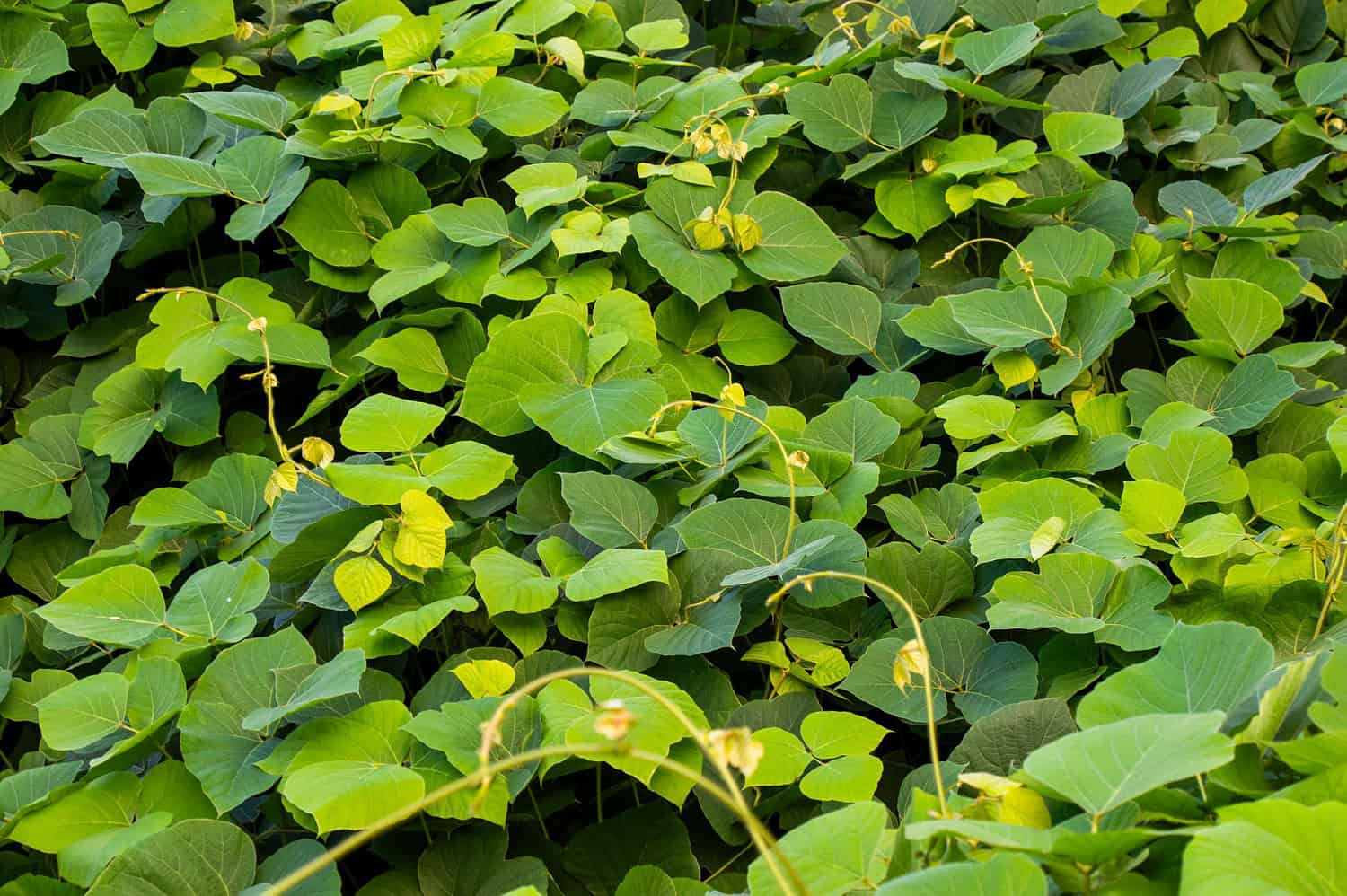
Kudzu is a fast-growing vine that can quickly spread across your yard. It climbs over trees, fences, and even buildings, which can make your outdoor space look overwhelmed.
If you spot kudzu, it’s best to act early. Removing it helps protect your native plants and keeps your yard healthy.
Himalayan Blackberry

You might find Himalayan blackberry growing quickly in your yard, especially if you live in the Pacific Northwest. It spreads fast and can be tough to control once established.
This plant sends out long, thorny canes that take over space and crowd out other plants. Regular removal helps keep it in check, but it can feel like a never-ending task.
If you want to protect your garden, staying on top of it early makes a big difference.
Multiflora Rose
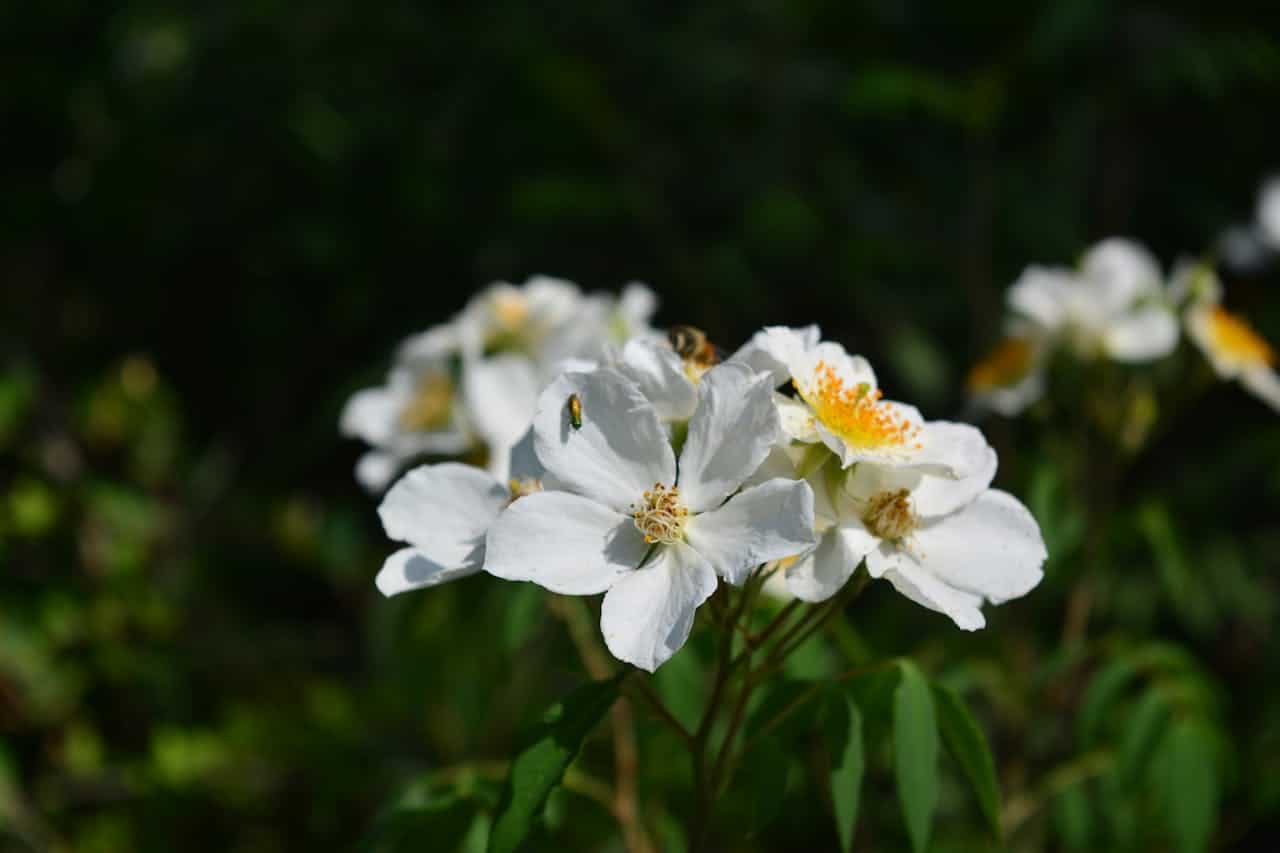
If you spot a prickly shrub growing wildly in your yard, it might be multiflora rose. This plant climbs and spreads quickly, often forming thick, tangled patches.
It can grow up to 15 feet tall and is hard to control once established. Managing it takes patience, but removing young plants early makes a big difference.
You might find it listed as invasive or banned where you live. Keeping an eye out helps protect your yard and local wildlife.
Chinese Privet

Chinese privet looks delicate but can quickly take over your yard. It’s a shrub that acts like a small tree, growing fast and spreading through roots.
Even if you trim it or stop it from blooming, it can still spread into neighboring areas. You’ll find it tough to fully get rid of without consistent effort.
Autumn Olive

Autumn olive is a fast-growing shrub that can reach 20 feet tall and spread wide. If left unmanaged, it can quickly take over your yard.
You might notice its small, edible fruits and some support for pollinators. However, it crowds out native plants and alters the local ecosystem.
Cutting the shrub and treating the stump is an effective way to control it. Clearing large areas may require professional mulching.
Norway Maple

If you have Norway Maples in your yard, you might notice they spread seeds heavily. This can lead to unwanted seedlings popping up nearby.
These trees are invasive in many areas, often crowding out native plants. Removing them can help protect your local environment.
When cutting down a large Norway Maple, watch for soil erosion and habitat loss. Replacing it with native species is a good option to consider.
Purple Loosestrife

Purple loosestrife is a beautiful plant with bright magenta flowers, but it can quickly take over your yard. It spreads fast and crowds out native plants.
If you spot it growing, it’s best to act early. Removing it helps protect local ecosystems and keeps your garden healthy.
Common Reed (Phragmites)

If you spot tall, dense grasses in wet areas of your yard, it might be Common Reed. This plant spreads quickly and can crowd out native plants you want to keep.
It grows in wetlands, along highways, and in drainage basins, making it tough to control. Managing it early helps protect your yard’s natural balance.
Spotted Lanternfly Host Plants
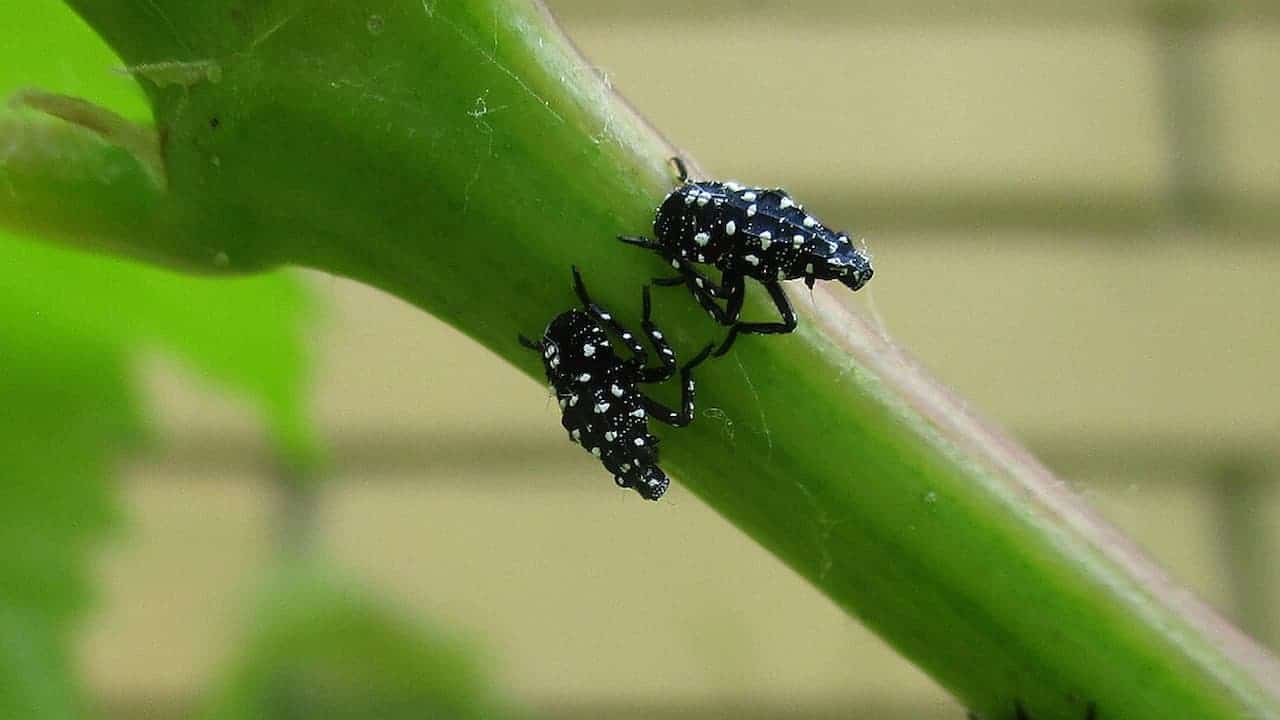
The spotted lanternfly relies heavily on the tree of heaven as its main host. You might also find it feeding on more than 65 other types of plants.
This invasive pest can affect many trees and crops in your yard. Watching for its presence on different plants helps you spot problems early.