In our quest for a more diverse culinary experience, many of us are increasingly turning to imported foods. From Italian truffles to Japanese wagyu beef, these delicacies offer a taste of the exotic and the opportunity to explore different cultures through their cuisine. However, importing foodstuffs from far-flung countries can be a costly affair.
Whether due to high shipping costs, import taxes, or the simple fact that some ingredients are rare and therefore expensive, these imported foods will inevitably take a bigger bite out of your budget. Let’s take a look at 15 imported foods that will cost you extra.
Advertisement
1. Japanese Kobe Beef
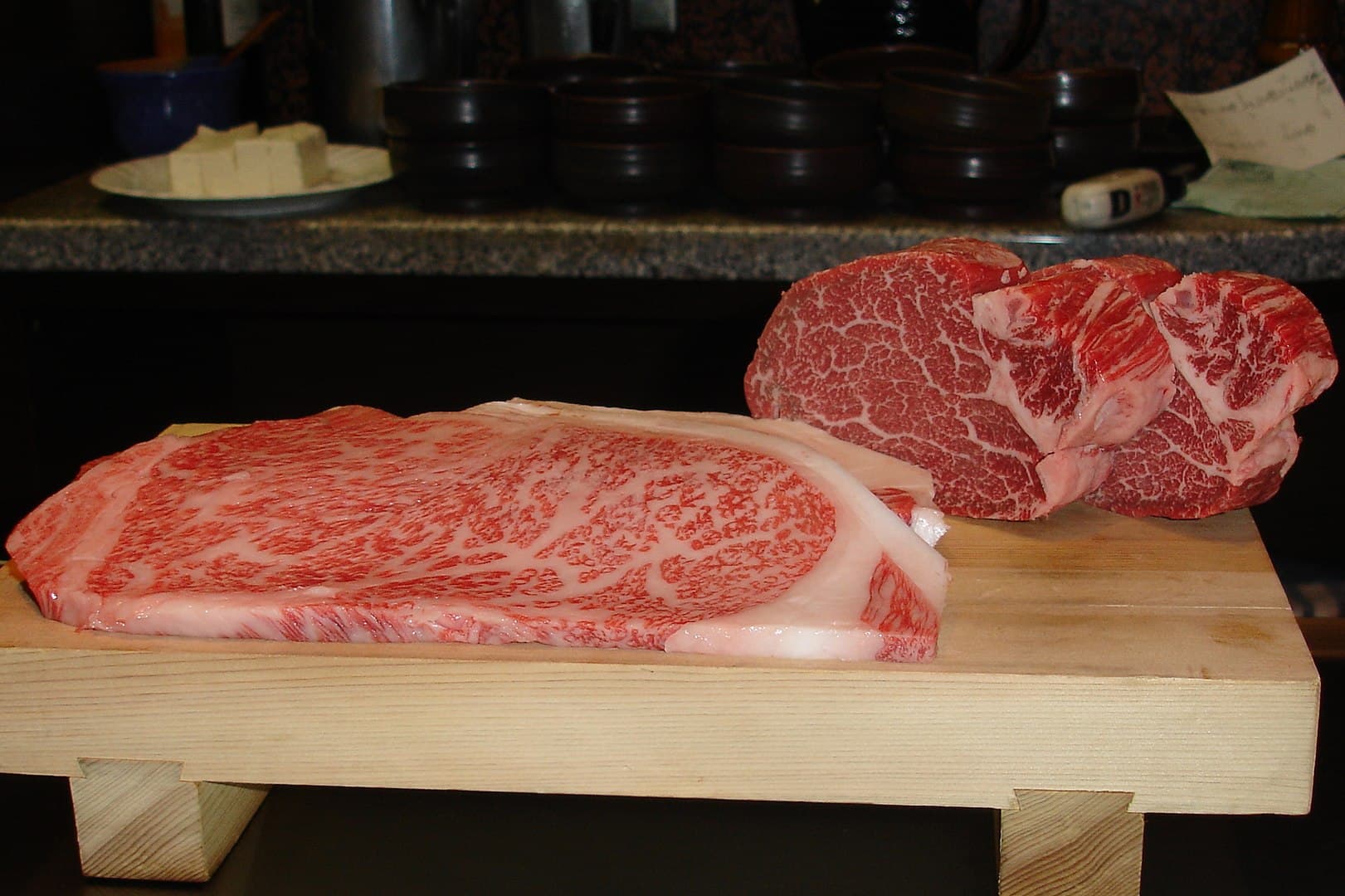
Perhaps the most famous import on our list, Japanese Kobe beef is renowned for its superior quality and rich flavor. Kobe beef is a special grade of beef from the Tajima strain of Wagyu cattle, raised in Japan’s Hyogo Prefecture. The meat is famous for its marbling, tenderness, and a full-bodied flavor that is unrivaled by other beef varieties.
Kobe beef is extremely expensive due to the stringent production process. The cows are fed a special diet and even receive massages to ensure the meat’s signature marbling. Only a limited number of Kobe beef cattle are slaughtered each year, further driving up the price. So, if you see Kobe beef on a menu, expect a hefty price tag.
2. Italian White Truffles
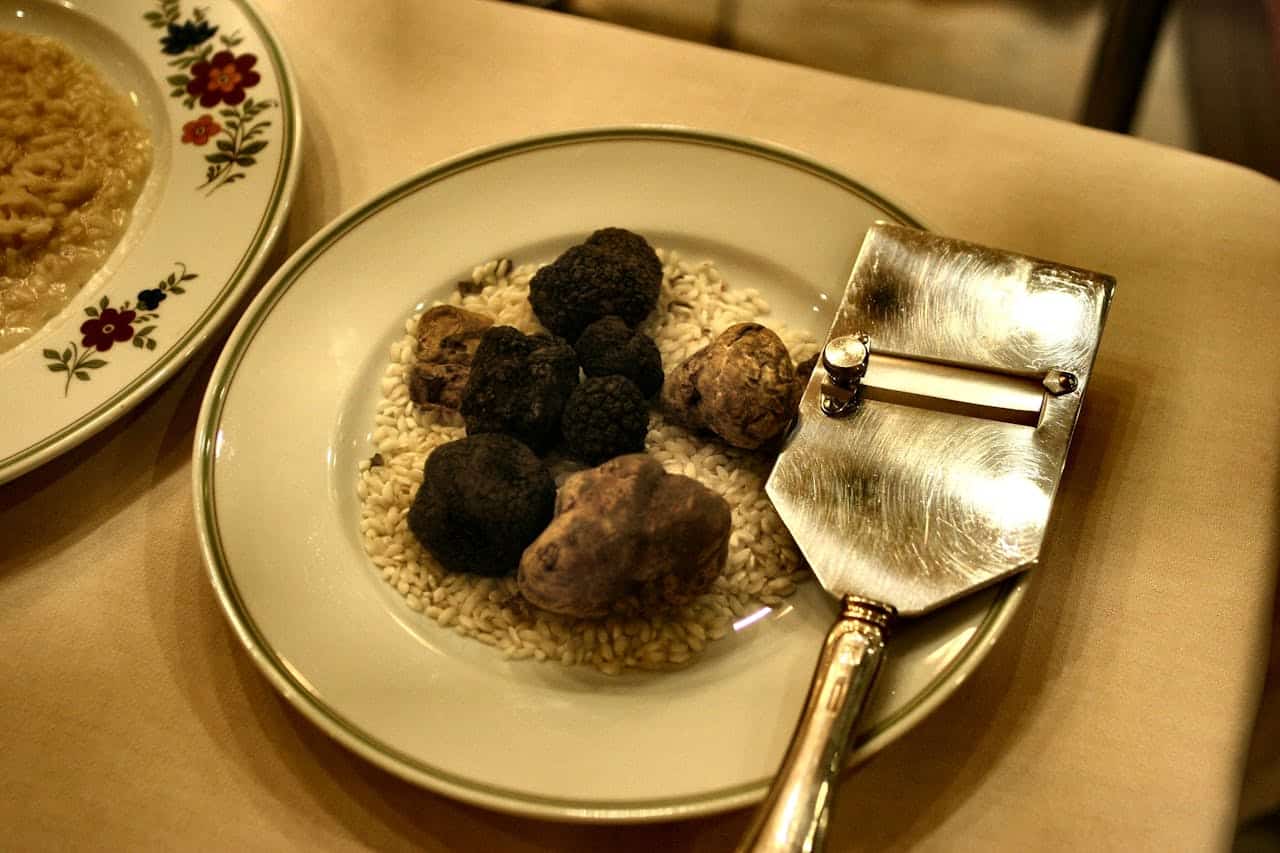
Italian White Truffles are one of the most expensive food items in the world. They are found in the Piedmont region of Italy, usually growing near the roots of certain types of trees. Because they are so difficult to cultivate and harvest, they are highly sought after and can command astronomical prices.
White truffles are typically harvested from September until December. Harvesting involves specially trained dogs who can sniff out these underground delicacies. Because of their rarity and the difficulty in finding them, the price of white truffles can fluctuate wildly, sometimes costing over $3000 per pound. They are often used sparingly, shaved over dishes to impart their unique, earthy flavor.
3. Saffron
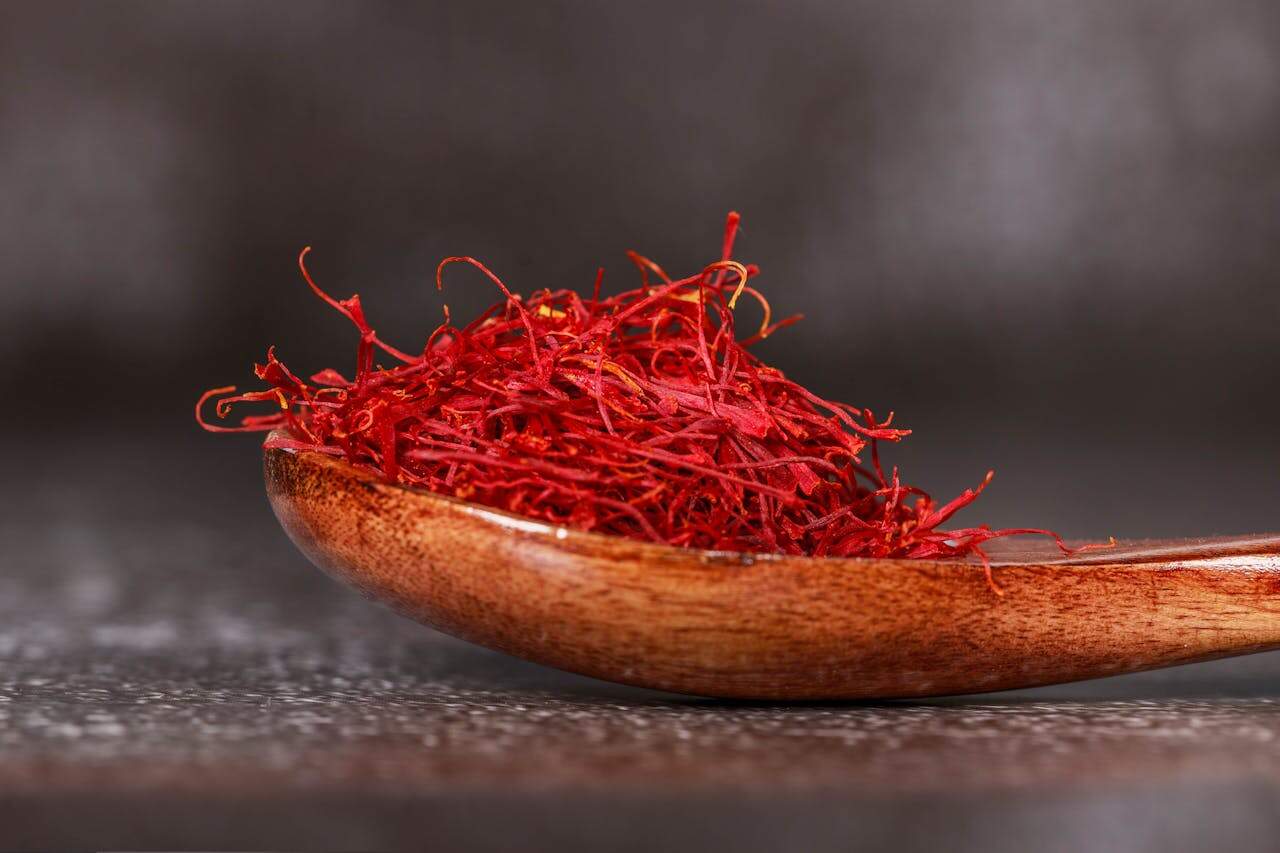
Saffron, the world’s most expensive spice, is derived from the flower of Crocus sativus, commonly known as the “saffron crocus”. Each flower only produces three stigmas, which are hand-harvested and dried to make saffron.
The labor-intensive harvesting process, coupled with the fact that it takes around 75,000 saffron flowers to produce just one pound of saffron, contribute to the spice’s high price. Saffron is widely used in Mediterranean, Middle Eastern, and Indian cuisines, providing a distinct flavor and vibrant color to dishes.
4. Matsutake Mushrooms
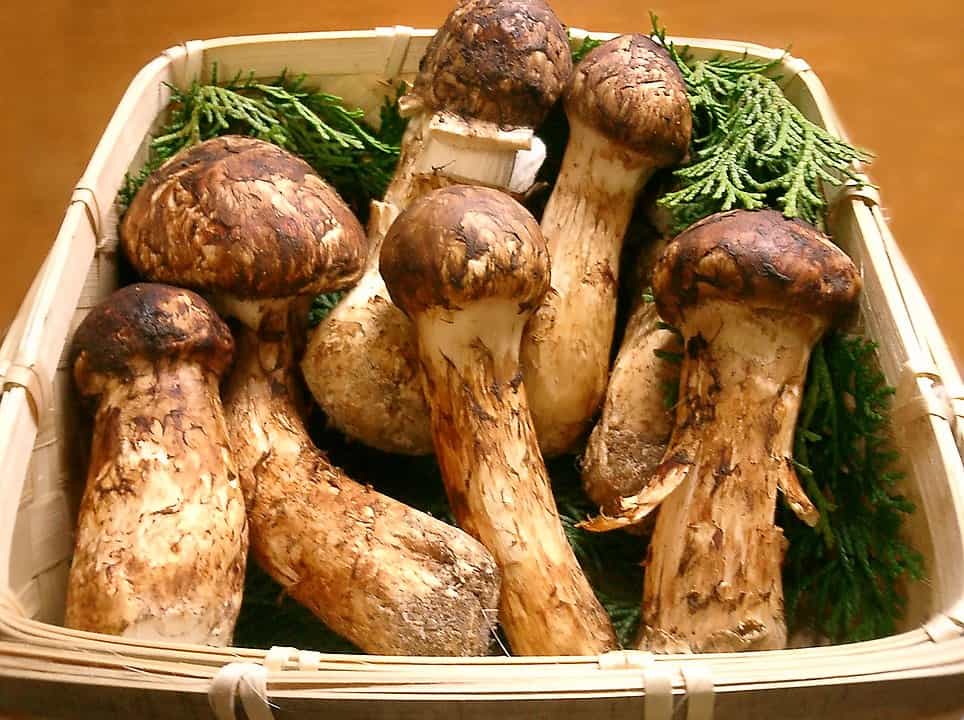
Matsutake mushrooms, also known as pine mushrooms, are a prized delicacy in Japan. They grow in pine forests and are difficult to find, which contributes to their high cost.
Matsutake mushrooms have a unique, spicy aroma and are often used in traditional Japanese dishes like soups and rice dishes. With a price tag that can reach hundreds of dollars per pound, these mushrooms are definitely a luxury item.
5. Kopi Luwak Coffee
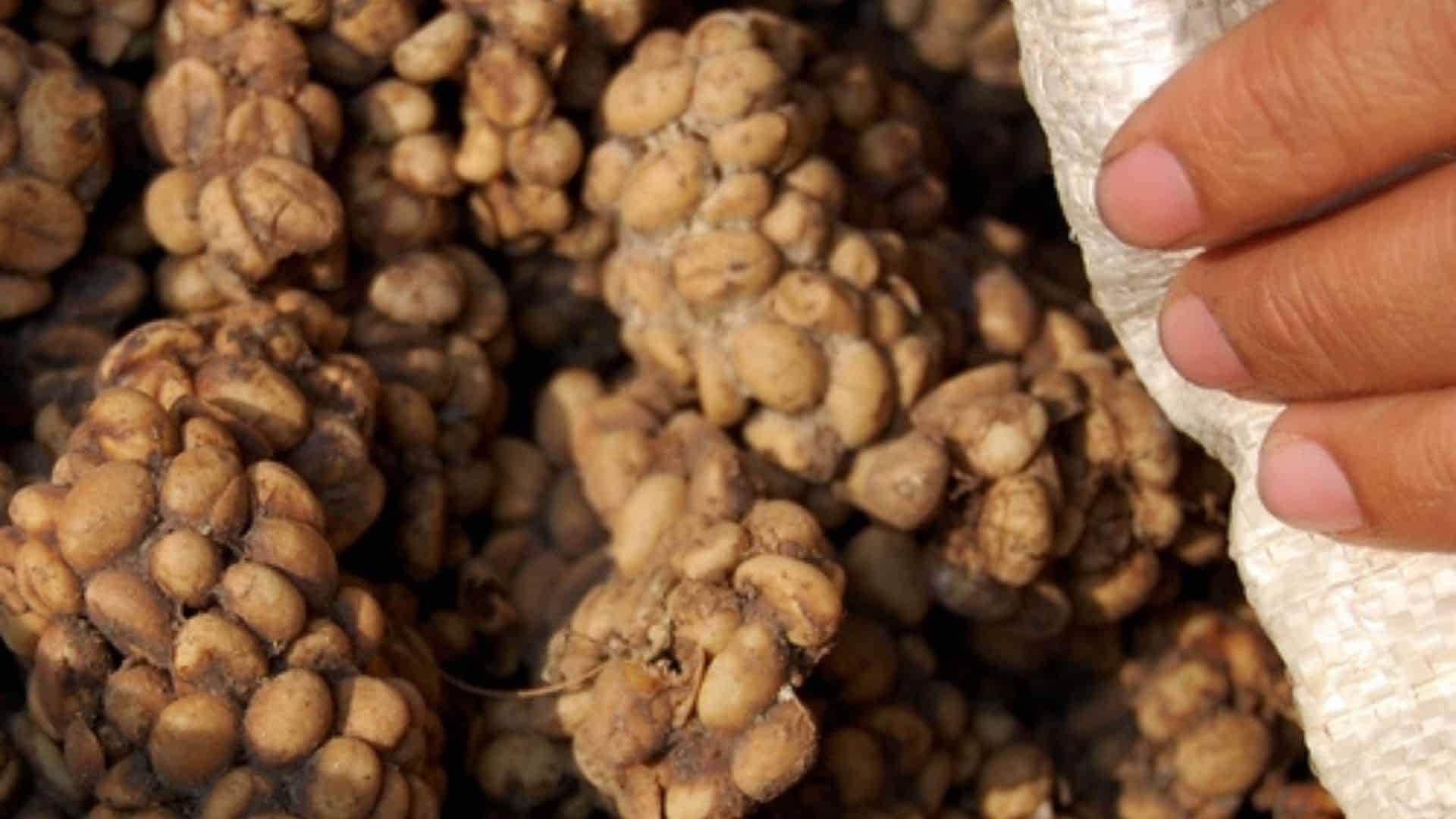
Kopi Luwak, or civet coffee, is one of the most expensive coffees in the world. It’s made from coffee cherries that have been eaten and excreted by a small mammal known as the Asian palm civet.
The process of digestion removes the bitterness from the coffee beans, resulting in a smooth, rich flavor. However, due to the unusual production method and the rarity of the beans, a cup of Kopi Luwak can cost up to $100.
6. Iranian Beluga Caviar
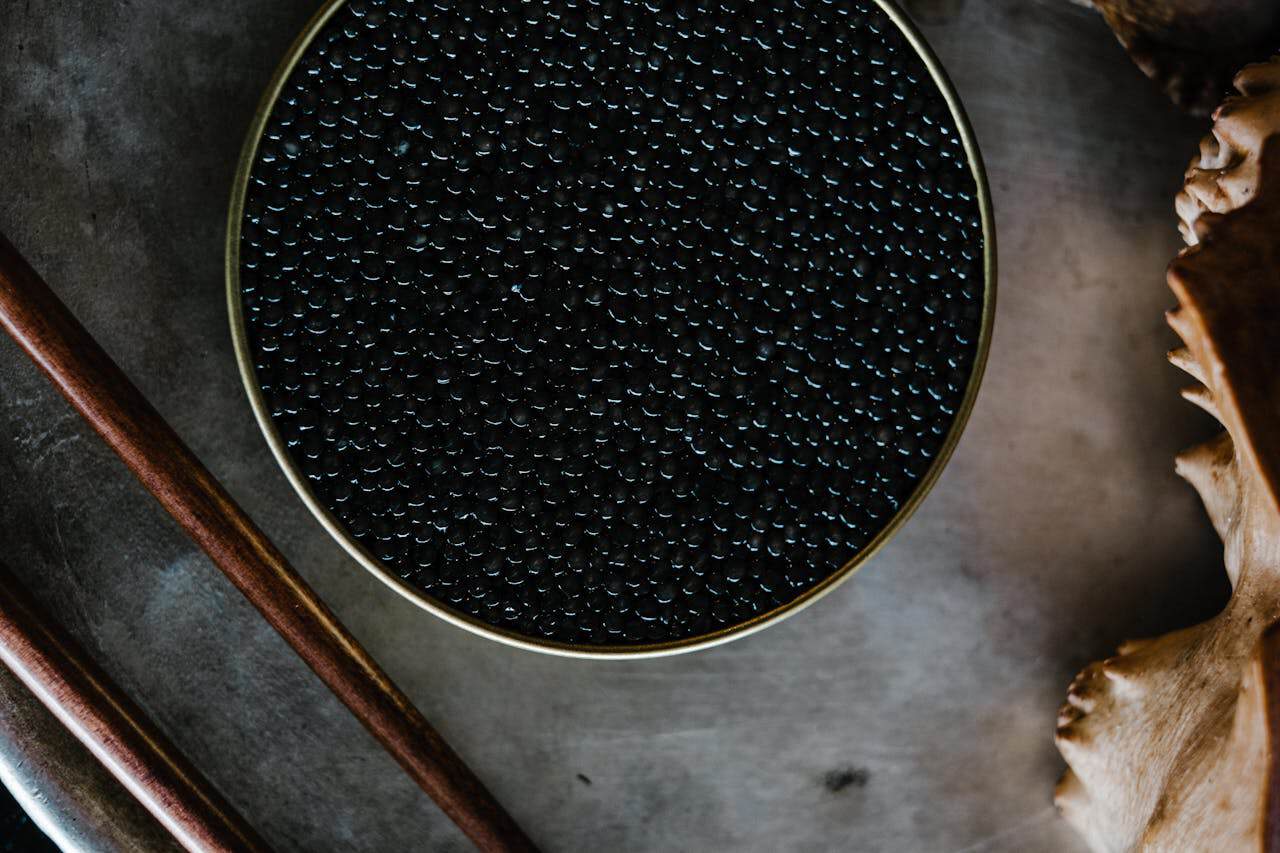
Iranian Beluga caviar is considered the finest caviar in the world. It comes from the Beluga sturgeon, a fish found primarily in the Caspian Sea.
The caviar is harvested from mature females, which can take up to 20 years. The scarcity of the fish and the time it takes to harvest the caviar contribute to its high cost. A pound of this delicacy can cost up to $5,000.
7. French Foie Gras
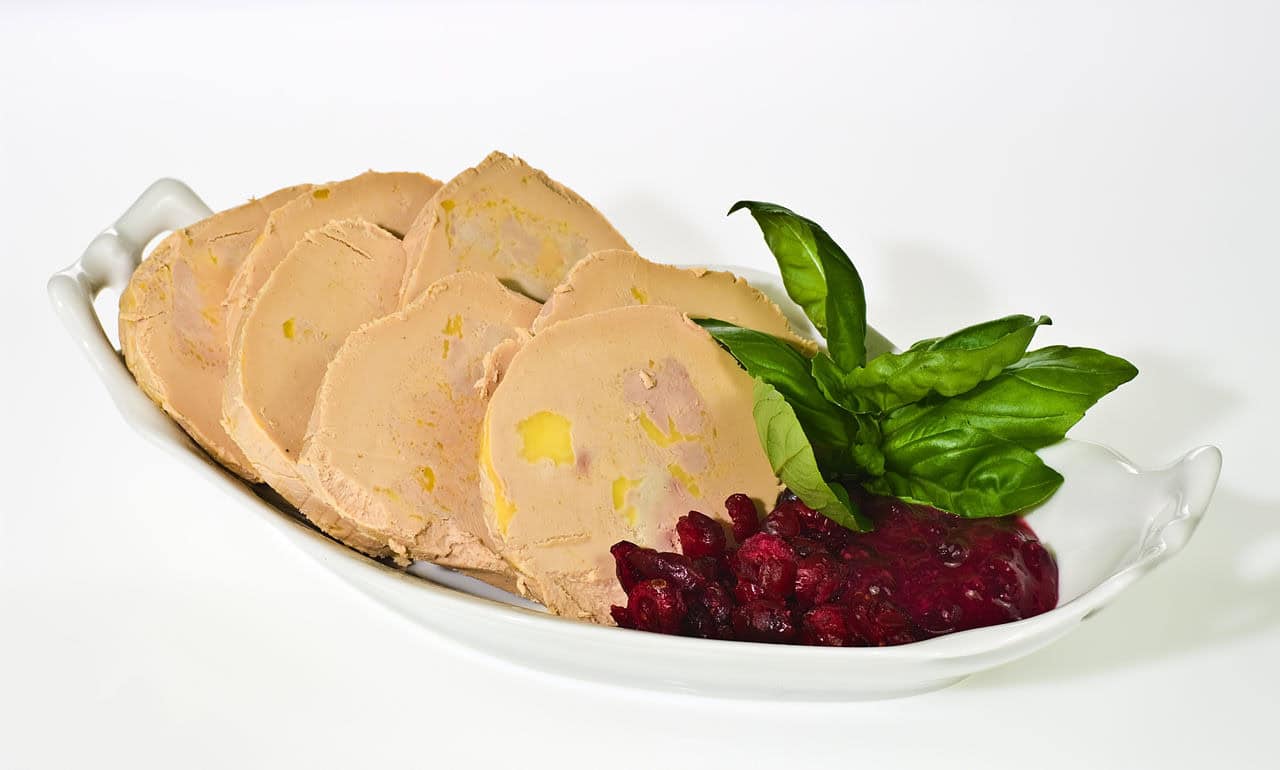
Foie gras is a luxury food product made of the liver of a duck or goose that has been specially fattened. The practice of force-feeding ducks and geese to enlarge their livers has been controversial due to animal welfare concerns.
Despite the controversy, foie gras remains a sought-after delicacy, especially in France. The high cost of producing foie gras, as well as import bans in some countries, contributes to its high price.
8. Swiss Gruyere Cheese
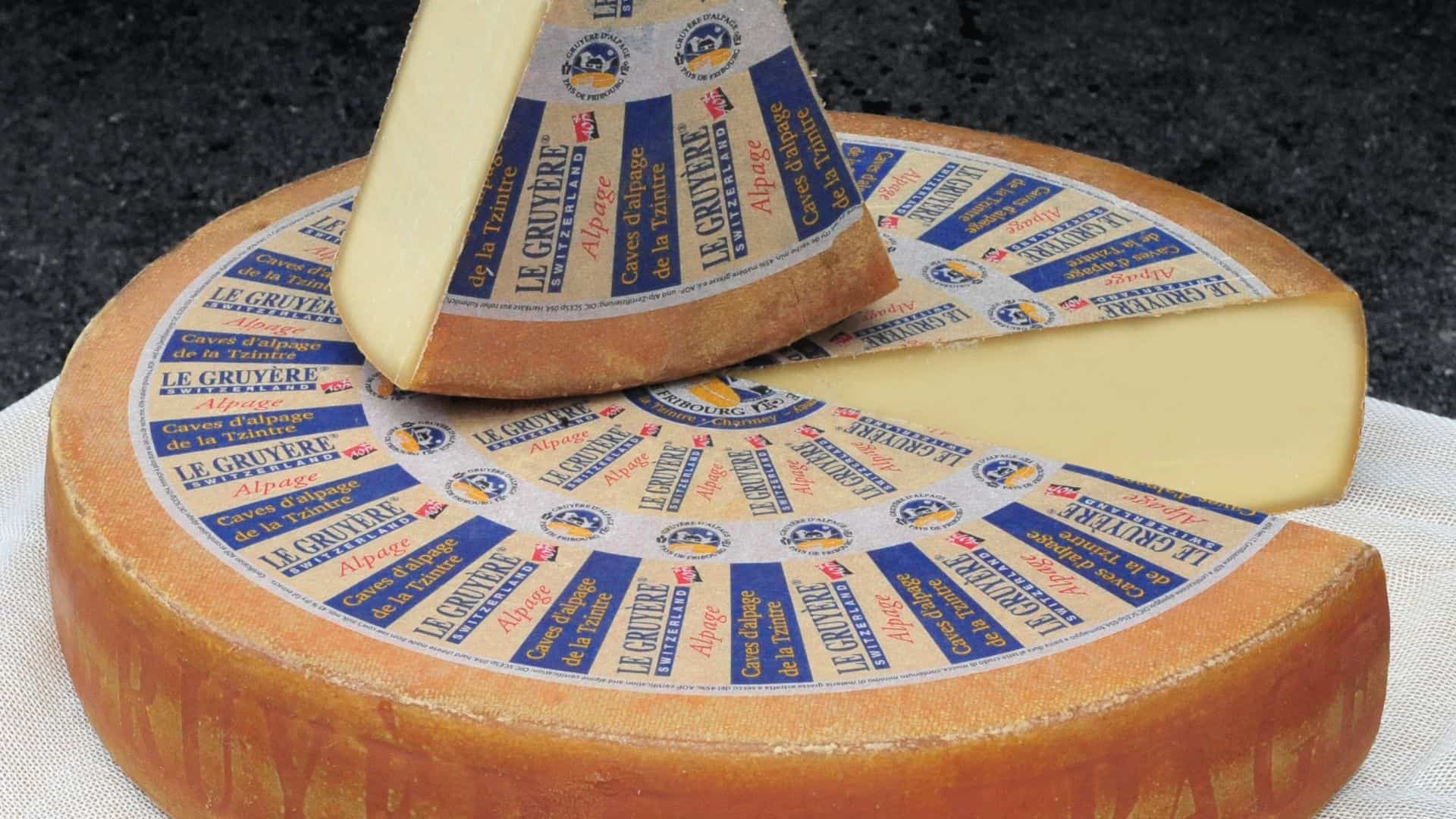
Swiss Gruyere cheese is a hard cheese that’s known for its creamy, nutty flavor. It’s made in the canton of Fribourg in Switzerland and is often used in dishes like fondue and quiches.
The cheese is aged for several months in humid cellars, which contributes to its unique flavor and texture. The time and care put into producing each wheel of Gruyere cheese are reflected in its higher price compared to other cheeses.
9. Spanish Jamón Ibérico
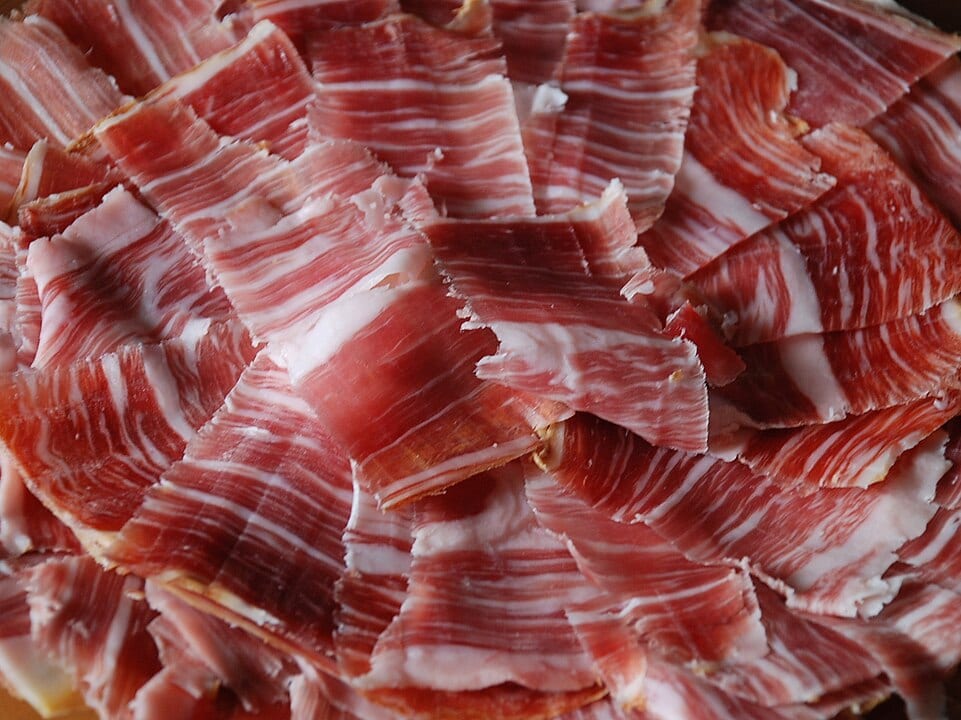
Jamón Ibérico is a type of cured ham produced in Spain. It’s made from the black Iberian pig, which is fed a diet of acorns during the last period of its life.
The curing process for Jamón Ibérico can take up to four years, resulting in a ham with an intense flavor and a tender texture. The time and care put into producing each leg of Jamón Ibérico, as well as the cost of importing it, make it a pricier option compared to other types of ham.
10. Australian Macadamia Nuts
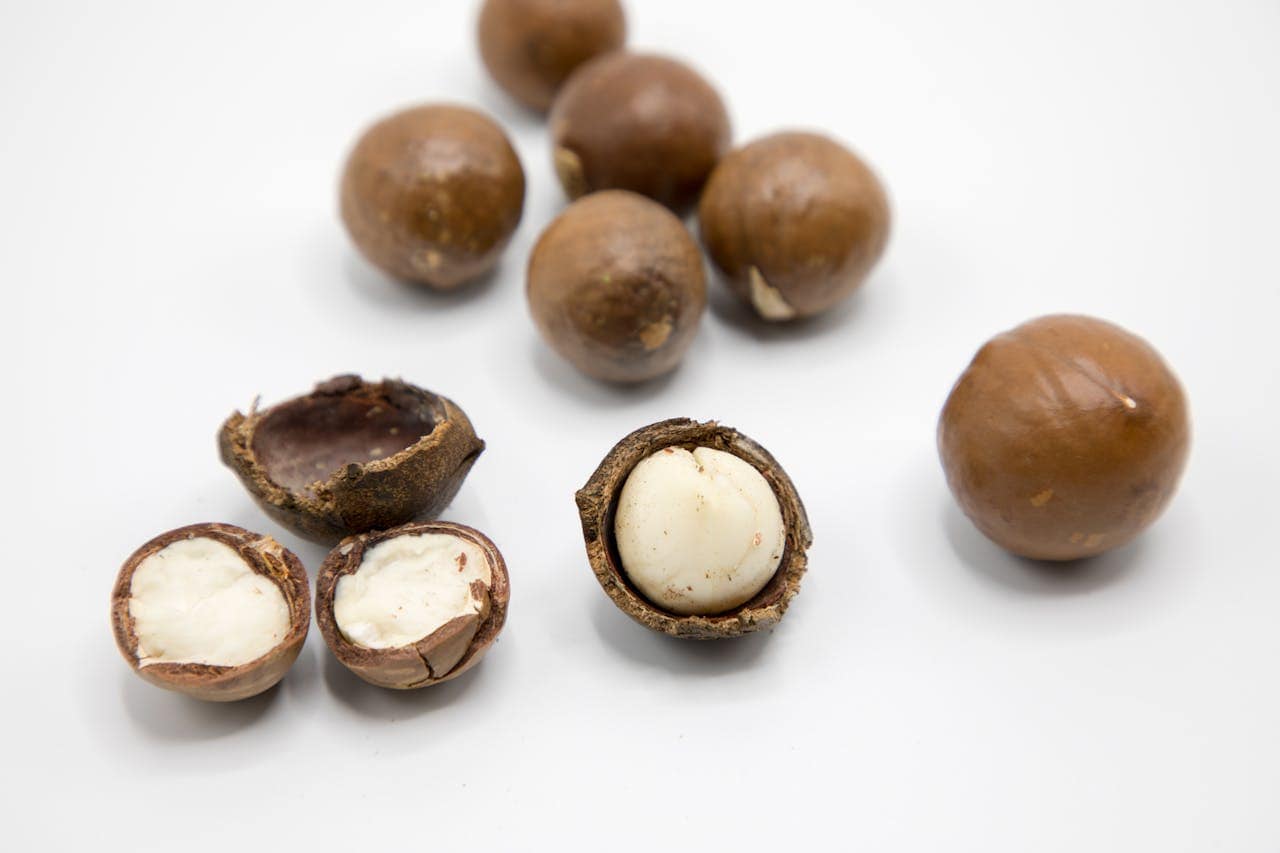
Australian Macadamia nuts are native to Australia and are known for their rich, buttery taste. They’re often used in desserts and baked goods, or simply eaten as a snack.
The trees that produce Macadamia nuts can take up to 10 years to start bearing fruit, which contributes to the nuts’ higher cost. In addition, the nuts are encased in a hard shell that’s difficult to crack, making the harvesting process more labor-intensive.
11. New Zealand Manuka Honey
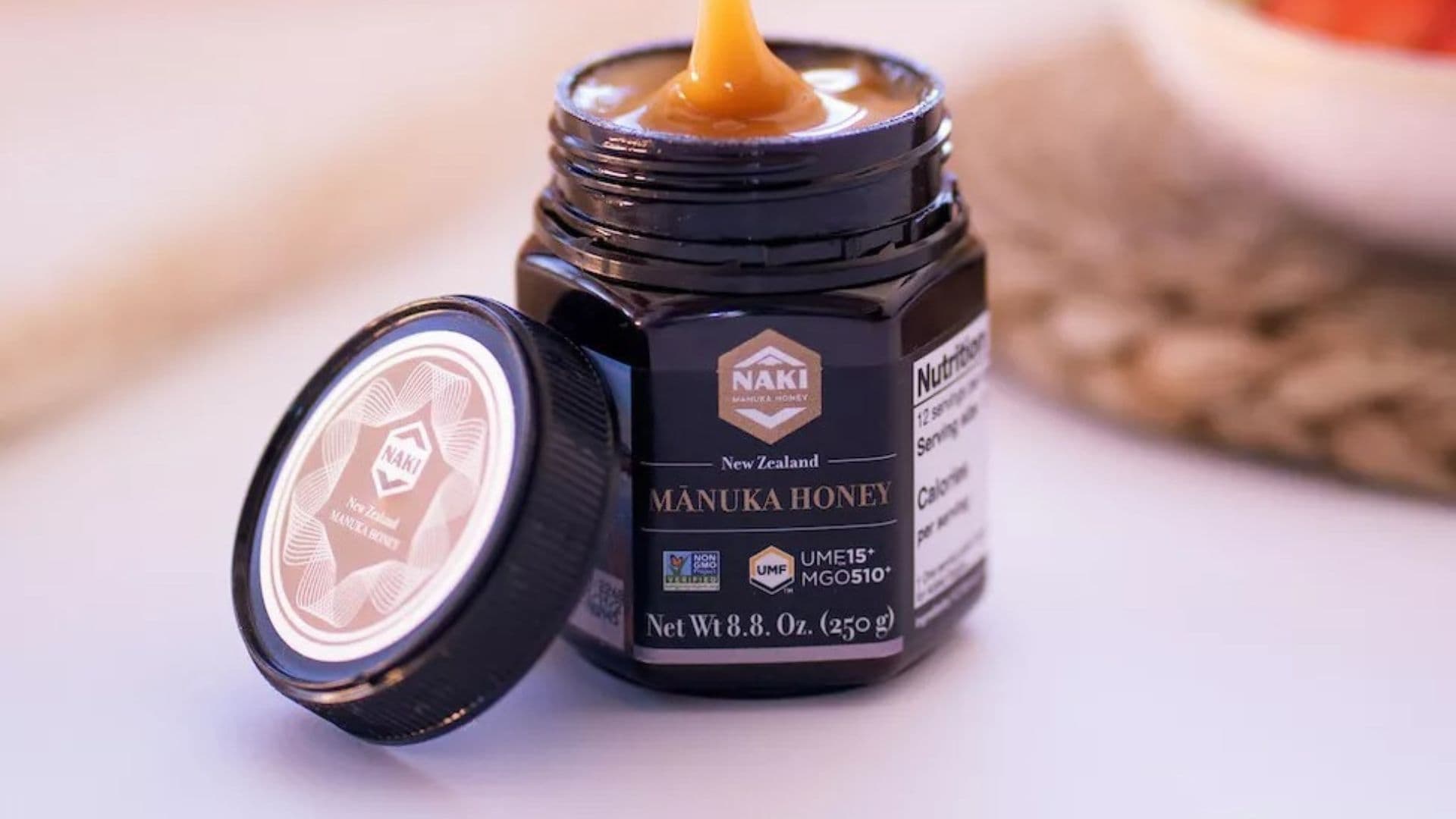
Manuka honey is produced in New Zealand by bees that pollinate the native manuka bush. It’s known for its distinctive flavor and potential health benefits.
Manuka honey is often sold at a premium price due to its perceived health benefits, as well as the cost of importing it from New Zealand. It’s important to look for a UMF (Unique Manuka Factor) rating on the label, which indicates the potency of the honey’s beneficial properties.
12. Canadian Ice Wine
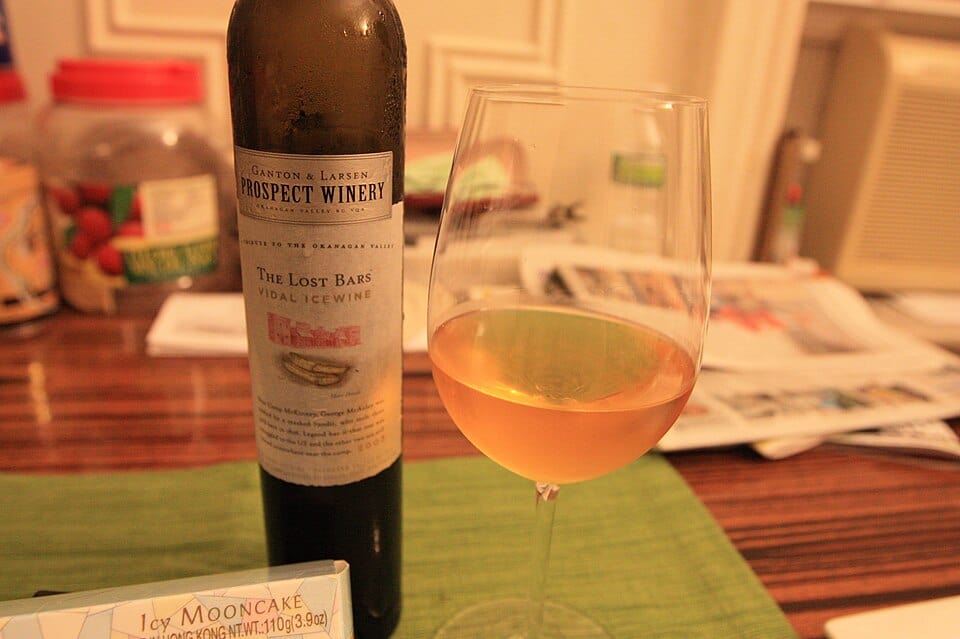
Canadian Ice Wine is a type of dessert wine produced from grapes that have been frozen while still on the vine. This results in a concentrated, sweet wine with a high acidity.
The process of producing Ice Wine is labor-intensive and risky, as it relies on the grapes freezing at the right time. This, coupled with the cost of importing the wine, contributes to its higher price.
13. Norwegian King Crab
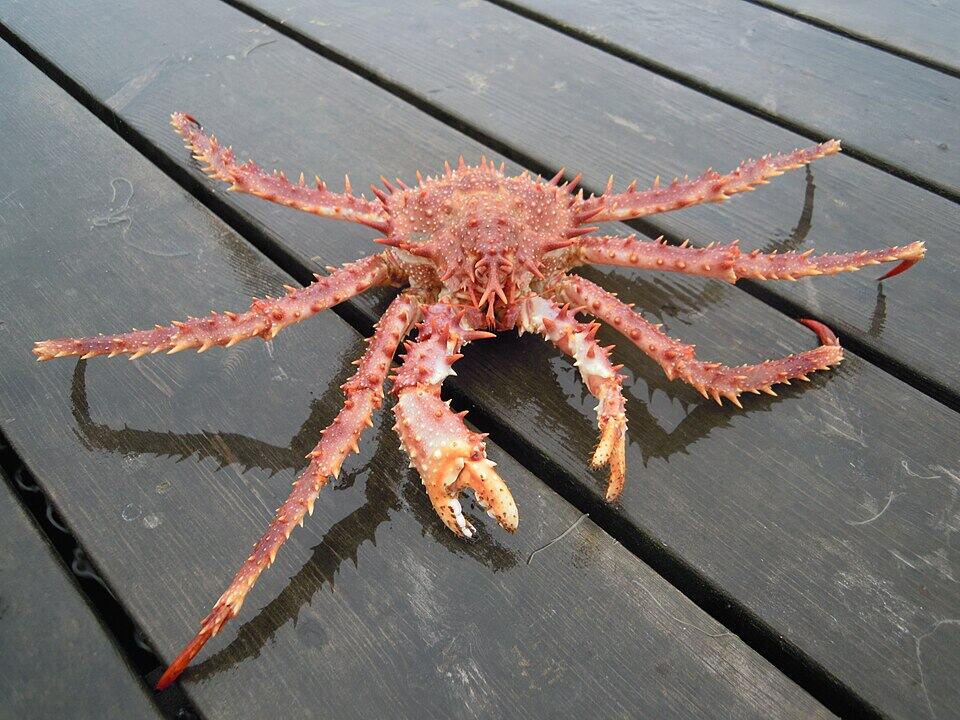
Norwegian King Crab is a large crab species found in the Barents Sea. It’s known for its sweet, juicy meat and is often considered a delicacy.
King crabs are difficult to catch and are often found in hard-to-reach areas, which contributes to their higher cost. In addition, the crab’s size and the effort required to prepare it can add to the cost.
14. Scottish Smoked Salmon
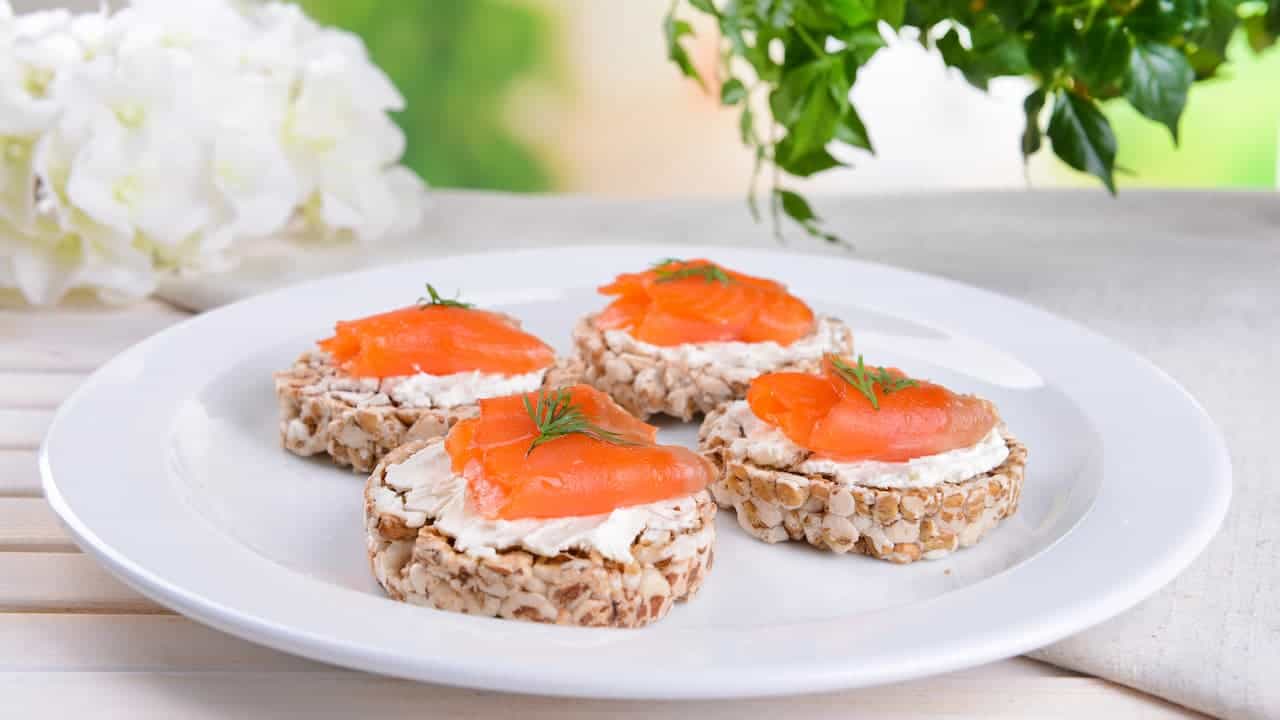
Scottish Smoked Salmon is a type of cured fish known for its rich, smoky flavor. It’s often served as part of a traditional Scottish breakfast or in dishes like smoked salmon and cream cheese bagels.
The salmon is smoked over wood, a process that takes time and skill. This, coupled with the cost of importing the salmon from Scotland, contributes to its higher price.
15. Belgian Chocolate

Belgian chocolate is renowned for its high quality and rich flavor. It’s often used in gourmet desserts and is a popular gift item.
Belgian chocolate is made with a high percentage of cocoa and uses pure cocoa butter, which contributes to its superior flavor. The time and care put into producing each batch of chocolate, as well as the cost of importing it, make Belgian chocolate a pricier option compared to other chocolates.