If you want to attract hummingbirds to your garden, choosing the right flowers is key. These tiny birds are drawn to specific blooms that provide the nectar they need.
Knowing which flowers hummingbirds prefer can help you create a vibrant, inviting space that keeps them coming back season after season. It’s all about picking plants that suit your local environment and give the birds easy access to food.
Advertisement
Bee Balm
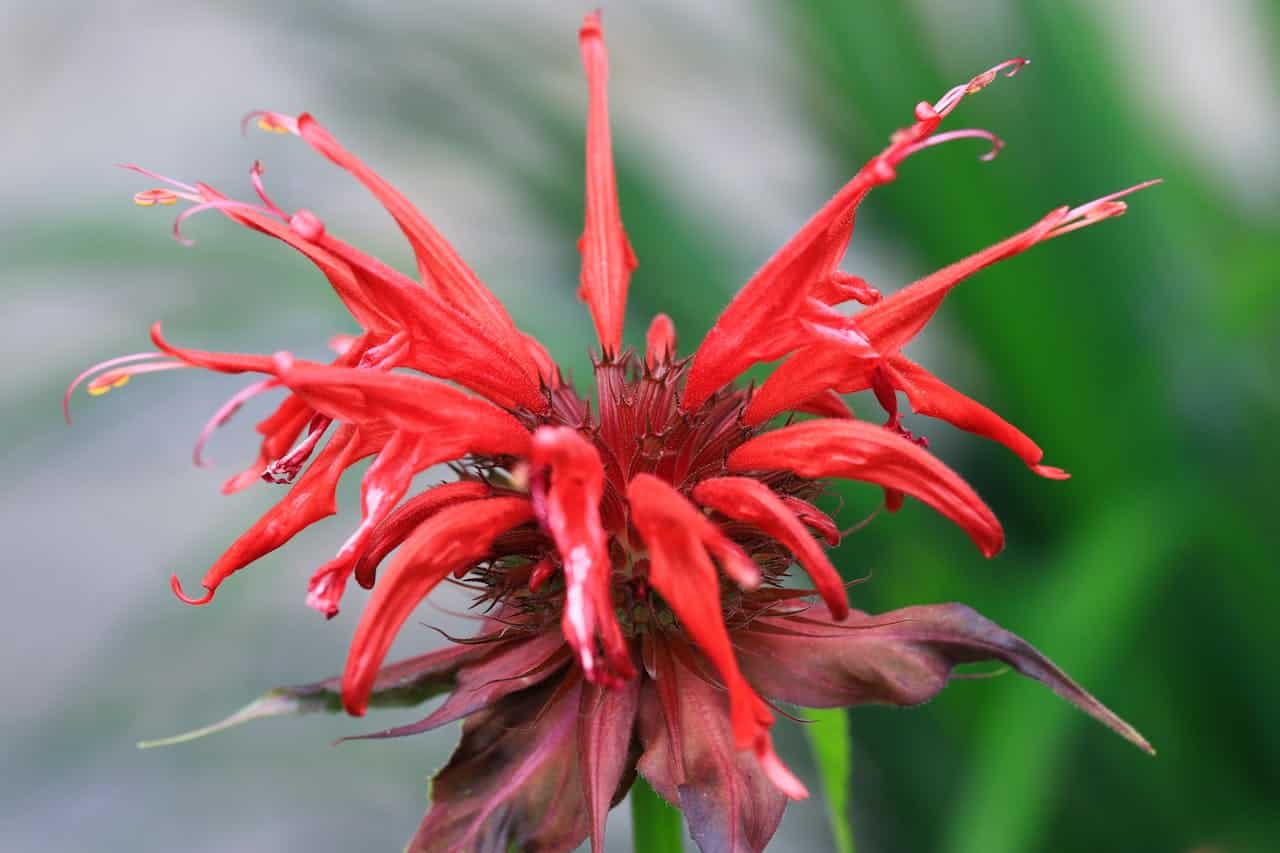
Bee Balm is great if you want to attract hummingbirds to your garden. It grows up to 4 feet tall and blooms around early summer.
You’ll notice its bright, colorful flowers are perfect for hummingbirds to feed on. Just be aware, it spreads quickly since it’s part of the mint family. For more details on growing bee balm, check out this hummingbird-attracting flower guide.
Cardinal Flower
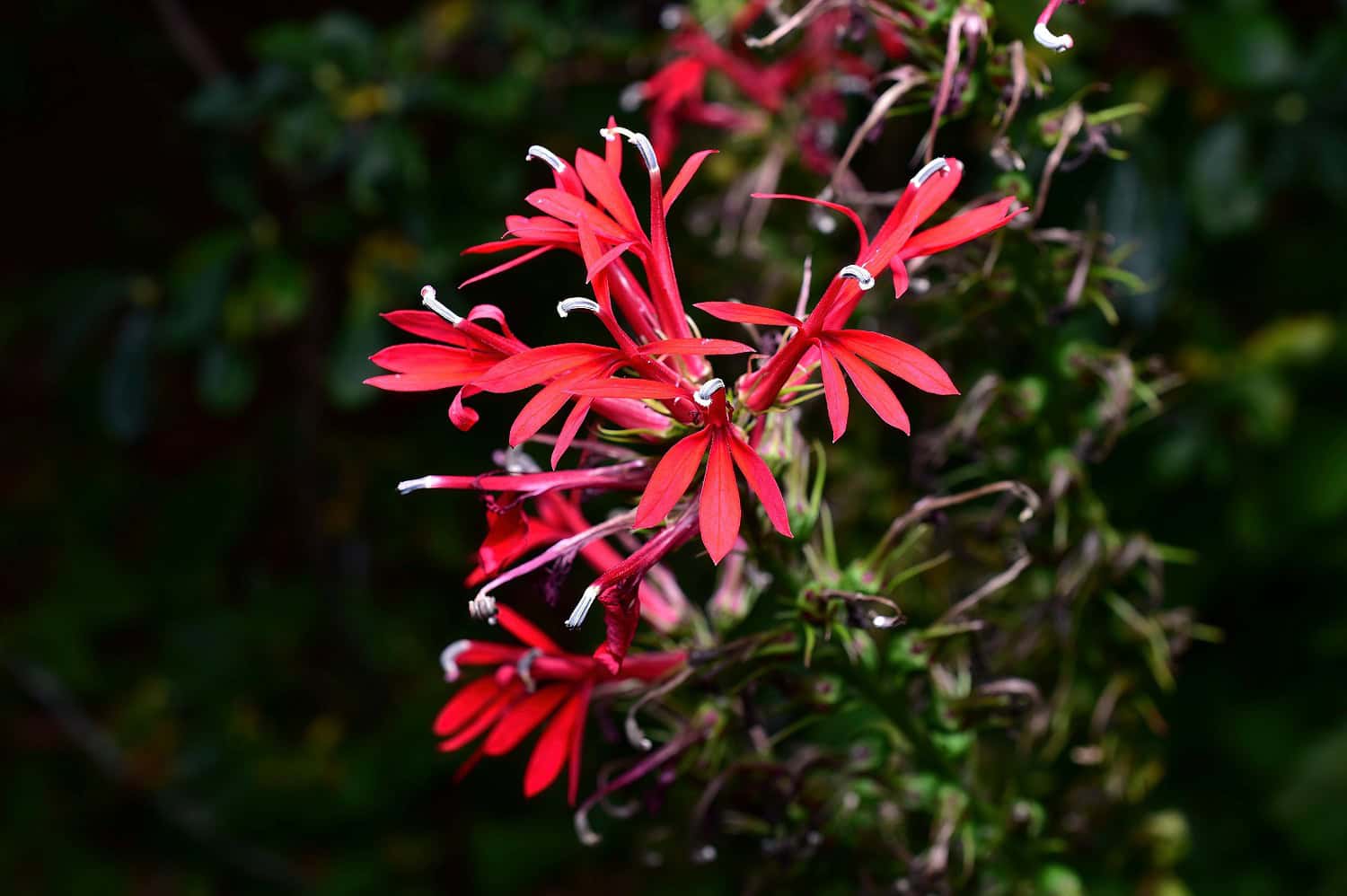
If you want to attract hummingbirds, the Cardinal Flower is a solid choice. It thrives in sun to part sun and needs consistent watering to stay healthy.
Plant them in groups of five or more for the best effect. You’ll often see hummingbirds zooming around these bright red blooms. Learn more about growing these flowers here.
Salvia
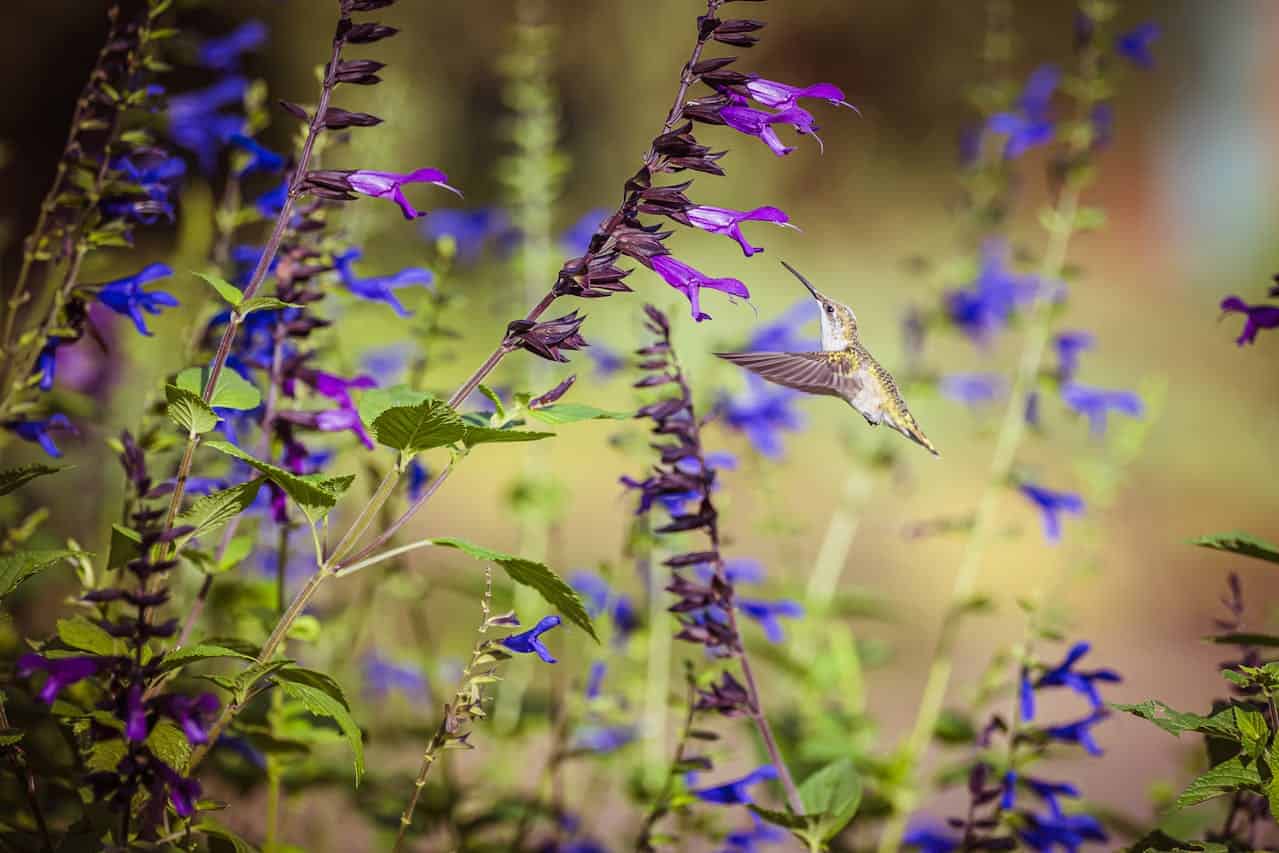
If you want to attract hummingbirds, Salvia is a solid pick. These flowers come in bright reds and purples, which hummingbirds love. Salvia is pretty low-maintenance and blooms for a long time. Some types like full sun, while others do well in the shade, so you can pick what fits your garden.
Check out different Salvia varieties to keep those hummingbirds coming back through the seasons. More on Salvia’s appeal to hummingbirds.
Fuchsia
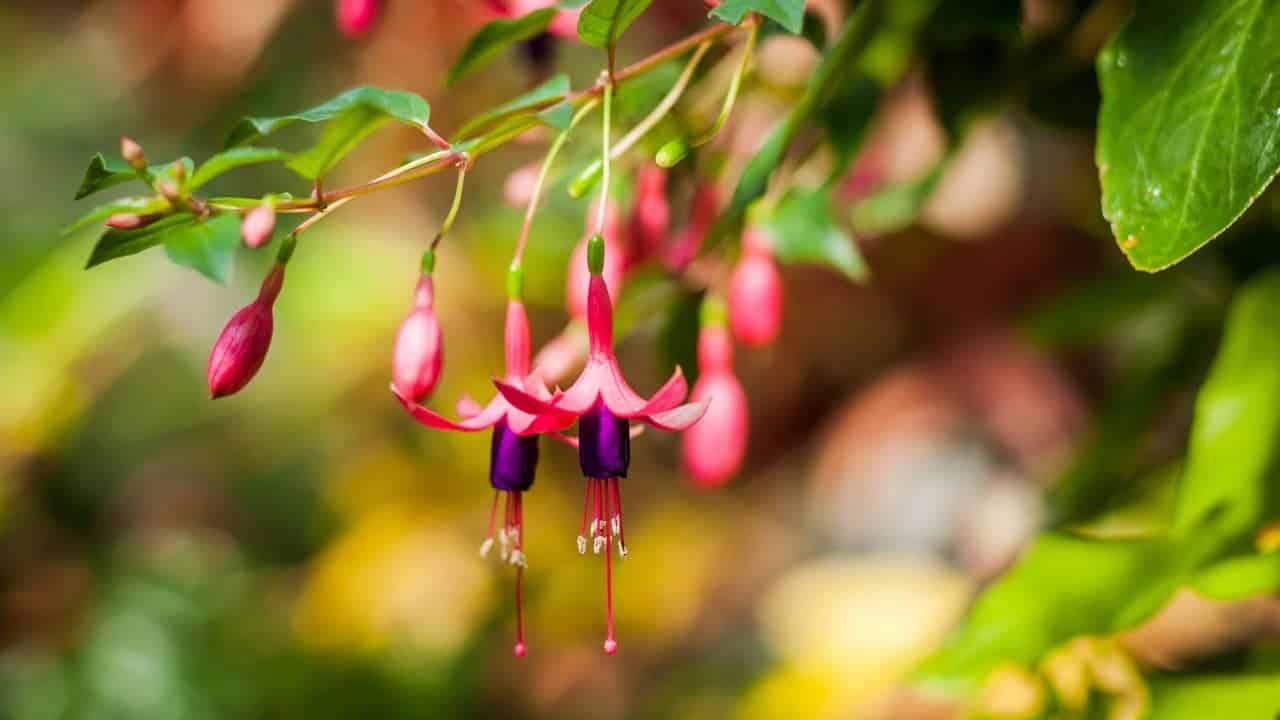
If you want to attract hummingbirds, fuchsia is a great choice. Its dangling, teardrop-shaped flowers come in vibrant pinks, purples, and reds that hummingbirds love.
Fuchsia grows best in partial shade with soil that stays consistently moist. It adds a nice splash of color and keeps the hummingbirds coming back to your garden. For more details on growing fuchsia and why hummingbirds favor it, check out this hummingbird-friendly flower guide.
Agastache (Hummingbird Mint)
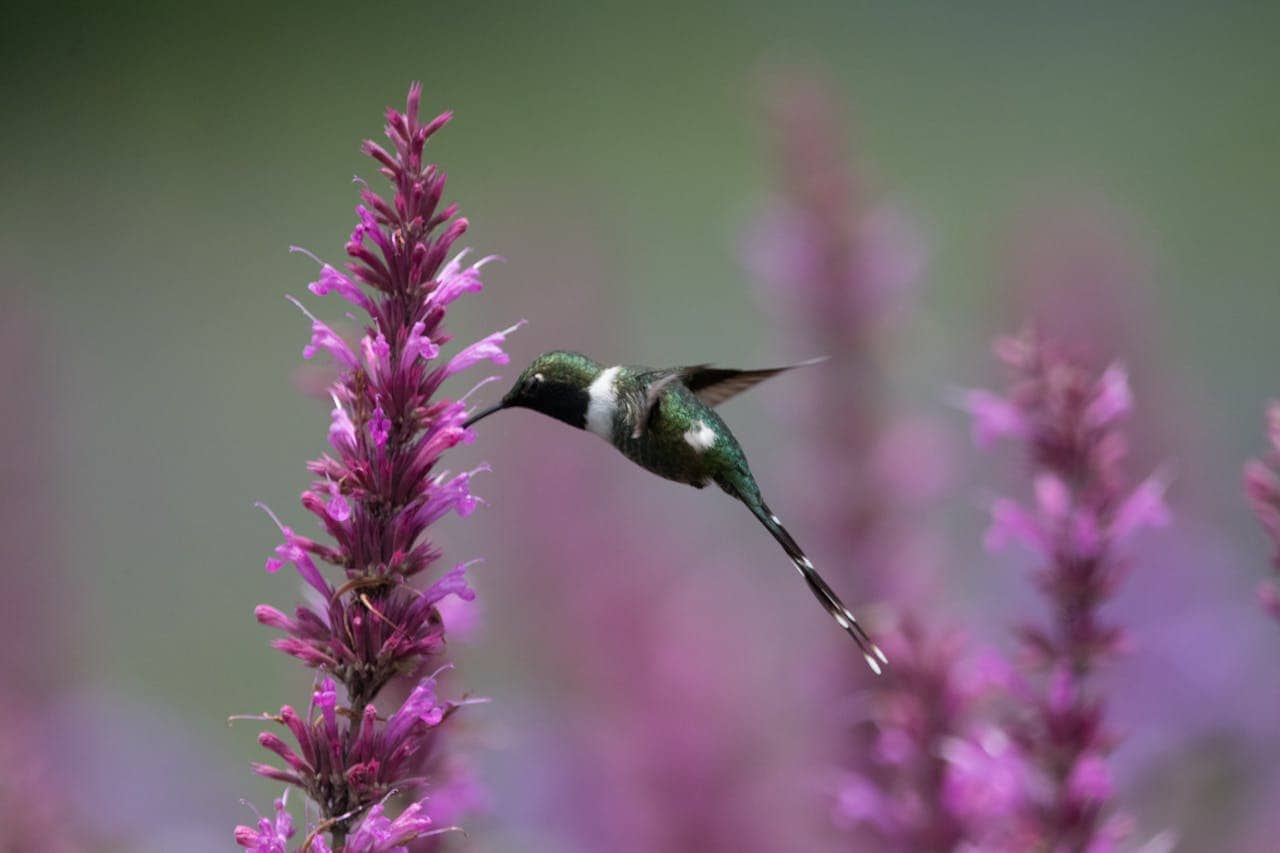
If you want a flower that’s easy to grow and smells great, agastache is a solid pick. It’s called hummingbird mint because those bright, tubular blooms really attract hummingbirds.
You’ll find different varieties with colorful spikes that fit well in sunny spots. Plus, the fragrant leaves add a nice touch to your garden while keeping the hummers coming back. Learn more about hummingbird mint here.
Penstemon
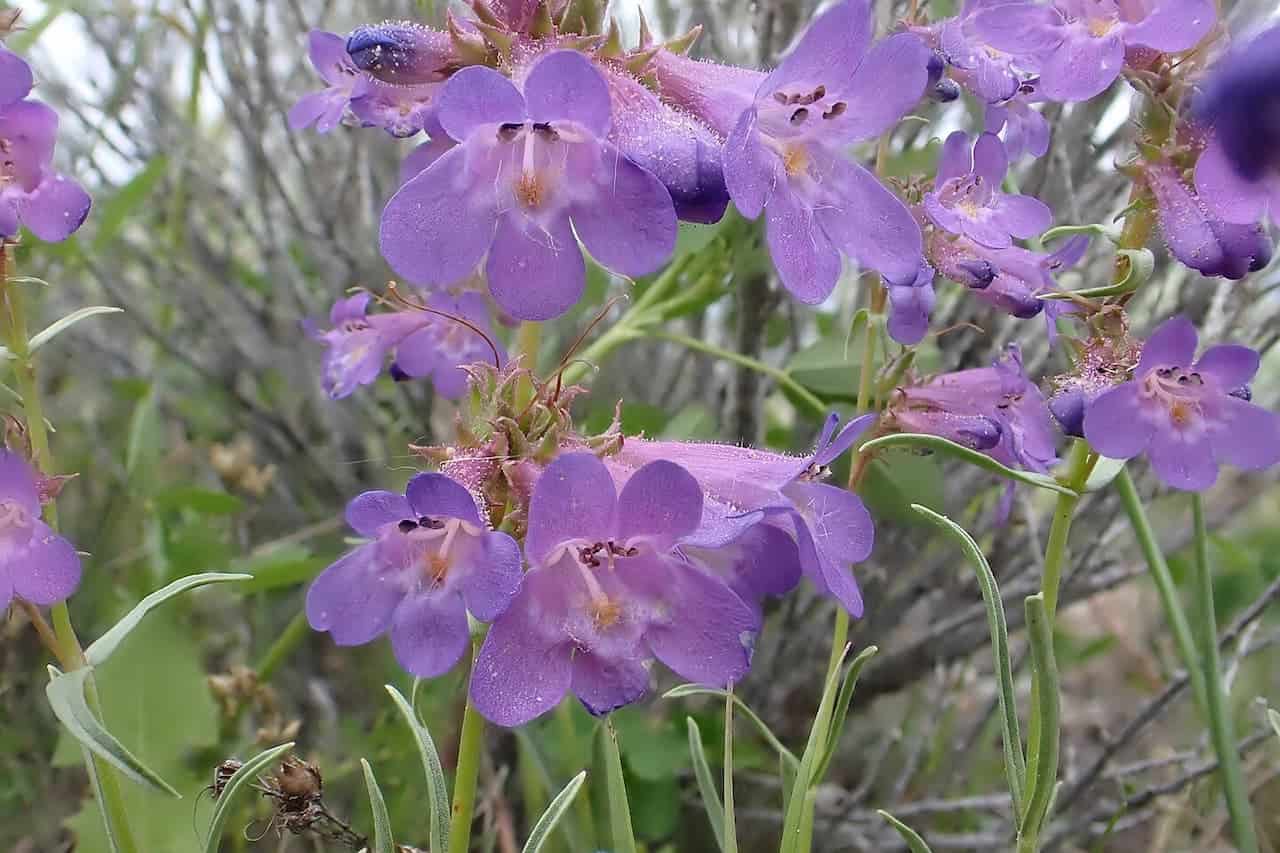
If you want to attract hummingbirds, penstemon is a great choice. Its tubular flowers come in bright reds, pinks, and purples, perfect for sipping nectar.
This hardy perennial likes sunny spots and well-drained soil. Planting penstemon adds color to your garden while giving hummingbirds a reliable food source. You can learn more about penstemon and how it attracts hummingbirds here.
Lobelia
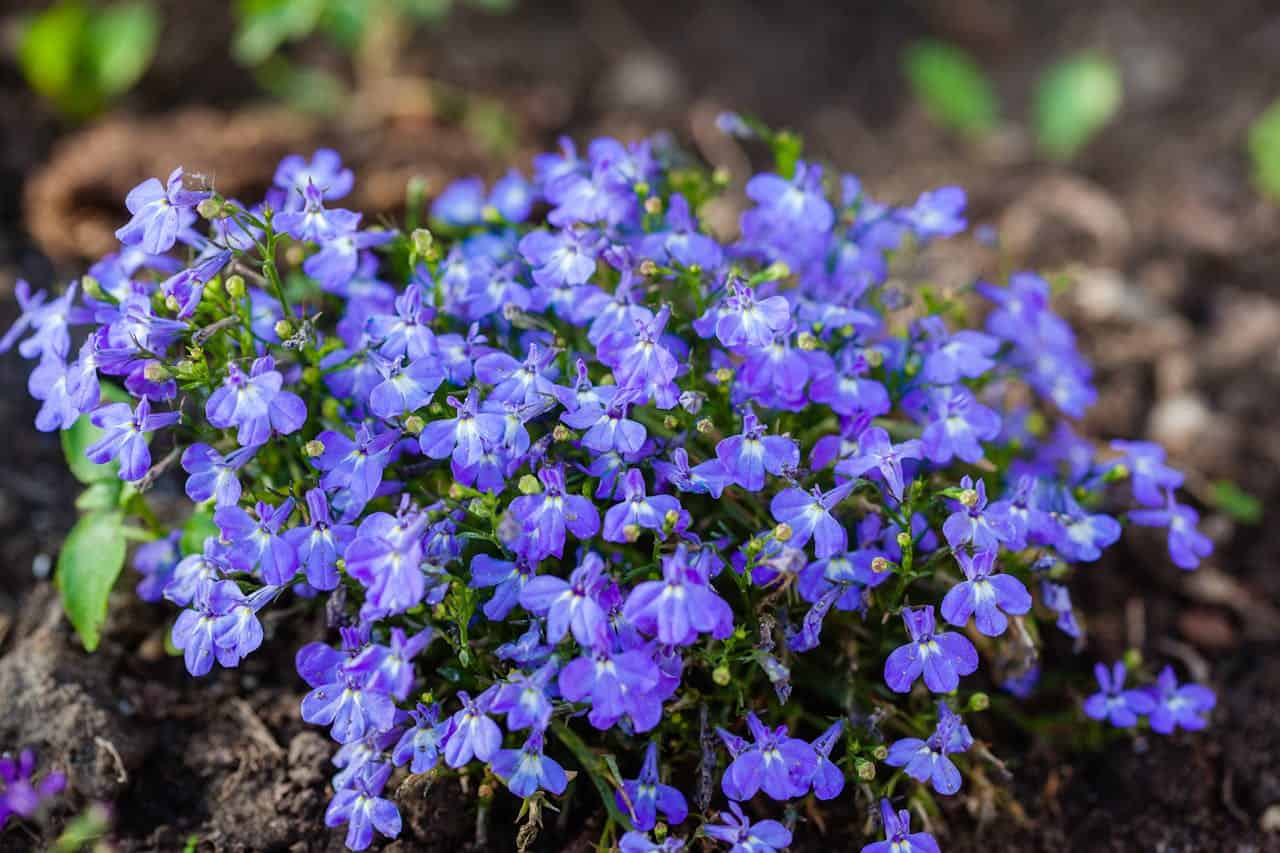
Lobelia is a great choice if you want to attract hummingbirds. Its tubular flowers come in bright blue and purple shades that hummingbirds love. You can plant lobelia in your garden or containers. It’s low-maintenance and flowers all summer long, providing a steady nectar source for your visitors.
Try planting it in clusters to make it easier for hummingbirds to find and enjoy. You can see more about hummingbird favorites like lobelia here.
Monarda
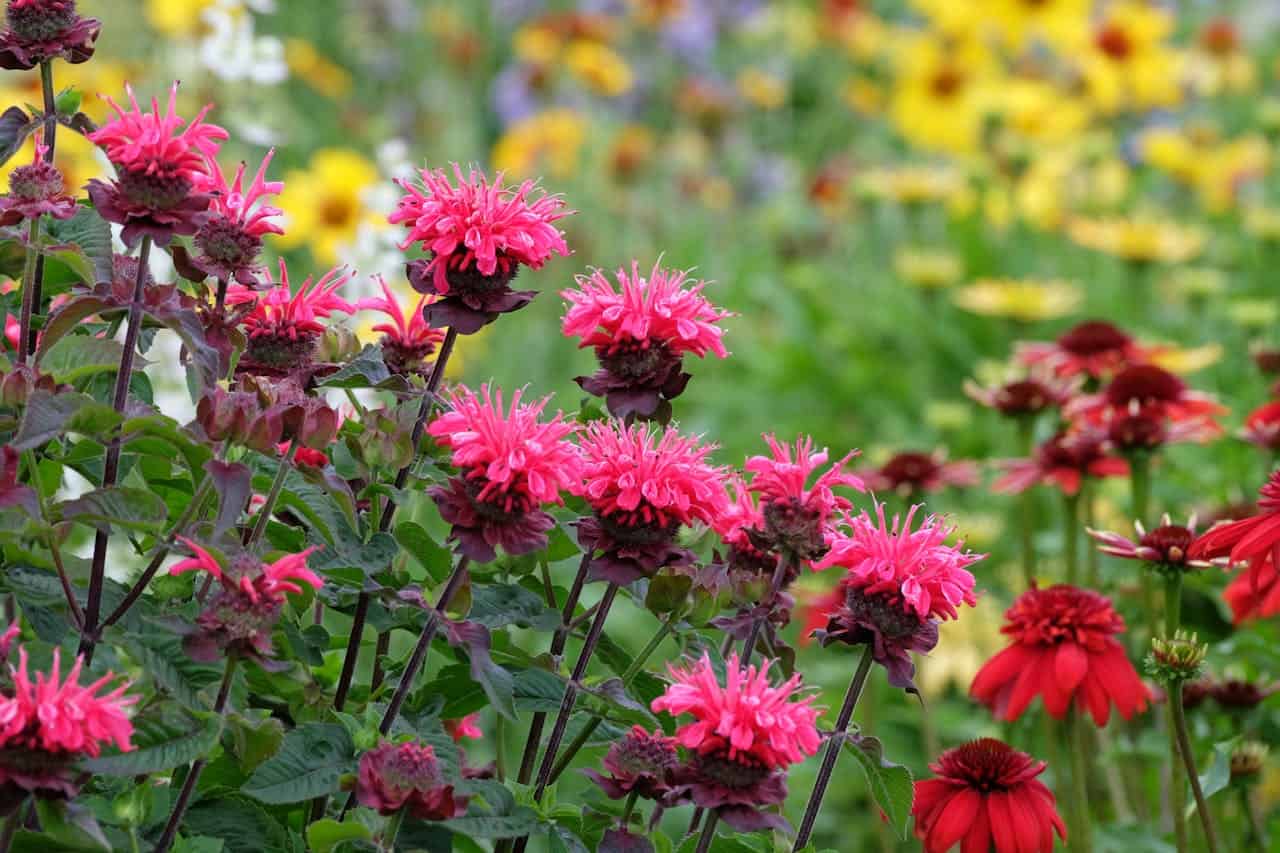
Monarda, also known as bee balm, is a great choice if you want to attract hummingbirds. Its bright, tubular flowers are perfect for their long bills. You’ll find that Monarda blooms in vibrant reds and pinks, which hummingbirds love. Plus, it’s easy to grow in many garden zones.
Plant some Monarda, and you’ll likely see hummingbirds visiting regularly. It’s a simple way to add color and life to your garden.
Butterfly Weed

If you want a low-maintenance flower that hummingbirds love, butterfly weed is a great pick. It thrives in dry, poor soils, so it’s perfect if your garden isn’t super rich.
Its bright orange clusters attract hummingbirds and other pollinators. Plus, it adds a splash of color that’s easy to grow and care for.
Coral Plant
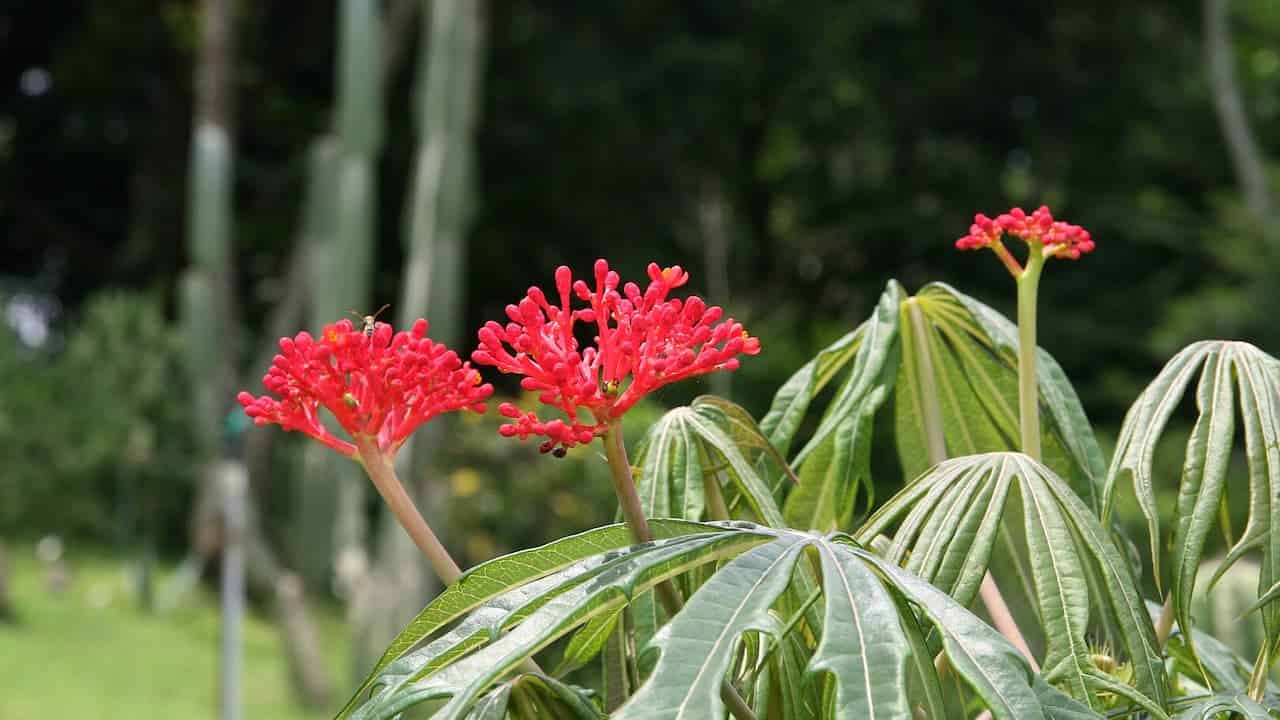
If you want to attract hummingbirds, coral plant is a great choice. Its bright red or orange tubular flowers are easy for hummingbirds to spot and sip nectar from.
This plant is also low-maintenance and blooms for a long time. Adding coral plant to your garden will give your hummers plenty of reason to visit again and again.
Cigar Plant
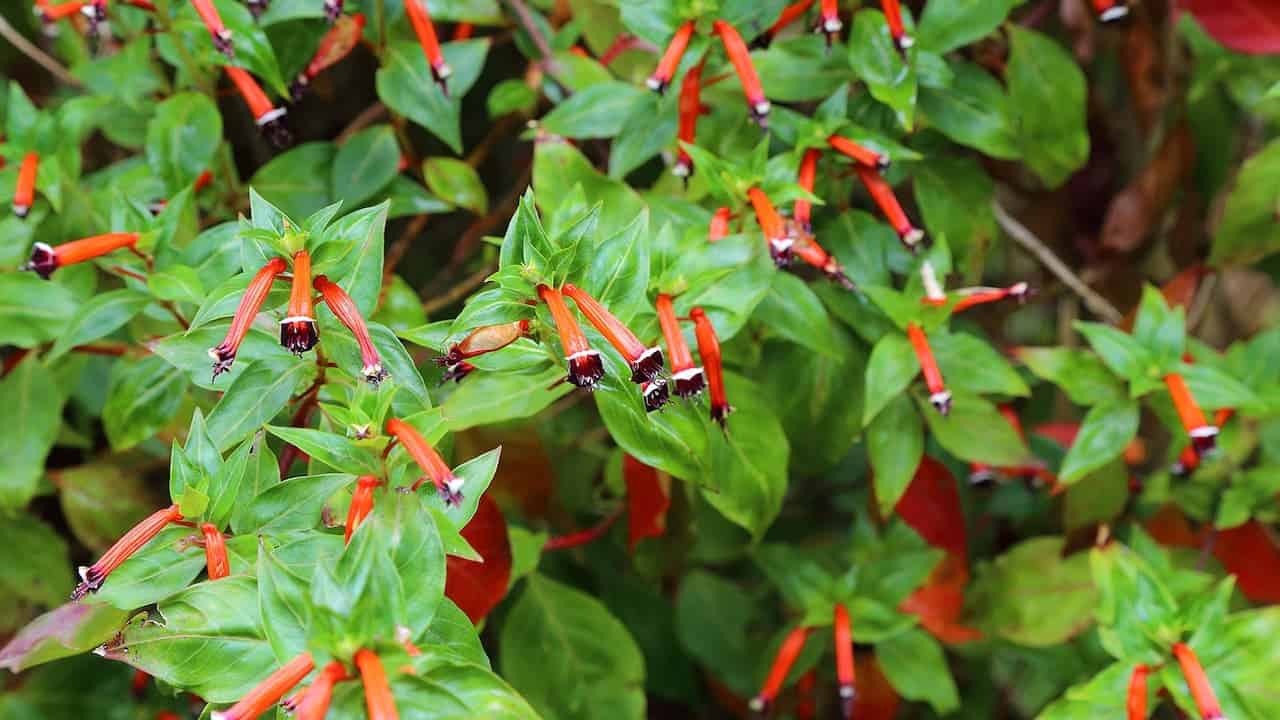
If you want to bring hummingbirds to your garden, the cigar plant is a great choice. Its bright orange tubular flowers are perfect for their long beaks.
You’ll notice hummingbirds can easily sip nectar by sticking their beaks into these flowers. Plus, the unique shape adds a fun pop of color to your space. The cigar plant is also known as the firecracker plant, and it’s a favorite among many hummingbird enthusiasts. You can learn more about it here.
Hibiscus
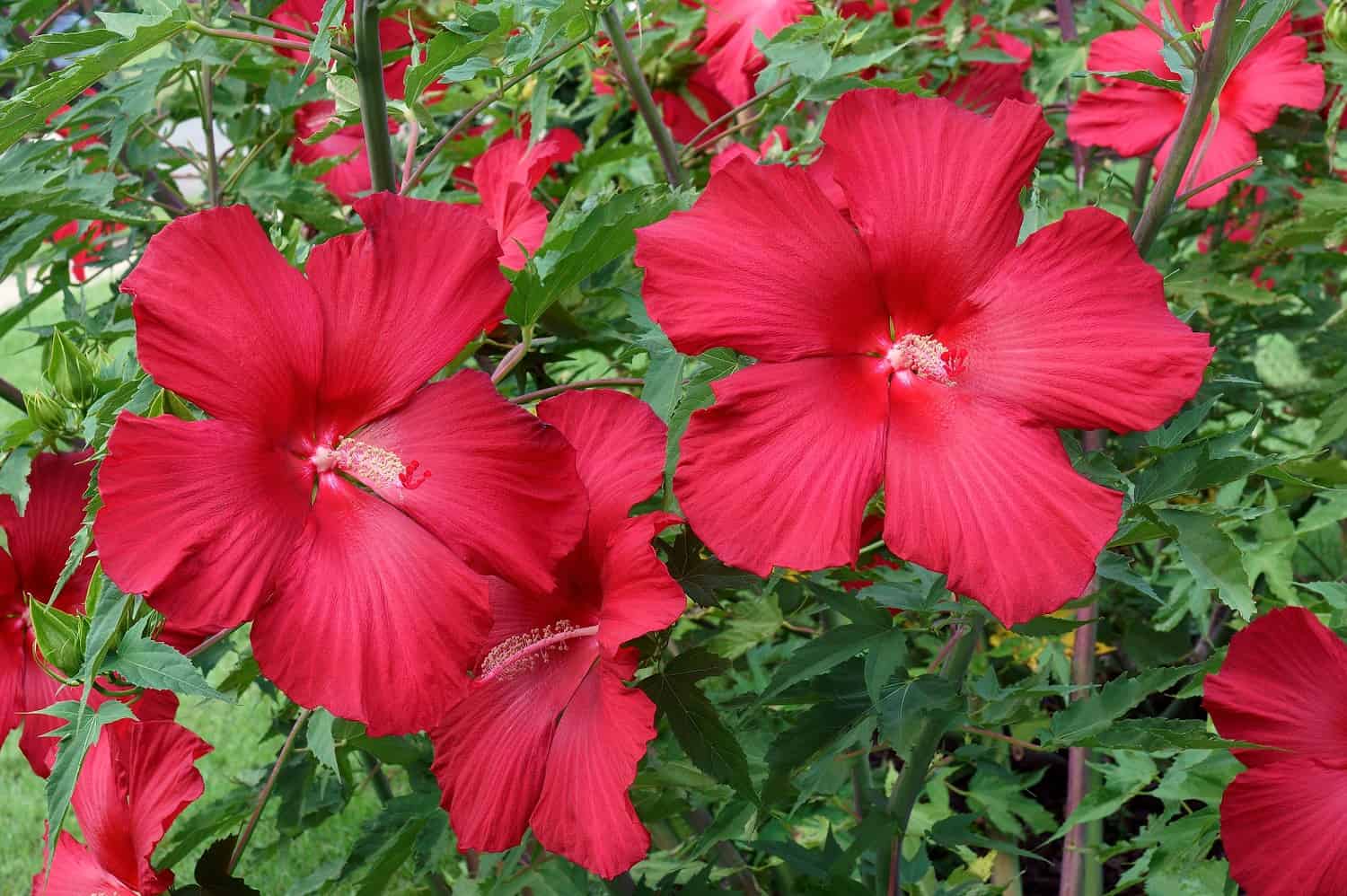
If you want to attract hummingbirds, hibiscus is a great choice. Its large, colorful blooms are easy for hummingbirds to spot.
You’ll notice them hovering around the flowers, sipping the nectar. Plus, hibiscus plants add a tropical vibe to your garden. They work well in warm climates but can thrive in containers if you care for them right.
Pink Dawn Viburnum
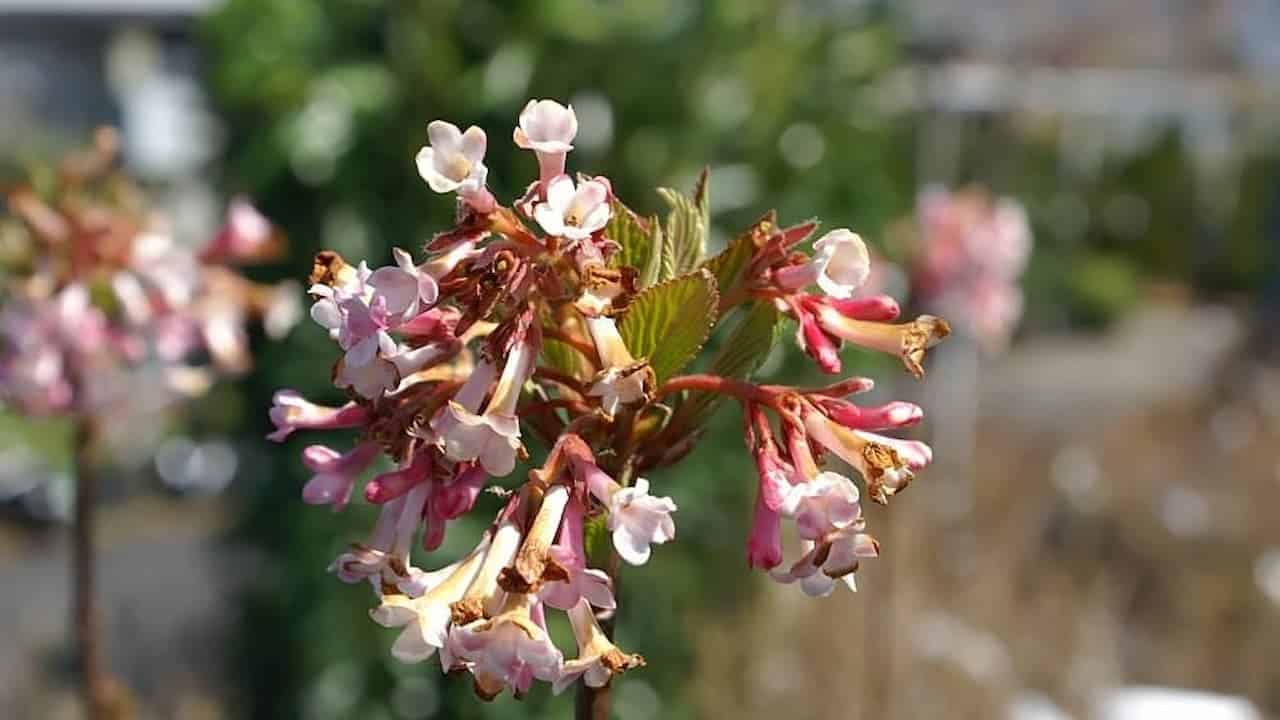
If you want a tall, narrow shrub that fits well even in smaller yards, Pink Dawn Viburnum is a great pick. It grows up to 10 feet tall but stays fairly narrow.
You’ll love it for its winter blooms that attract hummingbirds, bees, and butterflies. It’s one of those plants that keeps your garden lively even in colder months. You can learn more about Pink Dawn Viburnum here.
Red Flowering Currant
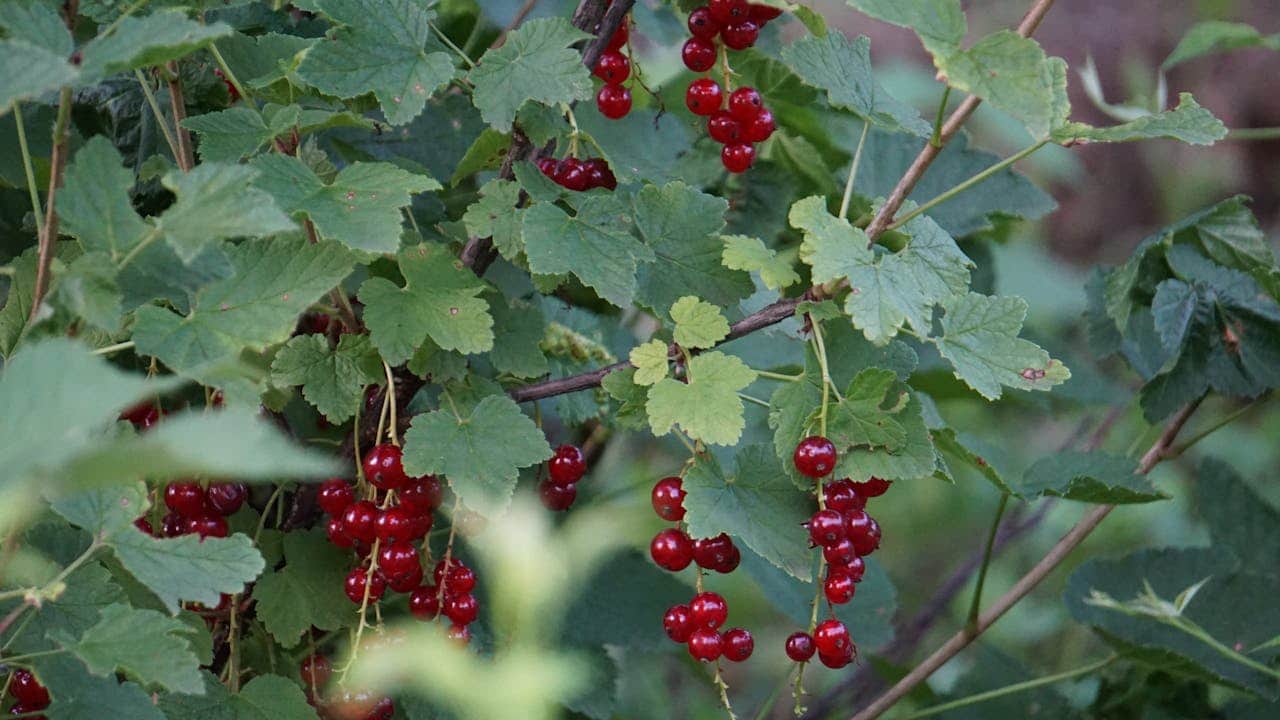
If you want to bring hummingbirds to your garden, red flowering currant is a great choice. Its bright red blooms produce nectar that hummingbirds love. You’ll notice these flowers attract them especially in early spring when food can be scarce. Adding red flowering currant adds color and supports your local pollinators.
Columbine
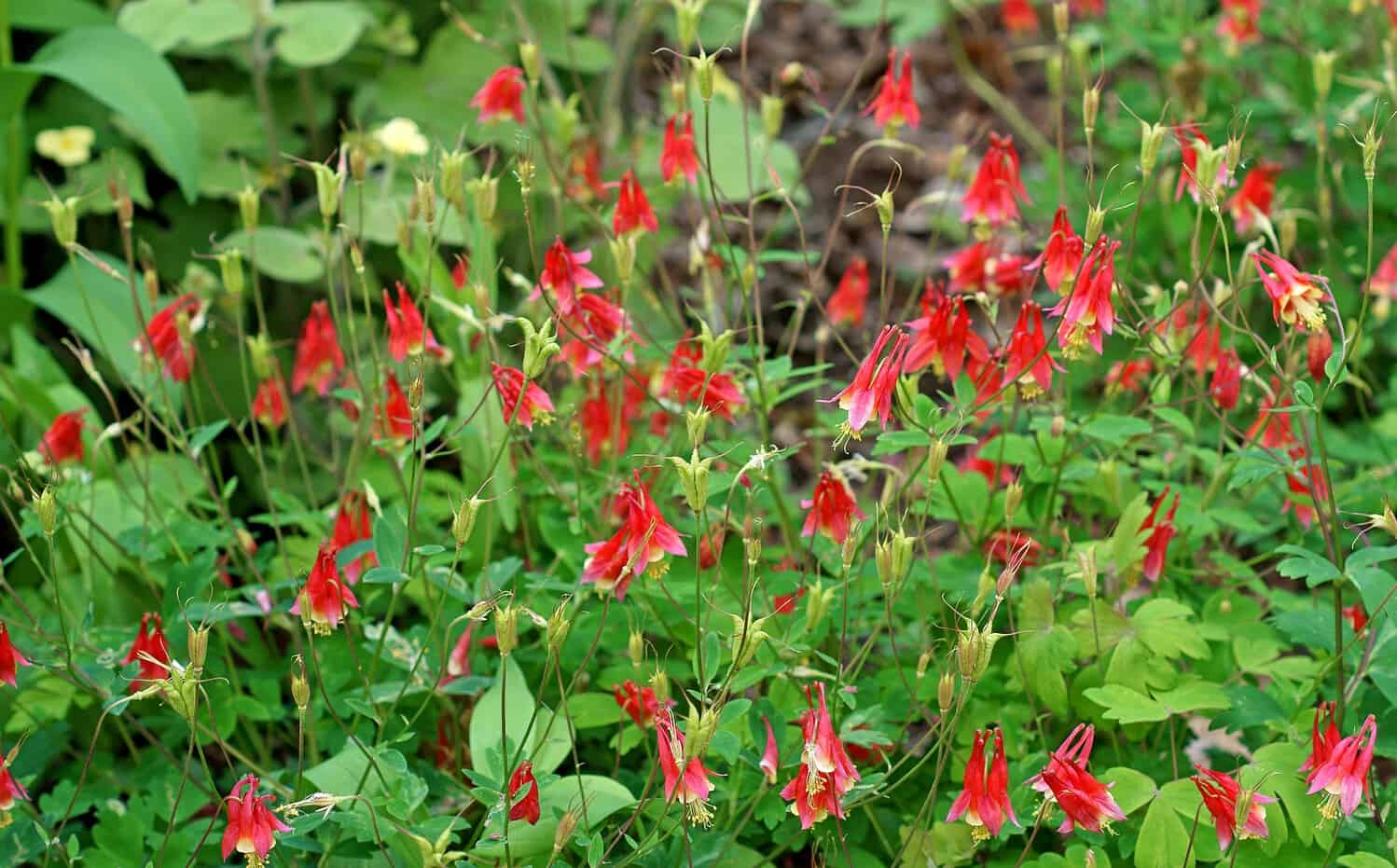
If you want a flower that blooms early and attracts hummingbirds, columbine is a great choice. Its delicate, bell-shaped flowers hold plenty of nectar that hummingbirds love.
Columbines come in a variety of colors, so you can pick one that suits your garden style. They do well in partial shade, making them perfect for spots that don’t get full sun all day.