As we all know, every penny counts. But have you ever stopped to consider how much money you could be wasting on items that aren’t exactly necessary? Or perhaps there are smarter, more sustainable alternatives that could be saving you a whole lot more than just money in the long run. This blog post is dedicated to highlighting 15 household items that I personally have stopped wasting money on, and I invite you to consider doing the same. Let’s explore how we can make our homes more sustainable and our bank accounts healthier.
1. Plastic Water Bottles

I used to spend a lot on bottled water. Not only was it expensive, but it also contributed to plastic pollution. Now, I use a refillable water bottle and a water filter at home. It’s a one-time investment that saves money and the environment. In America, a single person could save around $200 per year by switching from bottled water to tap water. Plus, it takes up to 1,000 years for plastic bottles to biodegrade. So, by using a refillable water bottle, you’re also helping to reduce plastic waste.
Advertisement
2. Disposable Cleaning Products

From disposable dusters to wipes, cleaning supplies can add up. I’ve saved a good amount of money by switching to reusable cleaning products. Microfiber cloths, for example, can be washed and reused hundreds of times. Additionally, making your own cleaning solutions with vinegar, baking soda, or lemon can save you even more. These natural ingredients are cheaper, safer, and just as effective as many store-bought cleaners.
3. Paper Towels

I used to go through a lot of paper towels. But once I realized how much they cost and how bad they were for the environment, I stopped buying them. Now, I use cloth napkins and towels that can be washed and reused. Switching to cloth napkins can save you about $200 per year. Plus, it’s estimated that if every household in the U.S. used just one less roll of paper towels, we could save 544,000 trees.
4. Cable TV

With so many streaming services available now, I found that I was hardly ever watching cable TV. So, I decided to cut the cord and save myself a significant amount of money each month. The average cable bill in the U.S. is about $107 per month. By switching to a streaming service, you could save over $1,000 per year. Plus, you can watch your favorite shows on your own schedule.
5. Pre-cut Fruits and Vegetables

While pre-cut fruits and vegetables can be convenient, they are also more expensive. I’ve found that buying whole fruits and vegetables and cutting them myself saves me quite a bit of money. Not only are whole fruits and vegetables cheaper, but they also tend to be fresher and have less packaging. So, you’re saving money, reducing waste, and potentially getting a better-tasting product.
6. Brand Name Products

I used to be loyal to certain brands, but then I realized that store brands were just as good and much cheaper. Now, I save quite a bit of money by buying store brand products whenever possible. On average, store brand products are about 25% cheaper than brand name products. Plus, many stores offer a money-back guarantee if you’re not satisfied with their brand name product. So, there’s no risk in trying them.
7. Bottled Salad Dressings

Making my own salad dressings at home has not only saved me money but also allowed me to control the ingredients. Store-bought dressings can be expensive and often contain added sugars and preservatives. You can easily make your own dressings with olive oil, vinegar, and your choice of herbs and spices. Plus, homemade dressings can be stored in the fridge for up to a week.
8. Single-Use Kitchenware
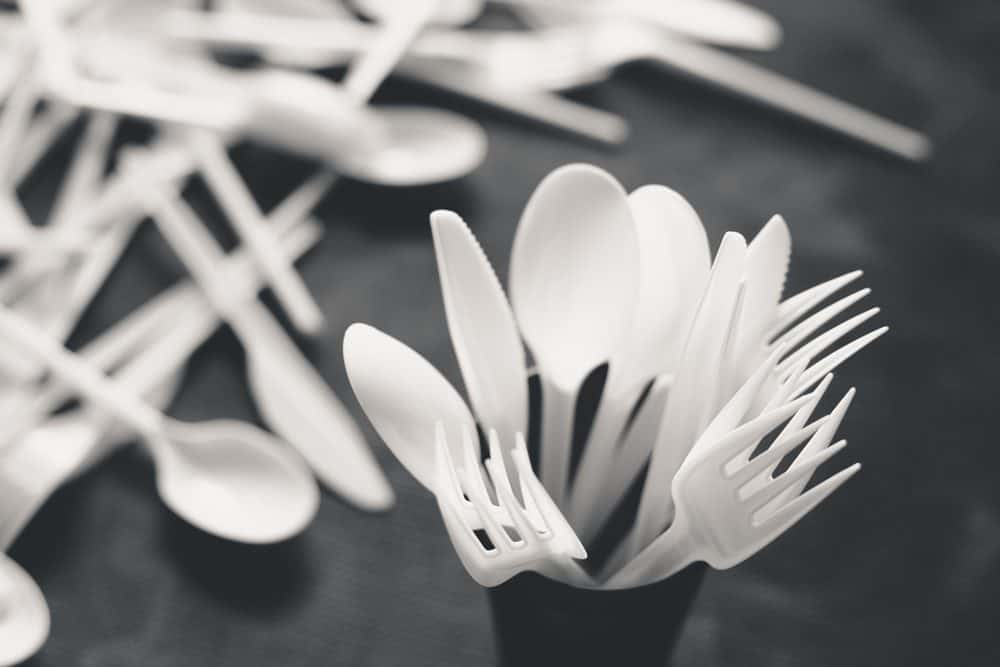
From plastic cutlery to paper plates, single-use kitchenware can quickly add up. I’ve saved money by investing in durable, reusable kitchenware. Not only does reusable kitchenware save you money in the long run, but it also reduces waste. Plus, it often looks and feels nicer to use.
9. Dryer Sheets
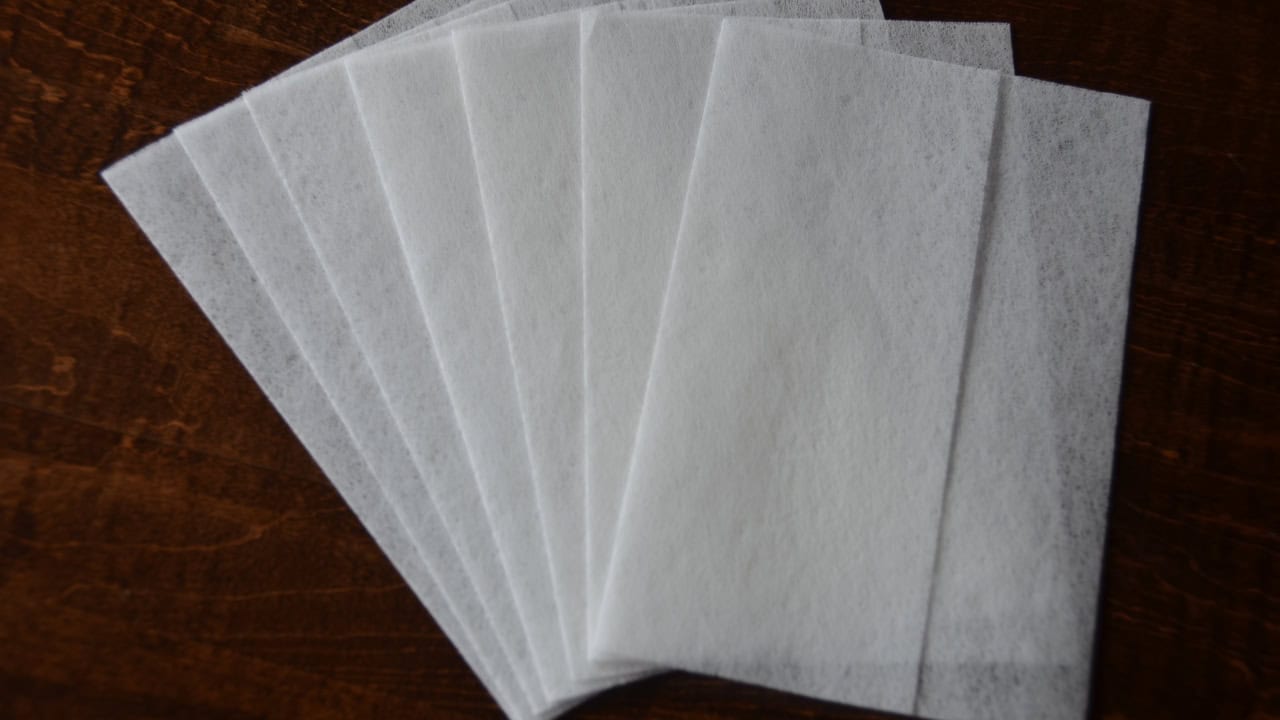
Dryer sheets are another item I’ve stopped buying. Instead, I use wool dryer balls, which can be reused for years. They reduce drying time, save energy, and naturally soften clothes. Plus, if you miss the scent of dryer sheets, you can simply add a few drops of your favorite essential oil to the dryer balls.
10. Disposable Razors
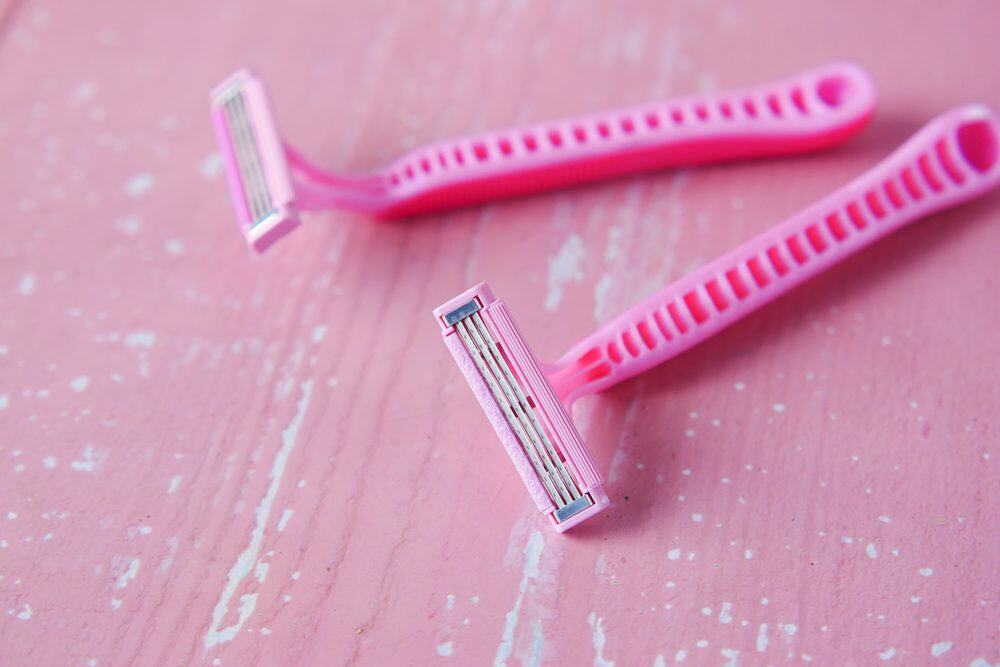
Disposable razors can be expensive and create unnecessary waste. I’ve switched to using a safety razor, which has a higher upfront cost but saves money over time because the blades are much cheaper. Plus, many people find that safety razors give a closer shave and cause less irritation than disposable razors.
11. Coffee Pods
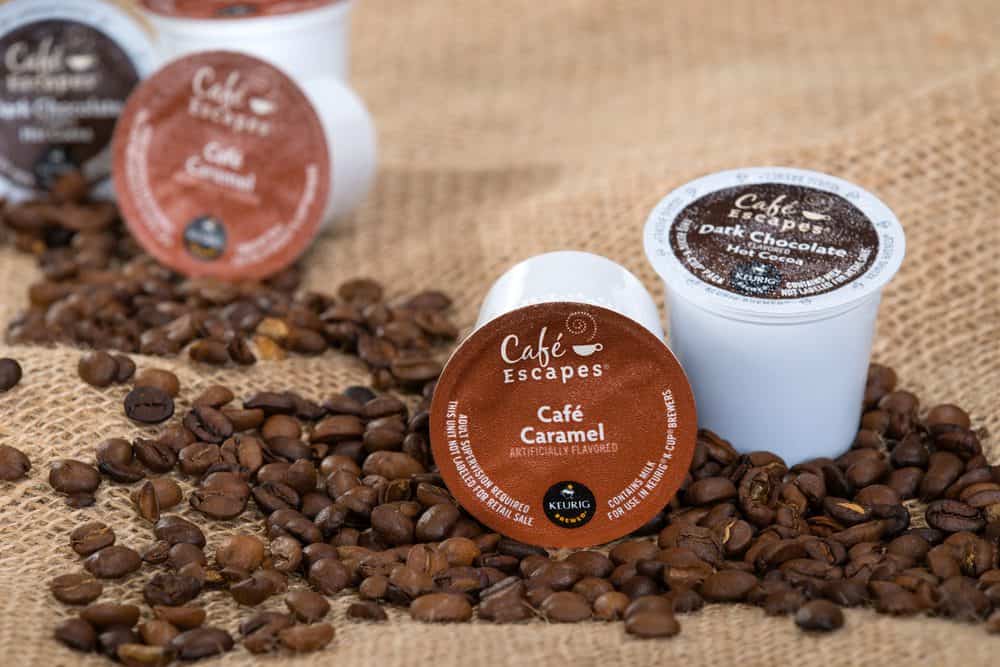
While coffee pods are convenient, they can be expensive and generate a lot of waste. I’ve switched to using a French press. Not only does it make great coffee, but it’s also cheaper and more environmentally friendly. If you do prefer the convenience of pods, consider getting a reusable pod that you can fill with your own coffee.
12. Bottled Spices

Buying whole spices in bulk and grinding them at home can save you a lot of money. Plus, freshly ground spices tend to have more flavor than pre-ground, bottled spices. If you don’t have a spice grinder, you can use a coffee grinder. Just be sure to clean it thoroughly between uses to avoid flavor crossover.
13. Pre-made Meals

Pre-made meals can be convenient, but they’re often more expensive than cooking from scratch. Plus, when you cook your own meals, you have control over the ingredients. If time is an issue, consider meal planning and prepping in advance. You can also make large batches of meals and freeze them for later.
14. Plastic Storage Bags
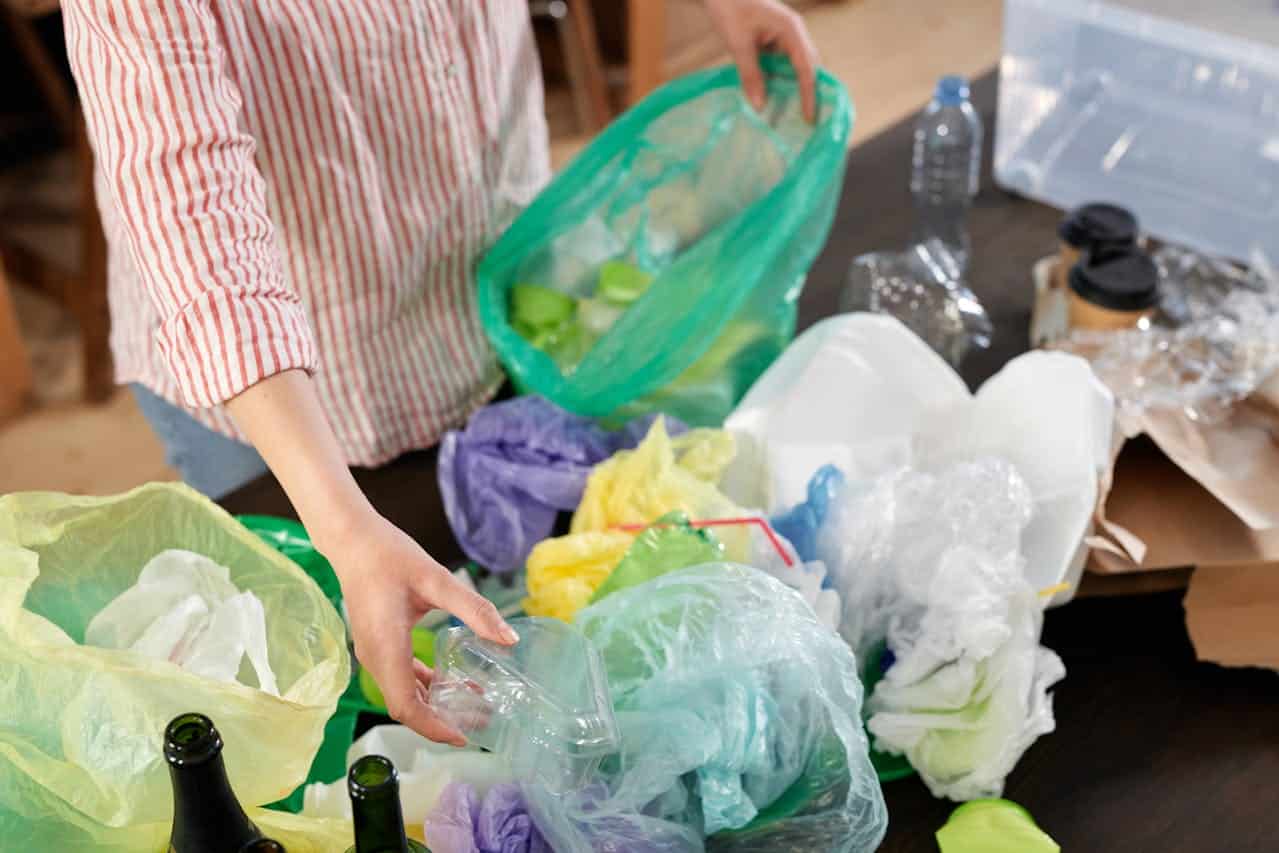
Instead of buying plastic storage bags, I use reusable silicone bags. They’re more durable and can be used for a variety of things, from storing leftovers to packing snacks. Silicone bags can be washed and reused, unlike plastic bags which often end up in the trash after one use. Plus, they’re safer for the environment.
15. Single-Use Batteries
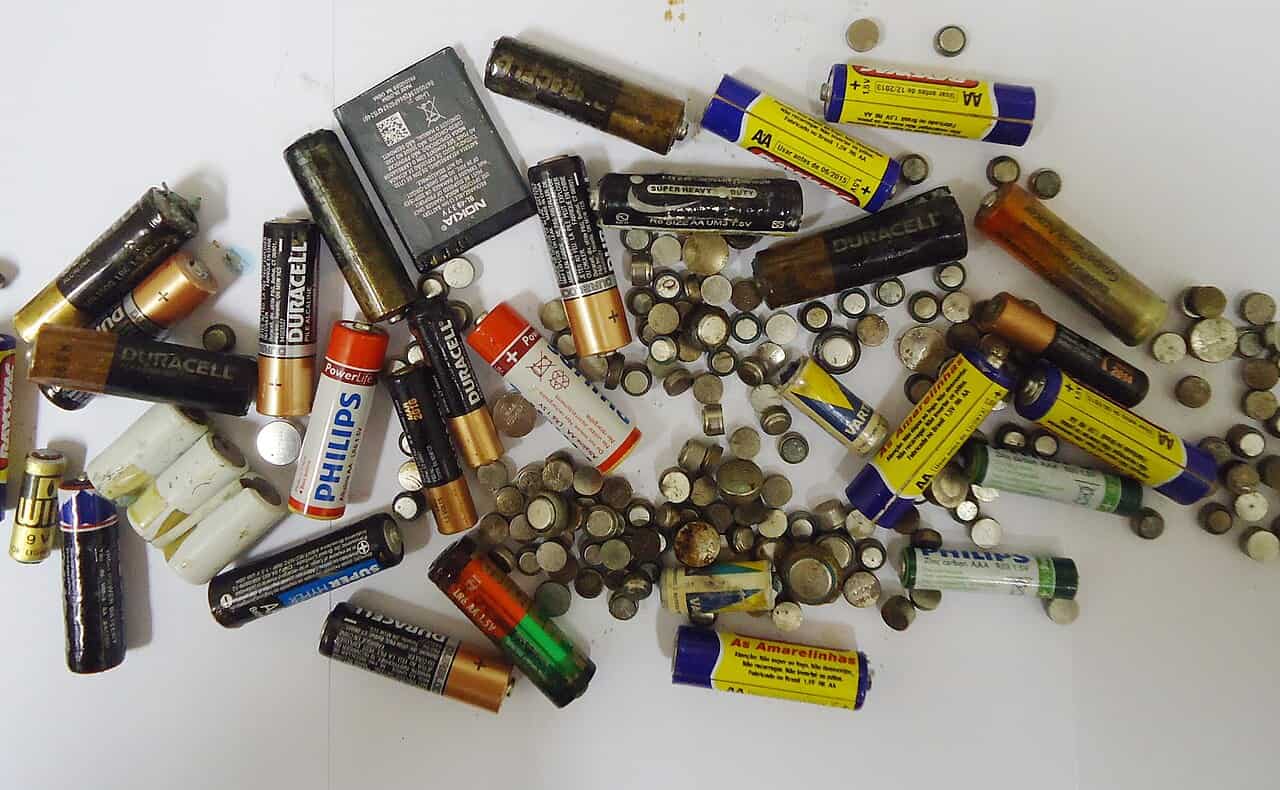
Single-use batteries are not only expensive, but they also create a lot of waste. I’ve switched to using rechargeable batteries, which can be reused hundreds of times. While rechargeable batteries have a higher upfront cost, they save money in the long run. Plus, they’re better for the environment.