Thinking of renovating your home? It’s always exciting to imagine how a fresh update can breathe new life into your space. But not all renovations deliver the bang for your buck you might expect.
You might end up spending money on upgrades that don’t add value or appeal to future buyers. Knowing which renovations are generally considered a waste can save you time and cash in the long run.
Advertisement
1. Overly Customized Kitchens

When it comes to kitchens, personalization can quickly go too far. Unique designs and custom features might seem appealing, but they often don’t resonate with future buyers.
Think about it: a bright pink backsplash or a professional-grade kitchen may fit your style, but they could limit your home’s appeal.
Sticking to timeless choices instead of niche elements ensures that your kitchen remains inviting to a wider audience. Keep it simple, functional, and classic to avoid wasting your renovation budget.
2. Installing a Brand New Pool

Installing a brand new pool might sound like a dream. However, it can be a big financial commitment.
Not only do you face high initial installation costs, often ranging from $25K to $50K, but maintenance adds up too. Cleaning, chemicals, and repairs can all hit your wallet hard.
Additionally, having a pool doesn’t significantly increase your home’s value. You might find yourself pouring money into something that doesn’t pay off in the long run.
3. Swapping a Tub for an Oversized Shower

If you’re thinking about swapping your bathtub for a larger shower, consider the impact on home value. Many buyers still prefer having at least one tub in the house.
By removing a tub, you change a full bathroom into a three-quarter bathroom. This may limit your market when it’s time to sell.
Although oversized showers can be luxurious, the cost can be high, ranging from $1,000 to $15,000 or more, depending on materials and size. Weigh these factors before making a decision.
4. Large Whirlpool Tubs

Large whirlpool tubs might seem luxurious, but they often disappoint. Many buyers today prefer simpler options that are easier to maintain.
These tubs can be difficult to clean, and they take up a lot of space. Many homeowners find them more of a hassle than a benefit.
In fact, some people have removed them after moving in. Instead of adding value, they may make your bathroom feel less appealing.
5. Flashy Design Trends

When it comes to home renovations, flashy design trends can be tempting. Bold colors and unconventional styles might look great in photos, but they often don’t stand the test of time.
Chasing after these trends can lead to a dated look, making your home feel less inviting. You might end up spending a lot of money for something that’s out of style as soon as it’s installed.
Instead, consider timeless designs that provide lasting appeal. Keeping it simple often pays off in the long run.
6. Overbuilding Beyond the Neighborhood

When renovating, it’s easy to get carried away. You might think that a major upgrade will add serious value, but that’s not always the case.
If your home becomes the most expensive one on the block, you could struggle to recoup your investment. Buyers usually look for homes that match the neighborhood’s pricing and style.
Stick to renovations that align with your area. Focus on improvements that appeal to potential buyers without going overboard. This way, you’ll get the best return on your investment.
7. Built-in Home Theaters

Built-in home theaters can seem like a fantastic upgrade, but they often come with a hefty price tag. Many homeowners find that the initial excitement fades as they realize the cost doesn’t match the usage.
You might enjoy a movie night now and then, but you may not use the space as often as you think. Plus, technology changes quickly, making your setup outdated sooner than you’d expect.
Before committing to a built-in theater, consider whether a simple quality TV and sound system might do the trick without breaking the bank. This way, you can enjoy your favorite films without the unnecessary expense.
8. Expensive High-End Appliances
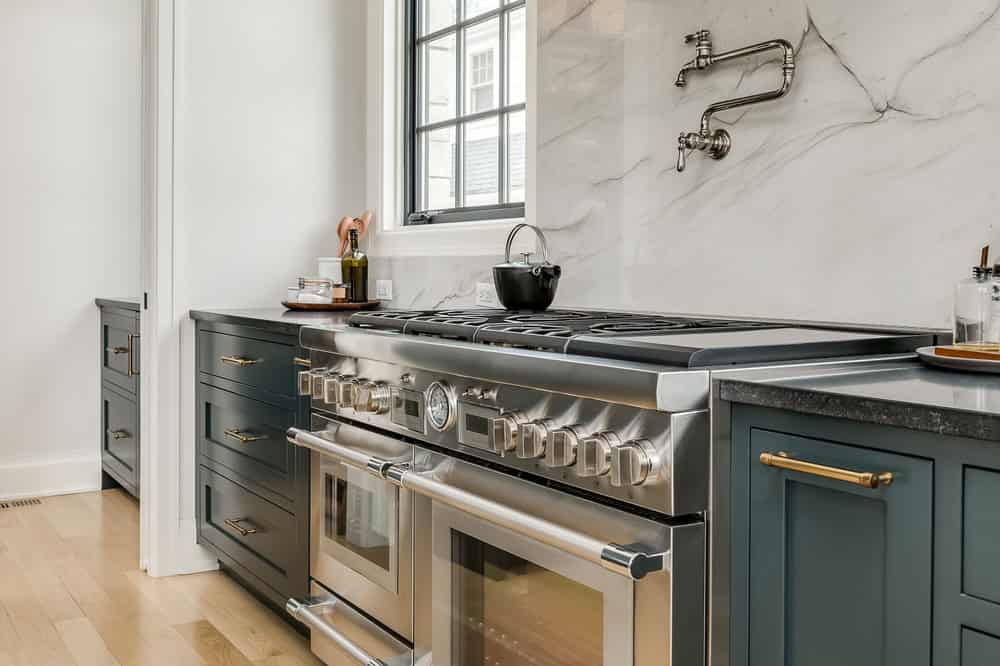
When it comes to home upgrades, expensive high-end appliances might seem tempting. They often boast impressive features and sleek designs.
However, they don’t always provide the return on investment you expect. Many high-end models lack significant durability improvements over standard options.
You could spend thousands on a fancy espresso machine, yet a regular one may serve you just as well. Consider your needs before splurging on luxury appliances that won’t drastically enhance your daily life.
9. Lavish Home Offices

Creating a luxurious home office might seem appealing, but it often doesn’t provide a good return on your investment. While a well-organized workspace can improve productivity, extravagance can be unnecessary.
Think about expensive furniture and high-tech gadgets that may go unused. You might end up spending more on aesthetics than functionality.
A simple, efficient office setup can serve you just as well without emptying your wallet. Focus on what you need, not what looks fancy.
10. Elaborate Landscaping Projects

When it comes to landscaping, less can be more. You might love those fountains or intricate rock walls, but potential buyers often see them as maintenance headaches.
Committing to elaborate projects usually costs a lot upfront, and the return on investment is often minimal.
Instead, focus on simple, low-maintenance options that can enhance your outdoor space without breaking the bank. Simple greenery and clean lines can attract buyers without overwhelming them.
11. Turnkey Smart Home Systems

Turnkey smart home systems can seem appealing, but they often come with a hefty price tag. You might think that having every device integrated is the way to go, yet many of these systems can be complex and challenging to customize.
Instead of going all in on a turnkey setup, consider selecting individual devices that meet your needs. This way, you can build a smart home gradually without overspending. Plus, you’ll have more control over the technology you choose to install.
12. Excessively Customized Built-ins

Excessively customized built-ins can be a big mistake in your home renovation. While they may seem like a great way to add uniqueness, they often don’t appeal to future buyers.
If you plan to sell later, generic designs tend to be more attractive. Custom pieces can limit the space’s functionality and flexibility.
Consider the resale value before committing to elaborate built-ins. Sometimes, simpler designs offer better long-term benefits.
13. Extravagant Garage Conversions

Converting your garage into a luxurious space can sound tempting. However, it often doesn’t yield a good return on investment. You might spend a fortune on fancy finishes and high-end features, but potential buyers often prefer the functionality of a garage.
A garage is generally valued for its storage and parking space. Going overboard can turn it into a costly project that doesn’t meet resale expectations. Think about practicality before diving into extravagant upgrades.
14. Luxury Outdoor Kitchens

Investing in a luxury outdoor kitchen might seem enticing, but it often doesn’t pay off as expected. While they look great, many homeowners find that they don’t use them enough to justify the cost.
Typically, these kitchens cost around $20,000 or more, and you might only see a small increase in property value. If you’re looking to enhance your outdoor space, consider simpler options that fit your budget.
Your outdoor cooking experience can still be enjoyable with a basic grill and some seating without breaking the bank.
15. Stylish But Nonfunctional Fixtures
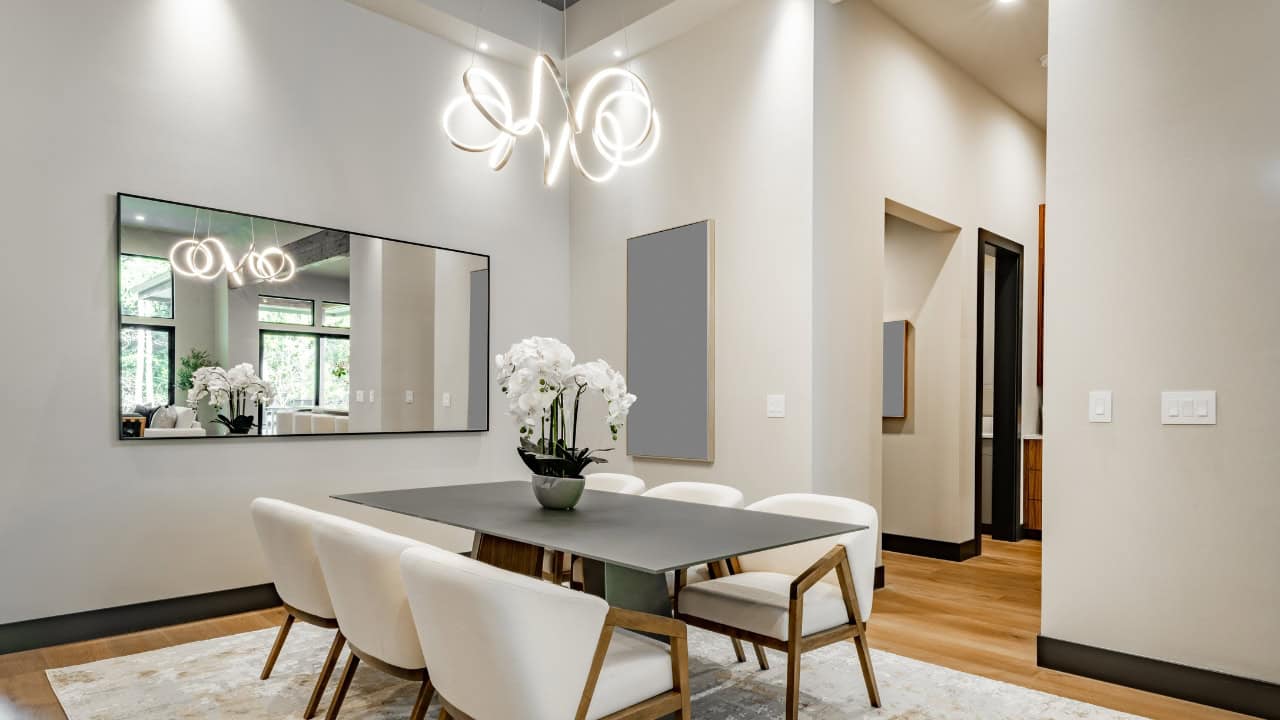
When upgrading your home, it’s tempting to go for trendy fixtures that look great but lack practicality. Stylish faucets or light fixtures can elevate your space, but if they don’t work well, you might find yourself frustrated.
Consider function over form. Opt for fixtures that combine aesthetics with usability. It’s better to invest in items that will serve you well rather than just impress your guests.
This way, you can ensure that your home is both beautiful and functional. You’ll enjoy your space more when every element works as intended.
*This article was created with the help of AI.