When you pick up your favorite processed snacks or meals, you might not realize that some ingredients are considered too risky for consumers in other countries. It’s surprising to learn that there are additives allowed in the U.S. that have been banned elsewhere due to health concerns. Let’s explore 15 hazardous additives that are legal in the U.S. but prohibited globally, highlighting why you might want to take a closer look at what’s in your food.
Navigating food labels can be tricky, and the presence of certain additives might not stand out at first glance. You’ll see terms that sound harmless, yet these substances can pose serious health risks. Understanding what these additives are and why they’re limited in other places can help you make informed choices about what you consume.
Advertisement
1. Potassium bromate

Potassium bromate is a food additive commonly used to enhance the elasticity of dough. You might find it in many store-bought breads and baked goods. In the U.S., it’s still legal, but it’s banned in several countries due to health concerns. Those include Europe, China, and India.
Research suggests that potassium bromate could potentially be a carcinogen. Despite these warnings, many people in the U.S. consume products containing this additive regularly. Knowing what’s in your food helps you make better choices, so always read labels when you’re shopping.
2. Titanium dioxide
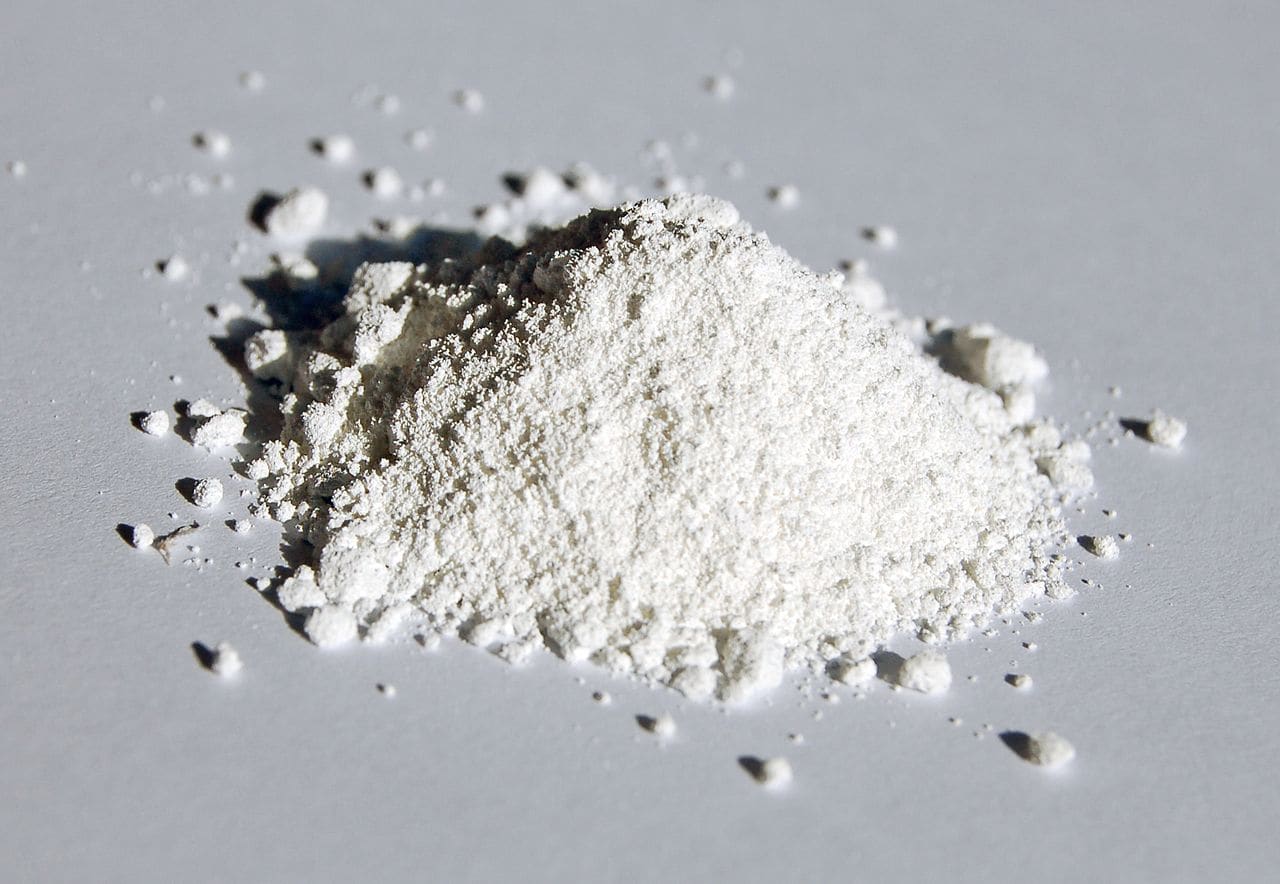
Titanium dioxide is a common food additive found in various processed foods. It’s used primarily as a whitening agent and to enhance color.
While it’s legal in the U.S., it has raised some health concerns. The European Union banned it due to studies linking it to potential health risks.
You might find it in items like candies, baked goods, and sauces. If you’re keeping an eye on food additives, titanium dioxide is one to watch out for.
3. Brominated vegetable oil
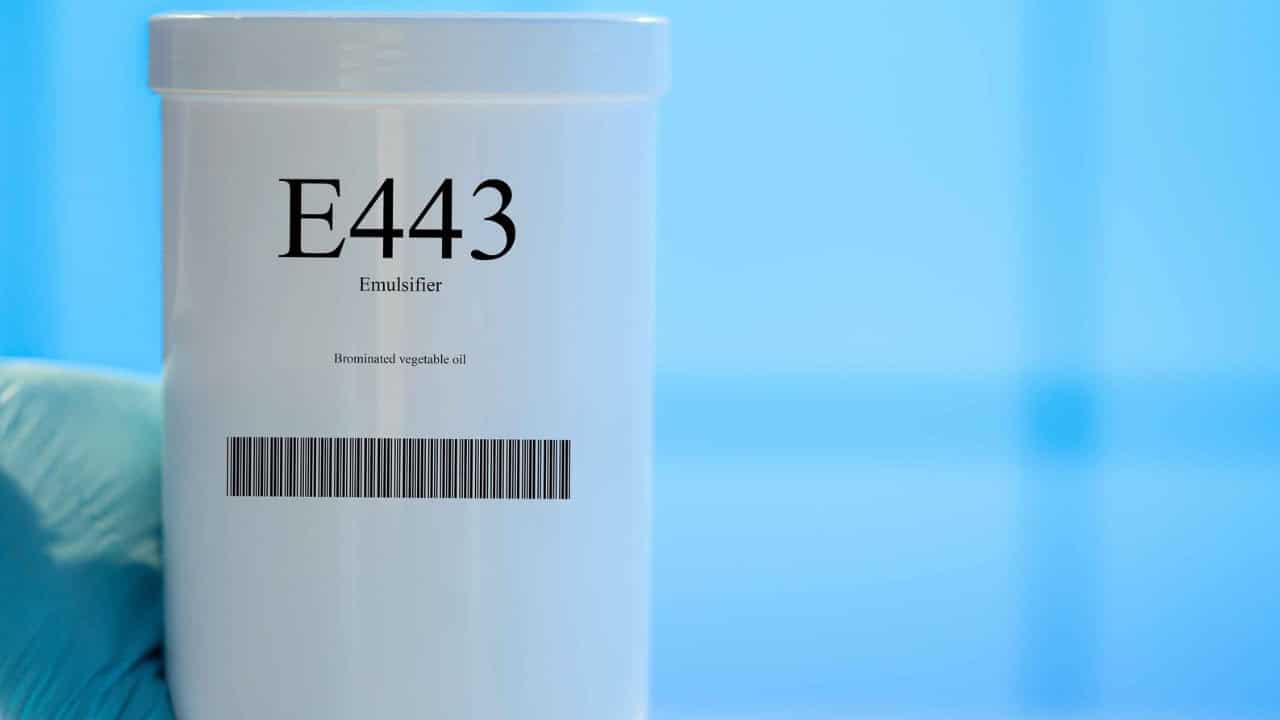
Brominated vegetable oil (BVO) is an additive used to stabilize flavoring agents in certain beverages. You might find it in sodas and sports drinks. Despite its common use in the U.S., BVO has been banned in many countries due to health concerns.
The FDA has determined that BVO can pose risks, leading to its recent prohibition. If you’re checking labels, keep an eye out for BVO to make informed choices about what you consume.
4. Butylated hydroxyanisole (BHA)
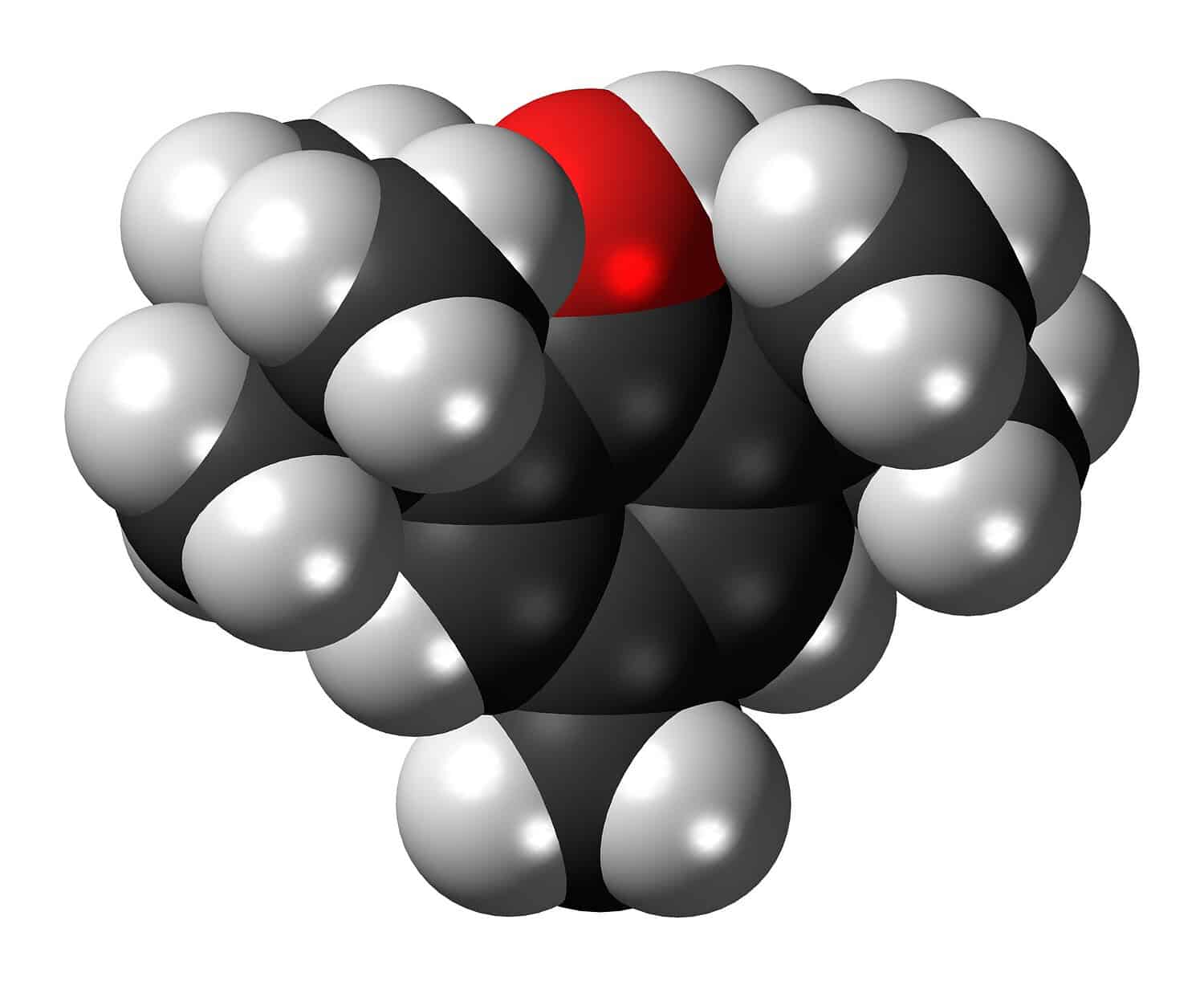
Butylated hydroxyanisole, or BHA, is a common food additive used as a preservative. You’ll often find it in snack foods, cereals, and bottled sauces. It helps prevent fats from going rancid.
In some countries, BHA is banned due to its potential health risks. Concerns include its link to cancer and hormone disruption. Despite these worries, it remains legal in the U.S.
Many people are unaware of BHA’s presence in their favorite snacks. If you’re looking to avoid it, check ingredient labels carefully. Your health choices can make a difference!
5. Butylated hydroxytoluene (BHT)
Butylated hydroxytoluene, or BHT, is a common food additive used to preserve oils and fats. You’ll find it in many processed foods, but it’s also a controversial ingredient. In some countries, BHT is banned due to potential health risks. Studies have linked it to various issues, including cancer concerns.
While the U.S. permits its use, you might want to be cautious. Checking labels for BHT can help you avoid it if you’d prefer to steer clear of this additive.
6. Recombinant bovine growth hormone (rBST)
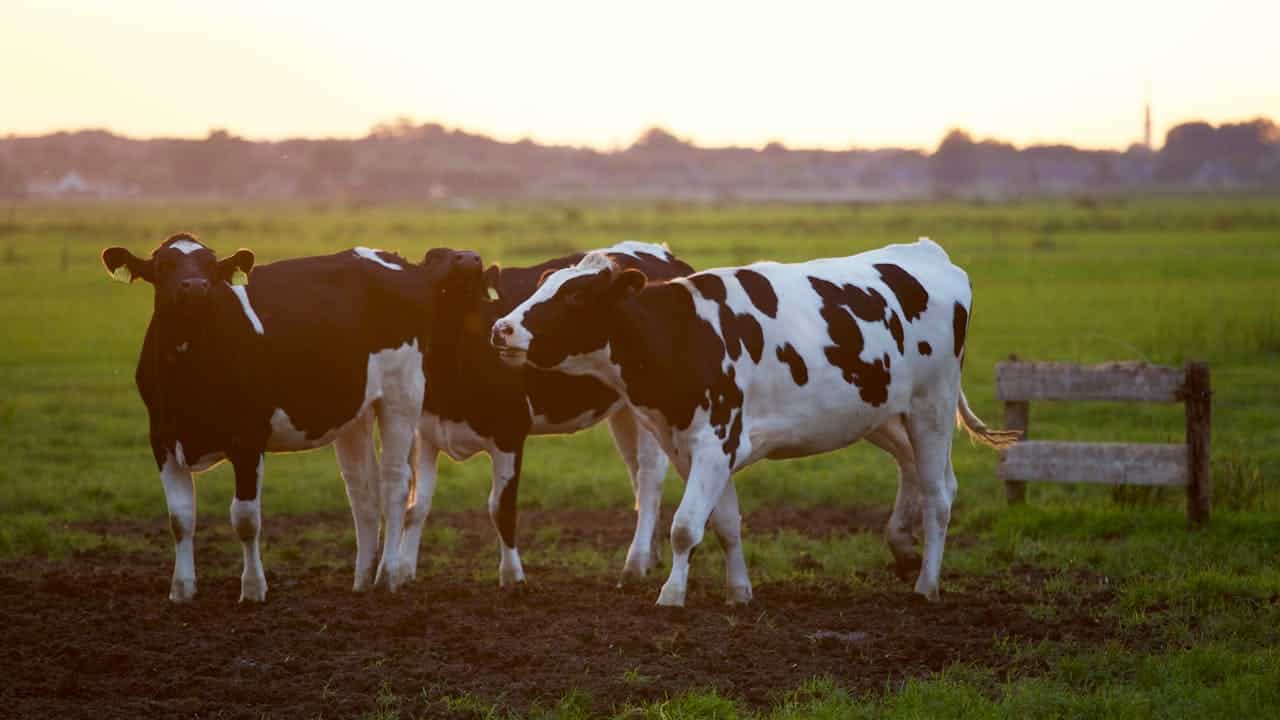
Recombinant bovine growth hormone, or rBST, is used to boost milk production in dairy cows. In the U.S., it’s approved for commercial use, but not all retailers stock milk from treated cows.
If you’re looking to avoid rBST, choose organic milk. The U.S. Department of Agriculture prohibits the use of bovine growth hormones in organic products.
Some studies suggest that milk from rBST-treated cows may contain higher levels of insulin-like growth factor-1 (IGF-1). This hormone has raised concerns about potential health risks for consumers. Despite this, rBST remains legal in many places, while it’s banned in other countries.
7. Artificial food dye Yellow 5
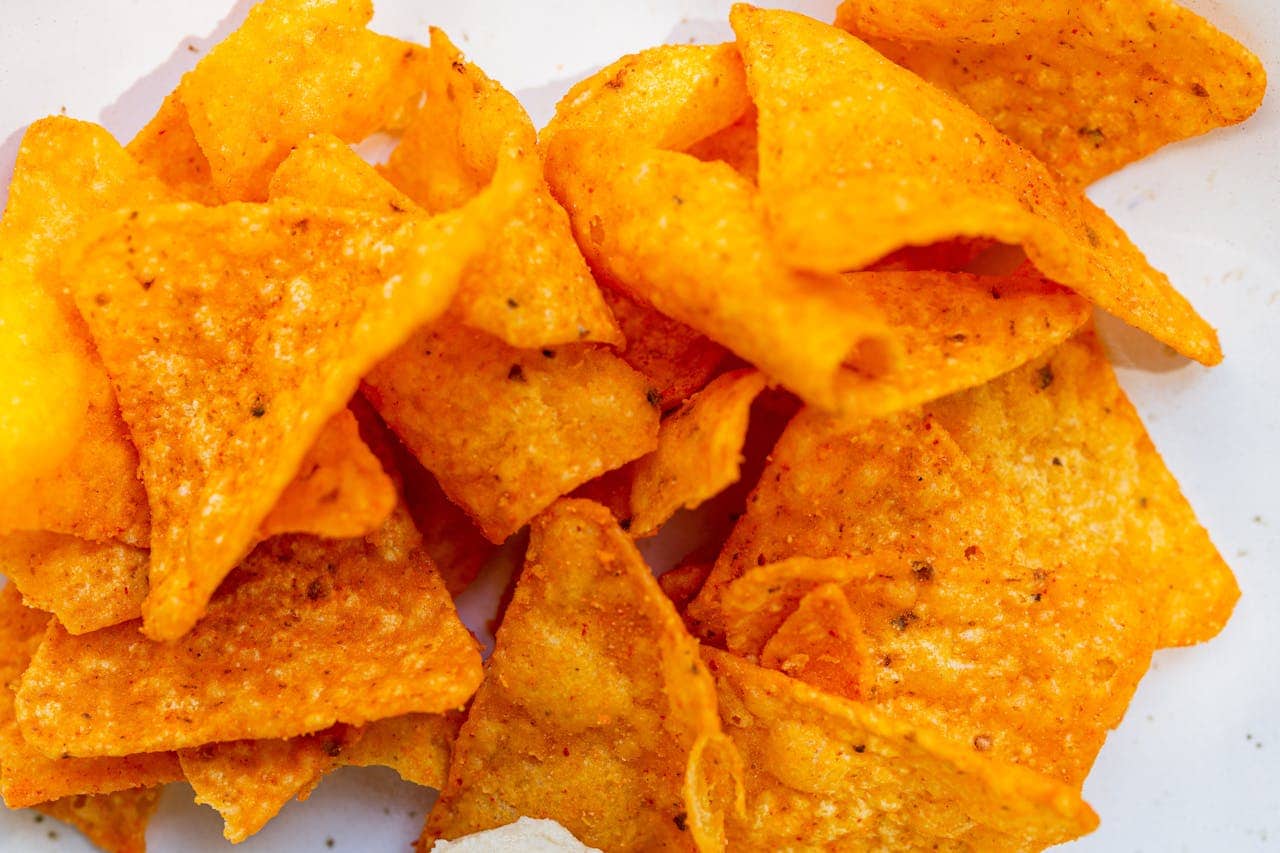
Yellow 5, also known as tartrazine, is a commonly used artificial food dye in the U.S. You’ll find it in snacks, candies, and even some beverages. It gives those bright colors that catch your eye.
While it’s legal here, many countries have banned it due to concerns about potential allergic reactions and other health issues. Some people report sensitivities, which can lead to headaches or skin reactions.
Despite these concerns, Yellow 5 remains a popular choice for manufacturers. It’s used to enhance the appearance of products, making them more appealing to consumers. So, next time you grab a colorful snack, you might want to check the label for Yellow 5.
8. Artificial food dye Red 40
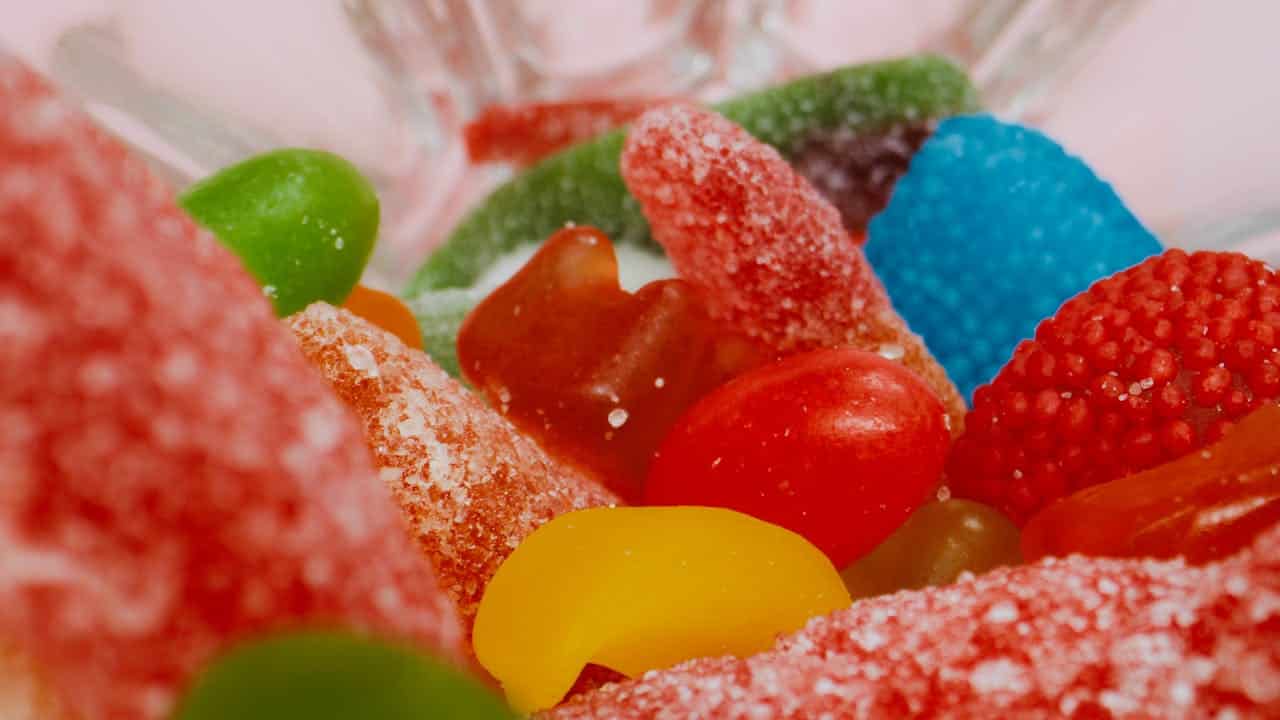
Red 40 is a popular artificial food dye that you might find in many snacks and drinks. It gives those products a bright, appealing color that grabs your attention. While it’s widely used in the U.S., it’s linked to various health concerns, including hyperactivity in some children.
Certain countries have banned Red 40 due to these potential risks. You might want to check labels if you’re concerned about what you’re consuming.
9. Azodicarbonamide

Azodicarbonamide is a food additive often found in bread and baked goods. Though it’s used to improve dough quality, it’s banned in several countries like Australia and those in the EU because of health concerns.
This compound has raised eyebrows due to its questionable safety profile. In fact, some studies suggest it may pose risks, yet it’s still legal in the U.S.
You might want to check ingredient labels, as many companies are starting to remove it from their products. If you’re curious about safer alternatives, there are plenty of options out there.
10. Propylparaben
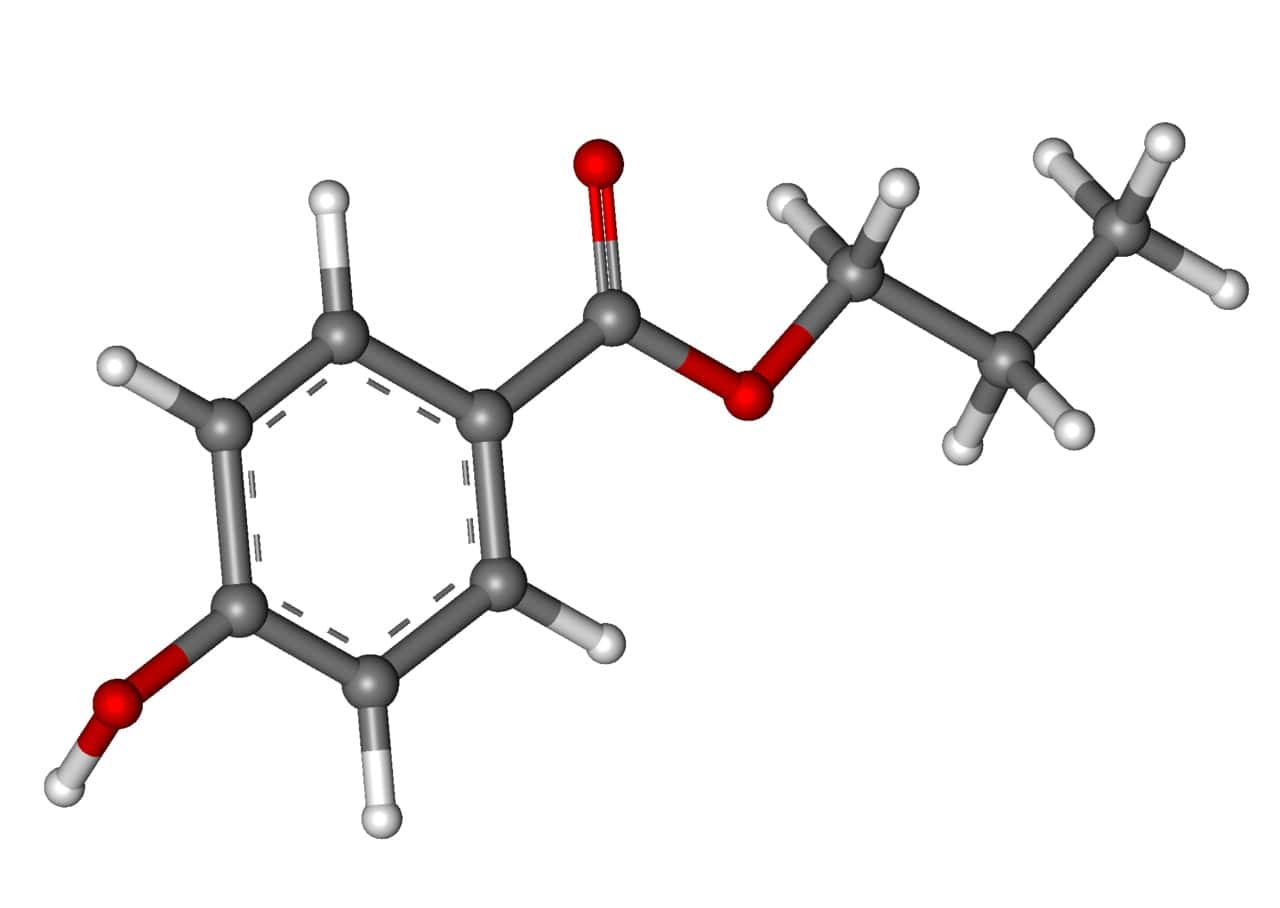
Propylparaben is a common food additive that you might find in various processed foods. It acts as an antimicrobial agent, helping to extend shelf life.
While it’s still allowed in the U.S., many countries have banned propylparaben due to health concerns. Research has suggested that it can disrupt hormone function.
You might be surprised to discover that this ingredient is often hidden in products you consume regularly. Reading labels can help you avoid it.
11. Farm animal antibiotics
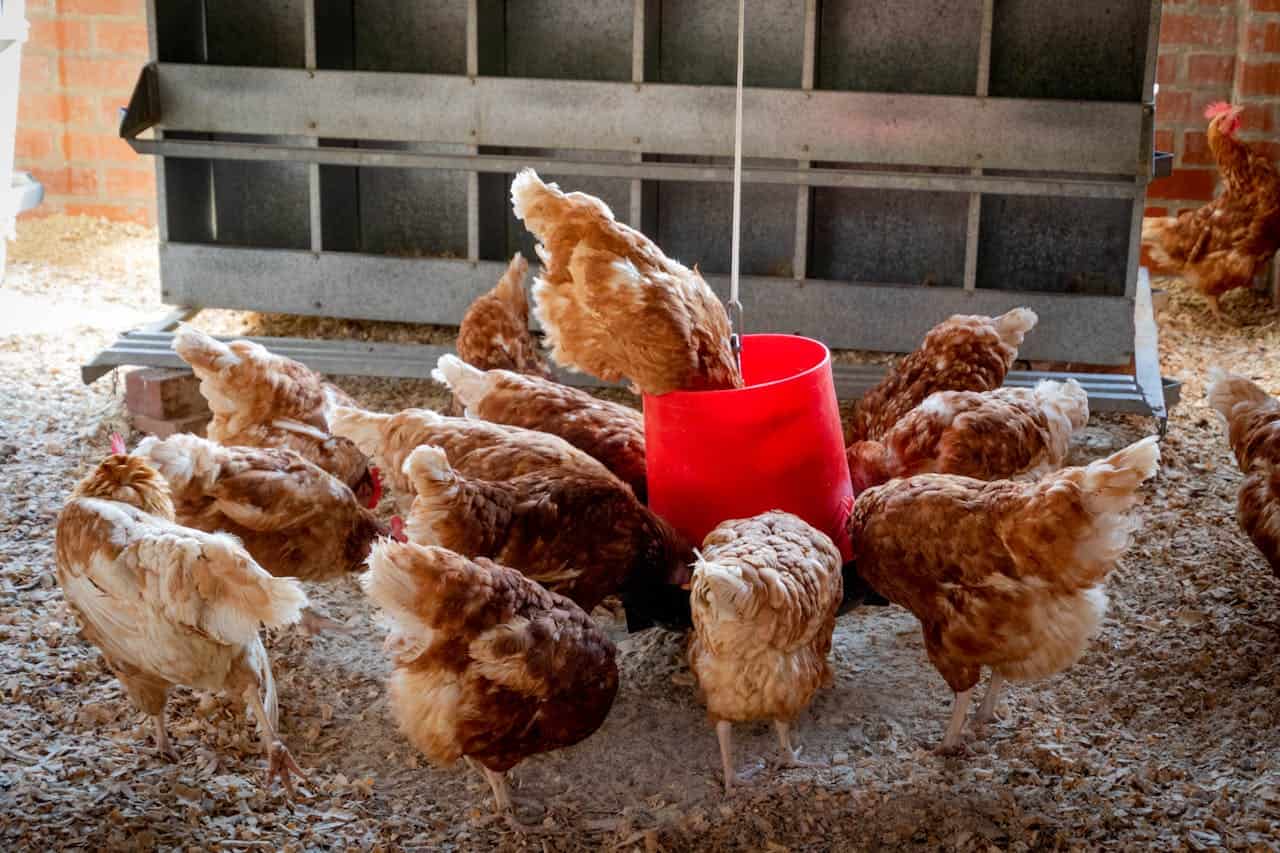
You might not know that some farm animal antibiotics are still used in the U.S. These antibiotics help promote growth in livestock like chickens, pigs, and cows.
While they can be effective for animal health, their use raises concerns about antibiotic resistance in humans. In fact, countries like the EU have banned these practices due to potential risks to public health.
The FDA has guidelines to limit the use of medically important antibiotics in food animals. However, there’s ongoing debate about whether these measures are sufficient to protect consumer health.
12. Synthetic hormones in meat
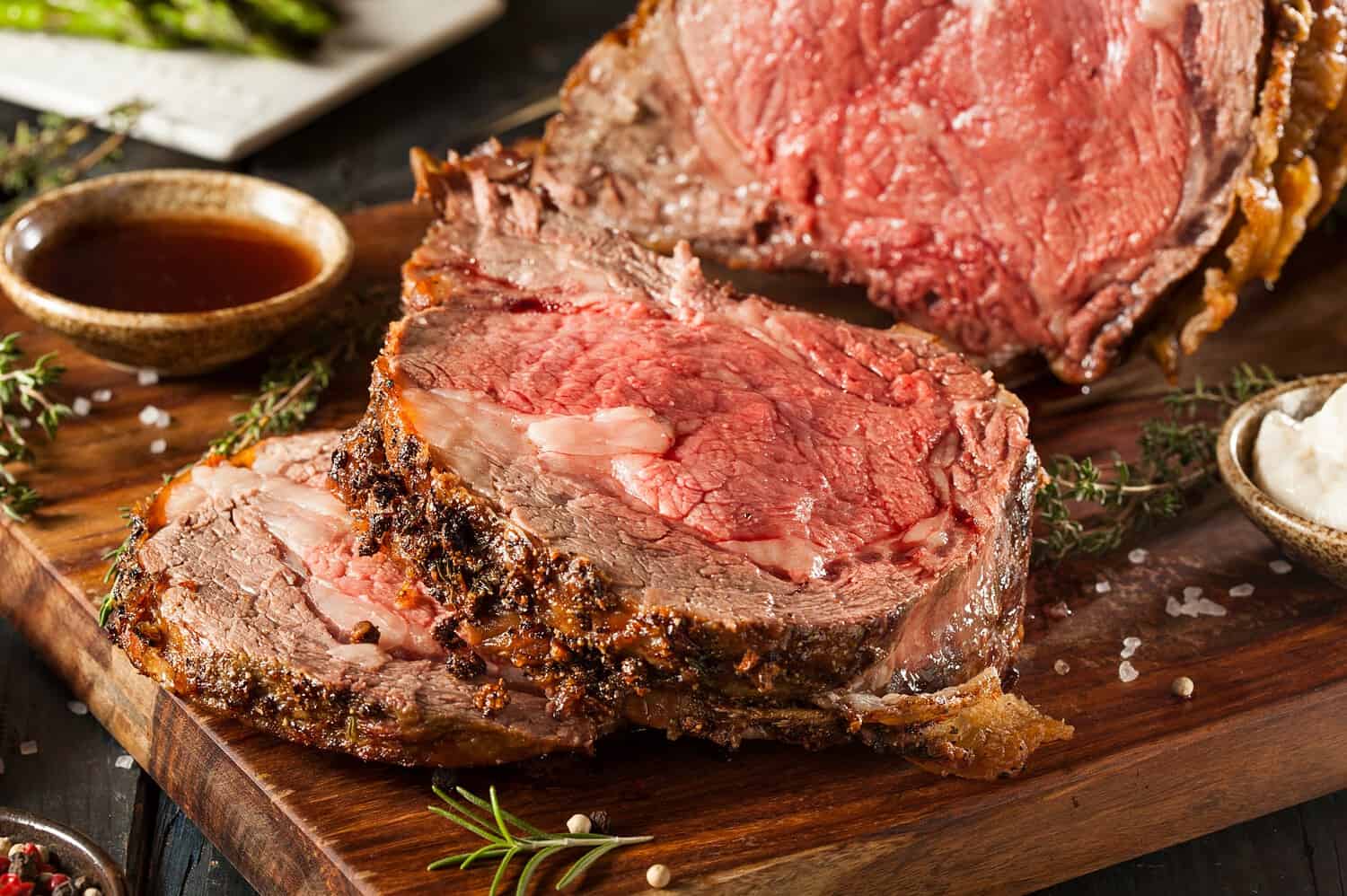
When it comes to meat in the U.S., synthetic hormones are often used to promote growth. These hormones, such as rBGH and rBST, help farmers boost production levels.
In many other countries, though, the use of these hormones is banned due to concerns about health risks. For example, the European Union restricts synthetic hormones in meat completely.
You might not realize it, but if you’re eating beef treated with these hormones, you’re consuming something that’s not allowed in many parts of the world. It’s a good idea to check labels or choose organic options if you’re concerned about this.
13. Olestra
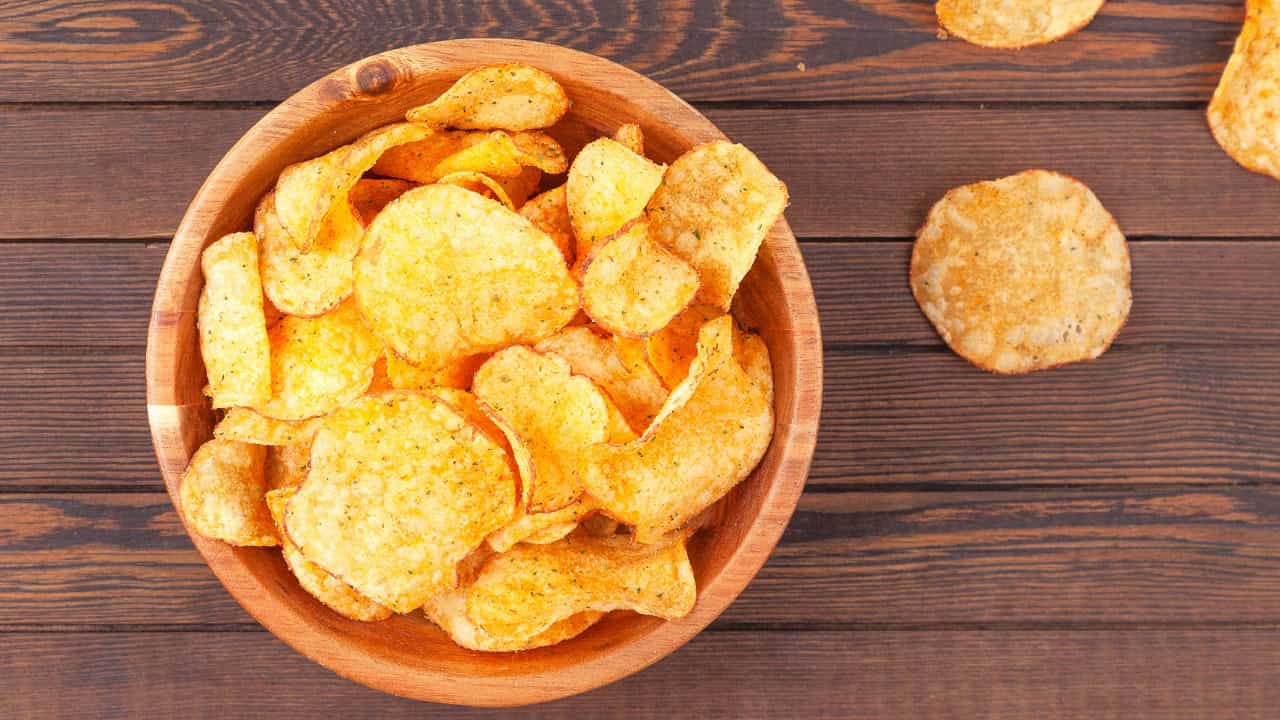
Olestra, also known as Olean, is a fat substitute that has been used in snack foods like chips. It’s designed to lower calorie counts while mimicking the taste and texture of fat.
While it sounds good in theory, Olestra can cause digestive issues for some people, including cramps and diarrhea. That’s why many countries have decided to ban it.
Despite these concerns, it remains legal in the U.S. While enjoying your favorite snacks, just keep in mind what Olestra can do. Always check the labels if you’re unsure!
14. Acesulfame potassium
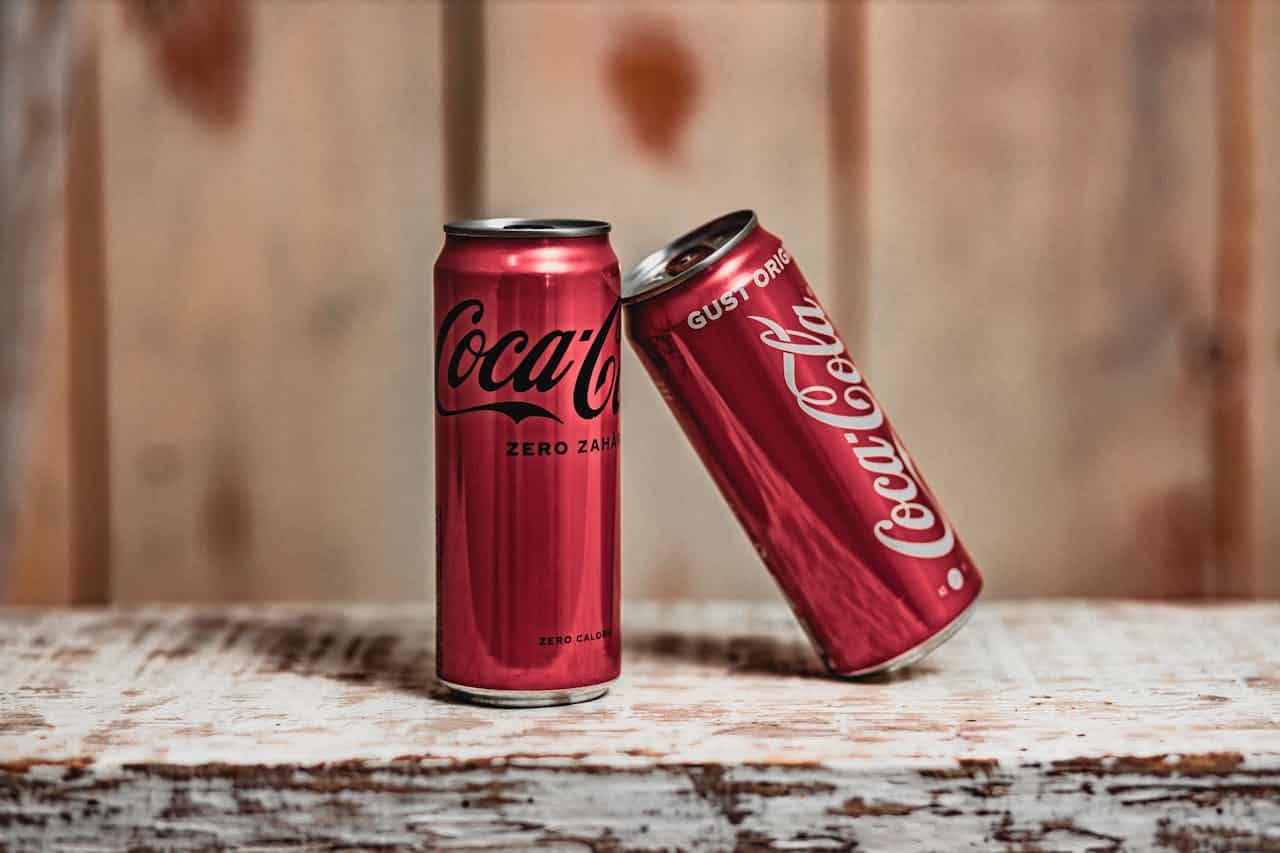
Acesulfame potassium, often called Ace-K, is a calorie-free sweetener found in many sugar-free products. You’ll see it in things like soft drinks, baked goods, and desserts.
Even though it’s widely used in the U.S., it’s banned in several countries. Concerns exist about its potential health effects, although regulatory agencies have deemed it safe for consumption.
If you’re keeping an eye on sweeteners, it’s good to know which products contain Ace-K. Many health-conscious consumers prefer to avoid it due to these controversies.
15. Ractopamine
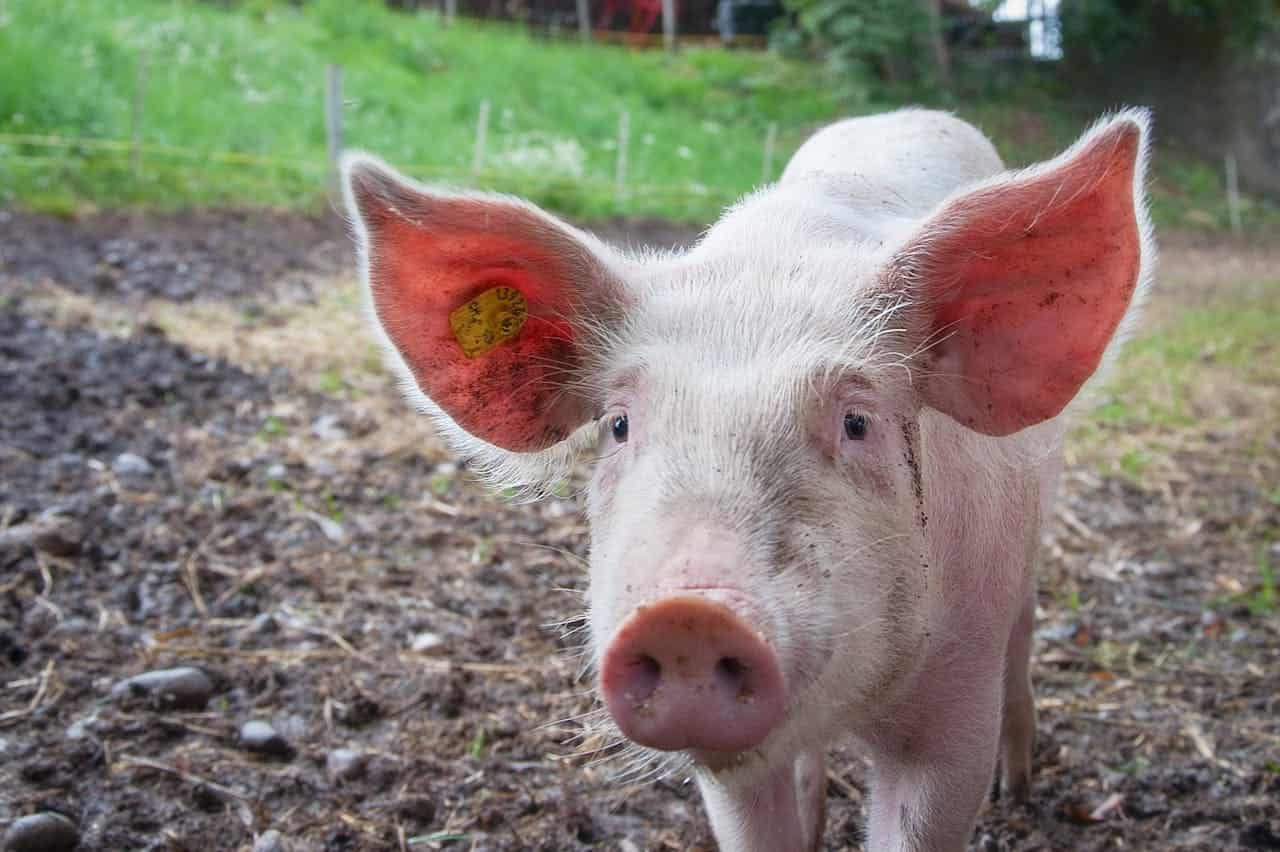
Ractopamine is a feed additive that helps livestock grow faster. It’s commonly used in pigs, but you might not know that it’s banned in many countries.
About 160 nations have restricted or prohibited its use, including places like the European Union and China. This raises concerns about food safety and animal welfare.
While ractopamine is still allowed in the U.S., some studies suggest potential health risks. You might want to check labels if you’re concerned about what you’re eating.
*This article was created with the help of AI.