Grocery shopping can sometimes feel like a never-ending cycle of spending. With so many choices out there, it’s easy to fall for items that are marketed as necessities but actually come with inflated price tags. Knowing which grocery items are draining your wallet unnecessarily can help you make smarter shopping decisions.
In this article, you’ll discover a variety of grocery products that may seem convenient or appealing but ultimately offer little value for your money. By avoiding these costly items, you can save cash and prioritize spending on essentials that truly benefit your household.
Advertisement
Pre-Cut Fruits and Vegetables
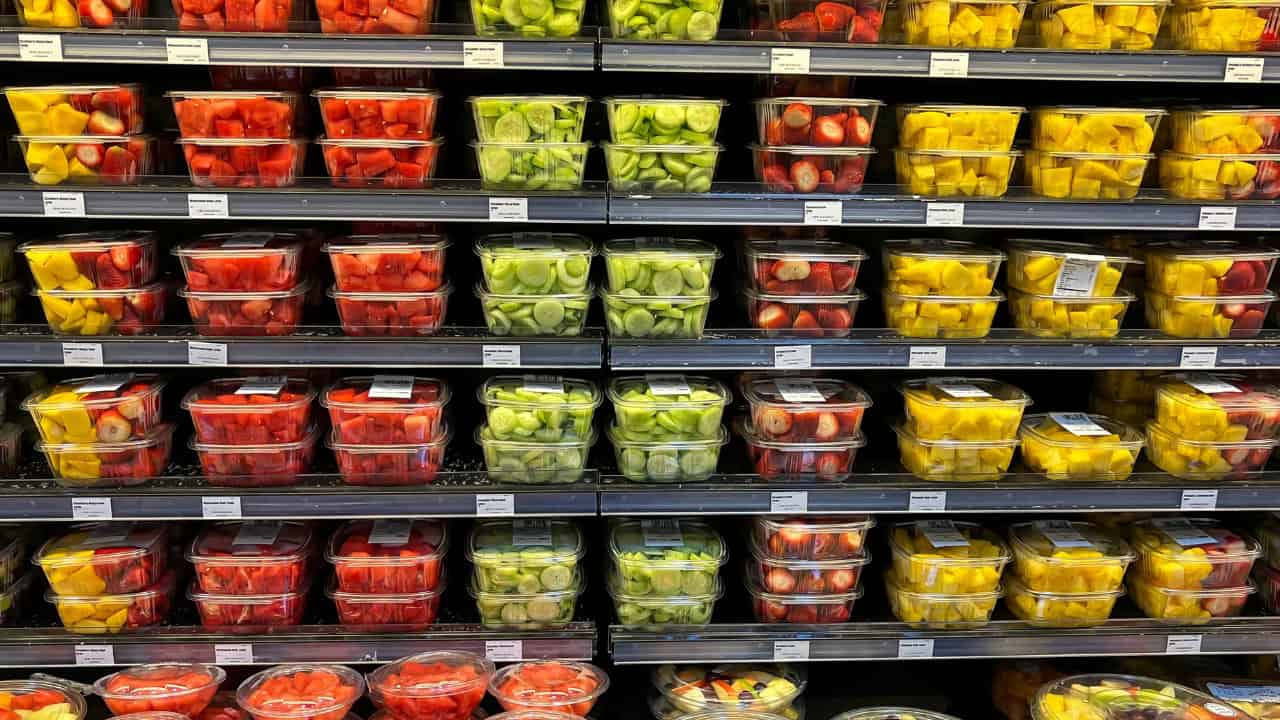
Buying pre-cut fruits and vegetables might seem convenient, but they can really hit your wallet hard. You’re paying for the labor and packaging that you could easily do at home.
When you cut your own produce, you save money and often get fresher options. Plus, you’ll have better control over portion sizes.
Those pre-packaged options tend to spoil faster too. So, next time you’re at the store, consider buying whole fruits and veggies instead. Your budget will thank you!
Name-Brand Spices
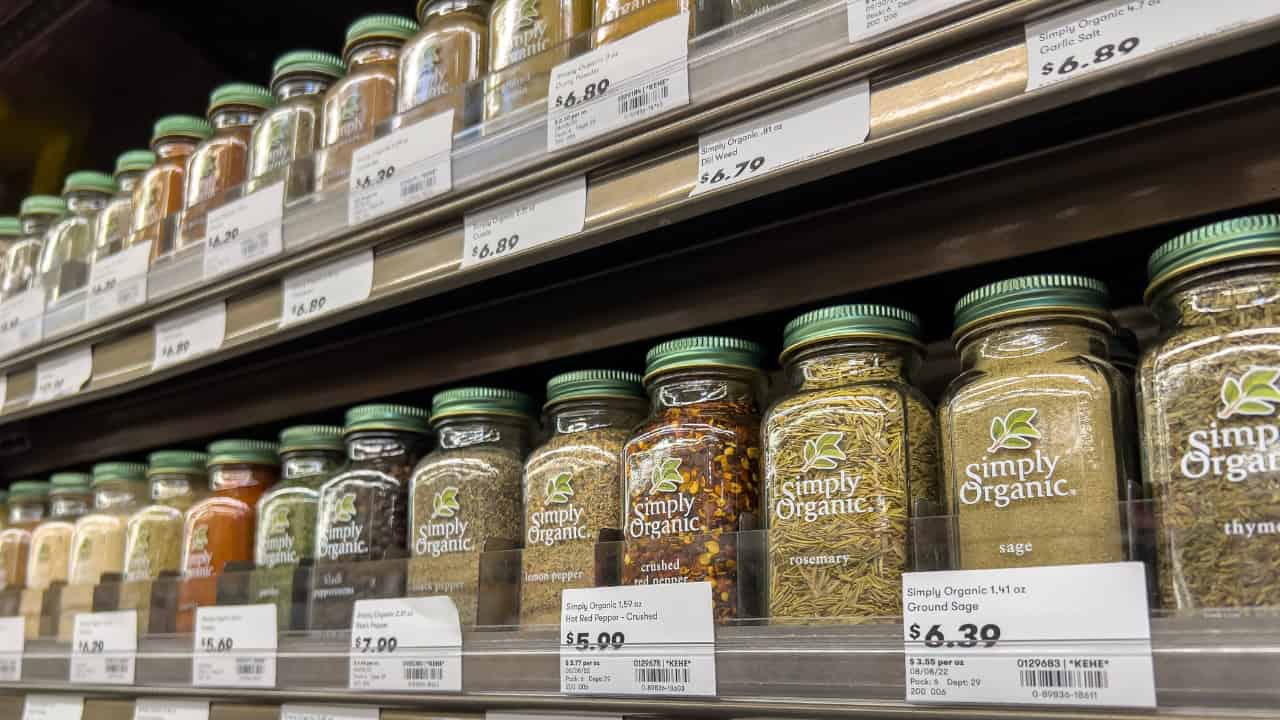
When you’re shopping for spices, you might think name-brand options are the way to go. However, they often come at a premium.
Store brands or generic spices usually offer the same quality at a lower price. You might find that the flavor is just as good, and your wallet will thank you.
Experimenting with different brands can save you significant money over time. Stick to what you need, and don’t be afraid to try something new.
Bottled Water
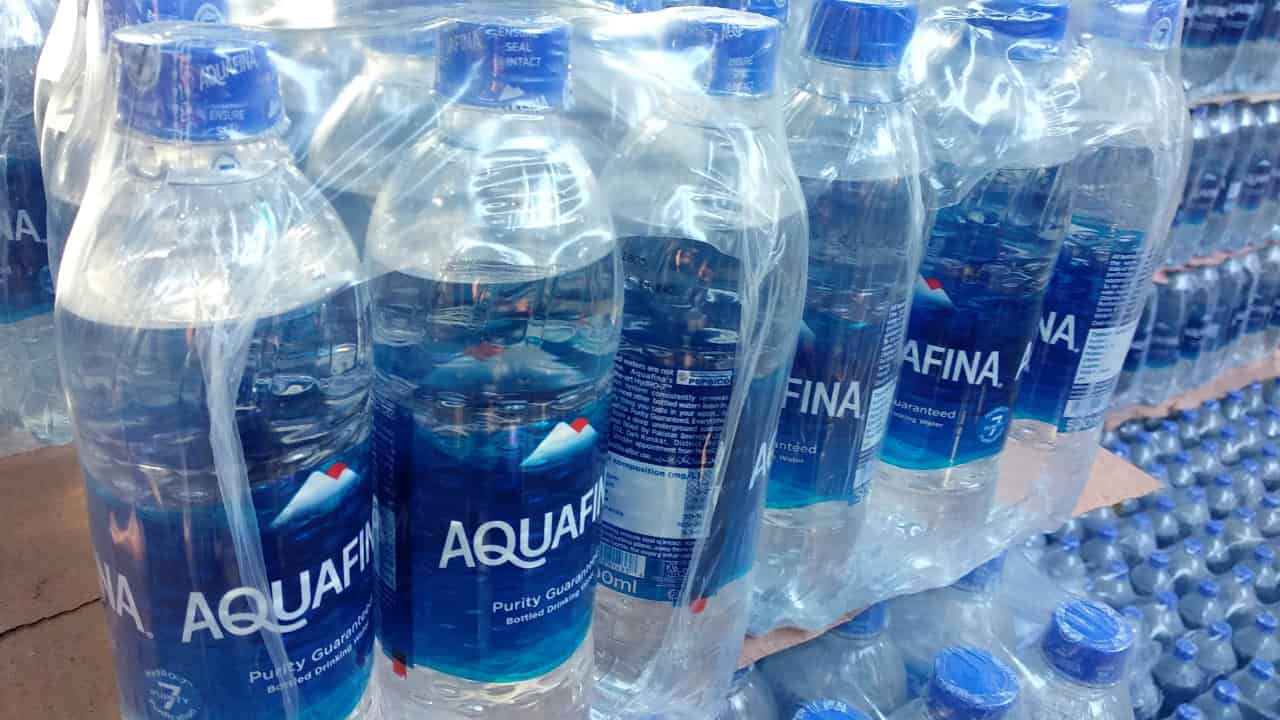
Buying bottled water can really add up. You might think it’s convenient, but you’re paying a premium for something you can get from your tap.
Consider investing in a reusable water bottle instead. It’s better for the environment and can save you a lot of cash in the long run. Many water filters can improve tap water taste too.
Next time you’re tempted to grab a bottle, think about how much you could save by just filling up at home. Your wallet will thank you!
Pre-Made Salads

Pre-made salads might look convenient, but they often come with a hefty price tag. You’re paying for the chopping and packaging, not just the ingredients.
Many store-bought salads include additives and dressings that you might not need. Making your own salad at home can save you money and let you control what goes in it.
Plus, those pre-made options may not be as fresh as you think. If you want to eat healthy, it’s better to build your own and avoid those unnecessary costs.
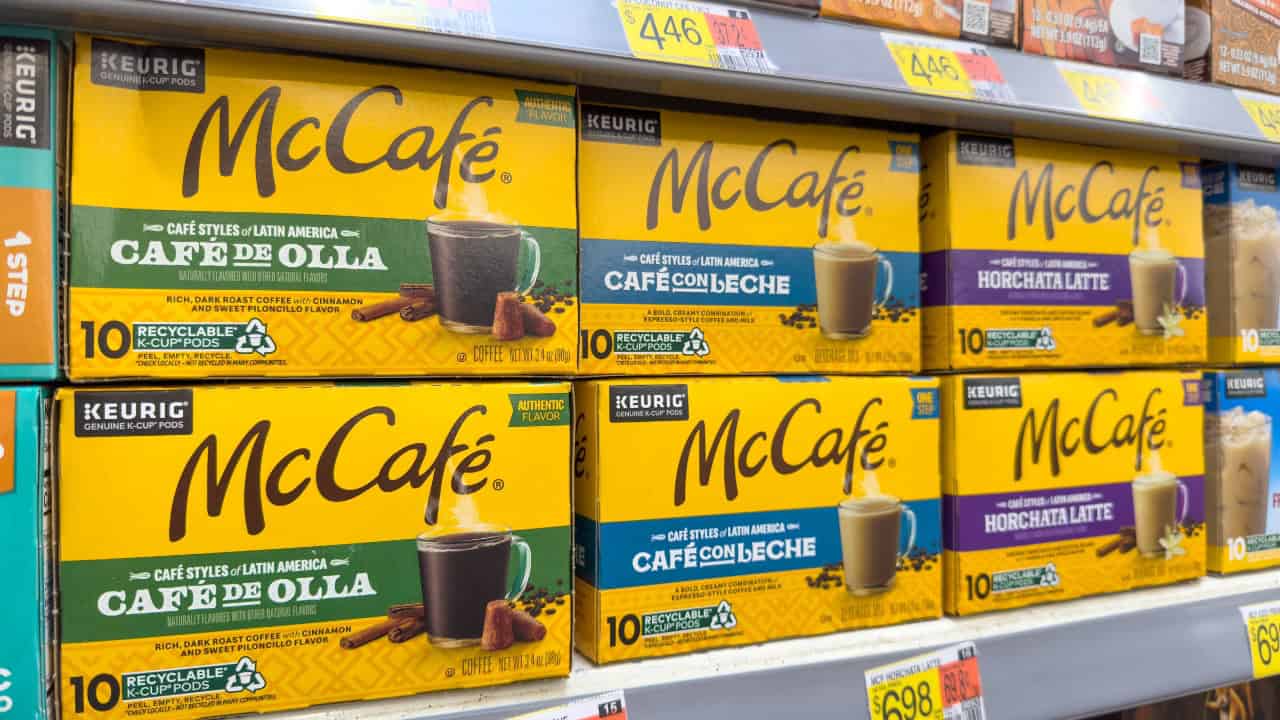
Gourmet Coffee Pods

Gourmet coffee pods might seem convenient, but they can really eat into your budget. You’re paying for the brand and packaging, not just the coffee itself.
Instead of buying those pricey pods, consider brewing your coffee with whole beans. You’ll get better flavor and save money over time.
Reusable coffee pods are another great option. They let you use your favorite coffee grounds without the hefty markup. Embracing these alternatives can keep your morning routine enjoyable and your wallet happy.
Pre-Marinated Meats

Pre-marinated meats might seem convenient, but they often come with a hefty price tag. When you buy these, you’re paying for someone else’s spices and time.
Instead, consider purchasing plain cuts of meat. You can easily marinate them at home with your favorite ingredients. This not only saves you money but also allows you to customize flavors to your liking.
Plus, experimenting in the kitchen can be fun! You’ll likely find that whipping up a quick marinade is quicker than you think, making it a win-win for both your wallet and your taste buds.
Gluten-Free Products
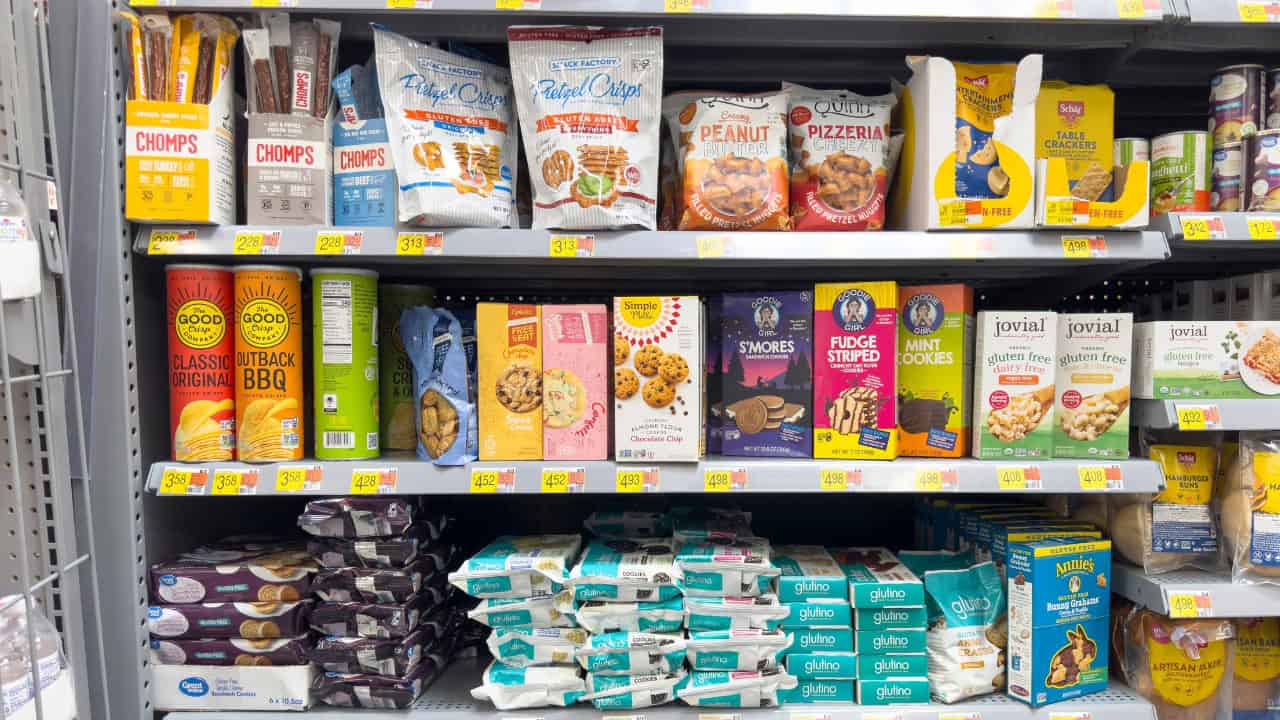
Gluten-free products can be convenient but often come with a higher price tag. Items like gluten-free bread and snacks can drain your wallet without providing the same taste or texture as regular options.
Take time to compare prices. You might find that making your own gluten-free treats can save you money. Plus, bulk buying gluten-free grains like rice or quinoa is a budget-friendly choice.
Keep an eye out for sales and store brands too. They usually offer gluten-free versions at a lower cost compared to name brands.
Brand-Name Cereals

Brand-name cereals can really hit your wallet hard. Many of these popular options are made by the same companies that produce store brands.
You might be paying up to 40% more for the same product.
Take a look at the ingredients list to make sure you’re getting your money’s worth.
Consider trying some generic or store brands instead. You’ll likely enjoy the same taste and save some cash!
Single-Serve Snacks

Single-serve snacks can seem convenient, but they often cost more than buying in bulk. Things like individual bags of chips or cheese cubes add up quickly.
Instead, consider purchasing larger packs and portioning them yourself. This not only saves money, but also reduces packaging waste.
Look for bulk bins when shopping for nuts or dried fruits. You can take just what you need without breaking the bank. Plus, you’ll have more control over your snack choices.
Grocery Store Flowers
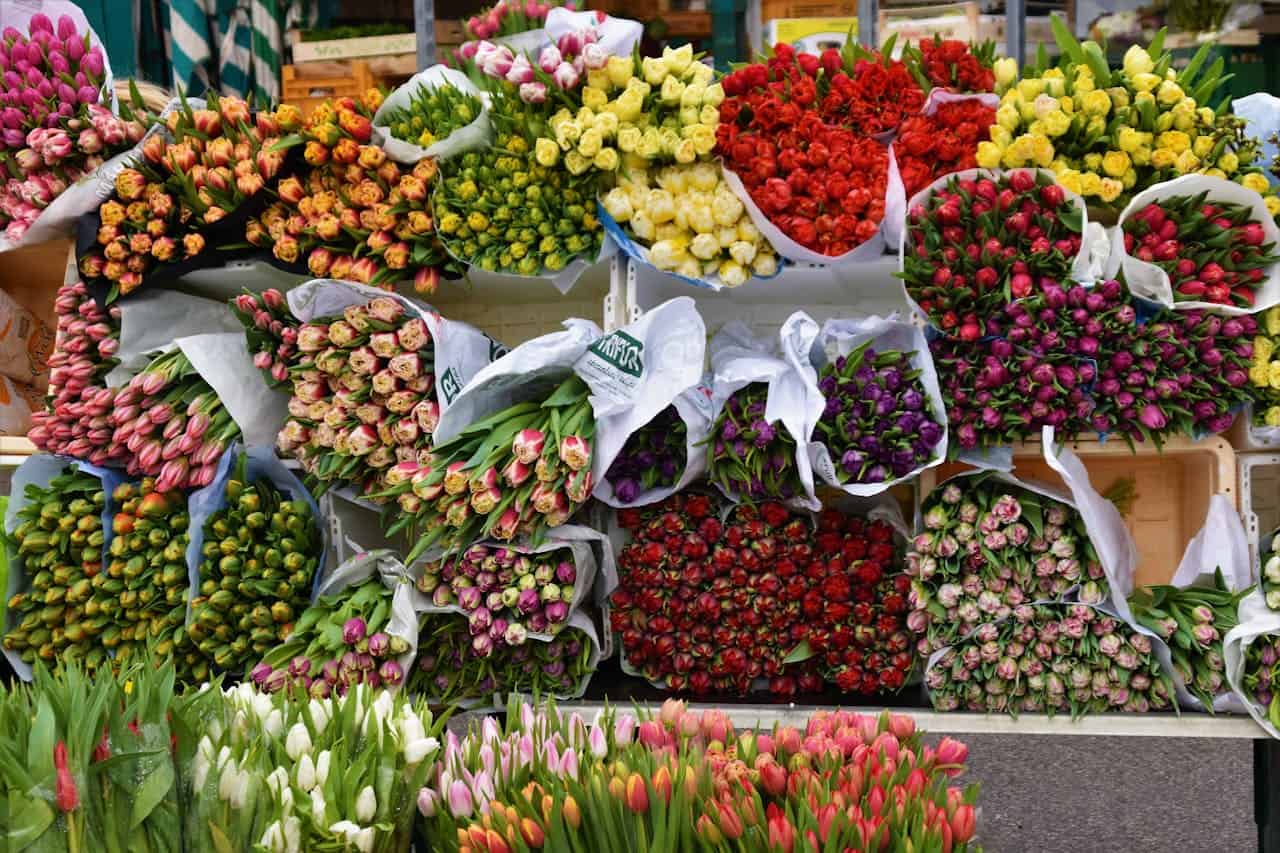
Grocery store flowers can seem like a convenient choice, but they often come with a hefty price tag. You might pay a premium for bouquets that aren’t as fresh as those from a local florist.
Instead of buying pre-packaged flowers, consider visiting a farmer’s market or a local florist. You’ll often find better quality and more variety at a lower price.
Plus, buying seasonal blooms not only saves you money, but it also supports local growers. It’s a win-win for your wallet and the community.
Designer Coffee and Smoothies
You might love your daily designer coffee or smoothie, but those fancy drinks can add up quickly. A typical stop at a coffee shop can cost you several dollars each day.
Instead of grabbing one on the go, consider making your own at home. Freshly brewed coffee or a smoothie made with your favorite ingredients can save you money. Plus, you can customize flavors to your liking.
Cutting back on these expensive treats could help you keep more cash in your wallet while still enjoying a tasty drink.
Brand-Name Bottled Water
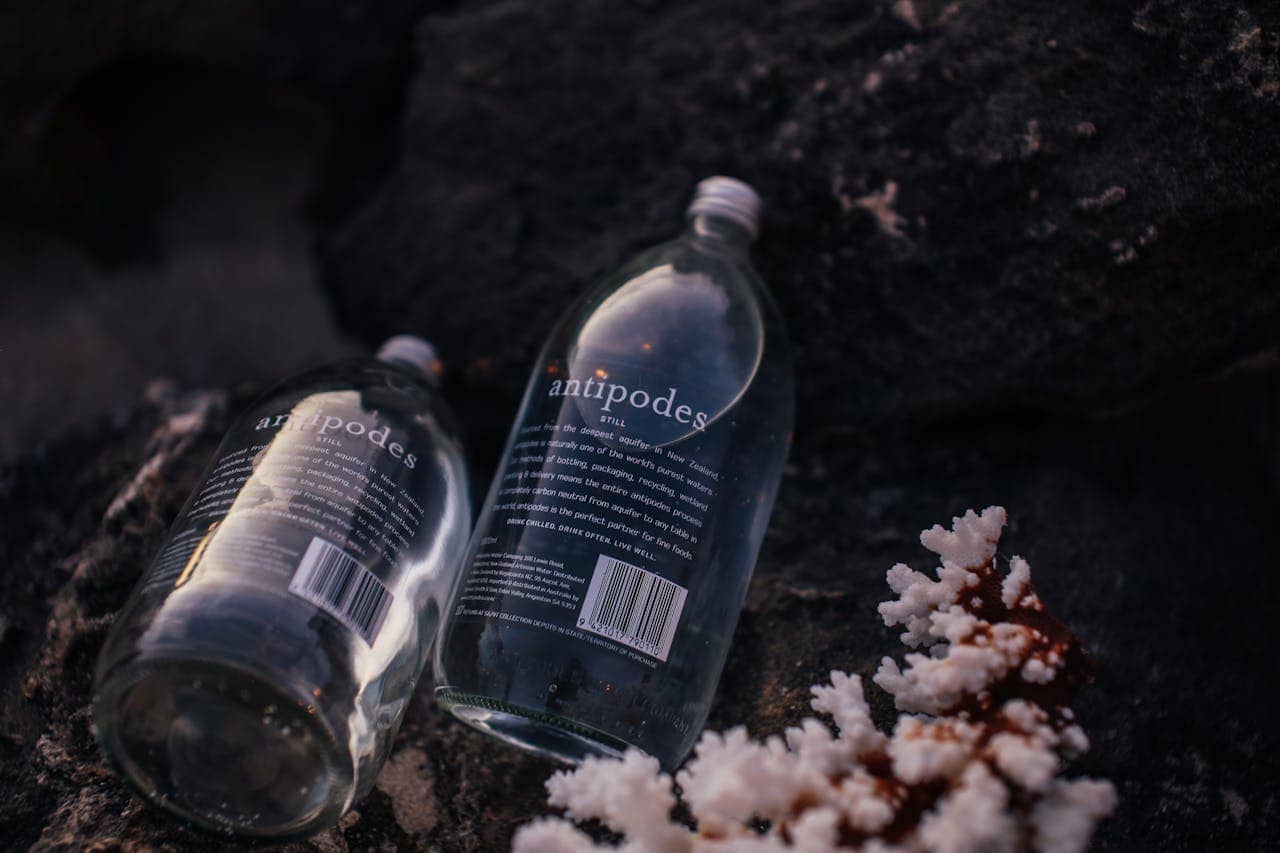
Buying brand-name bottled water might seem convenient, but it can really add up. You pay for the label more than the quality of the water itself.
Opt for a reusable water bottle instead. You can fill it up at home or use water fountains. This switch not only saves you money but is also better for the planet.
Stay hydrated without the extra cost. You’ll find that tap water is just as refreshing, and your wallet will thank you.
Subscription-Based Meal Kits

Subscription-based meal kits can seem convenient, but they often come with a high price tag. You pay for the convenience of pre-portioned ingredients and recipes. While they save time, you might find that cooking from scratch is a cheaper option.
Ingredients can be more expensive compared to buying them individually at the store. If you’re looking to save money, consider planning meals and shopping for groceries on your own. You can create delicious meals without the added subscription costs.
Frozen Dinners
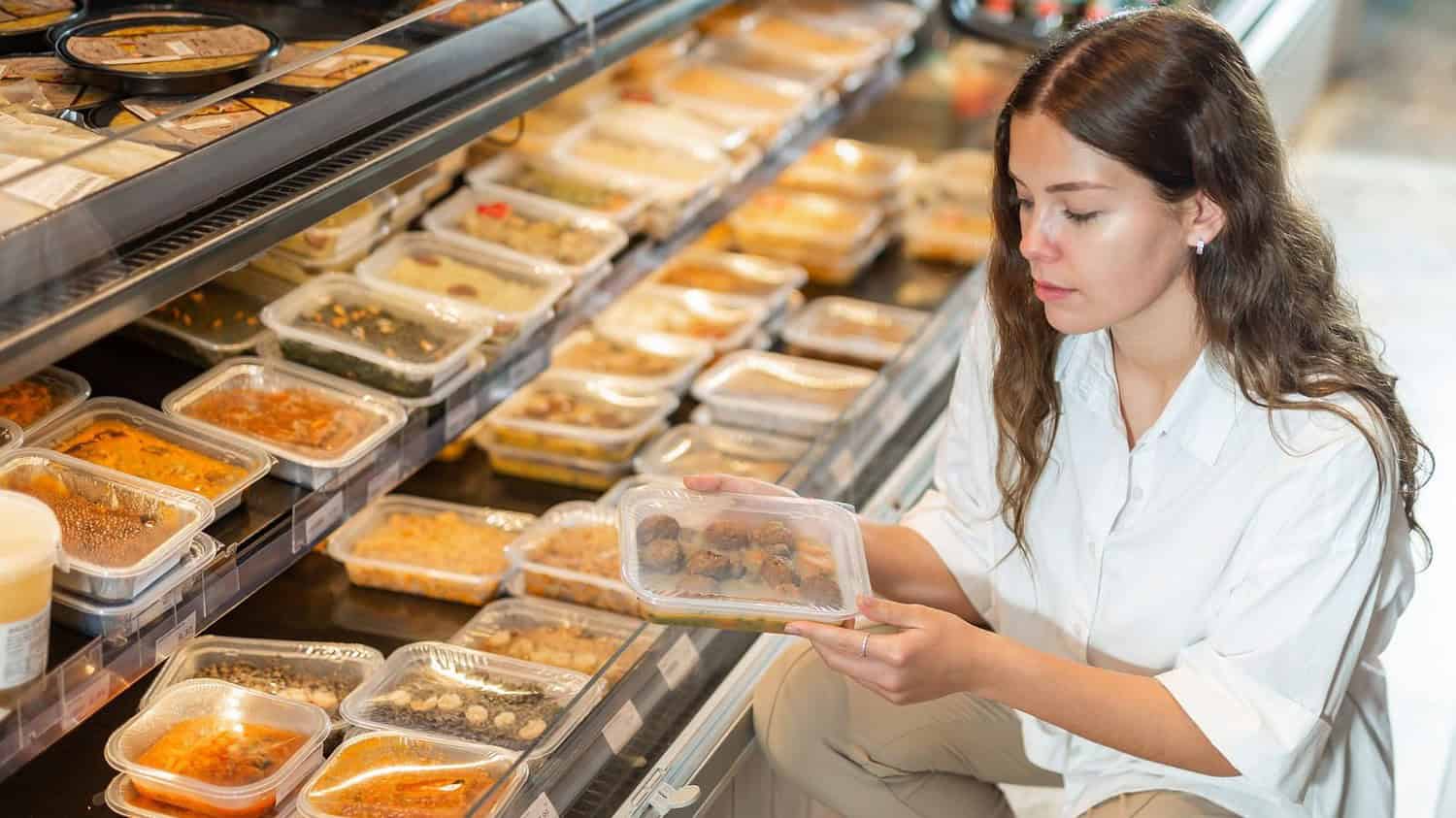
Frozen dinners might seem like a convenient option after a long day. They save time but often come with a higher price tag than you’d expect.
Many frozen meals contain high levels of sodium and preservatives, which aren’t great for your health. Plus, the portion sizes can be less satisfying than a homemade meal.
Instead, consider making a big batch of your favorite dish and freezing it in individual portions. You’ll save money and know exactly what’s in your food. Your wallet and your taste buds will thank you.
Organic Convenience Foods
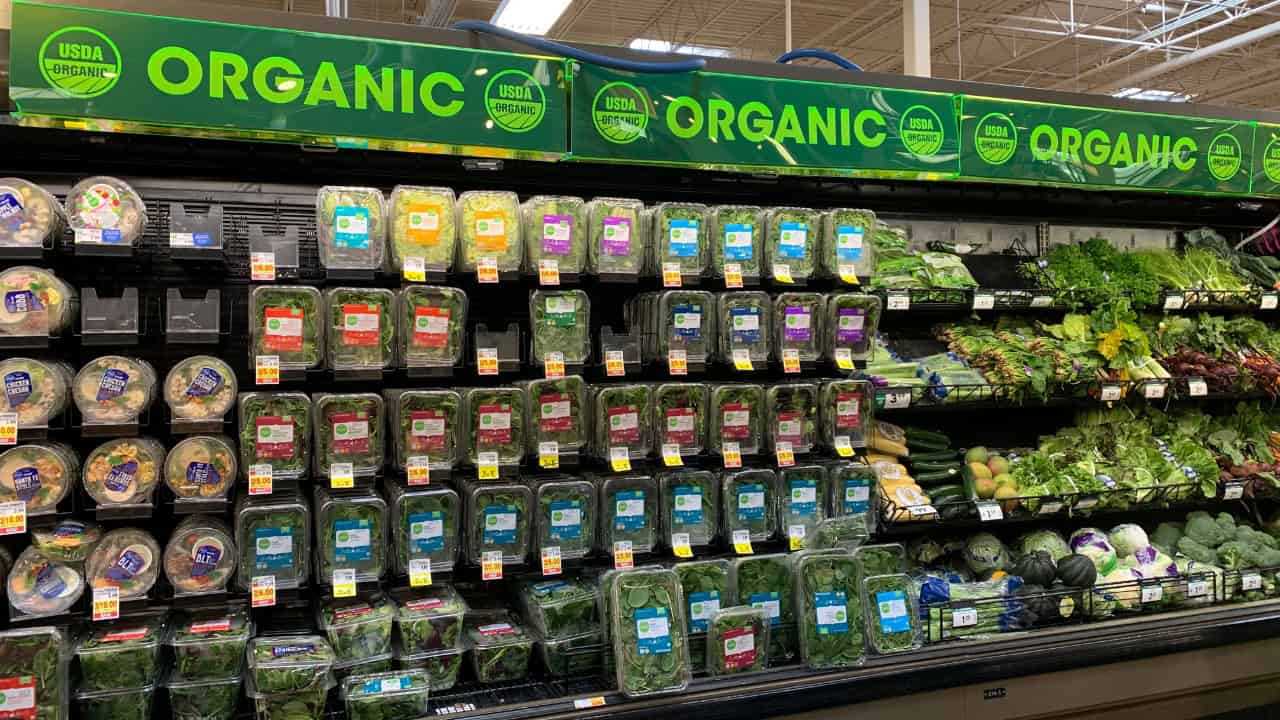
Organic convenience foods can be tempting when you’re short on time. They often come with a higher price tag, which can quickly add up.
Pre-packaged organic snacks, ready-to-eat meals, and even organic frozen foods save you time but may not be worth the cost.
Instead, consider purchasing whole organic ingredients and preparing meals at home. This approach is usually more budget-friendly and healthier.
You’ll get the benefits of organic produce without overspending on convenience items.