The escalating trade wars worldwide are making a significant impact on our everyday lives. Perhaps, the most noticeable is the surge in grocery prices. As trade tensions rise, several everyday items are becoming more expensive, hitting us right where it hurts the most – our pockets.
We’re taking a closer look at which grocery items are feeling the sting of trade wars, and why their prices are climbing.
Advertisement
1. Almonds
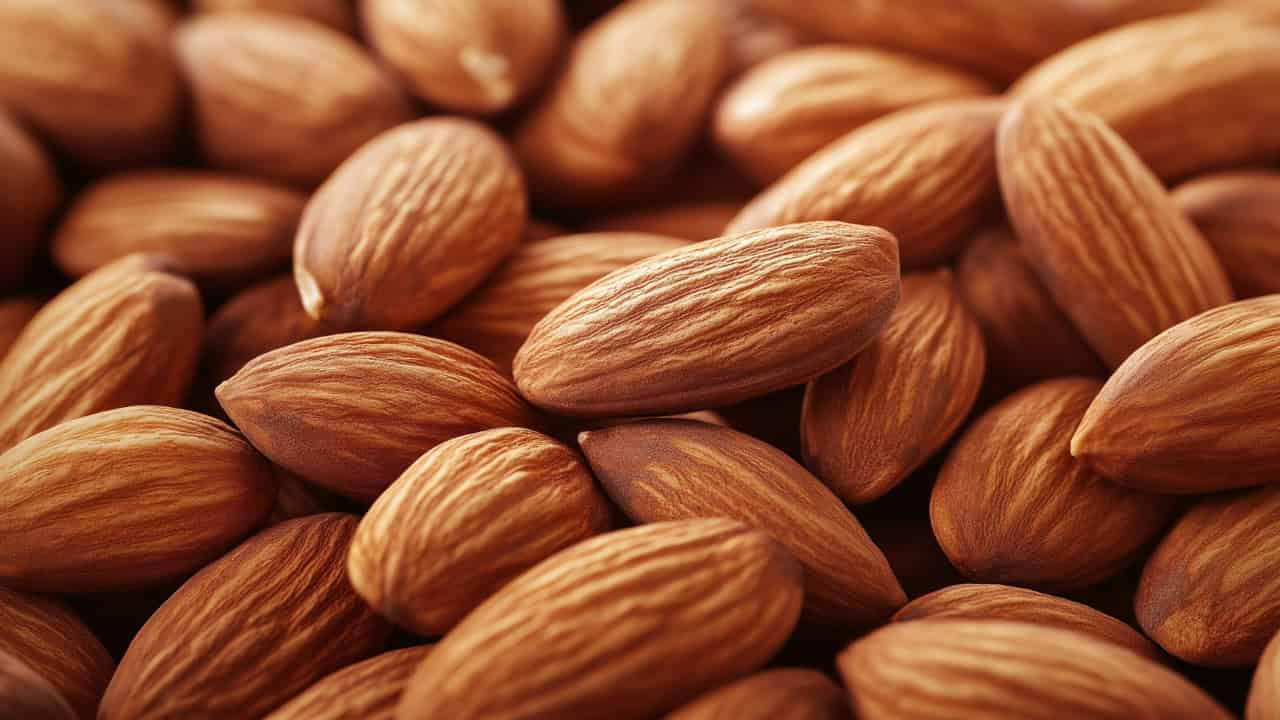
With the tariffs imposed by China on American goods, almonds have experienced a significant price increase. The US is the world’s largest producer of almonds, and China is a major consumer. The increased tariffs have affected this trade, leading to a rise in the cost of almonds.
This price increase is felt not only in the direct purchase of almonds but also in products like almond milk and almond butter. Almonds are also used in the production of several baked goods and sweets, and the rise in their cost can lead to a price increase in these products as well.
2. Pork
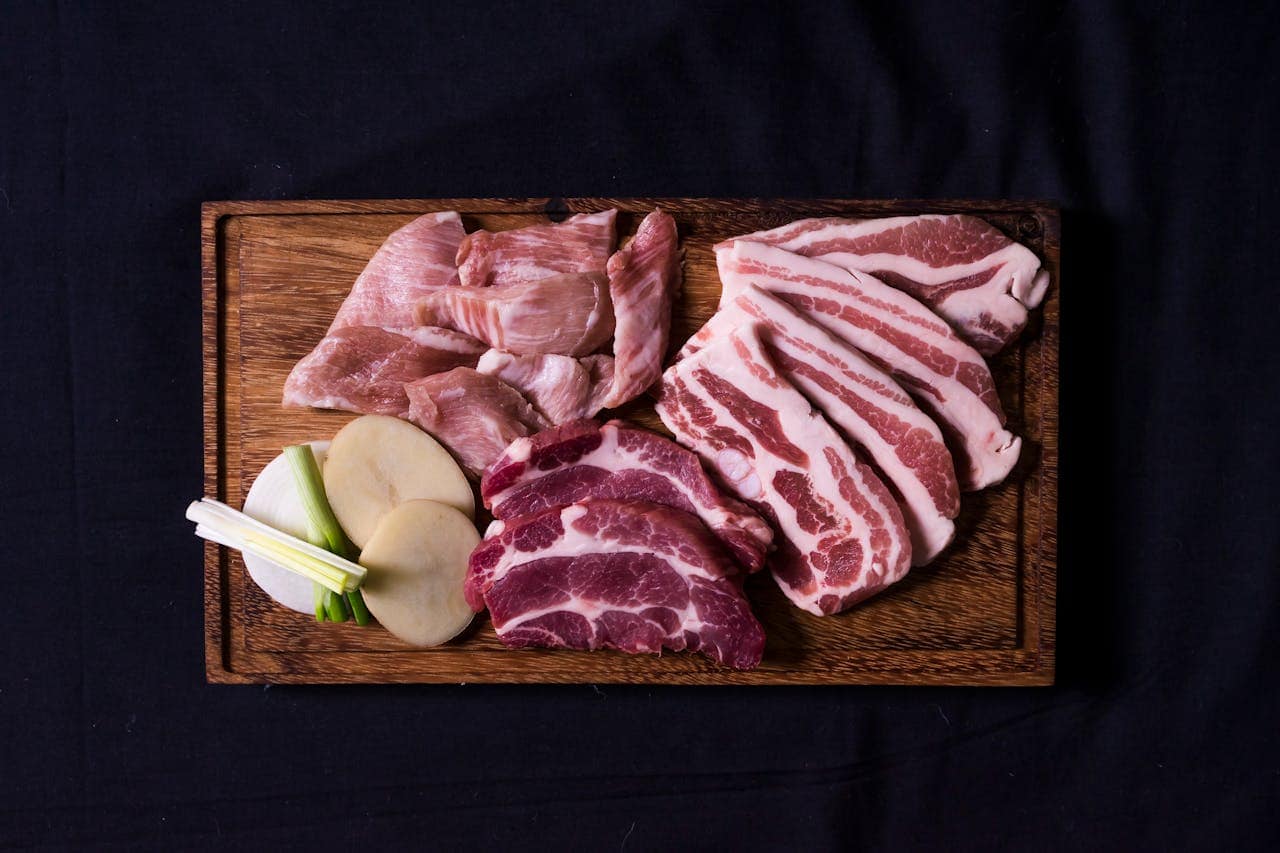
The trade war has triggered a rise in the cost of pork, with China imposing tariffs on US pork. China consumes more pork than any other country, and the US is one of the largest exporters. The tariffs have led to a decrease in exports and a surplus of pork in the US, causing a price hike.
The price increase impacts not just fresh pork but also processed products like ham, bacon, and sausages. This could lead to a rise in the cost of dining out as well, as restaurants may increase prices to offset their increased costs.
3. Soybeans
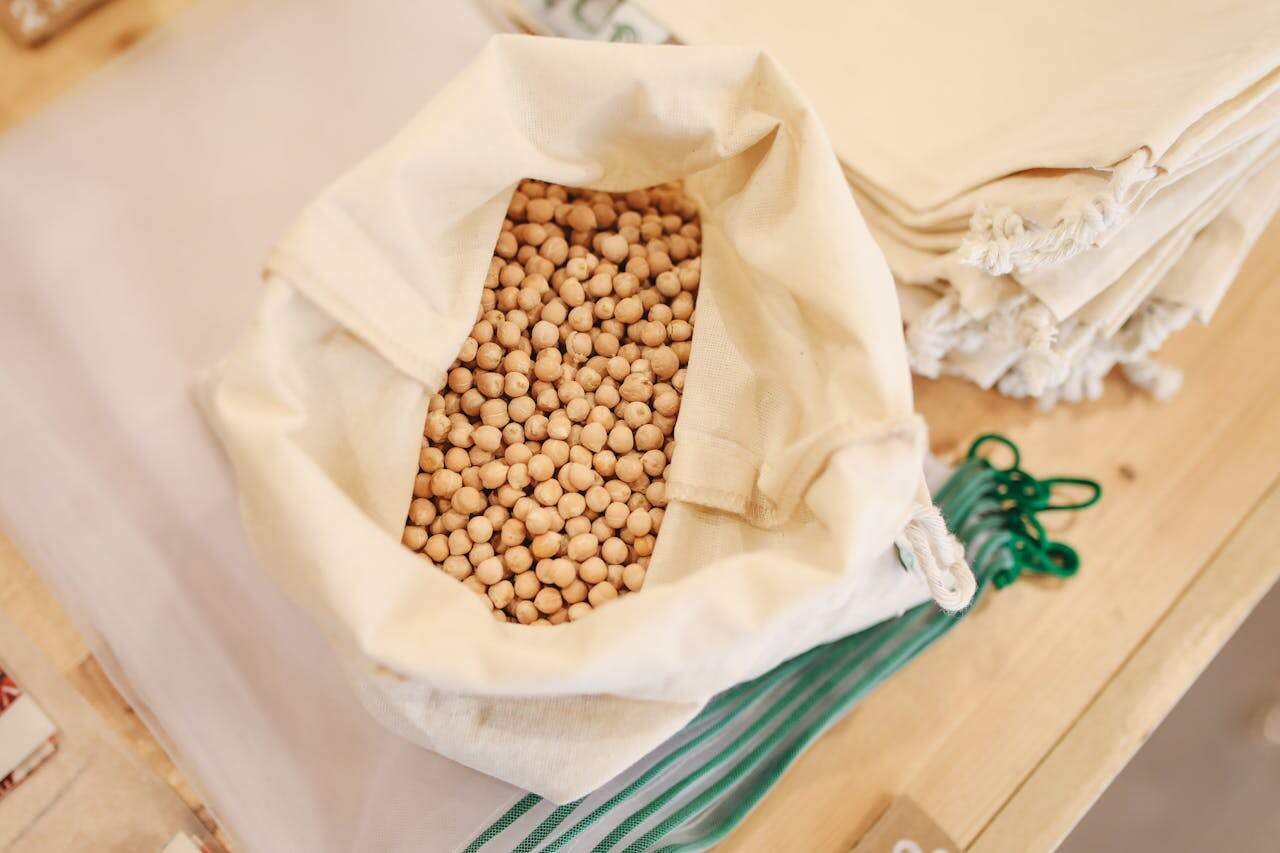
Soybeans are another casualty of the trade war, with tariffs causing a price hike. The US is the world’s largest soybean producer, and China is the biggest consumer. The tariffs have disrupted this trade, leading to a rise in the cost of soybeans.
The price increase impacts not just direct soybean consumption but also products made from soybeans like tofu, soy milk, and soy sauce. It also affects the cost of animal feed, which could cause a rise in meat prices.
4. Whiskey
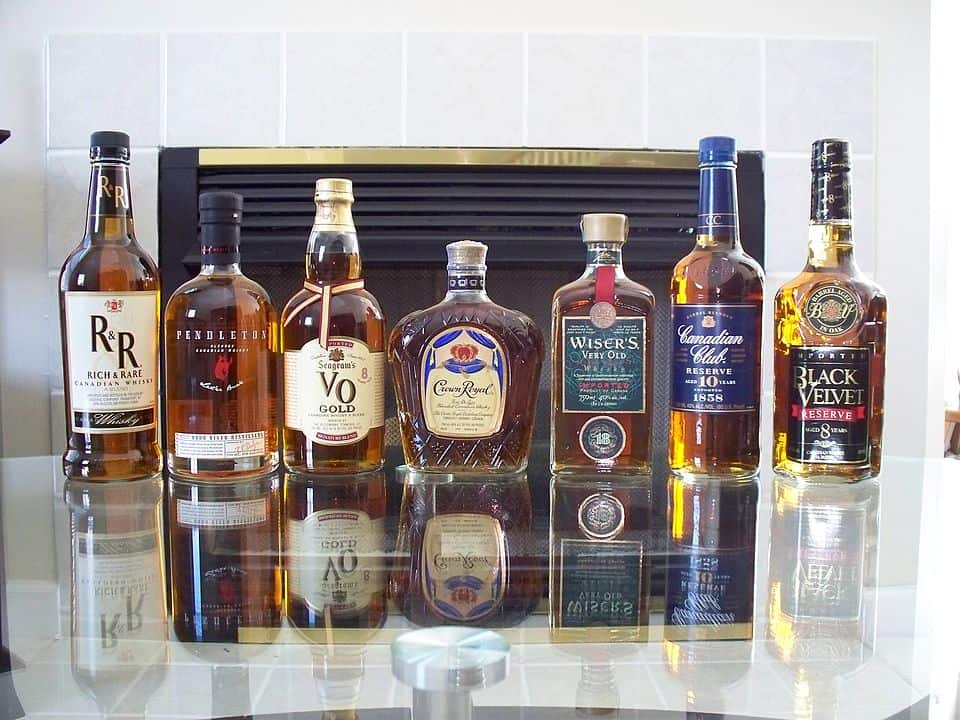
The escalating trade war has also hit whiskey lovers hard. In response to the US imposing tariffs on steel and aluminium, the EU retaliated by imposing tariffs on various US goods, including whiskey. This has led to a price hike for whiskey.
The increase in whiskey prices is a blow to consumers and also poses a significant challenge for whiskey producers. They are grappling with the dilemma of whether to absorb the increased costs or pass them on to consumers, which could potentially lead to a decrease in sales.
5. Cheese
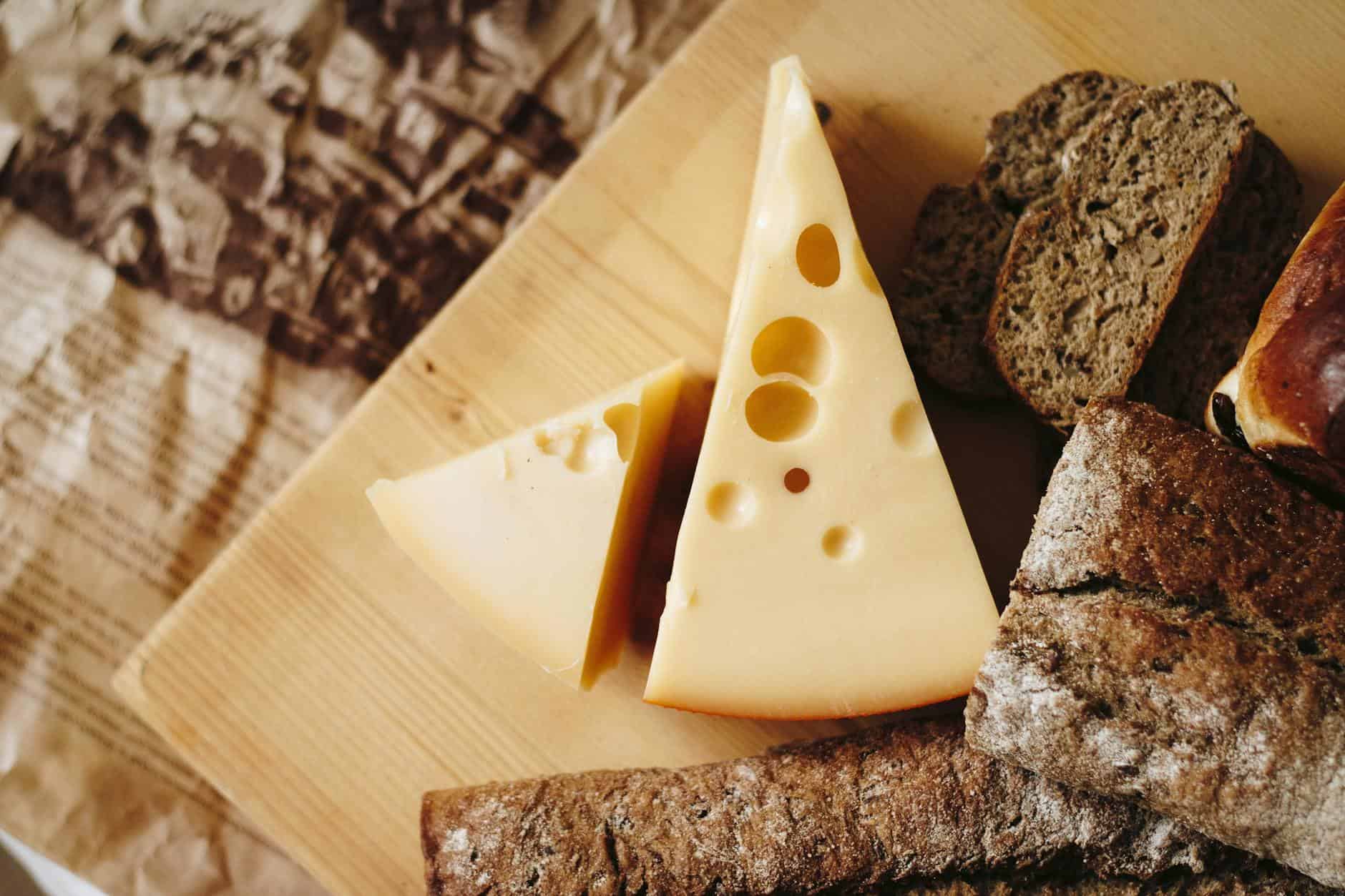
Cheese is another item that’s become pricier due to the trade war. The EU has imposed tariffs on US cheese in retaliation for the tariffs the US imposed on steel and aluminium. This has led to a rise in the cost of cheese.
The cost increase is felt not just in the direct purchase of cheese but also in products that use cheese. This means that your favourite pizza or pasta dish might become more expensive as well.
6. Apples
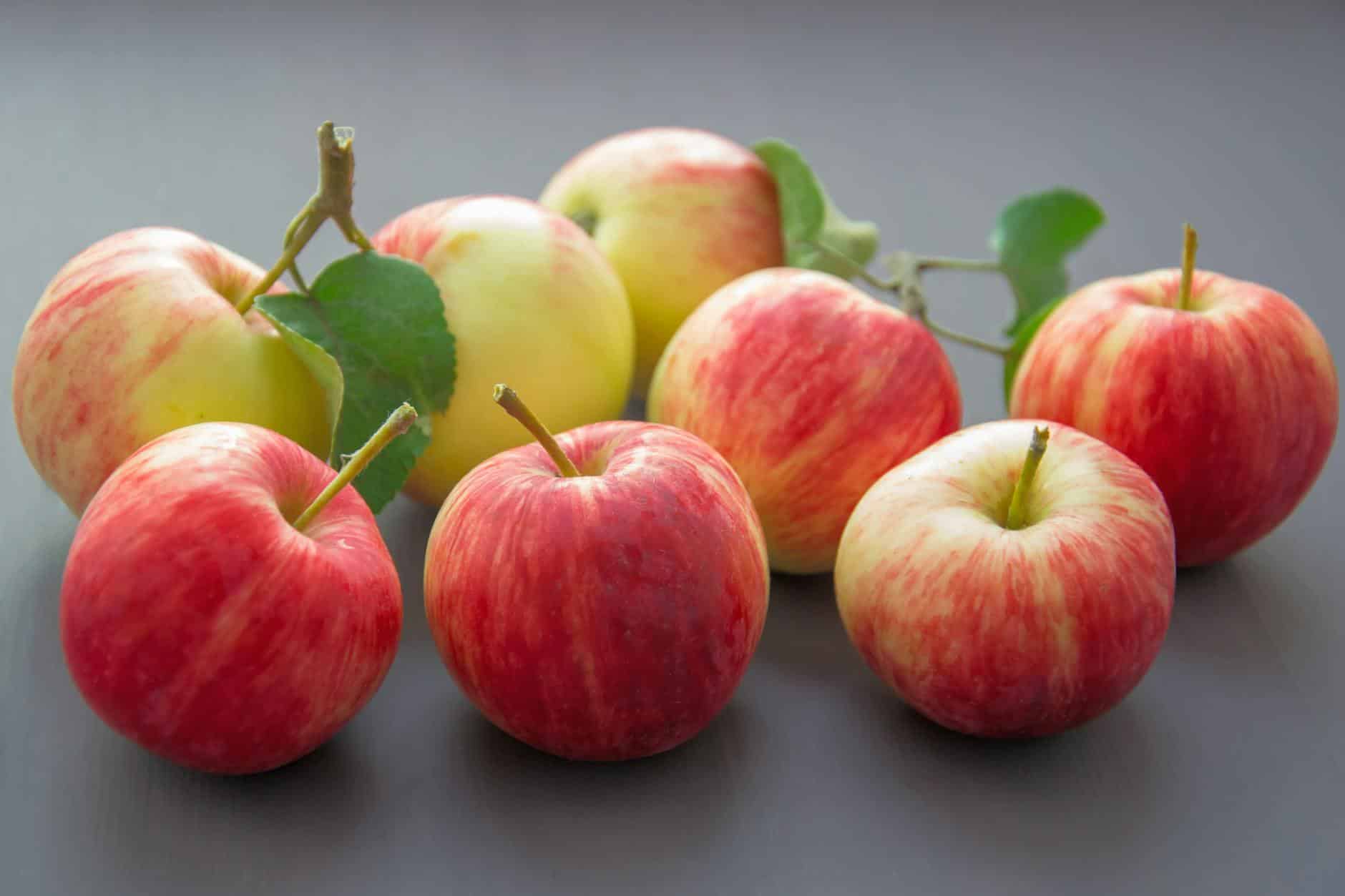
Apples have not been spared either. With China imposing tariffs on US apples, the cost of this fruit has gone up. The US is one of the biggest apple producers, and China is a major consumer.
The price hike affects not just apples but also products made from apples, such as apple juice and apple sauce. Baked goods that use apples, like pies and tarts, may also become more expensive due to the increased cost of apples.
7. Wine

Wine prices have also been affected by the trade war. The EU and China have both imposed tariffs on US wines, leading to a price hike. The US is a significant wine producer, and these markets are major consumers.
The price increase impacts not just direct wine consumption but also the cost of dining out, as restaurants may increase their prices to offset their increased costs. It also poses a challenge for wine producers, who must decide whether to absorb the increased costs or pass them on to consumers.
8. Seafood
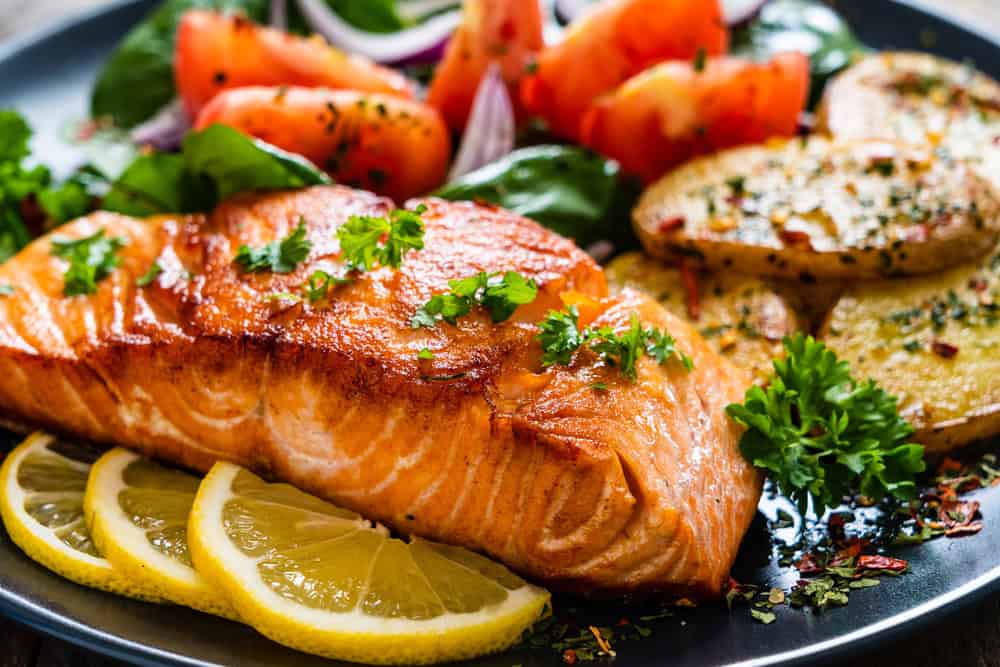
Seafood, particularly lobster and salmon, is another casualty of the trade war. China has imposed tariffs on US seafood, leading to a price hike. The US is a major seafood exporter, and China is a significant consumer.
The price increase impacts not just fresh seafood but also processed products. This could lead to a rise in the cost of dining out as well, as restaurants may increase their prices to offset the increased costs.
9. Peanut Butter

Peanut butter is another item that’s become pricier due to the trade war. The EU has imposed tariffs on US peanut butter in retaliation for the tariffs the US imposed on steel and aluminum. This has led to a rise in the cost of peanut butter.
The cost increase is felt not just in the direct purchase of peanut butter but also in products that use it. Consumers may need to fork out more for their favorite peanut butter sandwich or peanut butter cookies.
10. Cranberries
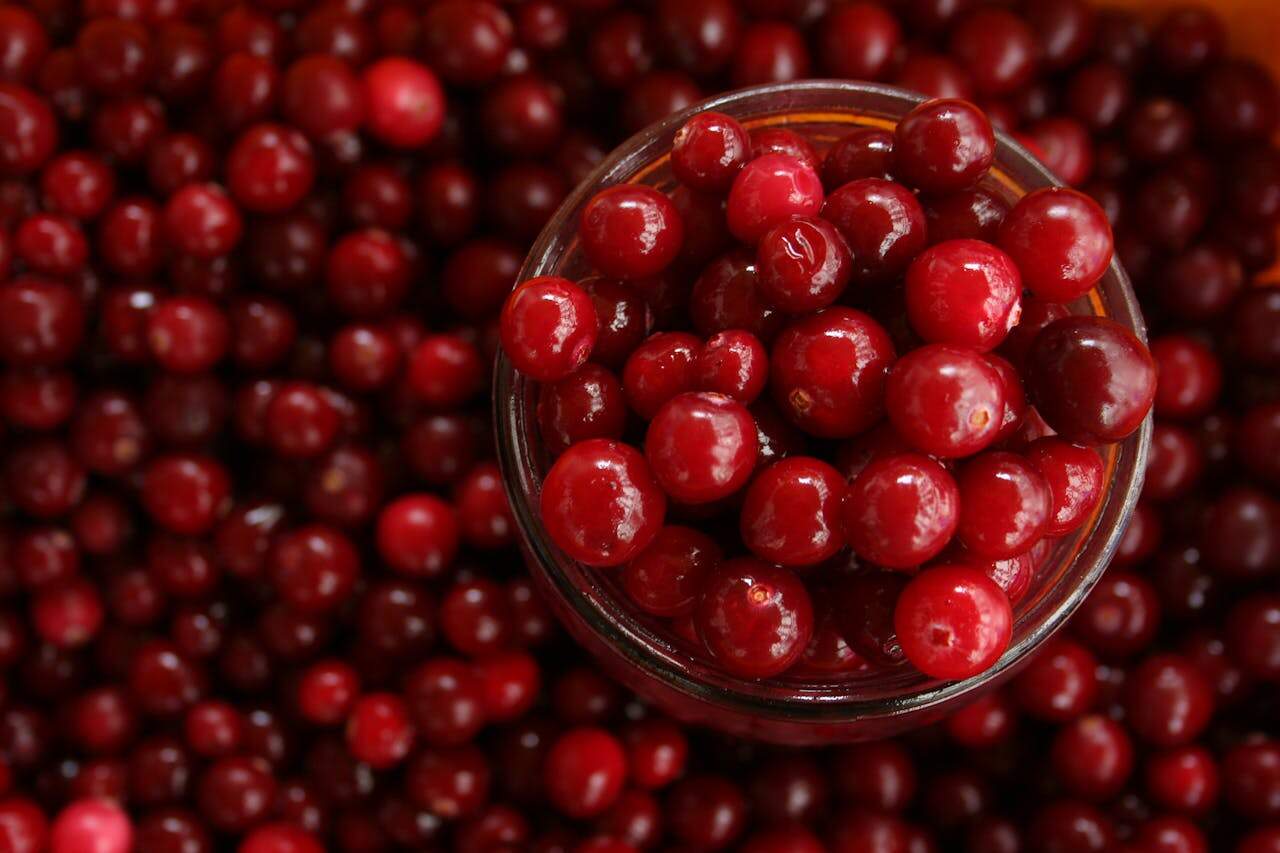
Cranberries have also been hit by the trade war. China and the EU have imposed tariffs on US cranberries, leading to a price hike. The US is a major cranberry producer, and these markets are significant consumers.
The price increase affects not just cranberries but also products made from cranberries, such as cranberry juice and cranberry sauce. The increased cost of cranberries may also affect the cost of baked goods that use cranberries.
11. Corn

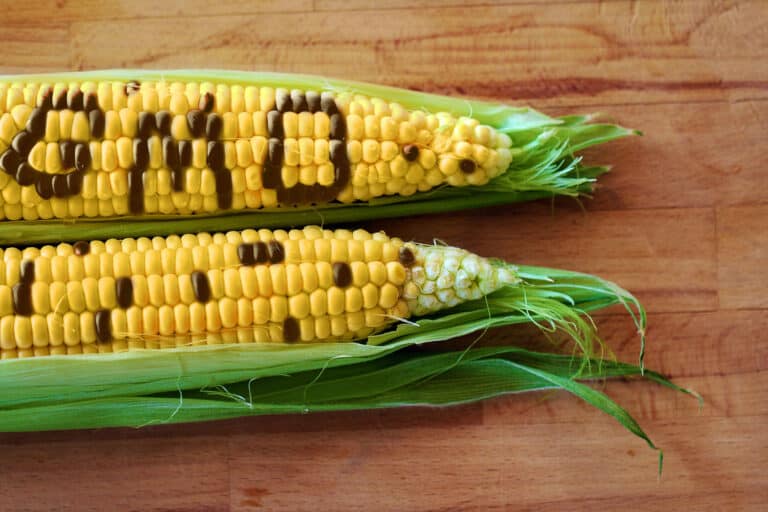
Corn has seen a price increase due to the trade war, with China imposing tariffs on US corn. The US is a major corn producer, and China is a big consumer. The tariffs have disrupted this trade, leading to a rise in the cost of corn.
The price increase impacts not just direct corn consumption but also products made from corn like corn oil, corn syrup, and cornflour. It also affects the cost of animal feed, which could cause a rise in meat prices.
12. Beer
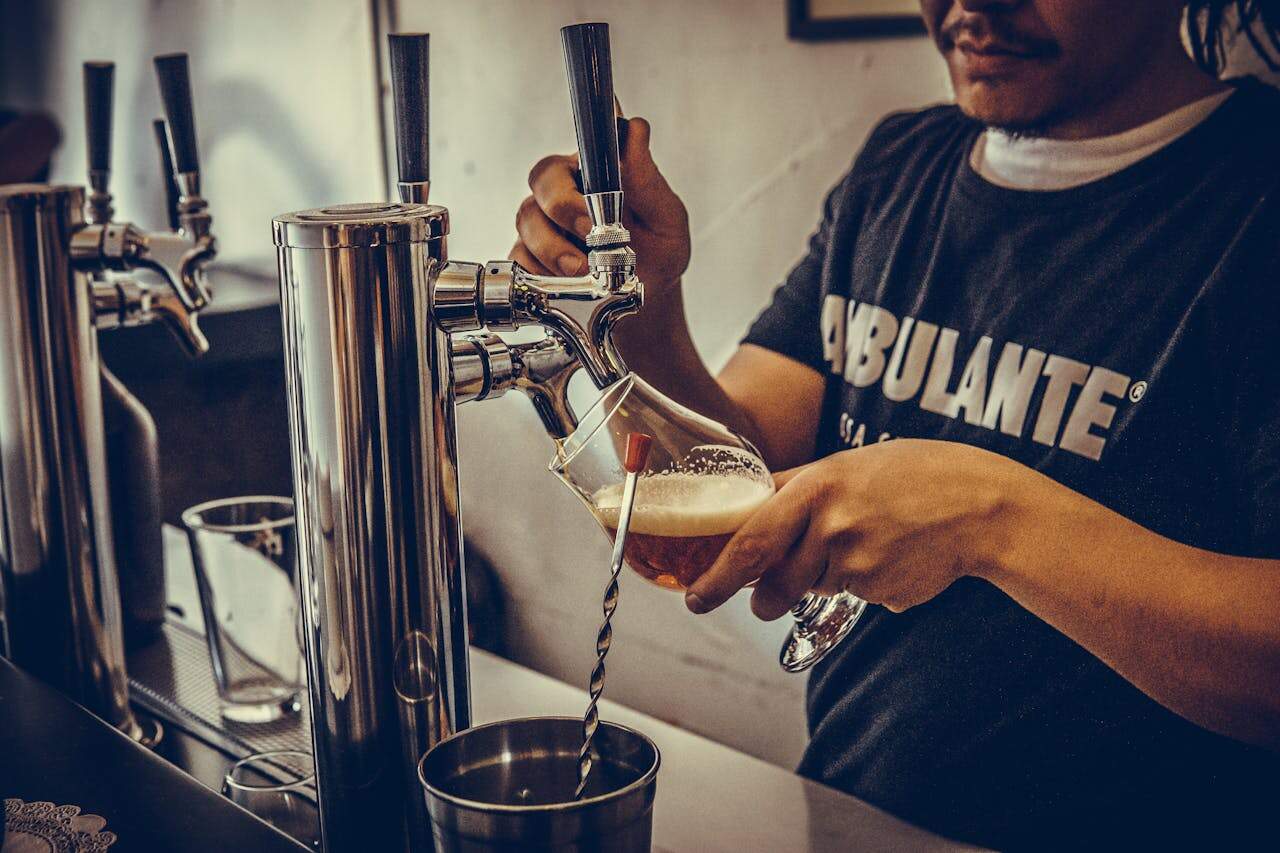
Beer prices have also been affected by the trade war. The US imposed tariffs on aluminium, which is used to make beer cans, leading to a price hike. The increased cost of aluminium affects not just beer but also other canned beverages.
The price increase poses a significant challenge for beer producers, who must decide whether to absorb the increased costs or pass them on to consumers. Consumers may need to fork out more for their favourite brew.
13. Orange Juice

Orange juice is another item that’s become pricier due to the trade war. The US imposed tariffs on aluminium, which is used to make juice cans, leading to a price hike. The increased cost of aluminium affects not just orange juice but also other canned beverages.
The price increase poses a significant challenge for juice producers, who must decide whether to absorb the increased costs or pass them on to consumers.
14. Chicken
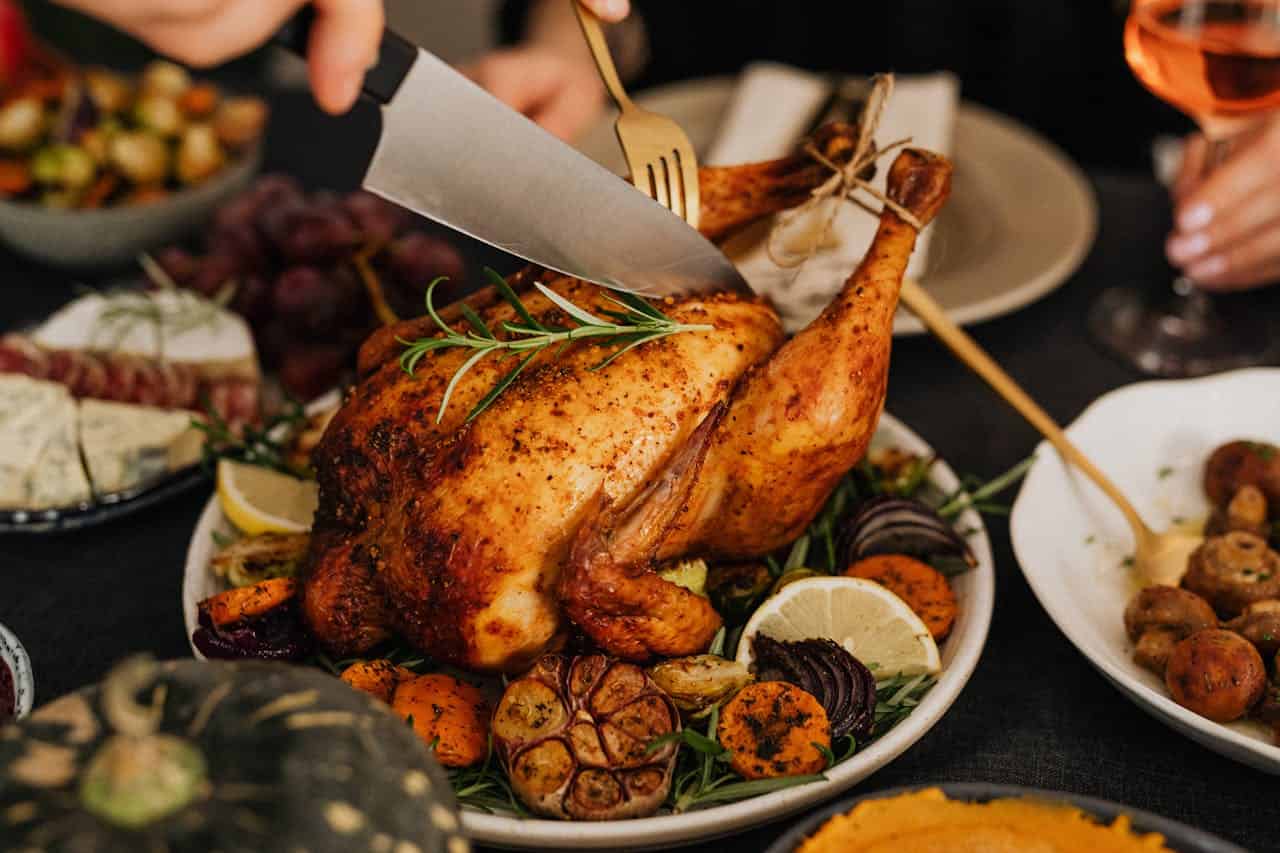
Chicken prices have also been affected by the trade war, with China imposing tariffs on US chicken. The US is a major chicken producer, and China is a big consumer. The tariffs have disrupted this trade, leading to a rise in the cost of chicken.
The price increase impacts not just fresh chicken but also processed products like chicken nuggets and chicken sausages. This could lead to a rise in the cost of dining out as well, as restaurants may increase their prices to offset their increased costs.
15. Steel
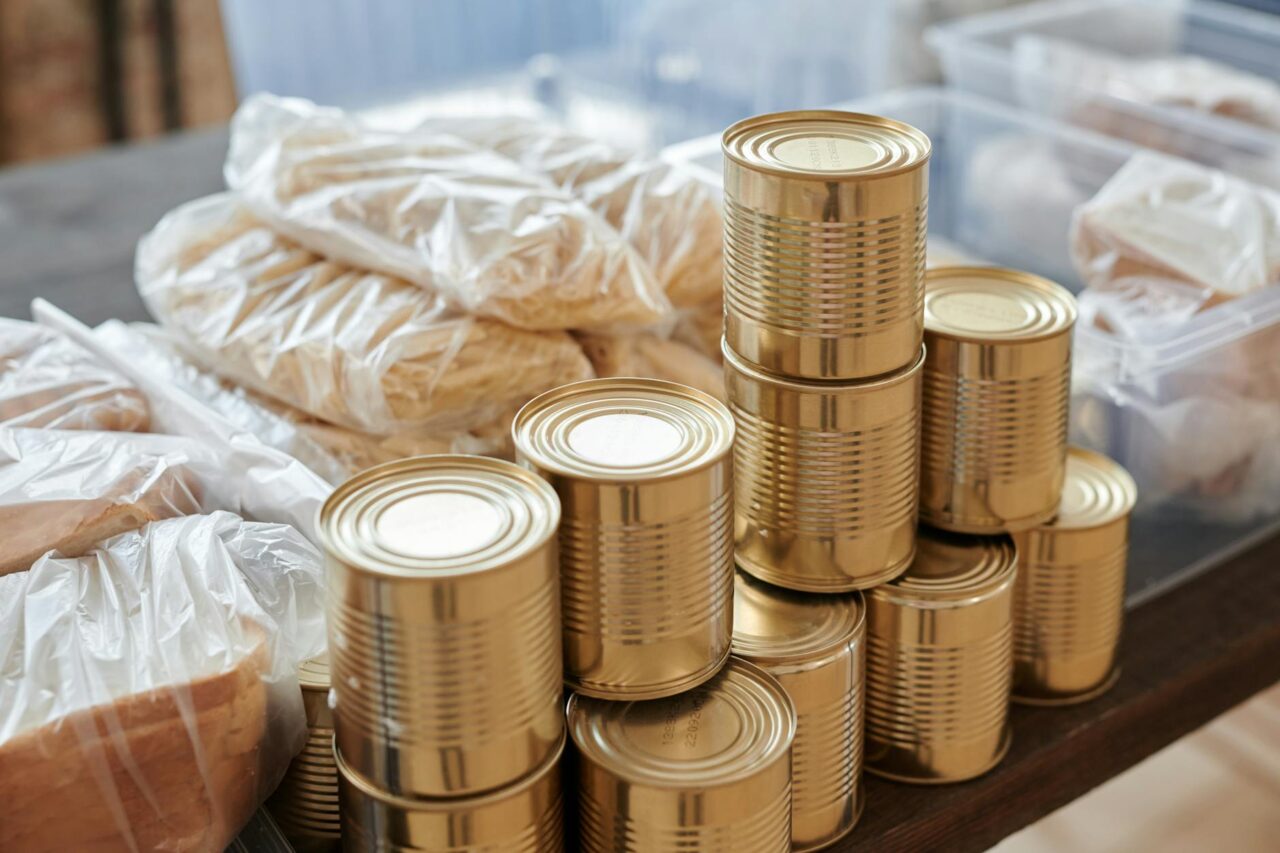
While not a grocery item, steel is worth mentioning because it directly affects the cost of canned goods. The US imposed tariffs on steel imports, leading to a price hike. The increased cost of steel affects not just canned food but also other products made from steel.
The price increase poses a significant challenge for manufacturers, who must decide whether to absorb the increased costs or pass them on to consumers. This could potentially lead to a rise in the cost of canned goods and other steel products.
To sum it up, the ongoing trade wars are having a considerable impact on the cost of everyday items. It’s a good idea to keep an eye on these price increases and plan your shopping accordingly. Consider alternatives, like locally produced goods, to help keep your grocery bills down.