Gardening in the 1940s was shaped by a unique time in history, with many practical and simple techniques that helped people make the most of their outdoor spaces. Whether you’re a seasoned gardener or just starting out, these time-tested methods offer valuable insights that have stood the test of time.
You’ll discover easy-to-follow secrets that can improve your garden’s health and productivity by using natural, resourceful approaches inspired by the 1940s. This article will help you bring a bit of that old-school wisdom into your modern garden.
Advertisement
Use clean disposable diapers to retain soil moisture
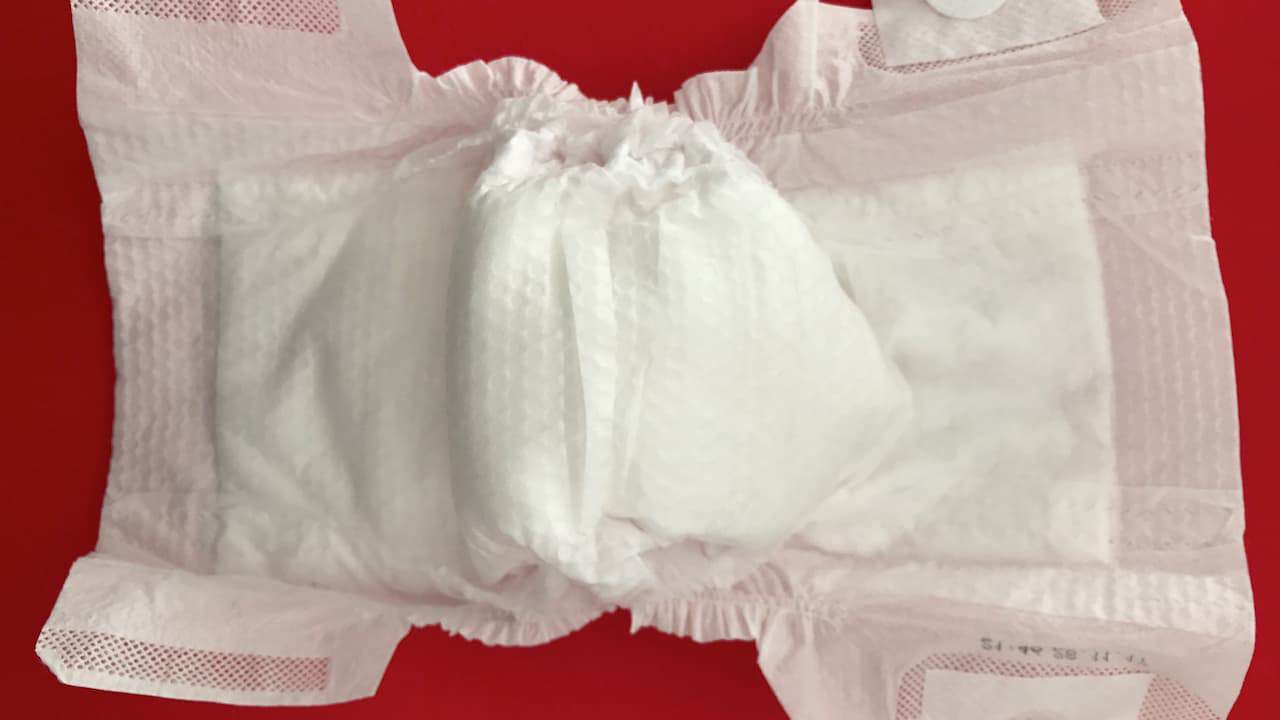
You can use clean disposable diapers to help keep your soil moist. The gel inside the diaper absorbs water and slowly releases it, making it easier for your plants to stay hydrated.
Simply tear open a diaper and mix the gel into your garden soil. For existing plants, place the gel around the roots and cover it with soil. This trick is especially helpful in dry areas.
Plant companion plants like marigolds to deter pests
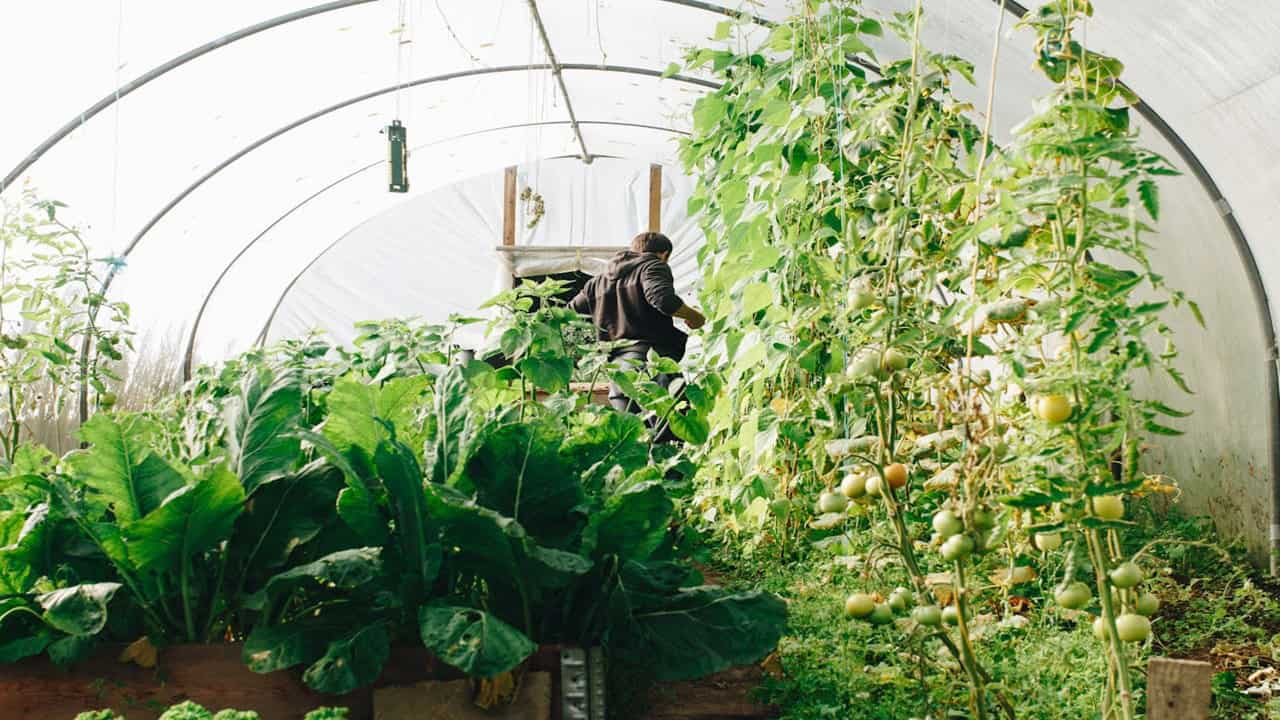
You can plant marigolds alongside your vegetables to help keep pests away. Their scent repels insects like aphids and beetles that might harm your crops.
Marigolds also release a natural chemical that deters nematodes in the soil. Try planting them near broccoli, squash, or cucumbers for the best effect.
Adding marigolds to your garden not only protects your plants but also attracts pollinators, helping your garden thrive.
Fork your garden soil to improve aeration

You can use a garden fork to gently loosen compacted soil. Push the fork about 6 inches deep, then rock it back and forth to create air channels.
This helps water and nutrients reach your plants’ roots more easily. Make sure to cover your entire garden, spacing the holes every few inches. Forking is especially useful for small to medium garden beds.
Repurpose old soda bottles as drip feeders
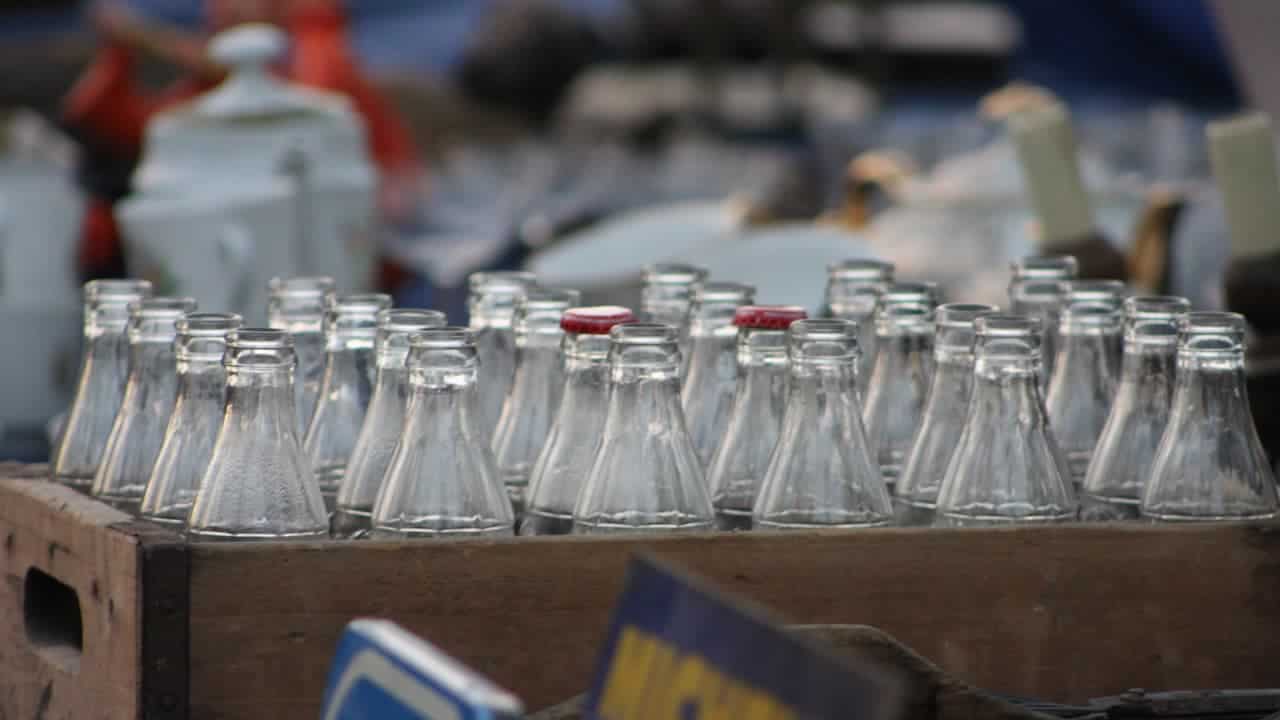
You can turn old soda bottles into simple drip feeders for your garden. Just poke small holes in the bottom or sides of a clean bottle.
Place the bottle near your plants, either stuck in the soil or hung above the base. Fill it with water, and it will slowly release moisture to keep your plants hydrated.
This method saves water and makes watering easier, especially for container plants or small gardens.
Harvest rainwater for sustainable watering

You can save water by collecting rainwater from your roof using simple rain barrels. This keeps water handy for your garden without relying on taps.
Rainwater is gentler on plants since it’s free of chemicals found in some municipal water. Setting up a rain barrel is easy and often supported by local programs.
Using rainwater helps you water your garden sustainably, especially during dry spells. It’s an old practice that still works well today.
Rotate crops annually to prevent soil depletion

You can keep your soil healthy by rotating crops each year. Moving different plant families to new spots stops pests and diseases from settling in.
Try not to plant the same type in the same bed for at least three years. This helps prevent soil nutrients from running low.
Using crops like legumes can also add nitrogen back into the soil, giving your garden a natural boost.
Add compost regularly for nutrient-rich soil
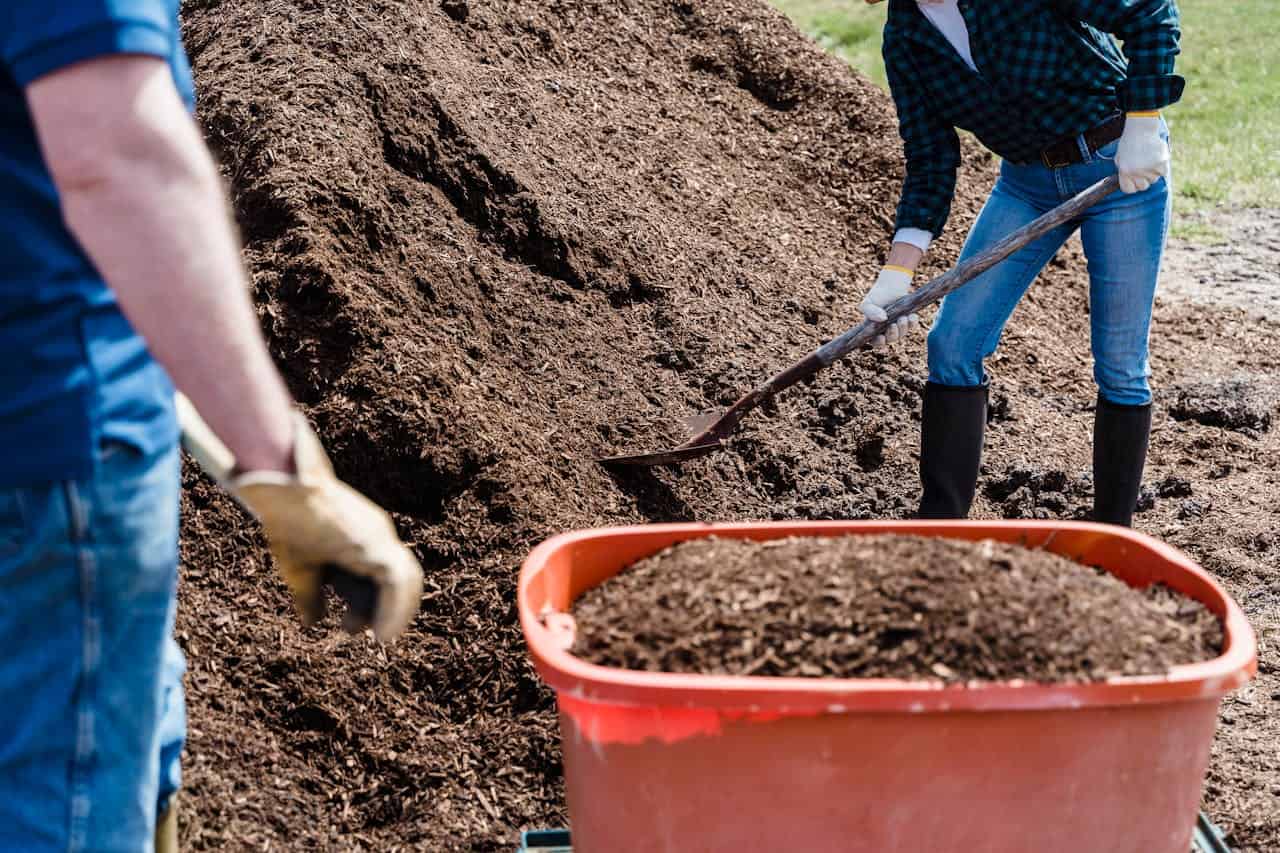
You’ll want to add compost to your garden soil often. Compost provides essential nutrients that help your plants grow strong and healthy.
It improves soil texture and helps retain moisture, so your garden stays hydrated longer. Using compost also encourages beneficial microbes that support plant health naturally.
Try mixing kitchen scraps, yard waste, and dried leaves to make your own compost. Adding it regularly strengthens your soil without relying on chemicals.
Space plants properly to ensure healthy growth
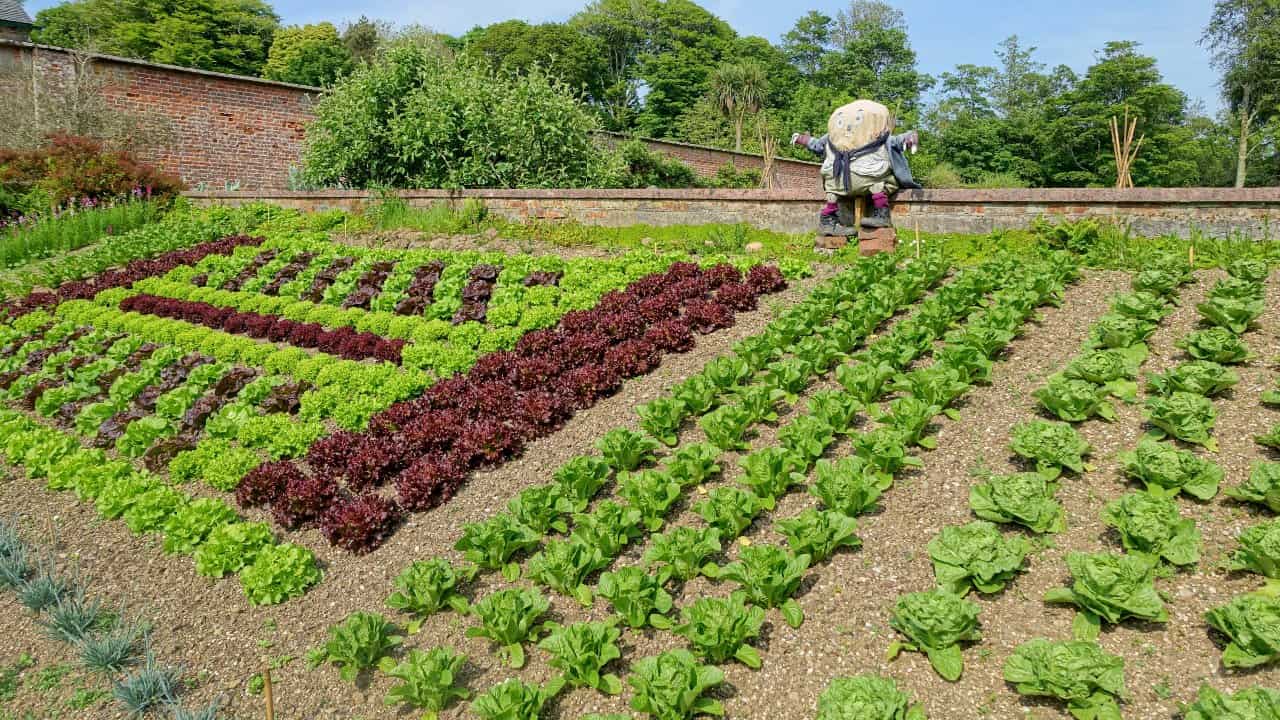
You want to give each plant enough room to grow without crowding. Proper spacing helps air flow and sunlight reach every leaf, which keeps plants healthier.
Think about how big your plants will get. Some grow tall, others spread wide, so plan your garden with their mature size in mind.
Leaving space between plants also makes it easier to manage pests and diseases. When plants aren’t overcrowded, they can absorb nutrients better and grow stronger.
Use native plants to support local wildlife
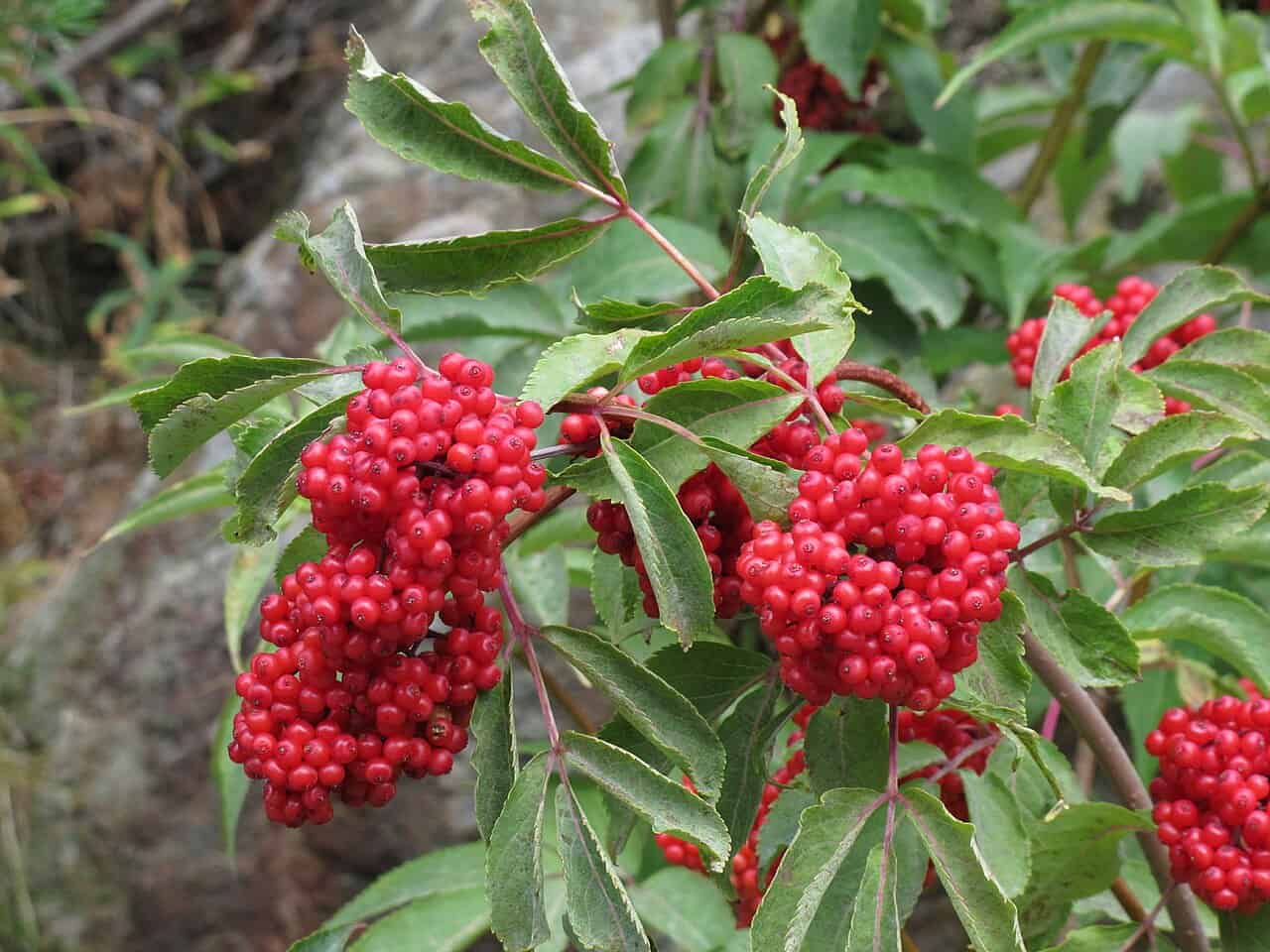
When you plant native species, you help local wildlife find food and shelter. These plants have adapted to your area’s climate and soil, making them easier to grow and maintain.
Native plants attract pollinators like bees and butterflies, which are essential for a healthy garden. You’ll also provide habitat for birds and beneficial insects.
Choosing native plants connects your garden to the natural ecosystem around you. It’s a simple way to support biodiversity right at home.
Mulch garden beds to retain moisture and suppress weeds
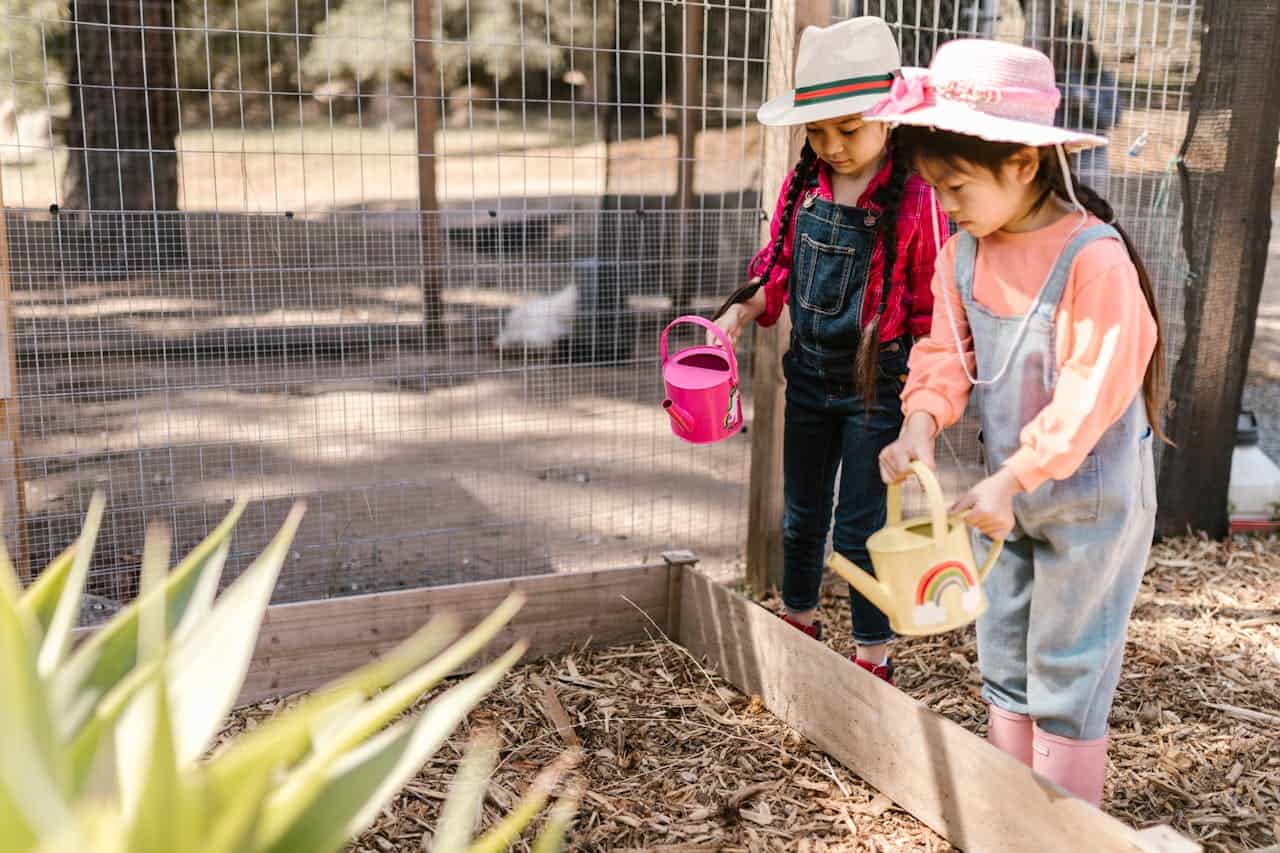
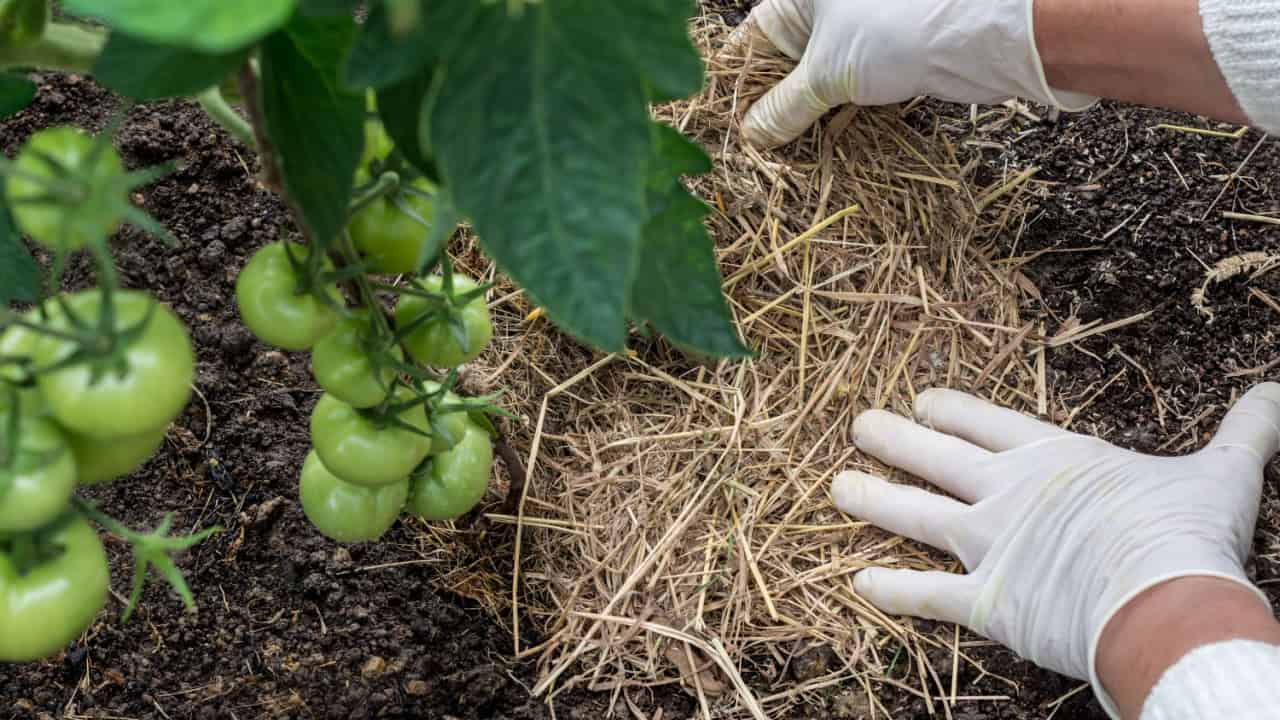
You can keep your garden soil moist by adding a layer of mulch. This helps reduce water evaporation, especially during hot weather, so you won’t need to water as often.
Mulch also acts as a barrier to weeds. It blocks weed seeds from getting sunlight, which stops them from growing.
When applying mulch, spread it evenly about 1 to 2 inches deep. Avoid piling it against the base of your plants to prevent rot.
Start seeds indoors to extend the growing season
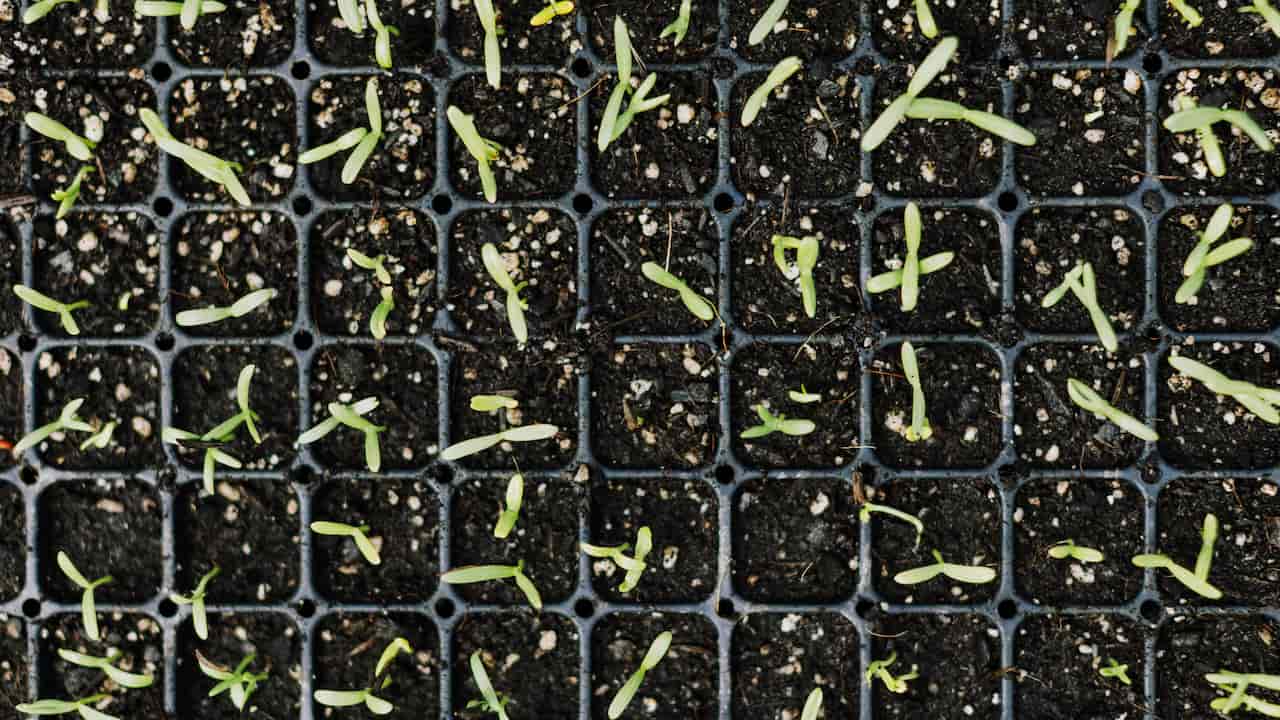
You can get a jump on planting by starting seeds indoors. This lets you begin your garden weeks before the outdoor soil is ready. Place your seedlings under bright light, keeping lights close to avoid leggy growth.
Starting seeds inside helps especially if your growing season is short. It gives you more time to grow healthy plants for transplanting outdoors.
Use eggshells crushed around plants to deter slugs
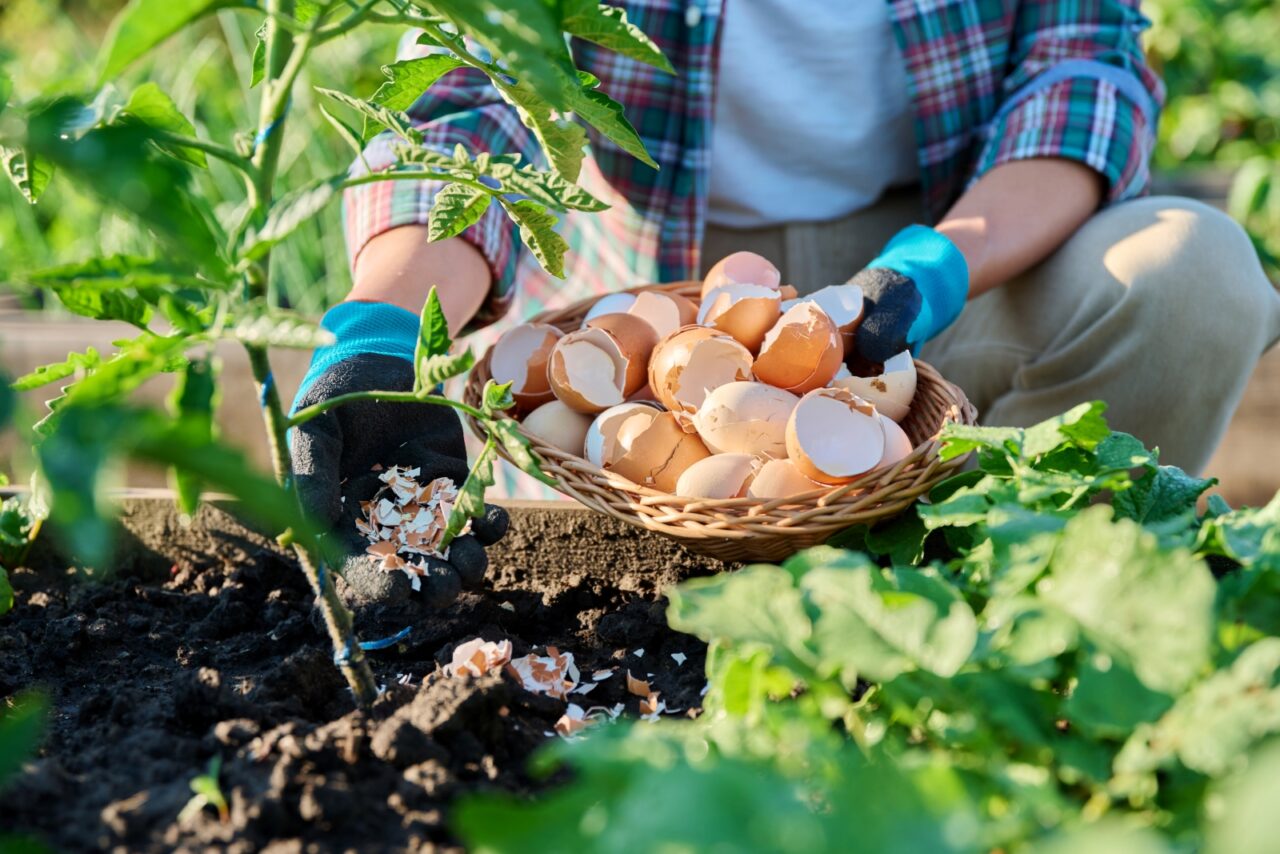
You can scatter crushed eggshells around your plants to help keep slugs away. The sharp edges make it uncomfortable for slugs to cross, creating a natural barrier.
Eggshells also add calcium to your soil as they break down, which benefits your plants. Just remember, crushed shells need to be sharp and spread evenly to work best.
Feed plants with homemade compost tea

You can easily make compost tea using just compost and water. Simply soak a shovel scoop of finished compost in a bucket of water.
After a day or two, strain out the solids to avoid mold growth.
Use this nutrient-rich liquid to water your plants or spray on leaves for a gentle, natural feed. It helps nourish your garden without harsh chemicals.
Employ pot-in-pot method for better root regulation
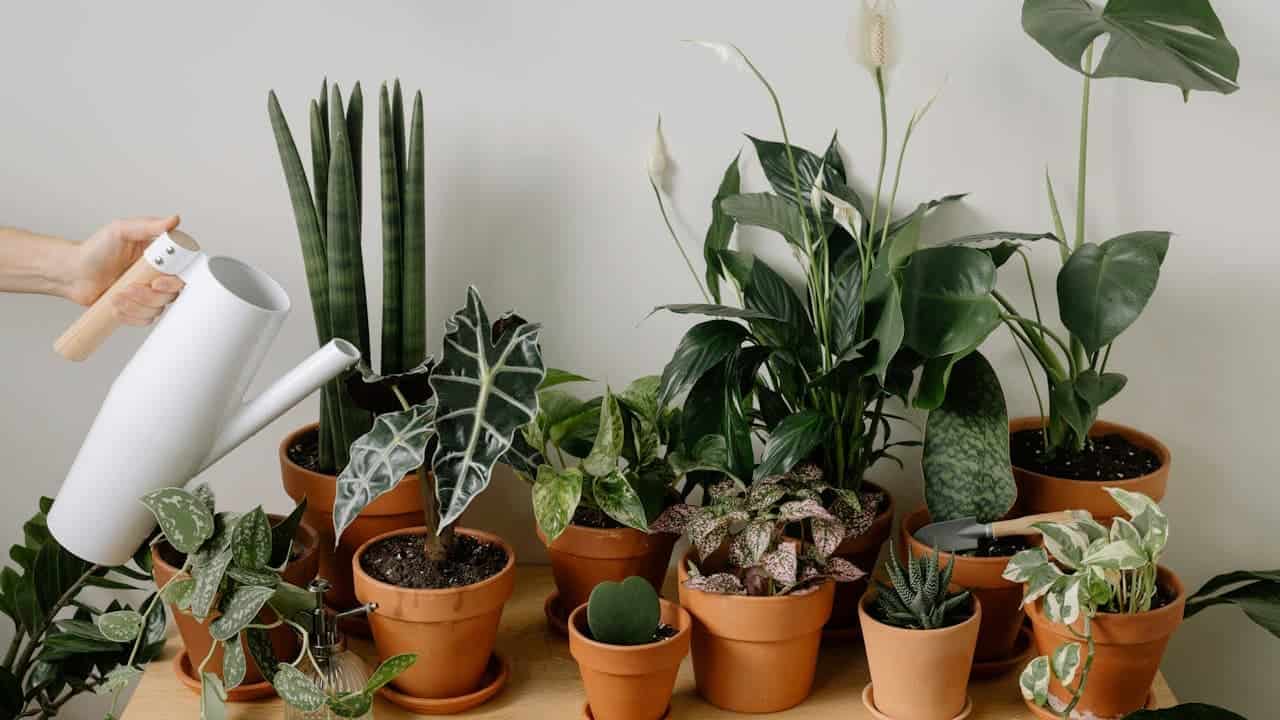
You can improve root growth by using the pot-in-pot method. This involves placing a smaller pot inside a larger one, giving roots more room to expand without becoming crowded.
This method also helps control soil temperature, protecting roots from extreme heat or cold. Plus, it makes transplanting easier and less stressful for your plants.
Choose plants suited for your climate zone
You’ll have more success when you pick plants that match your local climate. Understanding your climate zone helps you choose species that can handle your area’s temperature and moisture levels.
Using mulch around your plants was a common practice in the 1940s to protect roots from cold and heat. This simple method still helps plants stay healthy today.
Choosing the right plants means less work for you because they’ll naturally thrive without extra care. It’s a smart way to build a garden that lasts.