Gardening can be a rewarding hobby, but it often comes with a learning curve. By recognizing and avoiding common mistakes, you can dramatically improve your plant care and garden success. Many gardeners, both new and experienced, have faced challenges that can easily be overcome with a little knowledge and a few adjustments.
Whether you’re dealing with overwatering, poor plant selections, or not understanding sunlight needs, each misstep can hinder your progress. As you dive into your gardening journey, keeping these lessons in mind can help transform your space into a thriving green oasis.
Advertisement
1. Stopped Overwatering My Plants

You might not realize it, but overwatering can seriously harm your plants. It leads to root rot and other nasty issues. It’s easy to love your plants too much, especially when you see them drooping. Instead of daily watering, check the soil.
Stick your finger in an inch deep; if it feels moist, hold off on watering. Your plants will thrive much better if you let the soil dry out a bit between waterings. By adjusting your watering habits, you’ll notice healthier and happier plants in no time!
2. Chosen the Right Spot with Adequate Sunlight

Finding the right spot for your plants is crucial. Different plants have varied sunlight requirements. Some thrive in full sun, while others prefer partial shade.
Take the time to observe your garden throughout the day. Note where the sun shines the brightest and for how long. This will help you decide where to place each plant.
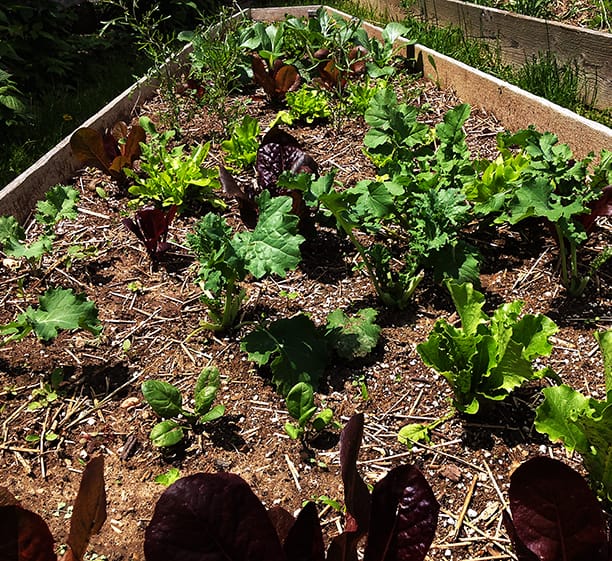
Avoid crowding plants together. Close spacing can lead to increased humidity, which invites pests and diseases. Give your plants space to breathe and receive adequate light.
3. Used Organic Fertilizers Instead of Synthetic Ones
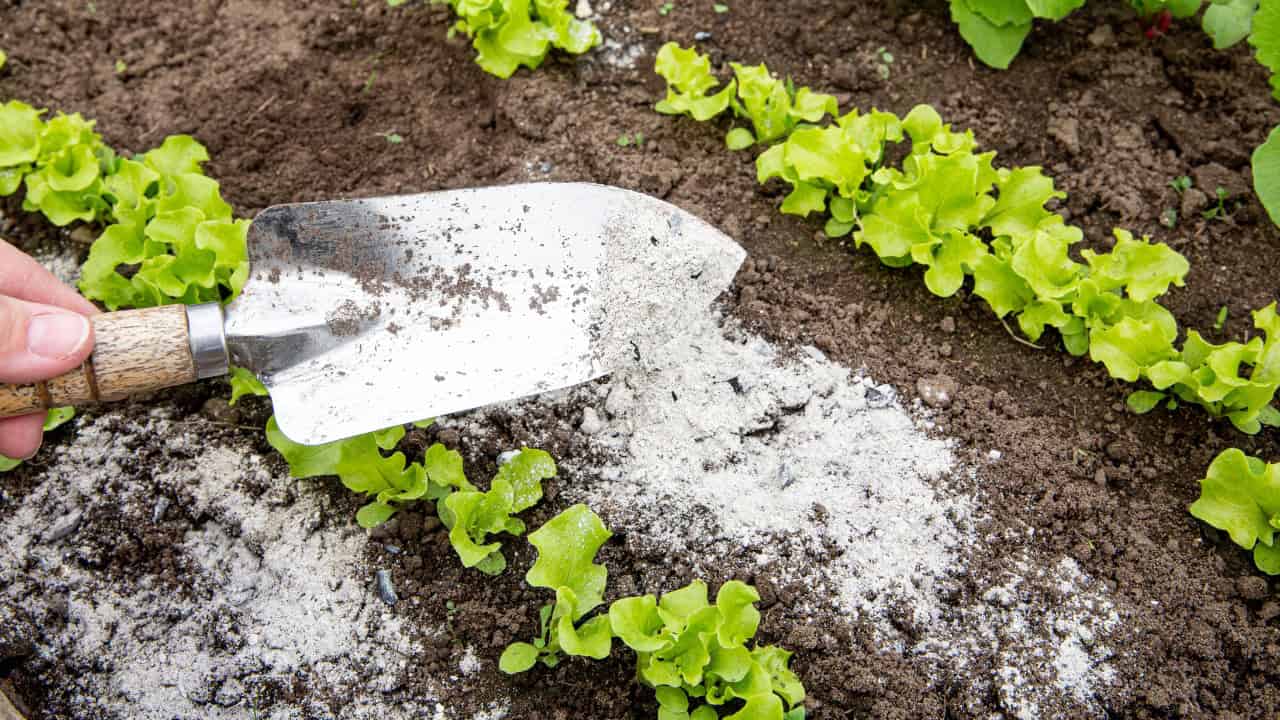
Switching to organic fertilizers was a game changer for my garden. Unlike synthetic ones, organic options nourish the soil and support beneficial microbes. This keeps your plants healthier long-term.
Many people don’t realize that synthetic fertilizers can harm the soil. They might provide quick nutrients but kill helpful bacteria and fungi. For a thriving garden, feeding your soil is just as crucial as feeding your plants.
Choosing organic means you avoid potential chemicals that could seep into your produce. You can feel good knowing you’re supporting a healthier ecosystem in your backyard.
4. Avoided Planting Too Early in Cold Weather

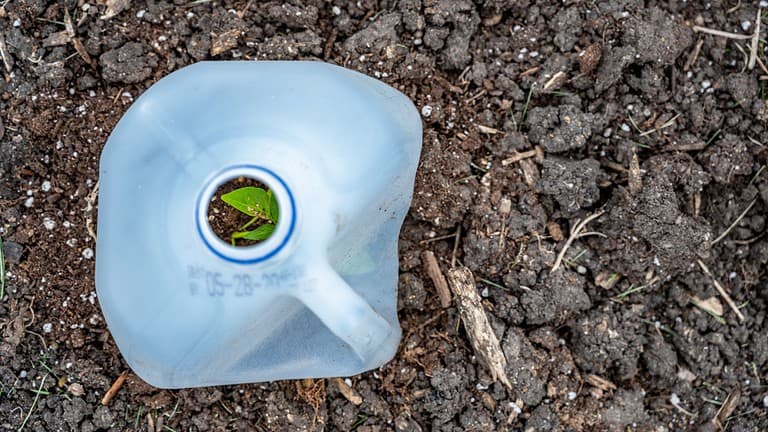
Planting too early can be a common mistake for many gardeners. You might get eager to start your garden, but cold weather can hinder plant growth or even kill young seedlings.
Waiting until the soil warms up is key. Cold soil can stunt growth and make plants more susceptible to diseases. Check local frost dates to determine the safest time to plant.
You’ll find that giving your plants the right start leads to healthier growth. Resist the urge to plant until the conditions are ideal for success. Patience can really pay off in the garden!
5. Finally Paid Attention to Soil Quality
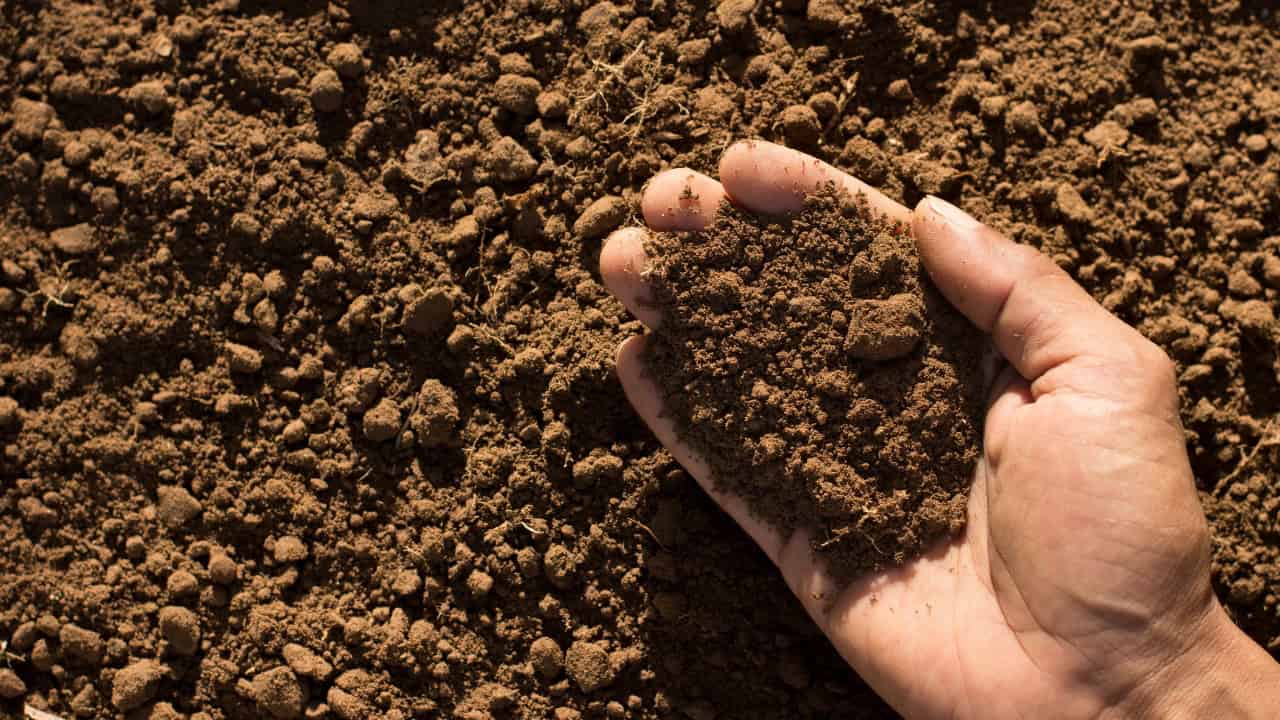
Soil quality is crucial for healthy plants. If you neglect it, it can lead to poor growth and disappointing yields.
Take time to test your soil. This will help you understand its pH levels and nutrient content. Making simple adjustments can enhance its fertility. Consider adding organic matter, like compost. It improves soil structure and provides essential nutrients.
Avoid using compacted or poor-quality soil. This affects drainage and root development. By focusing on soil health, you’re setting your garden up for success.
6. Rotated Crops to Prevent Soil Depletion

Rotating your crops is a game changer for your garden. When you plant the same type of crop in the same spot year after year, you risk depleting specific nutrients from the soil.
By switching up what you plant, you help the soil recover and maintain its health. Different plants take different nutrients, so this practice can reduce pest issues too.
For example, after harvesting nightshades like tomatoes, introducing legumes can add nitrogen back into the soil. Keeping your garden diverse not only supports your plants but also enhances soil vitality.
7. Pruned Plants Properly and Regularly

Pruning is essential for your plants’ health. It helps them grow stronger and produce more flowers and fruit. Regular pruning encourages new growth and keeps plants looking tidy. Make sure to remove dead or diseased branches. This prevents the spread of issues that can harm your plants.
Don’t forget to prune at the right time. Each plant has its specific needs, so do a little research to find out when to prune yours. With proper and regular pruning, you’ll notice healthier plants and better blooms. It’s a simple step that makes a big difference in your garden.
8. Mastered the Art of Watering — Just the Right Amount

Getting the watering right is crucial for your plants. Overwatering or underwatering can lead to serious issues. Start by understanding each plant’s needs. Some prefer drier soil, while others thrive in moist conditions. Pay attention to your climate and season. Hot weather may require more frequent watering.
Remember to check the soil. A simple finger test can tell you if it’s time to water. Mulching can also help retain moisture, reducing the need for constant watering. By fine-tuning your watering habits, you’ll notice healthier and happier plants.
9. Avoided Crowding Plants Together

One of the biggest mistakes you can make in your garden is overcrowding plants. It’s tempting to plant as much as you can, but cramming them together can lead to stunted growth and increased pests. Each plant needs space to spread its leaves and roots. Giving them enough room lets them thrive and improves air circulation.
You’ve probably noticed that healthier plants produce better yields. Aim for the recommended spacing for each type of plant you want to grow. This simple change can make a world of difference.
10. Tackled Pest Issues Promptly and Naturally
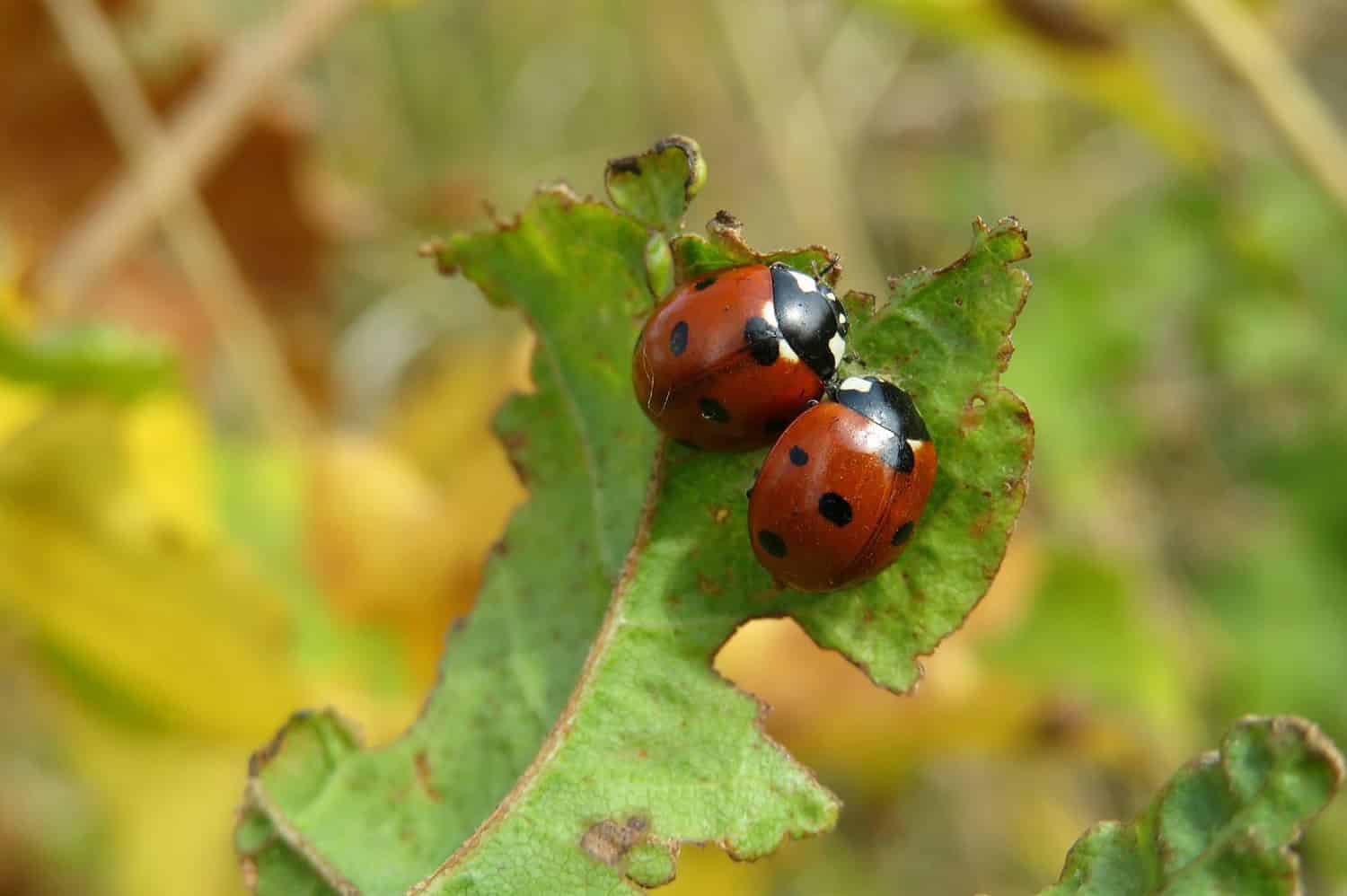
When you notice pests in your garden, it’s important to act quickly. Ignoring them can lead to bigger problems down the line. Using natural remedies can be effective and safer for your plants. Simple solutions like neem oil or insecticidal soap can help manage infestations without harsh chemicals.
Regularly inspecting your plants helps you catch issues before they escalate. Look for signs like holes in leaves or unusual spots, and address them right away.
Encouraging beneficial insects, like ladybugs and lacewings, can keep pest populations in check. They help control aphids and other common garden pests naturally. With prompt action and natural methods, you can keep your plants healthy and thriving.
11. Selected Plants Suited for My Climate Zone
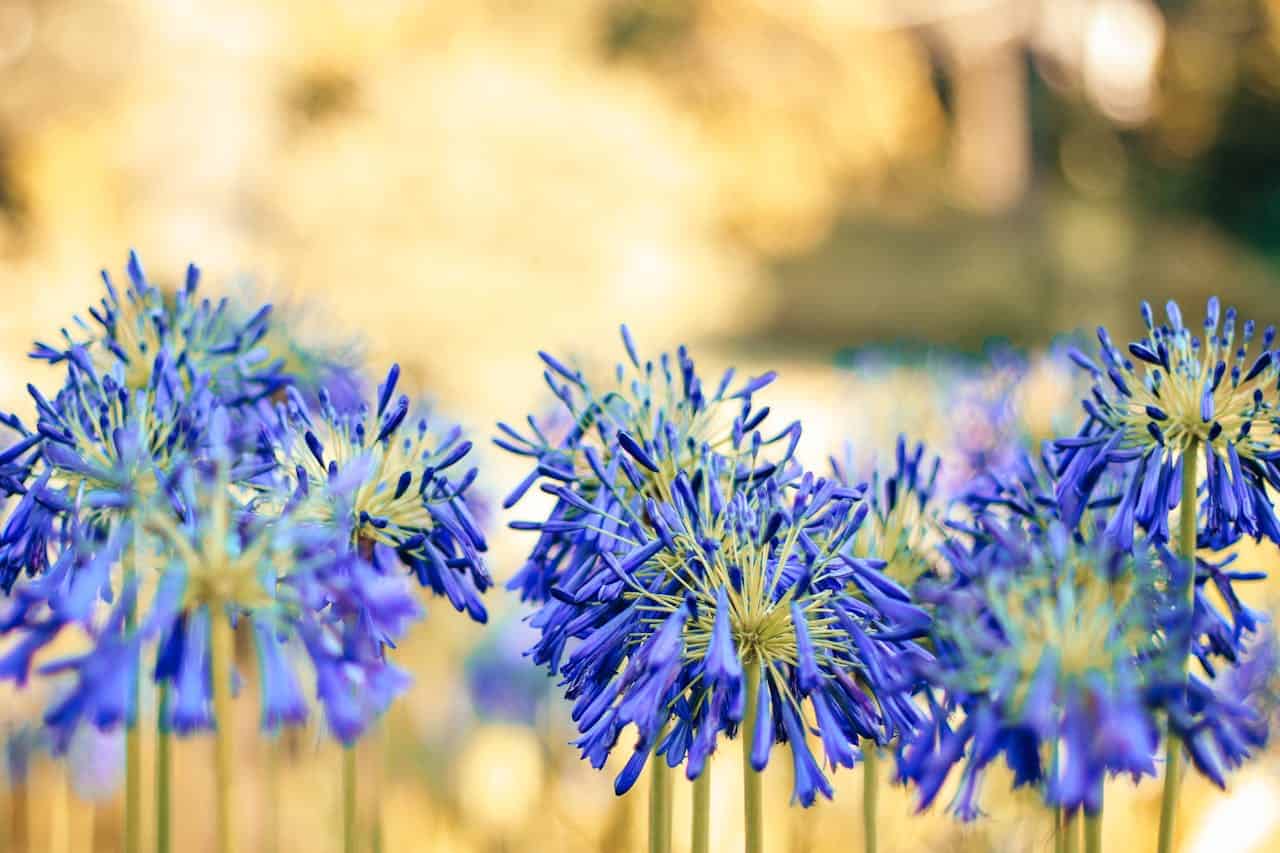
Choosing the right plants for your climate zone can make a huge difference. It helps ensure your garden thrives and reduces the risk of plant stress. Start by checking your local hardiness zone. This tells you what plants will survive in your area’s temperature range.
Look for native plants or those recommended for your zone. These varieties will adapt better and require less maintenance. Don’t forget to consider sunlight and soil conditions, too. Matching plants to your specific environment leads to happier, healthier greenery in your garden.
12. Used Mulch to Retain Soil Moisture

Using mulch around your plants is a game changer. It helps keep the soil moist, which is essential during hot days. When you apply a layer of mulch, it slows down evaporation. This means your plants can draw more water from the soil.
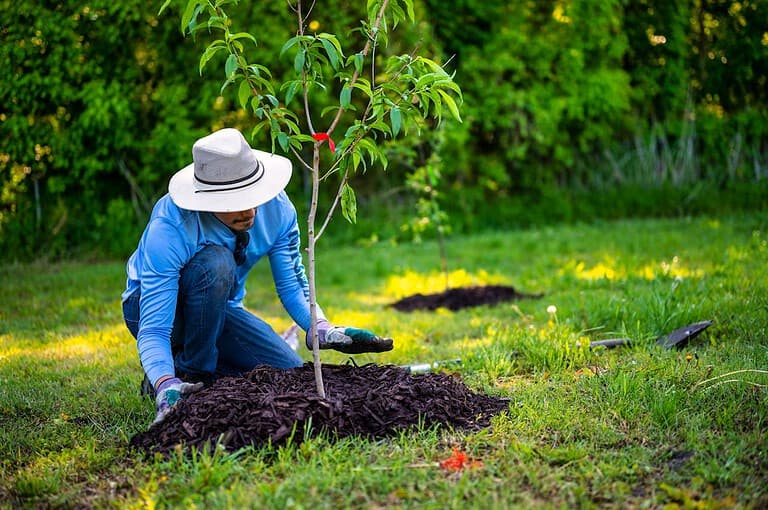
Just be careful not to overdo it. Too much mulch can suffocate plant roots. Aim for about 2-3 inches to strike that perfect balance. Organic mulches, like wood chips or straw, can also break down over time, enriching the soil further. With a little planning, mulching can make a big difference in your garden’s health.
13. Avoided Impulse Buying at the Garden Center

Impulse buying at the garden center can lead to regrets. You find a beautiful plant, but it might not fit your garden’s needs. Before heading out, make a list of what you really need. Think about your garden’s conditions and the types of plants that thrive there.
It’s easy to get tempted by colorful flowers or trendy plants. Stick to your list, and you’ll save both time and money. Consider waiting a day before purchasing any new plants. This gives you a chance to reflect on whether they truly belong in your space.
14. Took Time to Understand Plant Needs

Understanding what your plants need is key to keeping them healthy. Each type of plant has specific requirements for sunlight, water, and soil type. When you take the time to research these needs, you’re setting yourself up for success. Check if your plants thrive in full sun or prefer some shade.
Next, pay attention to watering habits. Overwatering can lead to root rot, while underwatering might leave your plants wilting. Adjust your routine based on what works best for each plant. Finally, consider the soil. Some plants need more drainage, while others do well in richer soil. By tuning in to these details, you’ll notice a big difference in your garden’s health.
15. Stopped Procrastinating on Weeding

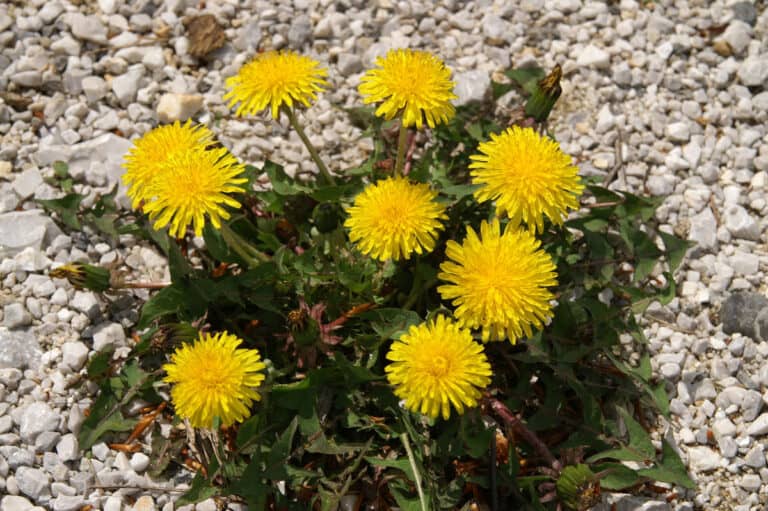
Weeding can feel like a chore, but letting it slide only makes things worse. You know that if you wait too long, those pesky weeds will take over your garden.
Tackling them early makes it easier to keep your plants healthy. Set aside a few minutes each week to pull them out before they spread. Using the right tools helps, too. A good weeding tool can save you time and energy. Plus, you’ll feel a sense of accomplishment after each session.
*This article was created with the help of AI.