When it comes to gardening, having the right tools makes all the difference. But not every tool you own is actually helpful, and some might even hold you back. Knowing which garden tools to toss can save you time, effort, and storage space.
You might be surprised how many tools become outdated, ineffective, or just plain unnecessary over time. Clearing out these items helps you focus on what truly supports your gardening success.
Advertisement
Rusty pruning shears
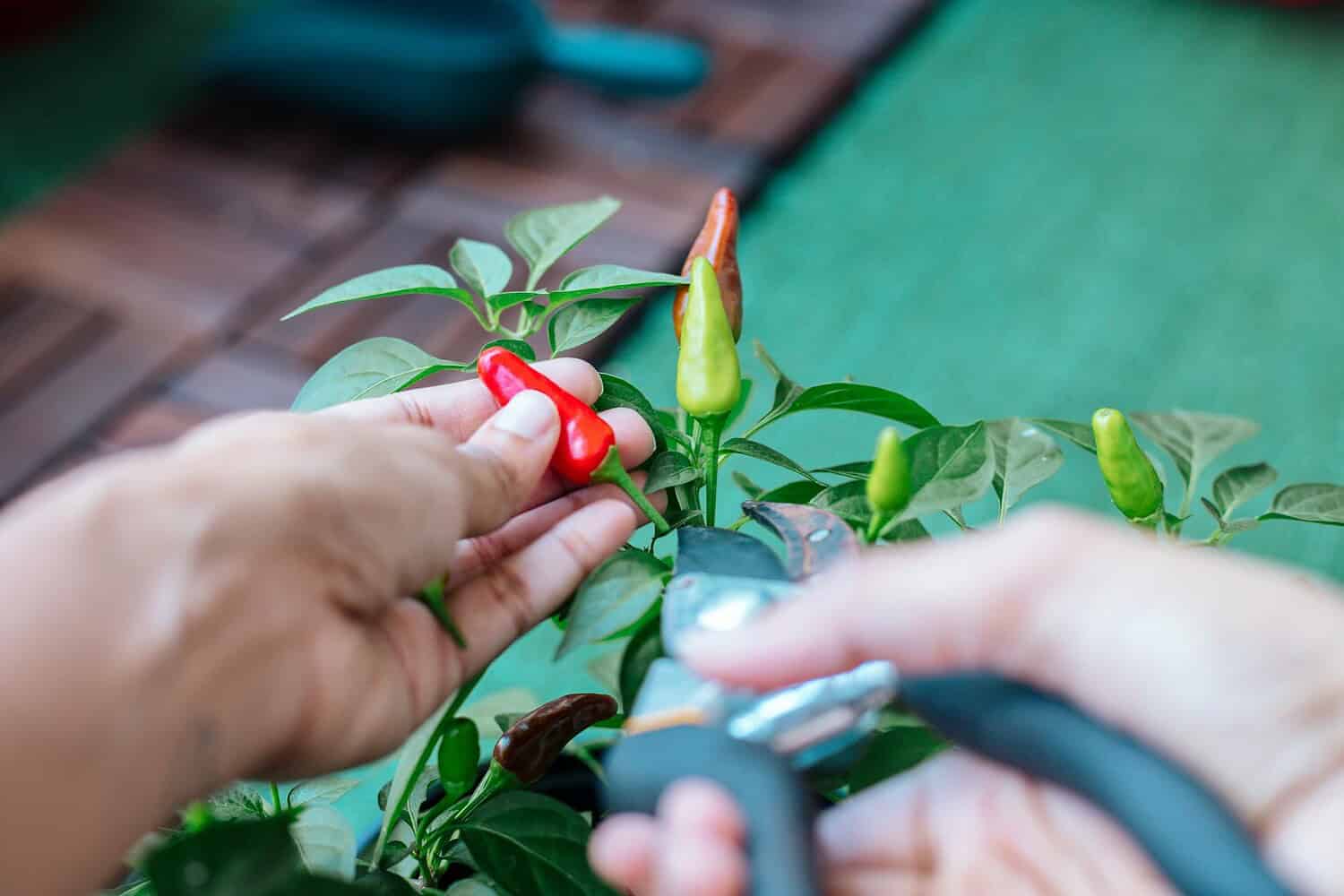
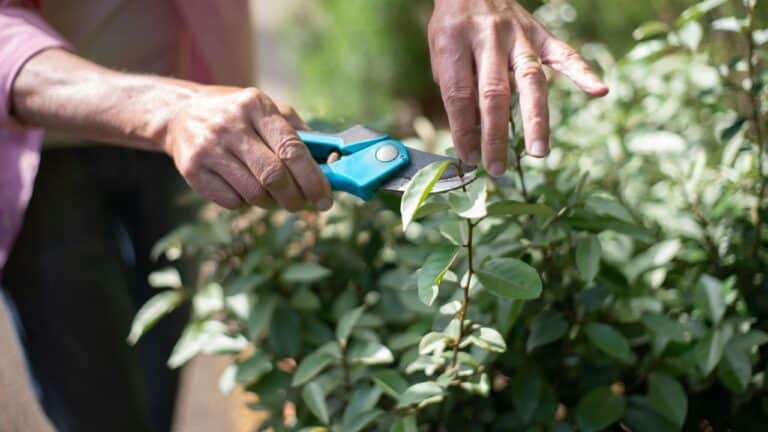
If your pruning shears are rusty, they won’t cut cleanly and can damage plants. Rust weakens the blades and makes pruning harder.
While some rust can be removed by soaking the shears in vinegar for a few hours, heavy rust means it’s time to toss them. You want tools that work well and keep your garden healthy.
Cracked garden gloves
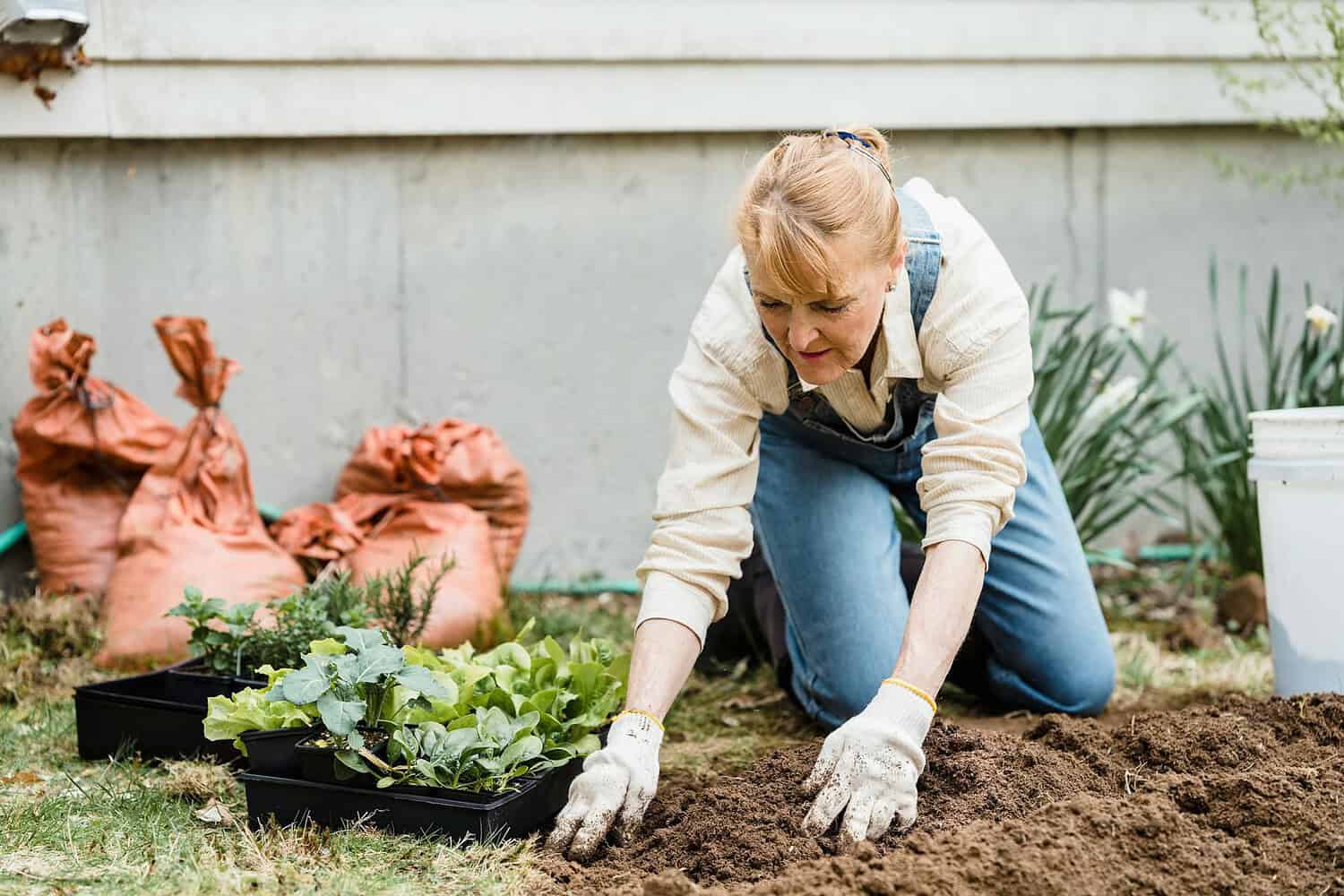
If your garden gloves have cracks, it’s time to let them go. Cracks reduce protection and can let dirt, thorns, or chemicals reach your skin.
Worn gloves also lose grip and flexibility, making gardening harder and less safe. Choose gloves that fit well and are designed for your tasks to keep your hands comfortable and protected.
Bent trowel

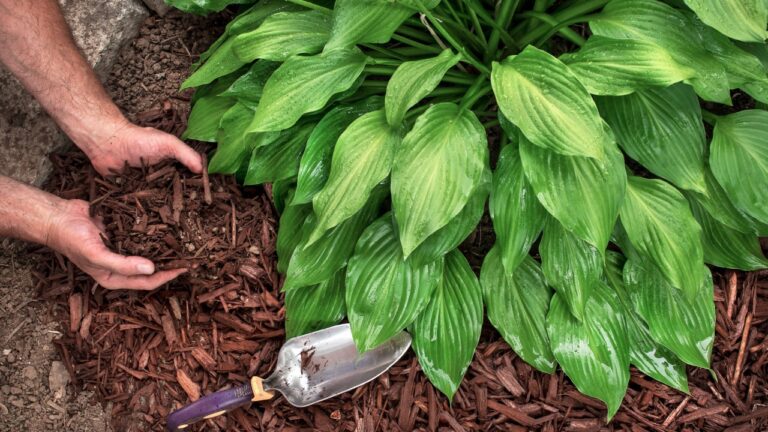
If your trowel is bent, it’s time to let it go. A bent blade makes digging and planting harder and less precise.
Using a damaged trowel can also strain your wrist and slow down your gardening tasks.
Replacing it with a straight, sturdy trowel will make your work easier and safer. Keep an eye on your tools to avoid injuries.
Broken wheelbarrow

If your wheelbarrow has a bent frame or a cracked tub, it can be unsafe to use. It may tip over or collapse under weight, risking injury or damage to your plants.
Worn-out wheels that don’t roll smoothly will make your work harder and slow you down. If repairs aren’t possible or cost more than replacement, it’s time to toss it.
Replacing a broken wheelbarrow ensures your garden tasks stay efficient and safe.
Dull hedge shears
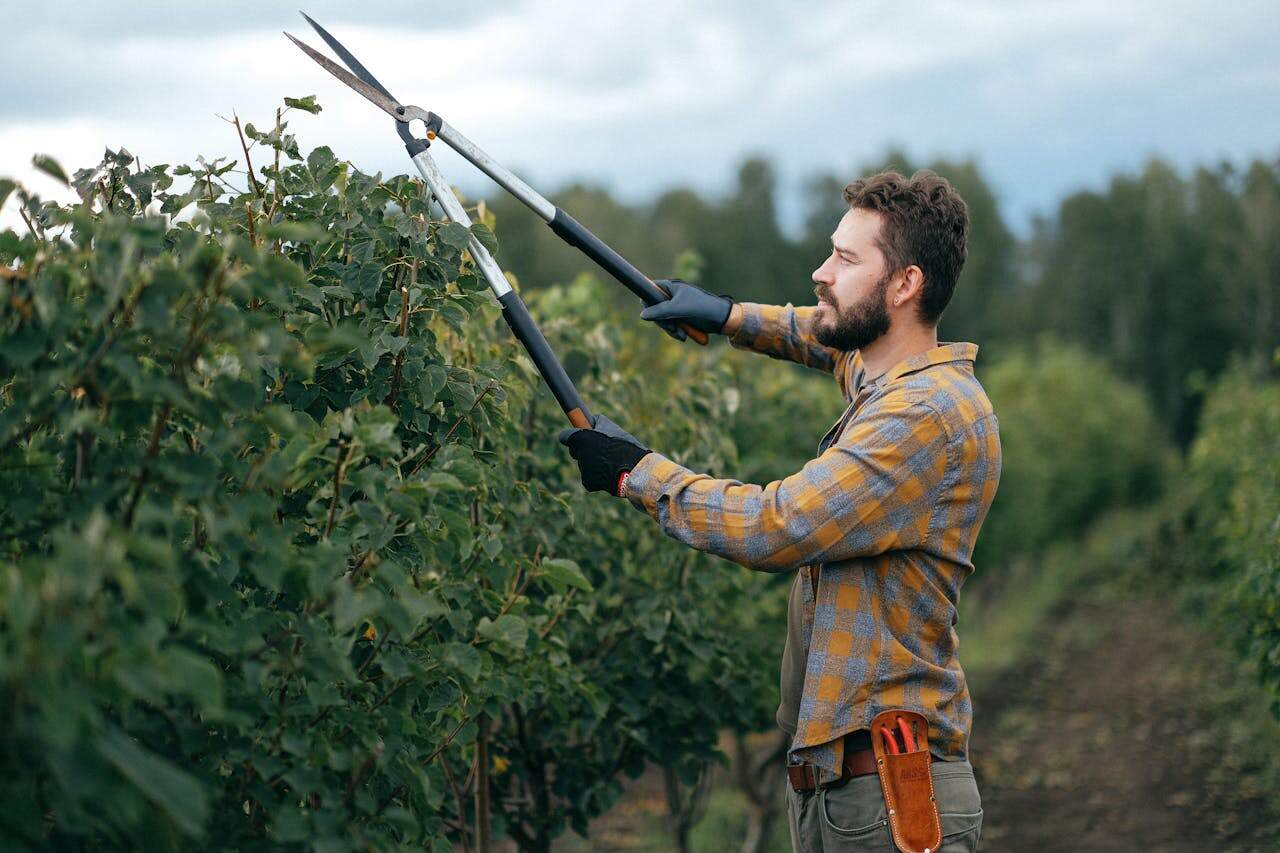
If your hedge shears don’t cut cleanly anymore, it’s time to consider replacing them. Dull blades make trimming frustrating and can damage your plants.
You might try sharpening them, but worn-out blades often won’t hold an edge long. Using dull shears can also increase the effort needed and lead to uneven cuts.
For safety and better results, keep your hedge shears sharp or swap them out when they become too dull to sharpen effectively.
Frayed garden hose
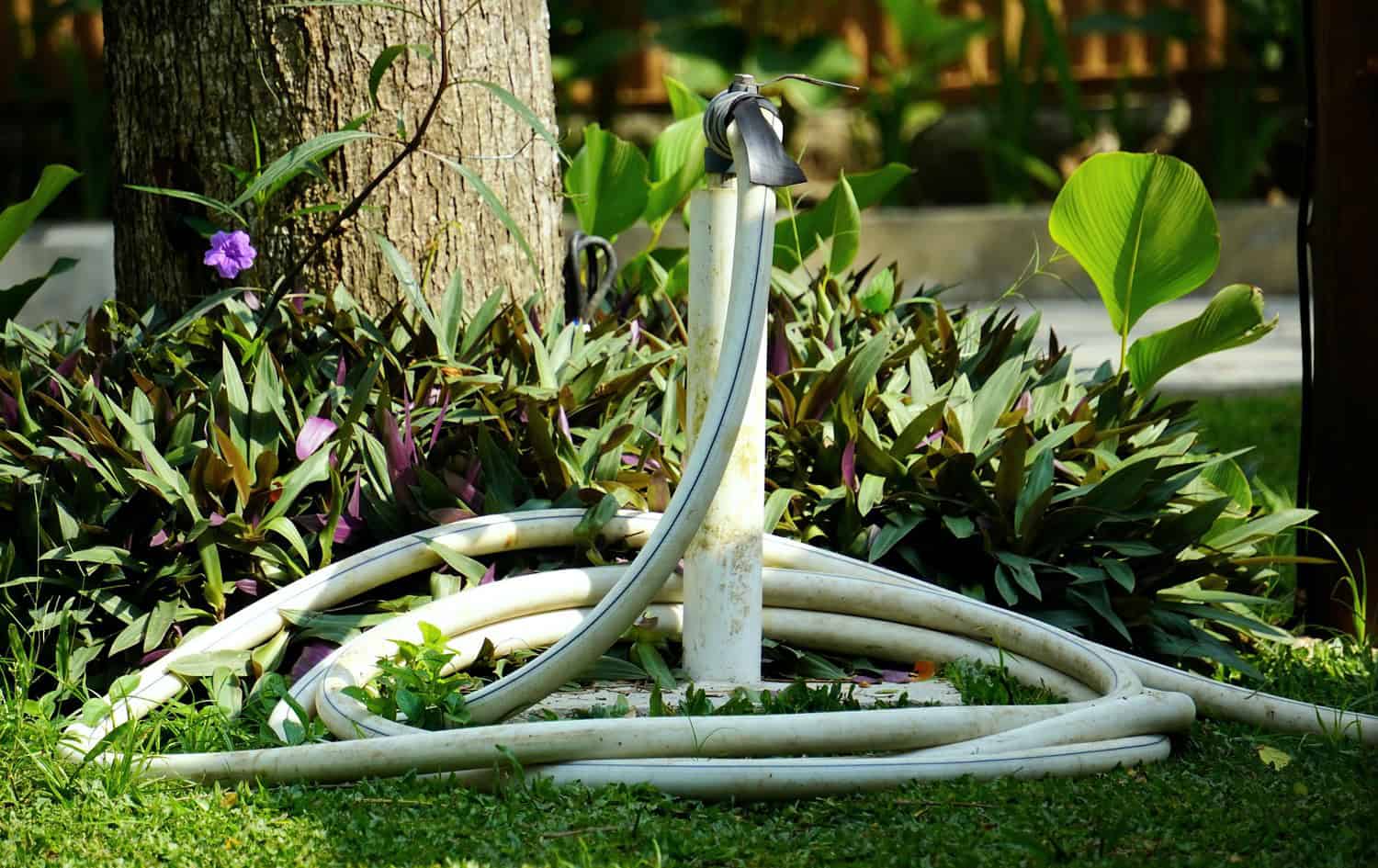
If your garden hose is frayed, it’s time to replace it. A damaged hose can leak and waste water, making your watering tasks less efficient.
Using a worn hose can also cause frustration when it kinks or bursts during use.
Swapping it out for a new, durable hose helps you water your plants smoothly and saves you time and effort.
Wobbly shovel handle
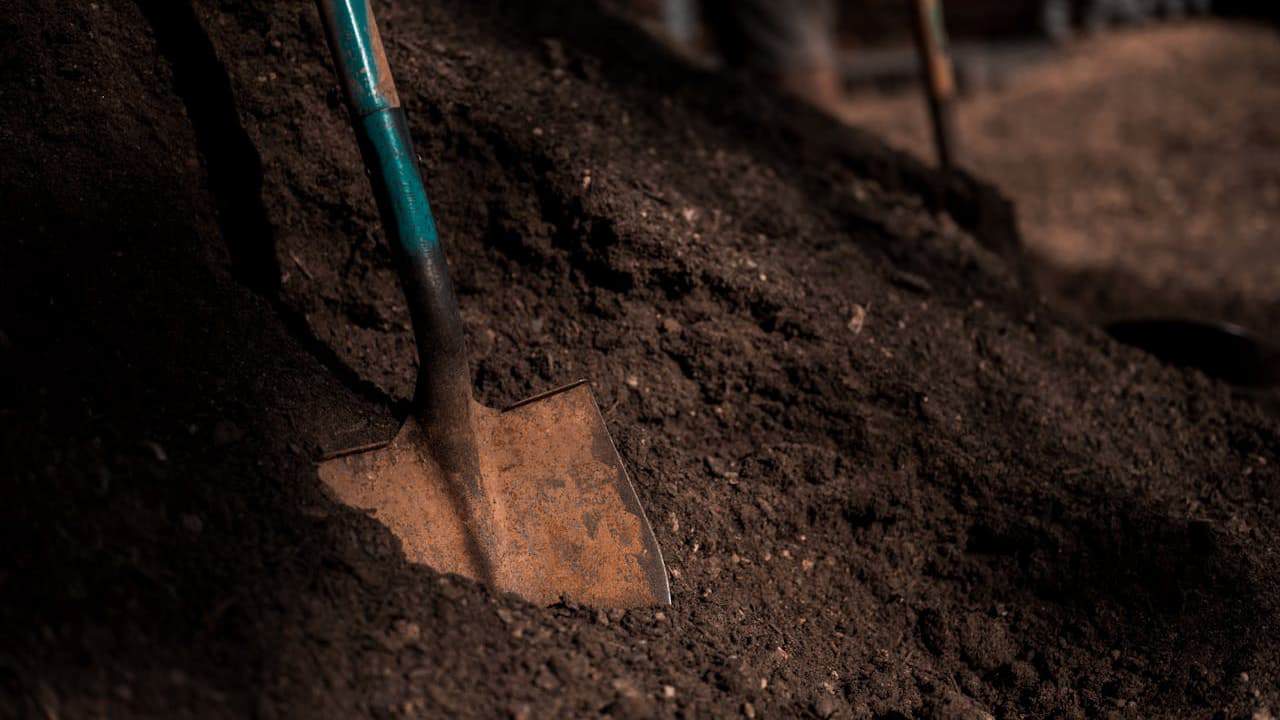
If your shovel handle feels loose or wobbly, it can make your work harder and less safe. You might think it’s worth fixing, but often the wear means it’s time to replace the tool.
A shaky handle usually signals deeper damage or weakening wood. Using a shovel like this can slow you down and cause frustration.
Instead of patching it up repeatedly, consider getting a new shovel. It will save you time and effort in the long run.
Splintered wooden rakes
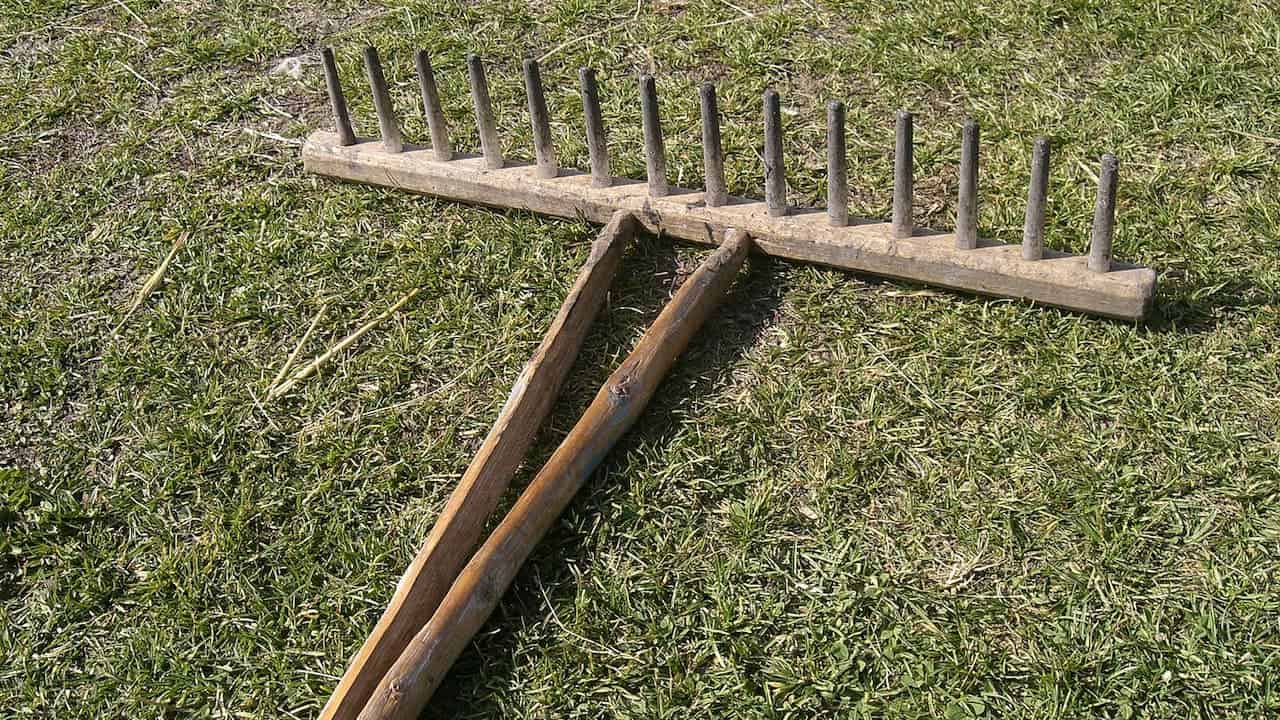
If your wooden rake handle is splintering, it’s time to think about replacing it. Splinters can cause small injuries that make gardening less enjoyable.
A damaged handle also weakens the tool, making your work harder. You want tools that feel reliable in your hands.
Upgrading to a new rake or one with a fiberglass handle can improve comfort and safety as you tend your garden.
Damaged electric weed trimmer

If your electric weed trimmer is damaged, it’s time to consider replacing it. Worn-out parts or broken wires can make it unsafe and less effective.
Using a faulty trimmer can lead to frustration and might even harm your plants or yourself. Keeping your tools in good shape helps your garden thrive.
If your trimmer’s line keeps breaking or it struggles with heavy weeds, a new one could save you time and effort.
Leaking watering cans
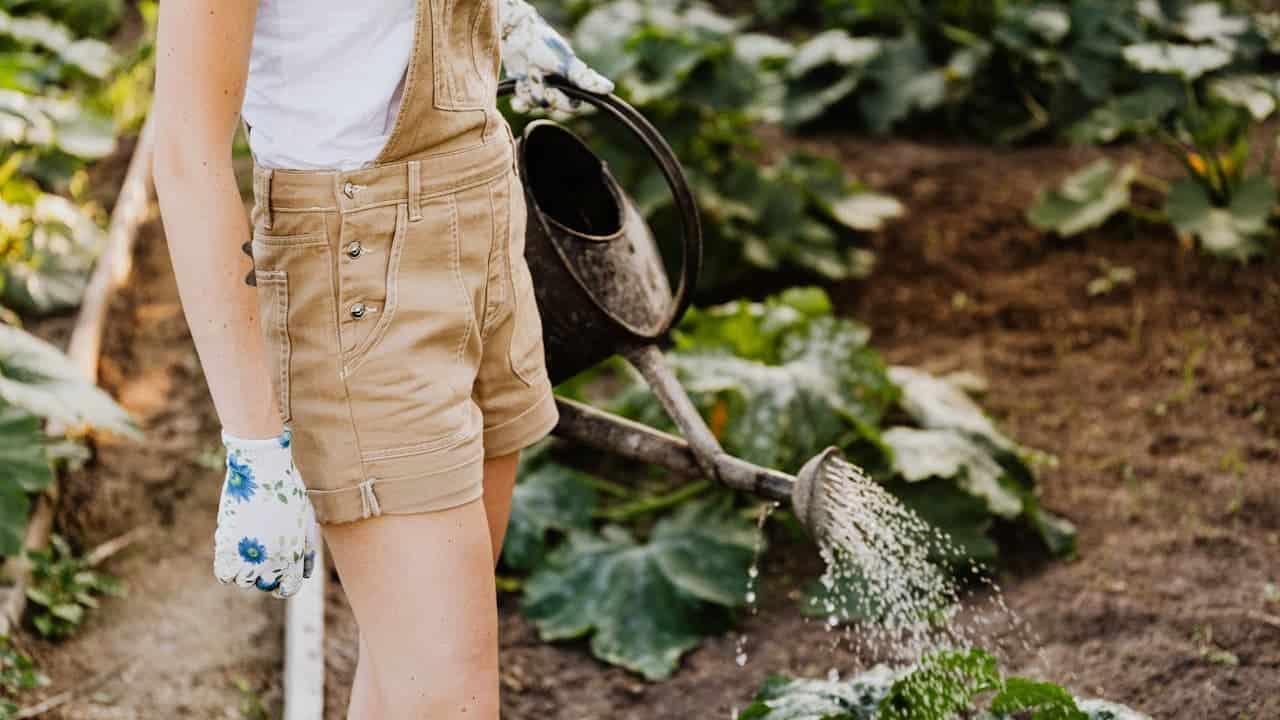
If your watering can has cracks or holes, it’s time to think about replacing it. Leaks waste water and make watering your plants frustrating.
You might try fixing small holes with glue or a patch, but repairs often don’t last. A new can will give you better control and save water.
Choosing a durable, well-designed watering can helps avoid leaks and keeps your garden healthy.
Worn-out garden forks

If your garden fork is bent or the tines are loose, it’s time to let it go. Using a damaged fork can make digging harder and risk injury.
A garden fork is great for loosening soil and turning compost, but it needs to be sturdy. Keep yours in good shape by replacing it when it shows signs of wear. Your back will thank you!
Chipped ceramic pots

If your ceramic pots are chipped, they might not hold water properly anymore. This can hurt your plants by drying out the soil too fast.
You can try to repair small chips with waterproof glue if you want to keep the pot. But if the damage is big, it’s better to recycle or toss it.
Broken pieces can also be repurposed as scoops for soil or small water dishes for pets and birds. This way, you get extra use out of your old pots.
Frayed irrigation tubing

If your irrigation tubing is frayed, it’s time to replace it. Damaged tubing can cause leaks that waste water and reduce the efficiency of your system.
Using worn-out tubing can also lead to uneven watering, which hurts your plants.
Keep your garden healthy by swapping out frayed tubing for new pieces. Tools like a drip irrigation hole punch make installation easier and neater.
Broken greenhouse plastics

If your greenhouse plastics are torn or cracked, it’s time to replace them. Damaged plastics reduce light transmission and insulation, making your plants work harder to grow.
Torn plastics also let pests and weather inside, which can harm your plants. Keeping your greenhouse sealed with intact plastics helps maintain a stable environment for healthier growth.
Rusty auger drill bits
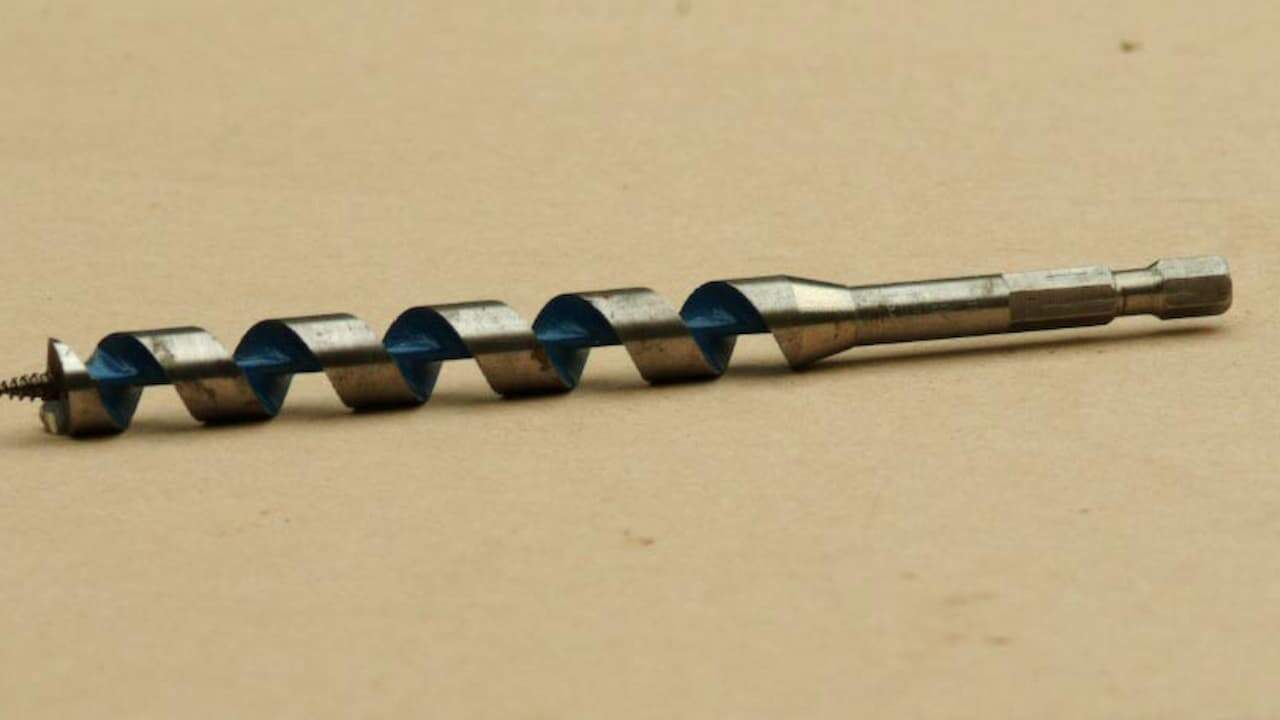
If your auger drill bits are rusty, they won’t cut through soil or wood as well. Light rust can sometimes be removed using mineral spirits and steel wool.
However, if the rust is deep or the bit is damaged, it’s better to toss it. Rust weakens the metal and may cause the bit to break during use, putting you at risk. Replace rusty bits to keep your gardening safe and efficient.