Gardening can be rewarding, but some plants can quickly turn into a challenge you didn’t expect. What starts as a beautiful addition to your garden might become difficult to manage or even harmful to other plants.
This article helps you recognize 15 garden plants that have caused problems for many gardeners, so you can avoid common mistakes and protect your outdoor space. Knowing what to watch out for will save you time, effort, and frustration in your gardening journey.
Advertisement
Horseradish (Armoracia rusticana)
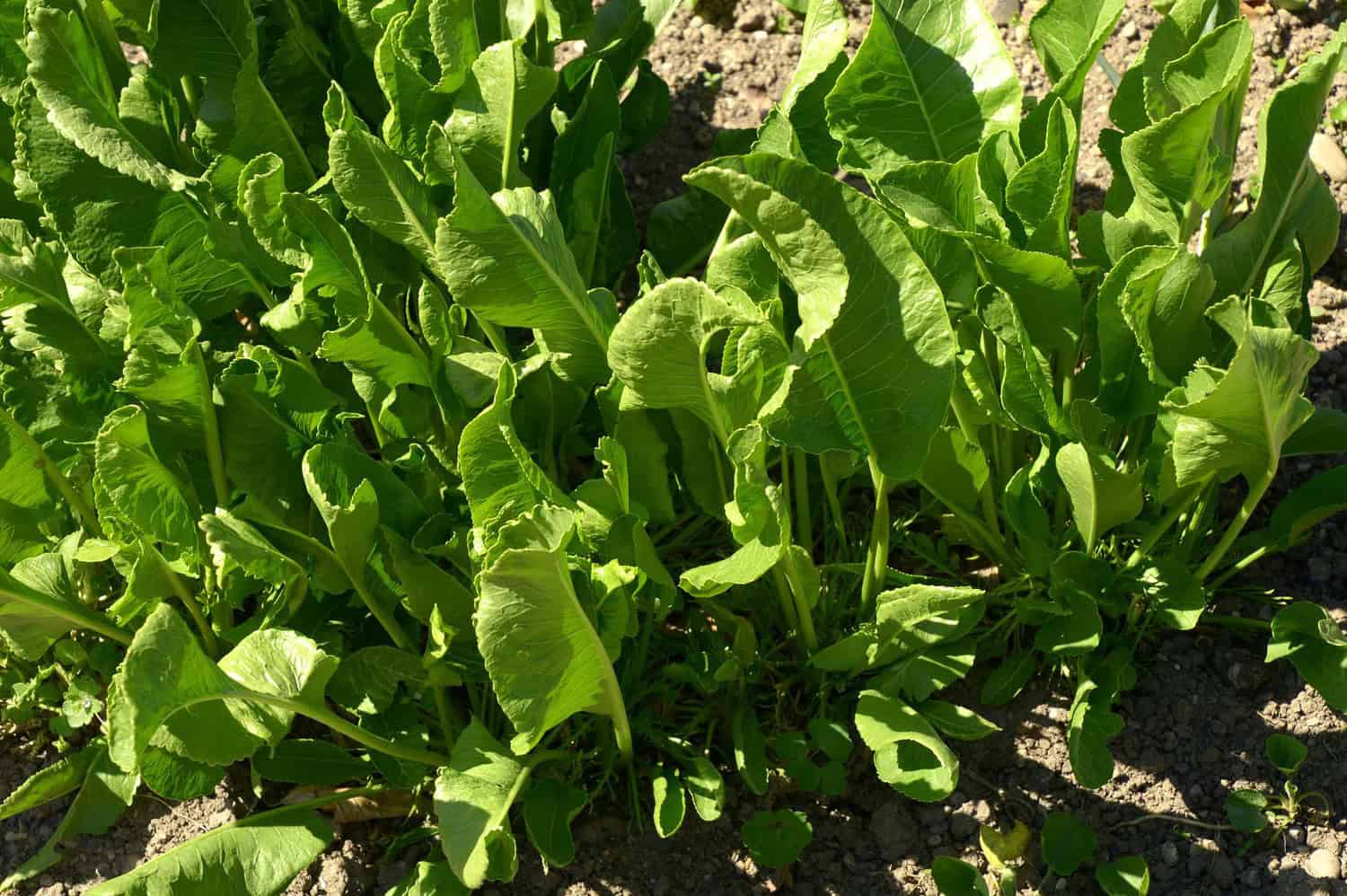
Horseradish is a tough perennial that spreads quickly in your garden. Its aggressive roots can take over and compete with other plants for space and nutrients.
If you decide to grow it, be prepared to keep it contained, or it may become difficult to manage. Despite this, it offers sharp, flavorful roots that many gardeners value.
Black Bat Flower (Tacca chantrieri)
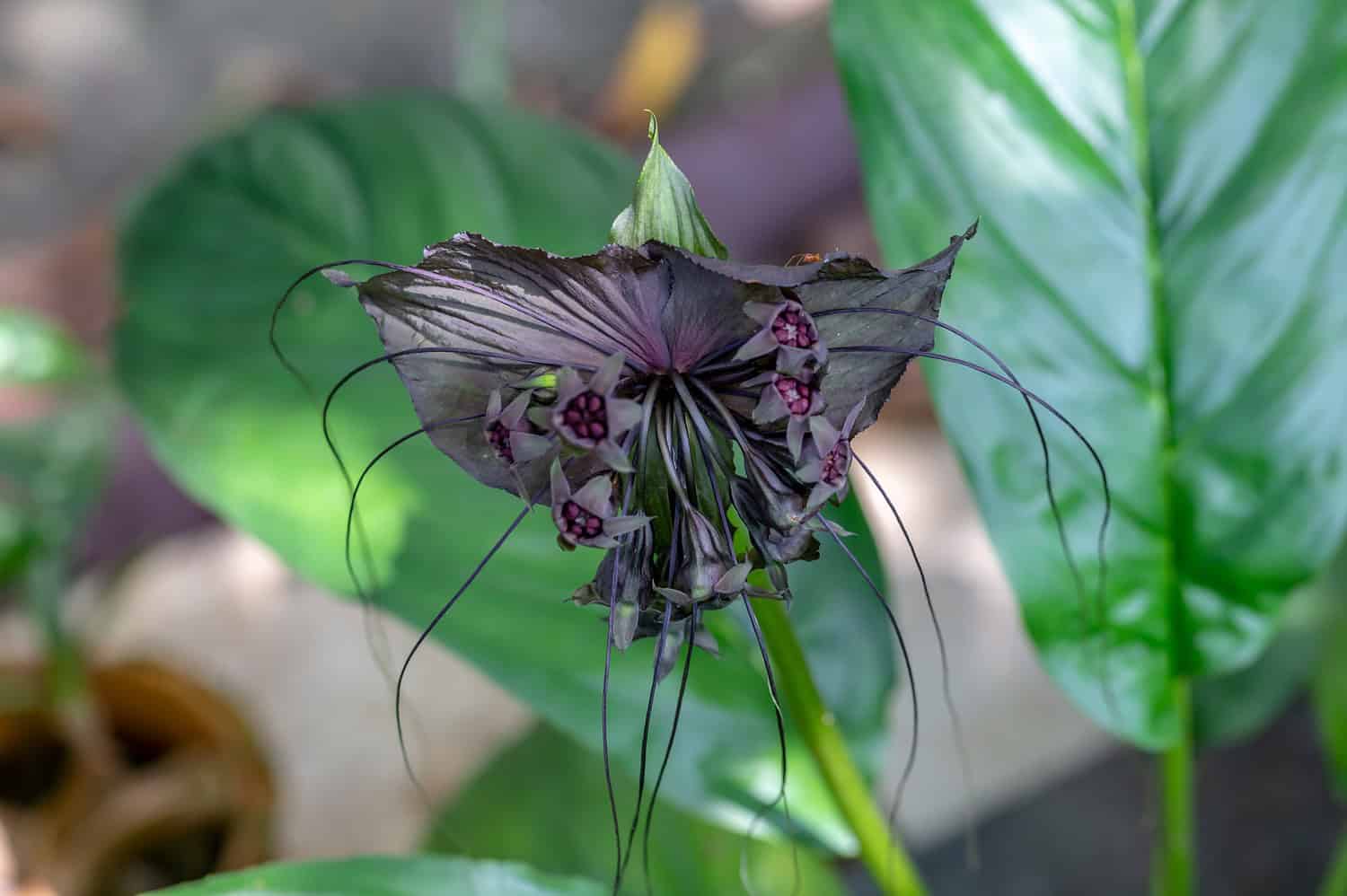
You’ll find the Black Bat Flower quite unusual with its dark, bat-shaped blooms. This plant comes from tropical regions like Malaysia and parts of Southeast Asia.
Its black petals and long whisker-like filaments give it a mysterious look that some might find spooky. Growing it requires warm, humid conditions and indirect light. It’s a striking choice if you enjoy unique, conversation-starting plants in your garden.
Ox-Eye Daisy
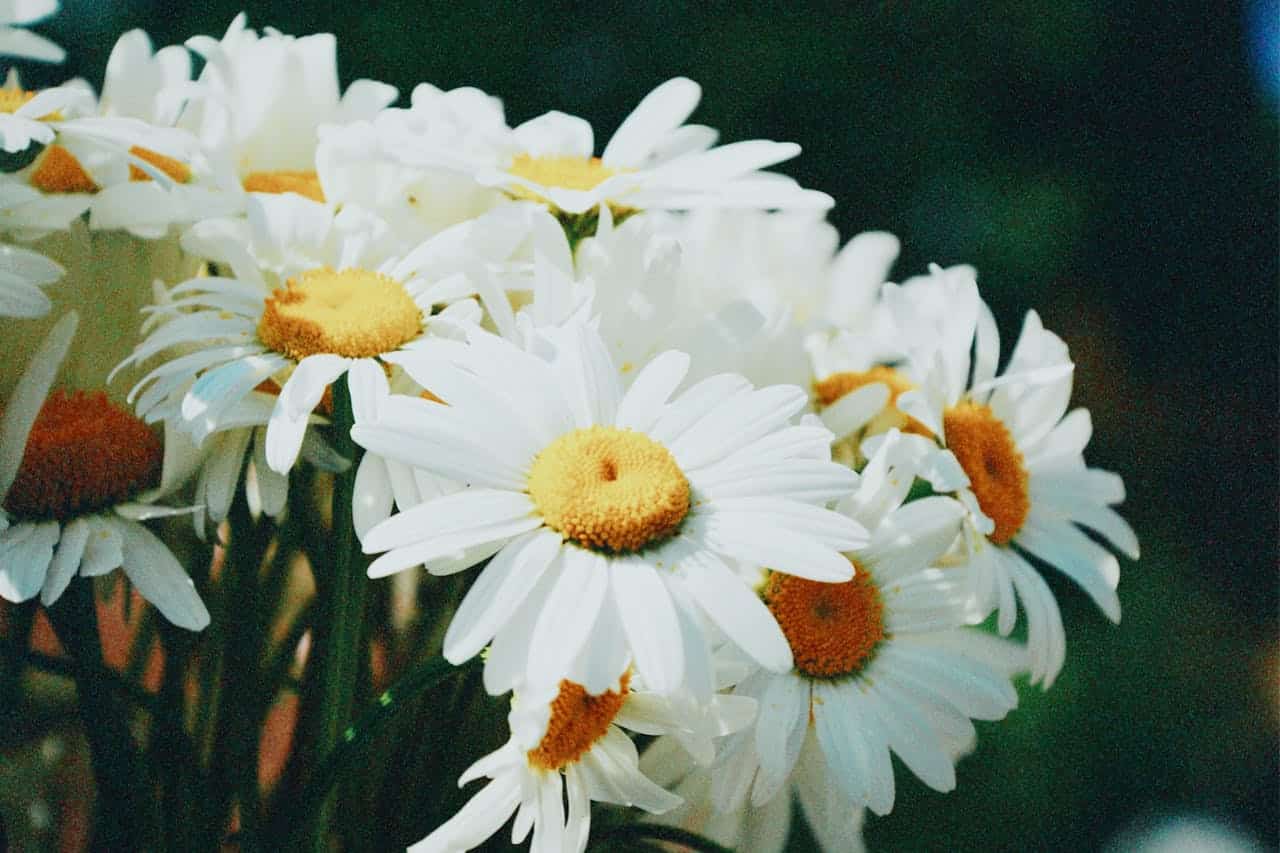
If you have Ox-Eye Daisy in your garden, you might notice it spreads quickly. This plant can take over areas, making it hard to control.
While its white petals look friendly, it often crowds out native plants. You may find yourself needing to remove it to keep your garden balanced.
Managing Ox-Eye Daisy requires regular effort, especially if you want other plants to thrive.
Goutweed

You might find goutweed creeping into your garden faster than you expect. It spreads through underground roots, making it tough to fully remove once it takes hold.
Young leaves are edible and sometimes used in salads, but controlling its growth is the real challenge. You’ll need patience and persistence to keep it from taking over your lawn or flower beds.
Bindweed

Bindweed can look quite pretty with its large white flowers. But you’ll quickly find it hard to control once it takes hold in your garden.
It spreads through deep roots and seeds that can survive for decades. Pulling it up regularly is key, but it takes patience since one plant can come back many times.
If you let it spread unchecked, it can smother your other plants and become a real headache to remove.
Poison Ivy
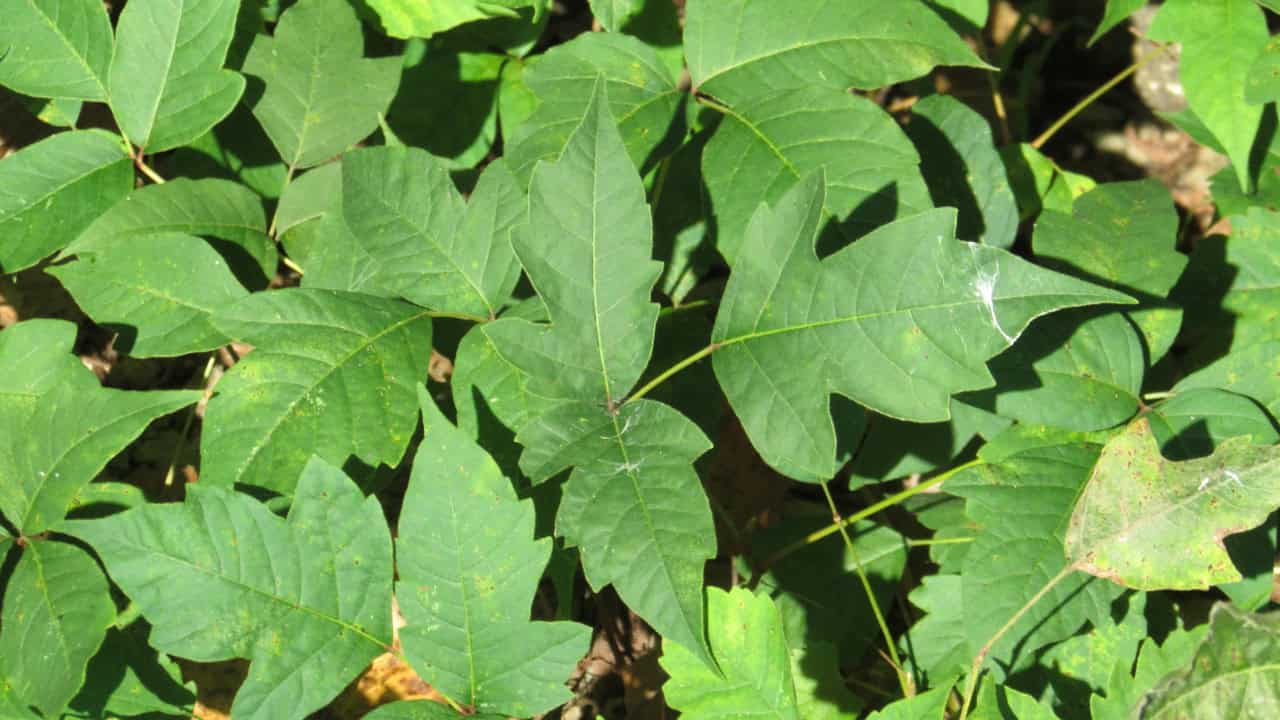
You might recognize poison ivy by its shiny, three-leaf clusters. It often sneaks into gardens and yards, making it easy to come into contact with.
Although it’s a native plant, poison ivy can cause uncomfortable skin reactions. If you spot it early, you can remove it before it spreads.
Be careful when handling it—wear gloves and wash your clothes afterward. Knowing how to identify it helps keep your garden safe.
Shamrocks (when planted outdoors)
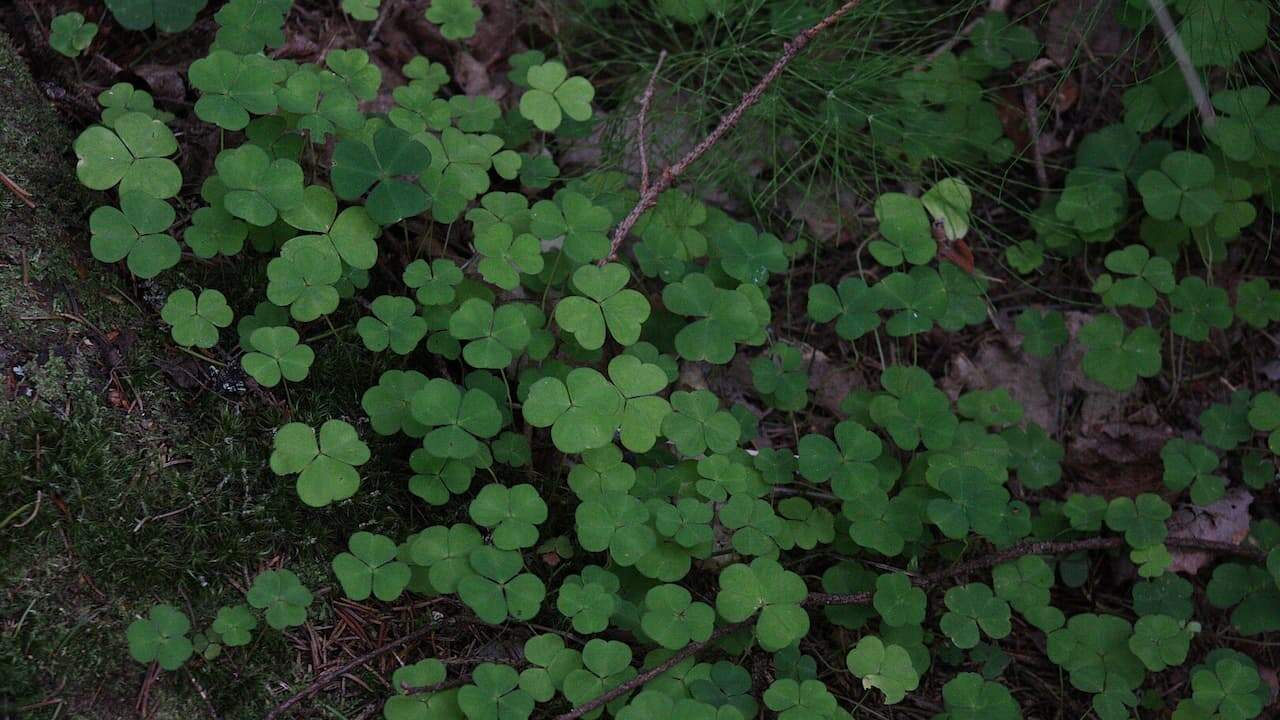
If you plant shamrocks outdoors, be prepared for some challenges. They can quickly spread and become invasive, making it hard to control their growth.
You might enjoy their charming leaves, but they can take over lawns and garden beds if left unchecked. Keeping them in containers is often a better idea to avoid this issue.
Watering when the top inch is dry and providing enough sunlight helps keep your shamrocks healthy indoors. Outdoors, though, managing their spread requires regular attention.
Astelia nervosa ‘Westland’
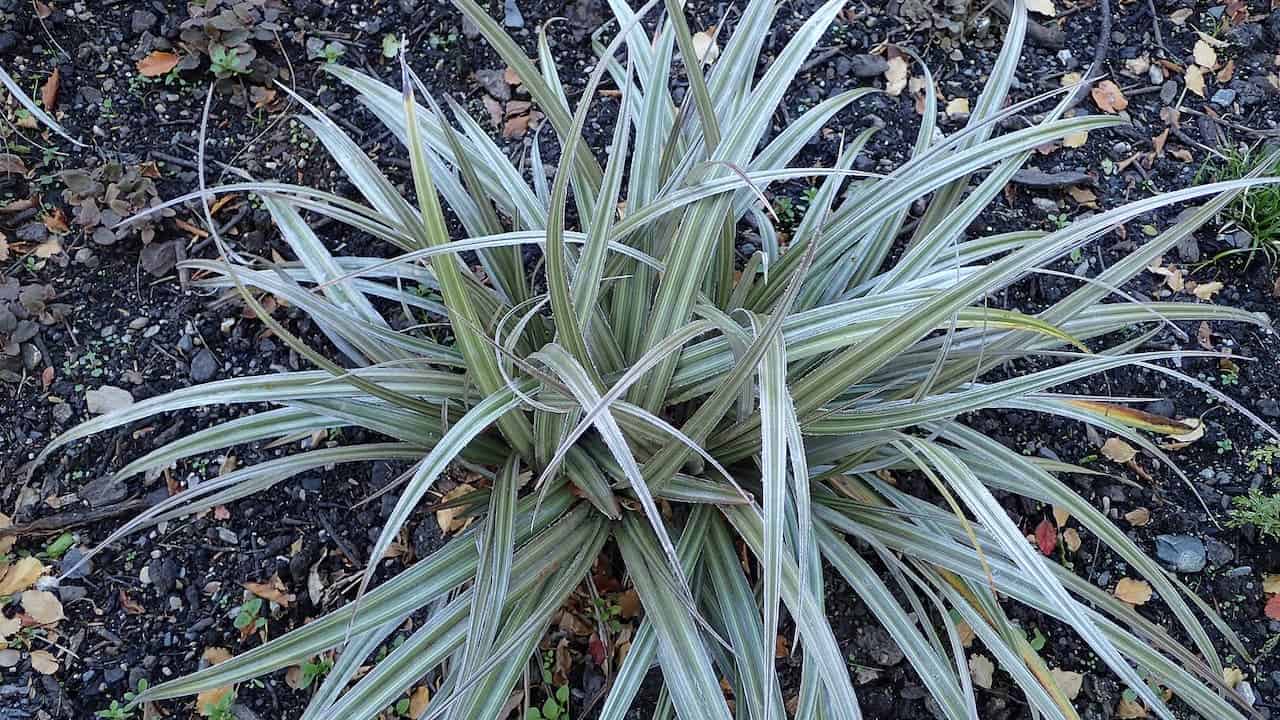
If you choose Astelia nervosa ‘Westland’, expect a striking plant with sword-like leaves that can turn red in cold weather. It grows 2 to 4 feet tall and stays evergreen.
You’ll find it thrives best in part shade with rich, moist soil. But watch out—its sharp foliage and size can be harder to manage than you might expect.
Lily-of-the-Valley

If you plant Lily-of-the-Valley, be aware it spreads quickly and can take over your garden. It’s pretty and smells nice, but it requires some control to keep it from invading other areas.
Also, keep it away from pets and children. The plant is poisonous if eaten, so safety is important when you have curious mouths around.
Perennial Bachelor’s Button
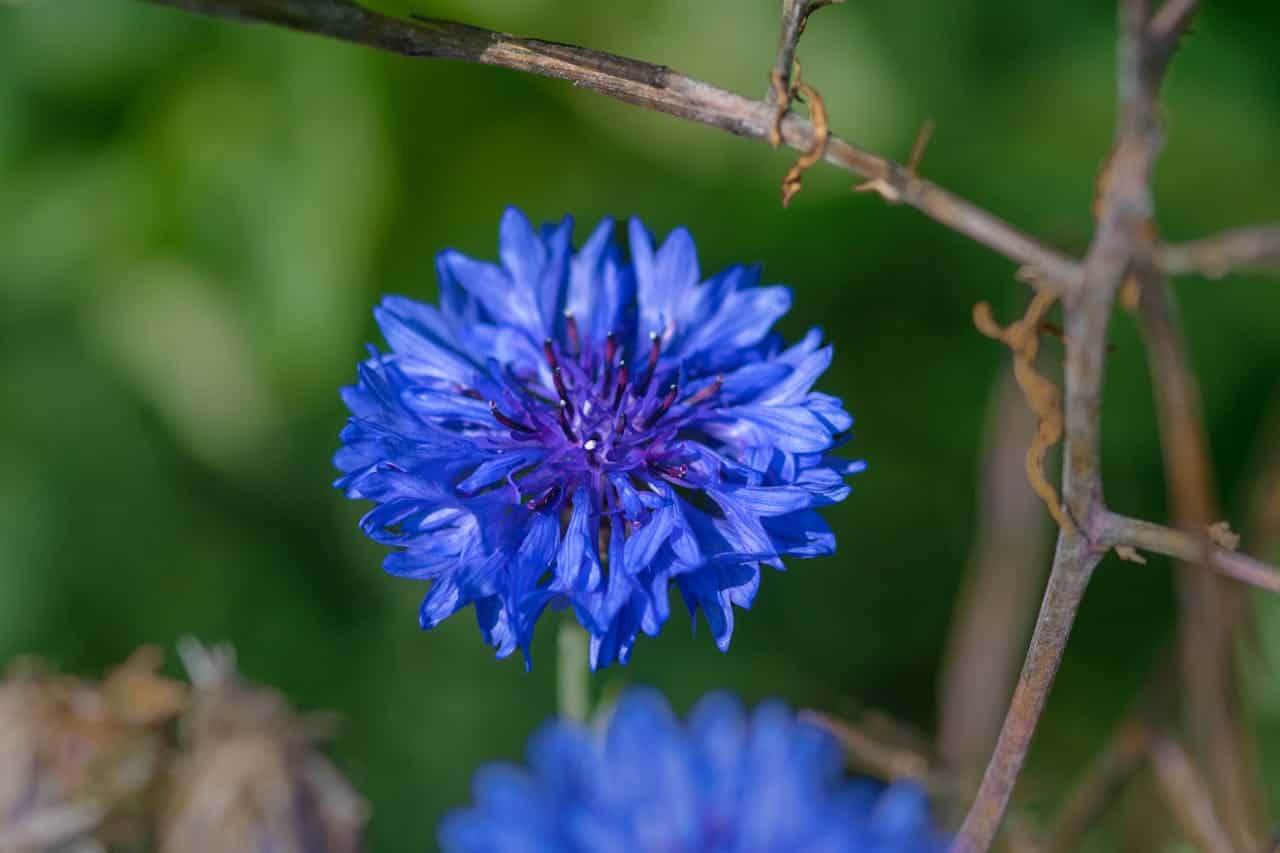
If you choose Bachelor’s Button for your garden, be ready for its persistence. This plant spreads quickly and can take over spaces you didn’t intend to fill.
While it has charming blue flowers, you may find yourself needing to control it often. Without regular maintenance, it can crowd out other plants.
You might like the look, but be prepared to manage its growth so it doesn’t become overwhelming.
Chameleon Plant
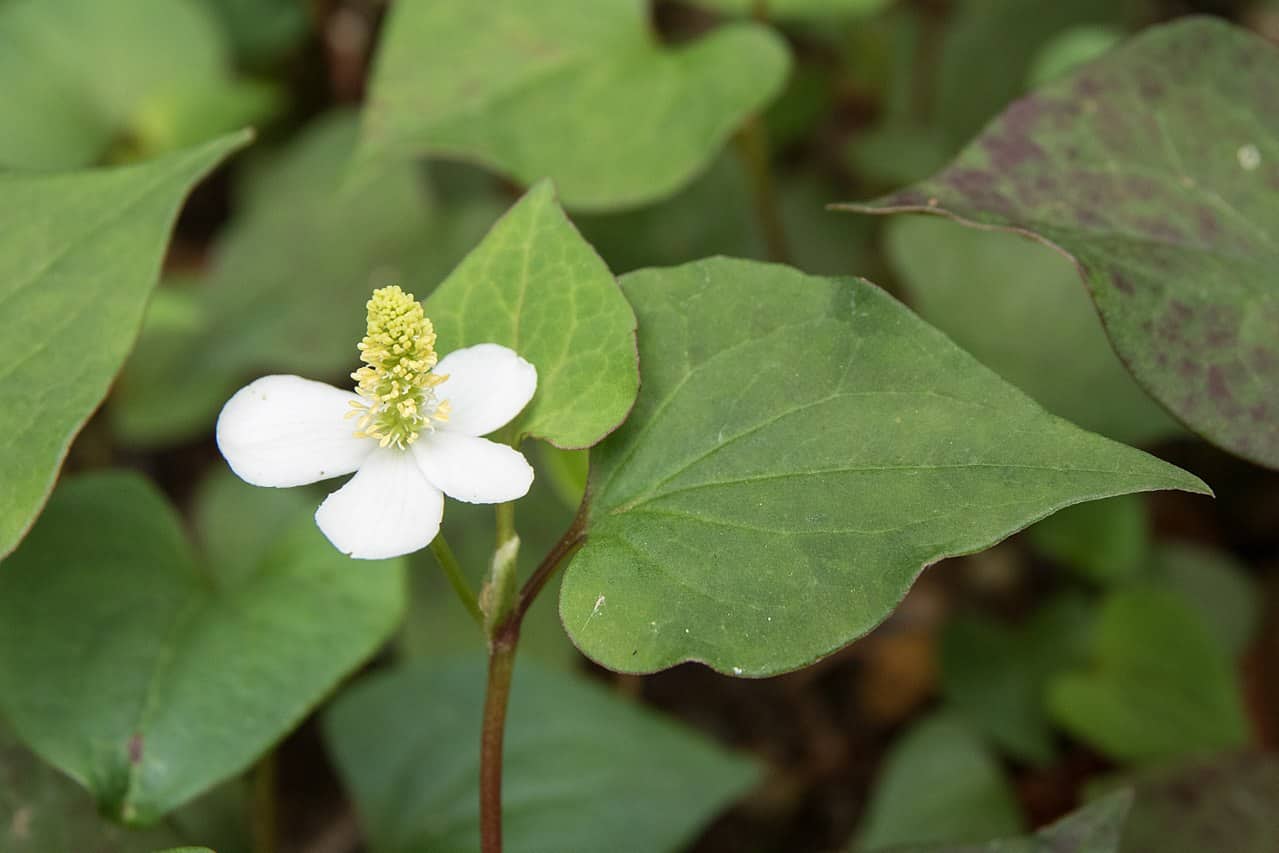
You might find the Chameleon Plant appealing with its colorful, heart-shaped leaves. But beware, it spreads quickly and aggressively through underground stems called rhizomes.
Once established, this plant can take over your garden, making it difficult to control. If you’re not careful, it could turn a peaceful patch into a persistent problem. Managing it early is key to keeping it in check.
Doll’s-eyes (Actaea pachypoda)
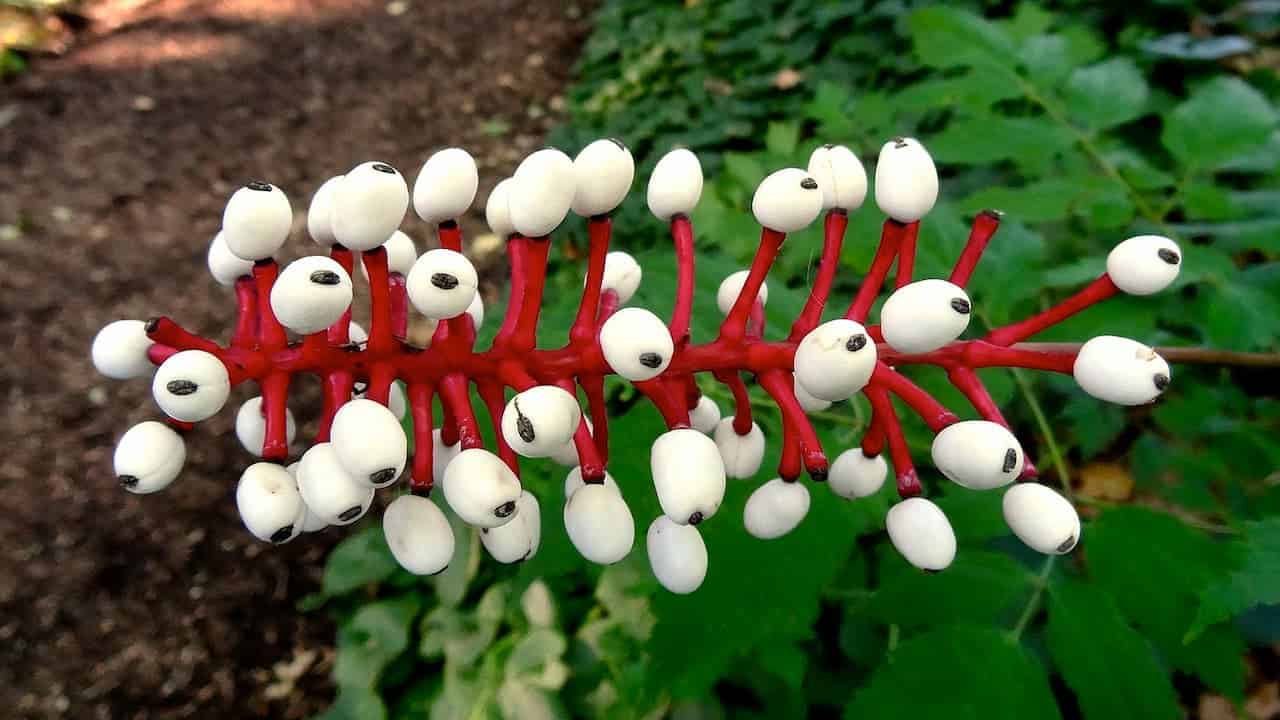
If you have a shady garden, Doll’s-eyes can add a unique look with their striking white berries. These berries look like tiny doll’s eyes, which can be quite eye-catching.
Be careful, though—every part of the plant, especially the berries, is poisonous. Ingesting them can cause nausea and stomach issues. Keep them away from children and pets to stay safe.
Venus Flytrap

If you decide to grow a Venus flytrap, be ready for a plant that’s both fascinating and demanding. It catches insects with quick-closing traps, which might surprise you the first time you see it in action.
You’ll need to provide very specific conditions, like acidic, wet soil and plenty of sunlight. While it’s a great conversation starter, caring for it requires attention and patience to keep it healthy.
Cobra Plant
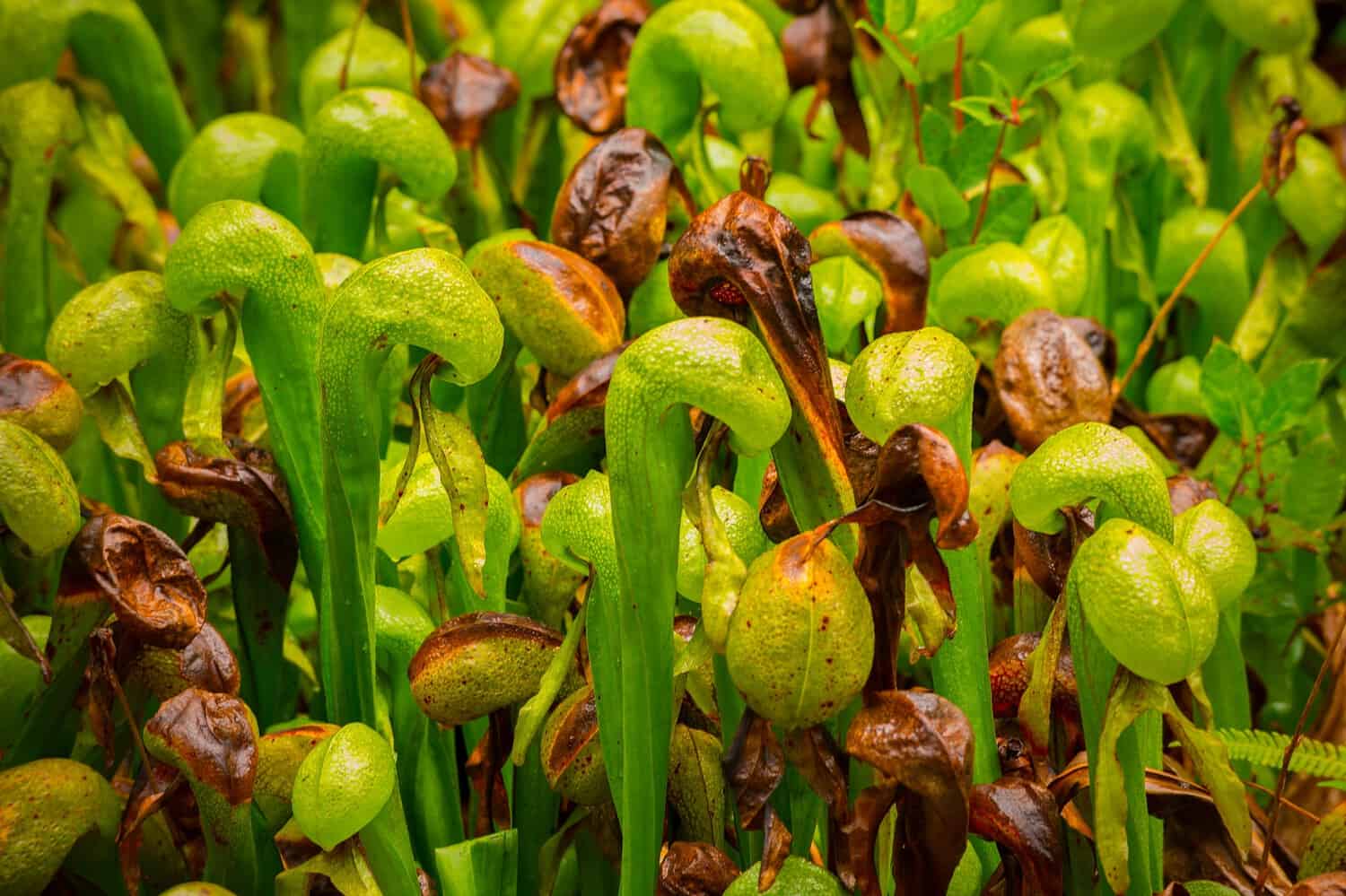
If you add a cobra plant to your garden, be ready for some unexpected challenges. Its aggressive growth can take over nearby plants quickly.
You might find yourself constantly trimming to keep it in check. The tall, snake-like flower spikes can look cool, but don’t let them fool you—this plant demands attention.
Make sure your garden space can handle its size and spread before planting one. Otherwise, it might become more trouble than it’s worth.
Puya chilensis
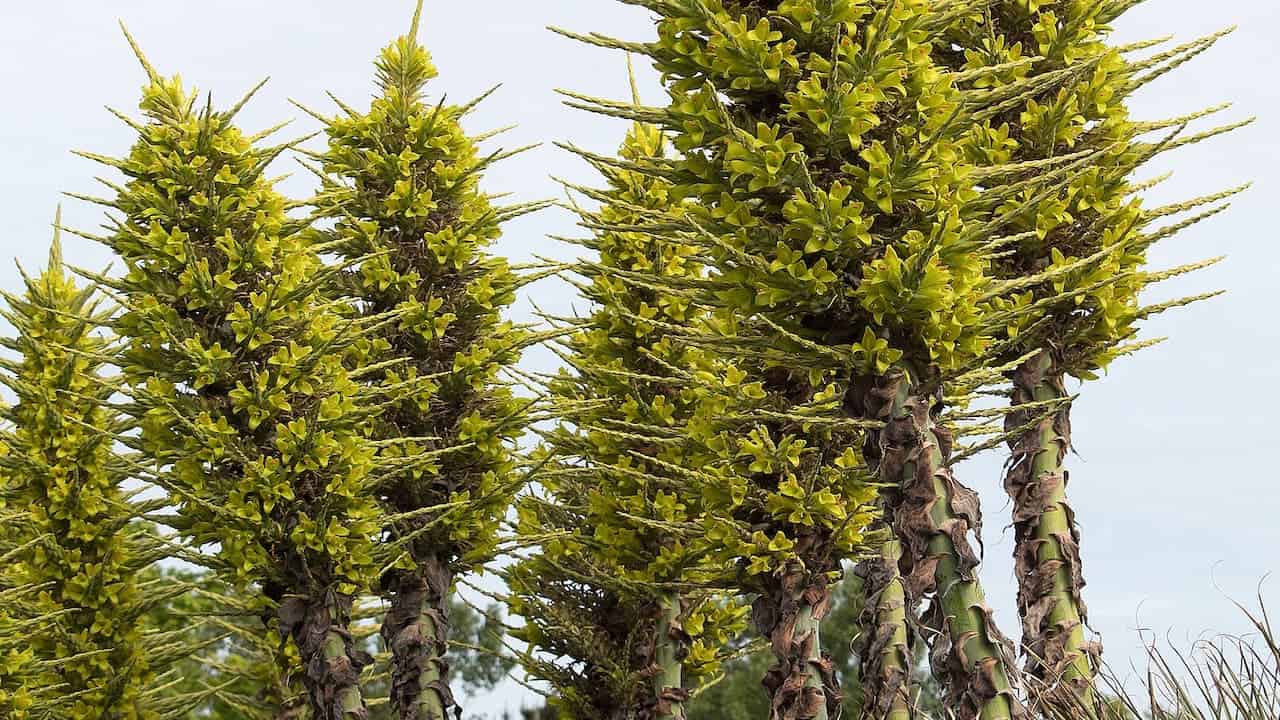
If you add Puya chilensis to your garden, be ready for some serious spines. Its long, barbed leaves can hurt if you brush against them.
You might have heard it called the “sheep-eating plant.” This name comes from animals sometimes getting trapped and decomposing near it, which helps the plant absorb nutrients.
It’s definitely not one to touch carelessly, but it can be a striking, unusual addition if you give it space.