Designing a garden layout can be exciting, but small mistakes early on often make your work harder later. Getting the arrangement right helps your garden flow smoothly and reduces unnecessary effort.
Knowing which common layout errors to avoid can save you time, energy, and frustration as you care for your garden. With a thoughtful plan, your planting and maintenance become easier and more enjoyable.
Advertisement
Starting without a clear garden plan

If you begin gardening without a plan, you might find yourself rearranging plants or running out of space quickly. Your garden’s success depends on knowing where each plant will thrive based on light and soil needs.
A clear plan helps you organize paths, beds, and planting areas effectively. It also saves you time and effort by reducing guesswork and avoiding overcrowding. Take time to map your garden before digging in.
Making garden beds and paths too small
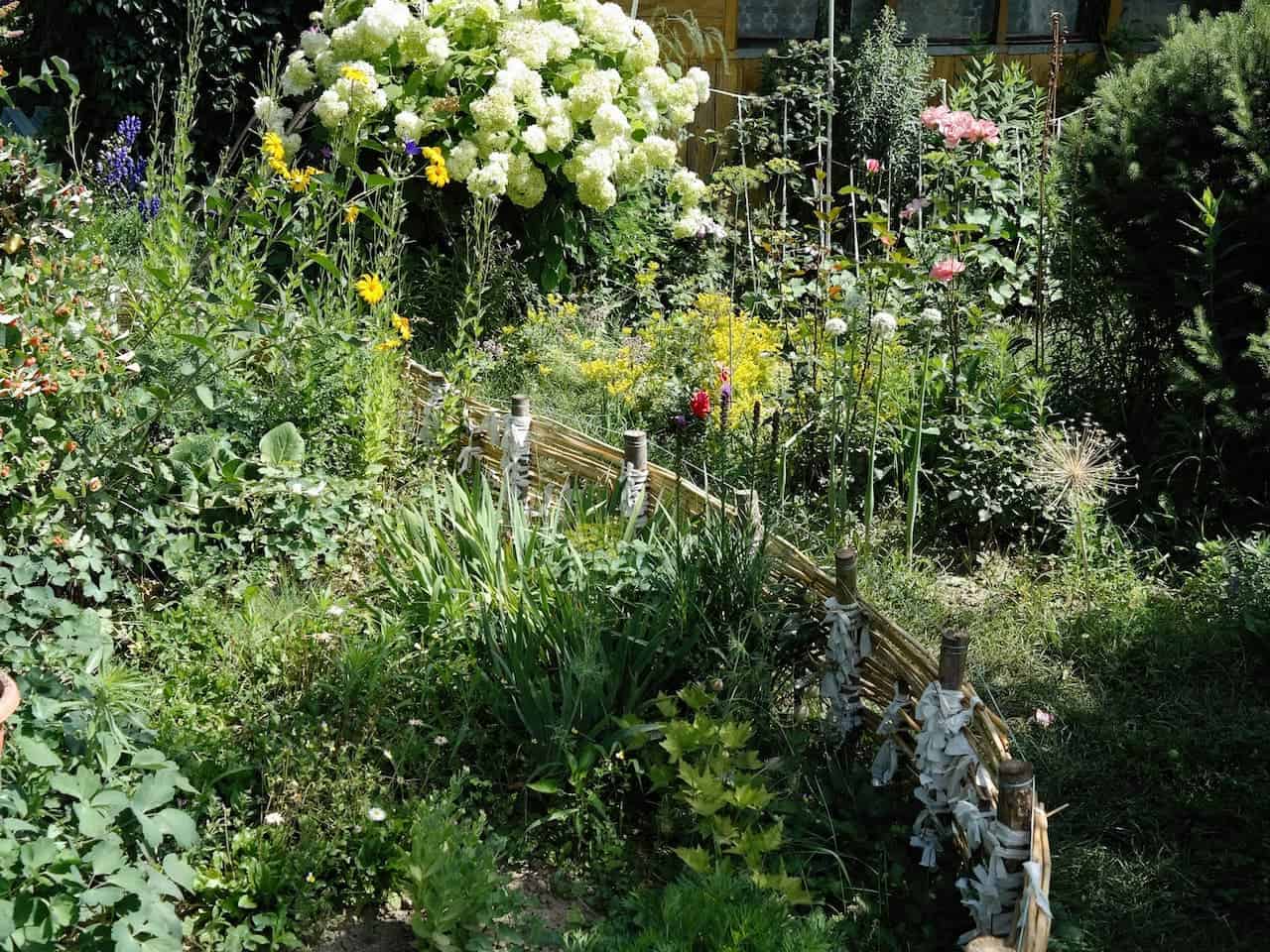
If your garden beds are too narrow, it becomes hard to reach plants without stepping inside. This can damage the soil and plants.
Paths that are too tight limit your movement, especially when using tools or wheelbarrows.
Giving yourself enough space in beds and paths makes gardening easier and helps you avoid unnecessary bending or stretching. Plan for comfort as you work.
Ignoring sunlight and shade patterns
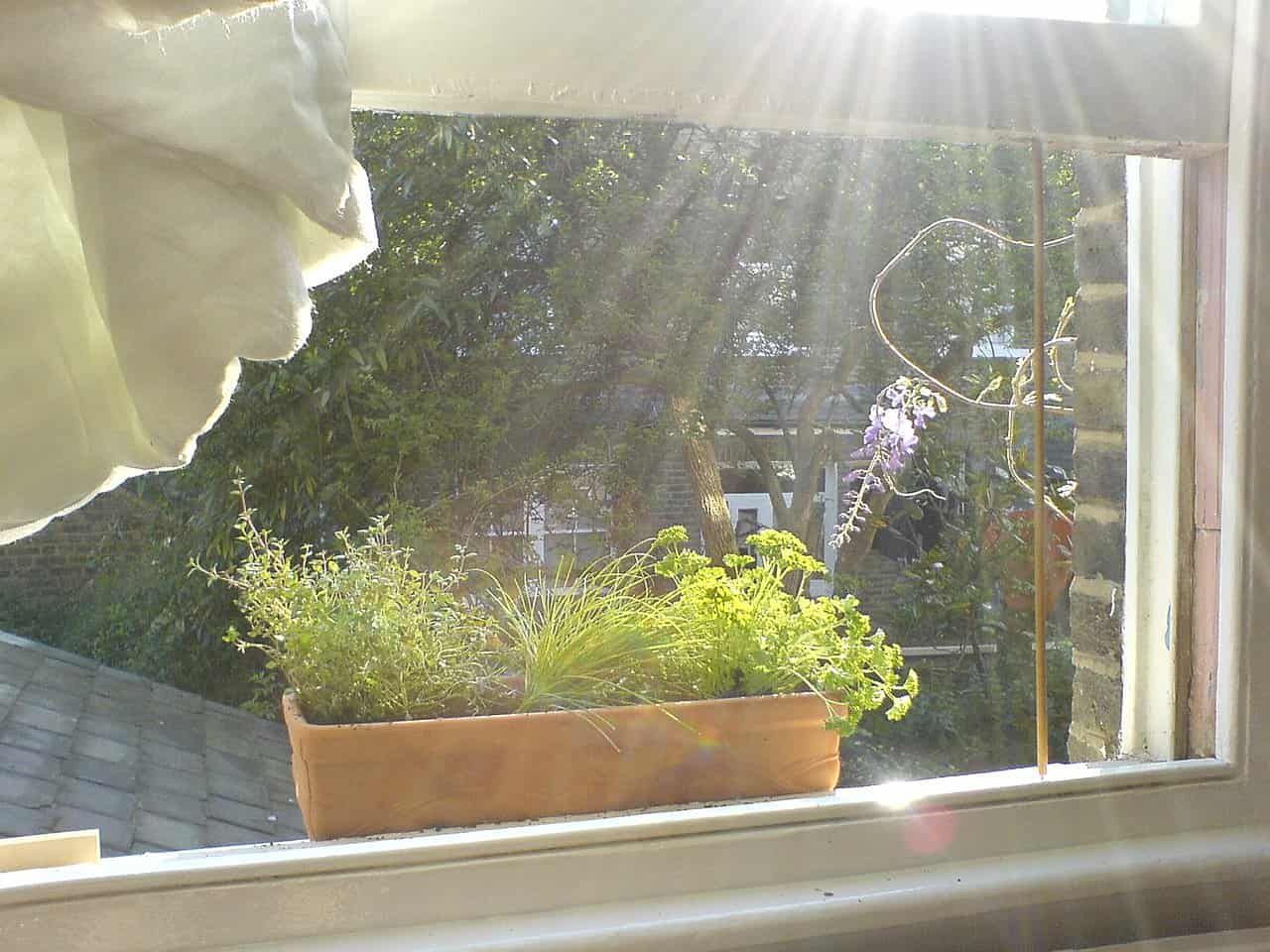
You might overlook how sunlight moves across your garden each day. This can lead to planting sun-loving species in shady spots, causing slower growth or poor health.
Pay close attention to where shadows fall and for how long. Position plants according to their light needs to reduce extra watering or repositioning later.
Knowing your garden’s light patterns helps save time and effort, making your space more enjoyable and easier to care for.
Overcrowding plants in beds

When you overcrowd plants, they compete for sunlight, water, and nutrients, which slows their growth.
It also makes it harder for you to access your plants for watering, pruning, or harvesting.
Leaving enough space between plants helps air circulate, reducing the risk of disease.
If your bed feels too full, consider thinning some plants or transplanting extras to new containers.
Not accounting for mature plant sizes
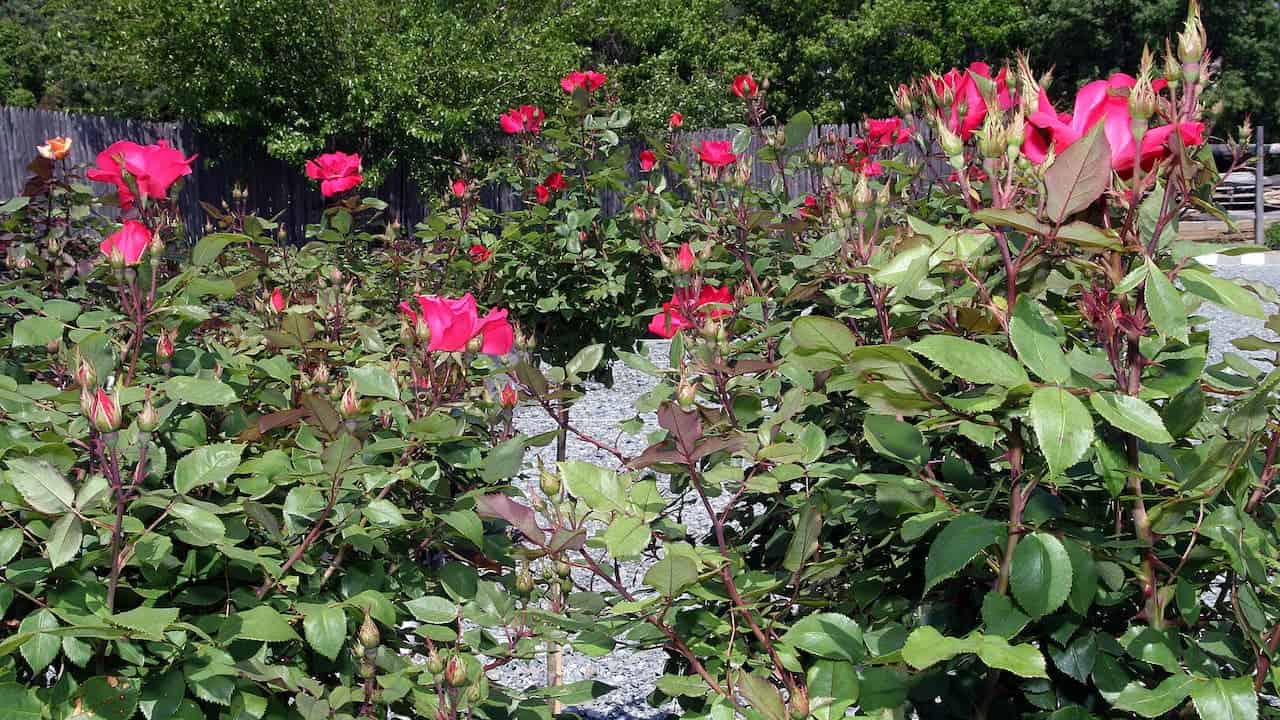
When planning your garden, it’s important to think about how big your plants will get. If you don’t, crowded plants can compete for sunlight, water, and nutrients.
This can lead to weaker growth and more maintenance for you. Make sure to check seed packets or plant tags for their mature height and width before planting.
Giving plants enough space from the start helps keep your garden healthy and makes your work easier over time.
Placing water-hungry plants far from irrigation
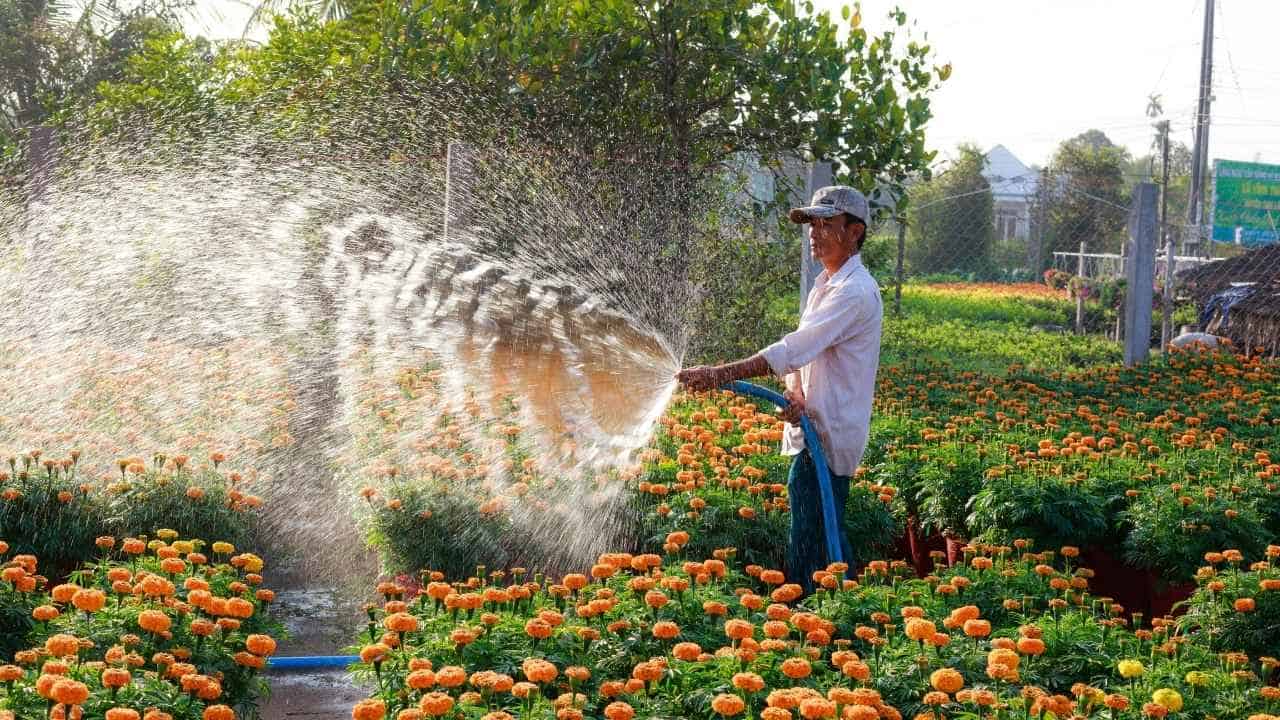
If you place thirsty plants far from your irrigation source, you’ll end up watering unevenly. These plants need more frequent and consistent moisture, so distance makes care harder.
You might waste water trying to reach them or risk underwatering if you don’t. Keep water-loving plants close to easy access points to save time and ensure they get the moisture they need without extra effort.
Leaving bare soil uncovered

When you leave soil exposed, it can dry out quickly and lose valuable nutrients. This makes your plants work harder to grow.
Covering soil with mulch or ground cover helps retain moisture and reduces weeds. It also protects against erosion caused by rain and wind.
By keeping your soil covered, you create a healthier environment for your plants, making your gardening easier and more productive.
Using too many different plant species scattered randomly

When you plant many different species without a plan, it can make your garden harder to care for. Each plant may have different needs for water, light, and soil.
This randomness can also make your garden look cluttered and unorganized. Group plants with similar requirements together to simplify watering and maintenance.
Focusing on fewer types arranged thoughtfully helps your garden thrive and makes your work easier.
Installing patios or paths that disrupt natural flow

When you place patios or paths without thinking about how you move through your garden, it can slow you down. Paths that cross planting areas or force awkward detours make garden tasks harder.
Design your patios and paths to follow natural walking patterns. This way, you’ll move easily between spaces without stepping on plants or doubling back. Thoughtful placement helps keep your garden both functional and enjoyable.
Choosing tall plants near sidewalks without considering visibility

When you place tall plants too close to sidewalks, they can block sightlines for both pedestrians and drivers. This creates potential safety issues and makes your garden feel cramped.
Think about how your plants grow over time. Placing taller plants toward the back or away from high-traffic areas keeps your layout functional and pleasant.
You want to keep your garden inviting and safe. Consider visibility before planting tall species near walkways to avoid unnecessary work later.
Forgetting to plan for maintenance access

When you design your garden, remember to leave clear paths for easy access. Crowded plants or tight spaces make watering, weeding, and harvesting harder.
If you don’t plan maintenance routes, you might end up stepping on plants or damaging soil structure.
Make sure your layout allows you to reach every part comfortably without strain. This saves time and keeps your garden healthy.
Neglecting to group plants by water needs
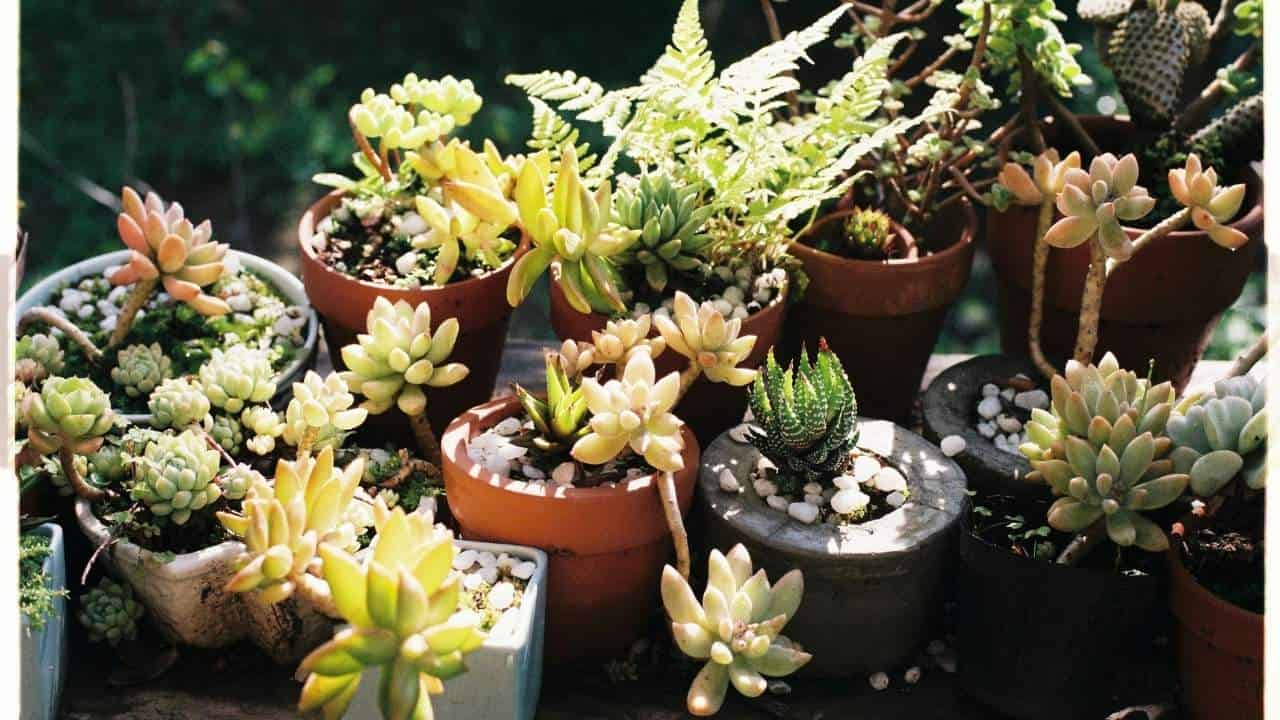
When you don’t group plants by their water needs, some will get too much water while others may not get enough. This can cause extra work and stress for your garden.
By grouping plants with similar watering requirements, you can water more efficiently. Your plants will be healthier, and you’ll save time and water. It’s a simple change that makes a noticeable difference.
Ignoring soil drainage and compaction issues

If your garden soil doesn’t drain well, water can pool and harm your plants’ roots. You might notice slow growth or wilting even after watering.
Compacted soil restricts root movement and reduces oxygen. This makes it harder for plants to access nutrients and water properly.
You can prevent this by checking drainage before planting. Also, avoid walking on garden beds to keep the soil loose and healthy.
Planting large trees too close to structures

You should avoid planting large trees near your house or other buildings. As trees grow, their roots can damage foundations, pipes, and sidewalks.
Also, branches might scratch walls or block sunlight to windows. Give trees enough space by considering their full-grown width before planting.
Adding 6 to 12 feet of extra room around the expected tree size helps protect your property. This small adjustment saves you from costly repairs later.
Not incorporating windbreaks in windy areas
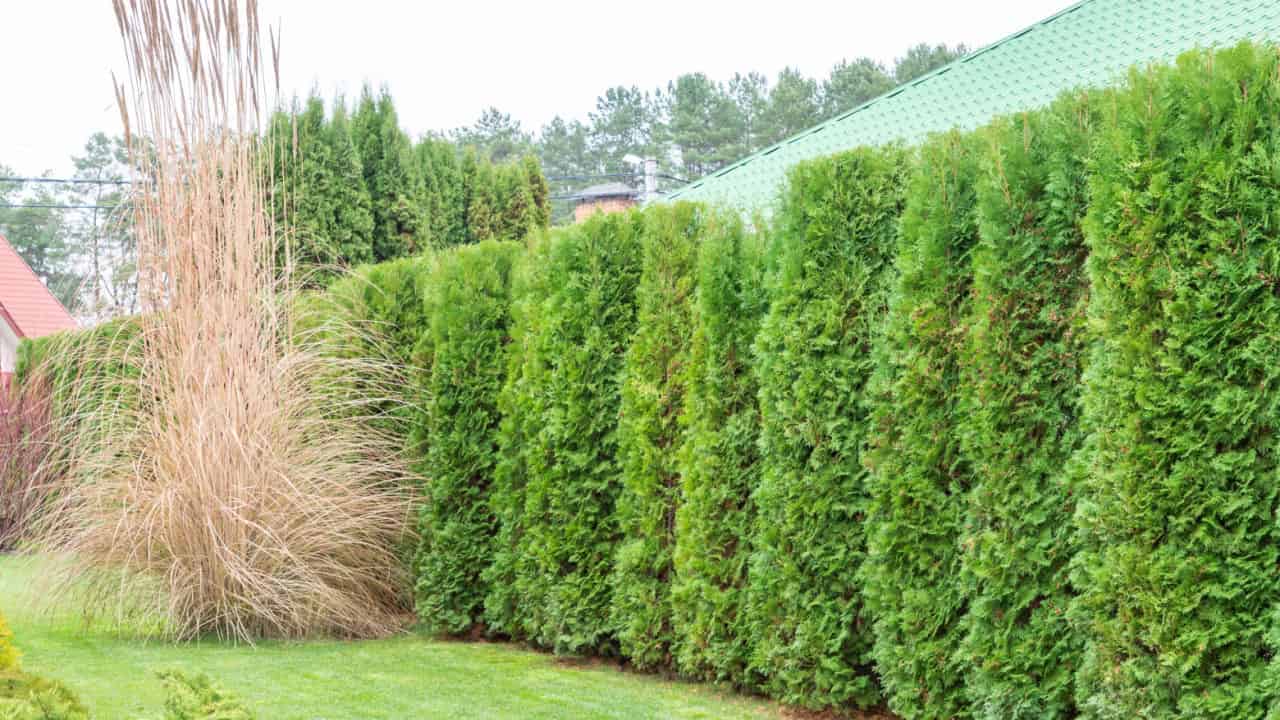
If you garden in a windy spot, skipping windbreaks can make your work tougher. Strong winds stress plants, causing damage and water loss.
Adding fences, shrubs, or trees as windbreaks protects your plants and helps them grow better. It also reduces soil erosion and keeps your garden more comfortable to work in.
Simple windbreaks close to the ground, like dense evergreens, are often the most effective. Taking this step saves you time and effort over the season.