If you’ve ever felt overwhelmed by your garden layout, you’re not alone. Many gardeners face challenges that can make their outdoor spaces less functional than they could be. By avoiding common mistakes and making intentional choices, you can transform your yard into a more enjoyable and practical space.
In this article, you’ll discover fifteen pitfalls to steer clear of, each of which I’ve learned from through trial and error. These insights will help you create a garden that not only looks good but works better for your lifestyle, making gardening more fun and less frustrating.
Advertisement
1. Dividing large beds into smaller ones
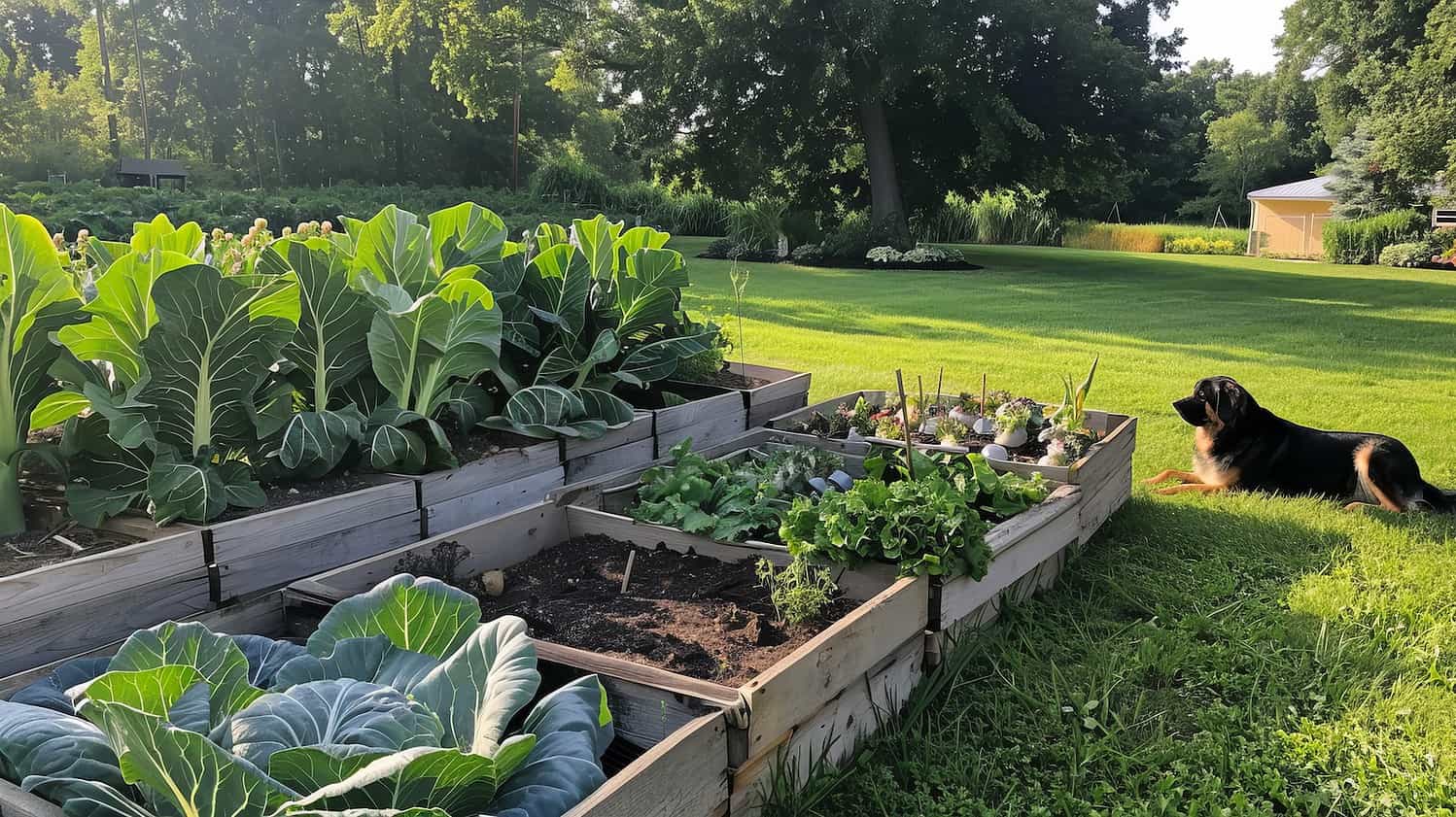
If you have a large garden bed, consider splitting it into smaller sections. This makes it easier for you to manage your plants and access them without stepping on the soil.
Smaller beds ensure that you can reach every corner without hassle. It also allows for better organization, letting you mix different plant types more effectively.
With this approach, you’ll find it simpler to amend the soil and deal with any pest issues that arise. Plus, it can create a visually appealing design in your garden.
2. Using stepping stones for accessibility
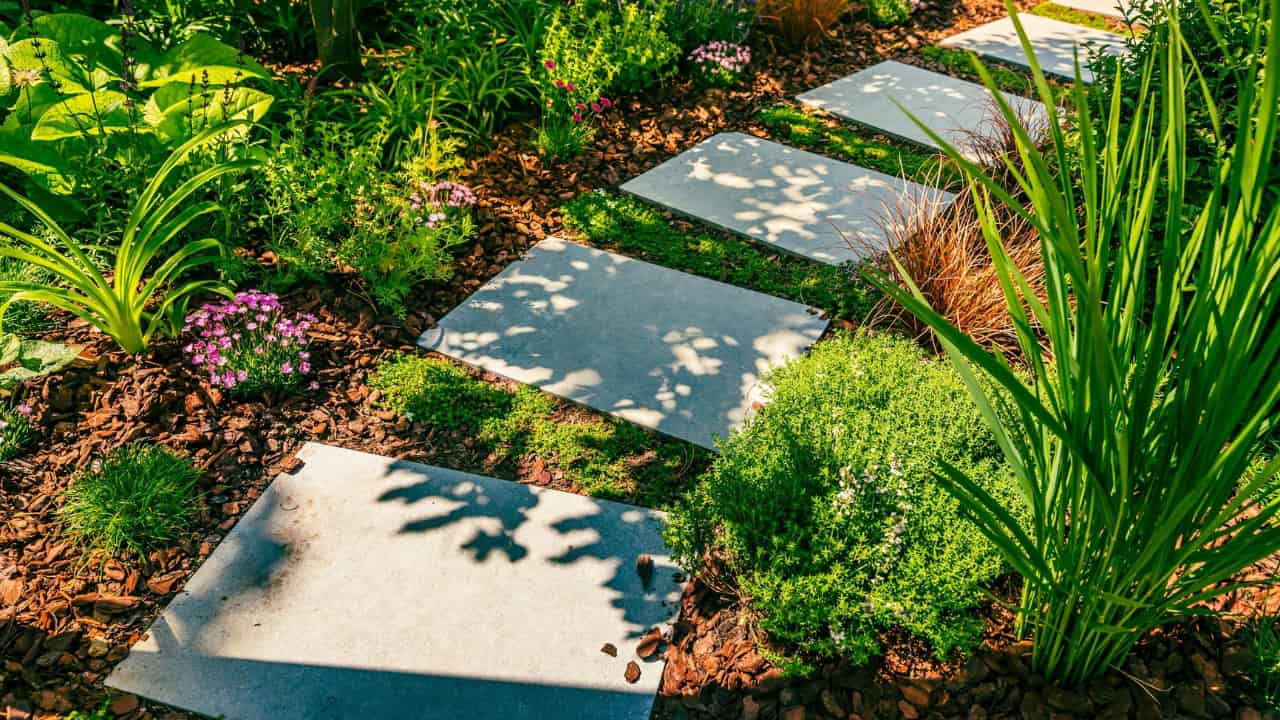
Stepping stones can really enhance the accessibility of your garden. They create clear paths that guide you through your outdoor space comfortably. When laying stepping stones, consider spacing them a few feet apart. This allows easy navigation, even if you’re pushing a wheelbarrow or using a garden cart.
Choosing a flat, stable surface for your stones will help prevent trips and falls. You can also use gravel or mulch around them for added grip. Additionally, stepping stones can break up large areas of grass or landscaped beds, making your garden feel more organized. This small change can make a big difference in how you enjoy your yard.
3. Grouping plants with similar needs
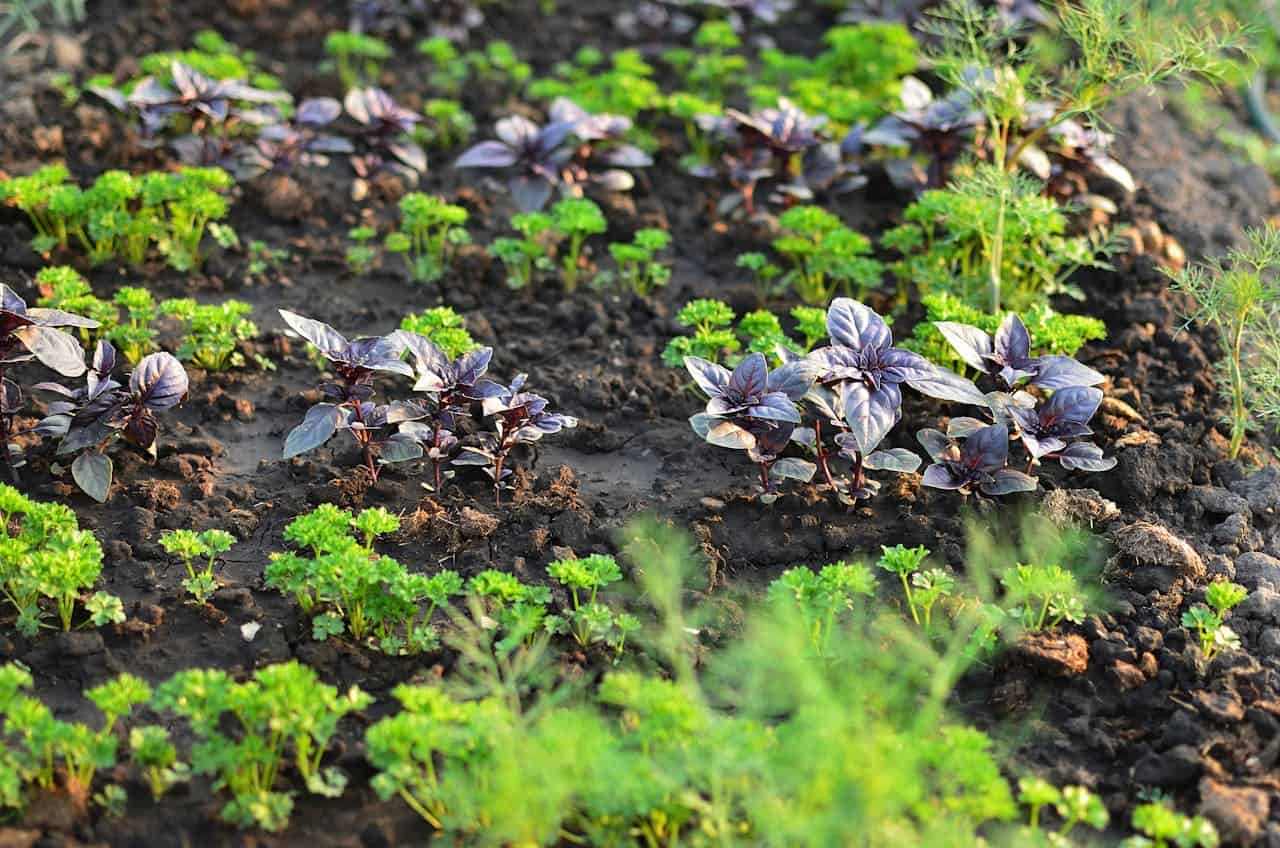
When planning your garden, it’s crucial to group plants that have similar light, water, and soil requirements. This way, you make the most of your resources and keep your plants happy.
For instance, placing sun-loving plants together ensures they all get enough light without overshadowing each other. Similarly, groupings of plants that need moist soil can thrive without competing for water.
This approach also makes maintenance easier. You can water, fertilize, or amend soil for a specific group, streamlining your gardening tasks. By paying attention to plant needs, you set the stage for a thriving garden.
4. Adding zones for different garden activities

Creating distinct zones for various activities can really enhance your garden’s functionality. Think about where you want to relax, grow vegetables, or entertain guests.
For example, place a comfy seating area away from your vegetable beds. This keeps the space organized and enjoyable.
Also, consider adding a spot for gardening tools and supplies. Having everything in its place saves you time and effort when you’re working outside.
Lastly, don’t forget about adding pathways. They help you navigate your garden easily while keeping things tidy. Balancing all these areas makes for a functional and appealing garden layout.
5. Incorporating a variety of plants

Incorporating a variety of plants can transform your garden into a lively space. Different plants add unique colors, textures, and heights, making your yard visually appealing.
Mixing perennials with annuals ensures blooms throughout the seasons. You can also consider including herbs for practicality and a fresh scent.
Ensure your plant choices complement each other in terms of light and water needs. This not only supports the health of your plants but also makes maintenance easier.
Finally, a diverse plant selection can attract beneficial insects and pollinators, boosting your garden’s ecosystem. Embrace variety to create a dynamic and functional outdoor space.
6. Placing patio furniture thoughtfully

When arranging your patio furniture, think about how you’ll use the space. Consider your seating arrangements for both relaxation and dining. Aim for a layout that encourages conversation.
Don’t forget about access. Ensure there’s enough room to move around without bumping into things. Leave pathways clear for easy navigation.
Lastly, pay attention to sunlight and shade. Position furniture so you can enjoy the sun when it’s out, and find cool spots during the heat of the day. This way, your patio becomes an inviting retreat at any time.
7. Avoiding overcrowding plants near the house
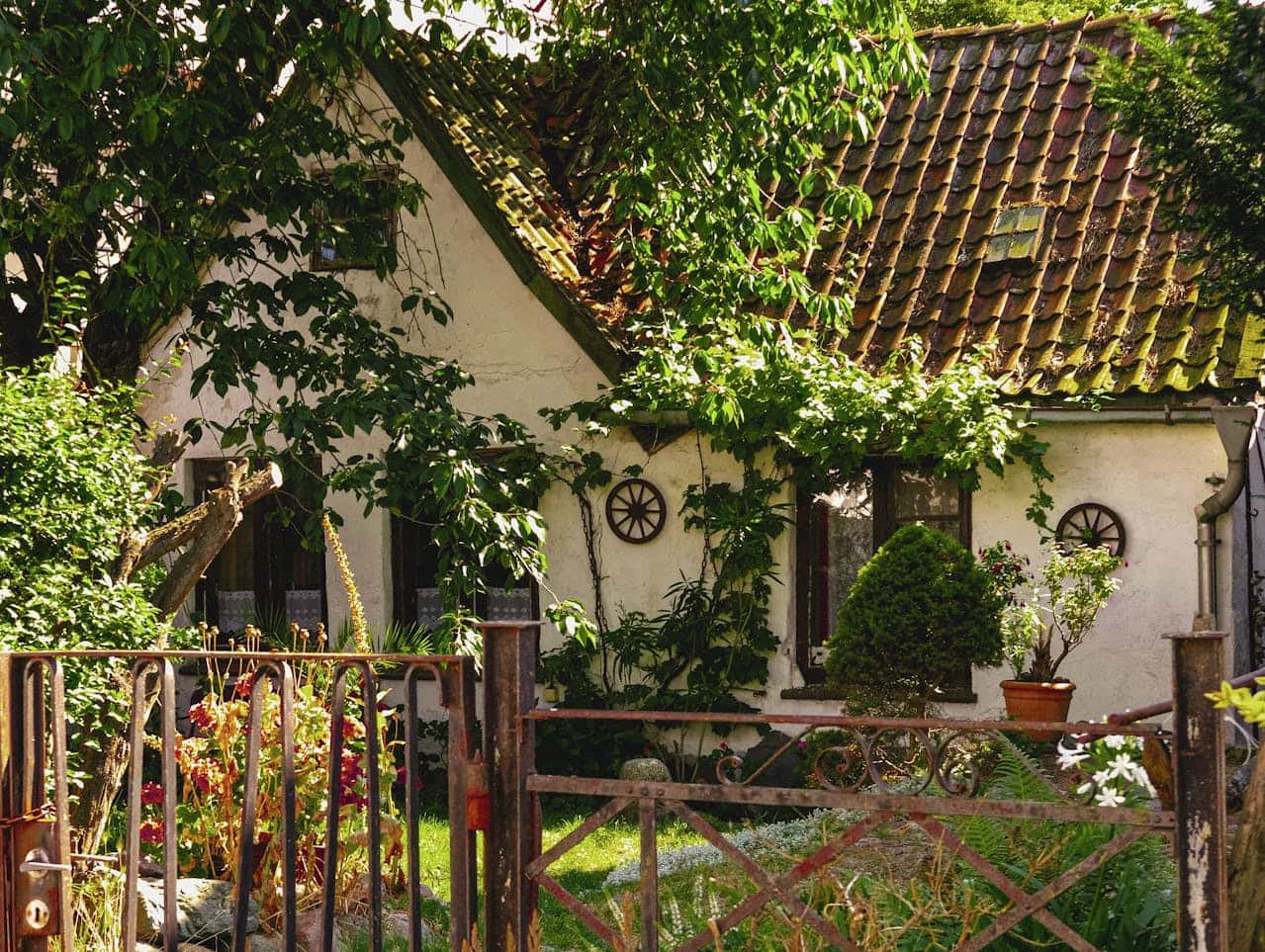
When planning your garden, it’s crucial to avoid overcrowding plants near your house. Plants need space to grow, and cramming them in can lead to problems.
Overcrowded plants can compete for sunlight, water, and nutrients. This might stunt their growth or lead to unhealthy plants.
Additionally, plants that are too close to your home can cause damage over time. Their roots may interfere with foundations, while leaves can clog gutters.
To keep everything thriving, choose appropriate spacing based on the mature size of each plant. This will create a more functional and healthy garden space around your home.
8. Avoiding the “Hodge Podge” Planting Style

When it comes to garden design, a hodge podge of plants can make your yard look chaotic. Instead of randomly placing plants, think about a cohesive plan.
Choose a color palette or theme to create a more inviting space. This helps your garden feel more intentional and organized.
Mixing plants that complement each other can also enhance your garden’s appeal. Consider height, texture, and bloom time when selecting plants to avoid that cluttered look.
Your garden should reflect your style, not feel like a mish-mash of whatever you found. Aim for harmony, and watch your yard transform.
9. Planning for all-season appeal

When designing your garden, think about how it will look throughout the year. Choose a mix of plants that bloom in different seasons. This way, your yard will always have a splash of color.
Incorporate evergreens for winter interest. They provide structure and greenery even when the rest of your plants are dormant.
Consider seasonal features like ornamental grasses or colorful bark to add texture in colder months. These elements keep your space visually appealing all year round.
Don’t forget about your hardscaping. Pathways and patio areas can be inviting no matter the season if designed thoughtfully. Make sure every corner of your garden has something to offer, no matter the time of year.
10. Selecting low-maintenance plants

Choosing low-maintenance plants can save you time and effort in your garden. Look for native species that naturally thrive in your area. They typically require less care and water.
Consider perennials rather than annuals. Perennials come back year after year, reducing the need for replanting. Some great options include lavender, sedum, and daylilies.
Incorporate drought-resistant plants, like succulents and ornamental grasses. These require minimal watering and are tough in various conditions.
Grouping plants with similar needs can simplify your care routine. This makes it easier to manage watering and maintenance. Aim for a balanced mix for both beauty and functionality in your yard.
11. Including pathways for easy navigation
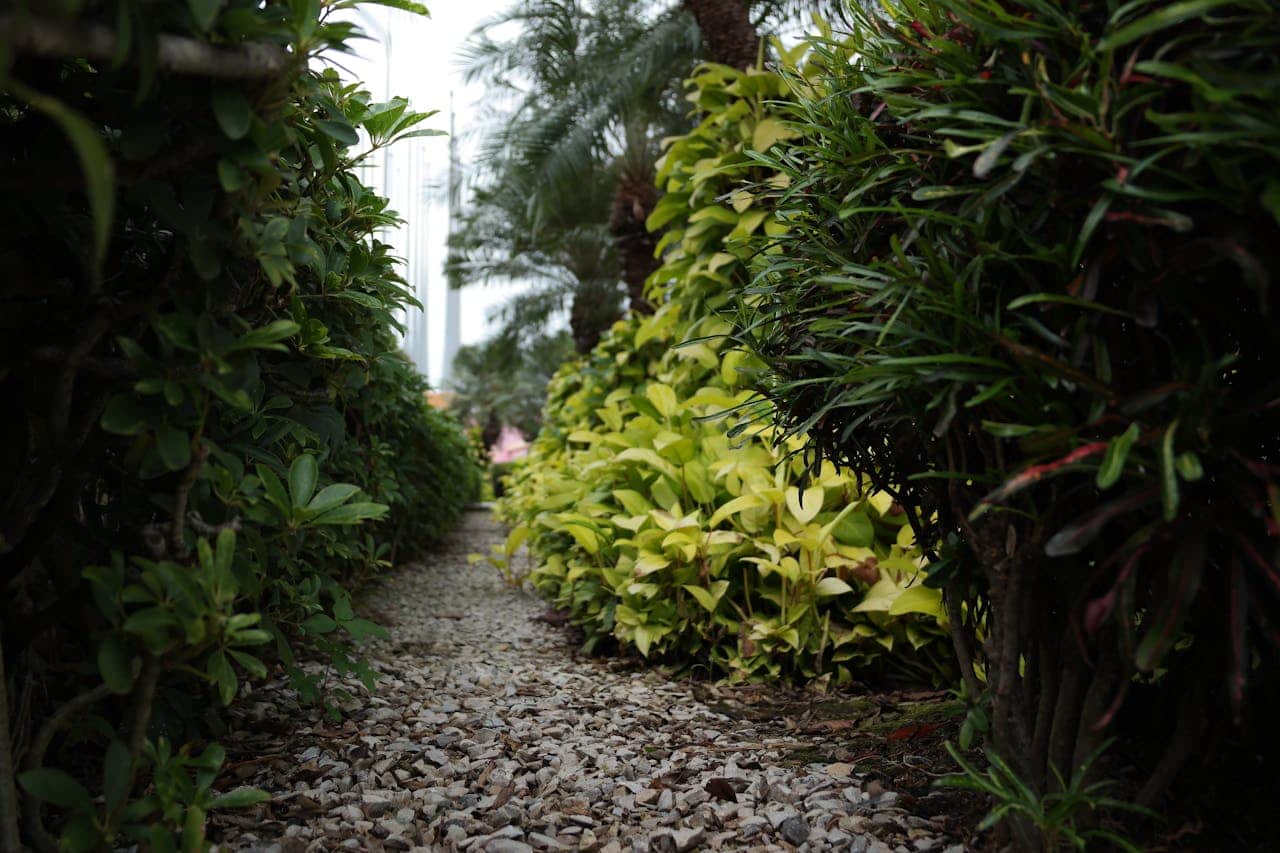
Creating pathways in your garden can make a big difference. They help you move efficiently from one area to another without trampling plants. Consider using stepping stones or gravel to define these paths. This not only adds structure but also keeps your garden looking tidy.
Pathways can also draw visitors’ eyes to key features in your space, like a beautiful flower bed or a cozy seating area. Think about the flow of your garden—design paths that lead you naturally from one spot to the next. With well-placed paths, you’ll enjoy your garden even more. It’s all about making navigation simple and enjoyable.
12. Planting trees at appropriate distances

Planting trees too close together is a common mistake. When you do this, they compete for sunlight, water, and nutrients. This can stunt their growth and create issues down the line.
Make sure to research the spacing needs of the specific trees you choose. Different species have different requirements. For instance, larger trees typically need more room than smaller ones.
A good rule of thumb is to space trees based on their mature canopy size. This ensures they have enough space to thrive and reduces the need for constant pruning. Proper spacing helps maintain tree health and enhances your landscape’s overall look.
13. Using native plants for better adaptation

Choosing native plants can significantly improve your garden’s success. These plants are adapted to your local climate, soil, and pests. That means they often need less water and fewer fertilizers.
They attract local wildlife, such as pollinators, which can enhance your garden’s ecosystem. Native plants can also reduce the chance of invasive species taking over.
When you select plants that are naturally suited to your area, you’ll see less maintenance over time. Plus, they typically thrive with minimal interference. This approach can lead to a more vibrant and functional space in your yard.
14. Creating a focal point in the garden
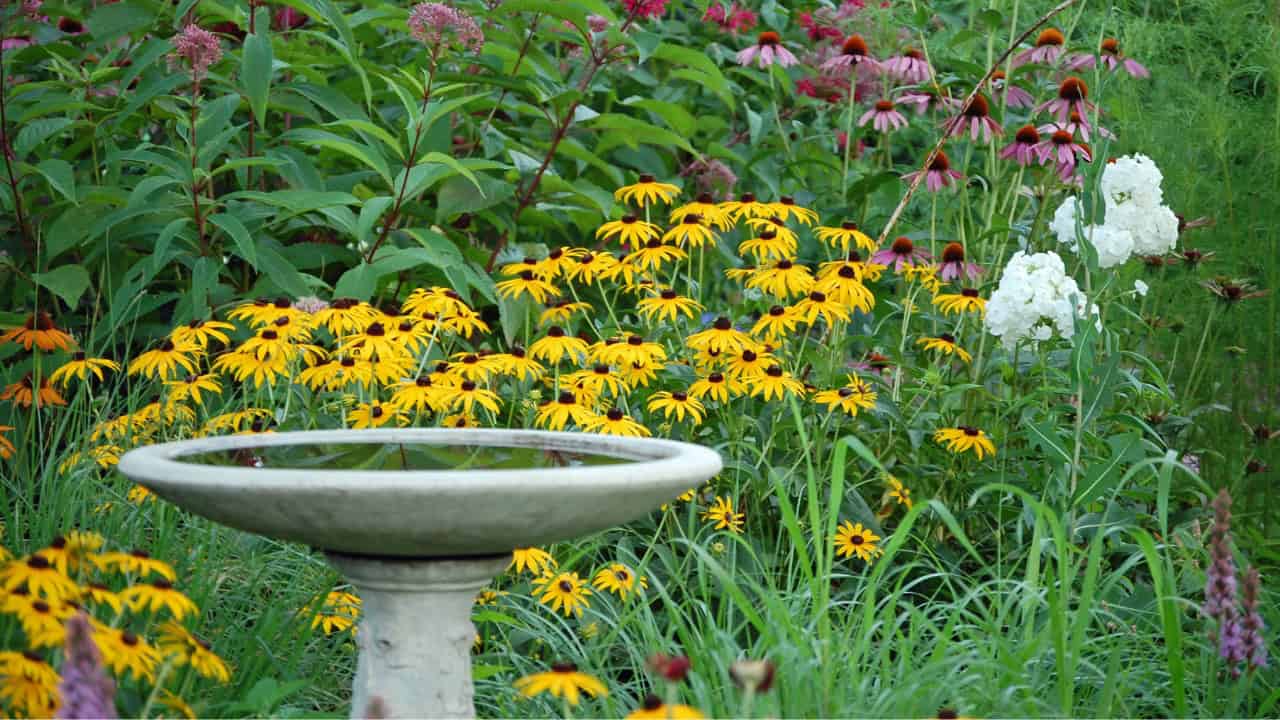
A focal point in your garden can instantly elevate its appeal. It draws the eye and anchors your design, making everything around it feel more cohesive.
Consider using a striking sculpture, a vibrant flower bed, or even a unique tree as your focal point.
Position it where it can be easily seen from various angles. This invites exploration and makes your space feel inviting.
Don’t forget about texture and height. A mix of elements can add interest and keep your garden looking dynamic throughout the seasons.
Using focal points effectively transforms your garden from average to truly engaging.
15. Ensuring proper drainage

When planning your garden, don’t forget about drainage. Poor drainage can lead to water pooling, which harms plants and creates a muddy mess.
To start, consider the slope of your yard. You want it to direct water away from your house. Adding dirt to create a grade helps with this.
Another option is installing French drains. These guide excess water through buried pipes, preventing soggy spots.
You can also use gravel or rocks in problem areas to assist in drainage. It’s a simple fix that can make a huge difference.
Taking drainage into account from the beginning will save you headaches down the line. Your plants will thrive, and your yard will look great.
*This article was created with the help of AI.