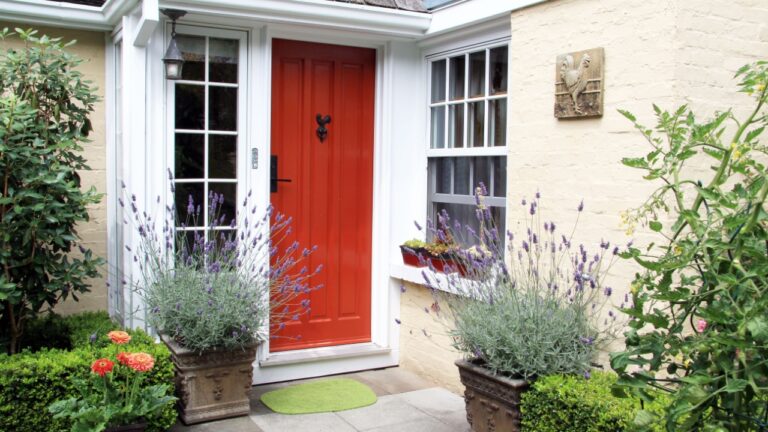
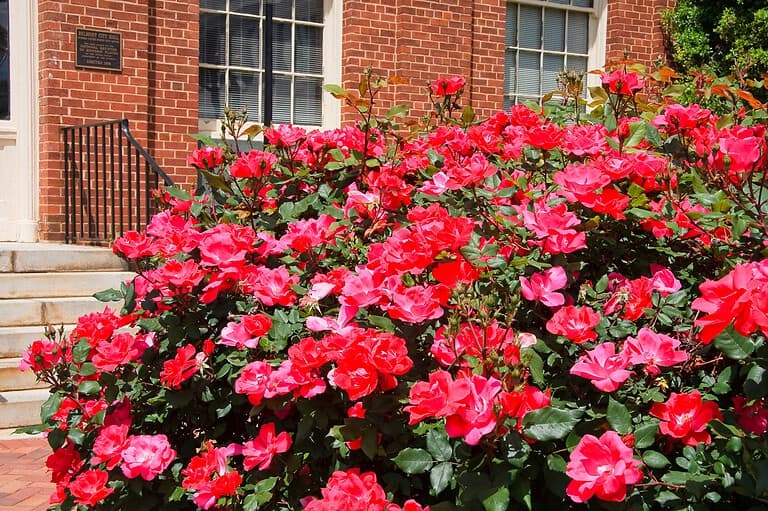
If you’re looking to give your garden a clean, polished look without spending a fortune, garden edging can make a big difference. It helps keep things organized, defines your planting areas, and adds a little extra style to your outdoor space.
Garden edging doesn’t have to be expensive or complicated to elevate the overall appearance of your landscaping. Whether you prefer natural materials or something more modern, there are plenty of options that fit different budgets and tastes.
Advertisement
Gravel edging for a rustic garden vibe
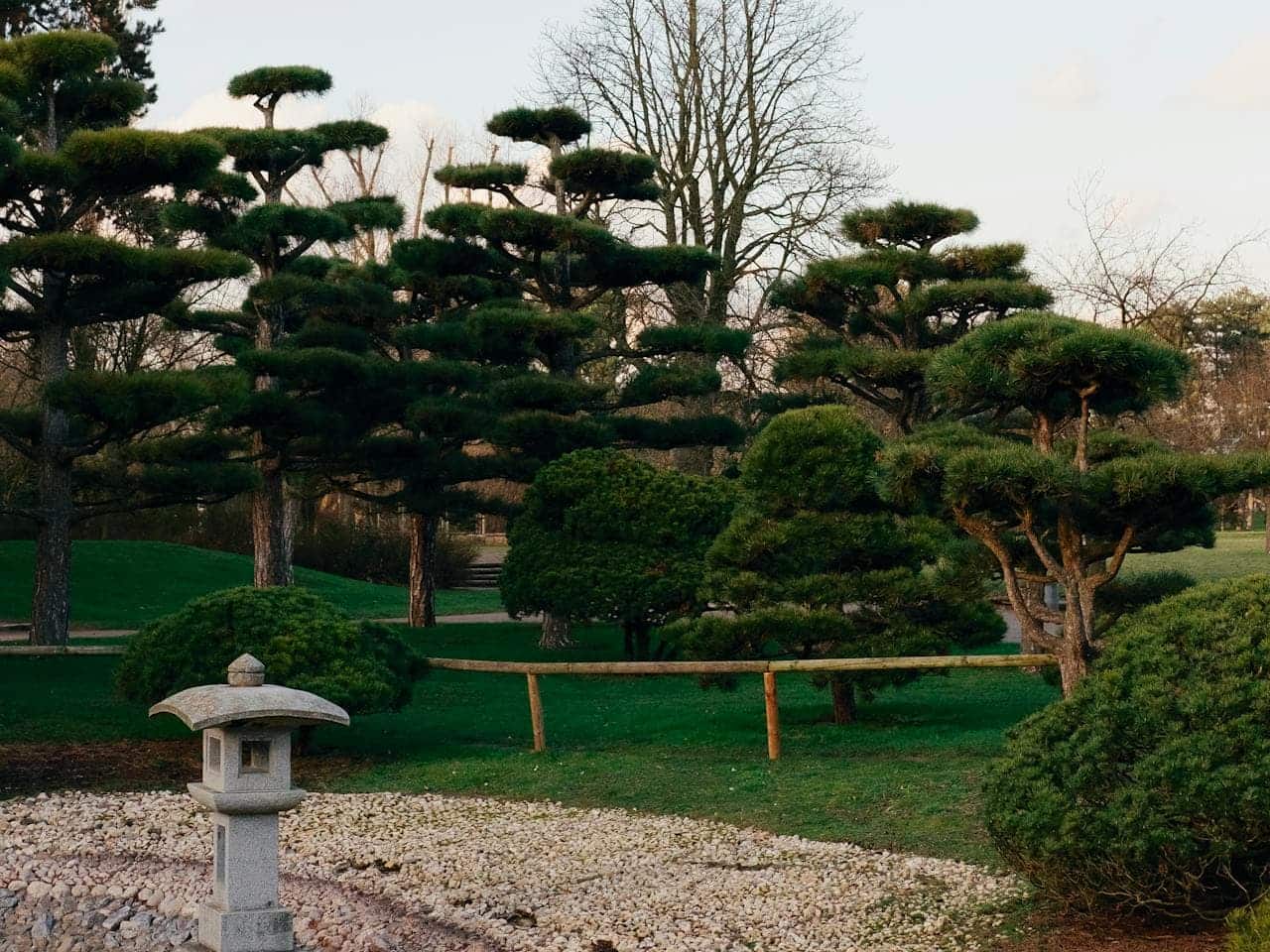
Gravel edging is an easy way to add a natural, rustic feel to your garden. You just need to outline your beds with a simple layer of gravel.
It’s budget-friendly and low maintenance, perfect if you want something practical without fuss. Plus, gravel lets water drain well, which is great for plant health. If you want ideas on how to use gravel for edging, check out some garden edging ideas.
Brick borders for a classic look

Brick borders give your garden a timeless, neat edge that never goes out of style. You can use red or weathered bricks to create clean lines and define your flower beds or pathways.
They’re durable and easy to install, making them perfect if you want something low-maintenance but still attractive. Plus, they add a touch of charm that works with almost any garden style. For more ideas, check out brick edging options here.
Concrete pavers to create neat pathways
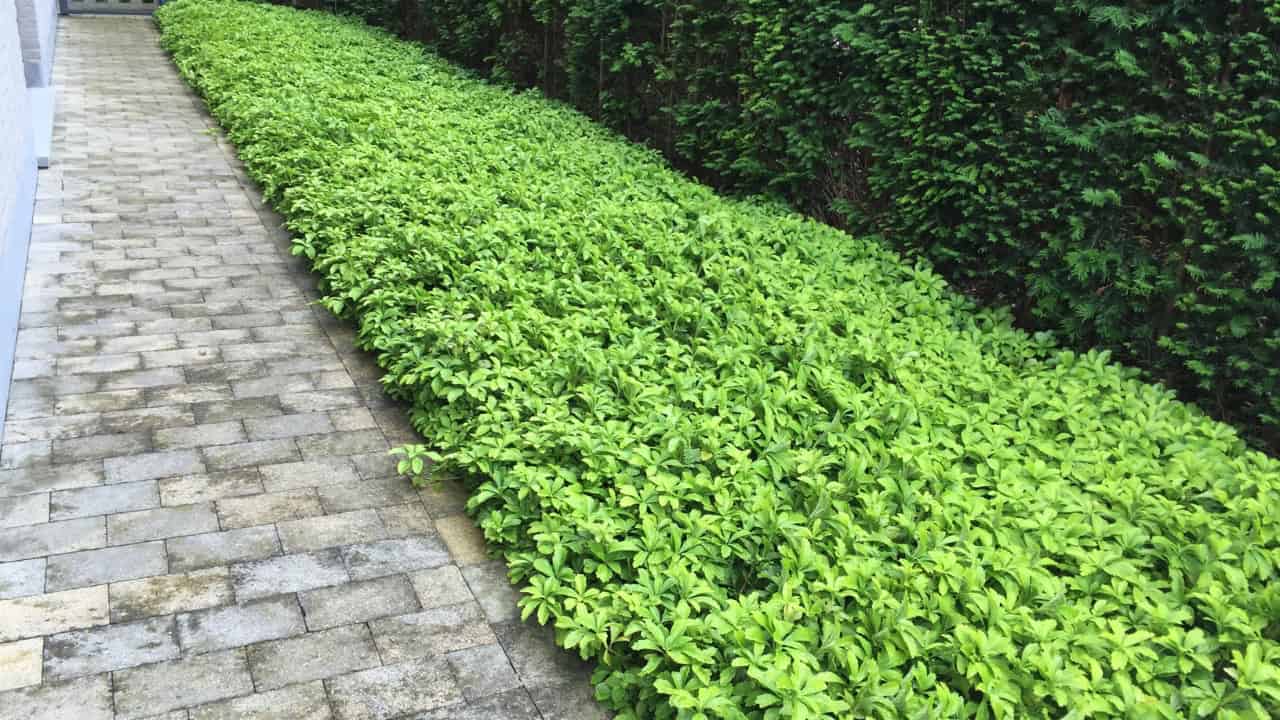
You can use concrete pavers to make clean, simple pathways in your garden. They give a polished look without being too fancy. Concrete pavers are budget-friendly and easy to install. Plus, they help define your outdoor space clearly.
For a bit of style, space them out or arrange in patterns. This adds charm while keeping things tidy. Check out ideas for affordable options here.
Mulch chips as a soft, budget-friendly edge
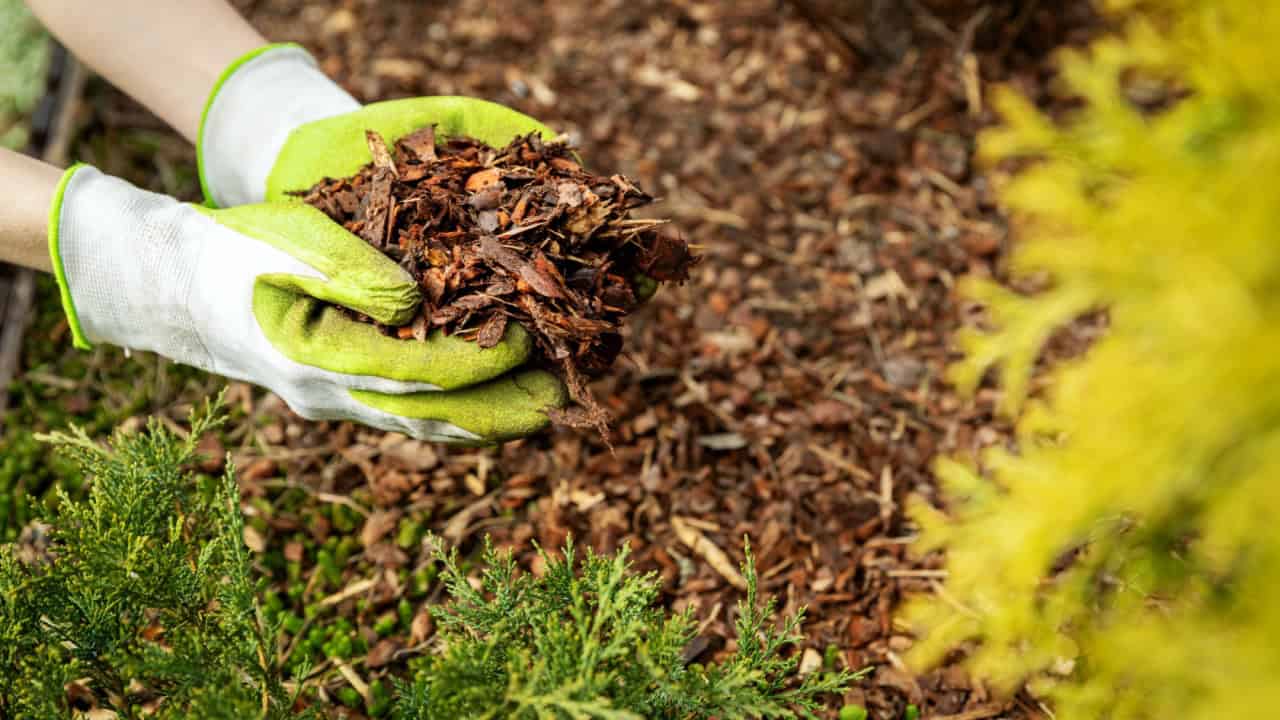
Using mulch chips for garden edging is an easy way to create a soft border around your beds. You can keep costs down while adding a natural look to your landscape. Mulch helps control weeds and retains soil moisture, making it functional as well as attractive. It’s simple to spread and replenish whenever you need.
For a clean finish, lay mulch chips thickly along the edge, and they’ll naturally stay in place. This method works well if you want a low-maintenance option that still looks neat. Learn more about inexpensive garden edging options here.
Wooden stakes for a natural, simple border

If you want a low-key, natural look, wooden stakes are a solid pick. They’re easy to install and budget-friendly, making them great for defining your garden without much hassle.
You can space them out or place them close together, depending on how defined you want your border. Plus, wood blends well with plants and soil, keeping things simple and clean. For an extra touch, you could stain or paint the stakes to match your garden style. Find more ideas for this option here.
Pebble rock outlines for texture contrast

You can use pebble rocks to create a natural, low-maintenance border around your garden beds. The rough texture of pebbles contrasts nicely with smooth lawn areas, adding visual interest.
These outlines work well along pathways or flower beds. Plus, they’re budget-friendly and easy to install yourself.
Metal edging with built-in stakes for easy install

If you want a quick garden edge fix, metal edging with built-in stakes is a smart pick. You just hammer the stakes into the ground—no digging needed.
These metal pieces link together and hold firm, making your garden look neat without much effort. Plus, they’re durable and resist rust, so they last through different weather. You can find options like these that fit both style and budget easily. Check out details on easy installation here.
Plastic edging that’s flexible and durable
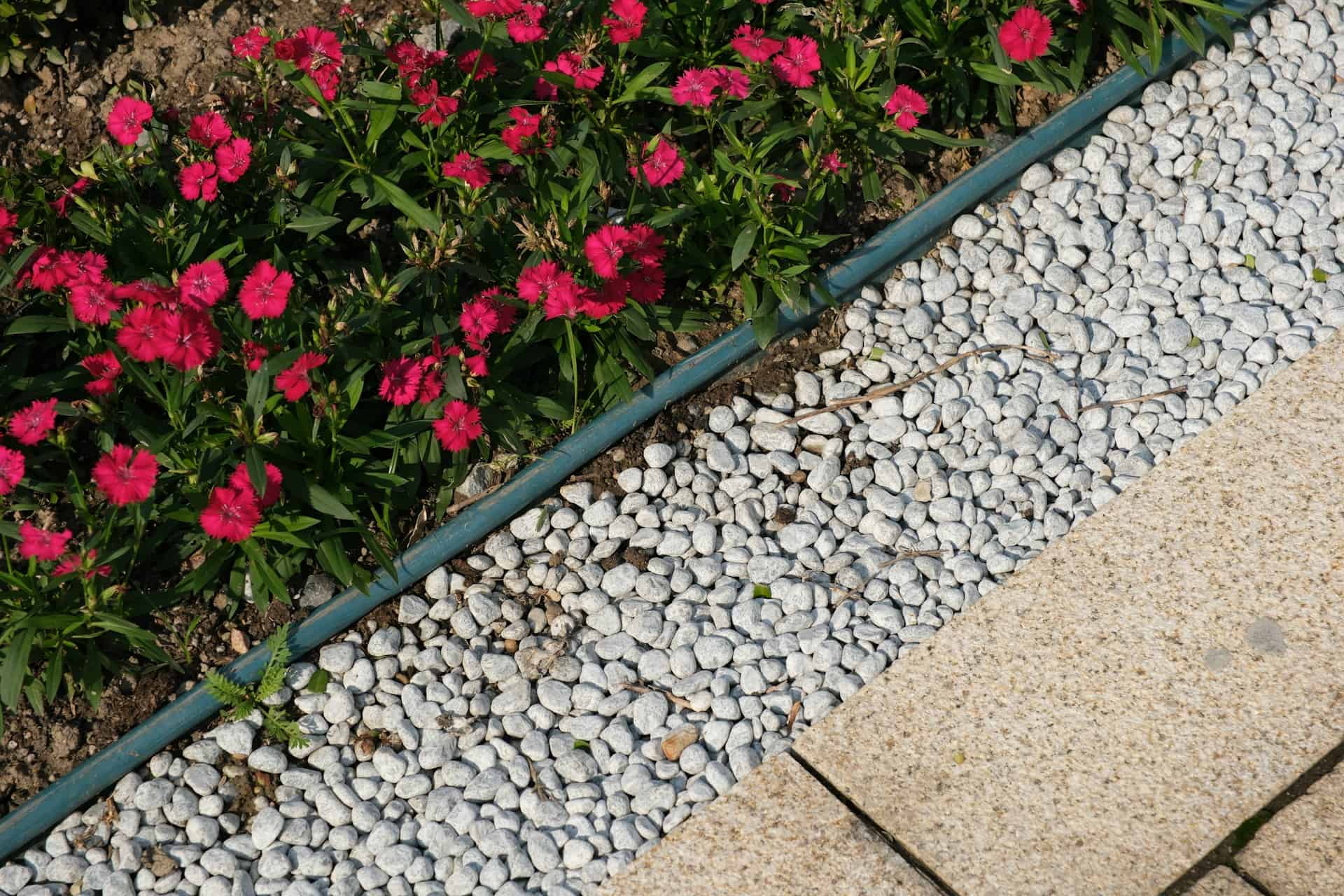
Plastic edging is a great choice if you want something easy to work with. You can bend it to fit curves and corners without much hassle.
It’s also durable, resisting peeling, corrosion, and weather damage, so it lasts through seasons.
Plus, plastic edging is affordable and simple to install, making it perfect for budget-friendly landscaping. See more about flexible plastic edging ideas here.
Raised garden beds with thin wood edges
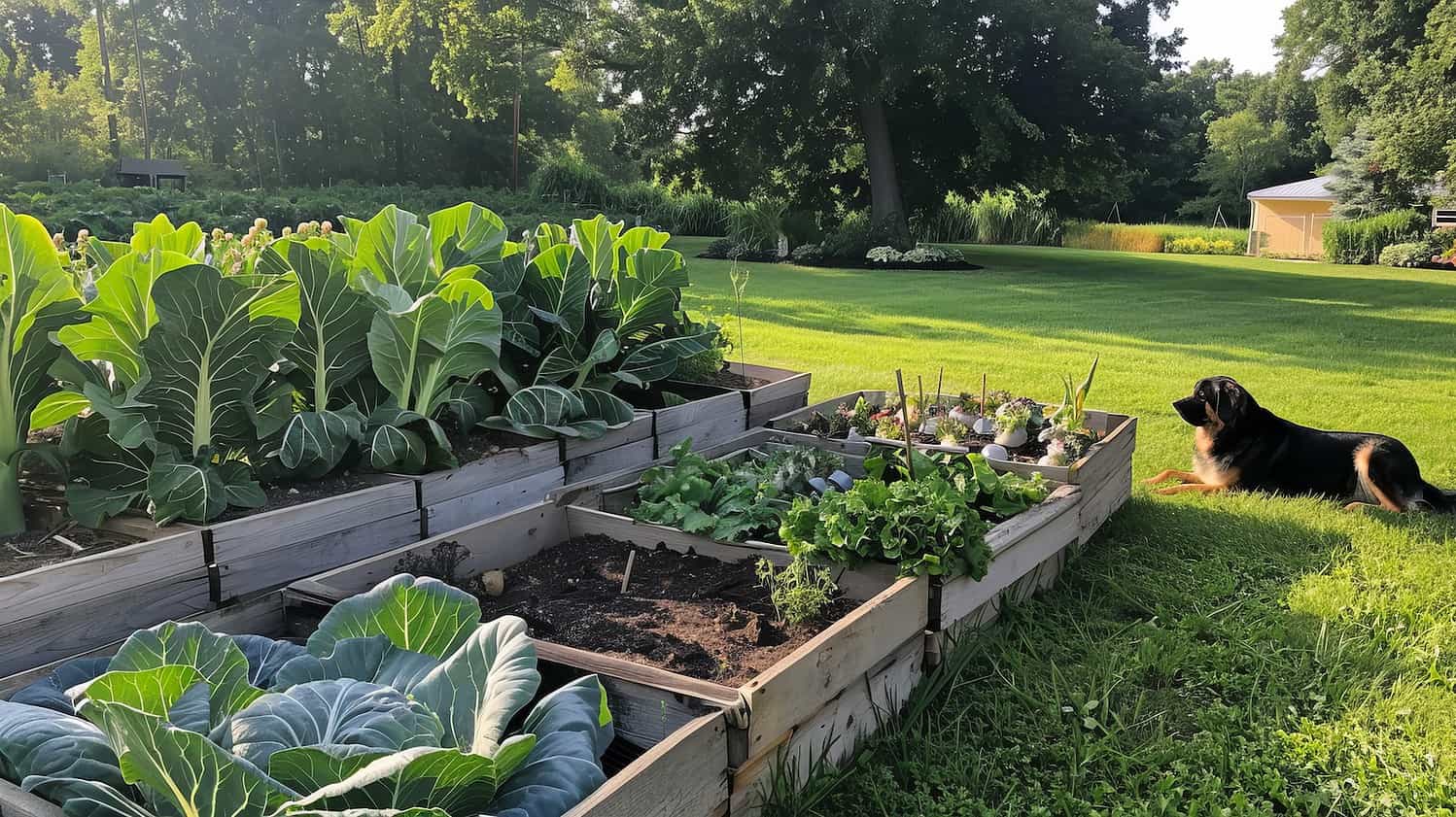
You can create raised garden beds using thin wood edges to keep things neat without spending much. Thin wood boards make a clean border that’s easy to install and gives your garden a simple, natural look.
This style works well if you want to keep the focus on your plants rather than bulky edging. Plus, it’s budget-friendly and easy to replace if needed. For more ideas, check out raised bed and edging options you can try.
Curved beds with bigger plants at corners
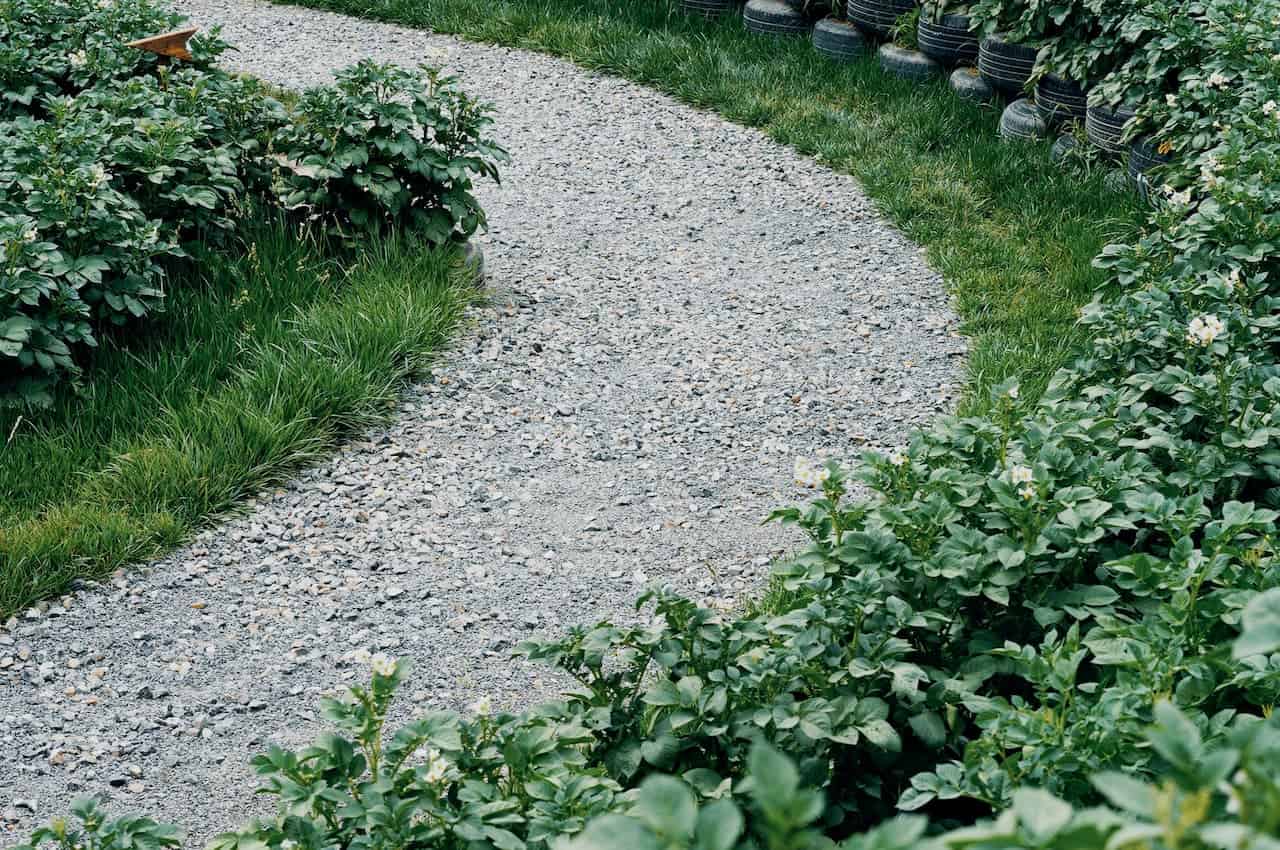
You can create smooth curves for your garden beds to add flow to your landscape. Bigger plants at the corners help anchor the design, giving it a balanced look.
This approach softens hard edges and makes your yard feel more inviting. It’s an easy way to add interest without much effort or expense. For more ideas, check out garden edging options that suit curved beds.
Recycled wine cork borders for a quirky touch

If you have a bunch of used wine corks, you can turn them into unique garden edging. Just line them up tightly along your garden bed to create a playful, textured border.
This idea works great for small spaces or narrow garden paths. It’s an easy way to reuse corks and add character without spending much. For more ideas, check out recycled garden edging options with wine corks.
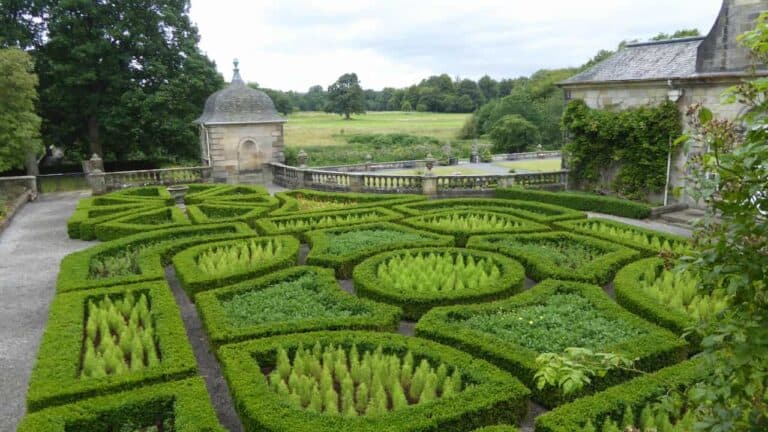
Low-growing shrubs as a green edge
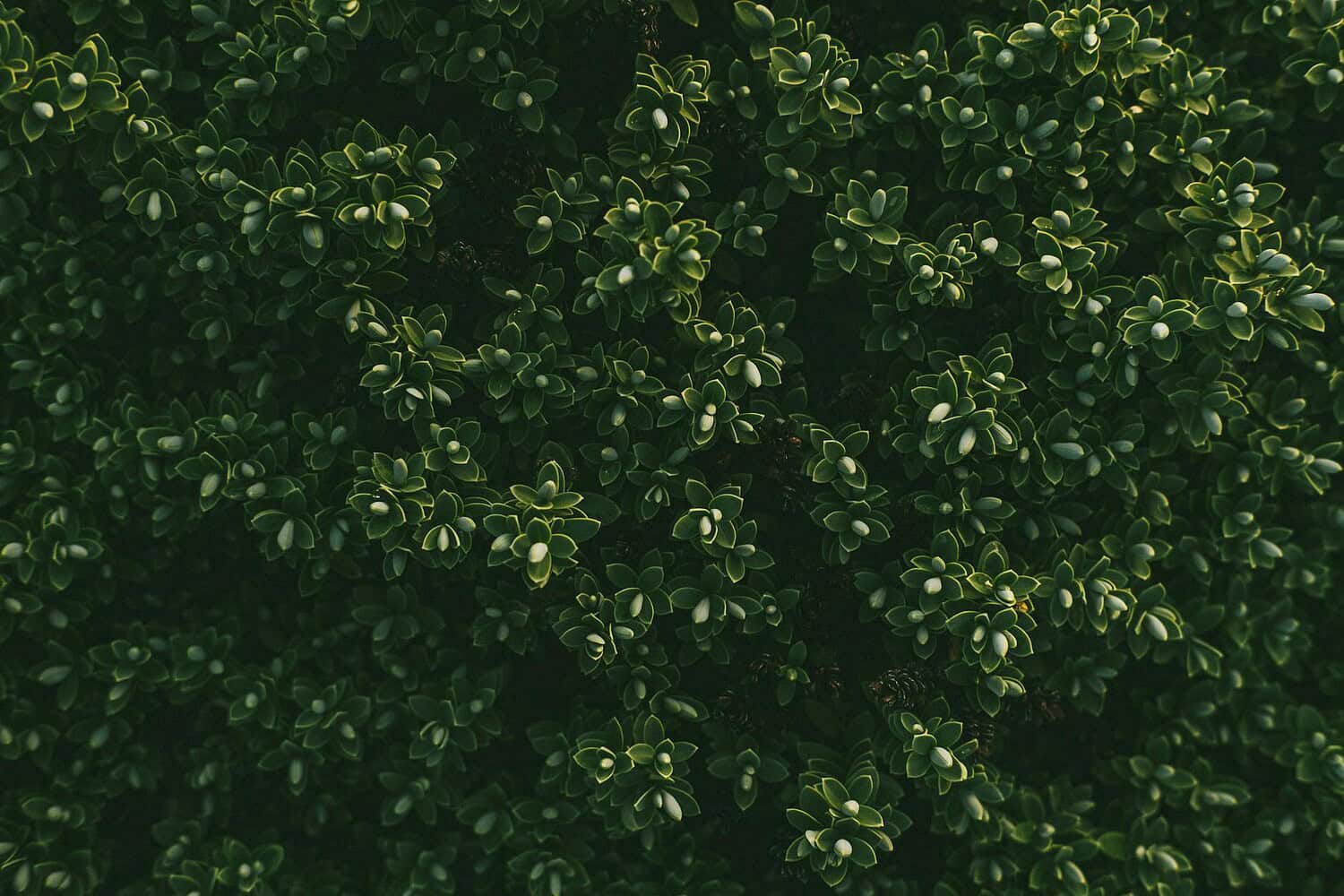
You can use low-growing shrubs like boxwood or holly to create a neat, natural border. They’re easy to shape and keep compact with regular pruning.
This type of edging adds a clean look without hard materials, and it works well for defining flower beds or pathways.
If you want something that stays green year-round, this is a simple, budget-friendly option to consider. For more ideas, check out low-growing shrub options here.
Stacked stone edging for a natural feel
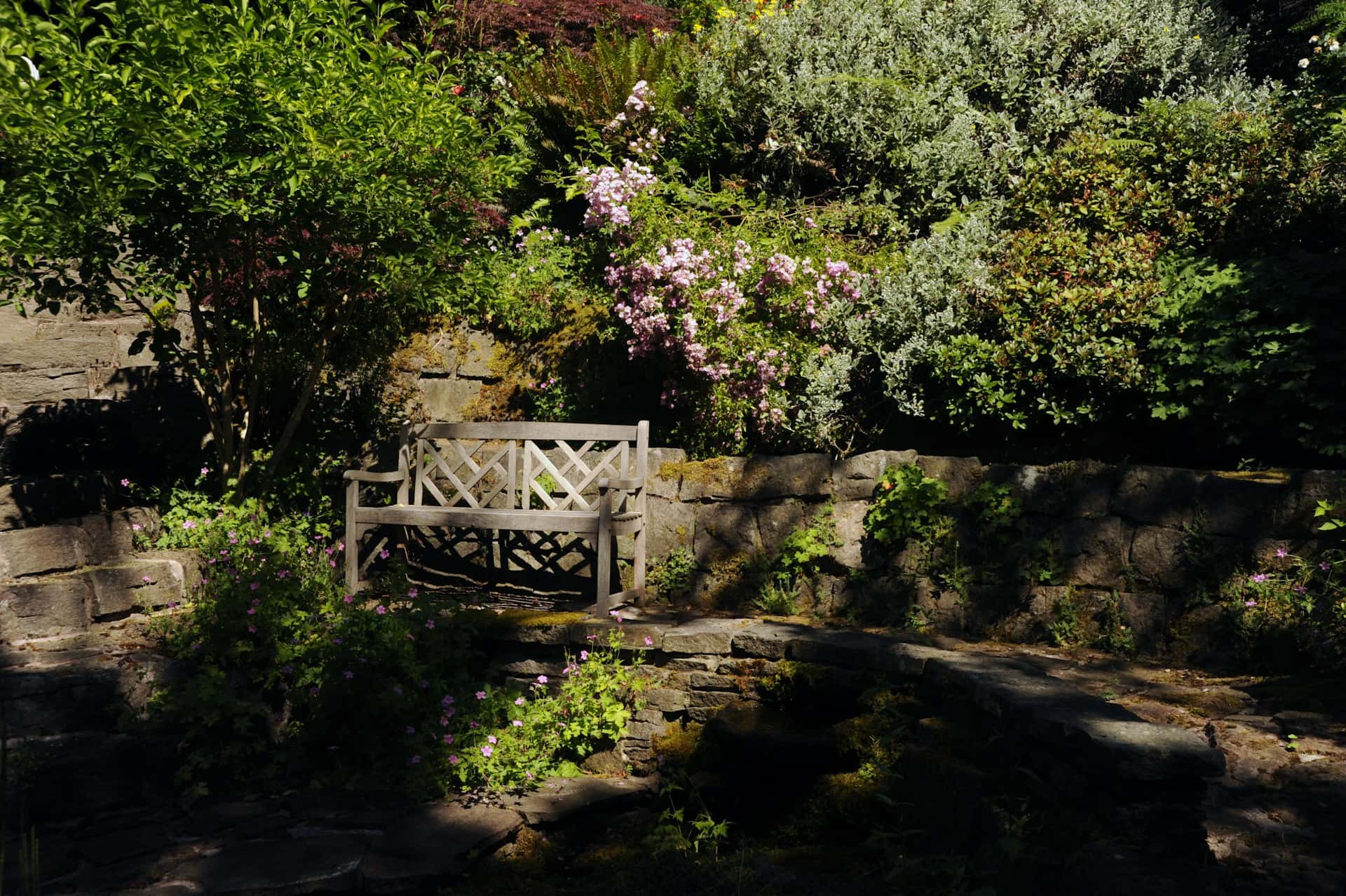
If you want an earthy, organic look, stacked stone edging works great. You just pile flat stones to create a low wall that defines your garden space.
It’s pretty simple to do yourself and doesn’t require fancy tools. Plus, it blends nicely with plants and natural surroundings for a relaxed vibe. Check out stacked stone edging ideas if you want to see examples.
DIY rope garden edge for a nautical theme
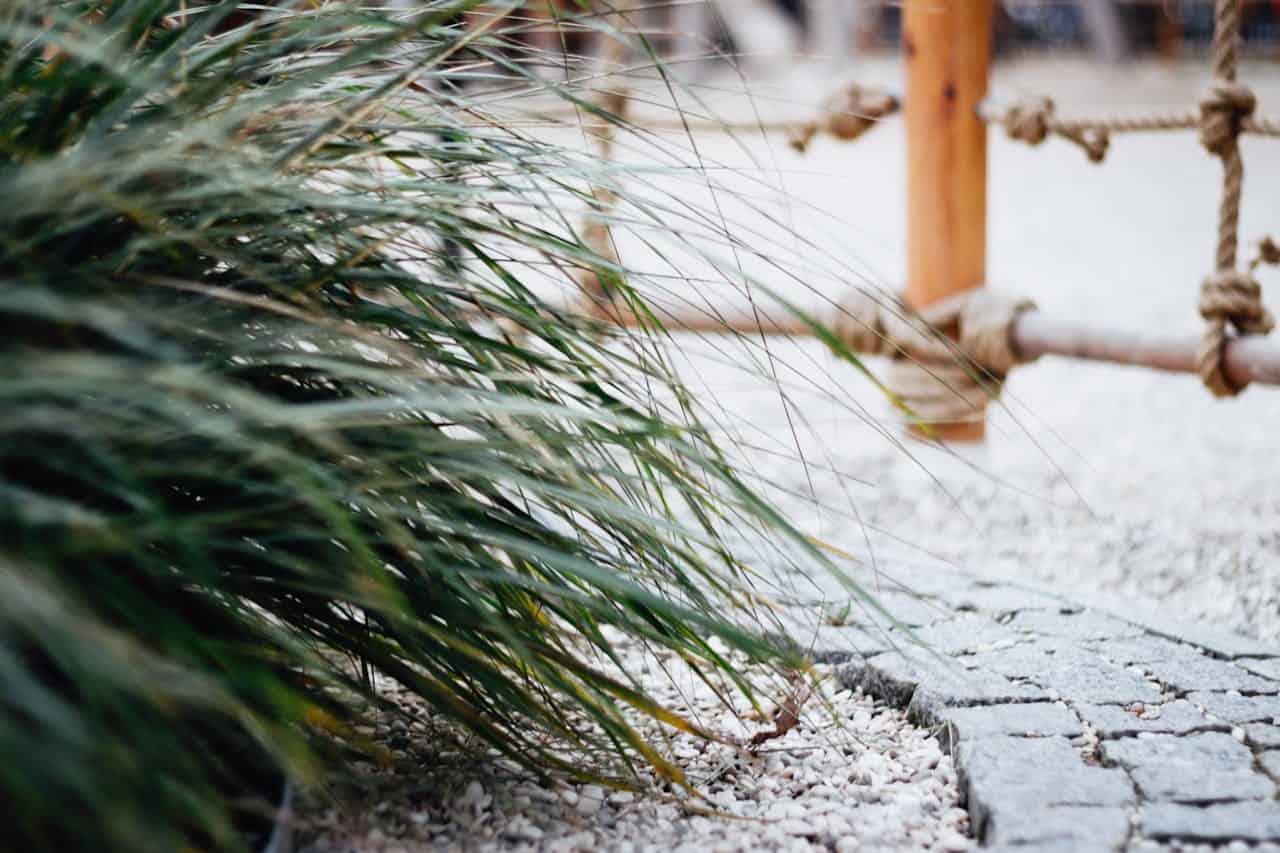
You can create a simple, coastal vibe by using thick rope as a garden border. Just secure it along your garden paths or flower beds to define the space.
This DIY project works well for any size area and can be done in a day. Pair it with nautical-style lanterns or blue-and-white decor to enhance the look. For easy instructions and tips, check out the DIY coastal rope garden border.
Corrugated metal panels for a modern twist
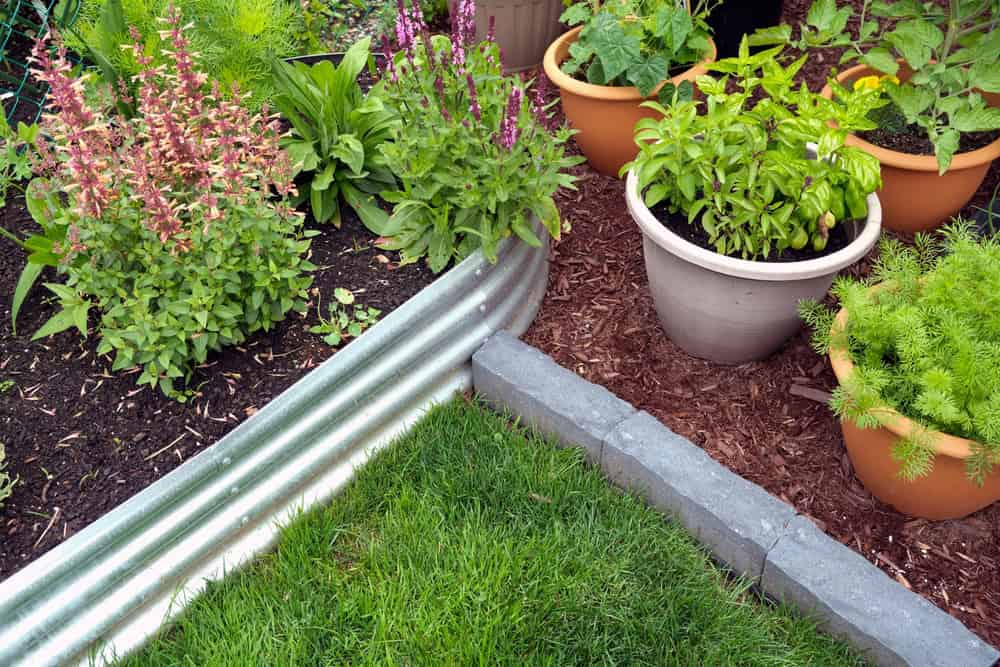
You can use corrugated metal panels to give your garden a clean, modern edge. They’re durable and weather-resistant, so they hold up well over time.
Installing them is simple—just dig a narrow trench, then place the panels in place. This option adds a sleek look without breaking the bank. Check out options like MTART Corrugated Metal Edging for sturdy materials.