Arranging furniture can feel simple, but many people unknowingly make mistakes that affect how their space looks and feels. These common errors can make rooms seem smaller, cluttered, or awkwardly balanced, even if you have great pieces.
By avoiding these mistakes, you can create a more comfortable, open, and inviting space that works well for your needs. Understanding how to place your furniture correctly helps improve flow and makes your home more enjoyable to live in.
Advertisement
Overcrowding the Room with Too Much Furniture
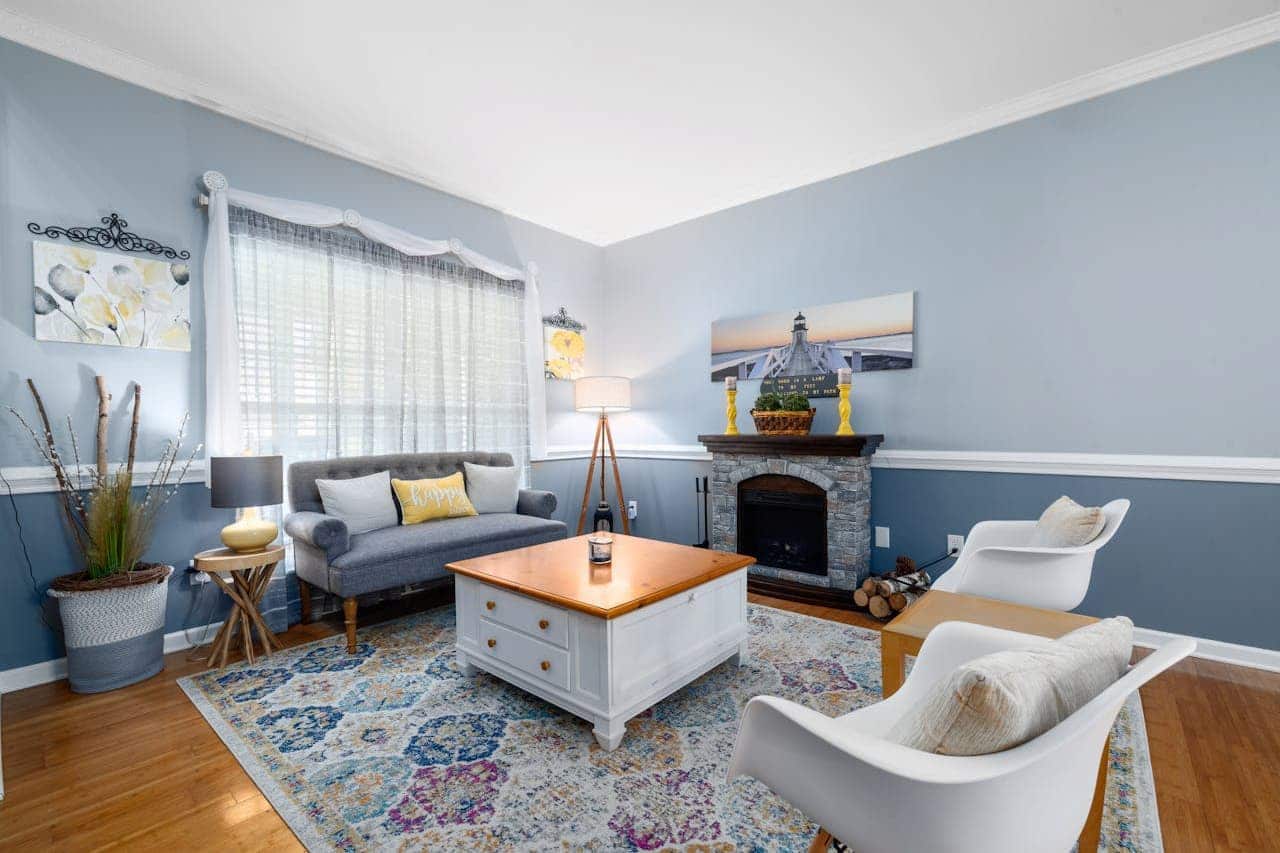
When you fill your space with too many pieces, it can quickly feel cramped and cluttered. Too much furniture makes it hard to move around and enjoy your room comfortably.
Keep only what you really need and love. This helps create an open, inviting space where everything has room to breathe.
Remember, less is often more. Choosing fewer, well-sized pieces can improve your room’s flow and make it look balanced.
Ignoring Natural Light Sources
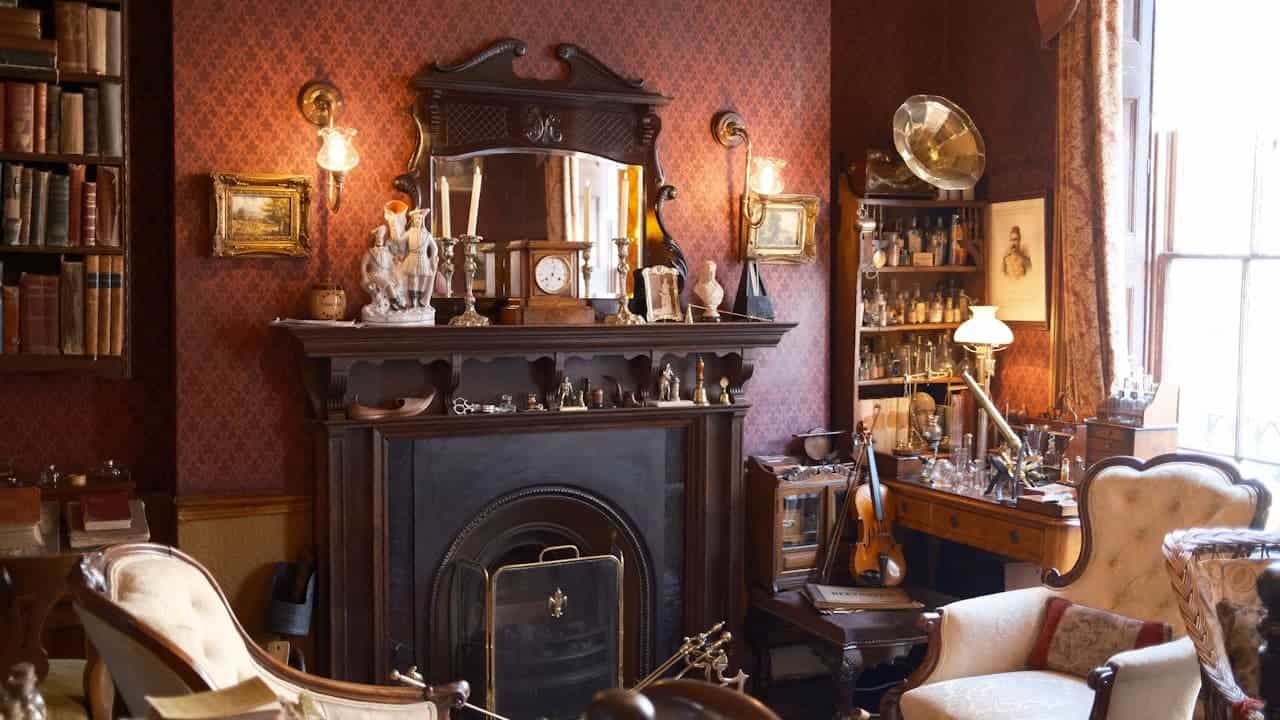
When you block windows with large furniture, you limit how much natural light fills your room. This can make the space feel darker and smaller than it really is.
Try to keep sightlines open by placing furniture away from windows. This helps light spread evenly, brightening the whole area.
Remember, natural light can make your room feel more inviting and lively without needing extra lamps. Use it to your advantage!
Blocking Traffic Flow Paths
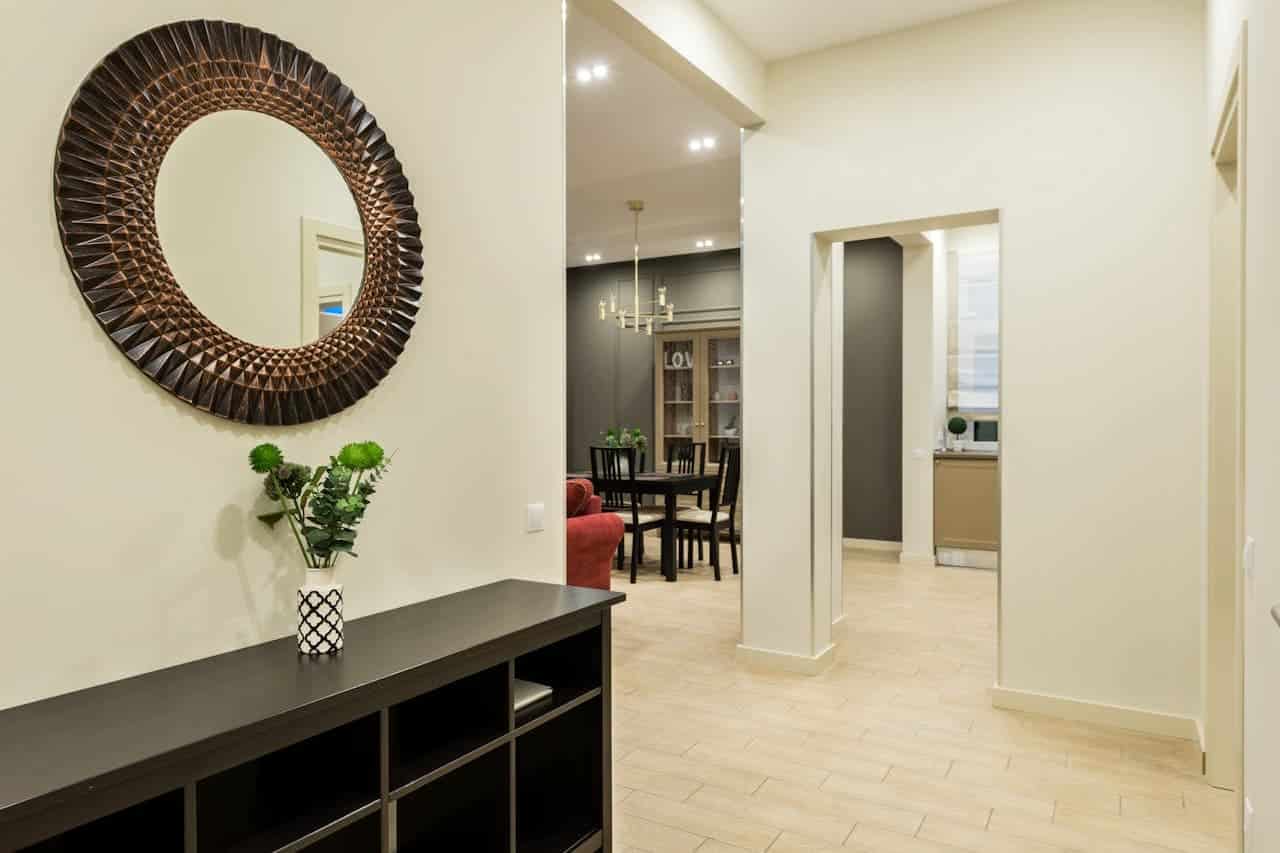
When furniture blocks pathways, it makes moving around your space frustrating. You want to keep at least 30 to 36 inches clear for easy passage.
Avoid placing large pieces where people naturally walk, like near doorways or between rooms.
Even small obstacles, like a coffee table in tight spots, can disrupt flow. Try to arrange furniture so it guides movement, not stops it.
Pushing All Furniture Against the Walls
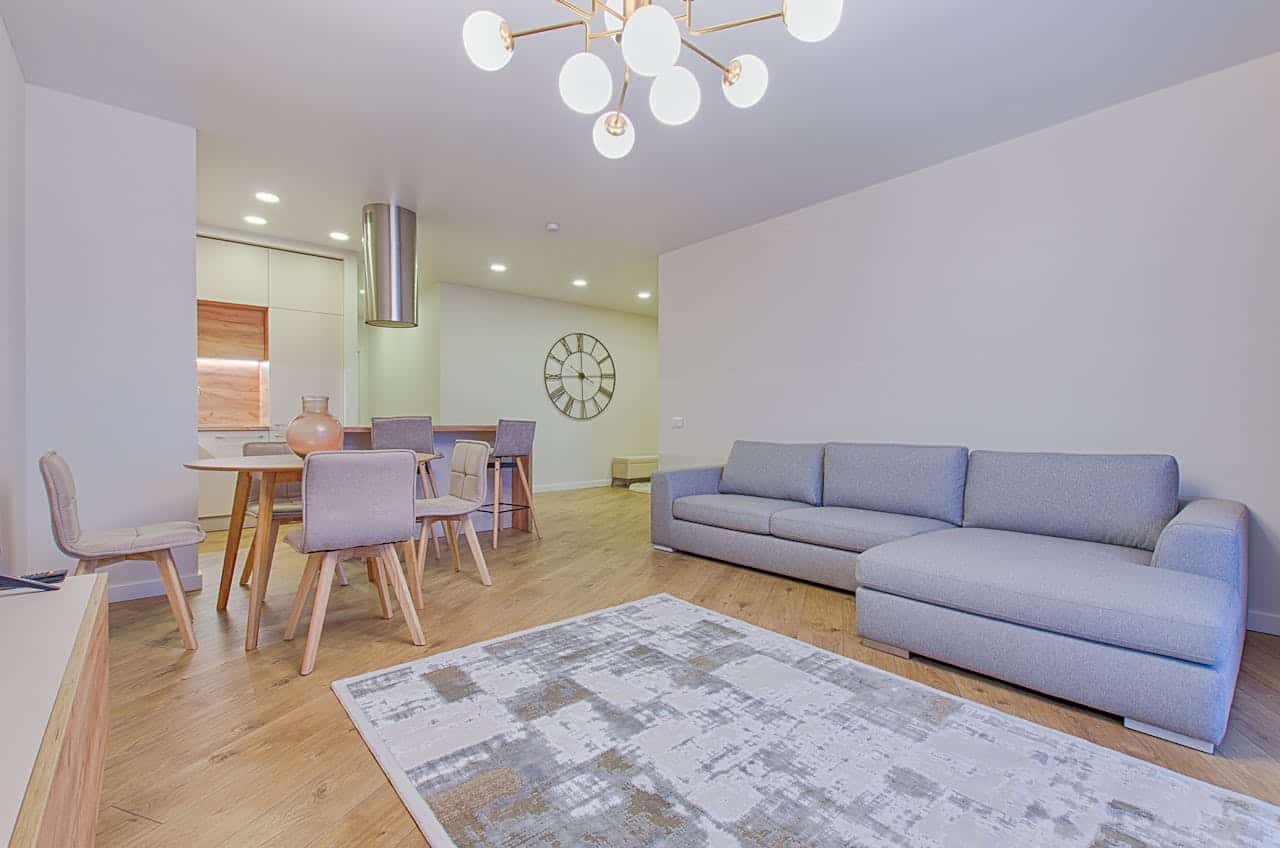
When you push all your furniture against the walls, your room can start to feel empty and uninviting. This layout often leaves a large, barren space in the center that lacks warmth and coziness.
Bringing furniture away from the walls creates a more intimate and balanced arrangement. It helps define conversation areas and makes your space feel more connected.
Floating furniture also lets you use rugs to anchor your seating, adding texture and visual interest to your room. Try pulling pieces together and see how much better your room flows.
Placing Furniture Without a Focal Point
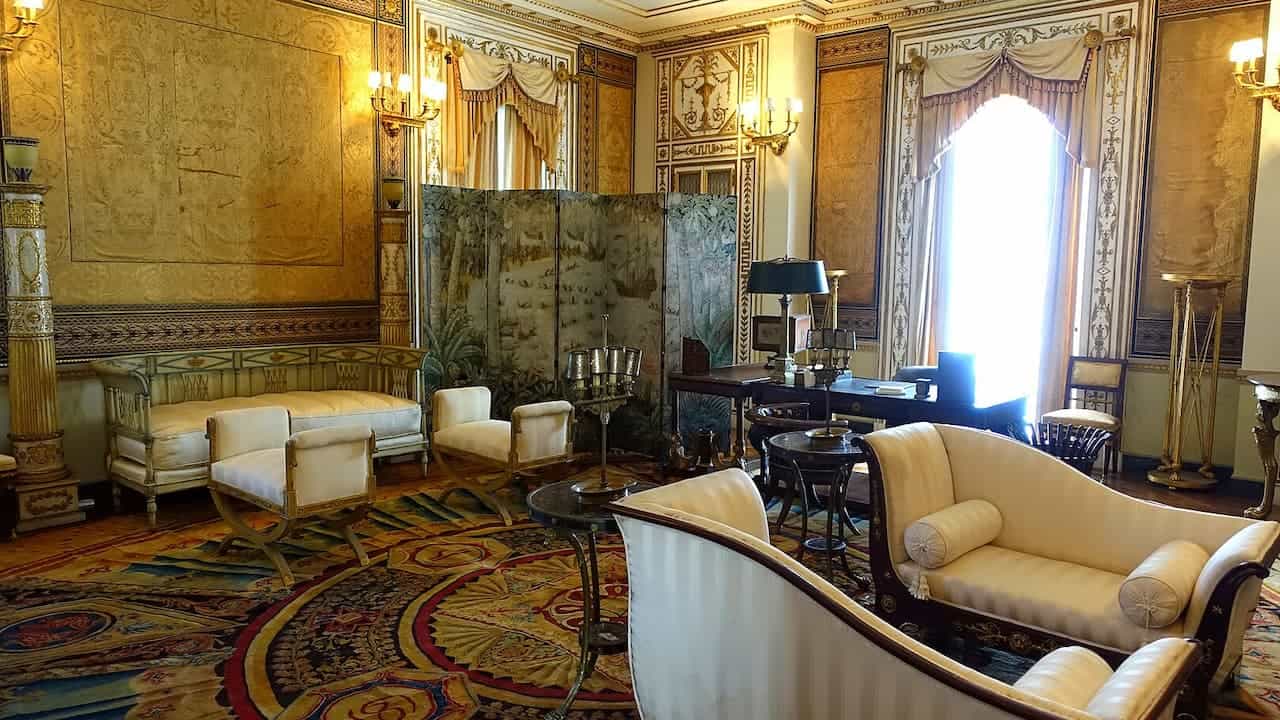
When you place furniture without a clear focal point, your room can feel scattered and unorganized. Your eye won’t have a natural place to rest, making the space seem smaller and less inviting.
Try to create a focal point, like a statement chair, a fireplace, or a bold piece of art. This helps guide the layout and brings everything together. Your room will feel balanced and more purposeful.
Using Rugs that are Too Small or Too Large
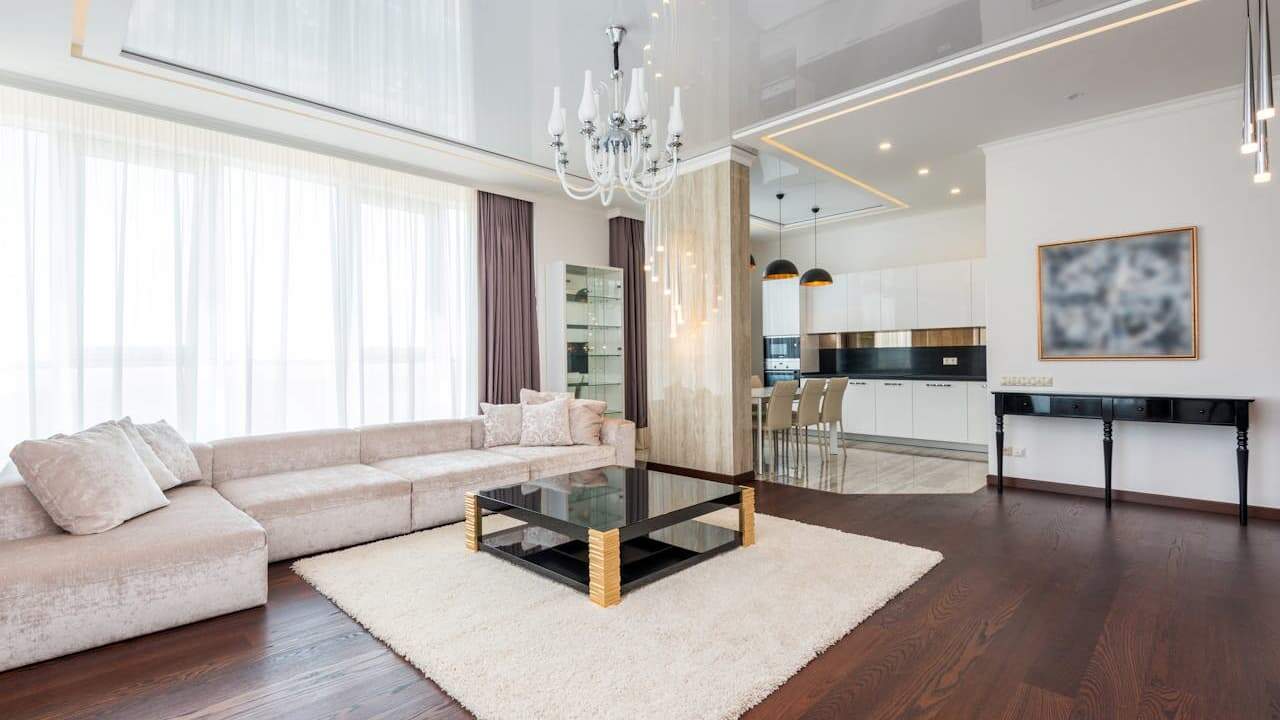
You might think a small rug can fit anywhere, but it often leaves your room feeling disconnected. When a rug is too small, it doesn’t properly anchor your furniture, causing the space to look off balance.
On the other hand, a rug that’s too large can overwhelm your room and make it feel crowded. Choose a rug size that fits the furniture, with enough room to extend beyond the edges, especially under key pieces like sofas or dining tables. This helps create a cohesive and inviting space.
Not Creating Multiple Seating Zones in Large Rooms
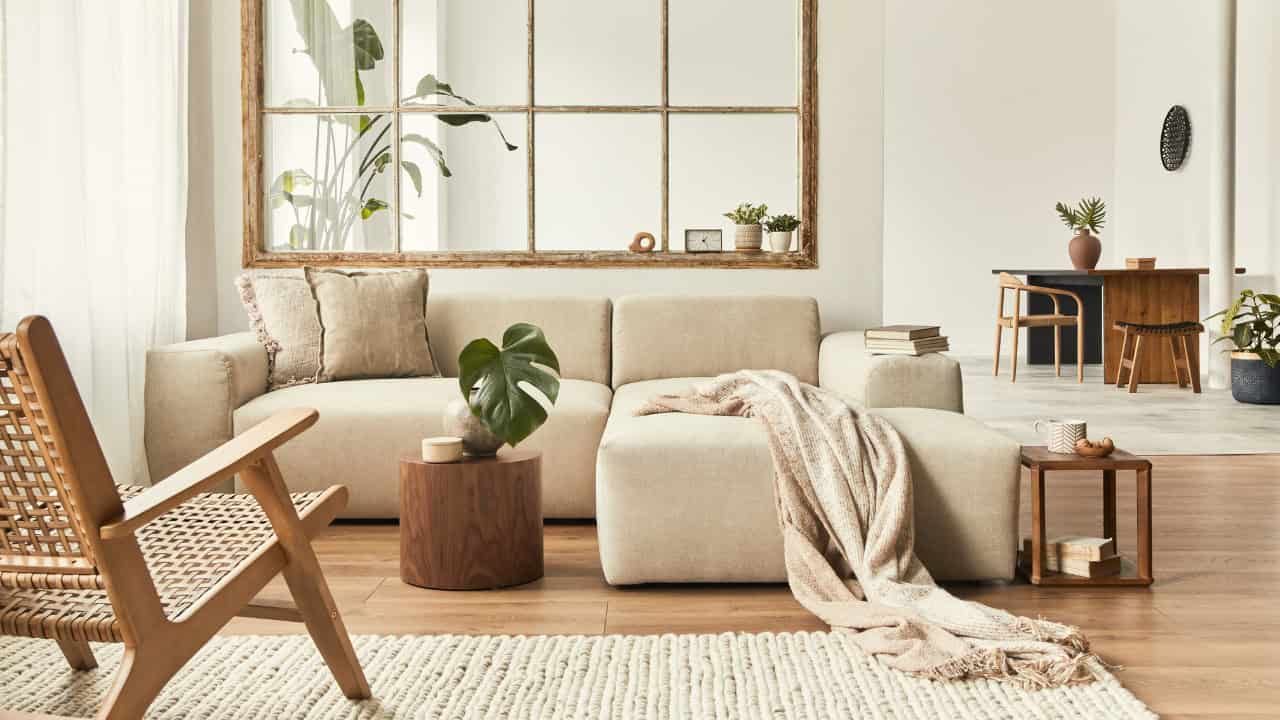
If your room is large, leaving one big open seating area can make the space feel empty and less inviting. Instead, try dividing the area into smaller zones to encourage conversation and comfort.
You can create distinct spots by grouping furniture in clusters. This makes your room more functional and helps guests feel welcome.
Think of your space as several little rooms within one. This approach adds interest and better traffic flow.
Ignoring the Scale and Proportion of Furniture
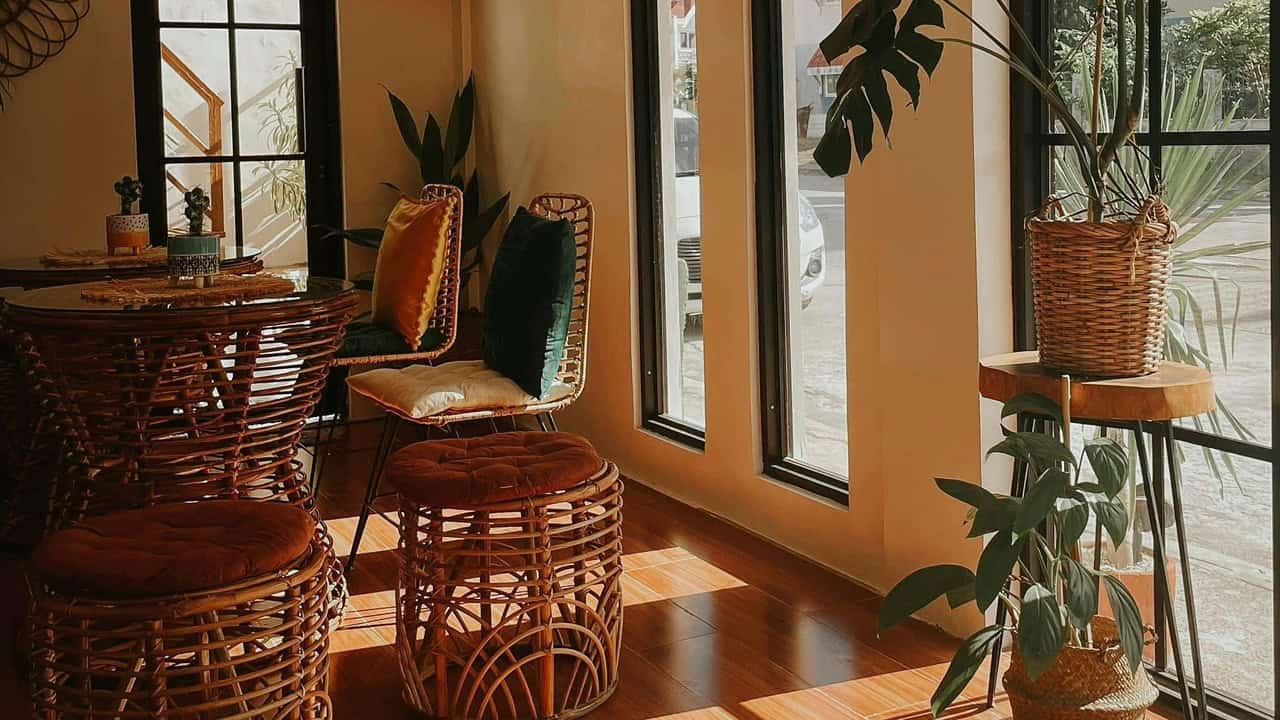
When you choose furniture that’s too big, it can overwhelm your room and make it feel cramped. On the other hand, pieces that are too small might leave your space feeling empty and disconnected.
Think about the size of your room before buying. Matching the scale of your furniture to the room’s dimensions helps keep everything balanced and comfortable.
Pulling furniture away from walls and arranging it thoughtfully can also improve flow and make your space feel more open.
Placing Furniture Too Close to Windows
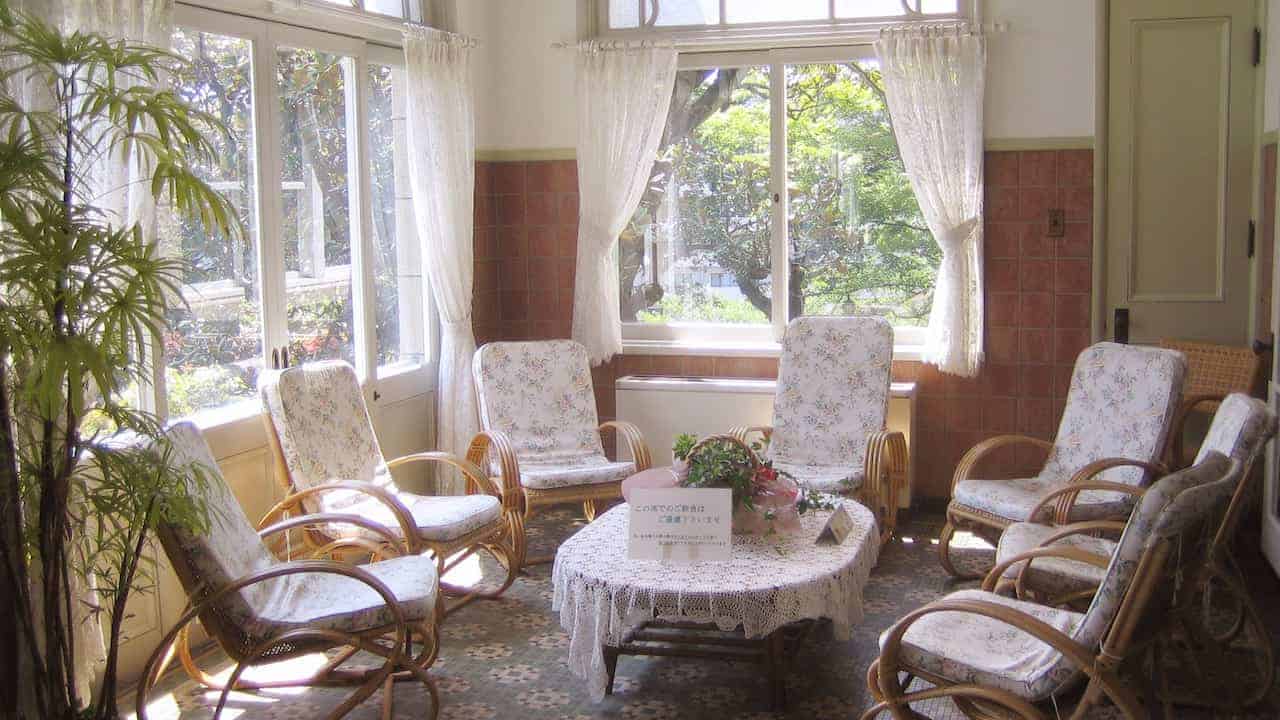
When you put large pieces of furniture right up against windows, it can block natural light and make your room feel darker.
Try to keep furniture a bit away from windows to let light flow freely. This also helps maintain good airflow and keeps the space feeling open.
Using smaller or lower furniture near windows, like benches or coffee tables, allows you to enjoy the view without blocking light.
This simple adjustment can improve both the look and function of your room.
Neglecting Spaces for Easy Movement
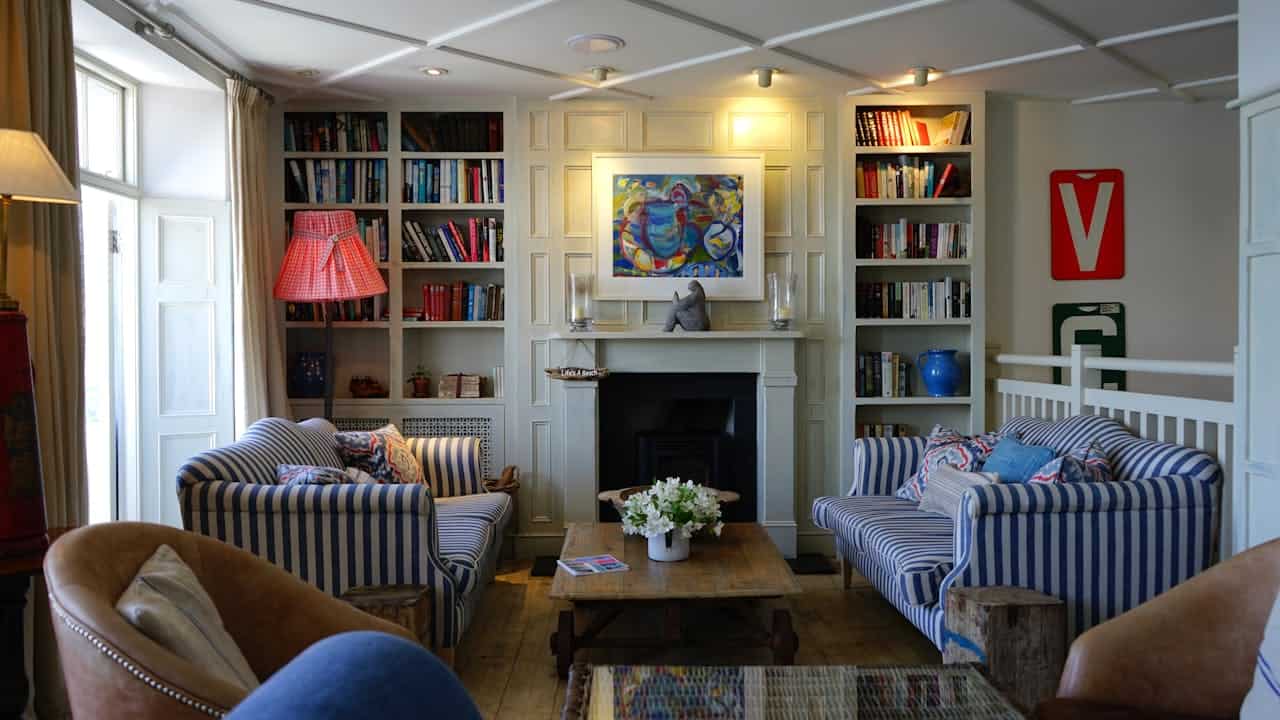
You want to make sure there’s enough space to walk around your furniture comfortably. Crowding a room can make it feel smaller and harder to navigate.
Leaving clear pathways helps prevent accidents and keeps the room functional. Aim for at least two to three feet of walking space between pieces.
Remember, furniture doesn’t have to be pushed against the walls. Floating pieces can open up the flow and make moving around easier.
Overlooking the Importance of Conversation Areas
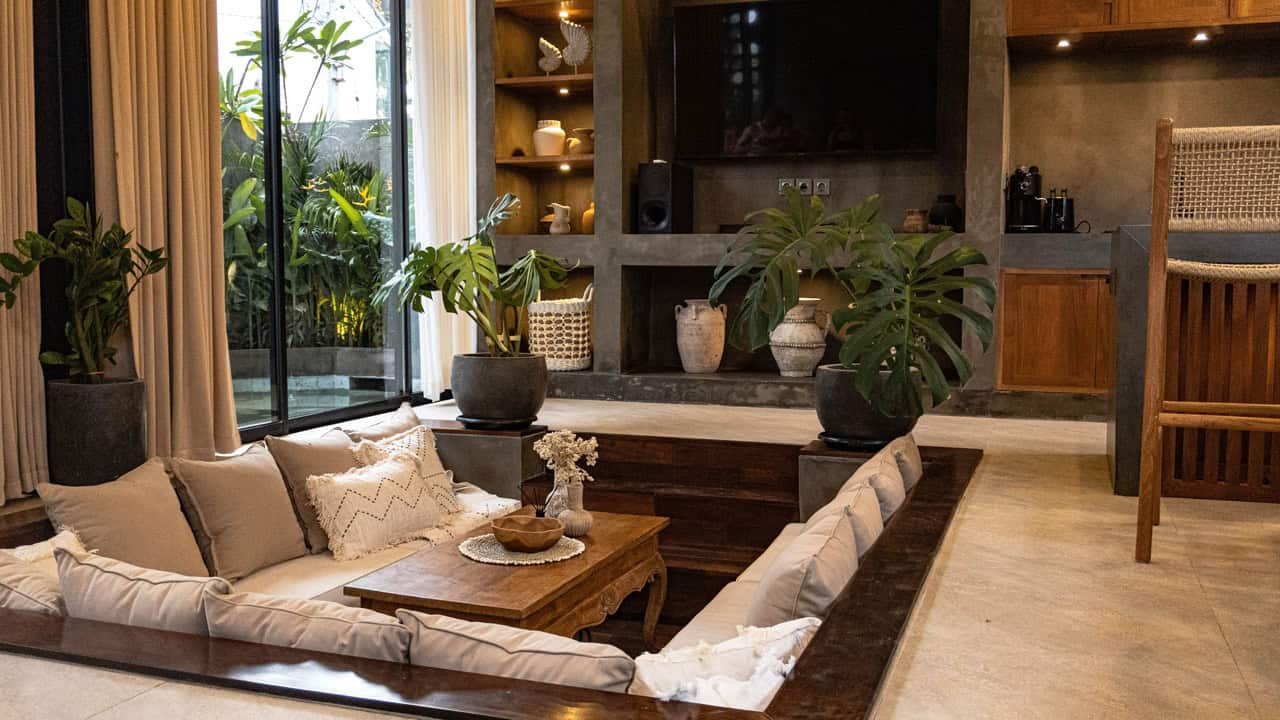
You might focus on filling your room with furniture but miss how it affects social interaction. Conversation areas are key to making your space inviting and practical.
Position your seating so people can talk comfortably without straining their necks or raising their voices. This creates a natural flow and helps everyone feel included.
Don’t forget to arrange furniture in a way that encourages connection, not isolation. Your room should invite easy and relaxed conversation.
Positioning TV or Screens Without Considering Glare
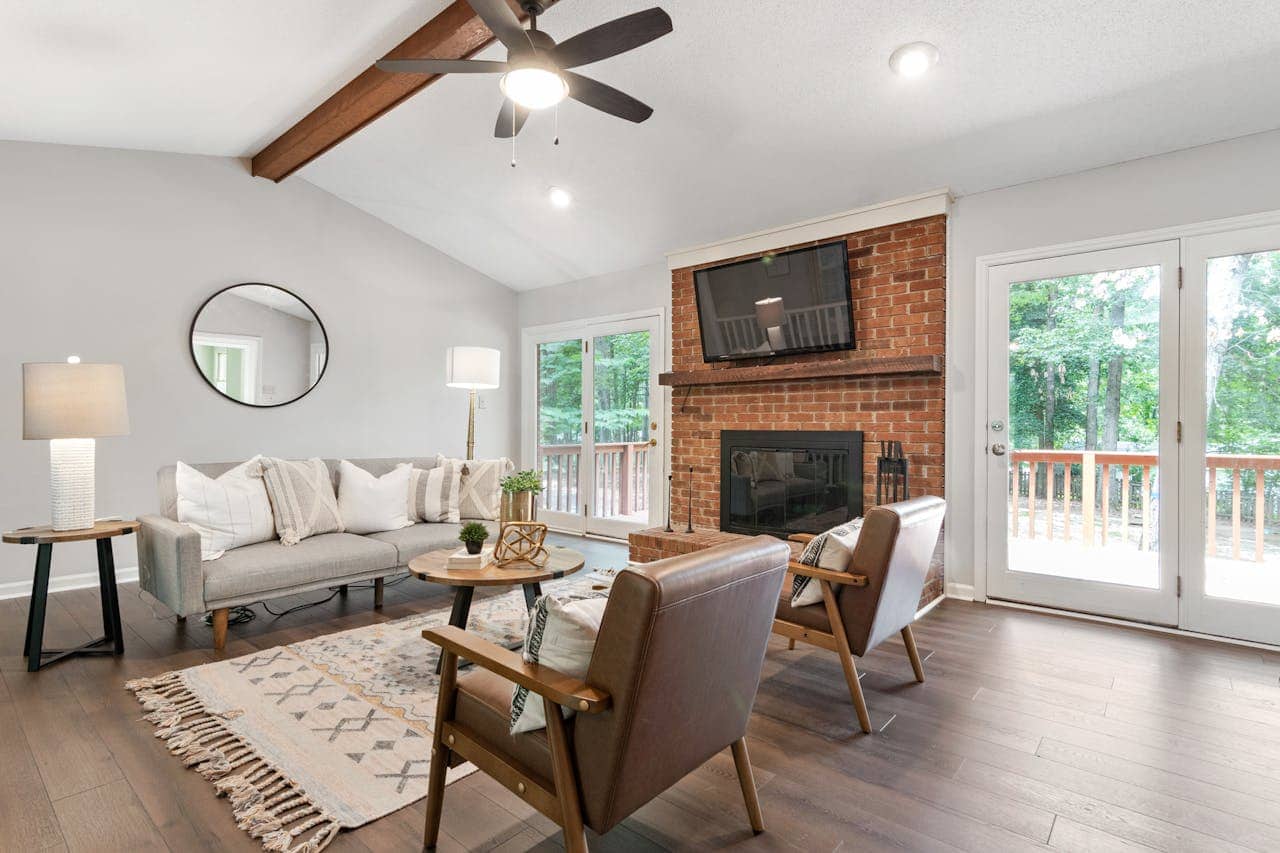
If you place your TV opposite a window or where sunlight hits directly, glare can make it hard to see the screen clearly. This can cause eye strain and frustrate your viewing experience.
Try to position your TV away from direct light sources. Using curtains or blinds can also help reduce glare during bright times of the day.
Remember, your seating and TV should be arranged so you don’t have to squint or shift to avoid reflections. This simple step makes watching more comfortable.
Arranging Furniture to Face the Door
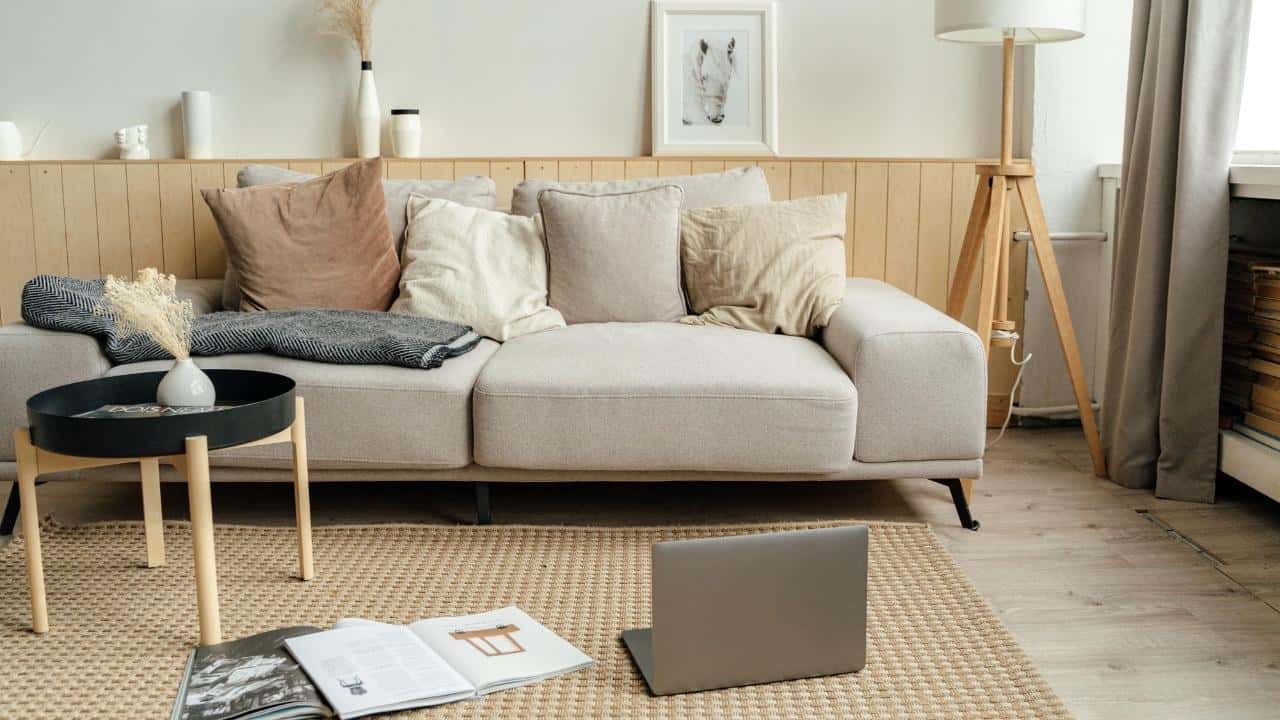
You might think positioning furniture to face the door invites warmth and welcome. However, placing seats directly in line with the door can cause energy to feel unsettled and distract from a cozy atmosphere.
Instead, angle your furniture slightly away from the door. This creates a more inviting space and encourages natural conversation. It also helps maintain a comfortable balance between openness and privacy in your room.
Forgetting to Balance Furniture Distribution
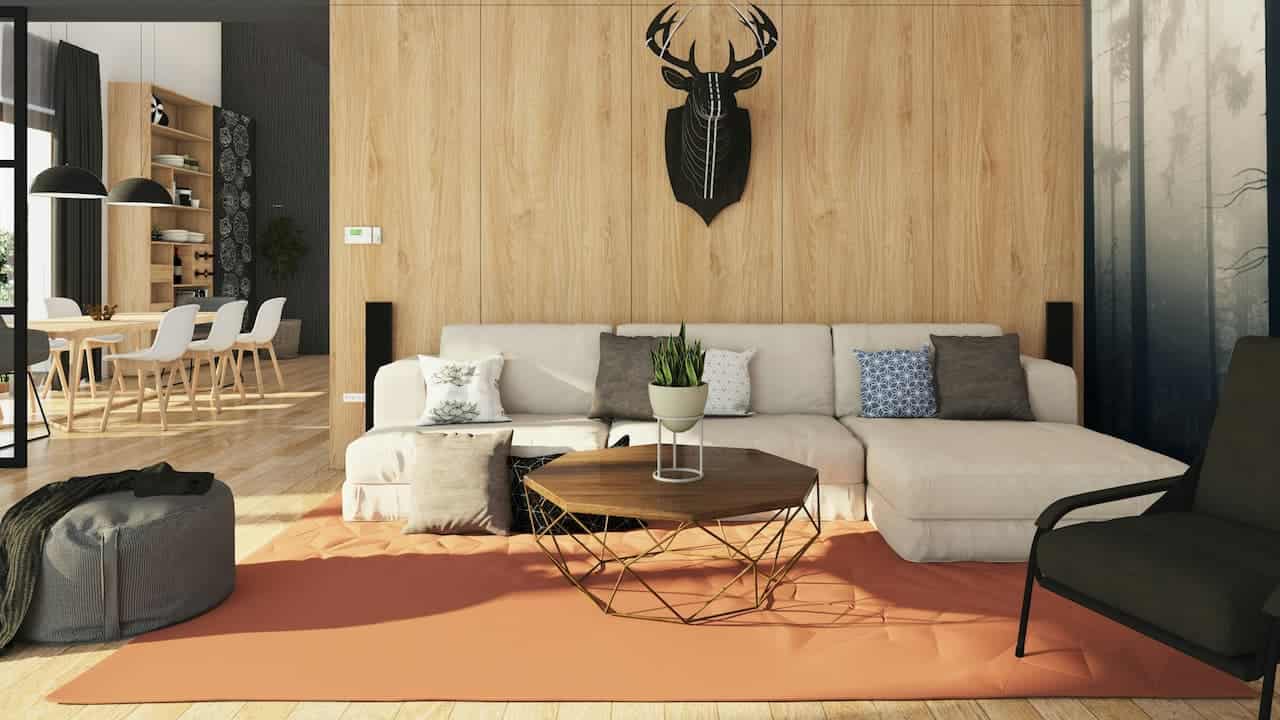
When arranging your furniture, avoid placing all pieces on one side of the room. This unbalances the space and can make it feel cramped or lopsided.
Try to spread your furniture evenly to create a natural flow. This helps your room feel open and inviting.
Balanced furniture placement also makes it easier to move around and use the space comfortably. Remember, symmetry isn’t always necessary, but visual balance is key.
Placing Furniture on Carpets Incorrectly
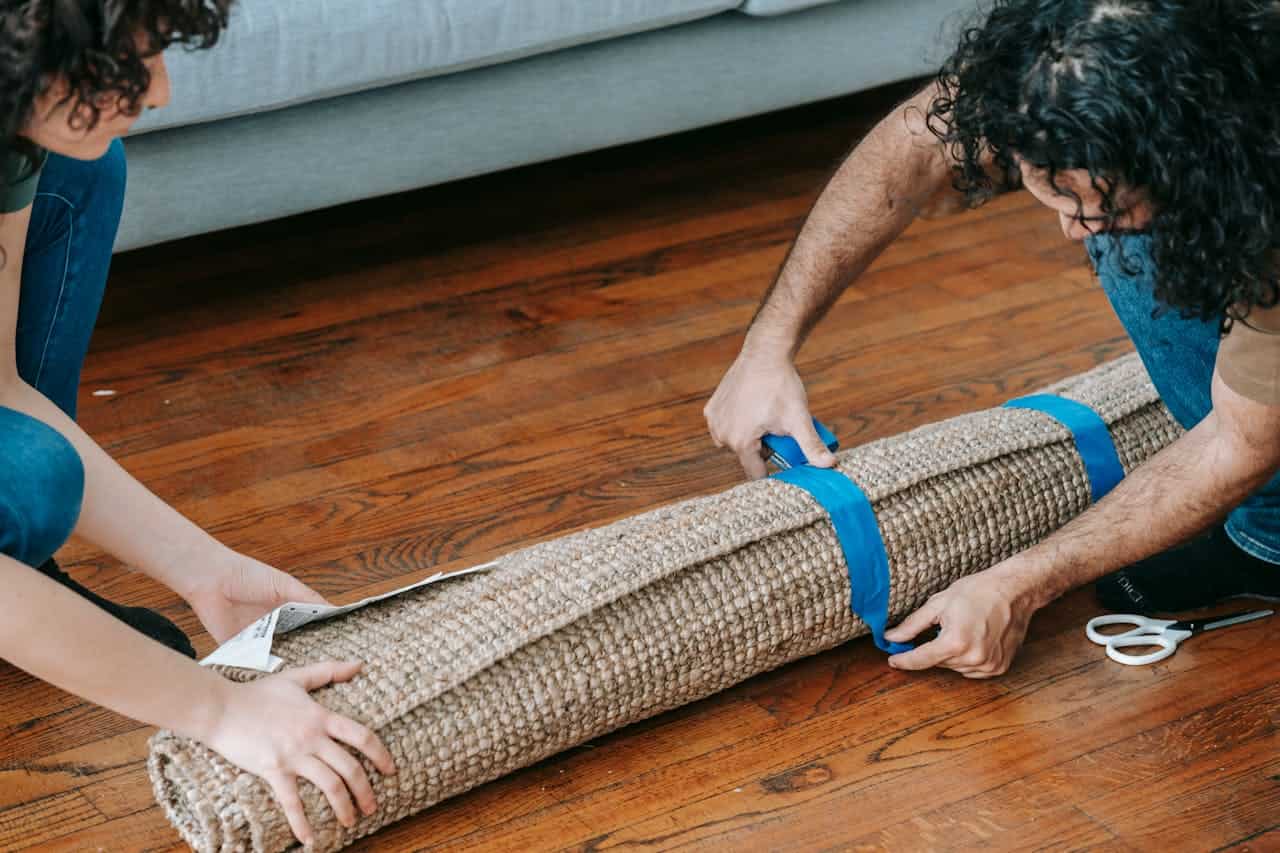
When you put furniture on a new carpet too soon, it can leave permanent dents. Give your carpet time to settle before moving heavy pieces onto it.
Avoid placing furniture entirely on the carpet edges. Instead, position furniture so there’s space around the carpet, helping maintain its shape and appearance.
You can also try placing only the front legs on the carpet while the back legs rest on the floor. This keeps the room balanced and prevents damage to the carpet.
Why Furniture Placement Matters
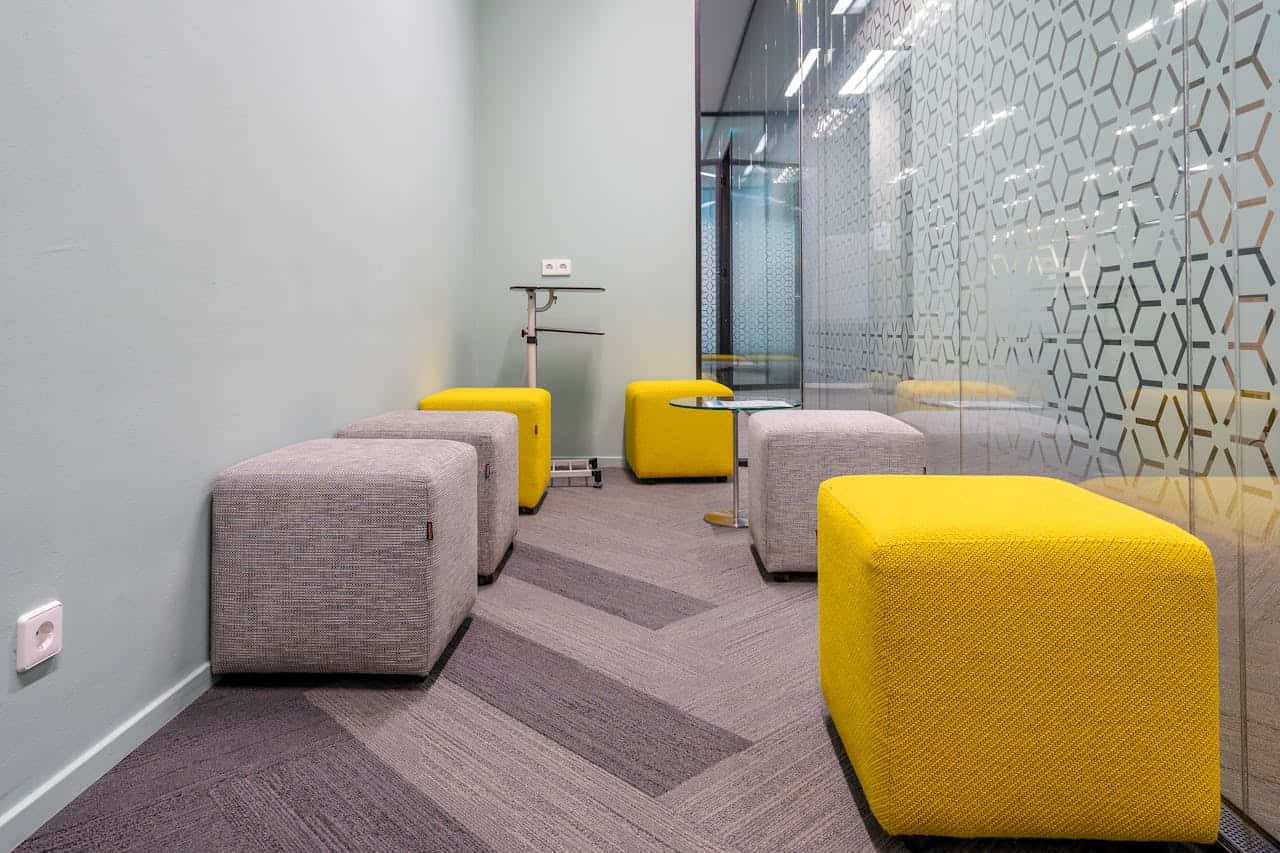
How you place your furniture affects how you use your space and the feeling you get when moving through it. Thoughtful placement helps you make the most of your room’s purpose and keeps everything comfortable and easy to navigate.
Impact on Room Functionality
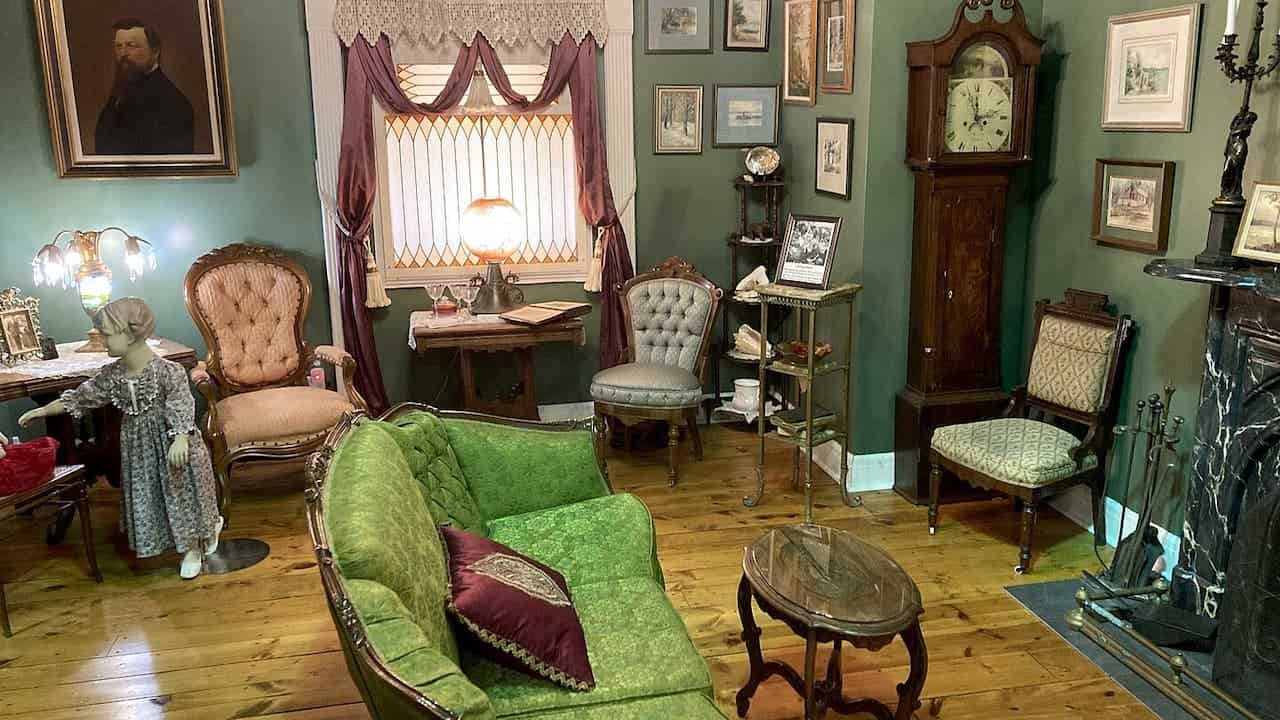
When furniture blocks key pathways, your room stops working well for daily activities. For example, if you place a sofa too close to a door, it can limit access or cause awkward detours.
You want to arrange pieces so each area has a clear function — like a reading nook or conversation zone — without things feeling cramped. Pulling furniture slightly away from walls can open up your room and encourage better use of space.
Think about where you’ll walk, reach, and interact. Your setup should support these actions without forcing you to squeeze around or feel boxed in.
Influence on Comfort and Flow
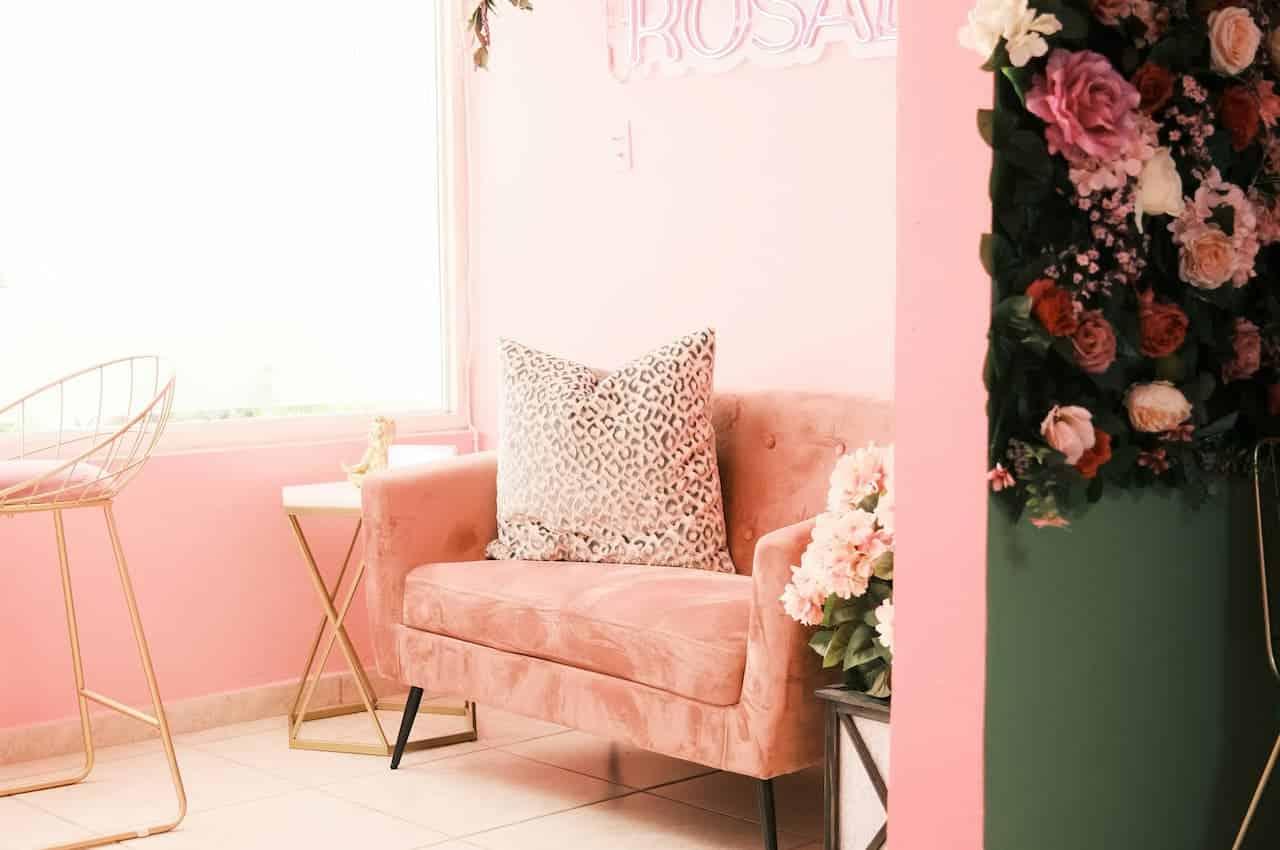
Good furniture placement helps your room feel inviting and easy to move through. Crowded or unbalanced arrangements can create discomfort and cut off social interaction.
Creating distinct clusters—like grouping chairs around a coffee table—encourages conversation and relaxation. Make sure there’s enough space between pieces for people to walk comfortably, ideally aiming for 24 to 36 inches between major furniture items.
Avoid putting everything against the walls or making a “floating” rug with only one piece on it, as this breaks the flow and feels awkward. Instead, anchor your furniture with appropriately sized rugs and thoughtful spacing to build a welcoming atmosphere.
How to Fix Common Layout Problems
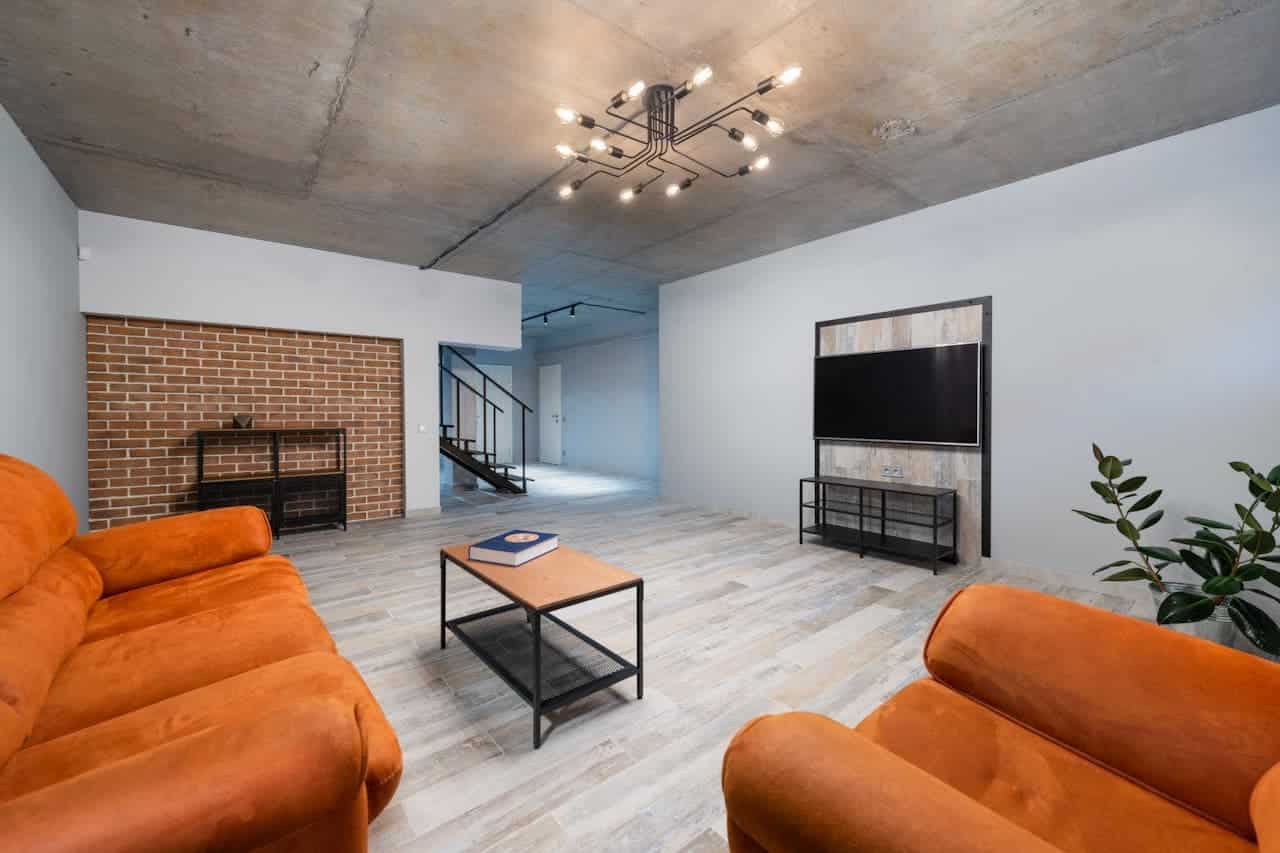
Fixing furniture layout issues means paying attention to the space you have and creating a sense of balance. You’ll want to make sure every item fits well without crowding or awkward gaps. Arranging your furniture to suit your room size and keeping visual balance are key.
Optimizing for Different Room Sizes
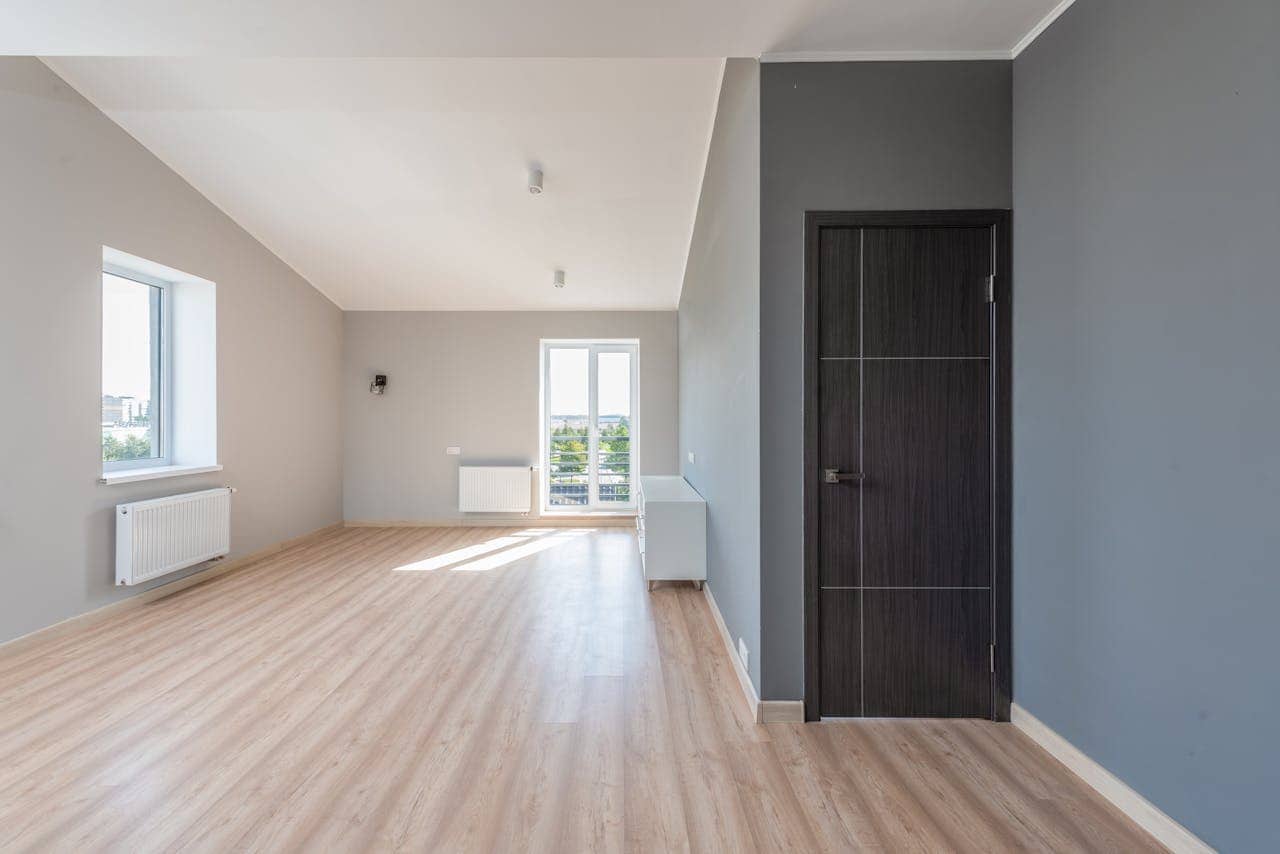
In small rooms, avoid crowding by selecting proportionate furniture. Use pieces that serve multiple purposes, like ottomans with storage. Keep pathways clear—leave at least 3 feet of walking space around furniture to maintain flow.
In larger rooms, don’t push all furniture against the walls. Pull your sofa or chairs toward the middle to create cozy conversation areas. Group your furniture in a way that defines spaces, like using rugs or lighting to anchor seating zones.
Try floating some pieces away from the walls to make the room feel balanced and inviting, rather than empty or awkward.
Using Visual Balance
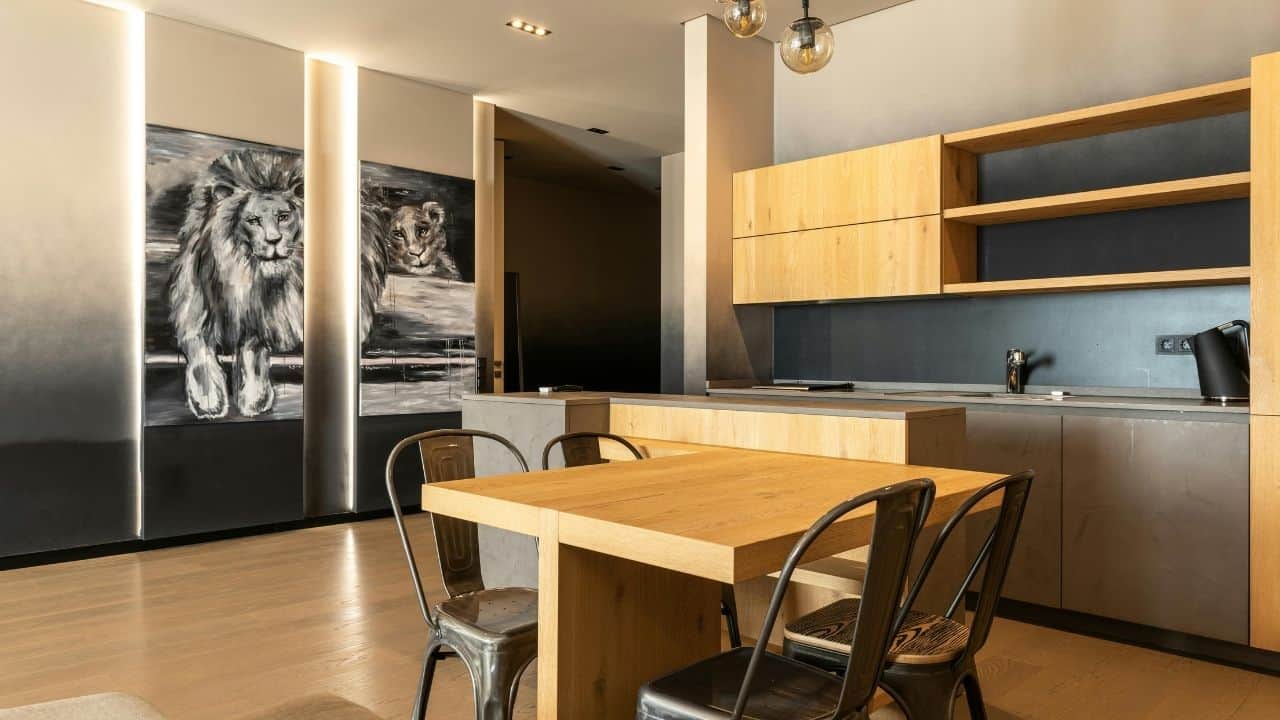
Balance your furniture placement by mixing larger, heavier pieces with smaller items. Place a bulky sofa opposite lighter chairs to avoid uneven visual weight.
Use symmetry when it works, like matching lamps on either end of a console table. You can also create balance with contrasting shapes and colors, which keeps your room interesting.
Pay attention to sightlines. Avoid blocking windows or doorways with furniture, and keep surfaces clutter-free to help the space feel open and well-arranged.