In a global economy, our food comes from all corners of the world. This means that international trade policies can have a direct impact on our weekly grocery bill. Recently, due to various economic and political factors, some fruits and vegetables have been hit with tariffs that are causing their prices to soar.
With health experts continuously emphasizing the importance of a diet rich in fruits and vegetables, these price hikes could have a significant impact on our wallets and our health. Let’s take a look at 15 fruits and veggies that are currently facing tariff price hikes.
Advertisement
1. Apples
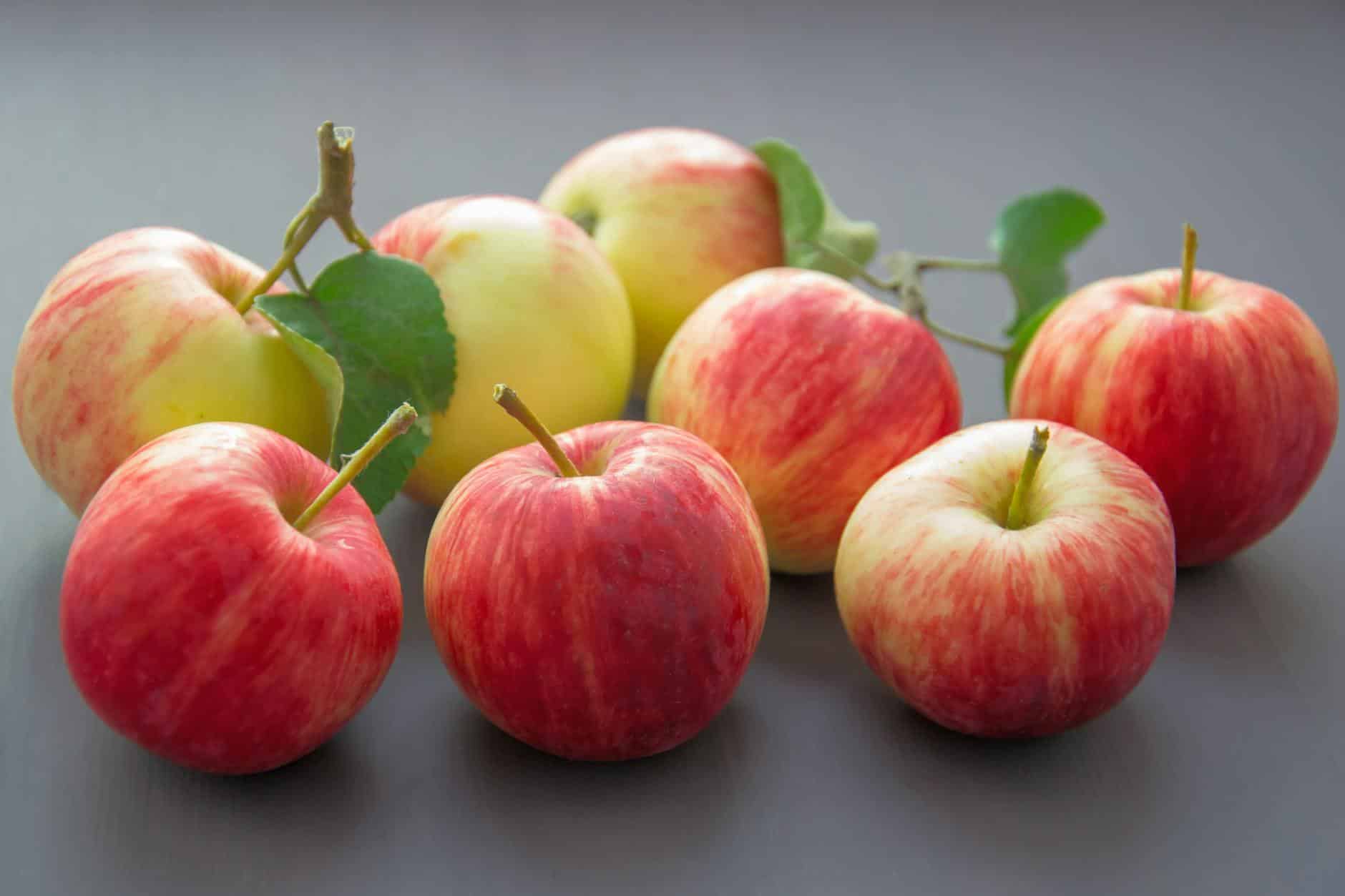
Apples, one of the most consumed fruits around the world, are now facing a tariff hike. These price increases are a result of trading conflicts between the United States and countries like China and Mexico.
The apple industry is a significant part of the U.S. agriculture sector, and these tariffs can have a devastating impact on farmers. For consumers, this can mean higher prices at the grocery store. As a practical tip, consider supporting local apple growers who may not be as affected by these tariffs.
2. Oranges

Citrus fruits, especially oranges, are another casualty of the ongoing trade wars. The United States, being one of the largest producers of oranges, is feeling the squeeze as China imposes tariffs on U.S. agricultural products.
For consumers, this could mean an increase in the price of not only fresh oranges but also products like orange juice. It may be worth exploring other vitamin C-rich alternatives like strawberries or bell peppers, which are not currently facing the same tariff challenges.
3. Avocados

The avocado, the darling of brunch enthusiasts and health-conscious eaters, is facing potential tariff hikes due to political tensions between the United States and Mexico.
These tariffs could have a significant impact on the price of avocados, making this nutritious fruit less affordable for many consumers. As a practical measure, consider planning your avocado purchases around their growing season, when prices are generally lower.
4. Tomatoes
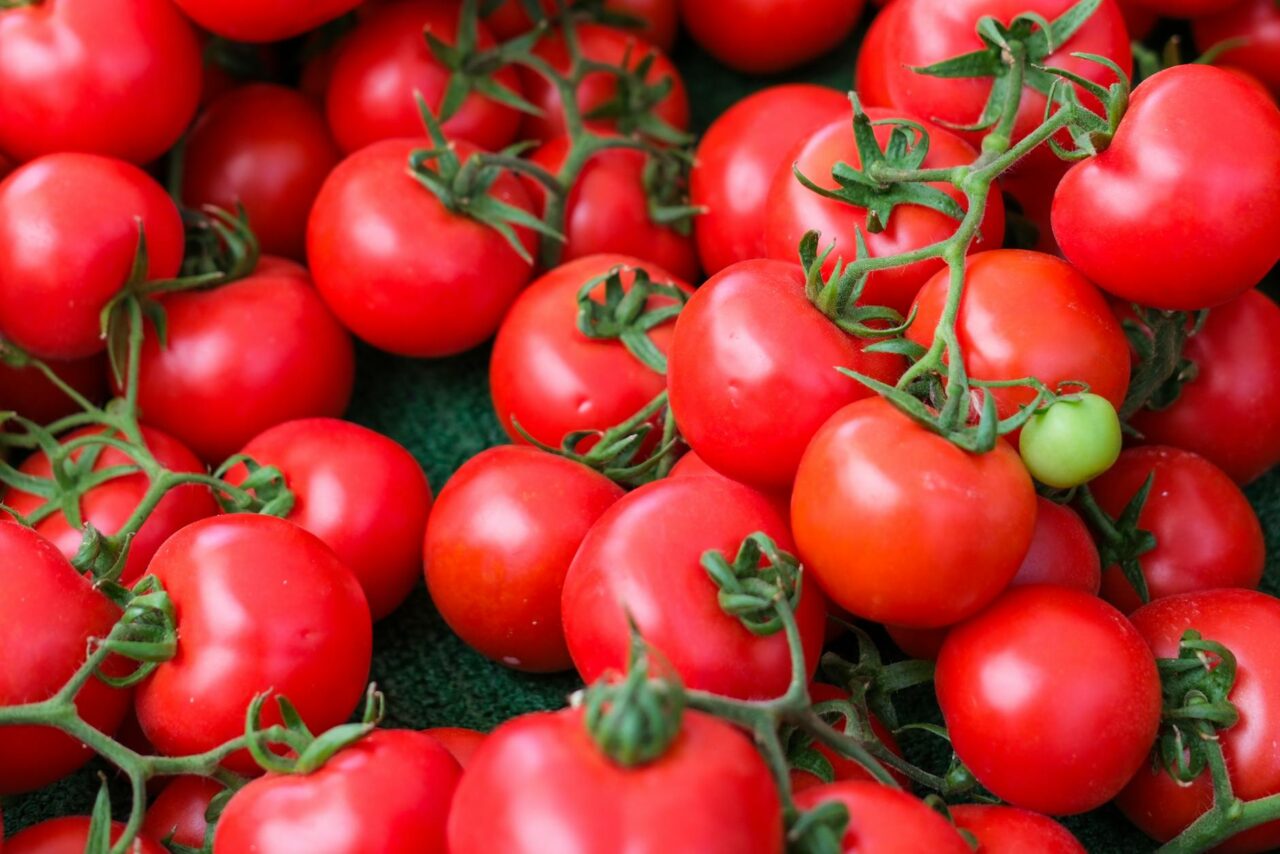
Tomatoes, a staple in many cuisines, are also facing potential tariffs. The United States sources a significant portion of tomatoes from Mexico, and any tariffs between these two countries could lead to increased costs for this versatile veggie.
For consumers, it might be worth considering growing your own tomatoes if you have the space. Not only will this save you money, but home-grown tomatoes often taste better too!
5. Grapes
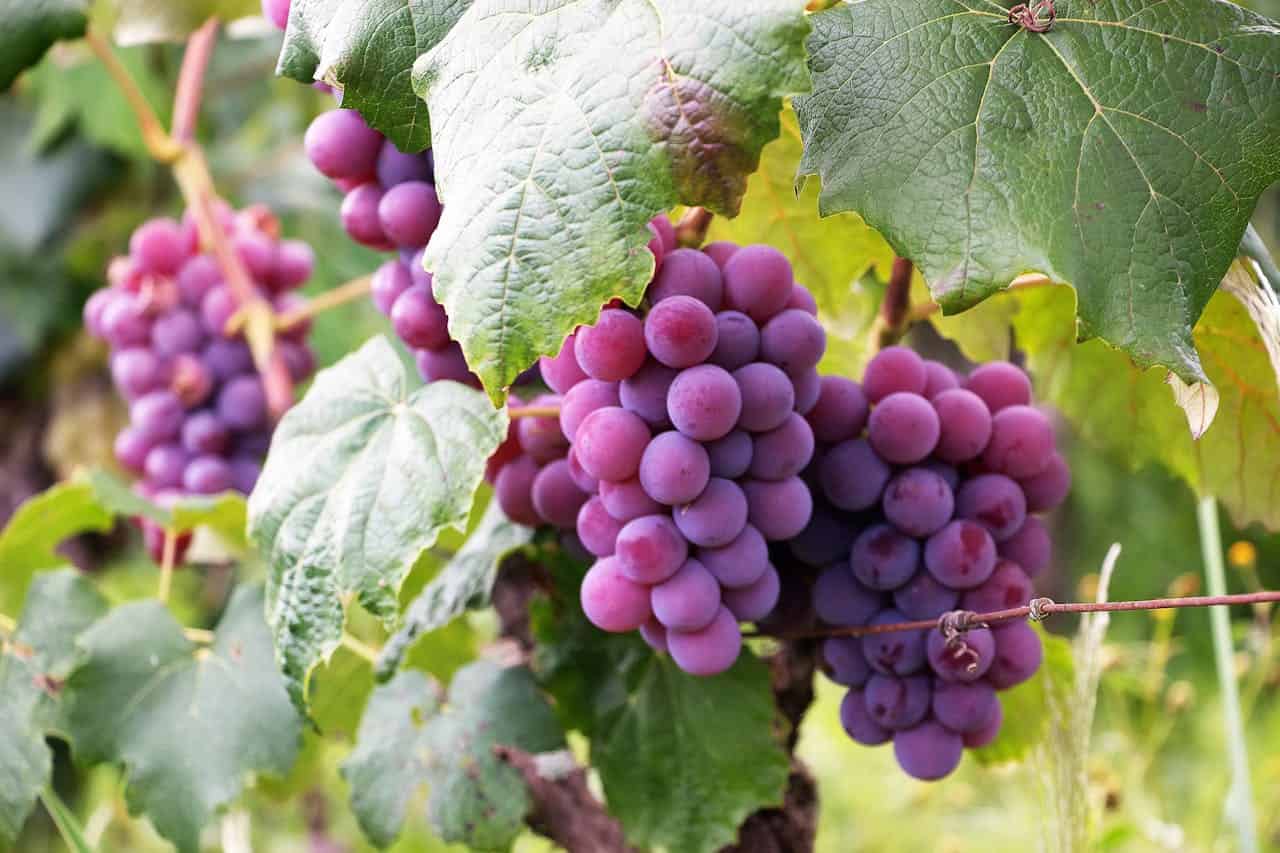
Grapes, loved for their sweetness and often found in kids’ lunch boxes, are another fruit facing tariff threats. The U.S. imports a significant number of table grapes from Mexico and wine grapes from European countries, all potentially subject to tariffs.
If grape prices do go up, it may be worth exploring other fruits like apples or pears, which can often be found at lower prices.
6. Berries

Berries, including strawberries, blueberries, and raspberries, are also on the list. These fruits are sometimes imported from countries like Mexico and China, making them vulnerable to tariff increases.
If the prices of these antioxidant-rich fruits do rise, consider frozen berries which are often cheaper and just as nutritious.
7. Peaches
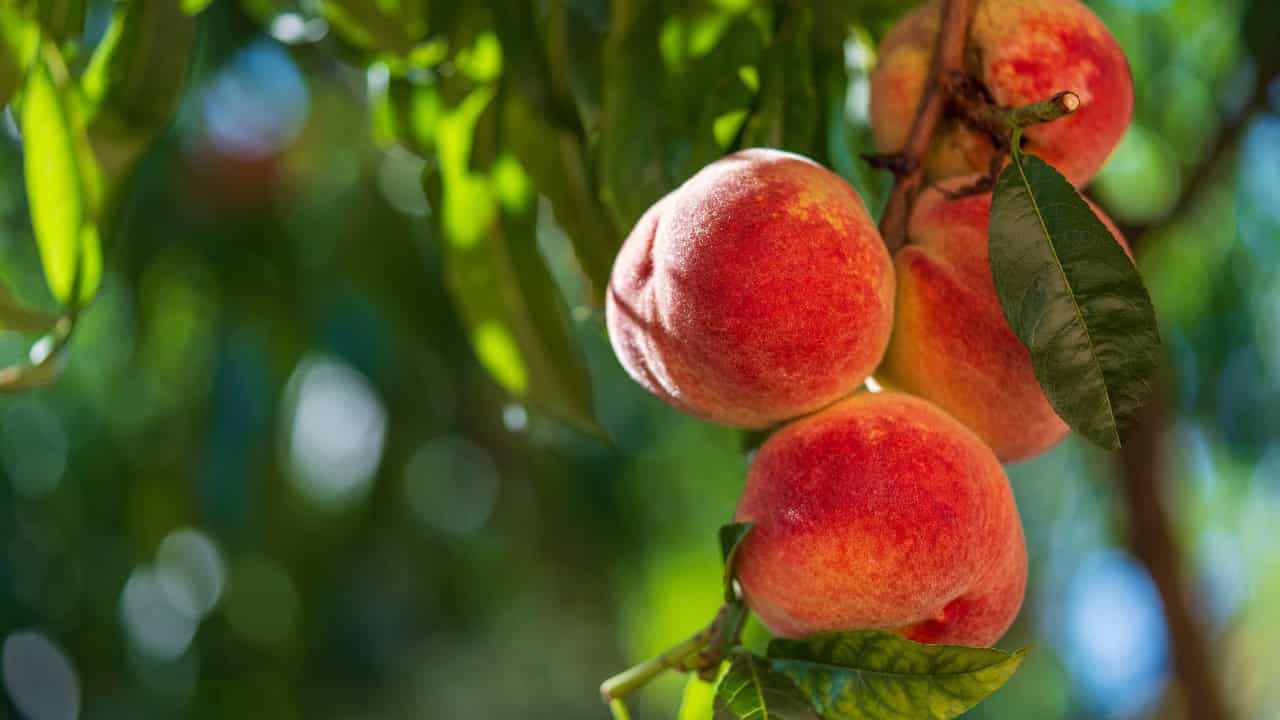
Peaches, a summer favorite, could become pricier due to tariffs. The United States imports a significant number of peaches from countries like Mexico and China.
If peaches do become more expensive, consider other summer fruits like watermelon or cantaloupe which could be cheaper alternatives.
8. Pears
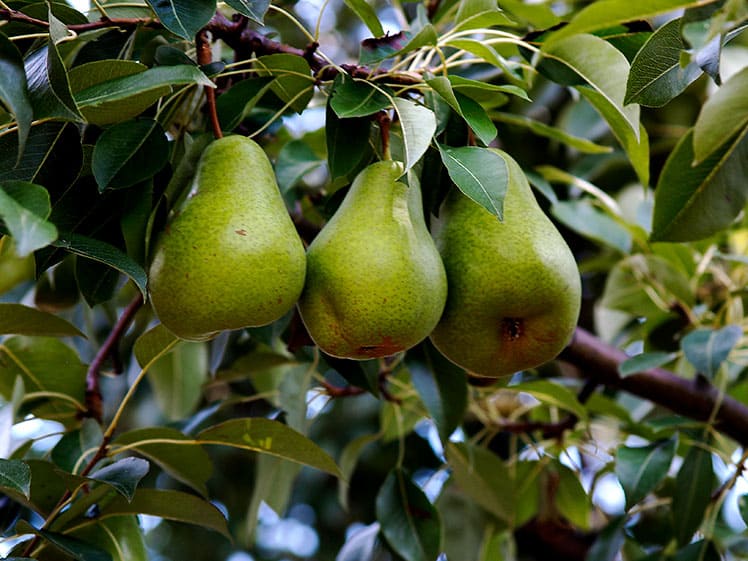
Pears, another fruit potentially affected by tariffs, are commonly imported from countries like China and Mexico.
If pear prices do increase, try swapping them out for apples, which are typically more affordable and offer similar nutritional benefits.
9. Asparagus

Asparagus, a vegetable often associated with spring, could see price hikes due to tariffs. Much of the asparagus consumed in the United States is imported from Mexico.
If asparagus becomes too expensive, consider other green vegetables like broccoli or spinach as affordable and nutritious alternatives.
10. Broccoli
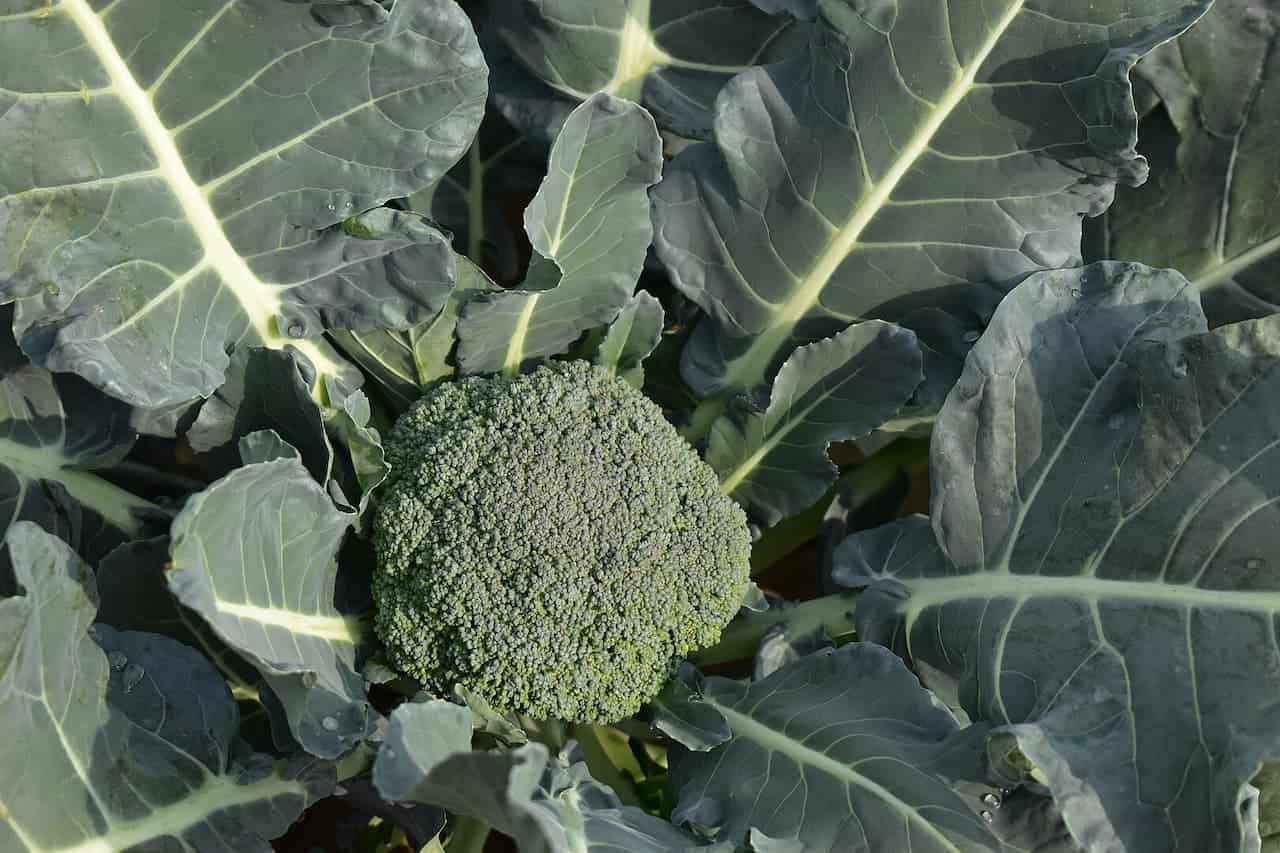
Broccoli, a superfood packed with vitamins, could also see price increases due to tariffs. The United States imports a significant amount of broccoli from countries like Mexico and China.
If broccoli becomes more costly, try swapping it out for other nutrient-rich vegetables like Brussels sprouts or kale.
11. Bell Peppers
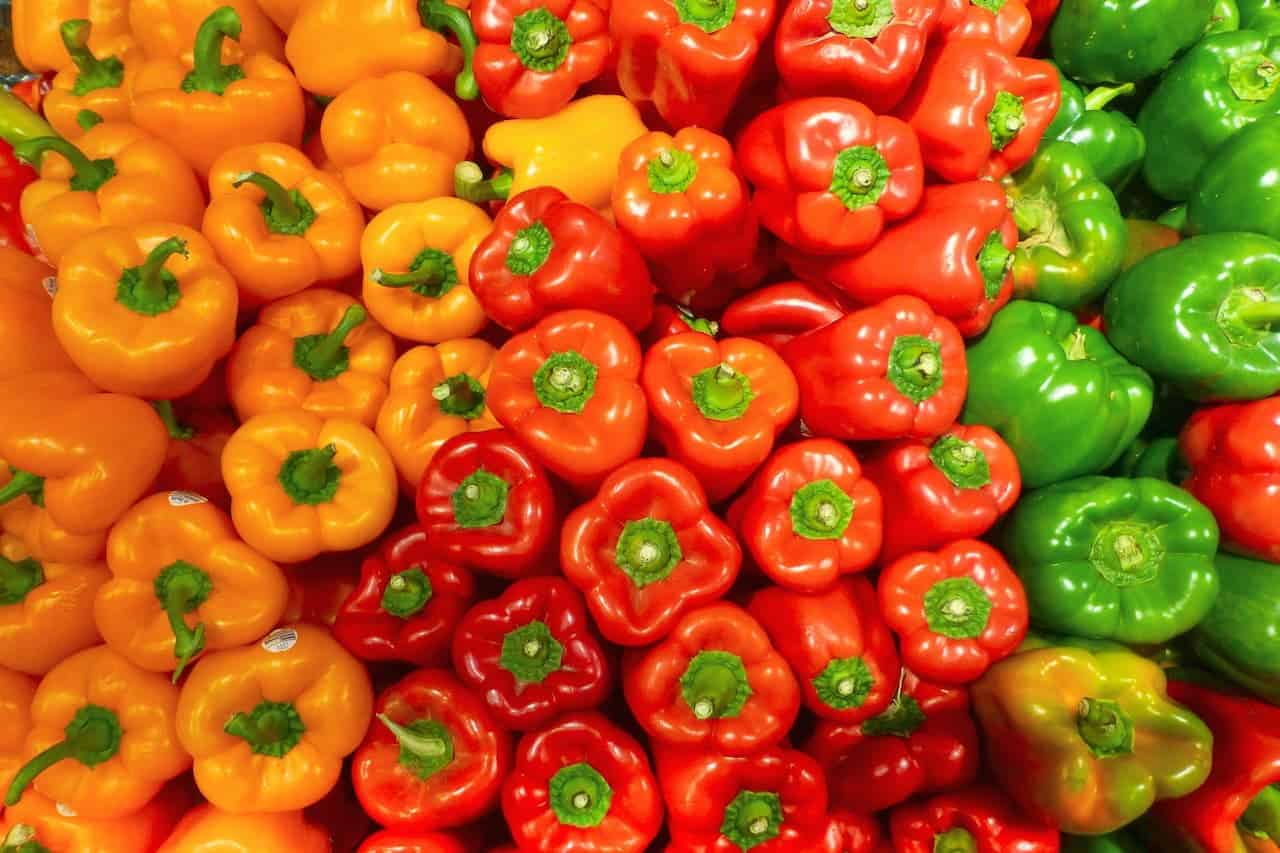
Bell peppers, a colorful and versatile vegetable, are another item potentially facing tariff hikes. The U.S. imports a significant number of bell peppers from Mexico.
If bell pepper prices do rise, consider other vegetables like zucchini or eggplant as potential substitutes.
12. Cucumbers
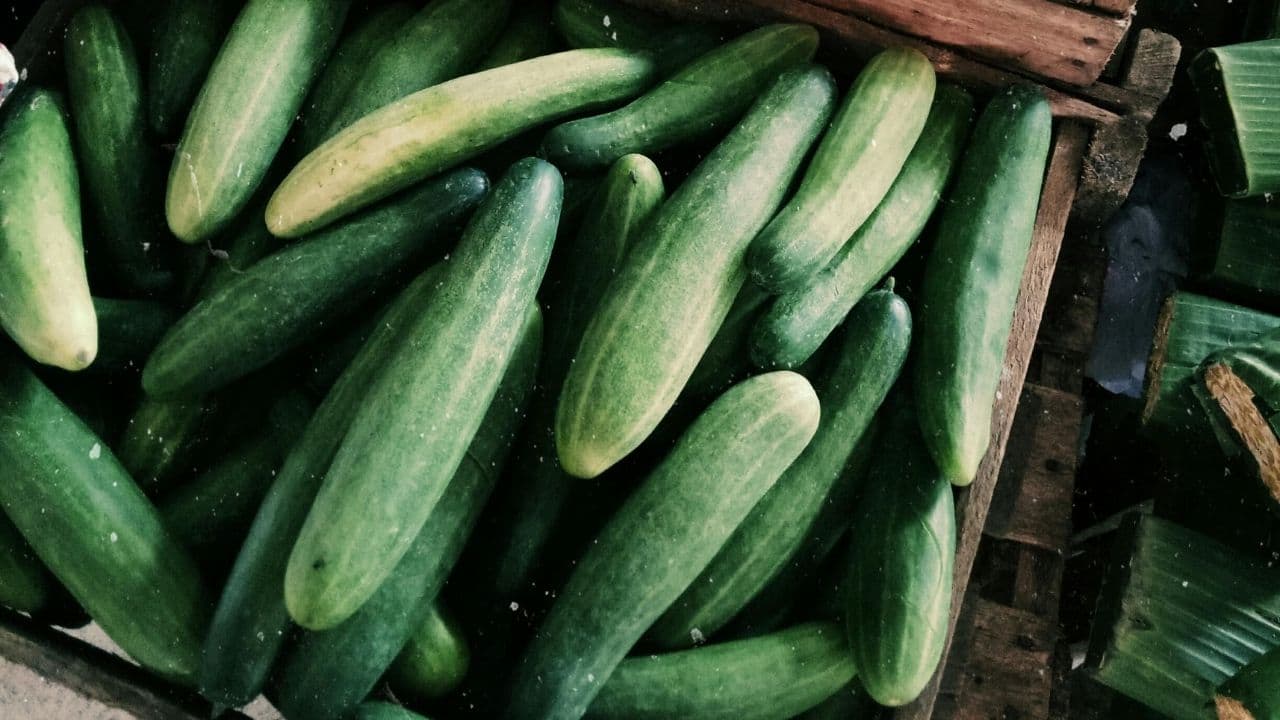
Cucumbers, a staple in salads and pickles, could also face price hikes due to tariffs. A significant portion of the cucumbers consumed in the U.S. comes from Mexico.
If cucumber prices do increase, consider alternatives like celery or carrots which are often more affordable and just as crunchy.
13. Green Beans
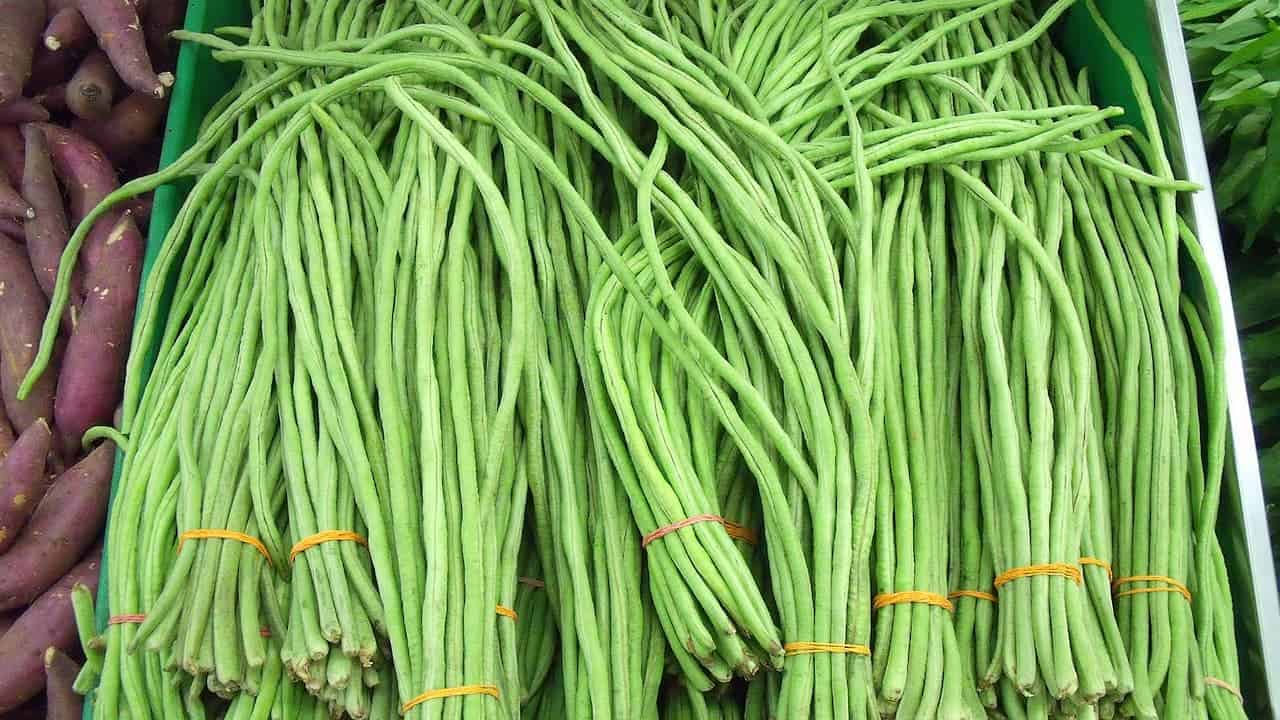
Green beans, a popular side dish, could become pricier due to tariffs. The U.S. imports a significant amount of green beans from Mexico.
If green bean prices do rise, consider other affordable vegetables like peas or zucchini.
14. Squash
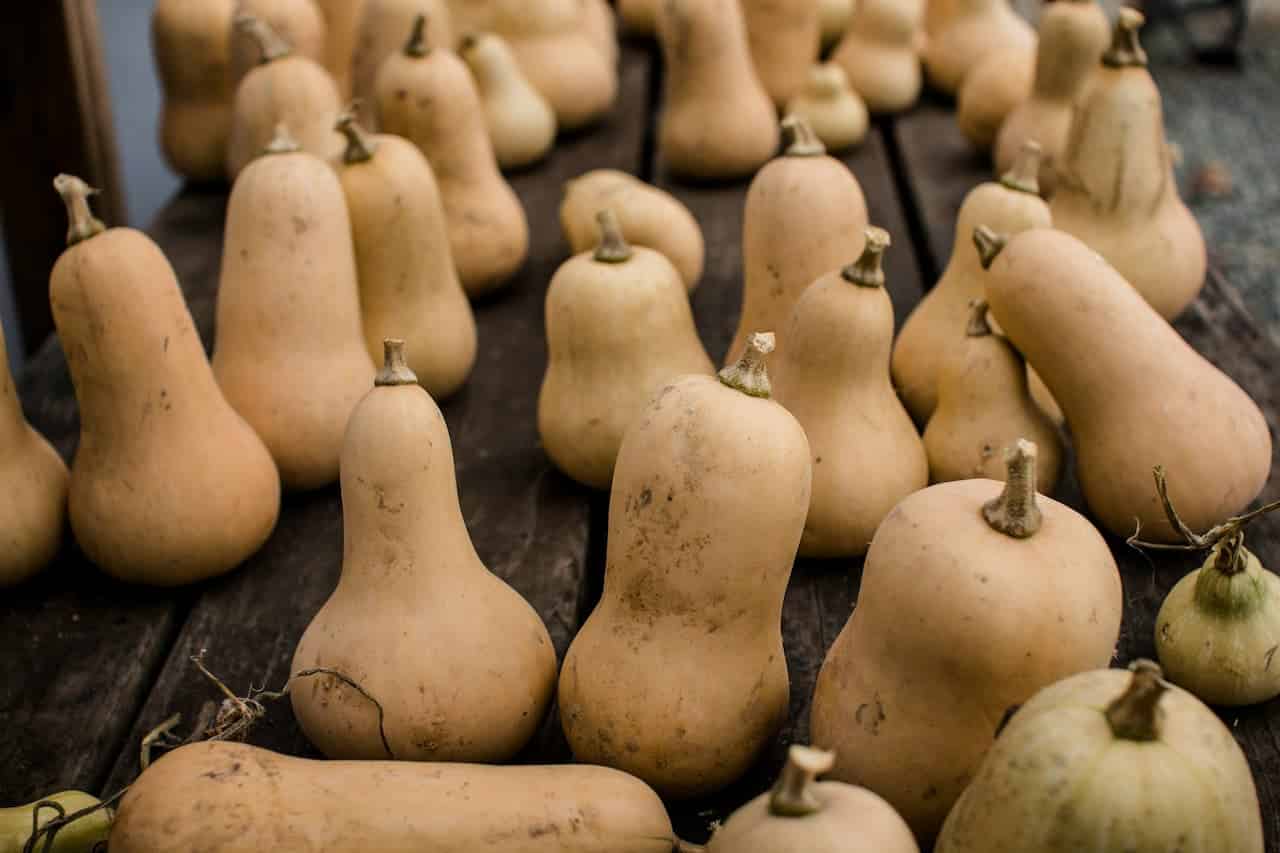
Squash, a versatile vegetable enjoyed in many dishes, could also face tariff hikes. The U.S. imports a significant portion of squash from Mexico.
If squash becomes more expensive, consider other vegetables like sweet potatoes or carrots as potential substitutes.
15. Lettuce

Last but not least, lettuce, a staple in salads, could see price increases due to tariffs. The United States imports a significant amount of lettuce from Mexico.
If lettuce becomes too expensive, consider other leafy greens like spinach or kale which are often more affordable and packed with more nutrients.