Living frugally might seem like a modern trend, but many valuable skills come from our ancestors who mastered the art of making the most out of limited resources. As we face rising costs and economic uncertainties, looking back at these time-tested practices can be a game changer for your lifestyle. Relearning these frugal living skills can help you save money, reduce waste, and foster a greater sense of self-sufficiency.
From preserving food to crafting household goods, these skills not only promote sustainability but also connect you to a simpler way of life. By incorporating what we’ve learned from those who lived through challenging times, you can create a more mindful and resourceful approach to everyday living.
Advertisement
Home Gardening

Home gardening is a fantastic way to grow your own food while saving money. You can start small with herbs or vegetables in pots if you’re short on space.
It’s not only budget-friendly but also provides fresh produce right at your doorstep. Many people from previous generations relied on gardening for their meals.
You can learn a lot from them. Techniques like companion planting or saving seeds can make your garden thrive. So grab some soil and seeds, and enjoy the process!
Food Preservation Techniques

Preserving food is an essential skill our ancestors mastered. Techniques like canning, drying, and fermenting keep food safe and tasty for longer.
You can start with simple methods like dehydrating fruits and vegetables. This way, you enjoy their flavors year-round.
Fermentation is another fun option. Foods like pickles and kimchi not only last longer but also add healthy probiotics to your diet.
Try canning jams or sauces; it’s a great way to capture seasonal produce. Each of these techniques can help you save money and reduce waste in your kitchen.
Cloth Mending and Repair
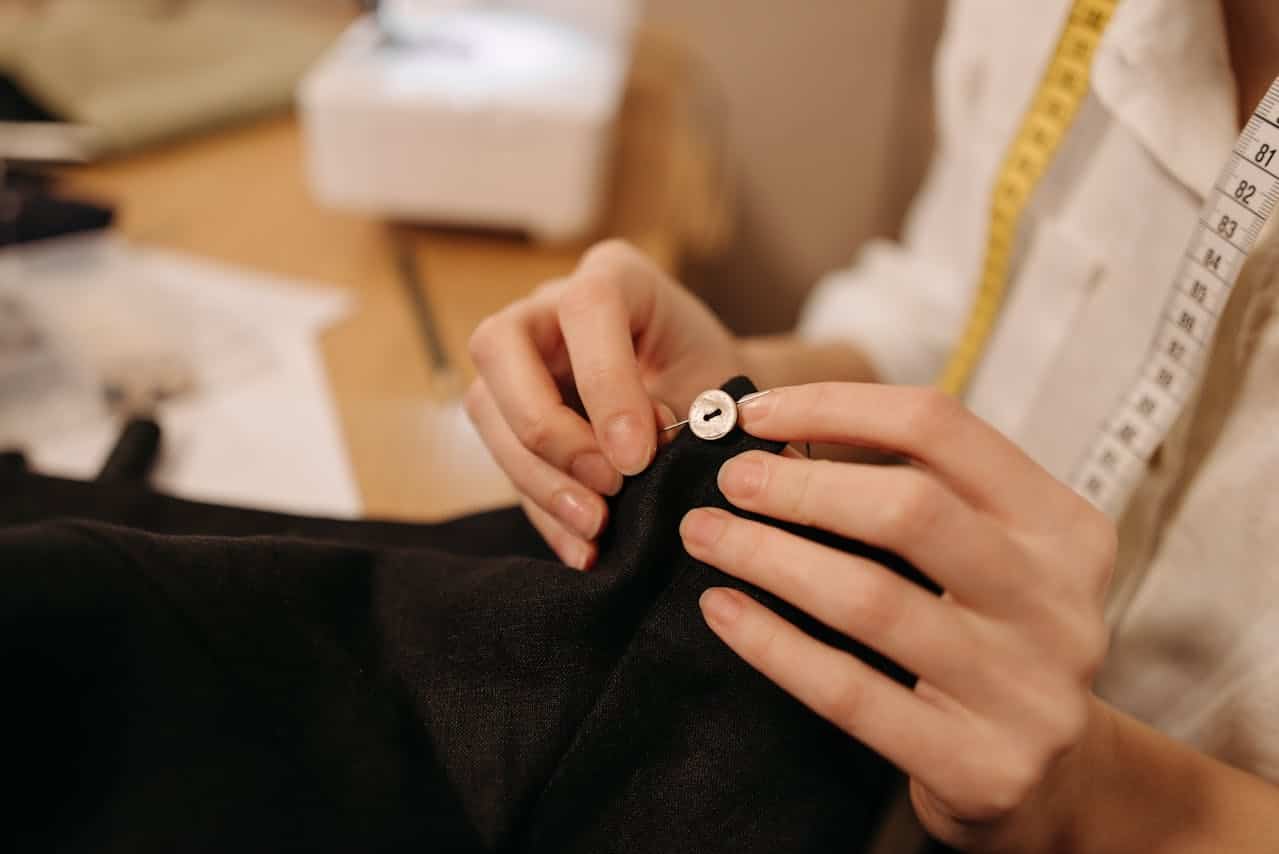
Cloth mending is a skill that can save you money while extending the life of your clothes. You don’t need to be a sewing expert; basic skills like sewing on a button or fixing a hem are quite useful.
Repairing a seam or patching a hole can make your favorite items last longer. Plus, it adds a personal touch to your wardrobe.
Many people overlook these skills today, but they can be surprisingly easy to learn. Embracing cloth mending not only helps your wallet but also reduces waste. So grab a needle and thread—you might just find it enjoyable!
Bartering Skills

Bartering skills can be incredibly useful in today’s economy. Instead of relying solely on cash, you can trade goods or services with others. This method builds community connections and teaches negotiation.
Start by assessing what you have to offer. Whether it’s homemade goods, skills, or services, knowing your strengths is key.
Look for local barter networks or community groups. These can help you find others interested in exchanging items or services, without using money.
Practicing bartering can save you money and help you acquire what you need more innovatively. Embrace this old-school skill; it’s as valuable today as it was for our ancestors.
Making Homemade Cleaning Products
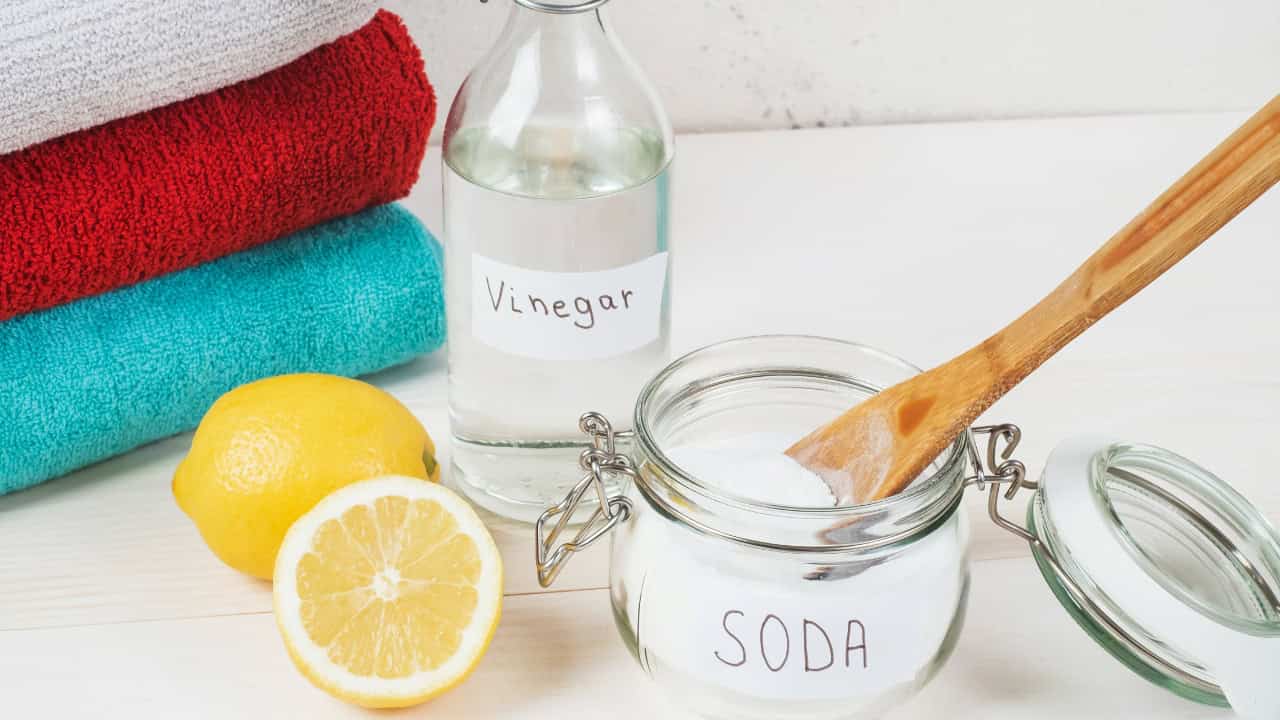
Making your own cleaning products can save you money and keep your home chemical-free. It’s easier than you think!
You can create an all-purpose cleaner with just vinegar and water. This mixture cuts through grease and odors effectively.
For tough stains, try baking soda mixed with water to form a paste. It works wonders on surfaces without scratching.
Essential oils can add pleasant scents to your cleaners. Just a few drops can make a big difference in your cleaning routine.
Explore simple recipes, like those found in various DIY guides, to get started and enjoy the benefits of homemade cleaning solutions.
Cooking from Scratch
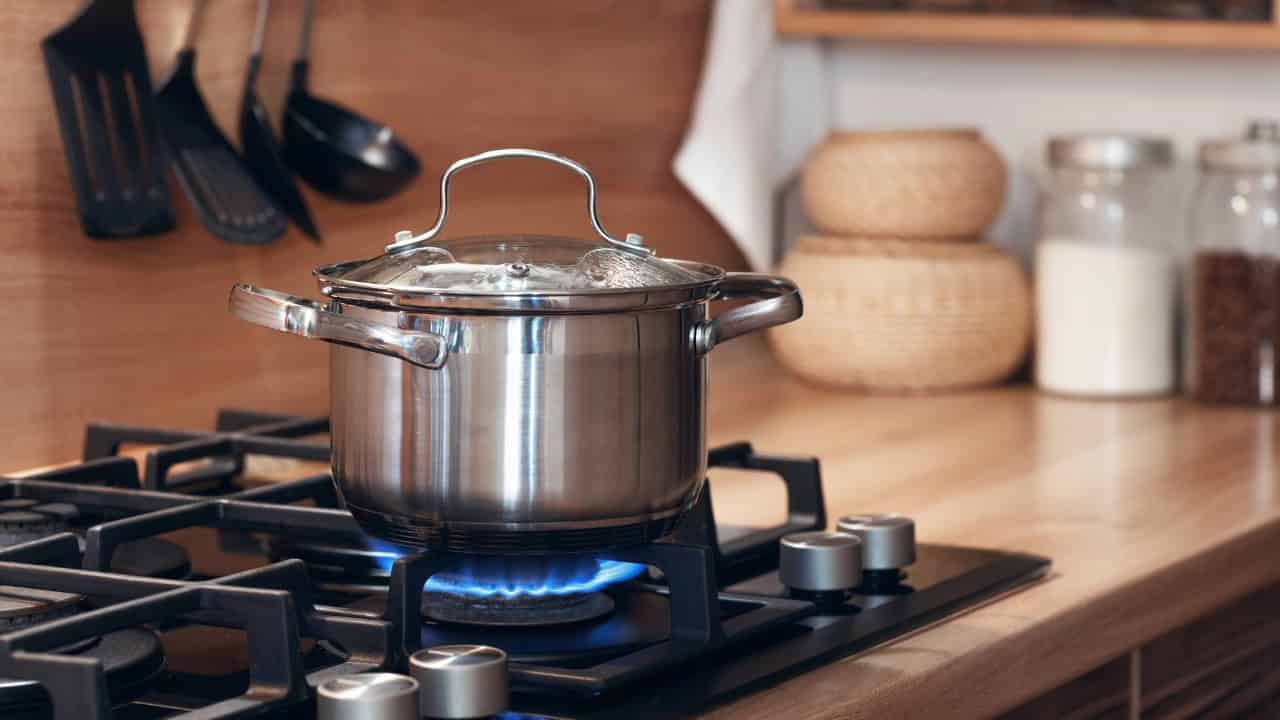
Cooking from scratch is a skill that can save you money and often lead to healthier meals. You get to control the ingredients, avoiding additives and preservatives.
It’s also fun to explore new recipes and flavors. Simple meals can be made with basic staples you already have at home.
Many people have found that learning to cook this way not only cuts costs but also enhances their cooking skills. Consider checking out ideas for frugal recipes that utilize few ingredients while remaining satisfying. It’s a great way to reconnect with food!
Budget Conscious Meal Planning

Planning meals on a budget is a smart way to save money. Start with a list of staple ingredients like rice, beans, and seasonal vegetables. These can form the backbone of many meals.
To keep costs down, consider batch cooking. Make larger portions of meals and freeze leftovers for later. This not only saves time but also cuts down on waste.
Don’t forget to explore local markets for deals on fresh produce. You can often find cheaper options that can spice up your meal rotation. By getting creative, you can eat well without overspending.
Reading Books Instead of Spending

When you feel the urge to spend, consider reaching for a book instead. Reading can expand your mind and give you fresh ideas without costing much.
Libraries are a treasure trove of free resources. You can explore various topics, from cooking to finance, all while avoiding expenses.
Books can inspire you to try new things and discover inexpensive hobbies. This simple shift in habits can help you save money while enriching your life.
Handmade Gifts
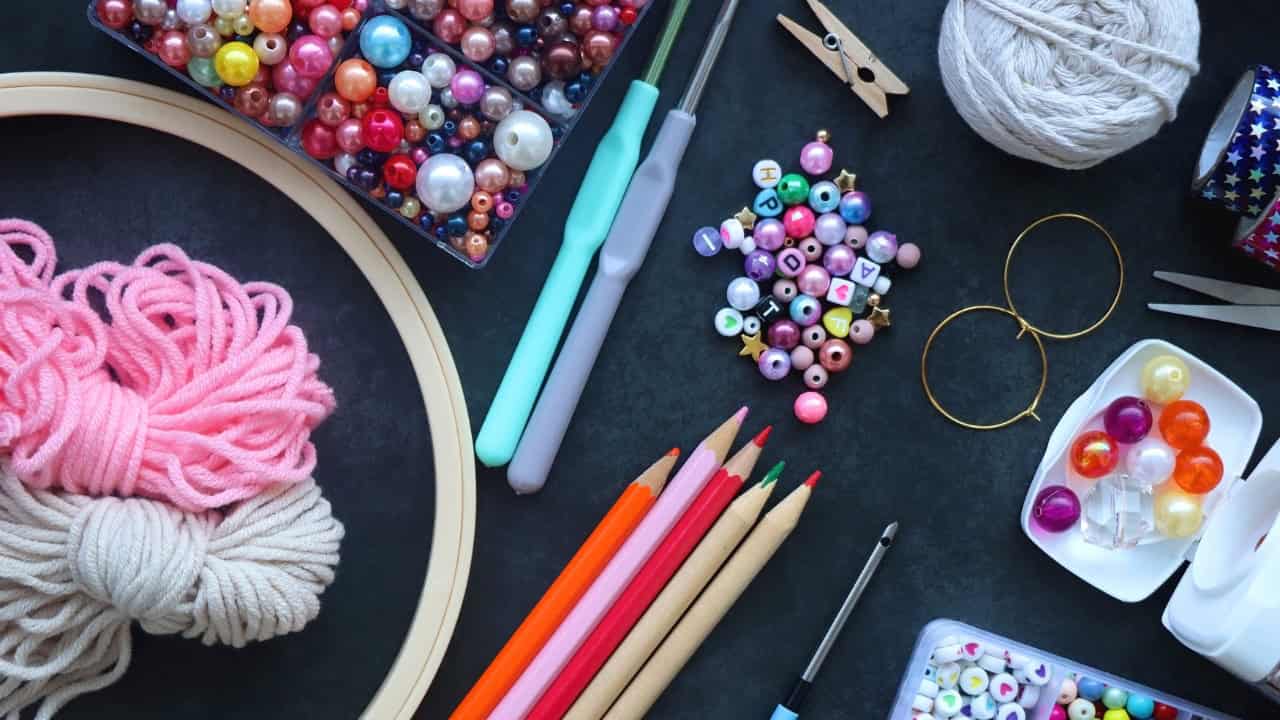
Handmade gifts not only carry a personal touch but also show thoughtfulness. You can create items that suit your friend’s interests, whether it’s knitted scarves or jarred jams.
Making gifts like candles or soaps can be fun and therapeutic. Plus, you can customize them with scents and colors.
These gifts are often more meaningful than store-bought ones. They reflect your time and effort, making them truly special.
Embrace your creativity and enjoy the process of making something unique for someone you care about.
Skill Sharing in Community

Skill sharing in your community can be a game changer. It allows you to learn from others while fostering connections.
You might find a neighbor who knows how to garden or fix appliances. These shared skills help everyone save money and gain confidence.
Hosting a skill swap event can be fun. You share what you know in exchange for learning something new.
This way, you keep valuable skills alive while building a supportive network around you. It’s a win-win situation for all involved!
Finding Free Local Entertainment

You can discover plenty of free entertainment options right in your community. Check out local parks for outdoor movies or music events. Libraries often host free workshops and activities for all ages.
Look for community festivals or fairs, where you can enjoy food, music, and fun without spending much. Explore local art walks or historical sites that offer free admission.
Don’t forget to ask friends or neighbors about upcoming events. You might be surprised by what’s available around you, all without costing a dime.
Using Hand Tools

Using hand tools is a skill that many have lost in the age of power tools. However, these tools offer a great way to save money and gain practical skills.
You can start with basics like hammers, saws, and screwdrivers. These tools are not only cost-effective but also provide a sense of achievement when you complete a project.
Learning to use hand tools allows for greater precision and control. You can take on various DIY projects around your home, enhancing your living space without breaking the bank.
Repairing Instead of Replacing

In today’s throwaway culture, it’s easy to toss items when they break. Choosing to repair instead can save you money and reduce waste.
Start by learning basic repair skills. Many online tutorials can guide you through fixing everything from clothes to electronics.
You’ll find that a little effort can extend the life of your belongings. Plus, it feels rewarding to bring something back to life instead of sending it to the landfill.
Embrace the idea of using what you have. This mindset not only saves cash but can also spark creativity in how you use and maintain your items.
Foraging Wild Foods

Foraging for wild foods is a great way to connect with nature and save some money. You can find edible plants, mushrooms, and berries just outside your door or in local parks.
Learning to identify what’s safe to eat is key. Start with common ones like dandelions or blackberries, which are often abundant.
Plus, foraging adds a fun adventure to your meals. Just remember to respect the environment and only take what you need. Enjoy the thrill of discovering nature’s pantry!
Raising Chickens for Eggs
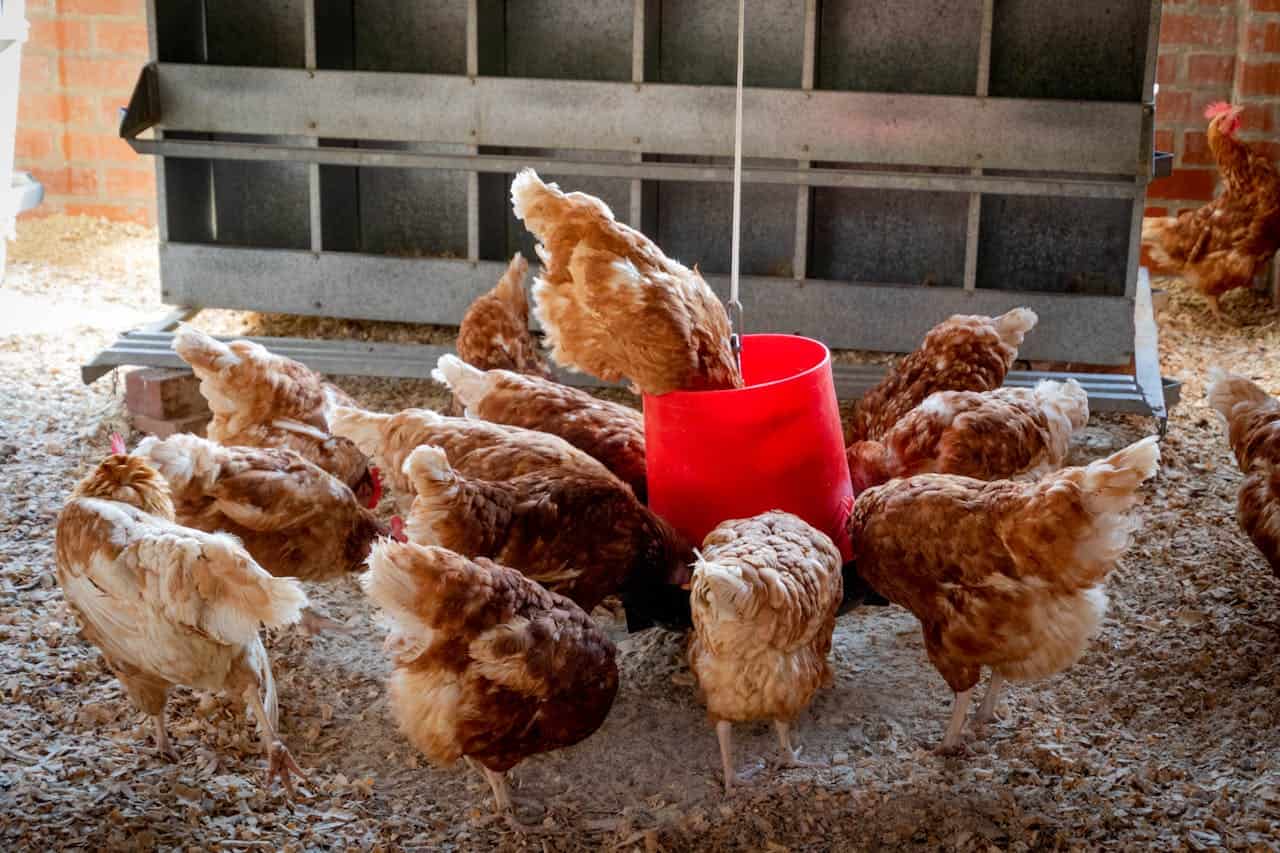
Raising chickens for eggs can be a smart move for frugal living. They provide a fresh supply of eggs right in your backyard.
Chickens can be relatively inexpensive to start with, especially if you build your own coop. You’ll need to consider costs for feed and bedding, but many find that the benefits outweigh the expenses.
If you’re handy, you can use household items for coop supplies. Plus, keeping chickens can be a fun and rewarding experience as you connect with nature.