
With grocery prices steadily rising, it’s smart to think ahead and stock up on essentials before they get more expensive—or harder to find. Building a stockpile doesn’t mean panic buying. It means having a thoughtful reserve of long-lasting items that stretch your budget, reduce shopping trips, and offer peace of mind. Based on guidance from food storage experts, government agencies, and nutritionists, here are 15 pantry staples worth buying now.
Canned Beans

Canned beans are one of the most practical items to keep in a stockpile. They’re affordable, full of protein and fiber, and incredibly versatile—ideal for soups, chili, salads, and quick meals.
The USDA highlights beans as a key part of a balanced diet. Their shelf life typically ranges from 2 to 5 years unopened, making them perfect for long-term storage without sacrificing nutrition or flavor.
Dried Lentils

Dried lentils are a shelf-stable superfood. Packed with protein, fiber, and nutrients, they cook faster than other legumes and don’t require soaking. That makes them ideal for quick, hearty meals.
According to the Harvard School of Public Health, lentils are a powerful plant-based protein source. Properly stored in airtight containers, they can last years in the pantry without losing quality or nutrition.
Peanut Butter

Peanut butter offers long-lasting nutrition in a small jar. It’s rich in healthy fats, protein, and calories—ideal for emergency situations or quick meals. It’s also kid-friendly and shelf-stable.
The National Peanut Board notes that unopened peanut butter can last up to 2 years, while opened jars last several months unrefrigerated. For long-term storage, opt for varieties with added stabilizers rather than natural versions, which spoil faster.
Canned Tuna
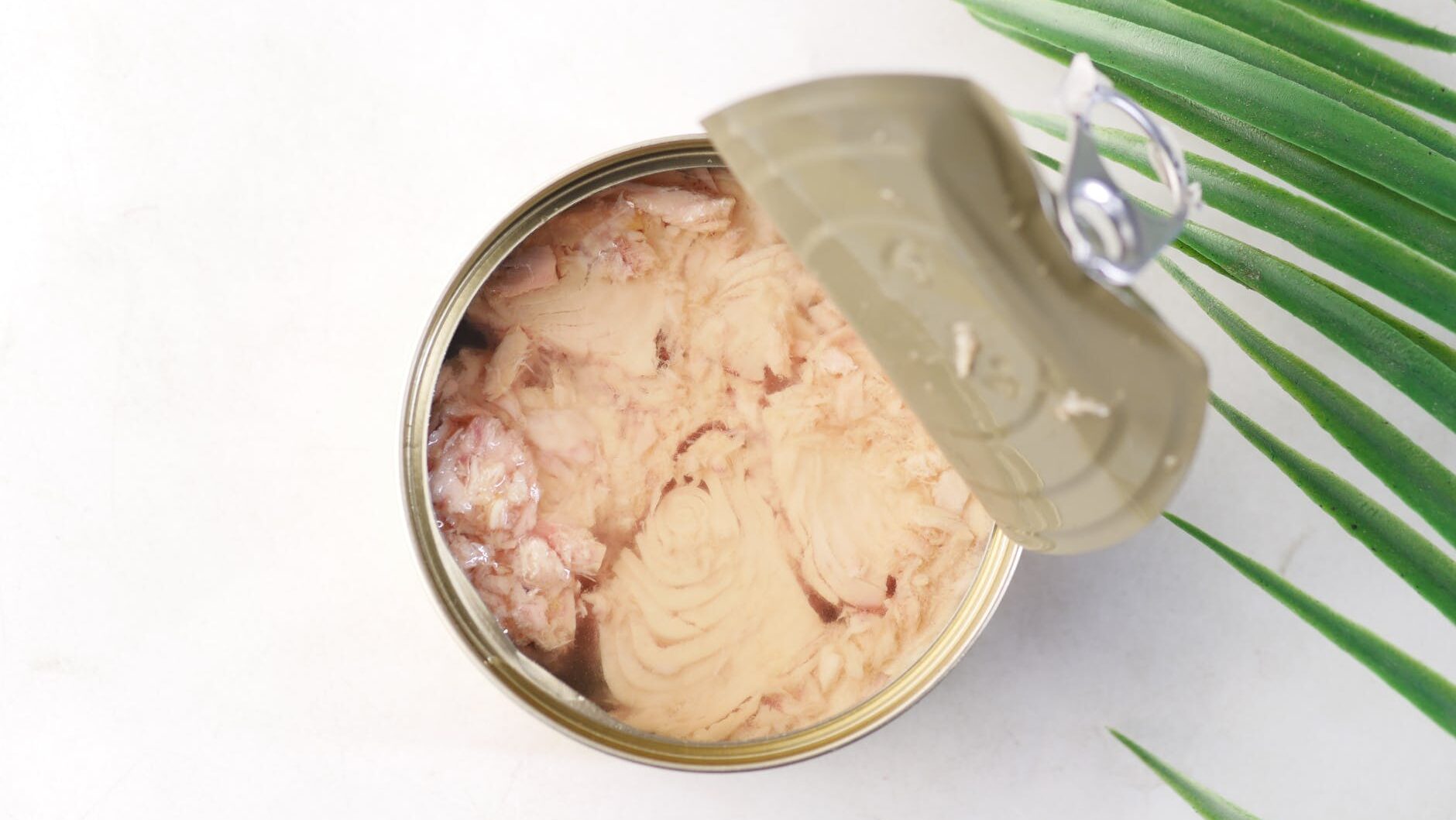
Canned tuna is high in protein, requires no refrigeration, and lasts for years—making it ideal for both everyday convenience and emergency preparedness. It’s also rich in omega-3 fatty acids.
The American Heart Association recommends tuna as part of a heart-healthy diet. Most varieties last 3–5 years unopened, and they’re affordable to stock up on during sales.
White Rice

White rice is one of the longest-lasting pantry staples around. Properly stored, it can last 20 to 30 years. It’s calorie-dense, filling, and works with just about any other ingredient.
According to the USA Rice Federation, rice should be kept in a cool, dry location to maximize shelf life. Its versatility and durability make it a must-have for emergency food planning.
Pasta

Pasta is a pantry favorite for a reason. It’s inexpensive, satisfying, and can be turned into a full meal with just a few extras. You can dress it up with canned goods, cheese, herbs, or leftovers.
The USDA lists dry pasta among top long-term shelf-stable foods. It typically lasts 1–2 years unopened and even longer when sealed properly in mylar or airtight containers.
Canned Tomatoes
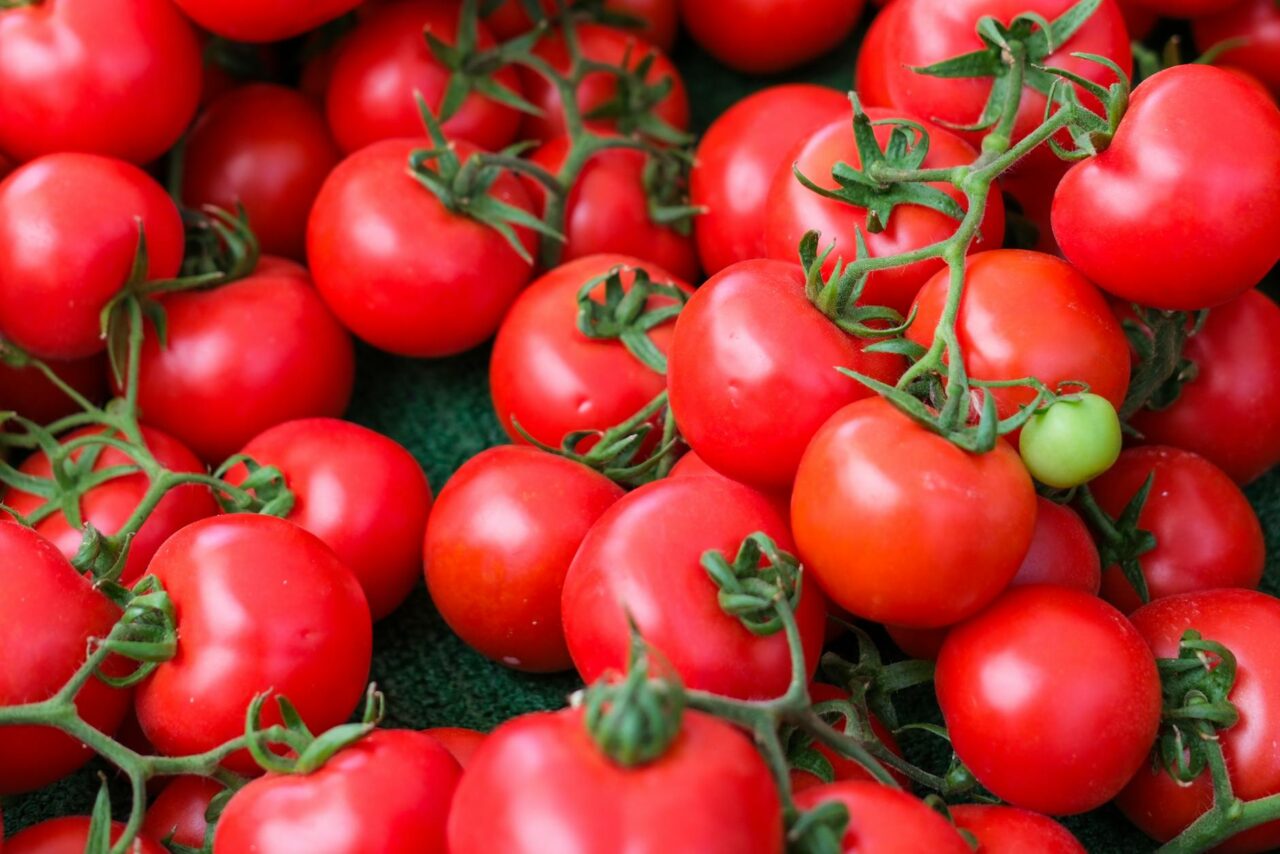
Canned tomatoes are a pantry powerhouse. Whether you’re making chili, soup, stew, or pasta sauce, tomatoes bring rich flavor and acidity to nearly any dish.
The Harvard Medical School lists tomatoes as one of the top anti-inflammatory foods, thanks to their lycopene content. Most canned tomato products stay good for 1–2 years, and longer with proper storage.
Dried Oats

Oats are a filling and budget-friendly grain that belongs in every stockpile. They’re high in fiber, great for breakfast, and useful in baking or energy bars.
The Whole Grains Council recognizes oats for their heart and digestive benefits. Stored in a cool, airtight container, they can last up to 2 years or more. They’re an easy, nourishing staple to have on hand.
Powdered Milk

Powdered milk is a smart substitute for fresh milk when refrigeration isn’t available. It’s easy to store and use in recipes, coffee, cereal, or baking.
According to the Ready.gov emergency food guidelines, nonfat powdered milk can last 2–10 years if sealed and stored correctly. It’s a reliable, protein-rich item to keep in any long-term food stash.
Honey

Honey is one of the few foods that never spoils. Its natural antibacterial properties give it an indefinite shelf life, making it a long-term pantry MVP.
The National Honey Board confirms that honey can last forever if stored properly. Use it in tea, baking, or to soothe a sore throat—it’s delicious and versatile.
Olive Oil

Olive oil is a heart-healthy cooking staple with a relatively long shelf life—especially extra virgin varieties. It’s excellent for roasting, sautéing, and salad dressings.
The American Heart Association lists olive oil among the best cooking oils. It lasts 18–24 months when stored away from heat and light, and it’s worth grabbing extra bottles during a sale.
Canned Soup
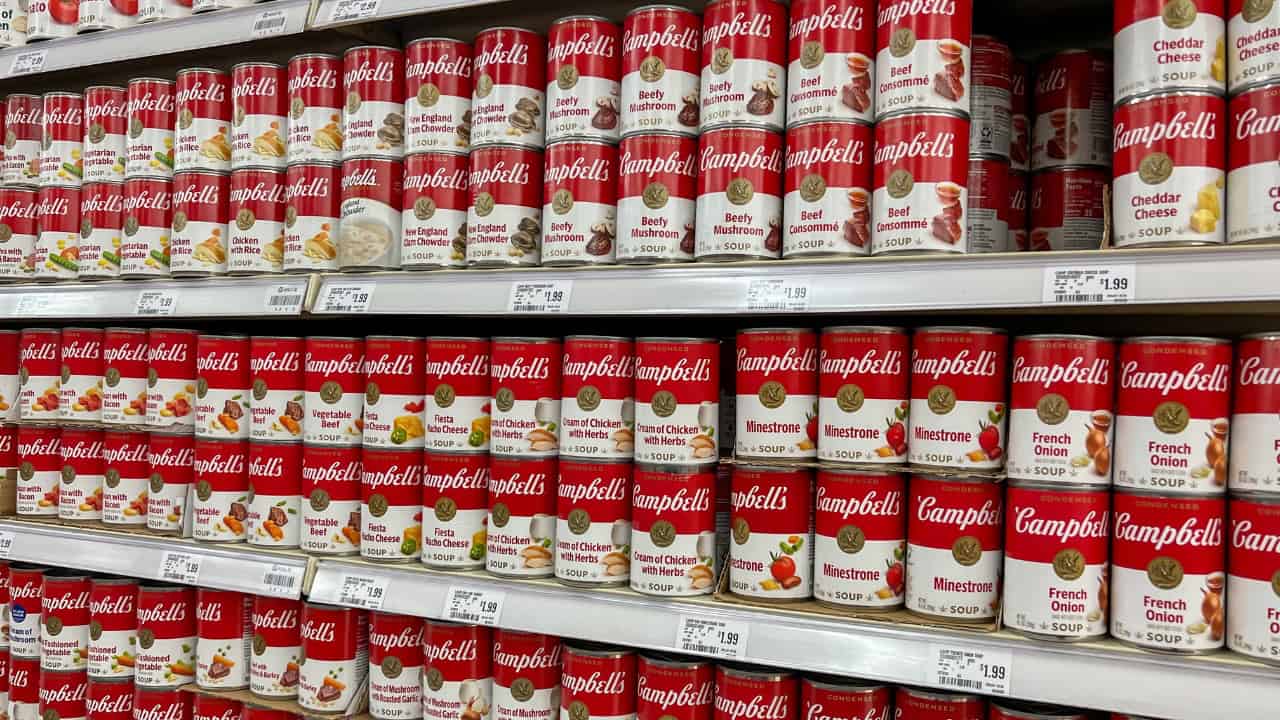
Canned soup is ideal for quick meals and emergencies alike. It requires no prep, has a long shelf life, and offers a warm, filling option when cooking from scratch isn’t possible.
The USDA includes canned soup in its emergency food storage recommendations. Many varieties last up to 2 years unopened and are easy to rotate into everyday meals.
Canned Fruit

Canned fruit helps ensure consistent access to vitamins when fresh options are out of season or overpriced. It’s shelf-stable, easy to serve, and kid-approved.
The Produce for Better Health Foundation confirms that canned fruit retains much of its nutritional value, especially when packed in juice. Most cans last 12–18 months unopened.
Salt

Salt is essential for both flavor and preservation. It enhances food, supports fermentation, and helps keep meat or vegetables fresh longer.
The CDC includes salt in its emergency prep recommendations. It doesn’t spoil, which makes it perfect for bulk storage in any emergency kit.
Pepper
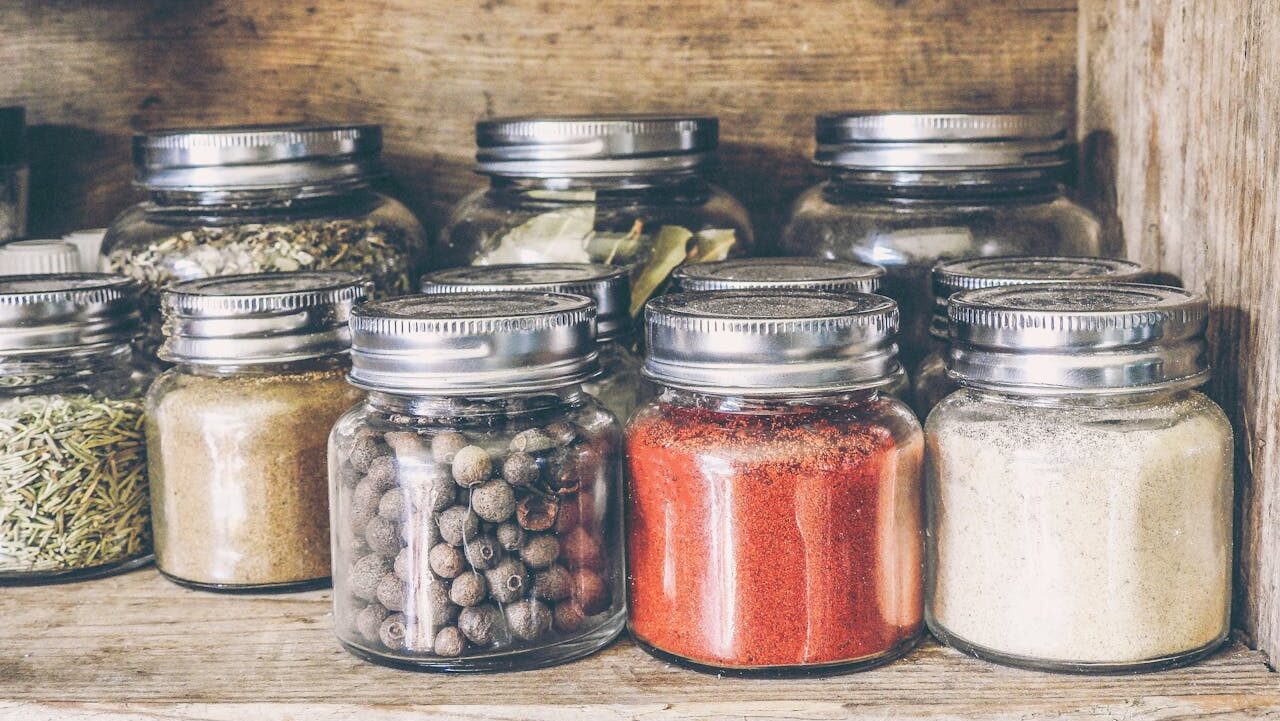
Pepper adds flavor and depth to almost every meal—and it stores remarkably well. Whole peppercorns last up to four years; ground pepper, about two.
The National Institutes of Health reports that black pepper may even aid digestion and enhance nutrient absorption. It’s an inexpensive, useful spice to keep stocked.
This article was created with the help of AI and edited for clarity and accuracy.